7 Worst Vegetables For Raised Beds In North Carolina And 7 That Absolutely Thrive In Them
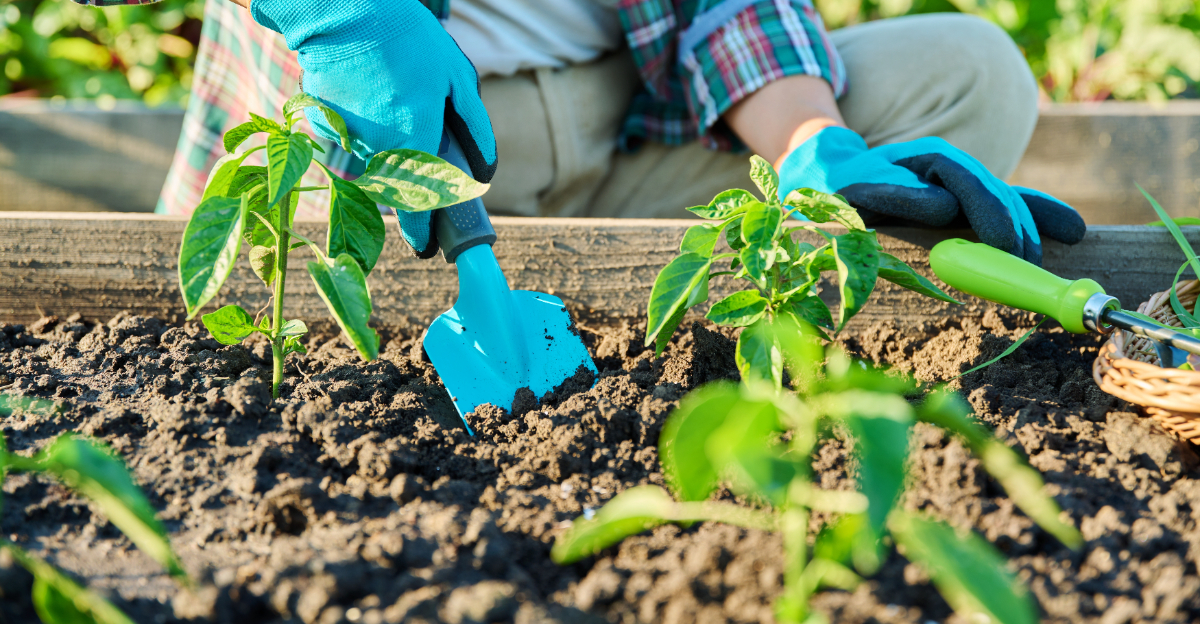
Raised beds are one of the most popular setups in North Carolina gardens right now, and with good reason. They fix drainage problems, warm up faster in spring, and give you control over soil quality that is nearly impossible to achieve in native clay or sandy ground.
What the enthusiasm around raised beds sometimes skips over is that certain vegetables do not actually benefit from that setup and a few perform noticeably worse in them than they would in the ground.
The combination of faster drying soil, limited root depth in some designs, and the heat that raised beds absorb through summer works against specific crops in ways that show up clearly by midsummer.
On the flip side, there are vegetables that seem almost purpose built for raised bed growing in North Carolina, taking full advantage of the warmth, drainage, and loose soil in ways that consistently outperform in ground results.
Knowing which side of that line each crop falls on before planting season saves a lot of wasted space and frustration.
1. Sweet Corn (Zea mays)
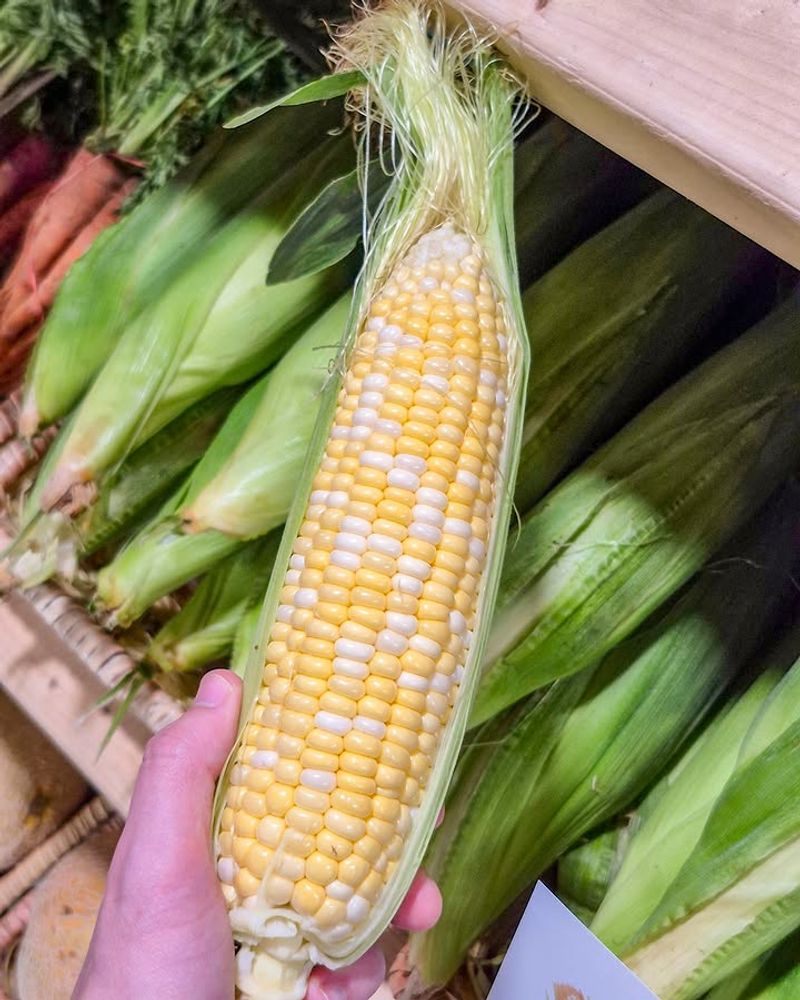
Picture a towering wall of corn stalks blocking every bit of sunlight from reaching your other plants. That is exactly what happens when you try growing sweet corn in a raised bed in North Carolina.
Corn is a wind-pollinated crop, which means it needs to be planted in large blocks of at least four rows to produce full, well-developed ears. A small raised bed simply cannot support enough plants for proper pollination.
Even if you manage to get a few ears, the massive stalks can reach six to eight feet tall and create heavy shade over everything nearby.
North Carolina summers are already intense, and blocking airflow in a tight space only increases humidity and disease pressure around your other crops. The space-to-harvest ratio just does not make sense for most home gardeners.
Corn also feeds heavily on nutrients and can drain your raised bed soil quickly. If you are gardening in North Carolina and working with a standard four-by-eight raised bed, your space is far too valuable to give to corn.
Better options exist that produce more food in less room and cause far fewer headaches throughout the season.
2. Pumpkins (Cucurbita maxima, Cucurbita moschata)
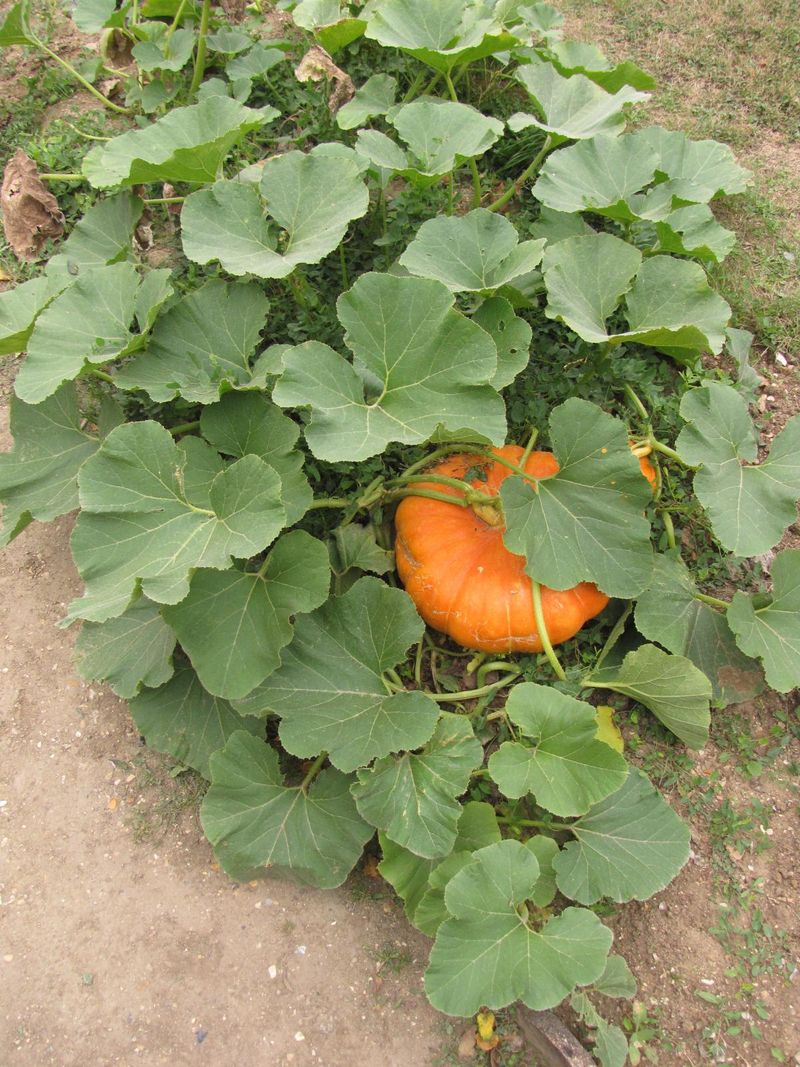
Pumpkins are one of those vegetables that look manageable at first but quickly turn into a garden takeover situation.
Most standard pumpkin varieties send out vines that can stretch ten to twenty feet in every direction, and North Carolina’s long, warm growing season only gives them more time to spread.
What starts as one tidy transplant can become a sprawling mess within a few weeks.
Raised beds work best when space is used efficiently, and pumpkins are the opposite of efficient. They crowd out neighboring plants, pull moisture away from shallower-rooted crops, and can even pull the soil down over the edges of your bed.
If you are gardening in North Carolina and dreaming of giant orange pumpkins, the backyard ground or a large garden plot is a much smarter choice.
Your North Carolina Garden Changes Every Week. Your Plan Should Too.
Gardening in North Carolina changes quickly throughout the season. Every Friday you’ll receive a simple weekly plan showing exactly what to plant, prune, fertilize, harvest, and protect so you never miss the right timing.
Some compact or bush-type pumpkin varieties do exist and behave a little better, but even those push the limits of a standard raised bed. The fruit itself gets heavy, and the vines still wander more than most people expect.
Saving your raised bed space for vegetables that stay put and produce steadily throughout the season will reward you with a far more productive and manageable garden overall.
3. Watermelons (Citrullus lanatus)
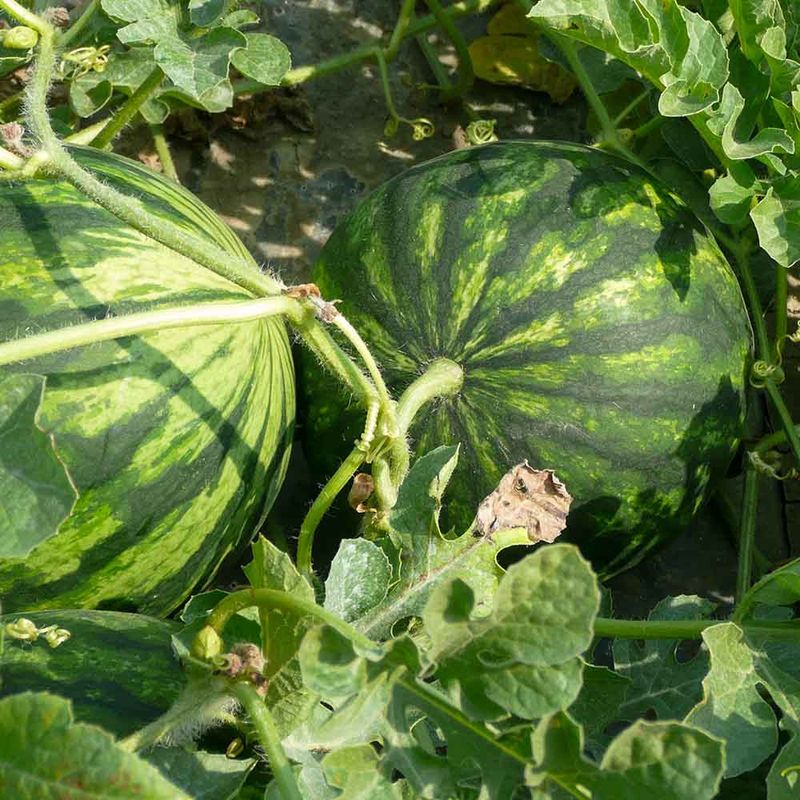
Few things sound more refreshing than a homegrown watermelon on a hot North Carolina afternoon, but growing them in a raised bed is a recipe for frustration.
Watermelon vines are enormous, often stretching twelve feet or more, and the fruit itself can weigh anywhere from ten to forty pounds depending on the variety.
Raised beds simply do not have the footprint to support that kind of growth without major sacrifices.
One of the biggest problems is moisture. Raised beds drain faster than ground-level soil, which is usually a good thing, but watermelons are thirsty plants that need consistent, deep watering to develop properly.
In North Carolina’s summer heat, a raised bed can dry out surprisingly fast, and stressed watermelon plants tend to produce cracked or flavorless fruit. Keeping up with irrigation becomes a daily chore that most gardeners did not sign up for.
The weight of the fruit is another issue. Large watermelons sitting on the edge of a raised bed can cause structural stress or even tip smaller beds.
Growing watermelons directly in the ground, where roots can spread freely and moisture stays more consistent, is the much smarter move for North Carolina gardeners who want that sweet summer reward without the raised bed struggle.
4. Indeterminate Tomatoes (Solanum lycopersicum)
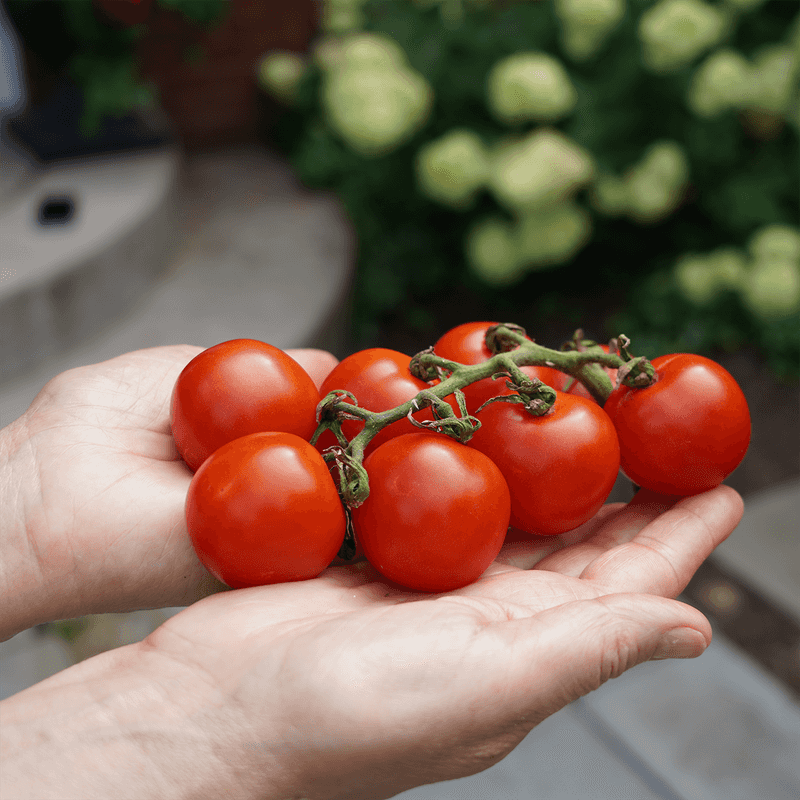
Tomatoes are one of the most popular vegetables in North Carolina gardens, and for good reason. But there is a big difference between determinate and indeterminate types, and that difference matters a lot in a raised bed.
Indeterminate tomatoes never stop growing. They keep pushing upward and outward all season long, and in North Carolina’s extended warm season, that means they can become genuinely unmanageable.
The root systems on large indeterminate varieties are just as ambitious as the vines above ground. Shallow raised beds, especially those under ten inches deep, restrict root development and lead to stressed plants that are more vulnerable to drought and disease.
Support structures become a real challenge too, since tall cages or stakes driven into a raised bed can shift or topple under the weight of a heavily loaded plant.
That said, not all tomatoes are a bad fit for raised beds. Compact determinate varieties and smaller cherry tomatoes actually do very well when given enough depth and proper support.
If you are set on growing tomatoes in your North Carolina raised bed, choosing a bush-type or patio variety will save you a lot of trouble. Matching the plant size to your bed size makes all the difference between a productive season and a tangled, frustrating mess.
5. Jerusalem Artichokes (Helianthus tuberosus)
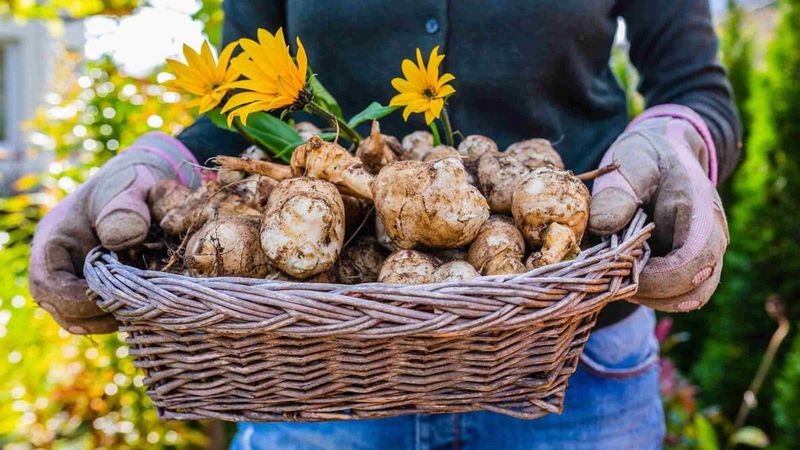
Jerusalem artichokes have a lot going for them in terms of flavor and nutrition, but they are one of the most aggressive spreaders in the vegetable world.
These plants can grow eight to ten feet tall, and they multiply underground through a network of tubers that are nearly impossible to fully remove once they get established.
In a raised bed, that kind of behavior is not just inconvenient, it is a full-scale problem.
Even one tuber left behind in the soil will sprout the following season, and before long your raised bed becomes a Jerusalem artichoke monoculture whether you planned it that way or not.
North Carolina gardeners who have tried growing them in raised beds often report spending more time trying to manage the spread than actually harvesting anything useful.
The tall stalks also cast deep shade over the entire bed, leaving little room for anything else to thrive alongside them.
If you love Jerusalem artichokes and want to grow them in North Carolina, give them their own dedicated in-ground spot away from the rest of your garden. A buried root barrier around the planting area can also help contain the spread.
Keeping them out of raised beds entirely is the smartest move for anyone who wants to maintain a productive, varied vegetable garden from season to season.
6. Asparagus (Asparagus officinalis)
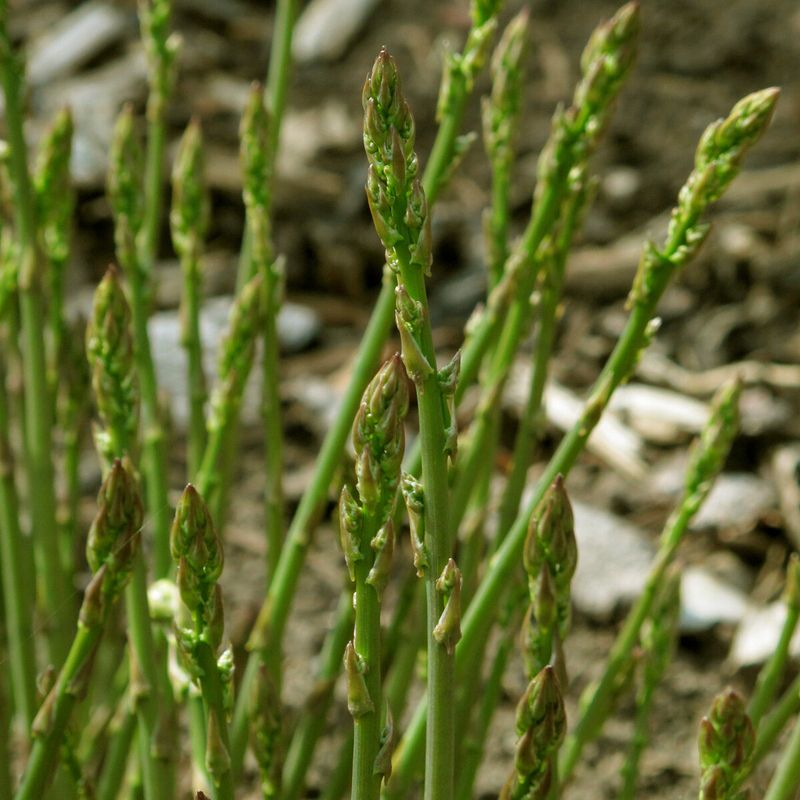
Asparagus is one of those dream vegetables for home gardeners, but it requires a long-term commitment that does not match well with the flexible nature of raised bed growing.
When you plant asparagus crowns, you are asking that space to stay dedicated for ten to twenty years or more.
Most raised bed gardeners want to rotate crops, try new vegetables, and adjust their layout each season, and asparagus makes that nearly impossible.
The plant also needs significant depth to develop a healthy root system. Asparagus crowns should be planted about eight inches deep, and the roots spread out considerably from there.
Many standard raised beds do not offer enough soil depth to support strong, productive asparagus plants over the long haul.
In North Carolina, where the soil can be heavy clay in many regions, raised beds are often built specifically to get away from poor ground conditions, and locking that premium soil up for decades is a tough trade-off.
Asparagus does much better in a permanent, dedicated in-ground bed where it can establish itself without competition or disruption.
North Carolina gardeners can still enjoy a fantastic asparagus harvest by setting aside a specific ground-level section of the garden just for that crop.
Saving your raised beds for faster-producing, more flexible vegetables will keep your garden productive and exciting year after year.
7. Horseradish (Armoracia rusticana)

Horseradish is bold, spicy, and nearly impossible to contain once it finds a home in your garden. The roots spread aggressively underground, and even a tiny piece left in the soil will sprout into a new plant the following season.
In a raised bed, where the soil is loose and easy for roots to navigate, horseradish can spread even faster than it would in compacted ground. Removing it completely from a raised bed is an incredibly difficult and time-consuming task.
North Carolina gardeners who have accidentally introduced horseradish into a raised bed often describe it as one of their biggest gardening regrets. The large leaves shade out neighboring plants, and the root system competes aggressively for nutrients and moisture.
Once it is in there, you are essentially committed to managing it constantly or rebuilding the bed entirely, which defeats the whole purpose of raised bed gardening.
Growing horseradish in a large container or a dedicated in-ground spot with physical root barriers is a far smarter approach for North Carolina gardeners who enjoy the flavor.
That way you get the harvest without sacrificing your raised bed space or spending every weekend trying to dig out rogue roots.
Keeping aggressive spreaders out of raised beds from the start saves enormous amounts of time and energy throughout the growing season.
8. Leaf Lettuce (Lactuca sativa)
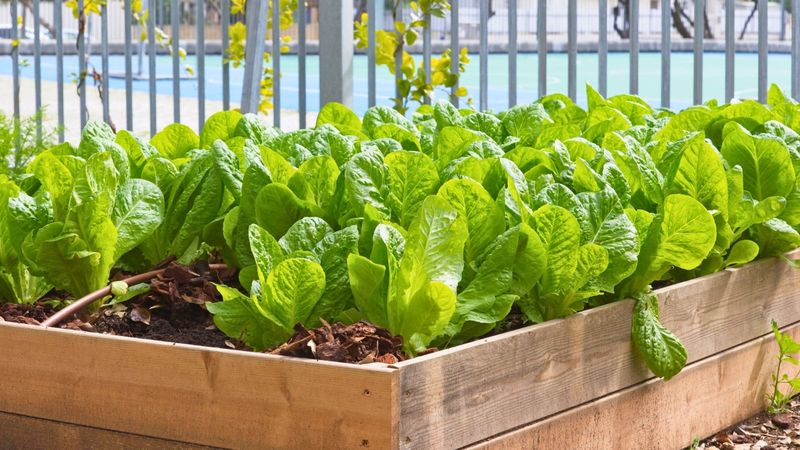
Leaf lettuce is one of the best vegetables you can grow in a North Carolina raised bed, and the results speak for themselves. The improved drainage and loose, rich soil that a raised bed provides are exactly what lettuce needs to grow quickly and produce tender, flavorful leaves.
In North Carolina, the spring and fall seasons offer the perfect cool temperatures for lettuce, and a raised bed warms up faster in early spring, giving you a head start on the season.
One of the biggest advantages of growing lettuce in a raised bed is how easy it becomes to harvest continuously. You can snip outer leaves and the plant keeps producing, stretching your harvest window significantly.
Succession planting, which means sowing new seeds every two to three weeks, works beautifully in raised beds because you can manage small sections independently without disrupting the rest of your garden.
Pest and weed management also becomes much simpler in a raised bed. Slugs and ground-level insects have a harder time reaching elevated beds, and the controlled soil environment means fewer weeds competing for nutrients.
North Carolina gardeners who grow leaf lettuce in raised beds consistently report faster growth, better leaf quality, and fewer disease problems compared to growing in the ground. For anyone new to raised beds, lettuce is the perfect starting point.
9. Bush Beans (Phaseolus vulgaris)
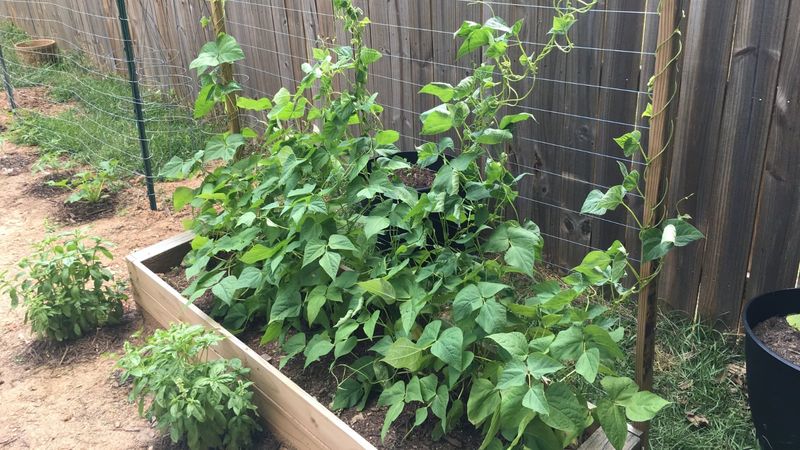
Bush beans are a raised bed gardener’s best friend, and North Carolina’s warm summers give them exactly the growing conditions they love.
Unlike pole beans, which need tall trellises and lots of vertical space, bush beans stay compact and tidy, typically reaching only eighteen to twenty-four inches tall.
They fit neatly into raised beds without crowding out neighboring plants or requiring complicated support structures.
The warm, well-drained soil of a raised bed is ideal for bush bean germination and root development.
Beans prefer soil temperatures above sixty degrees Fahrenheit to sprout reliably, and raised beds heat up faster than ground-level soil in spring, allowing you to plant a week or two earlier than you otherwise could.
In North Carolina, that extra time can mean an entire additional harvest before summer heat peaks.
Bush beans also fix nitrogen in the soil through their root nodules, which is a genuine bonus for the long-term health of your raised bed. After harvest, turning the spent plants back into the soil adds organic matter and nutrients that benefit whatever you plant next.
A single four-by-eight raised bed can produce a generous crop of fresh beans across multiple successions in one season. For reliable production with minimal fuss, bush beans belong in every North Carolina raised bed garden.
10. Carrots (Daucus carota subsp. sativus)
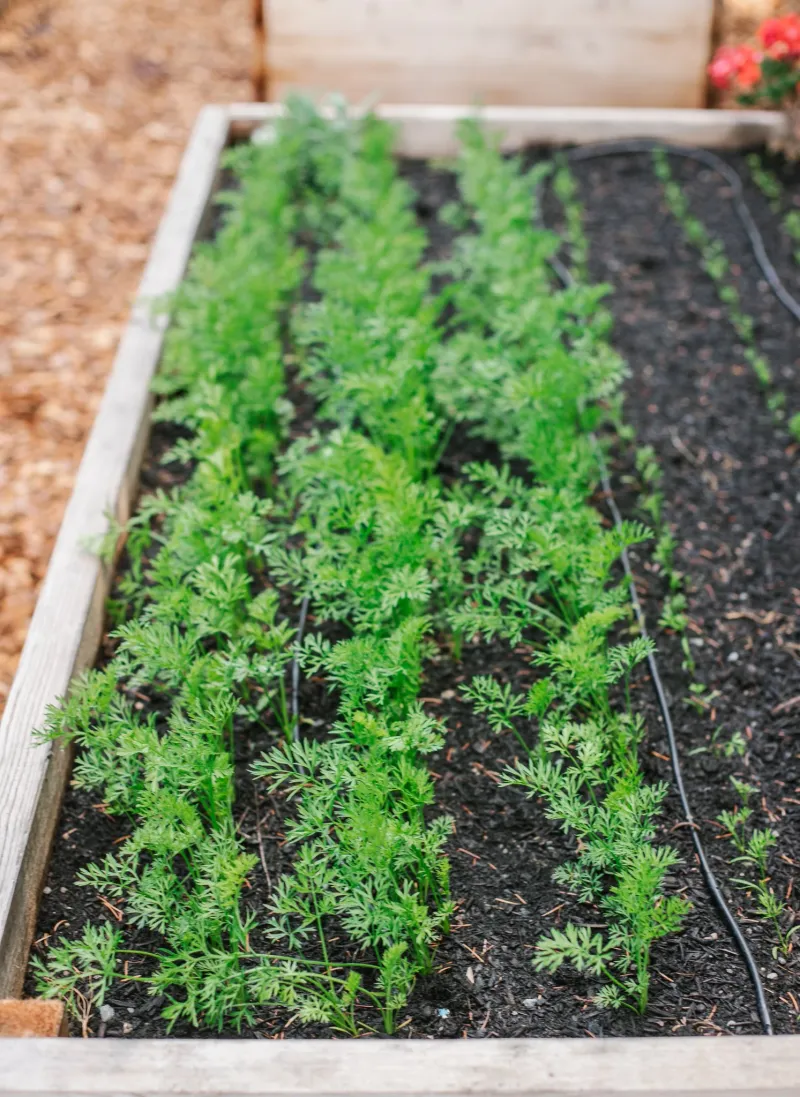
Anyone who has tried growing carrots in heavy North Carolina clay knows the struggle. The roots hit resistance, fork in odd directions, and end up short and stubby instead of long and straight.
Raised beds completely change that experience. The loose, deep, well-amended soil in a raised bed gives carrot roots the perfect environment to grow straight and uniform without any of the obstacles that ground-level clay creates.
Carrots need at least ten to twelve inches of loose, stone-free soil to develop properly, and a well-built raised bed delivers exactly that.
You control the soil mix, so you can create the ideal growing medium by blending compost, aged topsoil, and a bit of coarse sand for drainage.
In North Carolina, where native soil quality varies widely from region to region, having that kind of control over your growing environment makes a huge difference in carrot quality and yield.
Thinning is also easier in a raised bed because the soil stays loose and workable throughout the season. Pulling out seedlings to give others more room does not disturb neighboring plants the way it might in compacted ground.
North Carolina gardeners can plant carrots in both spring and fall, making them one of the most productive and versatile crops for a raised bed setup. The payoff at harvest time is genuinely satisfying.
11. Peppers (Capsicum annuum)
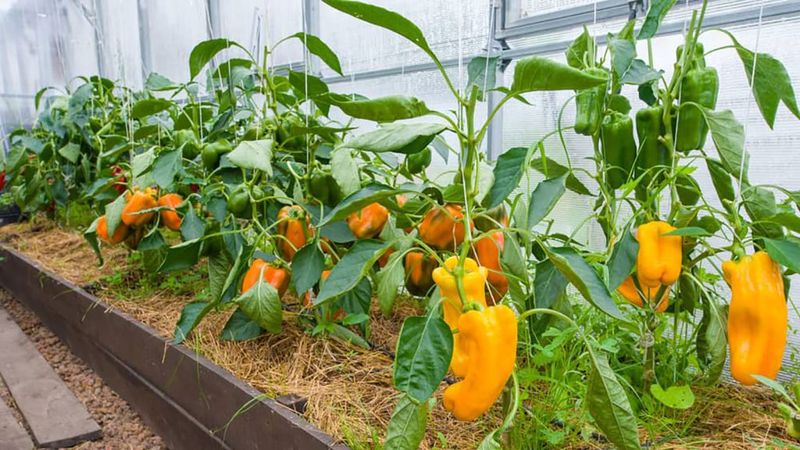
Peppers and North Carolina summers were practically made for each other, and raised beds take that natural compatibility to the next level. Peppers are heat-loving plants that thrive in warm, well-drained soil, and a raised bed provides both in abundance.
The elevated structure allows the soil to warm up faster in spring, which gives pepper transplants a strong, healthy start weeks before ground temperatures would be suitable.
Good drainage is critical for peppers because waterlogged roots lead to root rot and weak, unproductive plants. Raised beds drain consistently and efficiently, which keeps pepper roots healthy even during North Carolina’s occasional heavy summer rainstorms.
The ability to control your soil mix also means you can dial in the perfect nutrient balance, giving your peppers exactly what they need to produce an abundant crop of colorful, flavorful fruit.
Both sweet bell peppers and hot varieties like jalapenos, cayennes, and banana peppers perform exceptionally well in North Carolina raised beds.
They are also compact enough to share space with other warm-season crops like basil or bush beans without causing competition problems.
Peppers are relatively low-maintenance once established, making them a great choice for busy gardeners who want impressive results without constant attention.
For North Carolina raised bed gardeners, peppers are consistently one of the most rewarding crops of the entire growing season.
12. Cucumbers (Cucumis sativus)
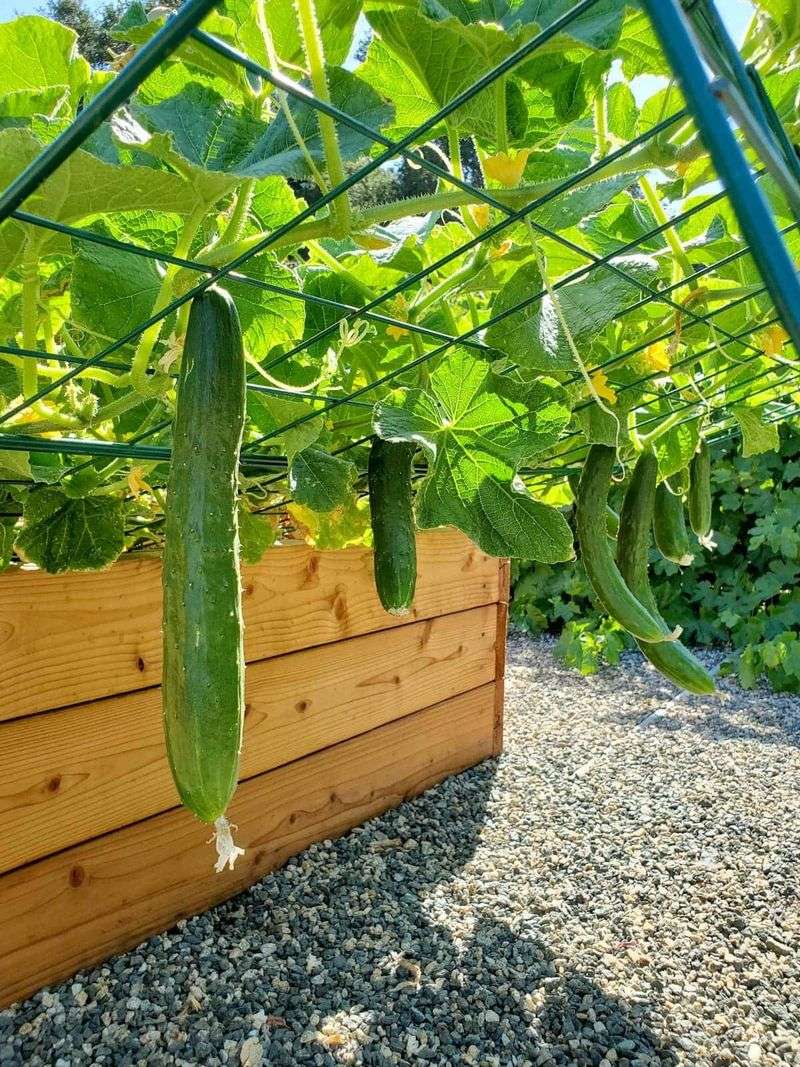
Cucumbers have a reputation for taking up a lot of space, but a raised bed with a vertical trellis completely changes that story. By training cucumber vines upward instead of letting them sprawl across the ground, you can grow a surprisingly large crop in a small footprint.
North Carolina’s warm summers are ideal for cucumber production, and raised beds give you the drainage and airflow that cucumbers need to stay healthy and productive all season long.
Airflow is particularly important for cucumbers because powdery mildew is a common problem in humid North Carolina summers.
When vines grow vertically on a trellis, air circulates freely around the leaves, significantly reducing the conditions that allow fungal diseases to take hold.
The elevated position of a raised bed also helps by keeping foliage away from damp soil, which is another common source of disease pressure in ground-level gardens.
Harvesting cucumbers from a vertical trellis is genuinely enjoyable. You can see every fruit clearly without digging through a pile of leaves, and picking them at the right size is much easier.
Regular harvesting also encourages the plant to keep producing, so your cucumber output stays high throughout the season.
For North Carolina gardeners who want maximum production from a compact raised bed space, growing cucumbers vertically is one of the smartest and most satisfying strategies available.
13. Kale (Brassica oleracea var. sabellica)
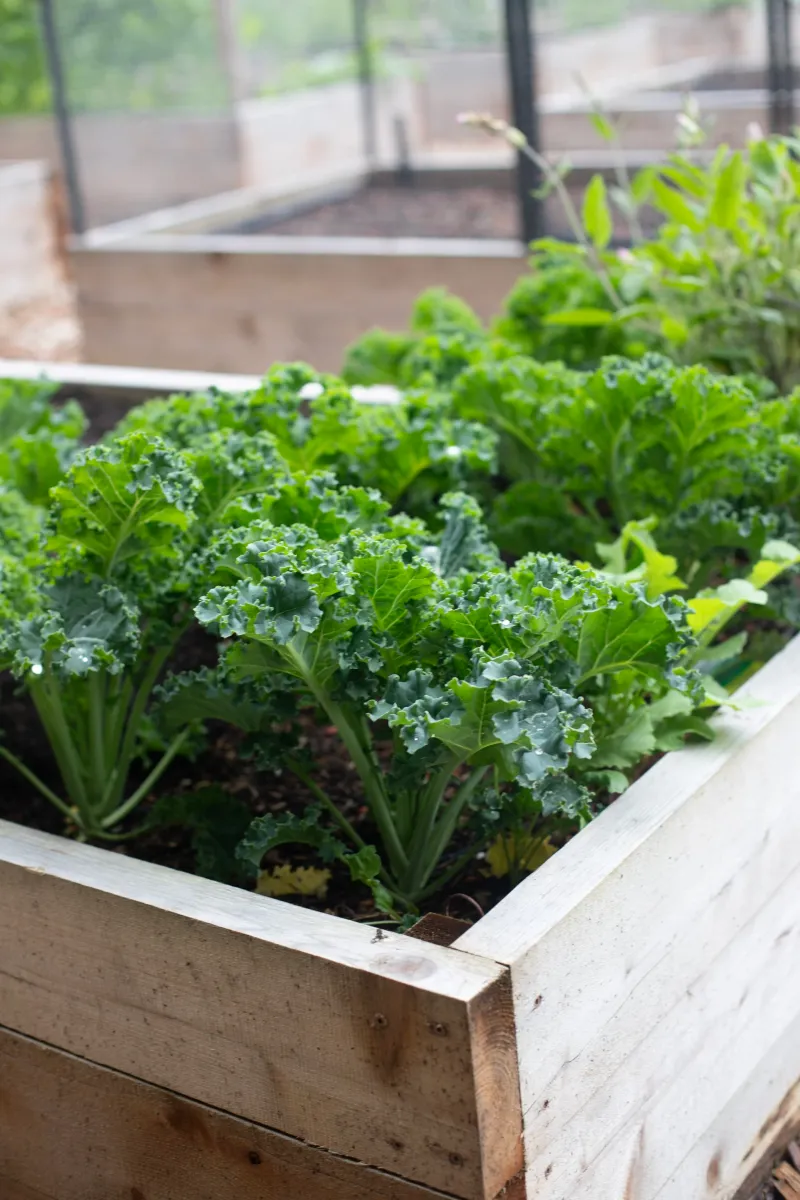
Kale is one of the toughest, most productive vegetables you can grow in a North Carolina raised bed, and it earns its reputation every single season.
It thrives in the cool temperatures of spring and fall, which are two of the most comfortable and enjoyable times to garden in North Carolina.
Raised beds provide the excellent drainage that kale needs to avoid root problems during rainy periods, and the loose soil makes it easy to establish transplants quickly.
One of the most practical benefits of growing kale in a raised bed is how well it responds to succession planting.
You can start a batch in late summer for fall harvest, and then again in late winter for early spring production, keeping your raised bed productive across multiple seasons without a long gap.
Kale also tolerates light frost exceptionally well, and in many parts of North Carolina, it can be harvested well into December with minimal protection.
The nutrient density of fresh kale is remarkable, and nothing beats stepping outside on a cool morning to harvest a handful of leaves for breakfast. Varieties like Lacinato, Red Russian, and Winterbor all perform beautifully in North Carolina raised beds.
The plants are also visually attractive, with deep green or purple-tinged leaves that make the garden look lush and productive even during the quieter shoulder seasons of the gardening year.
14. Radishes (Raphanus sativus)
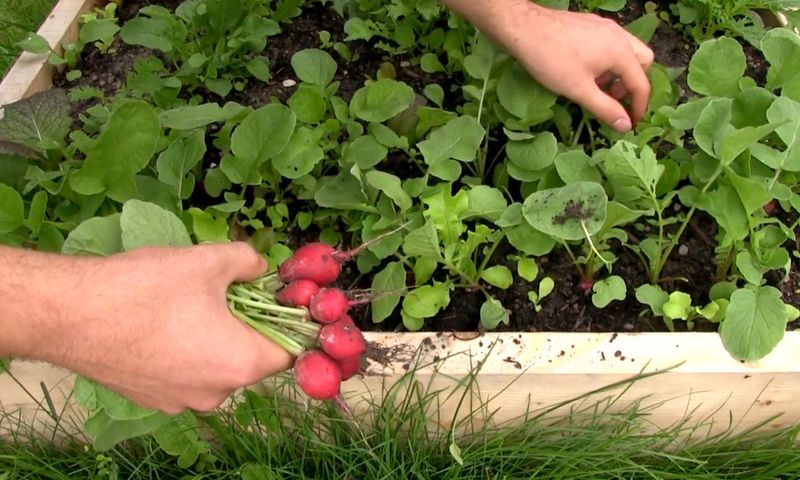
Radishes might be the most underrated vegetable in a North Carolina raised bed, and they deserve a lot more credit than they usually get.
They go from seed to harvest in as little as twenty-five to thirty days, which makes them one of the fastest-producing crops in the entire vegetable garden.
That speed is incredibly useful for filling gaps between slower-growing plants or making the most of a raised bed during the short window between seasons.
The loose, well-aerated soil in a raised bed is perfect for radish root development. In compacted ground, radishes can end up misshapen or cracked, but in a raised bed they grow round, smooth, and evenly sized with very little effort on your part.
North Carolina’s spring and fall seasons offer the cool temperatures that radishes prefer, and a raised bed warms up and cools down faster than ground soil, extending your planting window at both ends of the season.
Radishes also work beautifully as a companion crop. Planting them alongside slower vegetables like carrots or beets helps mark the rows while those crops are still germinating, and by the time the radishes are ready to harvest, the neighboring plants are just getting started.
For North Carolina raised bed gardeners looking for quick wins, easy harvests, and smart use of every square inch of space, radishes are an absolute must-grow vegetable every single season.