California Plants Give These Clues When They Need Shade Instead Of Water
California plants can look thirsty when they are actually asking for shade.
That is the trap.
At 3 p.m., tomato leaves droop, basil sulks, peppers curl, and the whole garden appears to be begging for the hose. But damp soil tells a different story.
More water can turn a heat-stressed plant into a root problem fast, especially when the soil is already warm, wet, and holding less oxygen than the roots need.
The real clue is timing.
A plant that wilts only during the brightest hours may be protecting itself from intense sun, not running out of moisture. Afternoon drama does not always mean drought.
So how do California gardeners know when shade is the smarter rescue?
Start with the soil, then read the leaves. Curling, bleaching, scorched edges, limp afternoon growth, and quick evening recovery can all point toward sun stress instead of thirst.
The hose is not always the hero. Sometimes the garden needs a hat.
1. Afternoon Droop Points Toward Shade
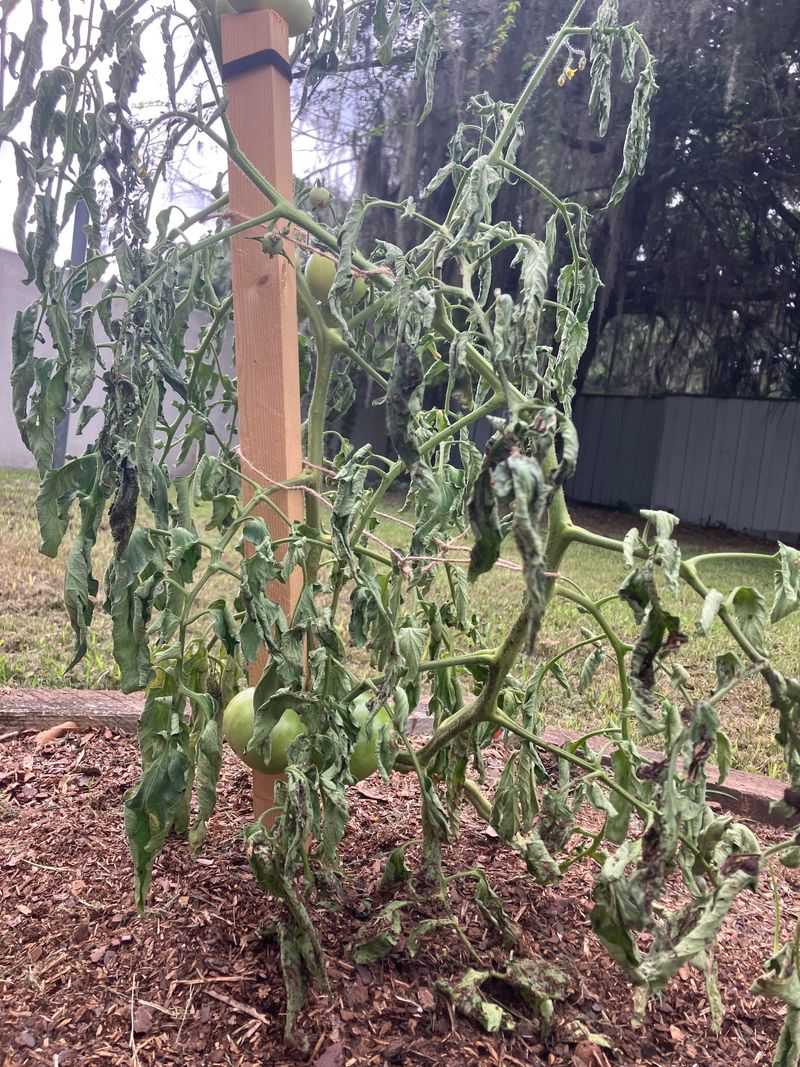
A drooping tomato at 3 in the afternoon is one of the most misread signals in the California garden.
The leaves hang heavy, the stems look soft, and every instinct tells you to water.
But reach down and press your finger into the soil. If it feels cool and moist an inch below the surface, your plant is not thirsty. It is overheated.
This kind of wilt is called midday wilt or heat-induced wilt.
Plants temporarily close their leaf pores, called stomata, to stop losing moisture during the hottest part of the day.
That self-protective response causes the droopy look gardeners panic over. UC Cooperative Extension notes this behavior is especially common in tomatoes, squash, and peppers during California heat waves.
The fix is not water. The fix is shade.
Try propping up a piece of shade cloth rated at 30 to 40 percent on the west side of the plant during peak afternoon hours. Even a patio umbrella moved into position by 1 p.m. can make a real difference.
Watering a plant that is already sitting in moist soil during peak heat can suffocate roots and invite fungal problems.
Watch the plant at 6 p.m. If it perks back up without any extra water, that droopy afternoon look was heat stress all along. Your plant was hot, not thirsty.
2. Morning Recovery Says Wait
Walking out to your garden at 7 a.m. and finding your plants standing tall and bright green after looking completely defeated the evening before is one of the most useful clues a California gardener can get.
It means the plant had enough water stored in its roots to recover on its own once temperatures dropped.
When a plant recovers fully by morning without any added water, the roots were never truly dry.
The stress you saw yesterday afternoon was driven by heat and sun exposure, not a lack of moisture in the soil.
UC Master Gardeners recommend checking for this morning recovery pattern before deciding to water. If the plant looks great at sunrise, hold off and check the soil moisture before doing anything else.
Your California Garden Changes Every Week. Your Plan Should Too.
Gardening in California changes quickly throughout the season. Every Friday you’ll receive a simple weekly plan showing exactly what to plant, prune, fertilize, harvest, and protect so you never miss the right timing.
This pattern is especially noticeable in peppers, eggplant, and large-leafed plants like squash and cucumber.
These plants have wide leaf surfaces that lose moisture fast in strong afternoon sun. They wilt dramatically but bounce back quickly once the sun backs off.
Consistent morning recovery without watering is a strong signal that your irrigation schedule is already working fine.
Resist the urge to add more water just because you saw afternoon droop. Overwatering is one of the top reasons California container and garden plants struggle in summer. Trust the morning, check the soil, and let your plant tell you what it actually needs.
3. Damp Soil Means Stop Watering
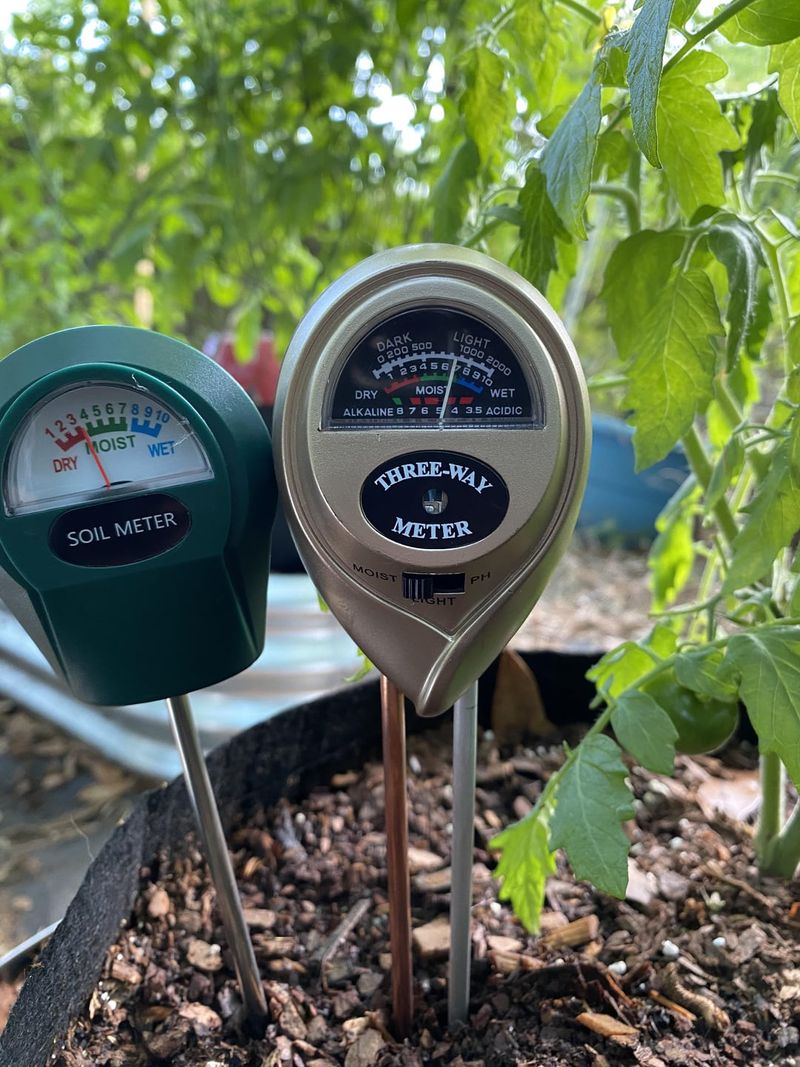
A damp pot sitting in full California sun is already working against your plant.
Soil that feels wet at the surface might feel even wetter an inch or two down.
Before you add any water, get your finger into the soil up to the second knuckle. If it feels cool and moist, put the hose down.
Adding water to already-wet soil pushes out the oxygen that roots need to breathe.
UC IPM guidelines are clear on this point: overwatering is one of the most common causes of root stress in California gardens, especially in containers and raised beds during summer.
Roots sitting in soggy soil become weak and are more vulnerable to rot and fungal disease. A plant showing signs of stress in wet soil almost certainly needs shade, not more water.
A simple wooden chopstick or moisture meter can help you check soil conditions without guessing.
Push it into the soil and leave it for a minute. A chopstick that comes out with dark soil clinging to it means moisture is still present.
California gardeners who water on a fixed schedule regardless of recent rain or soil condition often end up with plants that look stressed even in soggy pots.
Break the habit of watering by the clock. Check the soil first every single time. Damp soil plus a wilting plant equals a shade problem, not a water problem.
4. Crispy West Leaves Need Cover
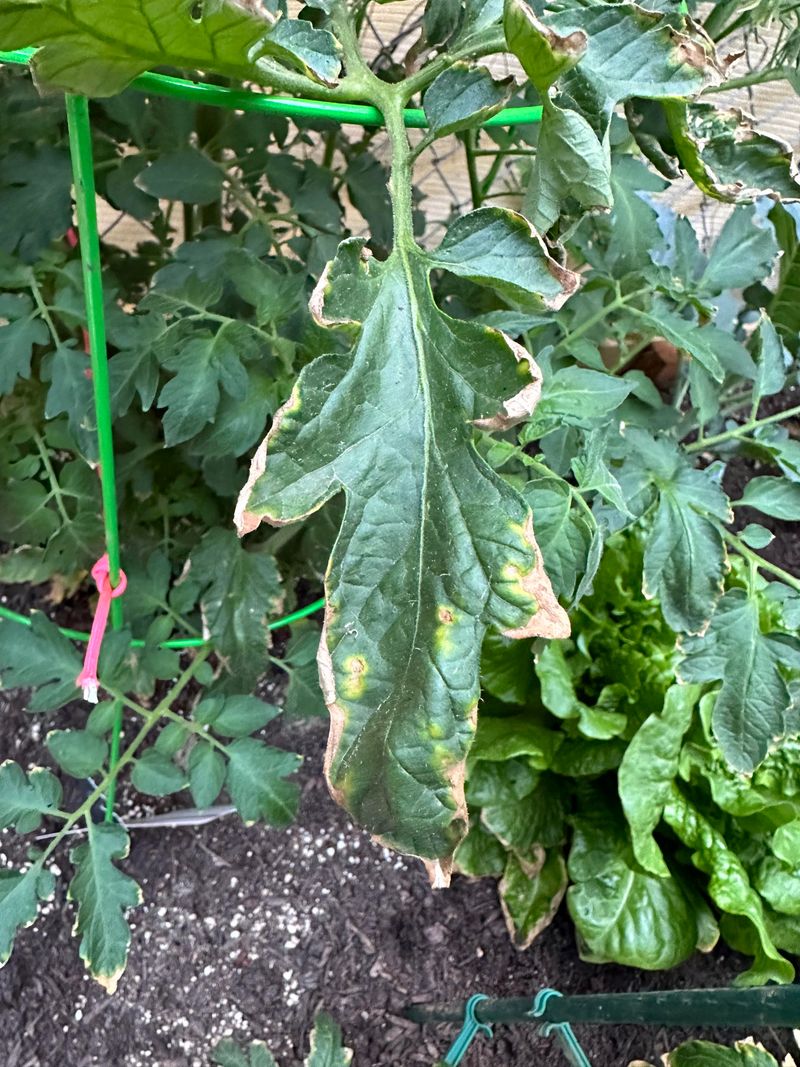
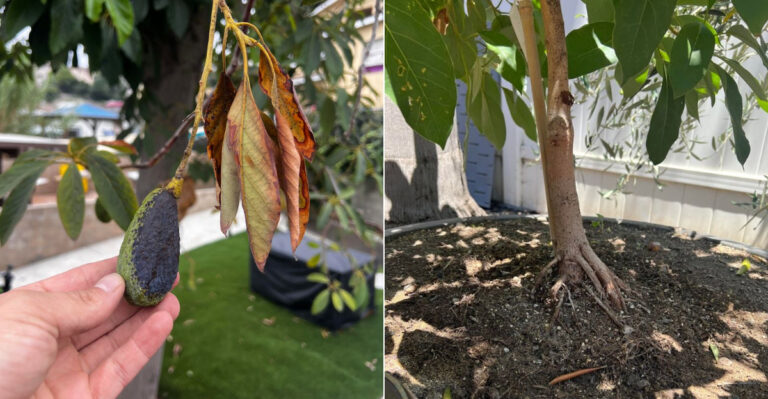
Scorched leaves on the west-facing side of a plant are a classic California summer calling card.
The afternoon sun hits from the west with full intensity, and the leaves closest to that angle take the hardest beating.
The damage shows up as dry, papery, brown edges or patches that look almost burned. This is called leaf scorch, and it has nothing to do with how much water is in the soil.
Leaf scorch happens when leaf tissue heats up faster than the plant can cool itself through normal moisture movement.
Even a well-watered plant can show scorch on its most sun-exposed leaves during a heat wave. UC ANR notes that leaf scorch is a direct response to excessive light and heat, not drought.
Watering more will not reverse the damage or prevent new scorch from forming.
The solution is to block that harsh western sun during the hours it does the most harm, roughly between 1 p.m. and 5 p.m.
A 30 to 50 percent shade cloth attached to the west side of a raised bed or trellis can cut leaf temperatures significantly.
Shade cloth is inexpensive, reusable, and easy to remove once temperatures drop in fall.
Once you see crispy west leaves, move fast. Scorched leaf tissue does not recover. But protecting the remaining healthy leaves with cover gives the plant a real chance to push out fresh growth and stay productive through the rest of the season.
5. Pale Patches Show Sun Stress
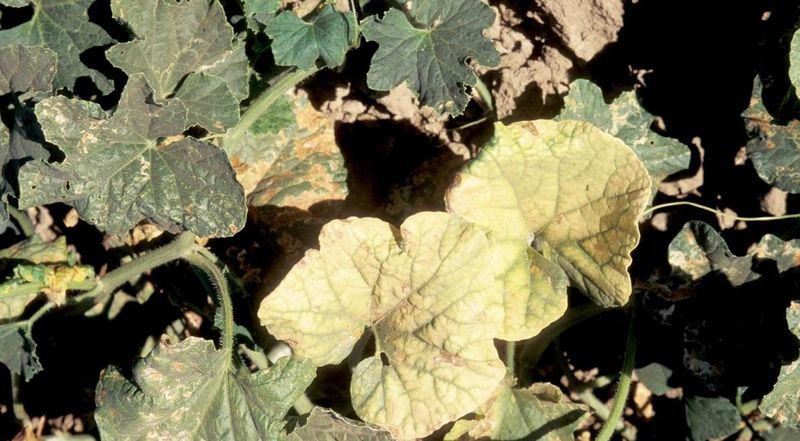
Bleached-out patches on leaves look alarming, especially when the rest of the plant appears healthy.
Those faded, washed-out areas, sometimes pale yellow, sometimes almost white, are a sign of photobleaching.
Strong California sun overwhelms the leaf’s ability to process light, and the chlorophyll in those exposed areas breaks down. The result is a discolored patch that looks almost like someone spilled bleach on the leaf.
This kind of damage is common on plants recently moved from lower-light spots into full sun, or on plants suddenly exposed to stronger sunlight after a shady neighbor plant was removed.
UC Cooperative Extension describes this as a form of sun stress distinct from drought stress, and it requires a shade solution rather than more irrigation.
Pale patches do not improve with watering. The tissue is already damaged, and those spots will stay discolored.
What you can do is protect new growth from the same fate.
Shade cloth rated at 30 to 40 percent works well for most vegetables and flowering plants. For shade-loving plants like impatiens, ferns, or certain native California understory plants, even more coverage may be needed.
Reposition the plant if it is in a container, or create temporary shade using a cloth frame.
Catching pale patches early gives you a chance to shield the rest of the plant before more serious sun damage sets in.
6. Containers Heat Up Too Fast
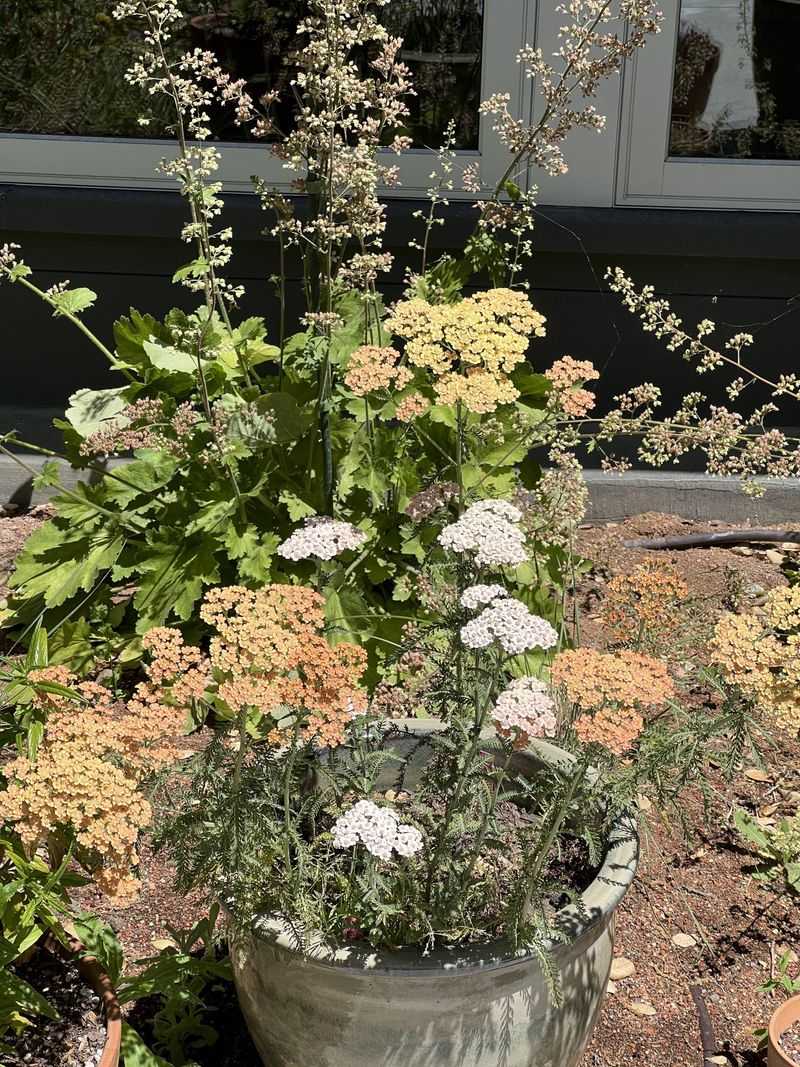
Dark-colored pots sitting on a concrete patio in California summer sun can reach soil temperatures above 120 degrees Fahrenheit.
That is hot enough to damage roots even when the soil itself has plenty of moisture.
Container plants are especially vulnerable to heat stress because the pot walls absorb and hold heat in a way that garden beds simply do not.
A plant wilting in a black nursery pot on a south- or west-facing patio is almost certainly dealing with root heat, not drought.
UC Master Gardener research highlights container color and placement as major factors in root zone temperature during summer.
Light-colored pots reflect more sunlight and stay cooler. Double-potting adds insulation. Elevating containers off hot concrete using pot feet or a wooden platform also helps reduce heat transfer from below.
Moving a container just a few feet into afternoon shade can drop root zone temperatures by 20 degrees or more.
Before watering a wilting container plant, pick it up. If it feels heavy, the soil still has moisture.
Set it in shade for an hour and watch what happens. A plant that recovers after being moved into shade was suffering from heat, not thirst.
Containers give you the advantage of mobility. Use it. Your roots will thank you for the cool-down.
7. New Transplants Need Protection
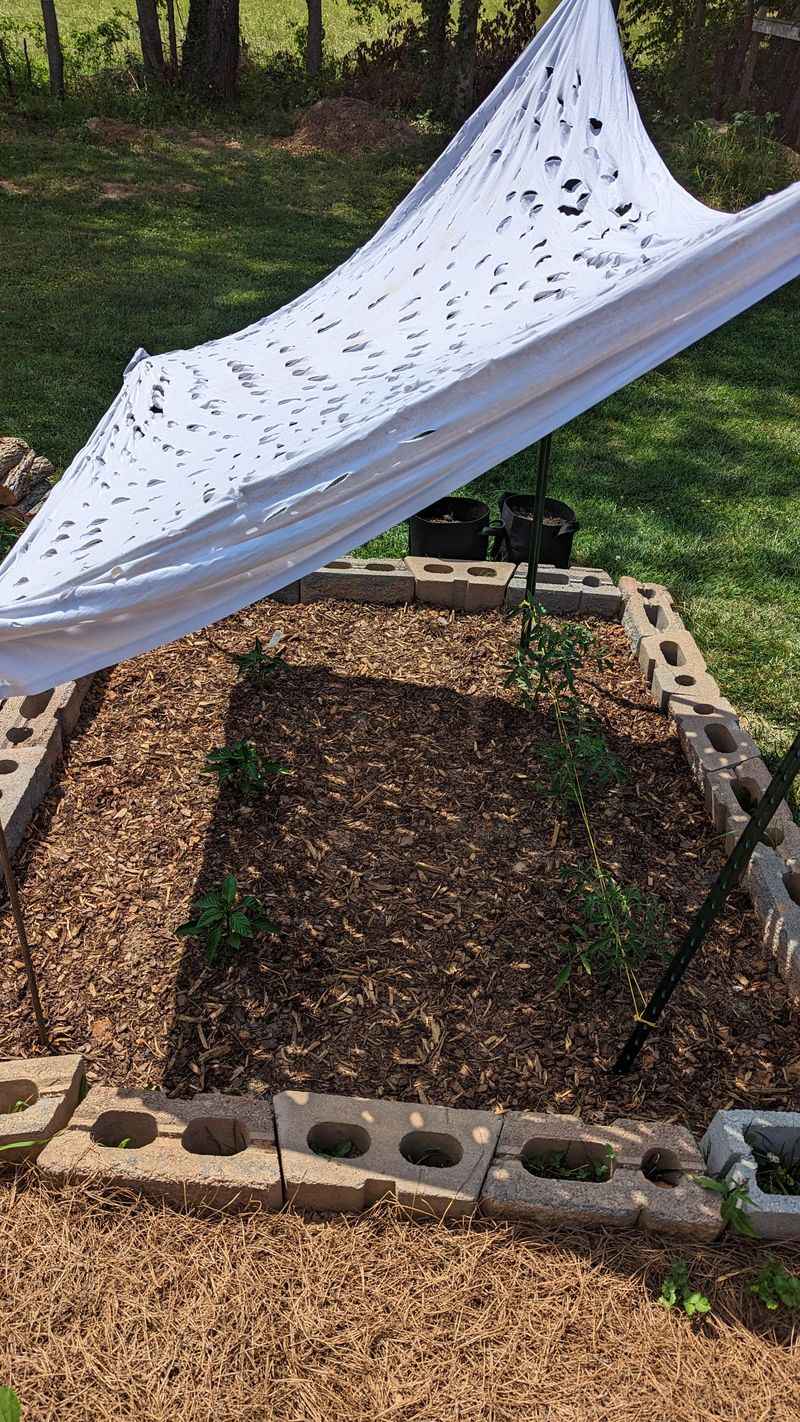
A freshly planted tomato, pepper, or flower start has one major disadvantage: its roots have not yet spread into the surrounding soil.
That limited root zone means the plant cannot pull in enough moisture to keep up with the demands of a full California afternoon sun blast.
Even if you watered at planting time, a new transplant under harsh direct sun can show serious stress within hours.
UC ANR transplant guidelines recommend shading new starts for at least the first week after planting, especially during summer.
A simple shade cloth frame, a floating row cover, or even an inverted laundry basket propped up on one side can create enough shade to protect a new transplant through the toughest part of the day.
Signs of transplant sun stress include drooping, curling leaves, and pale or bleached new growth. These symptoms show up even when the soil around the transplant is moist.
Watering more at this stage can waterlog the limited root zone and cause additional stress.
The smarter move is to create temporary shade from about 11 a.m. to 4 p.m. for the first five to seven days.
Once roots have had a chance to expand and the plant starts showing new growth, you can gradually expose it to more direct sun.
Patience and a little shade cloth go a long way with new transplants in California heat.
8. Sunset Bounce Back Tells Plenty
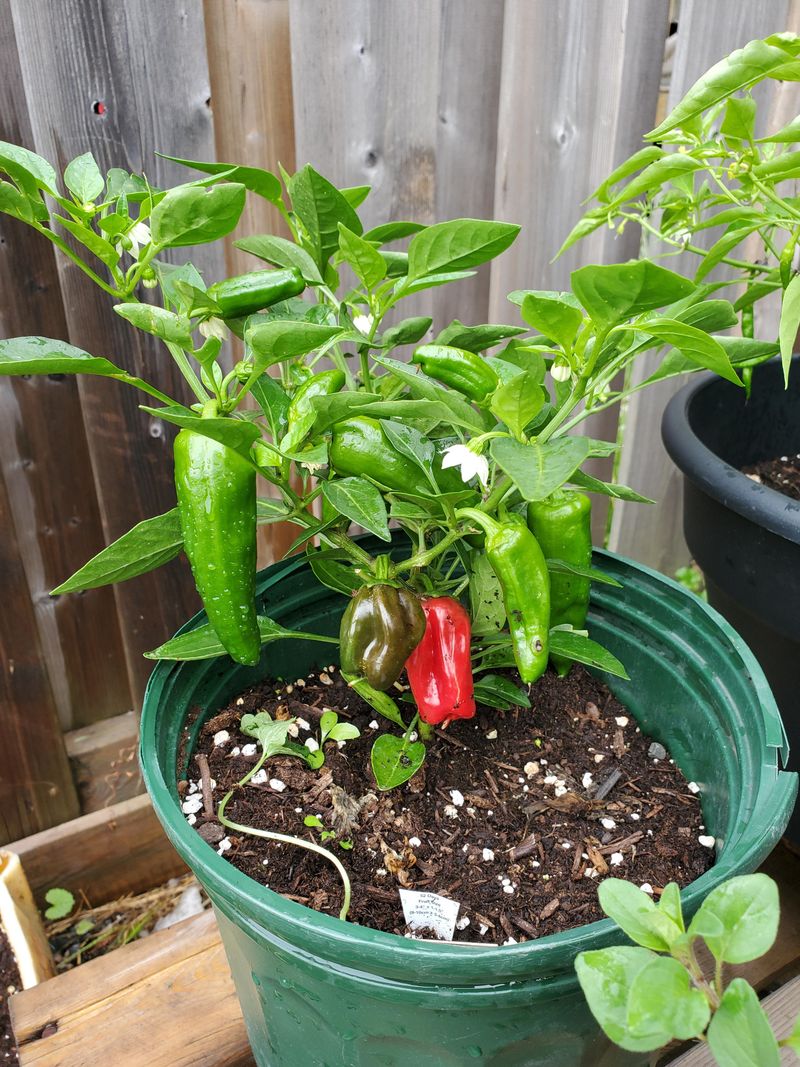
Evening in a California garden can feel like magic.
Plants that looked completely spent at 2 p.m. are suddenly upright, green, and almost cheerful by 7 p.m.
That dramatic turnaround is not a coincidence. It is your plant telling you something very specific: the stress it showed during the day was caused by heat and sun exposure, and the roots had enough moisture stored to handle it without any extra help from you.
This sunset recovery pattern is one of the clearest signals a gardener can observe.
When a plant bounces back fully on its own once the sun drops low and temperatures ease off, it did not need more water during the day. It needed shade.
UC IPM guidance supports using this kind of observational approach before making any irrigation decision.
Make it a habit to check your garden twice: once at the hottest point of the afternoon and again at sunset.
Note which plants droop mid-afternoon and which ones are standing tall again by early evening. Over a week or two, patterns emerge.
Plants that consistently recover by sunset are managing fine on their current water schedule.
What they may benefit from is strategic shade during peak hours.
A shade cloth, a well-placed trellis, or a neighbor shrub on the west side can transform a plant that struggles every afternoon into one that sails through California summer without missing a beat.