The Summer To-Do List That Keeps West Virginia Gardens Healthy Through The Heat
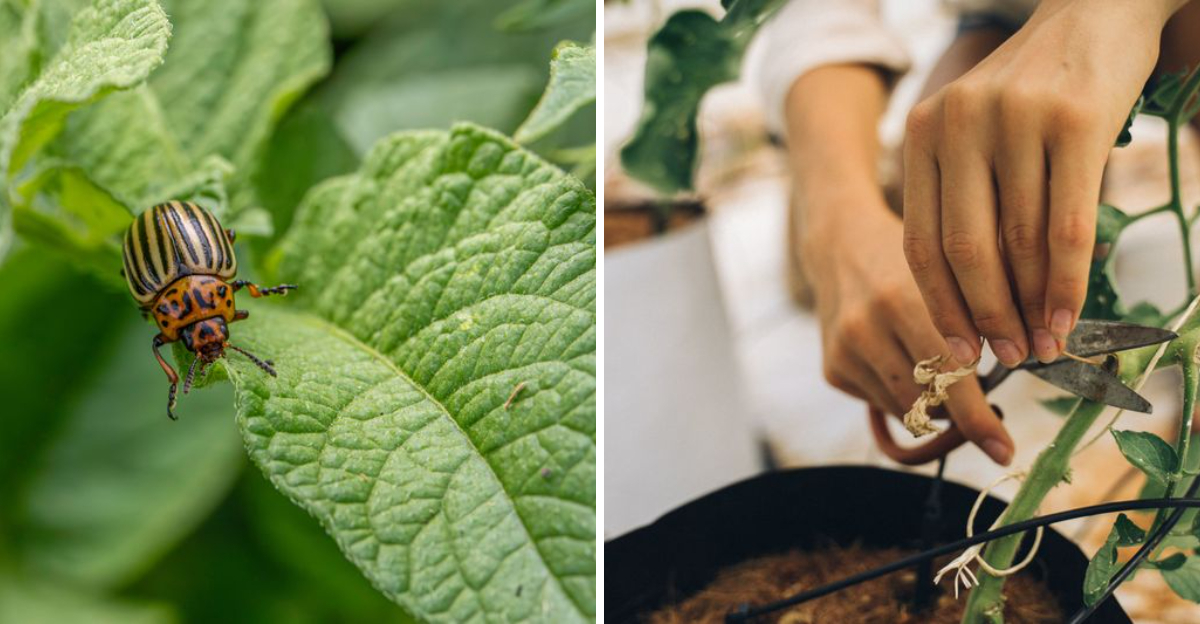
West Virginia summers don’t ease in, they arrive. One week you’re setting seedlings into cool morning soil, the next you’re wiping sweat off your forehead before 8 a.m.
The mountains trap heat in pockets you wouldn’t expect, humidity clings to every leaf like a second skin, and afternoon storms roll through just often enough to keep your watering schedule useless.
Your garden notices the shift before you do: wilting stems, cracked soil, tomatoes that ripen too fast or stall out completely. July and August aren’t months for coasting through your to-do list.
Skip a few tasks now and you’ll spend September wondering where your harvest disappeared to. Follow this summer checklist instead, and you’ll walk into fall with full baskets and a garden that held its ground against the heat.
1. Water Deeply, Not Just Often
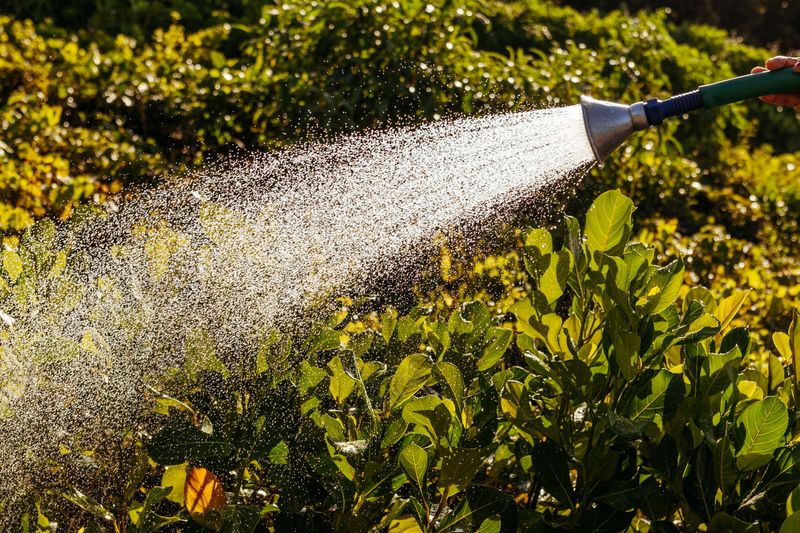
Shallow watering is one of the sneakiest ways to stress your plants. It trains roots to stay near the surface, where they get scorched fast.
Deep watering pushes moisture down six to eight inches into the soil. Roots follow that moisture downward, anchoring themselves in cooler ground.
Aim for two to three good soaks per week rather than a quick sprinkle every day. Each session should last long enough to saturate the root zone fully.
Morning is the best time to water your West Virginia garden. Leaves dry out before nightfall, which cuts down on fungal problems.
A soaker hose or drip system makes deep watering almost effortless. Both methods deliver water slowly right where it counts most.
If you water by hand, count to thirty at each plant base. That small habit makes a huge difference in how well roots establish.
Sandy soils drain fast, so they need watering more often than clay-heavy ground. Check your soil type and adjust your schedule accordingly.
Stick your finger two inches into the soil before each session. If it feels dry at that depth, your plants are already asking for a drink.
Consistent deep watering keeps plants strong enough to handle heat waves. Strong roots are your best defense when temperatures spike without warning.
2. Refresh Your Mulch Before The Worst Heat Hits
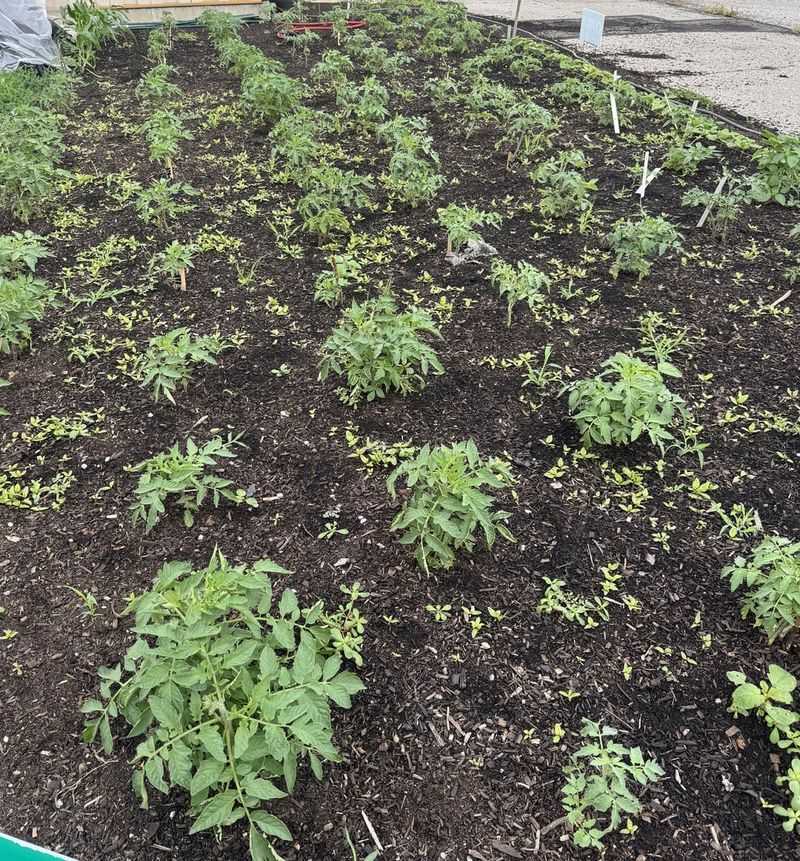
Mulch is basically sunscreen for your soil. Without it, the ground bakes dry in hours during a hot West Virginia afternoon.
A fresh two-to-three-inch layer of mulch slows evaporation dramatically. That means your watering sessions actually stick around long enough to matter.
Old mulch from spring often breaks down by midsummer. Thin spots lose their insulating power right when temperatures peak hardest.
Straw, wood chips, and shredded leaves all work beautifully as summer mulch. Each one keeps soil cool while slowly feeding the earth below.
Pull mulch back a few inches from plant stems before applying a new layer. Piling it against stems traps moisture and invites rot.
Spread fresh mulch after a good rain or a deep watering session. Locking in existing moisture gives you the most benefit from the effort.
Your West Virginia Garden Changes Every Week. Your Plan Should Too.
Gardening in West Virginia changes quickly throughout the season. Every Friday you’ll receive a simple weekly plan showing exactly what to plant, prune, fertilize, harvest, and protect so you never miss the right timing.
Dark-colored mulch absorbs more heat than lighter materials. In a hot summer, lighter straw or pine needles may serve your garden better.
Mulch also suppresses weeds that compete with your vegetables for water. Fewer weeds mean your plants get every drop of moisture you put in.
Check your mulch depth every two weeks throughout summer. Topping it off regularly keeps the layer effective and your soil protected.
A well-mulched garden stays noticeably cooler than bare soil. Your plants will reward that small effort with stronger growth all season long.
3. Scout For Pests And Disease Twice A Week
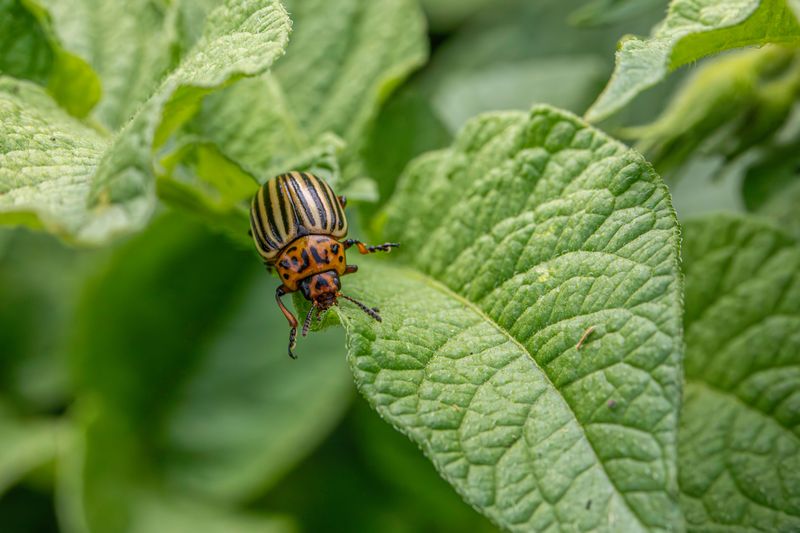
Catching a problem early is the difference between a quick fix and a full crop loss. Summer heat speeds up both pest cycles and disease spread.
Walk your garden at least twice a week with fresh eyes. Check the tops and undersides of leaves on every plant you pass.
Squash bugs, cucumber beetles, and aphids are common summer visitors in West Virginia gardens. Each one can cause serious damage if left unchecked for even a few days.
Look for yellowing leaves, sticky residue, or tiny holes in foliage. Those are early warning signs that something unwelcome has moved in.
Powdery mildew and early blight thrive in humid, warm conditions. Both spread fast once they get a foothold on your plants.
Remove affected leaves immediately and drop them in a bag, not the compost. Composting diseased material can spread the problem to next year’s garden.
A simple spray of diluted neem oil handles many soft-bodied insects well. Apply it in the early morning so leaves dry before the heat of the day.
Keep a small notebook to track what you find and where. Patterns in pest activity help you predict and prevent future outbreaks.
Healthy plants resist pests better than stressed ones do. Consistent watering and feeding make your garden naturally harder to invade.
Two scouting sessions a week sounds like a chore until you see how much trouble it saves. Prevention always beats damage control.
4. Harvest Often To Keep Plants Producing
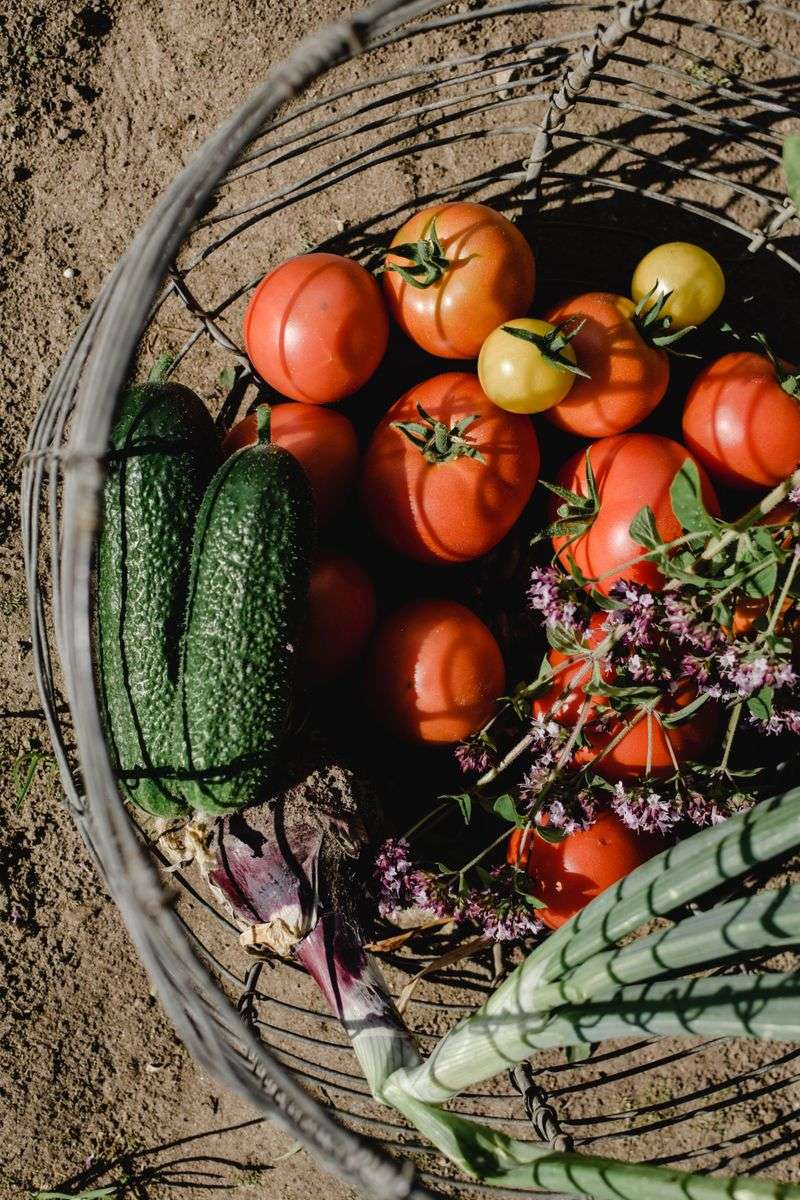
Leaving ripe vegetables on the plant is one of the most common summer garden mistakes. Once a plant thinks its job is done, it slows down production fast.
Zucchini left on the vine for even a few extra days can grow far too large to enjoy at its best. That signals the plant to stop making new fruit.
Pick beans, cucumbers, and summer squash every single day during peak season. Frequent harvesting tells the plant to keep flowering and setting new fruit.
Tomatoes should come off the vine the moment they reach full color. Leaving them longer invites cracking, pests, and rot in humid summer conditions.
Even herbs benefit from regular cutting. Basil and cilantro bolt to seed quickly in heat, but frequent trimming extends their productive life.
Use clean, sharp scissors or pruners for every harvest. Tearing stems can stress the plant and open wounds that disease can enter.
Harvest in the morning when temperatures are cooler and produce is at its freshest. Vegetables picked in afternoon heat often wilt before you reach the kitchen.
Check hidden spots under large leaves where fruits tend to hide. Missing one oversized zucchini can throw off the whole plant’s output.
Keep a harvest basket near the garden door so you never skip a quick check. Making it convenient turns harvesting into a daily habit instead of a chore.
Regular picking keeps the energy flowing toward new growth. Your summer to-do list should always include a daily harvest pass.
5. Prune Tomato Suckers For Better Airflow
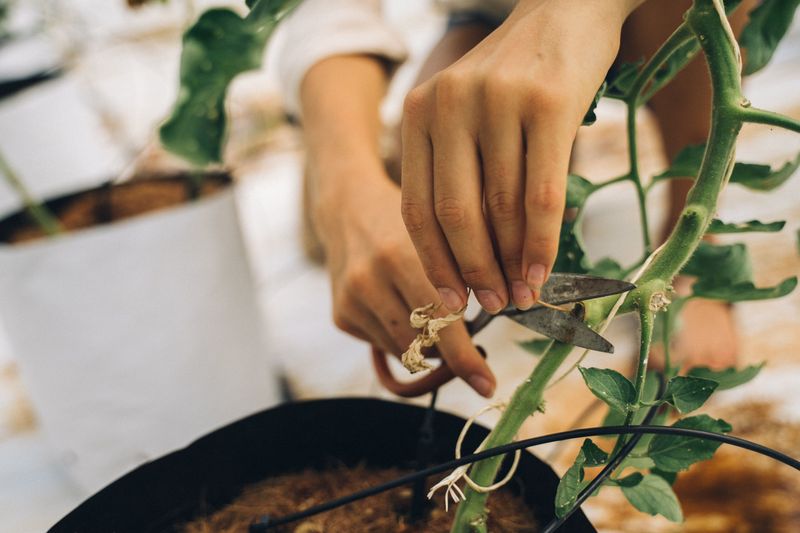
Tomato suckers grow fast, and they are sneaky about it. They sprout in the crotch between the main stem and a side branch almost overnight.
Left alone, suckers become full branches that crowd the plant. A crowded tomato plant traps moisture and heat between its leaves.
Poor airflow is an open invitation to fungal disease. Blight and leaf spot spread faster in dense, humid foliage than in open, airy plants.
Pinch suckers off with your fingers when they are small, under two inches. Removing them early causes less stress to the plant than cutting larger growth.
For indeterminate tomato varieties, keeping one or two main stems is ideal. Determinate varieties need less aggressive pruning but still benefit from thinning crowded spots.
Prune in the morning so cut areas can dry out before evening humidity sets in. Wet wounds at night are an easy entry point for pathogens.
After pruning, step back and look at the plant from a few feet away. You should see light passing through the canopy from multiple angles.
Clean your pruning tool between plants to avoid spreading any disease. A quick wipe with a disinfecting cloth takes only seconds.
Well-pruned tomatoes ripen fruit faster because energy goes to the existing clusters. You get bigger, better tomatoes instead of a tangle of green leaves.
Pruning feels counterintuitive at first, like you are hurting the plant. But better airflow is one of the simplest ways to grow stronger, healthier tomatoes.
6. Feed Heavy Feeders
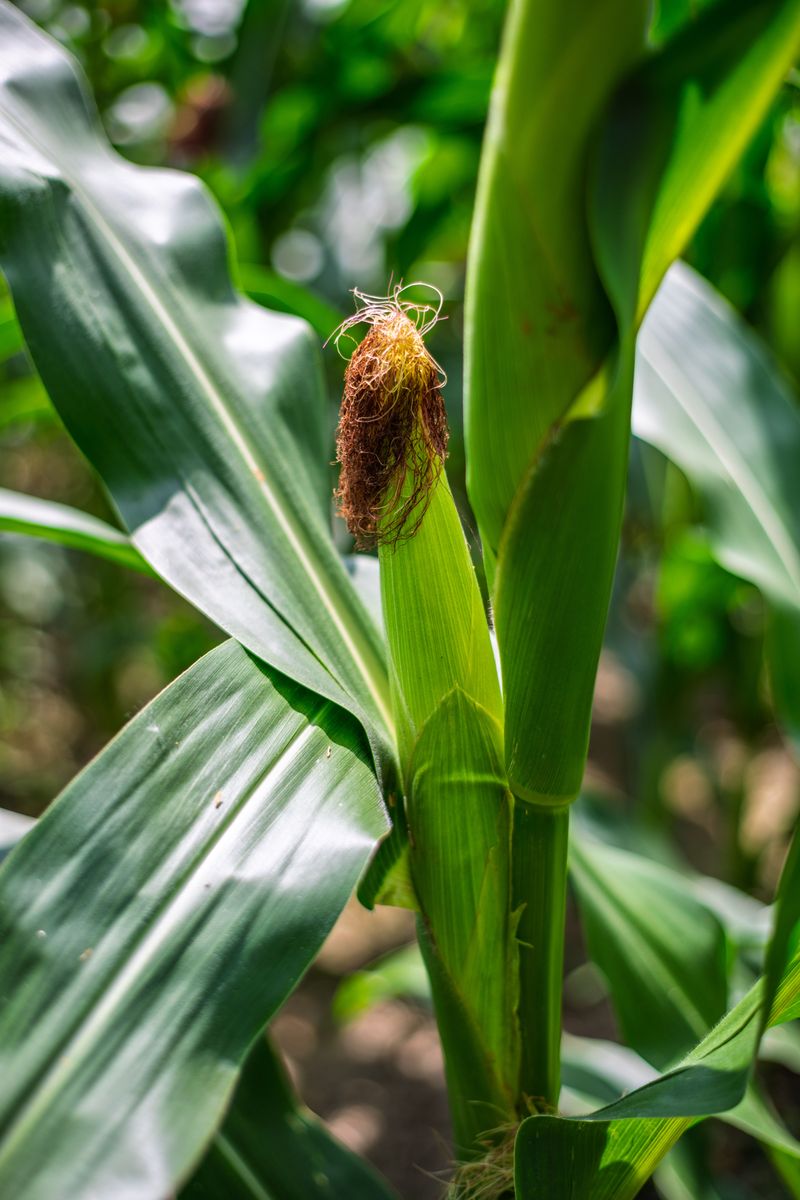
Tomatoes and corn are the athletes of the summer garden. They burn through nutrients fast and need regular refueling to keep performing.
By midsummer, the nutrients in your spring soil amendment are mostly gone. That is when feeding becomes critical for continued fruit set and plant strength.
A balanced fertilizer with a slightly higher potassium and phosphorus ratio supports fruiting. Too much nitrogen at this stage pushes leafy growth instead of flowers and fruit.
Side-dress corn with a nitrogen-rich fertilizer when it reaches knee height. A second feeding when tassels appear helps fill out those ears completely.
Tomatoes benefit from a liquid feed every two weeks during peak summer. Liquid fertilizers absorb quickly and give plants a fast energy boost.
Watch for yellowing lower leaves on tomatoes, which often signals a nitrogen shortage. Address it quickly before the deficiency slows fruit development.
Calcium is also essential for tomatoes to prevent blossom end rot. A foliar spray or soil amendment with calcium can head that problem off early.
Always water before and after applying granular fertilizer. Dry soil plus concentrated fertilizer can burn roots and stress plants unnecessarily.
Peppers and eggplant also appreciate a midsummer boost, though they are less demanding. A single balanced feeding in July keeps them productive through August.
Feeding your heavy feeders on a schedule takes most of the guesswork out of it. Consistent nutrition is one of the simplest ways to keep your summer garden thriving.
7. Give Leafy Greens Some Afternoon Shade
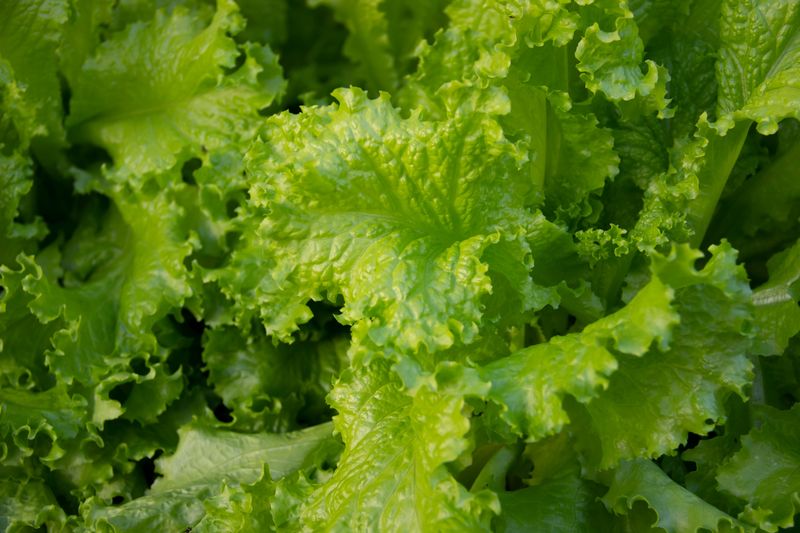
Lettuce and spinach did not sign up for a West Virginia summer. They tend to bolt to seed and turn bitter once temperatures climb past 80 degrees.
Afternoon shade is the trick that keeps leafy greens alive and edible well into summer. Even two or three hours of blocked sun makes a real difference.
A simple shade cloth rated at 30 to 40 percent works well for most greens. Drape it over a frame or stakes above your bed for easy coverage.
Old bedsheets or lightweight row cover fabric also do the job in a pinch. The goal is to filter, not fully block, the harshest afternoon light.
Plant leafy greens on the north or east side of taller crops like tomatoes. Those tall neighbors cast natural shade right when the sun is most brutal.
Water leafy greens more frequently than other crops during heat spells. Their shallow roots dry out faster and they show stress quickly.
Arugula and Swiss chard tolerate heat slightly better than spinach or butterhead lettuce. Choosing heat-tolerant varieties extends your greens season noticeably.
Harvest outer leaves regularly to keep plants from channeling energy into bolting. Frequent cutting resets the plant’s focus back to producing tender new growth.
Even with shade, some bolting will happen in extreme heat. Pull bolted plants quickly and use that space for a fall succession planting.
A little shade cloth investment pays off in weeks of extra salad greens. Your summer to-do list is not complete without protecting these cool-season favorites.
8. Succession Plant For Continuous Harvests
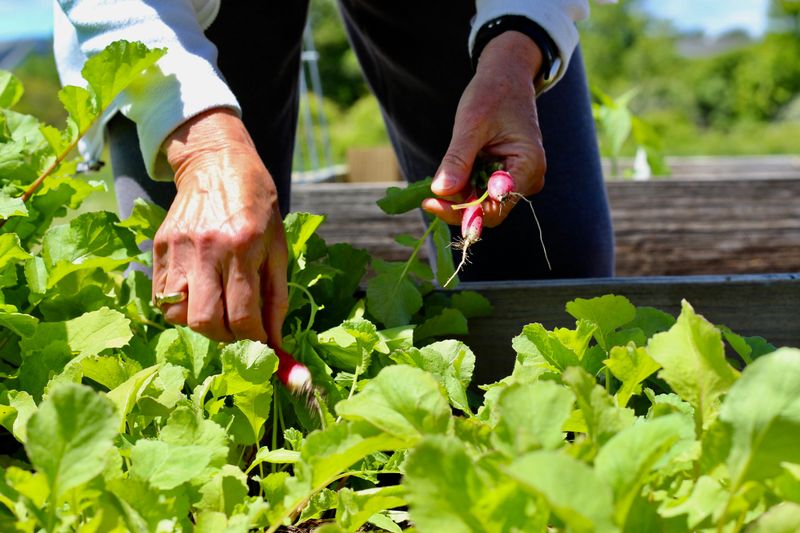
One big planting in spring sounds efficient, but it leads to a feast-or-famine harvest situation. Everything ripens at once, then the garden goes quiet.
Succession planting staggers your crops so something is always ready to pick. Plant a new round of seeds or transplants every two to three weeks.
Beans are perfect for succession planting because they mature quickly and produce heavily. A new row planted in July gives you a fresh harvest in late August.
Radishes, beets, and carrots also respond beautifully to staggered planting schedules. These root crops stay sweet and tender when harvested young rather than overgrown.
As you pull spent plants, refill that space immediately with a new crop. Bare soil in summer is wasted potential and a welcome mat for weeds.
Check your seed packets for days-to-maturity before planting late-season crops. You need enough warm days left in the season for the crop to finish.
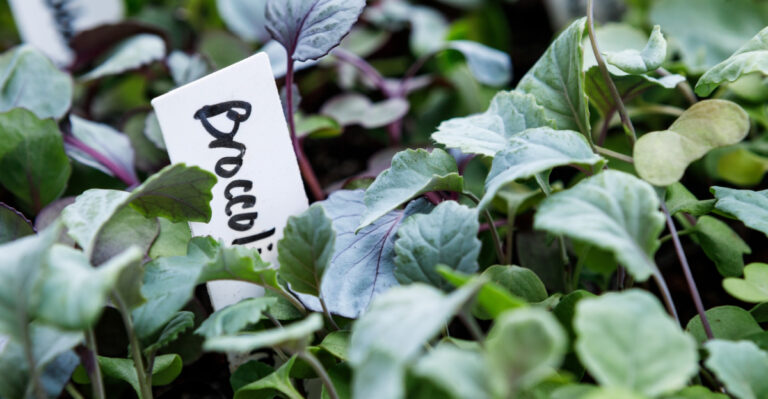
Fall crops like kale, broccoli, and cabbage can be started indoors in mid-July. Transplant them outside in August when the worst heat begins to break.
Keep a simple planting calendar on your fridge or phone. Knowing what was planted when takes the guesswork out of timing your next round.
Succession planting also spreads out your workload across the season. Instead of one overwhelming harvest week, you get steady, manageable amounts all summer long.
Staying on top of your summer to-do list with new plantings is one of the best ways to enjoy a garden that produces well into fall. A little planning now means fresh food well into fall.