What Level 3 Drought Is Doing To Massachusetts Yards, And How To Respond
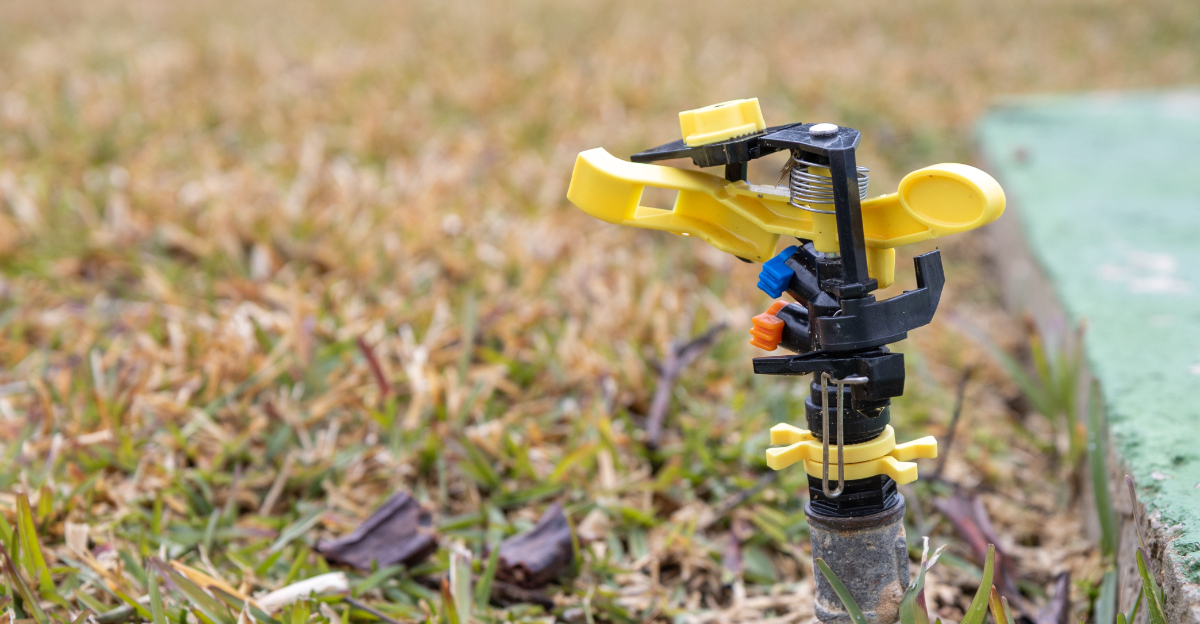
Your lawn isn’t just dry. It’s staging a slow-motion collapse, and Massachusetts homeowners are watching it happen in real time.
Level 3 drought conditions have turned lush backyards into brittle, straw-colored patches that snap underfoot like autumn leaves in July. Rivers are running low, reservoirs are shrinking, and the soil beneath your feet has forgotten what moisture feels like.
This isn’t a passing dry spell that solves itself after one good rain. Established root systems are gasping for water they simply can’t reach anymore, and the damage building up now could linger for seasons.
A quarter-acre lot in Worcester and a five-acre property in the Berkshires are fighting the same battle. Level 3 restrictions don’t care about square footage, only gallons, and only the owners who read the fine print will see their lawns survive.
Massachusetts Lawns Turn Brown Under Level 3 Water Restrictions
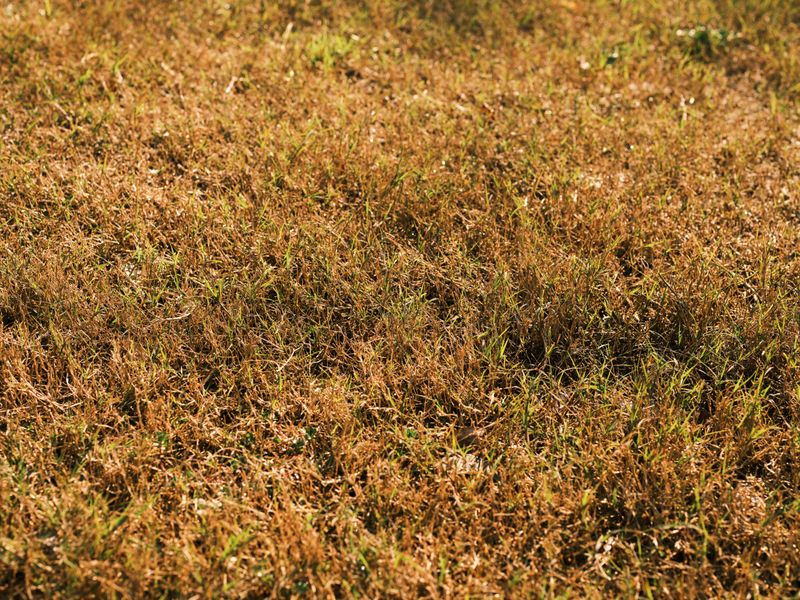
Your grass is not being dramatic. Under Level 3 drought restrictions, Massachusetts lawns are entering survival mode, and brown turf is the first sign something serious is happening.
Cool-season grasses like Kentucky bluegrass and fescue go dormant when soil moisture drops too low. Dormancy looks alarming, but it is actually a defense mechanism that protects the grass crown underground.
The problem starts when dormancy stretches past four to six weeks without relief. At that point, crowns can be lost for good, and patches may never recover without reseeding.
Level 3 restrictions in many towns ban all nonessential outdoor watering completely, with no weekly allowance to fall back on. That schedule is not enough to pull a lawn out of dormancy, so do not waste your allowance trying.
Instead, focus any permitted watering on trees, shrubs, and garden beds where investment is higher. Let the grass stay brown and trust the dormancy process to protect it.
Avoid walking on dormant turf as much as possible. Foot traffic on dry grass crushes brittle blades and damages the crowns you are counting on for fall recovery.
Skip mowing until you see new green growth returning. Cutting dormant grass adds unnecessary stress and removes what little shade the blades provide to the soil.
Once rains return and restrictions ease, a light fertilization and deep watering schedule will wake most lawns back up. Patience right now is genuinely the best lawn care tool you have.
Trees And Shrubs Show Signs Of Deep Drought Stress
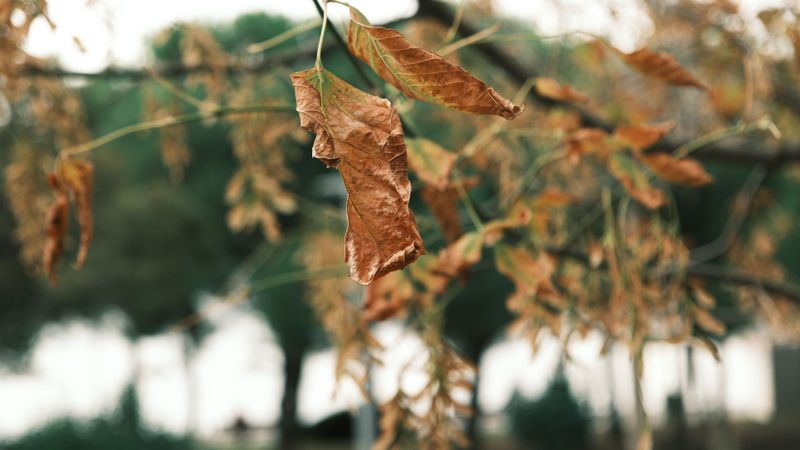
When a tree starts dropping leaves in July, something is very wrong. Premature leaf drop is one of the clearest distress signals a tree sends during extended dry periods like the current Level 3 drought.
Shrubs show stress differently. You might notice scorched leaf edges, wilting that does not recover overnight, or stems that feel brittle instead of flexible when gently bent.
Trees are deceptive because their root systems run deep, but drought stress can still reach them. Shallow feeder roots, which absorb most of the water a tree actually uses, dry out fast in compacted or sandy soils.
Your Massachusetts Garden Changes Every Week. Your Plan Should Too.
Gardening in Massachusetts changes quickly throughout the season. Every Friday you’ll receive a simple weekly plan showing exactly what to plant, prune, fertilize, harvest, and protect so you never miss the right timing.
Young trees planted within the last three years are especially vulnerable. Their root systems have not spread wide enough to find moisture reserves, making them priority candidates for any water you are allowed to use.
A slow, deep soak works far better than a quick spray. Place a garden hose at the drip line of the tree and let it trickle for 30 to 45 minutes to push water down to the root zone.
Mulch is your best friend right now. A three-inch layer of wood chip mulch around the base of trees and shrubs holds soil moisture and keeps ground temperatures lower during heat spikes.
Watch for early fall color appearing in late July or August. That is not a seasonal treat but a warning sign that a tree is shutting down early due to moisture stress, and it needs attention fast.
Soil Compaction Worsens As Moisture Levels Drop

Dry soil does not just feel hard underfoot. It actually changes structure, becoming dense and compressed in a way that makes future watering far less effective.
When soil loses moisture, the tiny air pockets between particles collapse. That compaction creates a surface that repels water rather than absorbing it, which is the last thing you need during a drought.
You might notice that when it finally does rain, water pools on the surface and runs off instead of soaking in. That is compaction at work, and it turns even a good rain event into wasted relief for your plants.
Aeration is a smart tool to use before or after a drought period. Poking holes in the soil with a garden fork or aerator tool reopens those collapsed channels and lets moisture reach roots again.
Adding organic matter like compost to your beds improves soil structure over time. Compost acts like a sponge, holding moisture longer and creating the loose, crumbly texture that roots love.
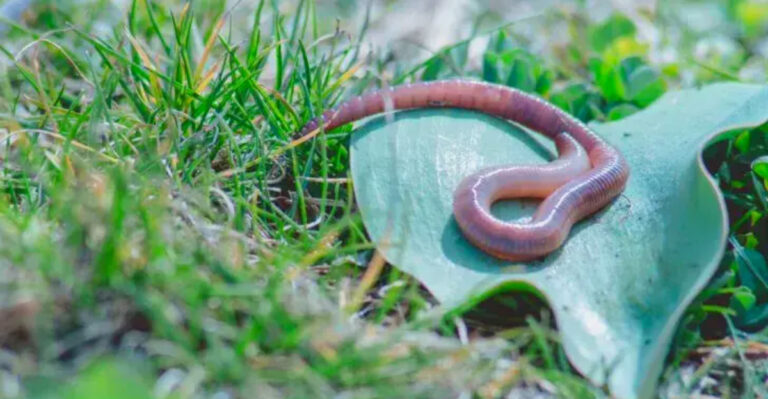
Avoid working compacted soil when it is bone dry. Digging or tilling extremely dry ground can break up beneficial soil structure and damage earthworm populations that keep the earth healthy.
Container plants face a unique version of this problem. Potting mix can shrink away from the pot walls when fully dried out, causing water to run straight down the sides and out the bottom without ever reaching roots.
Slow, repeated watering over several days can rehydrate severely dried-out container soil. Your ground and your pots both need a patient, gradual approach to recovery.
Pests And Diseases Take Advantage Of Weakened Plants
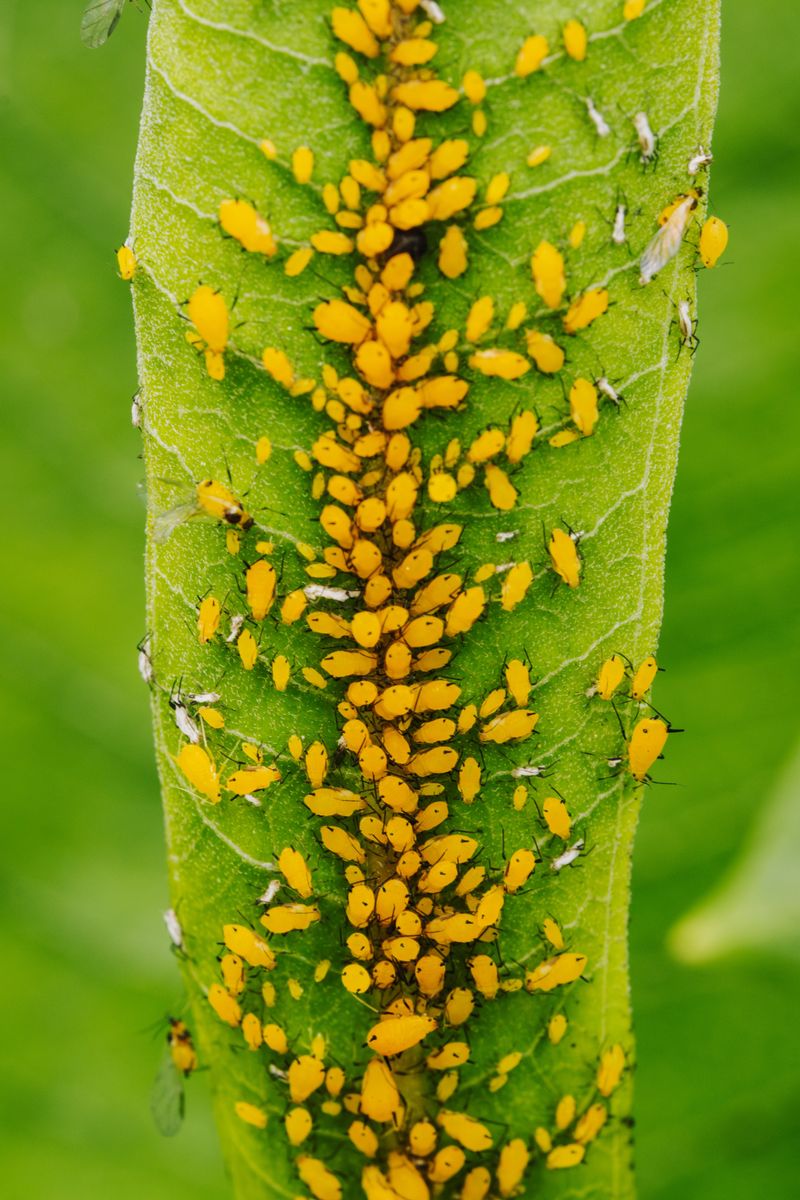
Stressed plants are open invitations for trouble. When a plant is already struggling to find water, its natural defenses drop, and pests and diseases move in fast.
Spider mites thrive in hot, dry conditions and can explode in population within days. You will notice fine webbing on the undersides of leaves and a dusty, speckled appearance on the upper surface.
Aphids also surge during droughts because stressed plants produce more of the amino acids these insects love. A heavy aphid infestation on a drought-stressed shrub can push it past the point of recovery quickly.
Fungal diseases might seem counterintuitive during dry weather, but they actually spike when people water incorrectly. Evening watering that leaves foliage wet overnight creates perfect conditions for powdery mildew and leaf spot fungi.
Check plants two to three times per week during drought stress. Catching an infestation early means you can treat it with a simple insecticidal soap spray rather than stronger interventions.
Avoid over-fertilizing stressed plants right now. Nitrogen pushes new, tender growth that pests find irresistible, and a drought-stressed plant cannot support that extra growth without sufficient water.
Japanese beetles are another summer threat, and they prefer feeding on weakened foliage. Hand-picking them in the early morning when they are sluggish is effective and chemical-free.
Healthy soil biology, including beneficial fungi and bacteria, also takes a hit during extended dry spells. Restoring those microbial communities with compost tea after rains return will help plants rebuild their natural defenses faster.
Smart Watering Techniques That Stay Within Restrictions
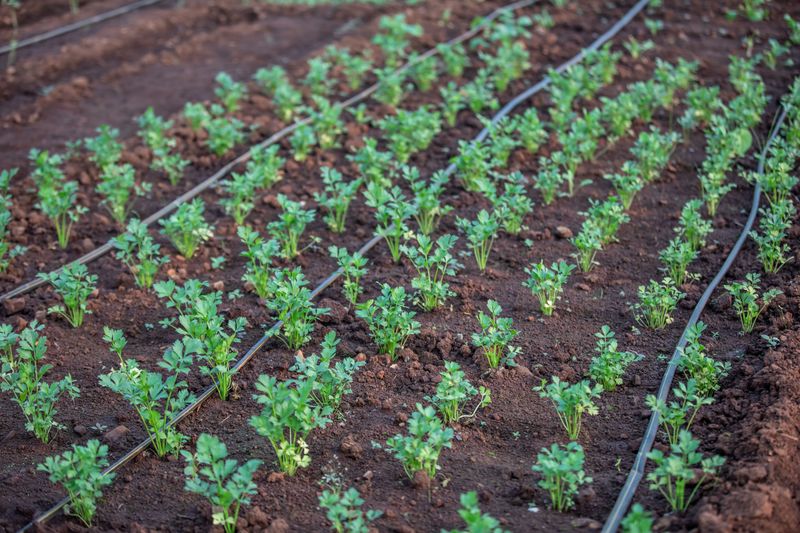
Working within Level 3 drought restrictions does not mean abandoning your yard. It means getting strategic about every drop of water you are allowed to use.
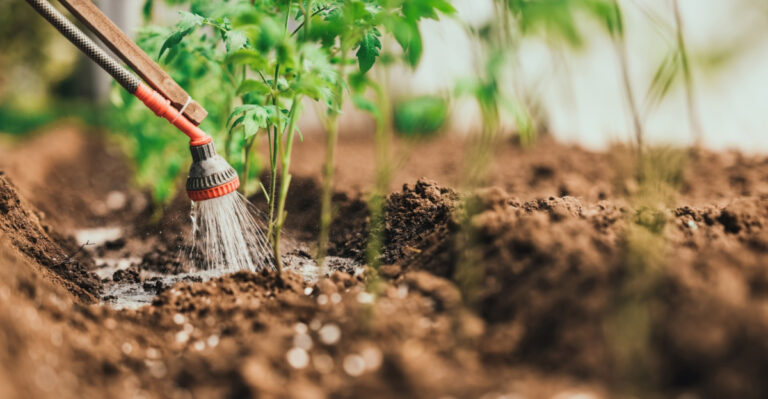
Drip irrigation is the gold standard during restrictions. It delivers water directly to root zones at a slow rate, cutting evaporation loss significantly compared to overhead sprinklers.
Water early in the morning, ideally between 4 a.m. and 8 a.m. Cooler temperatures and lower wind speeds at that hour mean more water reaches roots and less disappears into the air.
A rain barrel connected to your downspout is a legal and effective way to collect runoff for garden use. Even a modest barrel holds 50 to 80 gallons, which goes a long way on vegetable beds.
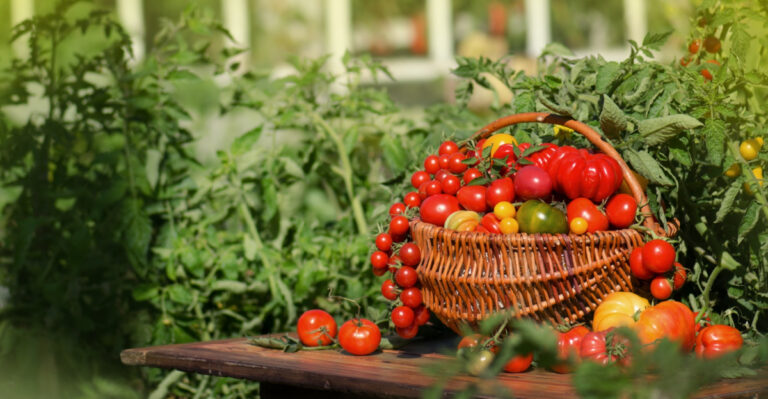
Group your plants by water need and prioritize accordingly. Vegetables and newly planted perennials rank above established ornamentals, which rank above lawn grass during a drought emergency.
The finger test is your most reliable watering guide. Push a finger two inches into the soil near a plant’s base. Water only if the soil feels dry at that depth, not just at the surface.
Avoid using sprinklers on windy days. Wind can carry a large share of sprinkler output away from your yard before it ever hits the ground.
Soaker hoses laid along garden rows work similarly to drip lines and cost far less to set up. Pairing them with a simple timer takes the guesswork out of staying within your allowed watering schedule.
Long Term Yard Adjustments For Future Drought Seasons

One drought season is a wake-up call. Two in a row means your yard needs a structural rethink before next summer arrives.
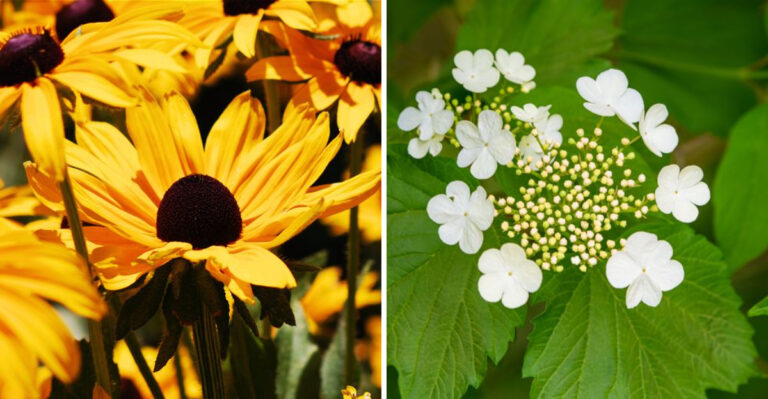
Native plants are your most powerful long-term tool. Species like little bluestem grass, black-eyed Susans, and bayberry shrubs evolved in New England conditions and handle dry summers without extra irrigation.
Replacing turf in low-traffic areas with gravel, mulch, or ground covers like creeping thyme cuts your water demand dramatically. These alternatives look intentional and polished, not like a surrendered lawn.
Improving your soil with compost each fall builds the moisture-retention capacity that gets you through the next dry stretch. Even a one-inch top dressing worked in each year makes a measurable difference over time.
Rain gardens are a smart addition for yards with low spots. They are shallow planted depressions that capture runoff and let it soak slowly into the ground, recharging soil moisture naturally.
Consider converting traditional irrigation systems to smart controllers. These devices read local weather data and skip watering cycles automatically when rain is forecast or soil sensors show adequate moisture.
Shade trees planted strategically on the west and south sides of your yard lower soil temperatures and reduce evaporation from garden beds. A young tree planted today becomes a drought defense tool within five years.
Responding to Level 3 drought conditions with permanent yard changes protects your investment for decades. The yards that thrive through future dry seasons are the ones whose owners started planning during this one.