What Happens If Virginia Gardeners Skip Pinching Back Mums In July
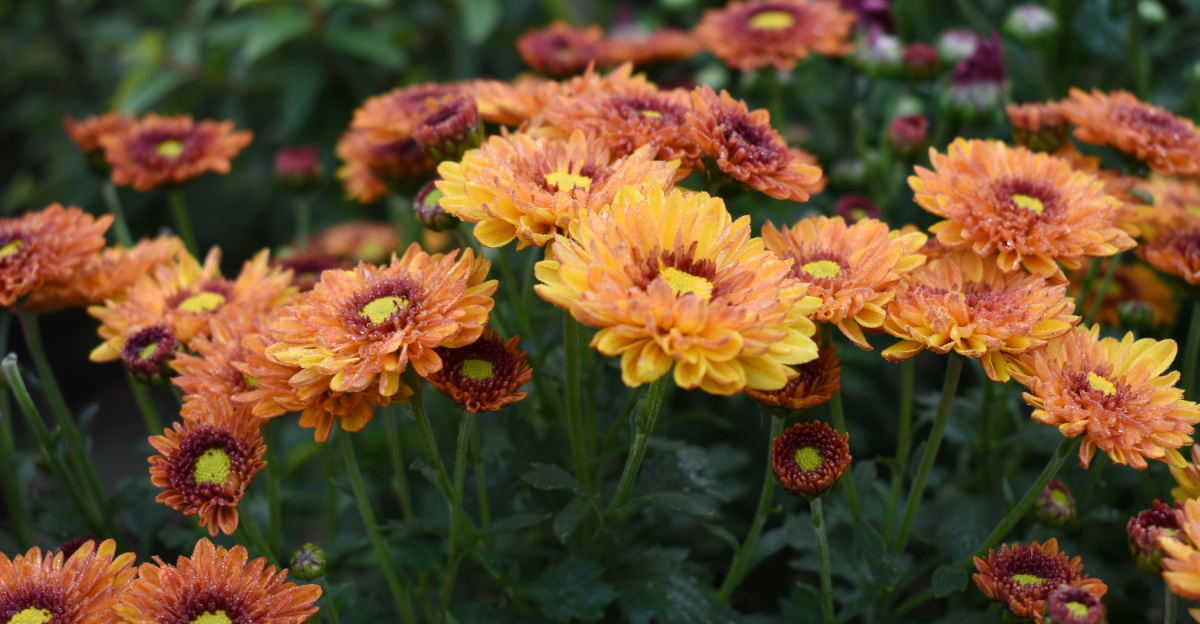
Picture your mums back in April: tiny, hopeful sprigs tucked into fresh soil, promising a September full of color. You watered them on schedule, maybe even talked to them a little.
Then July hit, pinching slipped through the cracks, and here you are: lanky stems, flopped-over blooms, nothing like the mounds you pictured.
Mums don’t fail because they’re fragile. They fail because they’re honest. Skip a step, and they show you exactly where. Pinching in July is what turns a thin, sky-reaching stem into a full, branching plant.
If this is the scene in your Virginia garden right now, don’t panic. Figure out why your mums went sideways, and you’re already halfway to fixing them, this season or the next.
1. Skipping This Step Leaves Mums Leggy And Sparse By Fall
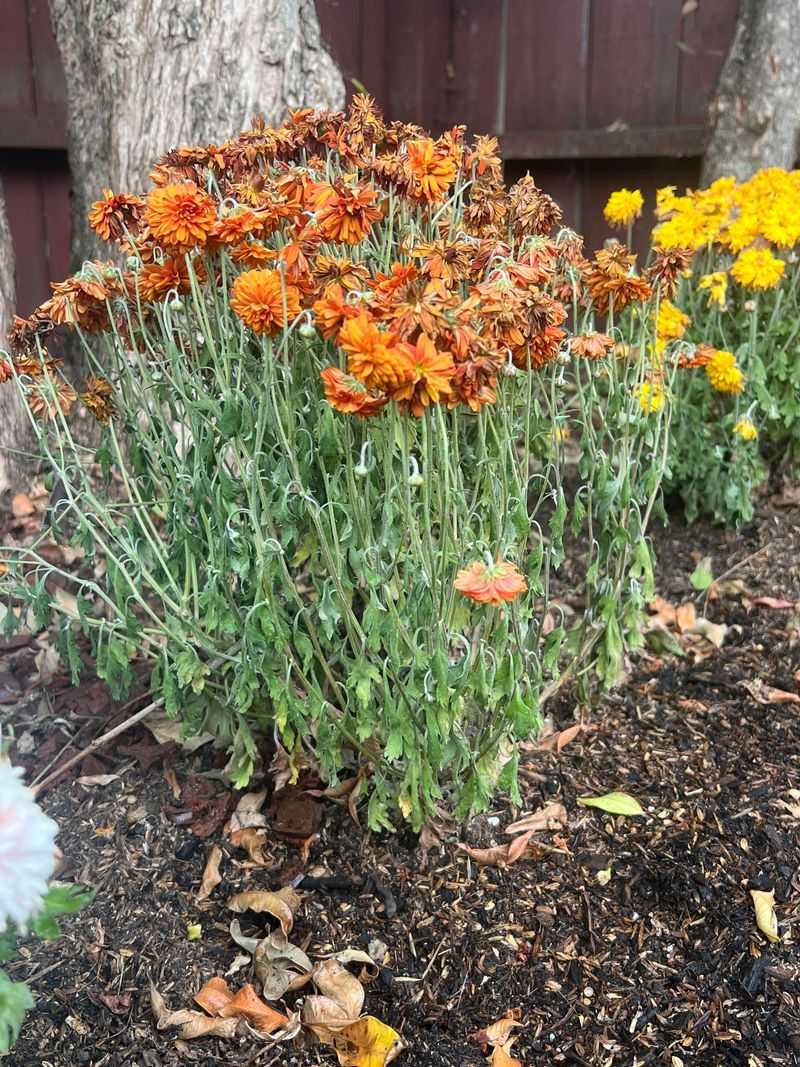
Long, floppy stems are the first sign something went wrong. When gardeners skip pinching back mums in July, plants focus all their energy on growing tall instead of growing full.
A mum that shoots straight up without being pinched will develop just a few main stems. Those stems get long and weak, bending under their own weight by August.
Pinching forces the plant to branch out sideways. Each pinched tip sends energy to two or three new shoots, multiplying the stem count dramatically over just a few weeks.
Without that branching effect, the plant stays thin and sparse. You end up with a handful of blooms at the very top of tall, bare stalks.
Gardeners in Virginia often notice this problem by early September. Pinched mums are already loaded with buds while unpinched ones look sparse and unfinished by comparison.
The leggy look is not just cosmetic. Weak stems snap in summer thunderstorms, which Virginia gets plenty of between July and September.
A bushy, well-pinched mum holds its shape through wind and rain. A leggy, unpinched one collapses into a tangled mess after the first big storm.
Sparse growth also means fewer leaves, which means less photosynthesis happening. Less photosynthesis means less energy for producing the flowers you were hoping for.
The bottom line is simple: skipping pinching trades a stunning fall display for a disappointing tangle of weak stems and scattered blooms.
2. Why Pinching Back Matters So Much In Virginia’s Climate
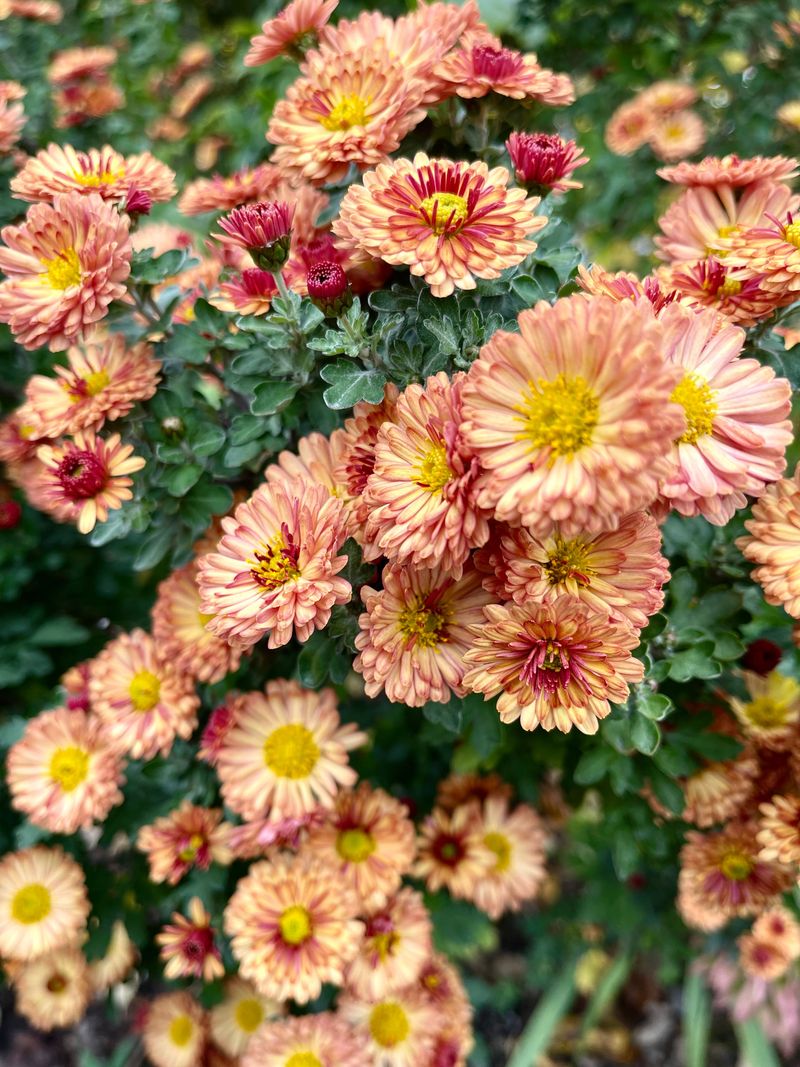
Virginia’s summers are brutal, and mums feel every bit of it. The combination of heat, humidity, and long summer days creates a specific growing challenge that makes pinching especially critical here.
Hot temperatures push mums into fast, upward growth. Without pinching, that heat-fueled energy goes straight into tall stems rather than a wide, bushy shape.
Virginia also sits in USDA hardiness zones 5b through 8a. That range means mums in different parts of the state experience slightly different timing pressures for pinching.
In the western mountains, the growing season runs a bit shorter. Gardeners there need to pinch by early July to give plants enough time to branch and set buds before frost arrives.
In coastal areas and the Tidewater region, warmer temperatures give a slightly longer window. But waiting too long still backfires because mums need several weeks after the last pinch to bloom properly.
Your Virginia Garden Changes Every Week. Your Plan Should Too.
Gardening in Virginia changes quickly throughout the season. Every Friday you’ll receive a simple weekly plan showing exactly what to plant, prune, fertilize, harvest, and protect so you never miss the right timing.
Humidity adds another layer of complexity. Dense, unpinched stems trap moisture and create favorable conditions for fungal diseases like powdery mildew and botrytis.
Pinched plants with good airflow between stems dry out faster after summer rains. That simple improvement in air circulation cuts disease risk significantly.
The timing of July pinching also aligns perfectly with Virginia’s natural day-length changes. Shorter days in August trigger blooming, and pinched plants are ready with dozens of buds when that signal arrives.
Skipping pinching in Virginia does not just cost you beauty, it costs you the advantage of working with the local climate instead of against it.
3. The Real Difference Between Unpinched And Pinched Mums
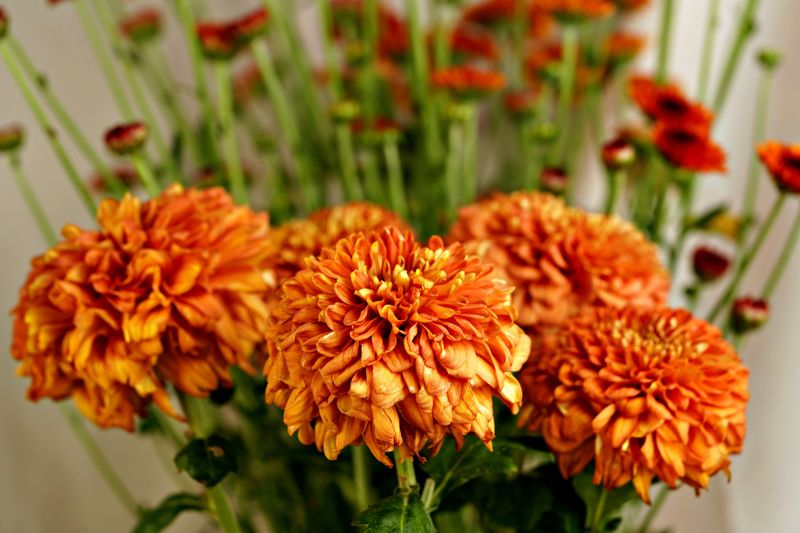
Standing in a garden center in September, the difference is impossible to miss. Pinched mums look like perfect, round cushions covered in flowers, while unpinched ones look like awkward teenagers who grew too fast.
A properly pinched mum typically stays between 18 and 24 inches tall. It spreads wide and low, forming a dome shape that holds dozens or even hundreds of blooms at once.
An unpinched mum, by contrast, can shoot up to 36 inches or taller. The stem count stays low, and the few flowers that do appear cluster awkwardly at the very tips of long, bare stalks.
The foliage difference is equally striking. Pinched plants produce dense, layered leaves from the base upward, creating that lush, full look gardeners dream about all summer long.
Unpinched plants show bare stems at the bottom with all the greenery crammed toward the top. That bottom-heavy bareness makes them look half-finished, like a project someone abandoned in the middle.
Bloom count tells the biggest part of the story. A well-pinched mum can produce 50 to 60 individual flowers or more in a single fall season.
An unpinched mum might produce 10 to 20 blooms at most. That is a massive difference in visual impact when you are trying to create a stunning fall display.
Color saturation also differs because more blooms mean more concentrated color. A sparse plant looks faded and underwhelming compared to the bold, saturated look of a fully blooming pinched mum.
Seeing the two side by side makes the case for pinching better than any explanation ever could.
4. Fewer Blooms And Weaker Stems Take A Toll On Your Fall Display
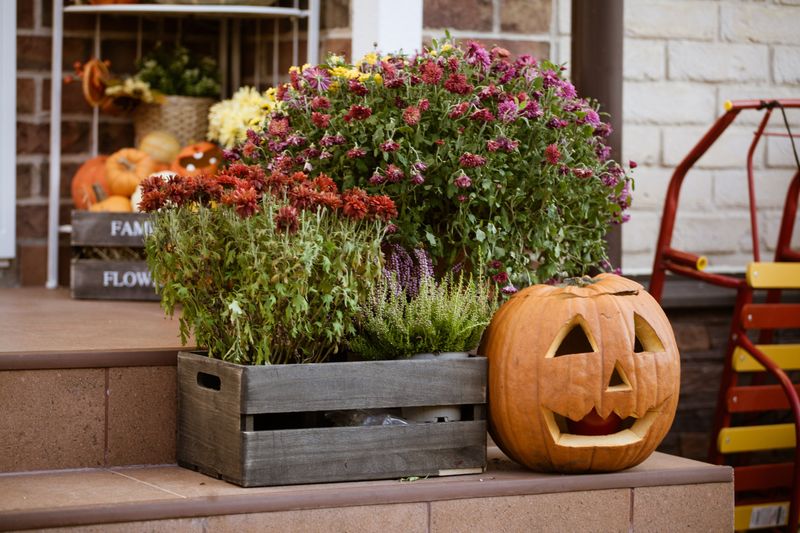
Fall curb appeal is serious business for many homeowners. Mums are the anchor of most autumn front-yard displays, and when they underperform, the whole seasonal look falls flat.
Fewer blooms mean fewer pops of color. A display that should read as bold orange or deep burgundy from across the street ends up looking thin and patchy instead.
Weaker stems make the problem worse in a hurry. Unpinched mums with tall, spindly stalks cannot support the weight of even a moderate number of flower heads.
After a heavy rain or a breezy September afternoon, those stems bend and flop. Once a stem flops over, it rarely straightens back up on its own.
Gardeners often try staking flopped mums, which works but looks awkward. Visible stakes and ties running through a fall display are not exactly the look anyone was going for.
Container displays suffer even more than in-ground plantings. Pots dry out faster, and unpinched mums in containers tend to become top-heavy and tip over in any significant wind.
Pairing mums with pumpkins, ornamental grasses, and hay bales is a classic Virginia fall tradition. Sparse, drooping mums undermine the whole composition and make the surrounding elements look mismatched.
Neighbors and guests notice these things more than gardeners might expect. A full, blooming mum display signals a well-tended home and a gardener who knows their craft.
Skipping pinching back mums in July is a small decision in summer that creates a very visible disappointment all through fall.
5. Is It Too Late To Pinch Mums After July
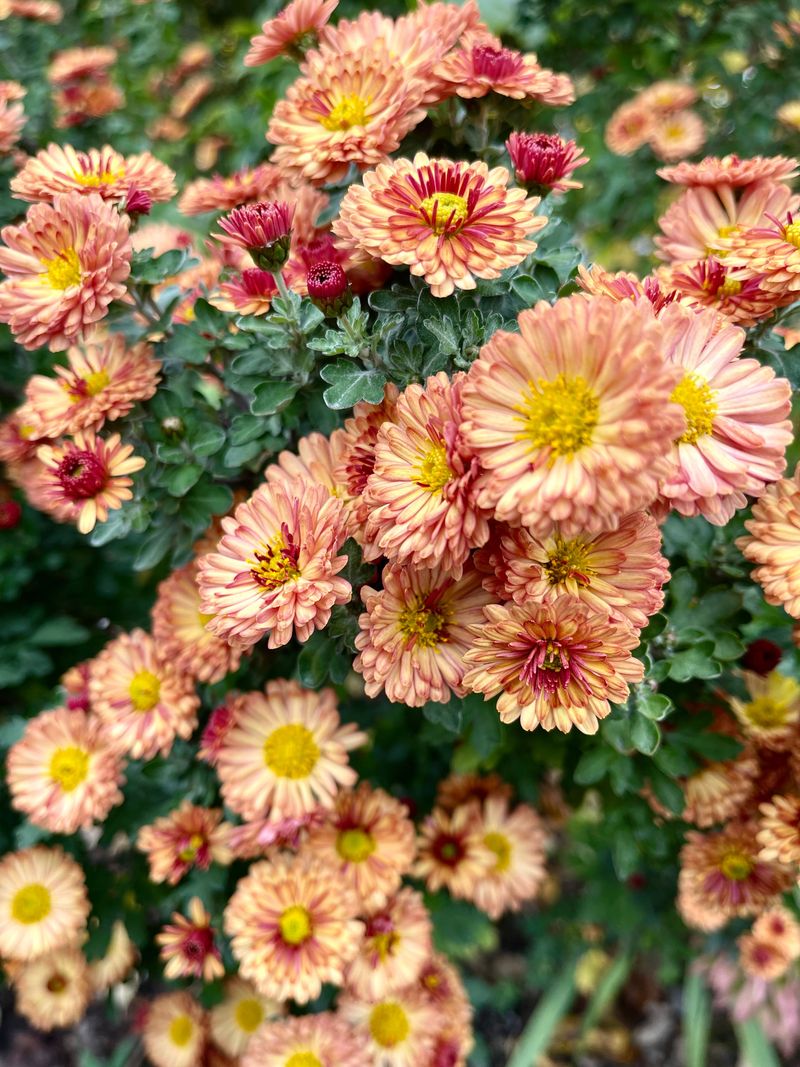
August arrives and panic sets in. Many gardeners realize mid-summer that they forgot to pinch, and the first question they ask is whether it is too late to do anything.
The honest answer is: it depends on timing and how far along the plant is. Early August pinching can still help, but the window is closing fast.
Mums need at least six weeks after the last pinch to develop buds and bloom. If the first frost in your area hits in mid-October, your math gets tight quickly.
In northern Virginia and the Shenandoah Valley, first frost often arrives in mid to late October. That means an early August pinch might still work, but only if done immediately.
In southern and coastal areas, where frost holds off until November, there is a bit more flexibility. Gardeners there can sometimes get away with a light pinch in mid-August.
The key word is light. A hard pinch in August removes too much growth and shocks the plant right when it is trying to shift into blooming mode.
A soft pinch, removing just the very tip of each stem, is the safer move in August. That gentle trim encourages a little branching without setting back bloom development too severely.
Pinching after early August in most of Virginia is generally not recommended. At that point, the plant has already started the hormonal shift toward flowering, and interrupting it causes more harm than good.
If August has already slipped by, shift focus to supporting the plant rather than reshaping it.
6. How To Get Back On Track If You Missed The Window
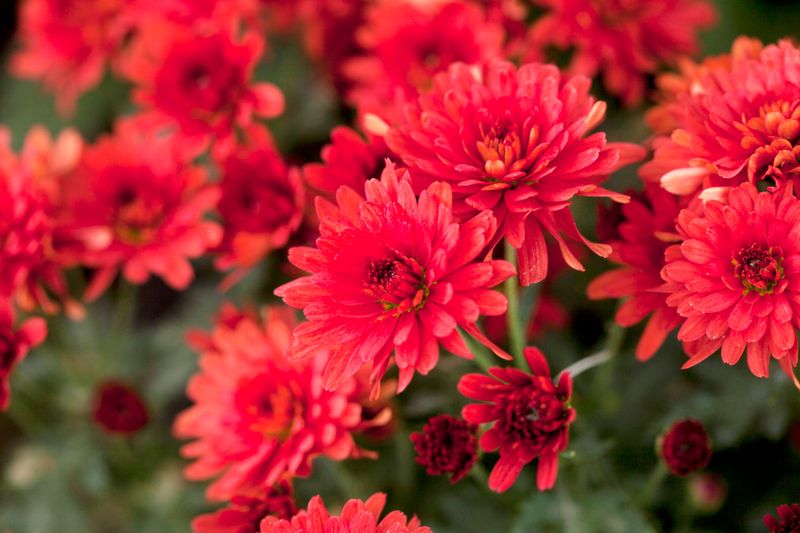
Missing the pinching window does not mean giving up on your mums. Smart gardeners shift strategies when one approach closes, and there are several good moves available even in late summer.
Start with a light trim if you are still in early August. Removing just the top inch of each stem encourages some branching without delaying bloom time too severely.
Switch to a bloom-boosting fertilizer right away. Products higher in phosphorus than nitrogen encourage root strength and flower development rather than more leafy, vertical growth.
Water consistently and deeply during August and September. Mums under stress from drought produce fewer blooms and are more vulnerable to stem weakness and disease pressure.
Add plant supports proactively if stems are already getting tall. Wire tomato cages work well for container mums, and peony rings fit nicely around in-ground clumps.
Remove spent blooms aggressively as they appear. Removing old flowers signals the plant to keep producing new ones, extending the bloom period even when stem count is low.
Consider supplementing with new nursery mums purchased in September. Garden centers stock fully budded mums in fall, and mixing them into your existing display fills gaps beautifully.
Place purchased mums strategically around your leggy, unpinched plants. The full, round nursery plants visually compensate for the sparse, tall ones nearby.
Mark your calendar now for next July. One simple reminder set on your phone can save your entire fall display and make sure you never skip pinching back mums in July again.