The Surprising Oregon Weed That Attracts More Native Bees Than Any Herb Or Flower You Can Buy
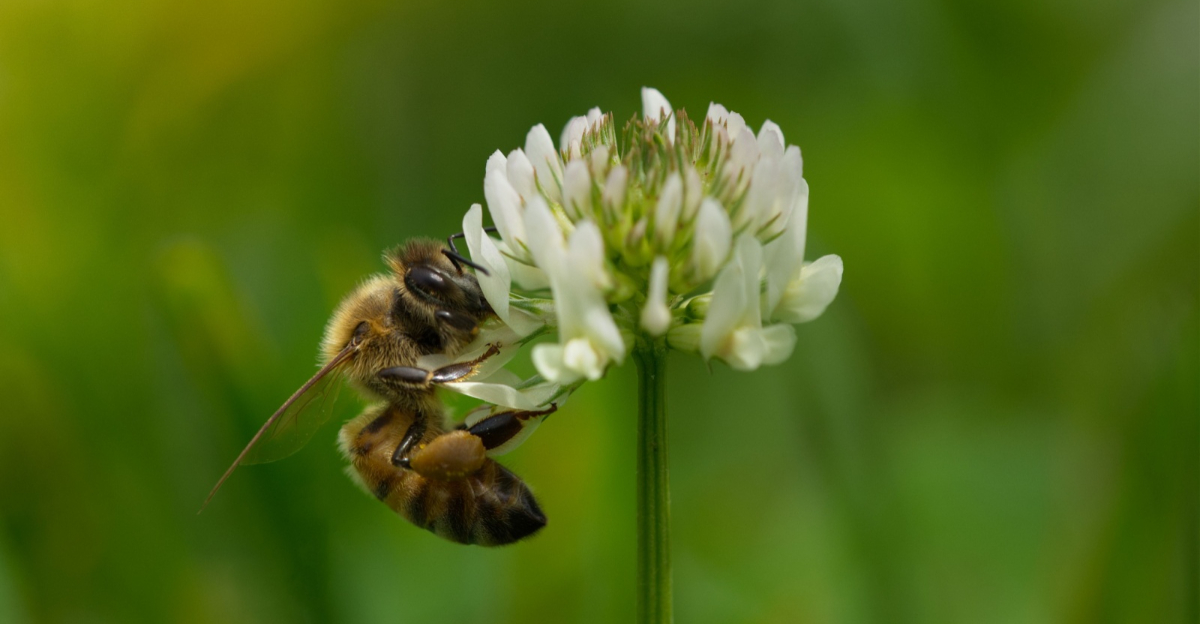
There is a genuinely useful pollinator plant growing in a lot of Oregon lawns right now, and most homeowners are pulling it out or spraying it without a second thought.
White clover has one of the worst reputations in the lawn care world considering how much it actually brings to the table.
Those tiny white blooms that pop up uninvited in mixed grass lawns every summer are not just filler weeds.
Native bees love them, the plant fixes nitrogen naturally, and in a low-input Oregon lawn it earns its place without asking for much in return.
Before you reach for the herbicide or spend another season fighting it back, it is genuinely worth understanding what white clover is actually doing out there and why a little tolerance for it might be one of the smarter moves you make in the yard this summer.
1. White Clover Is The Bee-Friendly Weed Hiding In Oregon Lawns
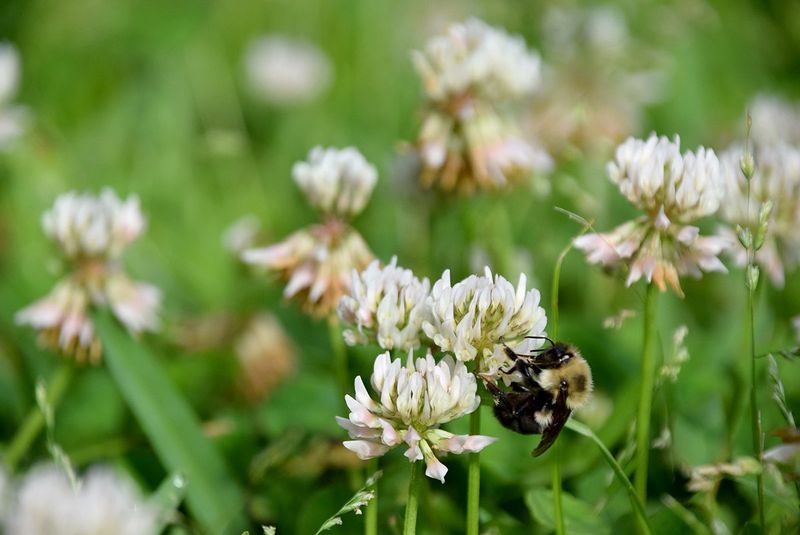
Walk across almost any mixed Oregon lawn in late spring or early summer and you will likely spot small white pom-pom blooms nestled low in the grass. Most homeowners barely notice them, but native bees do.
White clover, known botanically as Trifolium repens, has long been treated as a lawn problem to eliminate rather than a plant worth keeping.
That view is starting to shift in Oregon, especially among gardeners who care about pollinators. The small flowers may look modest, but they can draw bumblebees, sweat bees, and other native species that need accessible forage during the warmer months.
Unlike many ornamental flowers that bloom briefly, clover tends to keep producing blooms across a long stretch of summer.
Clover spreads low along the ground, which means it rarely crowds out tall plants but can fill in bare or thin turf patches where grass struggles.
In Oregon yards managed with fewer chemicals and less rigid standards for what a lawn should look like, white clover fits right in.
It is not a replacement for diverse native plantings, but as a low-cost, self-seeding lawn addition, it offers real value that many purchased herbs and flowers simply cannot match at the same scale.
2. Tiny Clover Flowers Feed More Pollinators Than You Think
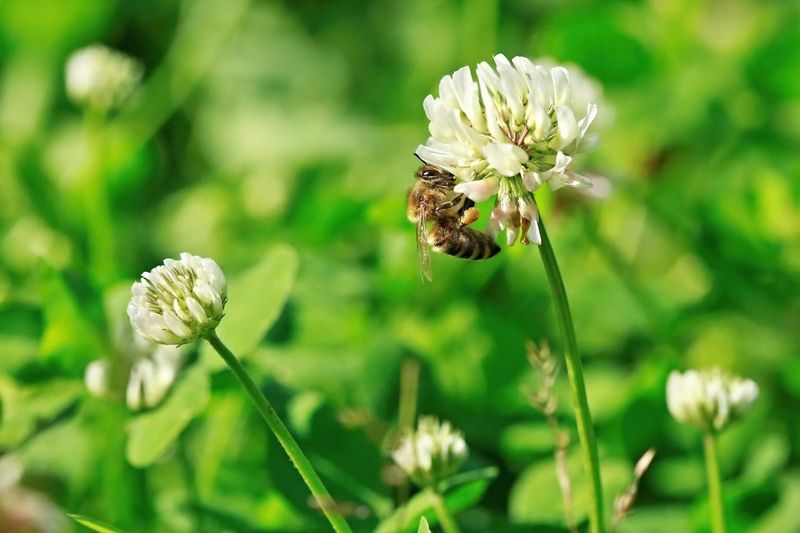
Bees moving through a clover patch on a warm Oregon afternoon can be surprisingly busy.
The flowers are small, but they are structured in a way that makes nectar and pollen reasonably accessible to a wide range of native bee species, including bumblebees and smaller ground-nesting bees that might struggle with deeper tubular blooms.
Each white clover flower head is actually made up of dozens of tiny individual florets. That means a single bloom cluster can offer multiple feeding opportunities for a bee in one short visit.
When clover is allowed to flower freely across a stretch of lawn, it can provide a meaningful amount of forage across weeks rather than just a few days.
It would be inaccurate to claim that white clover outperforms every native flower or every purchased pollinator plant for all bee species. Specialist bees and some native species may rely on plants with very specific flower shapes or pollen types.
Your Oregon Garden Changes Every Week. Your Plan Should Too.
Gardening in Oregon changes quickly throughout the season. Every Friday you’ll receive a simple weekly plan showing exactly what to plant, prune, fertilize, harvest, and protect so you never miss the right timing.
Still, for generalist pollinators and common bumblebees active across Oregon during summer, clover flowers can be a reliable and abundant food source that requires almost no effort from the homeowner to maintain once it is established in the lawn.
3. This Common Lawn Weed Adds Nitrogen While It Blooms
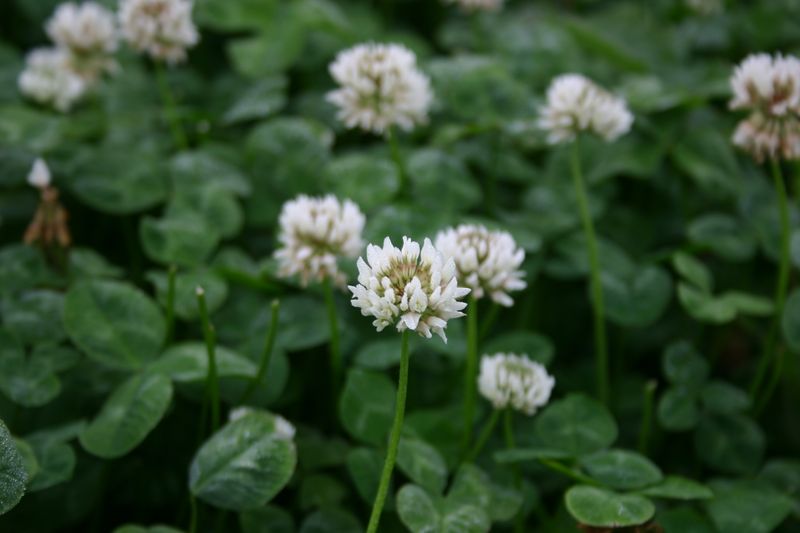
One of the quieter benefits of white clover in an Oregon lawn is something happening underground. Clover is a legume, and like other legumes, it forms a relationship with soil bacteria that can fix atmospheric nitrogen and make it available in the soil.
That means a lawn with established clover may need less added fertilizer to stay reasonably green.
For homeowners managing a low-input lawn in Oregon, this nitrogen benefit can be a practical advantage.
Grass growing alongside clover may absorb some of that fixed nitrogen over time, which can reduce the frequency or amount of fertilizer applications needed to keep the turf looking decent.
This is especially useful in areas where heavy fertilizer use is a concern for local waterways.
That said, clover is not a complete soil solution. Oregon lawns with compacted soil, poor drainage, or serious nutrient deficiencies will still benefit from proper soil testing and targeted amendments.
The nitrogen contribution from clover supports a mixed lawn system rather than replacing all soil care.
Still, for gardeners trying to reduce their lawn inputs without letting the turf go completely bare, having clover present is a low-effort way to support the soil while also feeding pollinators above ground at the same time.
4. White Clover Turns Low-Input Lawns Into Pollinator Patches
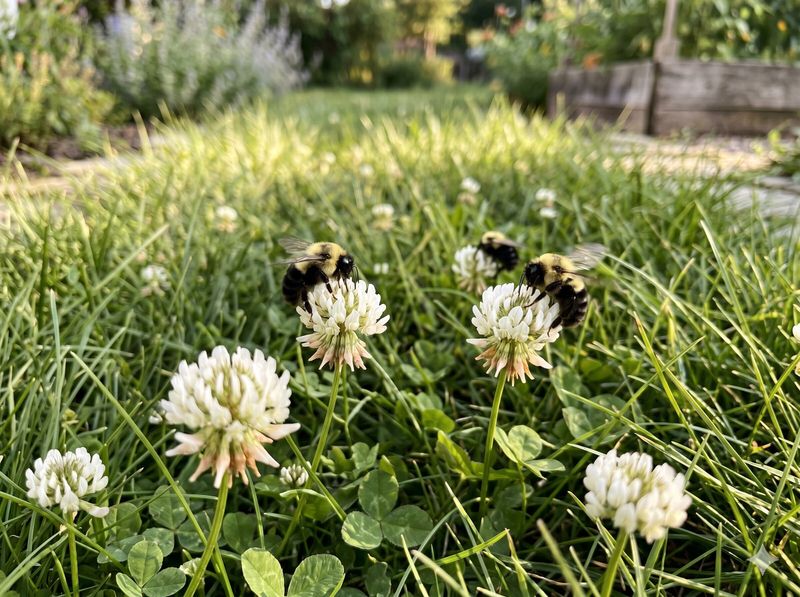
Low-input lawns are becoming more common in Oregon, especially in neighborhoods where water conservation and reduced chemical use are priorities.
These are yards managed without heavy fertilizer schedules, frequent irrigation, or strict weed-control programs.
In that kind of setting, white clover does not just survive, it can actually thrive and become a consistent part of the lawn ecosystem.
When clover is allowed to bloom in a low-input lawn, the yard shifts from a simple grass surface into something more useful for pollinators. Bees that might pass over a uniform grass lawn will often stop and forage through a clover-dotted turf instead.
For Oregon homeowners who are not chasing a golf-course look, this trade-off can feel completely worthwhile.
Clover works best in these settings when homeowners adjust their mowing schedule slightly. Mowing less frequently during peak bloom periods gives the flowers time to open and be visited by bees before they are cut back.
Even mowing at a higher blade setting can help preserve some blooms. Turning a low-input Oregon lawn into a small pollinator patch does not require major changes, just a willingness to see clover as a feature rather than a flaw in the turf.
5. Clover Works Best Where A Mixed Lawn Look Fits
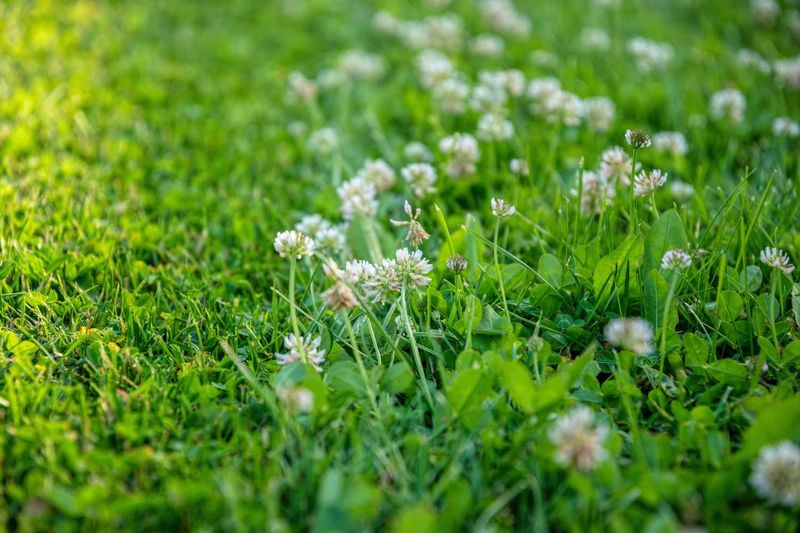
Clover in a lawn is not the right fit for every Oregon yard. In front yards where neighbors expect a uniform turf, or in formal landscapes where clean edges and consistent grass color matter, clover can look out of place and may create friction.
Knowing where it fits is part of using it wisely.
Backyard spaces, side yards, low-traffic edges, and areas near garden beds tend to be better candidates for letting clover spread. These spots often see less foot traffic, less scrutiny from the street, and more tolerance for a relaxed mixed-turf look.
Homeowners who already have a casual, naturalistic yard style will find clover fits right in without requiring any justification.
Oregon families with children or pets playing in the yard should also think about bee activity at ground level.
Clover in bloom can attract bees close to where bare feet and paws move through the grass, which is worth considering before letting it spread widely in a high-traffic play area.
Keeping clover patches along borders or in less-used lawn sections gives pollinators the forage they need while reducing the chance of accidental stings.
A thoughtful approach to placement makes clover a much easier addition to manage across different parts of an Oregon property.
6. Pollinator Lawns Need More Than One Blooming Weed
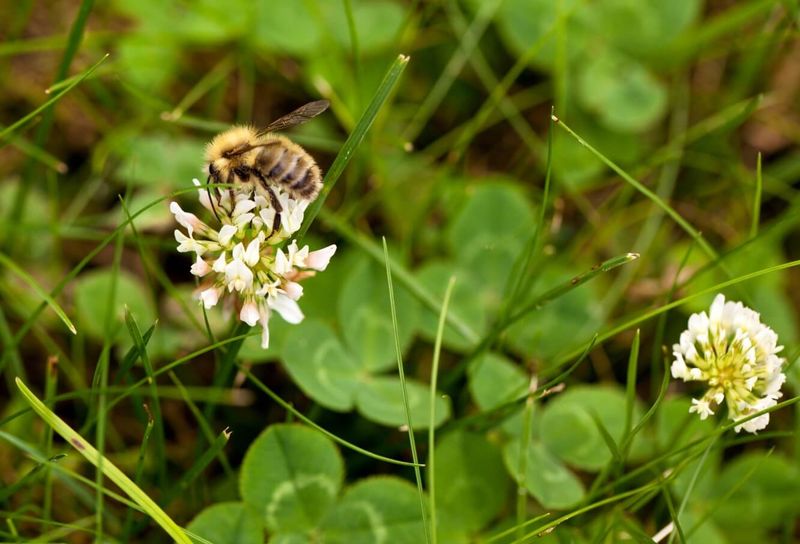
Relying on white clover alone to support pollinators in an Oregon yard misses part of the picture. Bees need a variety of bloom times, flower shapes, and pollen types across the season to stay healthy and well-fed.
A lawn that flowers only in one period or offers only one plant type cannot meet those needs on its own.
Self-heal, also called Prunella vulgaris, is another low-growing plant that can bloom in Oregon lawns and provides forage for some bee species. Dandelions offer early-season blooms before clover gets going.
Native flowering plants along borders, in raised beds, or in garden edges add the diversity that lawn weeds alone cannot provide. A pollinator-friendly Oregon yard works best as a system rather than a single-plant solution.
Homeowners who want to support native bees seriously should think beyond the lawn and consider what is blooming in the surrounding garden from early spring through fall.
Shrubs, perennials, and even some annuals can extend the bloom calendar well beyond what any lawn weed offers.
White clover is a helpful piece of that system, especially for the summer months when many native bees are most active across Oregon. Building diversity into the yard as a whole is what makes the biggest difference for pollinator health over time.
7. Dandelions Do Not Beat Clover For Bee Value
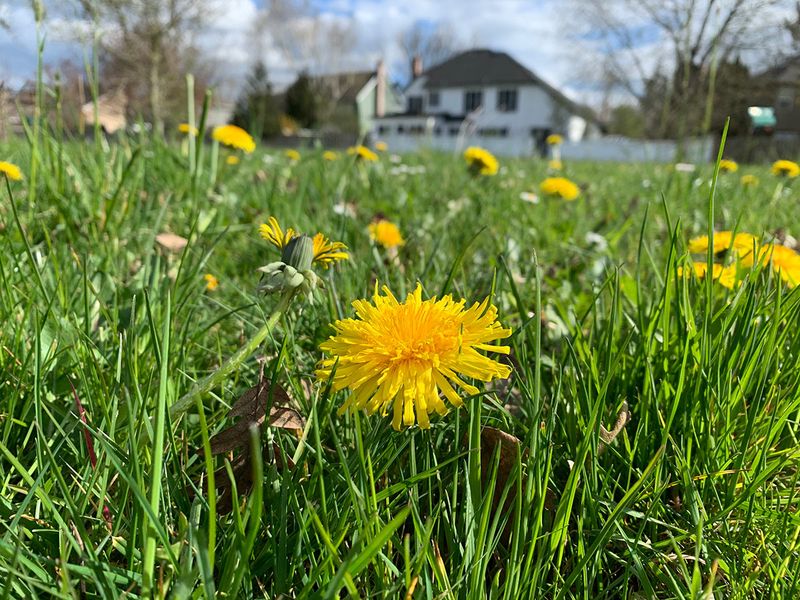
Dandelions get a lot of credit in pollinator gardening conversations, and some of that credit is deserved. They bloom early in Oregon, often before much else is flowering, which makes them a valuable source of early-season forage for bees coming out of winter.
That early timing is genuinely useful and should not be dismissed.
Still, framing dandelions as the stronger all-around lawn pollinator plant compared to clover does not hold up well under closer examination. Clover blooms over a longer period during the summer months when native bee populations are at their most active.
It also produces a consistent supply of nectar across many individual florets, giving bees repeated opportunities to forage from the same patch over many days.
The more accurate way to see both plants is as complementary rather than competing. Dandelions help bridge the early-spring gap when little else is blooming in Oregon lawns.
White clover carries the forage load through the warmer months when bee activity peaks. Keeping both in a mixed lawn, without letting either take over completely, gives pollinators the best of what each plant offers across a broader stretch of the growing season.
Neither plant alone tells the whole story of a bee-friendly Oregon yard.
8. White Clover Helps Lawns Stay Green With Less Fuss
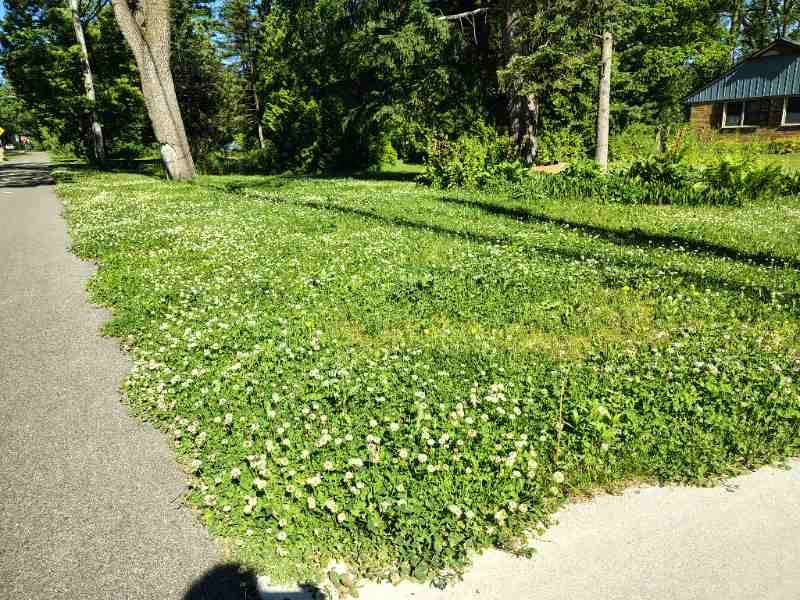
Summer in Oregon can be dry, especially west of the Cascades where irrigation restrictions and warm stretches put stress on lawns. Grass that looked green in May can start to look tired and patchy by August without consistent watering.
Clover, being a different type of plant with a different root system and growth habit, can hold up reasonably well during moderate dry periods.
In a mixed lawn, clover patches may stay greener longer than the surrounding grass during dry summer spells. This does not mean clover is drought-proof or that it thrives without any moisture.
Extended dry periods will stress clover too. But for homeowners managing a low-input Oregon lawn without regular irrigation, clover can help the yard maintain some visual coverage and greenery when pure grass turf would otherwise go dormant or brown.
The nitrogen that clover contributes to the soil may also support the surrounding grass over time, helping the turf recover more quickly after summer stress ends and fall rains return to Oregon.
Clover is not a magic fix for a struggling lawn, but it does offer a few practical advantages in low-input turf systems that make it worth keeping around in the right setting, especially for gardeners who prefer a hands-off approach to summer lawn care.
9. Clover Still Needs Boundaries In Oregon Yards
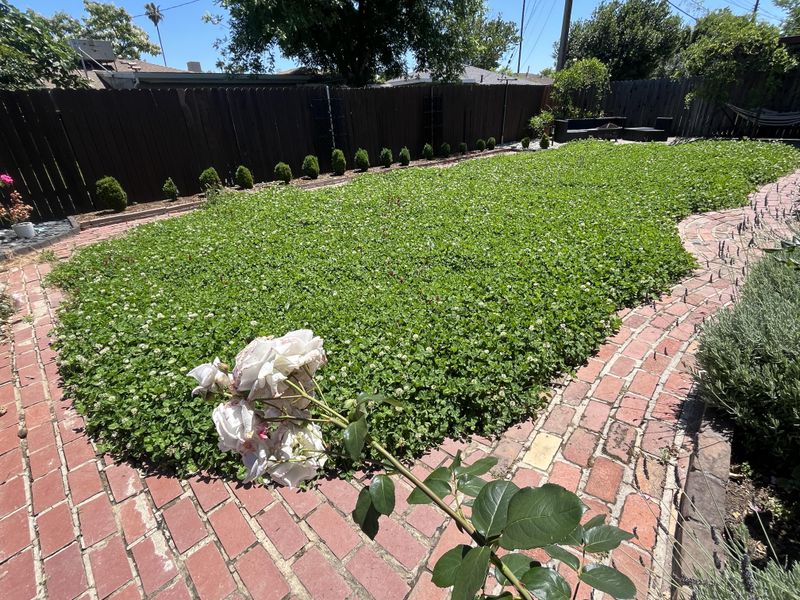
Clover is a creeping plant, and that growth habit is part of what makes it useful in a lawn. It fills in gaps, spreads low, and does not require any planting effort once it is established.
But that same spreading tendency means it will not stay where you want it without some occasional management.
Vegetable beds are one place where clover can become a problem. It competes with crops for space and moisture, and its creeping stems can weave into garden soil in ways that make it tedious to remove.
Formal flower borders and ornamental beds where a clean look matters are also places where clover is better kept out. Edging along lawn borders a few times a season can prevent it from creeping into areas where it is not welcome.
In Oregon yards with formal front lawns or HOA guidelines, clover may not be an option at all regardless of its pollinator benefits.
Being realistic about where clover fits and where it does not is what allows homeowners to enjoy its advantages without letting it become its own kind of problem.
Treating it as a managed part of the lawn rather than a completely wild plant gives you the best of what clover offers while keeping the yard looking intentional and cared for across all seasons.