Virginia Gardeners’ Methods For Speeding Up Tomato Ripening In July
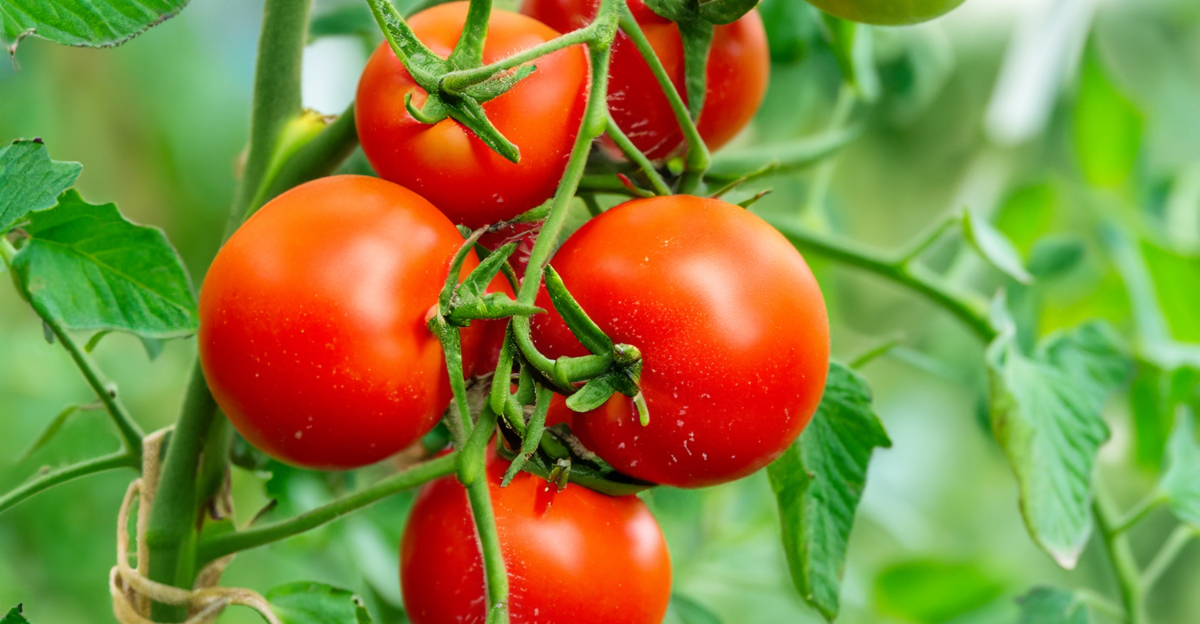
Your tomato plants looked so promising back in May, and now it’s the middle of July and the vines are loaded with fruit that refuses to blush. That shade of stubborn green sitting on the counter or the vine can test even a patient gardener’s nerves.
Virginia summers bring exactly the kind of heat that should push tomatoes toward red, yet somehow the opposite keeps happening. Extreme heat can actually stall ripening instead of speeding it along.
These eight methods tackle the problem from every angle, covering everything from strategic pruning to knowing the exact moment to pick. By the end, turning that green harvest around should feel far more manageable than it does right now.
1. Pruning Leaves To Reduce Competition For Energy
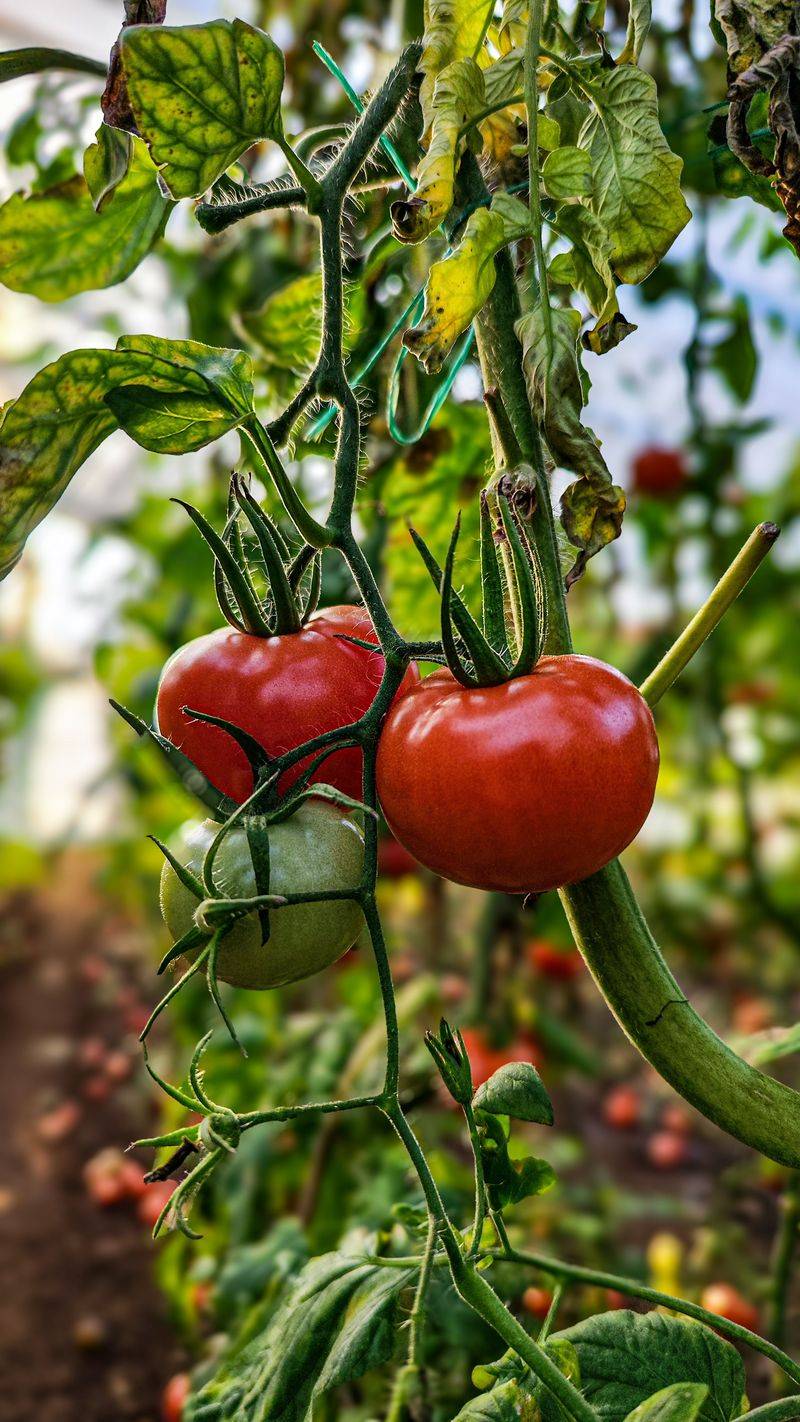
Removing a few well-placed leaves gives the plant less to maintain and more energy to put into ripening fruit. When a tomato plant is covered in excess foliage, that energy gets spread too thin.
Start by removing the large, lower fan leaves that shade your tomatoes. These leaves often sit closest to the soil and are the least productive on the plant, since they contribute little to photosynthesis at that point in the season.
Focus on leaves that cast heavy shadows over clusters of green tomatoes. You do not need to strip the plant bare, just remove enough for the plant to redirect its energy toward the fruit.
Tomatoes ripen through warmth and internal plant energy rather than direct light exposure. Removing a few of the least productive leaves can support that process, though too much bare exposure in Virginia’s July heat can cause sunscald instead of faster color change.
A good rule of thumb is to remove no more than one-third of the foliage at one time. Removing too much stresses the plant and can slow everything down instead of speeding it up.
Work in the morning when the plant is hydrated and the air is cooler. Clean cuts with sharp scissors or pruners reduce the chance of disease entering the wound.
Many Virginia gardeners find that one pruning session in early July makes a noticeable difference by mid-month. The fruit on a lighter, less crowded plant tends to color up more evenly and stays healthier overall.
Think of pruning as lightening the plant’s load. That extra focus could be the difference between a stalled vine and one that’s finally moving toward ripe.
2. Removing New Flowers To Redirect The Plant’s Energy
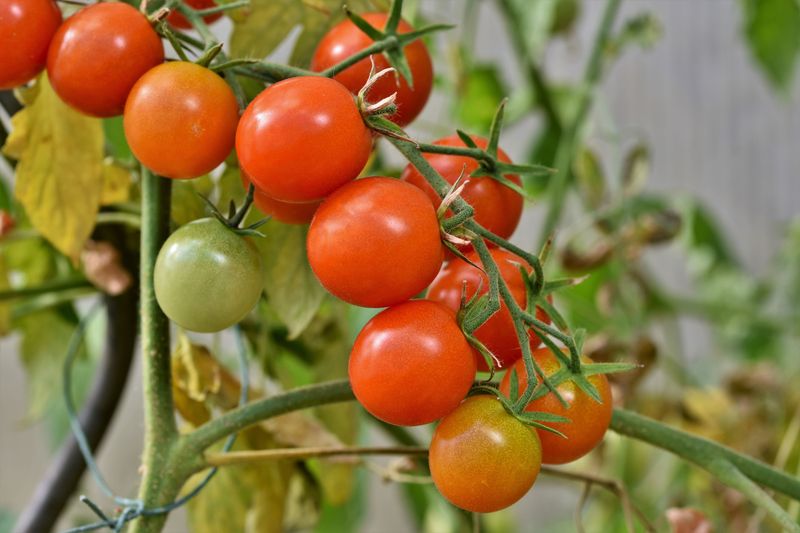
New flowers late in the season are basically your tomato plant dreaming too big. Each bloom it makes steals energy from the fruit already growing.
Pinching off new flowers is sometimes called flower removal, and it works alongside a related technique called topping, which trims the plant’s growing tip instead. Both can be smart moves for a gardener working with a plant that has little season left.
Look for the small yellow blooms appearing at the tips of branches. Pinch them off cleanly with your fingers or snip them with scissors.
Your Virginia Garden Changes Every Week. Your Plan Should Too.
Gardening in Virginia changes quickly throughout the season. Every Friday you’ll receive a simple weekly plan showing exactly what to plant, prune, fertilize, harvest, and protect so you never miss the right timing.
This tends to work best a few weeks before Virginia’s first fall frost, when the plant genuinely has little time left to mature new fruit. Nights are still warm, but the calendar is turning, and the plant needs direction.
Some gardeners feel guilty removing flowers, but those blooms would likely never develop into ripe fruit before fall anyway. Redirecting energy is a practical choice, not a wasteful one.
Do this every few days since new buds appear quickly in warm weather. Staying consistent with flower removal keeps the plant focused on its current load of green tomatoes.
Pair this method with pruning for even better results. With fewer distractions and better airflow, the plant can put more energy into the fruit already on the vine.
Think of it as coaching your plant toward the finish line. A little guidance now means a rewarding harvest sooner than expected.
3. Improving Airflow Around The Plant
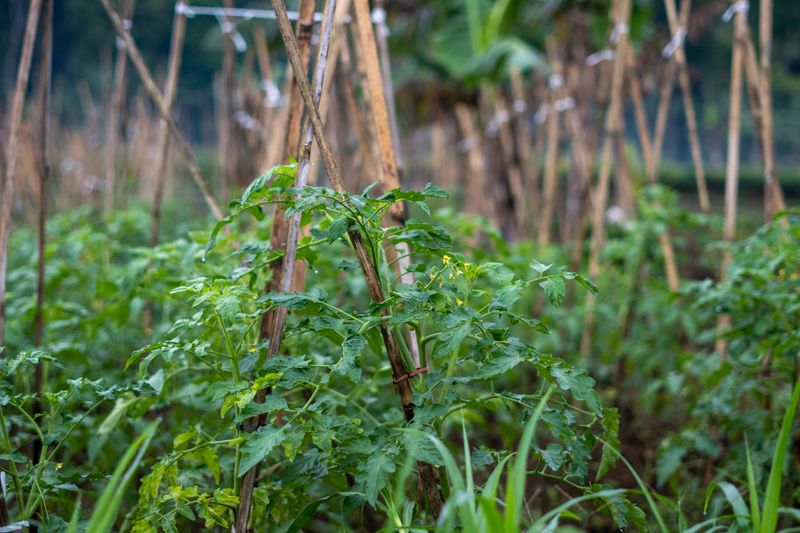
Stuffy, crowded tomato plants are unhappy tomato plants. Poor airflow traps moisture, encourages disease, and slows down the ripening process significantly.
Start by checking how close your plants are to each other and to nearby structures. If leaves from two different plants are touching, that is a red flag for restricted airflow.
Gently tie back branches that crowd the center of the plant. Using soft garden twine or velcro plant ties keeps stems supported without cutting into them.
Good airflow helps the soil surface dry between waterings, which also signals the plant to push energy into the fruit. Wet, stagnant conditions keep the plant in a slow, vegetative mode.
In Virginia’s humid July climate, airflow is especially important. Humidity lingers long after rain, and crowded plants stay wet for hours longer than well-spaced ones.
Remove any suckers, the small shoots that grow between the main stem and a branch. These suckers compete for nutrients and also block air movement through the plant’s interior.
A well-aired plant runs warmer in its core, which is exactly what ripening tomatoes need. Warmth speeds up the chemical processes inside the fruit that produce color and flavor.
Spending fifteen minutes improving airflow can shave days off your wait time. Healthy, open plants tend to ripen faster and taste better, which usually makes the trade-off worthwhile.
4. Cutting Back Watering To Encourage Faster Ripening
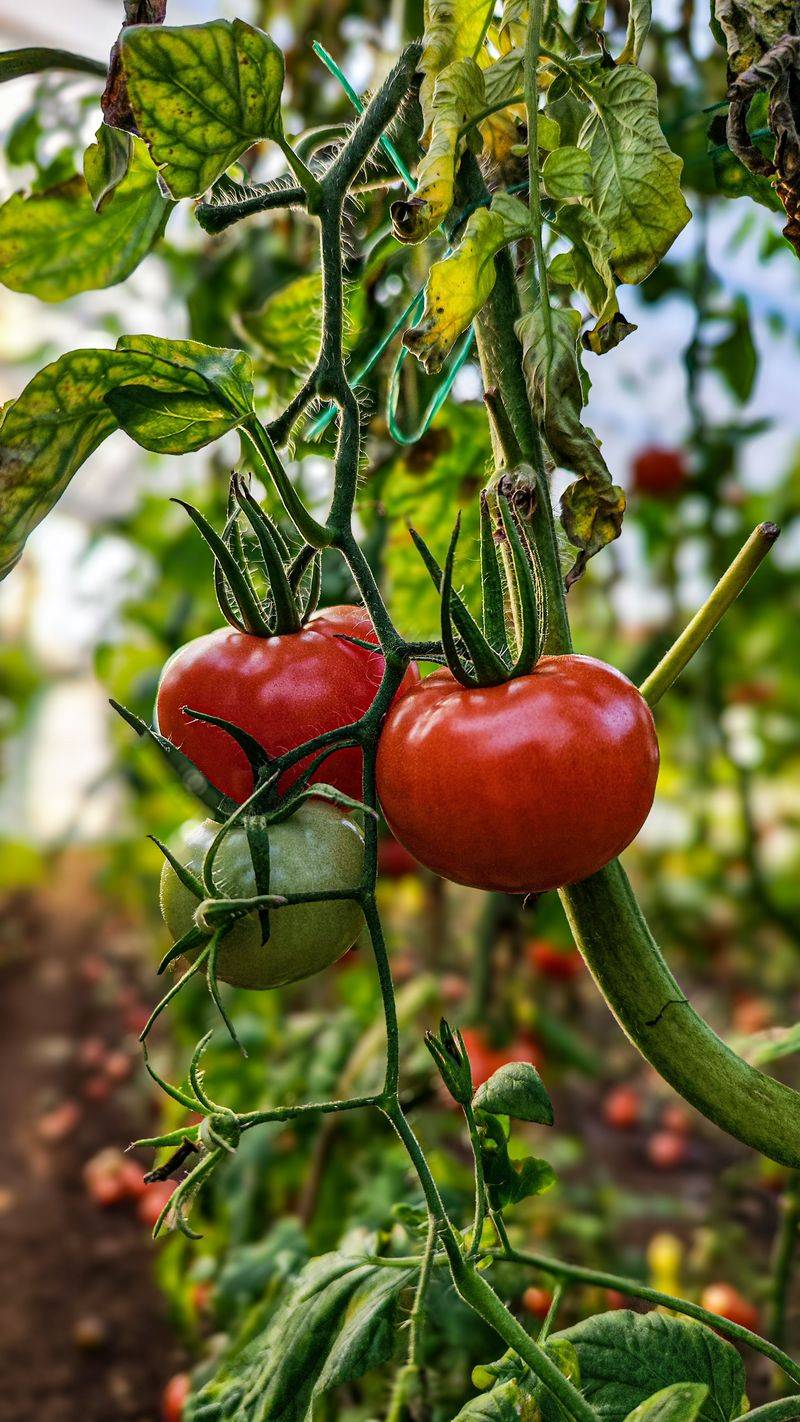
Drowning your tomatoes with kindness is a real thing. Too much water in July actually delays ripening by keeping the plant comfortable and content.
When you reduce watering slightly, the plant senses mild stress. That stress triggers a survival response, it pushes energy into the fruit to encourage seed production and faster maturation.
Cut back to watering every three to four days instead of daily, as long as the soil still holds some moisture below the surface. Stick your finger two inches into the soil to check before reaching for the hose.
This method works best once your tomatoes are already full-sized and just beginning to show color. At that point, the fruit does not need as much hydration to grow bigger.
Be careful not to let the soil go completely dry for extended periods. Extreme drought stress can cause blossom end rot and cracked fruit, which ruins the harvest.
Focus on consistent, moderate moisture rather than swinging between soaking wet and bone dry. Even stress is productive stress, wild swings just create problems.
Many experienced Virginia gardeners swear by this method during the final two weeks before harvest. The fruit ripens faster, and the flavor often concentrates beautifully as a bonus.
Think of it like tightening the reins right before the final stretch, giving the fruit exactly what it needs to cross the finish line.
5. Placing A Ripe Tomato Or Banana Nearby For Ethylene
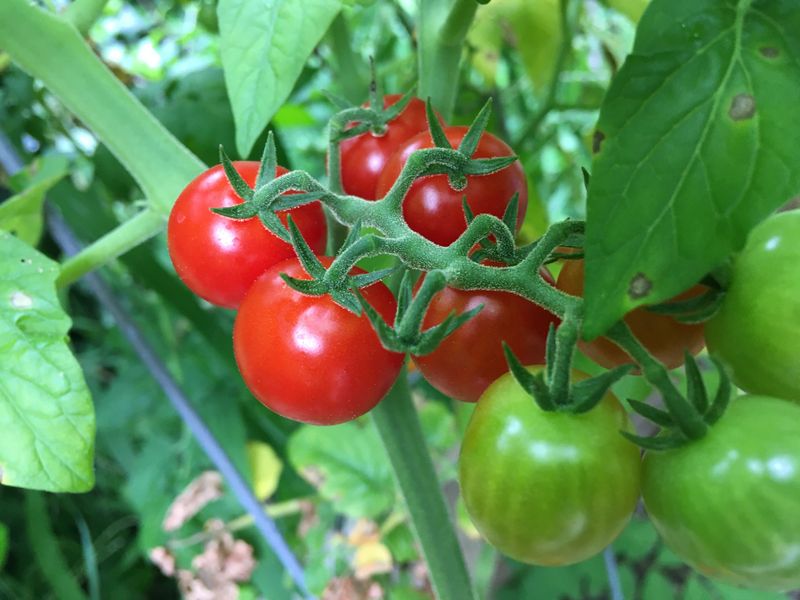
Nature has its own ripening gas, and it is called ethylene. Ripe fruit releases this invisible gas, and nearby unripe fruit responds by speeding up its own ripening process.
Placing a ripe tomato or a ripe banana next to your green tomatoes is a surprisingly effective trick. The ethylene those fruits release creates a ripening atmosphere that nudges your tomatoes along.
This method works both in the garden and indoors. For garden use, some gardeners place a ripe fruit in a small bag loosely tied around a cluster of green tomatoes to concentrate the gas.
Indoors, simply set green tomatoes in a bowl or paper bag with a ripe banana. Close the bag loosely, not airtight, and check daily for progress.
Bananas are actually more potent ethylene producers than most fruits. A single overripe banana can ripen a whole bowl of green tomatoes within two to four days.
Avoid placing tomatoes in the refrigerator during this process. Cold temperatures stop ethylene from working and ruin the texture of the fruit at the same time.
Room temperature between 65 and 75 degrees is the sweet spot for ethylene ripening. A countertop away from direct sunlight is ideal for consistent, even results.
This old-school method has been used by gardeners for generations, and it still works beautifully. Sometimes the simplest solutions are the ones worth trusting most.
6. Watching For Extreme Heat That Slows The Process
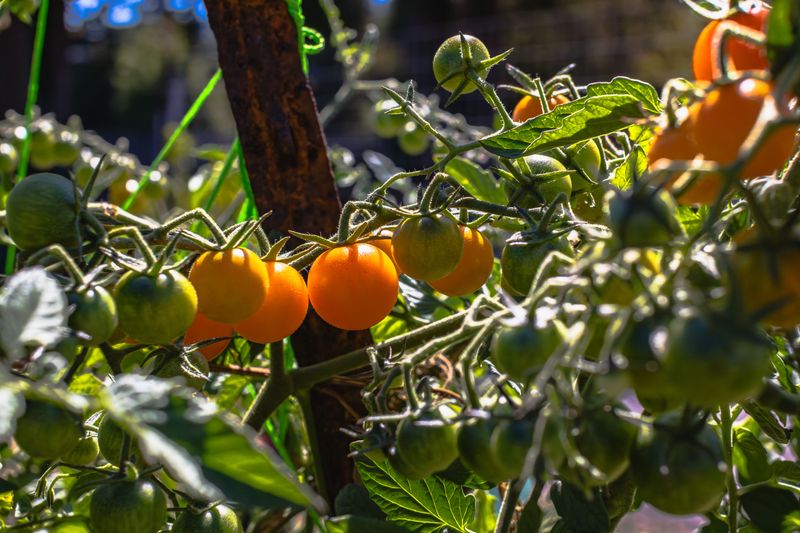
Here is a twist most gardeners do not expect: too much heat actually pumps the brakes on tomato ripening. When temperatures climb above 85 degrees Fahrenheit, the pigment-producing process inside the fruit shuts down.
Lycopene, the compound that makes tomatoes red, stops forming when it gets too hot. That means a tomato sitting in 95-degree July heat can stay stubbornly orange or yellow for days.
Watch your thermometer closely during Virginia’s hottest July weeks. If daytime highs are consistently above 90 degrees, your tomatoes may need afternoon shade rather than more sun exposure.
Use a lightweight shade cloth draped over a simple frame to block the harshest afternoon rays. Even two hours of shade during peak heat can keep fruit temperatures in the productive ripening range.
Morning sun is your best friend during a heat wave. Tomatoes absorb the gentler early light without the stress of midday temperatures that halt the coloring process entirely.
Check the fruit itself, not just the air temperature. Fruit surface temperatures can run ten to fifteen degrees hotter than the surrounding air on a sunny afternoon.
Watering in the morning also helps moderate soil temperature, which keeps roots from overheating. Cool roots support a calmer, more productive plant overall during peak summer heat.
Managing heat is just as important as adding it. Understanding when to protect your tomatoes from the sun is a skill that separates good gardeners from great ones.
7. Picking At The Breaking Stage To Finish Indoors
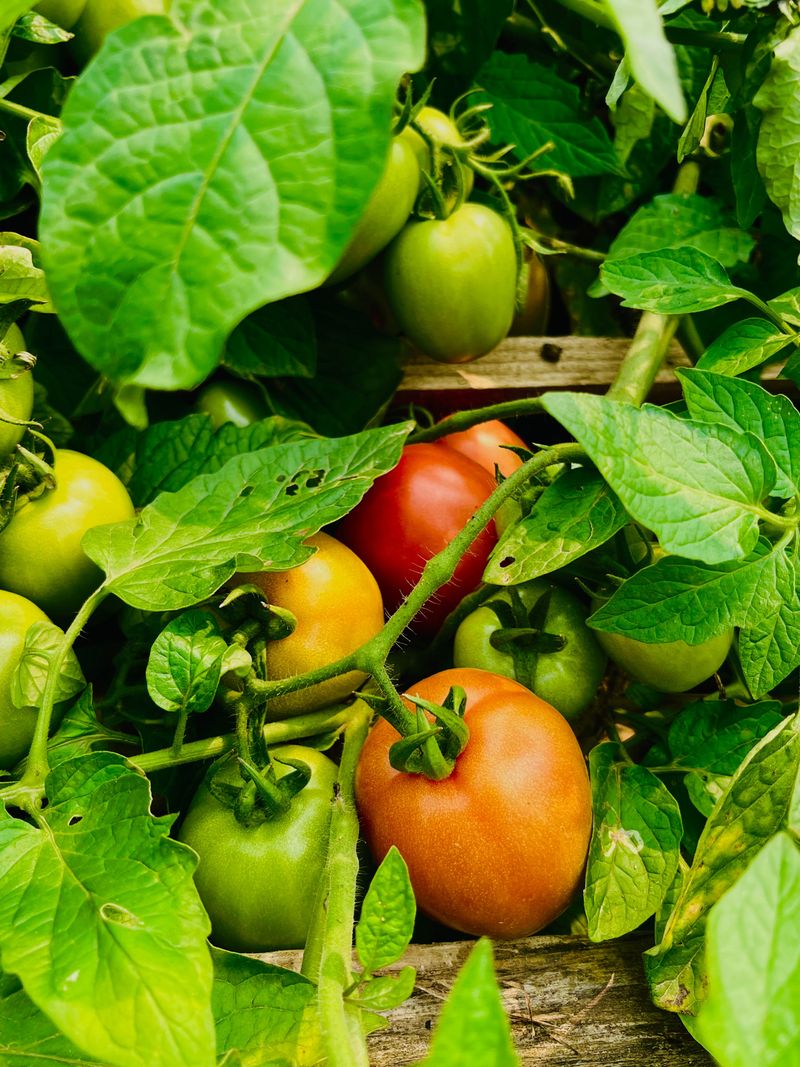
You do not have to wait for a fully red tomato on the vine. Picking at the breaking stage, when the fruit just starts to blush with color, is a proven strategy for getting ahead of the heat.
The breaking stage happens when a tomato shifts from solid green to showing streaks of yellow, orange, or pink. At this point, the fruit has all the sugars and nutrients it needs to finish ripening on its own.
Bring those tomatoes inside and set them on your countertop, stem side down. Keeping them at room temperature allows the natural ripening process to continue without the stress of outdoor heat or pests.
Avoid placing them in direct sunlight indoors. A bright but shaded counter spot keeps them ripening evenly without drying out or developing soft spots.
This method also protects your harvest from sudden summer storms, which can crack ripe fruit on the vine. Bringing tomatoes in early means fewer losses to weather and wildlife alike.
Many Virginia gardeners prefer this approach during the hottest stretch of July. Outdoor temperatures above 90 degrees slow color development, but your cool kitchen countertop is the perfect environment.
Tomatoes picked at the breaking stage taste just as good as vine-ripened ones, according to most growers. The key is letting them finish at room temperature, never in the refrigerator.
Trust the process and trust your tomatoes. Once they start turning, they know exactly what to do next.
8. Hanging The Whole Vine In A Cool, Shaded Spot
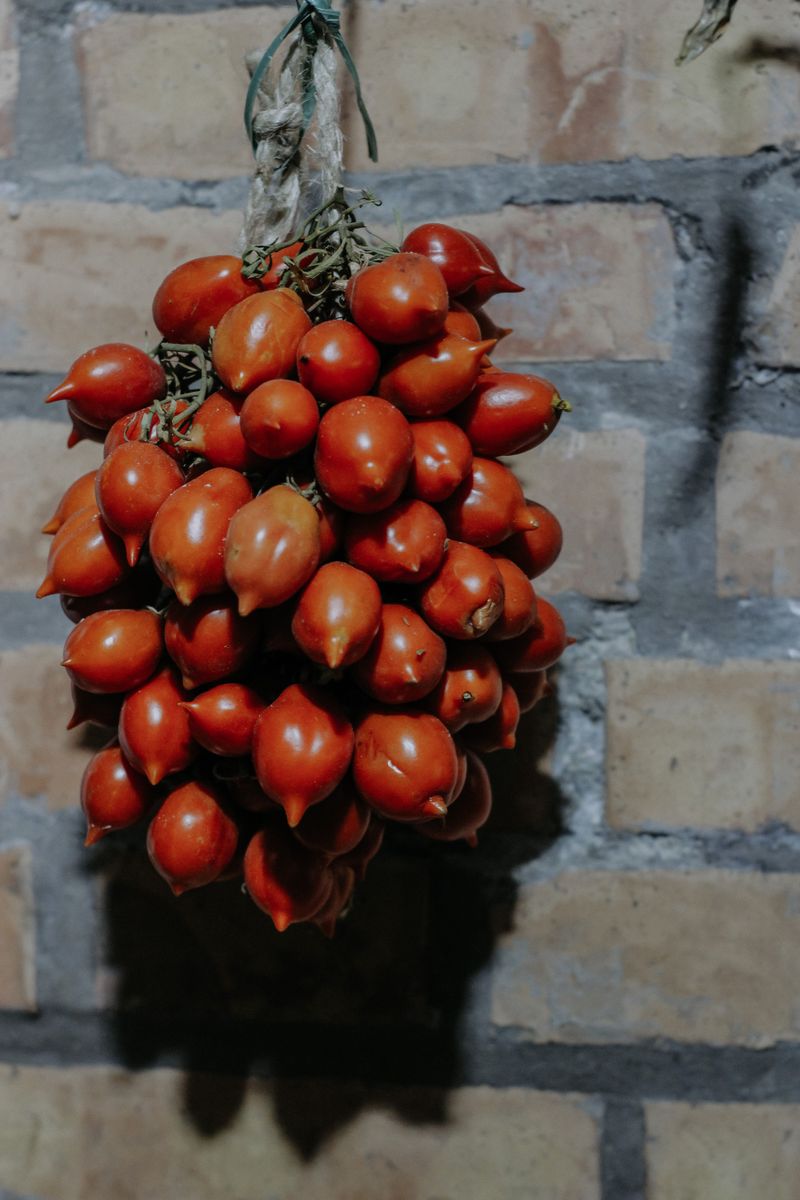
This old-fashioned method sounds unusual, but gardeners have trusted it for over a century. Pulling up an entire tomato plant and hanging it upside down allows the vine to push every last bit of energy into the fruit.
When the plant is uprooted, it enters a final survival push. Nutrients stored in the stem and roots flow upward, or downward, since it is hanging, directly into the tomatoes still attached.
Choose a cool, shaded spot like a garage, a covered porch, or a basement. Temperatures between 60 and 70 degrees are ideal for this slow, steady ripening method.
Hang the vine from a sturdy hook or beam using twine tied around the base of the main stem. Make sure there is enough clearance for air to circulate around the fruit.
Check the tomatoes every two to three days and remove any that have fully ripened. Leaving overripe fruit on the vine can introduce mold that spreads to neighboring tomatoes.
This technique works best toward the end of the season when frost threatens, once a plant has stopped flowering and still carries a heavy load of green fruit.
The results are often surprisingly good, tomatoes that ripen this way tend to have concentrated, rich flavor. The slow process allows sugars to develop fully without the rush of outdoor heat.
Speeding up tomato ripening in July does not always mean working harder, sometimes it means working smarter, one hanging vine at a time.