What New York Gardeners Should Do With Dahlias This July For Bigger Blooms Through Fall
July asks a lot of dahlia growers in New York. Stalks are shooting upward, buds are forming, and every choice you make this week shapes what your garden looks like come September.
Skip a task now, and you’ll notice it later through weak stems or blooms that stay small instead of opening wide.
New York summers swing quickly, humid one day and dry the next, so timing really does shape the outcome here.
This isn’t a month to sit back and watch. It’s a month to get involved, check your stakes, sharpen your pruners, and pay attention to what each plant is telling you.
A bit of pinching now, some thoughtful support later, and your dahlias shift from a pleasant patch of color to the kind of display neighbors stop to admire. Stay with it, because these next few weeks quietly decide how your whole fall show turns out.
1. Pinch Growing Tips To Encourage Bushier Plants
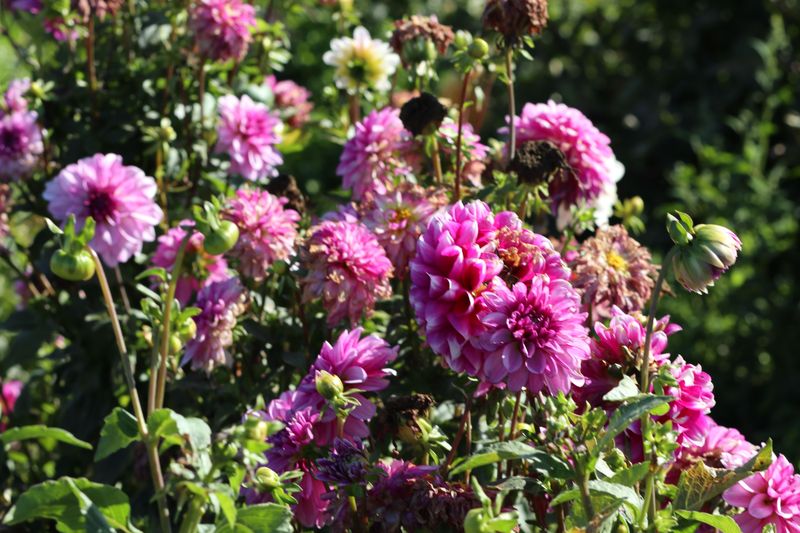
Your dahlia is growing fast, and that single tall stem is not your friend. Pinching the growing tip now is one of the most powerful moves you can make this July.
When you remove the top inch or two of the main stem, the plant stops reaching upward. Instead, it pushes energy outward into side branches.
More branches mean more flower buds. More buds mean a fuller, showier plant by late summer.
To pinch correctly, find the central growing tip just above a set of leaves. Use clean scissors or just your fingers to snap it off cleanly.
Do this when plants are about 12 to 16 inches tall for best results. If your dahlias are already taller, pinch anyway since it still helps.
Some gardeners skip this step because they fear slowing growth. But the short pause is absolutely worth the payoff you get in September.
A pinched dahlia typically produces noticeably more stems than an unpinched one. That translates directly to armloads of blooms instead of just a few.
Think of it like pruning a fruit tree. A little sacrifice early on leads to a much bigger harvest later.
Check each plant individually since some may already be branching naturally. Those can be left alone or lightly shaped as needed.
Pinching is a simple habit that separates average dahlia gardens from extraordinary ones. Your fall display will thank you for every tip you remove today.
2. Disbud Side Shoots For Larger, Showier Blooms
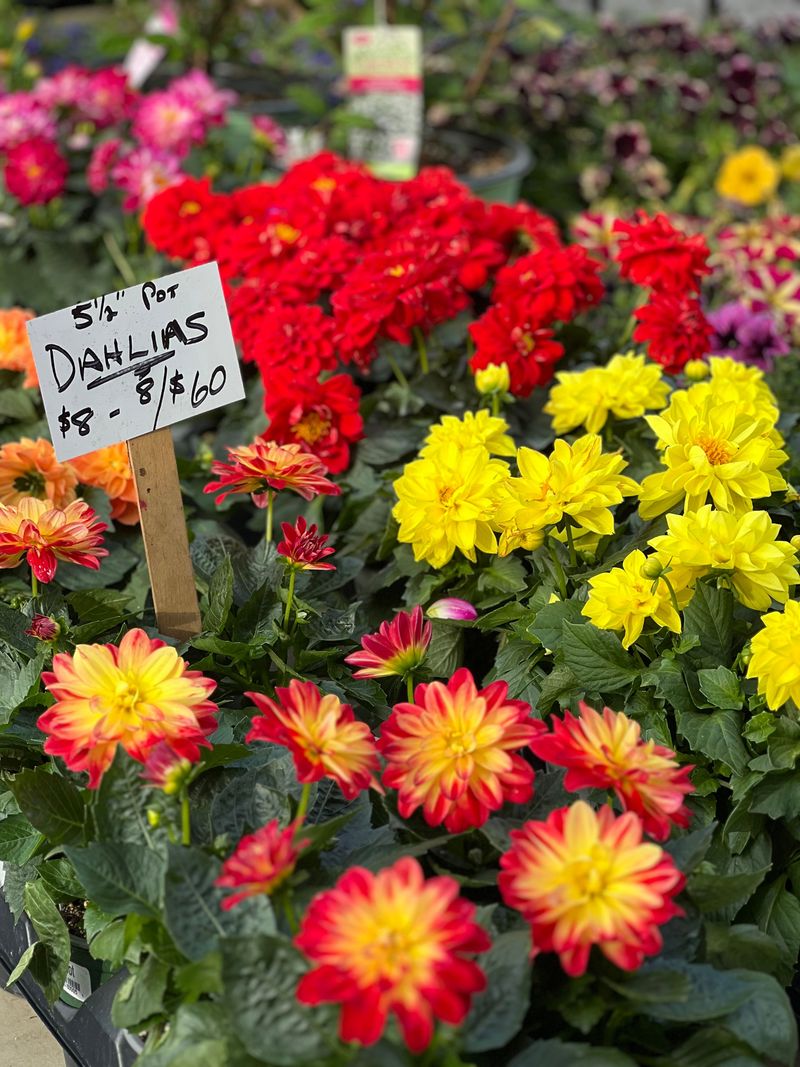
Big blooms take a bit of deliberate effort. Disbudding is the secret technique that show growers use to produce those enormous, head-turning dahlia flowers, and New York gardeners who master it see the difference by late summer.
Each main stem produces a central bud flanked by smaller side buds. If you leave them all, the plant splits its energy among many smaller flowers.
Removing the side buds forces all that energy into the central bloom. The result is one spectacular flower instead of three average ones.
Use your thumbnail or small scissors to pinch off the side buds when they are still tiny. Do this early so the plant does not waste resources on growth it will not keep.
Your New York Garden Changes Every Week. Your Plan Should Too.
Gardening in New York changes quickly throughout the season. Every Friday you’ll receive a simple weekly plan showing exactly what to plant, prune, fertilize, harvest, and protect so you never miss the right timing.
Focus on the two small buds that appear on either side of the main terminal bud. Snap them off cleanly at the base without damaging the central stem.
This technique works best on dinner-plate and decorative dahlia varieties, which are especially popular among New York gardeners chasing show-quality results. Smaller pompom or ball types are usually left alone since their charm comes from masses of blooms.
Disbudding is not a one-time task. Check your plants every few days throughout July and August, since New York’s warm, humid stretches can push new side shoots to emerge quickly.
Some gardeners find this step tedious, but a quick five-minute walk through the garden each week keeps everything in check. It becomes a satisfying ritual once you see the results.
The first time you cut a bloom the size of a dinner plate, you will understand why disbudding matters. That single flower makes every pinched side bud worth removing.
3. Fertilize Lightly With Low-Nitrogen, High-Potassium Feed
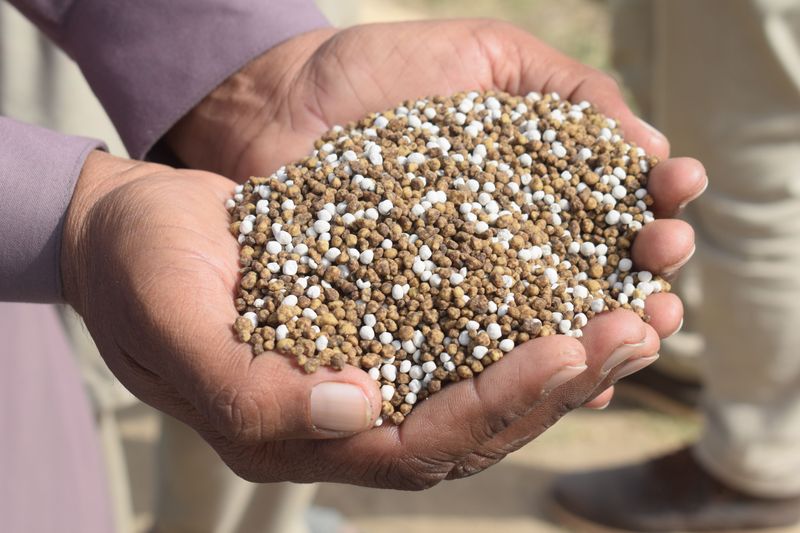
Feeding dahlias sounds simple, but the wrong fertilizer can actually hurt your bloom count. Too much nitrogen pushes leafy green growth at the expense of flowers.
In July, your dahlias need fuel for blooming, not for building more foliage. Switch to a low-nitrogen, high-potassium formula to shift the plant into flower-production mode.
Look for fertilizers labeled for tomatoes or flowering plants. These typically have an NPK ratio like 5-10-10 or 4-8-12, which is exactly what dahlias want now.
Potassium strengthens stems and supports vibrant flower color. Phosphorus encourages strong root systems and bud formation, both of which matter as the season heats up.
Apply fertilizer every three to four weeks throughout the growing season. Avoid over-feeding since too much of any nutrient can stress the plant or burn its roots.
Liquid fertilizers absorb quickly and give a fast boost before a big bloom push. Granular options release slowly and provide steady nutrition over several weeks.
Water your dahlias before applying any fertilizer to protect roots from chemical burn. Always follow package directions since more is not always better with concentrated formulas.
Organic options like compost tea or fish emulsion are gentler on the soil ecosystem. They feed the plant while also improving the microbial health of your garden bed.
Getting the fertilizer balance right is one of those small adjustments that creates a big difference. Your dahlias will reward you with richer colors and stronger stems all season long.
4. Water Deeply And Consistently During Hot Spells
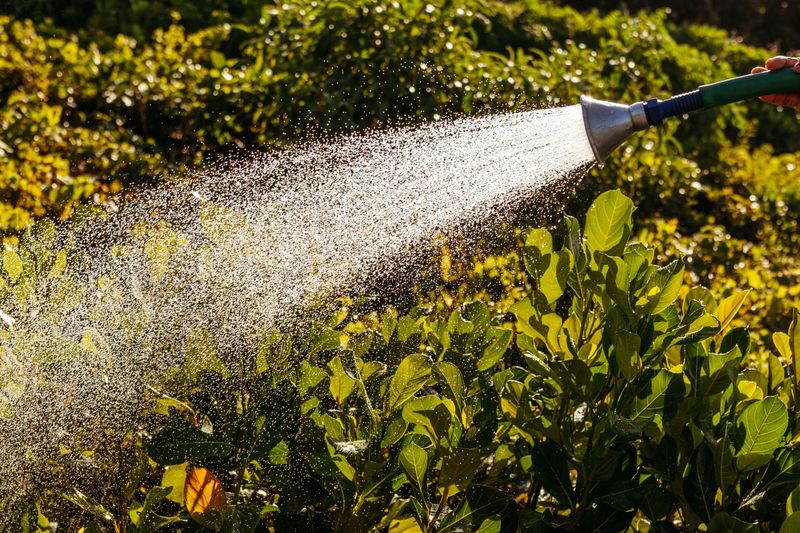
July heat in the Northeast can be intense, and dahlias respond to every degree of it. These plants are thirsty during hot spells, but shallow watering does more harm than good.
Deep, consistent watering encourages roots to grow downward into cooler soil. Shallow watering keeps roots near the surface where heat and drought stress them quickly.
Aim to water dahlias two to three times per week when temperatures climb above 85 degrees. Each session should soak the soil to a depth of at least six inches.
Check moisture levels by pushing your finger two inches into the soil near the base of the plant. If it feels dry at that depth, it is time to water thoroughly.
Drip irrigation is an excellent option for dahlia beds. It delivers water directly to the root zone without wetting the foliage, which can invite fungal problems.
Avoid watering in the evening since wet leaves overnight create ideal conditions for powdery mildew. Morning watering gives foliage time to dry before temperatures drop.
Dahlias planted in containers dry out much faster than those in garden beds. Check pots daily during heat waves and water as soon as the top inch of soil feels dry.
Consistent moisture also prevents the blooms from wilting mid-season, which is a common frustration for gardeners who water irregularly. Steady hydration keeps flowers looking fresh and strong.
Think of deep watering as an investment in your fall bloom display. Plants with strong, well-hydrated roots simply perform better when the cooler days of September arrive.
5. Stake Tall Varieties To Prevent Stem Breakage
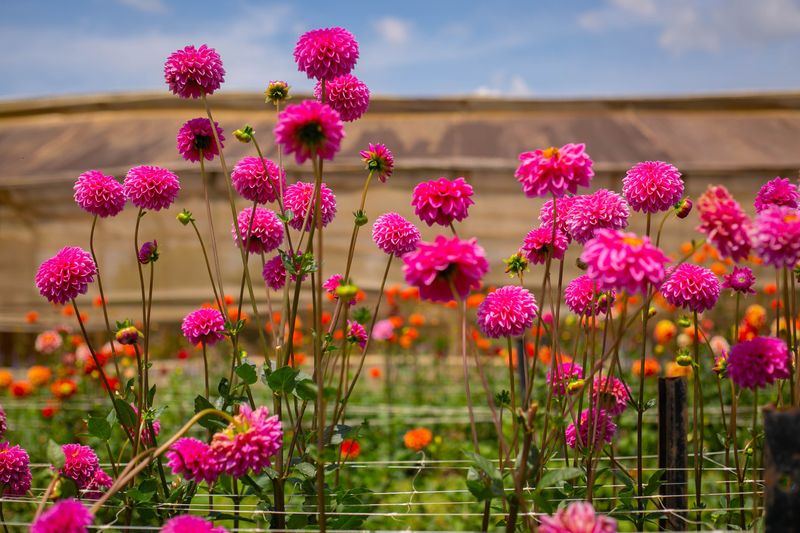
Tall dahlias look magnificent, but their stems can snap in an instant during a summer storm. Staking is not optional for varieties that grow four feet or taller.
New York summers bring afternoon thunderstorms that can arrive quickly and with real force. A single strong gust can topple an unstaked dahlia and undo weeks of careful growth.
Install stakes at planting time if possible, since adding them later risks spearing the tuber underground. If you missed that window, work carefully around the root zone now.
Bamboo stakes, metal rods, or wooden dowels all work well for most varieties. Choose a stake that reaches at least two-thirds the expected height of the mature plant.
Place the stake about three to four inches from the main stem. Drive it at least a foot into the ground so it holds firm under wind pressure.
Use soft garden twine, foam-padded wire, or strips of old nylon stocking to tie the stem. Hard materials like zip ties can cut into the stem as the plant grows.
Tie loosely in a figure-eight pattern so the stem has room to move slightly. A rigid tie can cause the stem to snap at the attachment point during a strong wind.
Add ties every eight to twelve inches as the plant grows taller. Checking and adjusting support throughout the season prevents small problems from becoming bigger ones.
A well-staked dahlia stands proud through every summer storm. That confidence in your plants lets you enjoy the garden instead of worrying every time clouds roll in.
6. Remove Spent Blooms To Encourage More Flowers
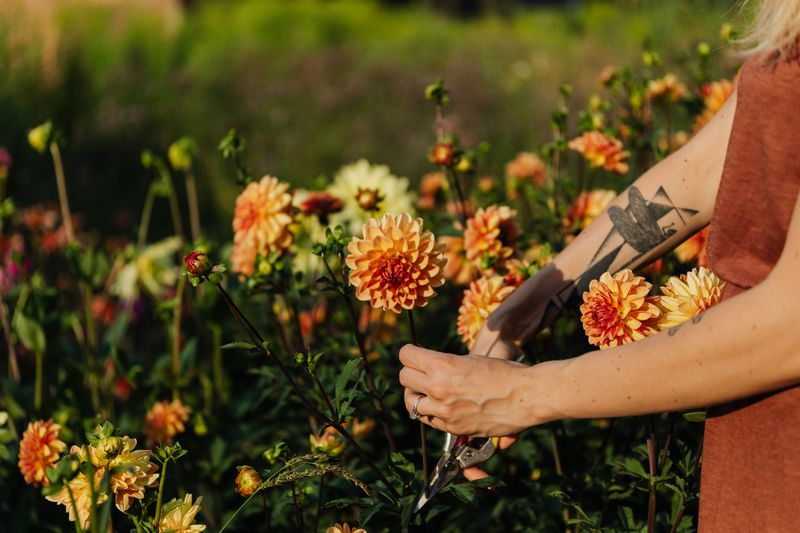
Spent blooms are more than just ugly. They are actually stealing energy from your dahlia that could be going toward brand-new flowers.
Once a dahlia flower fades, the plant shifts its focus toward producing seeds. Removing spent blooms tricks the plant into believing it has not yet completed its reproductive mission.
That biological drive pushes the plant to keep producing more buds and blooms. Regular bloom removal can extend your flowering season by weeks or even months.
Check your dahlias every two to three days during peak season. Flowers that are fully open and beginning to droop or discolor are ready to be removed.
Cut the spent stem back to the first set of leaves below the flower. Do not just snap off the bloom head since leaving a bare stub invites disease and looks messy.
Use sharp, clean pruning shears for every cut. Dull blades crush rather than cut, which creates wounds that heal slowly and attract pathogens.
Wipe your blades with rubbing alcohol between plants if you notice any signs of disease in the garden. This simple habit prevents spreading problems from one plant to another.
Some gardeners toss spent blooms into the compost bin, which is a great way to return nutrients to the garden. Just make sure no diseased material makes it into the pile.
This kind of upkeep feels like a small chore, but the payoff is a garden that keeps blooming long after neighbors’ dahlias have given up. Stay consistent and the flowers will keep coming.
7. Cut Flowers Early Morning For Longer Vase Life
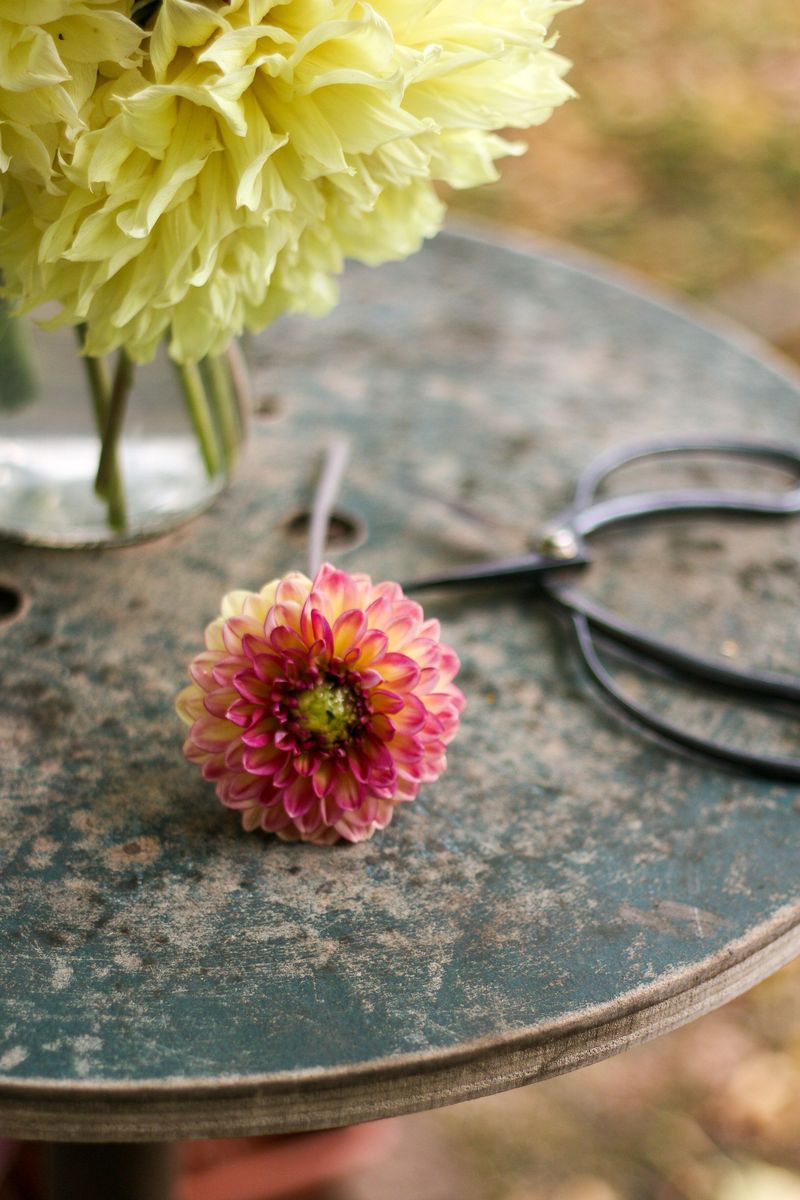
There is a magic window for cutting dahlias, and most people miss it. Early morning, before the sun climbs high, is the single best time to harvest your blooms.
Overnight, dahlias rehydrate and fill their stems with water. That stored moisture is what keeps a cut flower looking fresh in a vase for days longer than afternoon-cut stems.
Flowers harvested in the heat of the afternoon have already lost moisture through transpiration. They start their vase life already slightly stressed, which shortens how long they last.
Bring a bucket of cool water into the garden with you. Cut each stem at a 45-degree angle and plunge it into the water immediately after cutting.
The angled cut increases the surface area for water uptake. It also prevents the stem end from sitting flat against the vase bottom, which would block water absorption.
Choose blooms that are about three-quarters open rather than fully open. Buds that are almost there will continue opening in the vase, giving you a longer display period.
Strip all leaves that would fall below the waterline in the vase. Submerged foliage rots quickly and turns the water cloudy, which shortens the life of every bloom in the arrangement.
Change the vase water every two days and recut the stems each time. This simple routine keeps bacteria from building up and clogging the stem channels.
A freshly cut dahlia on your kitchen table is one of summer’s simplest pleasures. Harvest them right, and that pleasure can last a full week or more.
8. Mulch Around Plants To Retain Soil Moisture
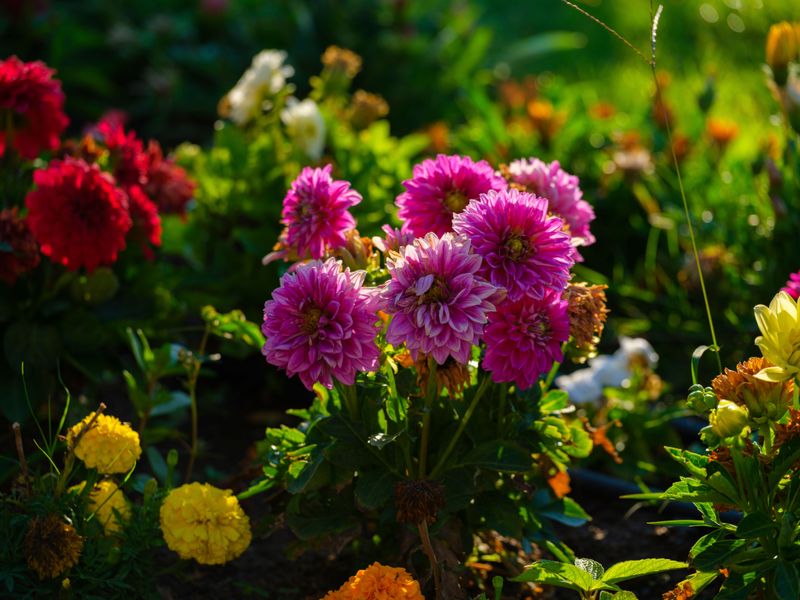
Bare soil in a July garden is a missed opportunity. A good layer of mulch around your dahlias can change the entire dynamic of how your plants perform through fall.
Mulch acts like a blanket over the soil, slowing evaporation so roots stay moist longer between watering sessions. In a hot New York summer, that moisture retention is genuinely game-changing.
Apply two to three inches of organic mulch such as shredded bark, straw, or wood chips around each plant. Keep the mulch a few inches away from the main stem to prevent rot.
Beyond moisture retention, mulch also moderates soil temperature. Dahlia roots prefer cooler conditions underground even when the air above is blazing hot.
A mulched bed generally stays cooler than bare soil on a hot afternoon. That temperature buffer reduces stress on the plant and supports stronger bloom production.
Organic mulches break down slowly over the season, adding nutrients back into the soil. By fall, your garden bed will be richer and more alive than it was in spring.
Mulch also suppresses weeds, which compete with dahlias for water and nutrients. Fewer weeds mean less time pulling and more time enjoying your blooms.
Reapply mulch if it thins out during heavy rain or settles too low. A consistent two-inch layer is the target throughout the growing season.
Mulching is one of those low-effort, high-reward garden habits that pays off all season long. For bigger blooms through fall, it belongs at the top of your July dahlia care routine.