7 New York Houseplants That Thrive On Ice Cube Watering
Forget hauling a heavy watering can around your apartment every few days. Ice cube watering is a simple trick that plant lovers across New York City are increasingly trying.
You simply drop a few ice cubes onto the soil, and they melt slowly, giving roots a steady, gentle drink.
This method prevents overwatering, one of the top reasons houseplants struggle indoors, and it works beautifully for plants that love consistency over chaos.
Whether you live in a cozy Brooklyn studio or a sun-drenched Manhattan high-rise, these houseplants are perfectly suited for the ice cube method.
They are low-maintenance, gorgeous, and surprisingly forgiving, ideal for busy New Yorkers who want greenery without the guesswork.
Quick note: the amounts below are general starting points, not exact science, so adjust based on pot size, maturity, and season. Here are the plants that belong on your windowsill right now.
1. Orchids
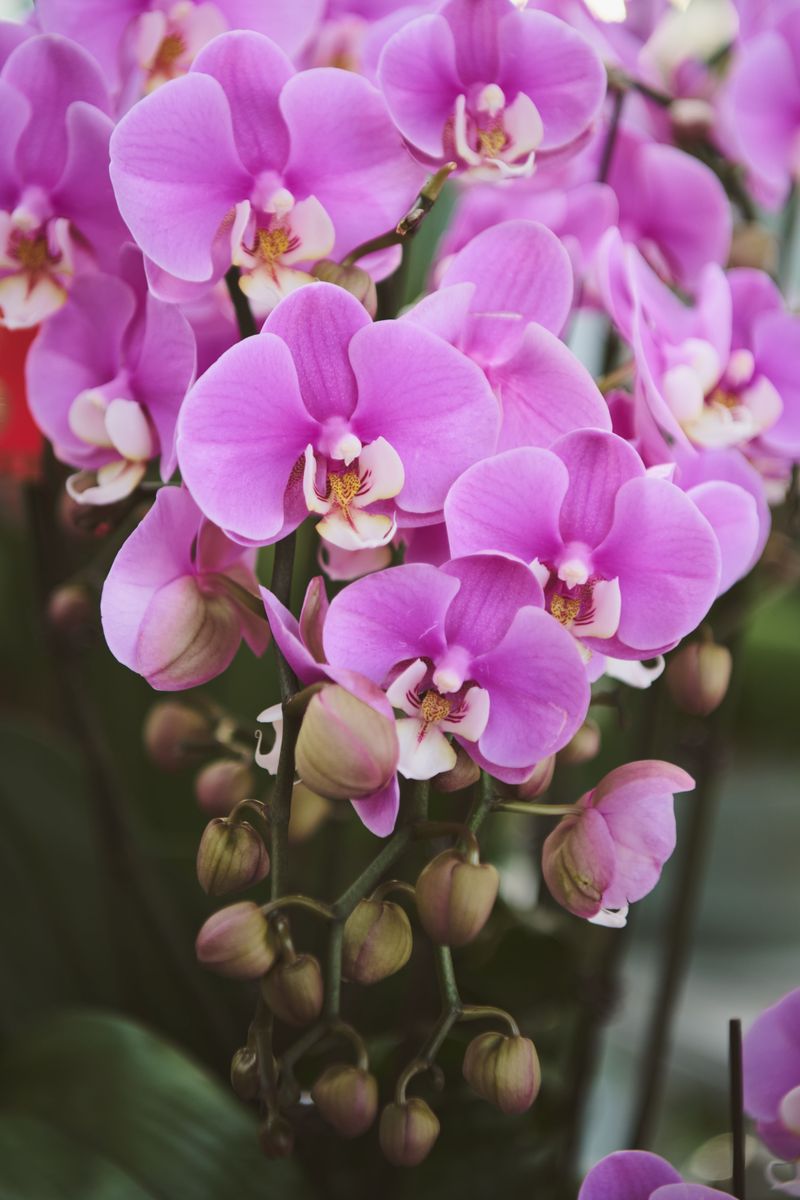
Walk into almost any NYC flower shop and you’ll spot them immediately. Phalaenopsis orchids sit front and center, elegant and quietly demanding your attention.
They practically own the windowsill before you’ve even paid for them. Most people assume orchids are fussy divas that require expert-level care. That reputation is wildly exaggerated, and ice cube watering is proof.
Three ice cubes per week is all a standard Phalaenopsis needs to stay healthy and blooming. The slow melt mimics the gentle rainfall of their natural tropical habitat, feeding roots without ever flooding them.
Overwatering is the number one mistake orchid owners make in small apartments, and it’s a leading cause of orchid decline.
Ice cubes remove the guesswork entirely, giving roots moisture without drowning them in stagnant water. It’s a foolproof rhythm even for total beginners.
Place your orchid near an east-facing window for soft morning light. Avoid direct afternoon sun, which can scorch those gorgeous waxy petals in minutes.
Bathrooms with natural light are secretly ideal too. Orchids love humidity, and shower steam acts like a mini rainforest boost throughout the week.
When blooms eventually drop, resist the urge to panic or toss the plant. Cut the spike just above a node, keep the ice cube routine going, and new buds often appear within weeks.
Fertilize lightly once a month during spring and summer using a diluted orchid formula, then skip it entirely through fall and winter. These plants are particularly well-suited to ice cube watering because they respond predictably to steady, controlled moisture.
Some growers recommend letting ice cubes sit for a moment before they touch the soil directly, since direct contact with roots can occasionally cause cold shock in sensitive tropical plants.
2. Peace Lily
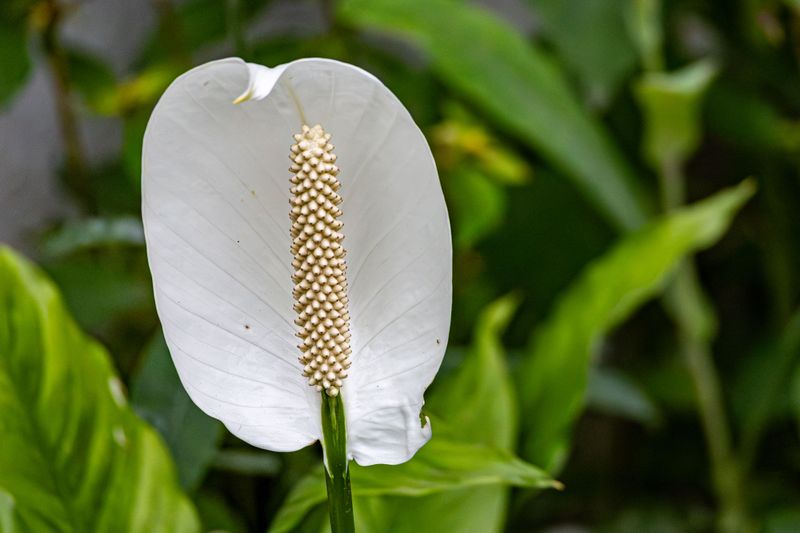
Peace lilies have a dramatic flair that feels almost theatrical. When they need water, they droop with the full commitment of a Broadway performer taking a final bow, leaves collapsing as if the show demands it.
That drooping is actually your cue to act fast, but with ice cubes, you may never see it happen at all. Consistent slow watering keeps the soil at that perfect, steady moisture level, no crisis required.
Your New York Garden Changes Every Week. Your Plan Should Too.
Gardening in New York changes quickly throughout the season. Every Friday you’ll receive a simple weekly plan showing exactly what to plant, prune, fertilize, harvest, and protect so you never miss the right timing.
Drop three to four ice cubes around the base of the plant once a week. Watch them melt gradually, hydrating the roots evenly without pooling water at the bottom of the pot.
Peace lilies are champions at surviving low-light conditions, which makes them ideal for dim NYC apartments. A north-facing room that gets zero direct sun works perfectly fine for them, no fuss involved.
Beyond their beauty, these plants have some air-purifying qualities. A well-known 1989 NASA study found they can remove toxins like benzene and formaldehyde.
That effect was measured in a sealed lab chamber, though, and is likely minimal in a typical room with normal airflow.
Keep peace lilies away from pets and children, since the leaves are toxic if eaten. A high shelf or bookcase keeps them safe while still looking stylish and elevated.
White blooms appear in spring and sometimes again in fall. To encourage flowering, move the plant to a slightly brighter spot for a few weeks and let the light do its work.
Feed with a balanced liquid fertilizer every six weeks during the growing season, then stop entirely once colder months slow things down.
Among all the houseplants suited for ice cube watering, peace lilies might be the most forgiving of all. They practically beg you to adopt one simple, consistent routine.
3. ZZ Plant
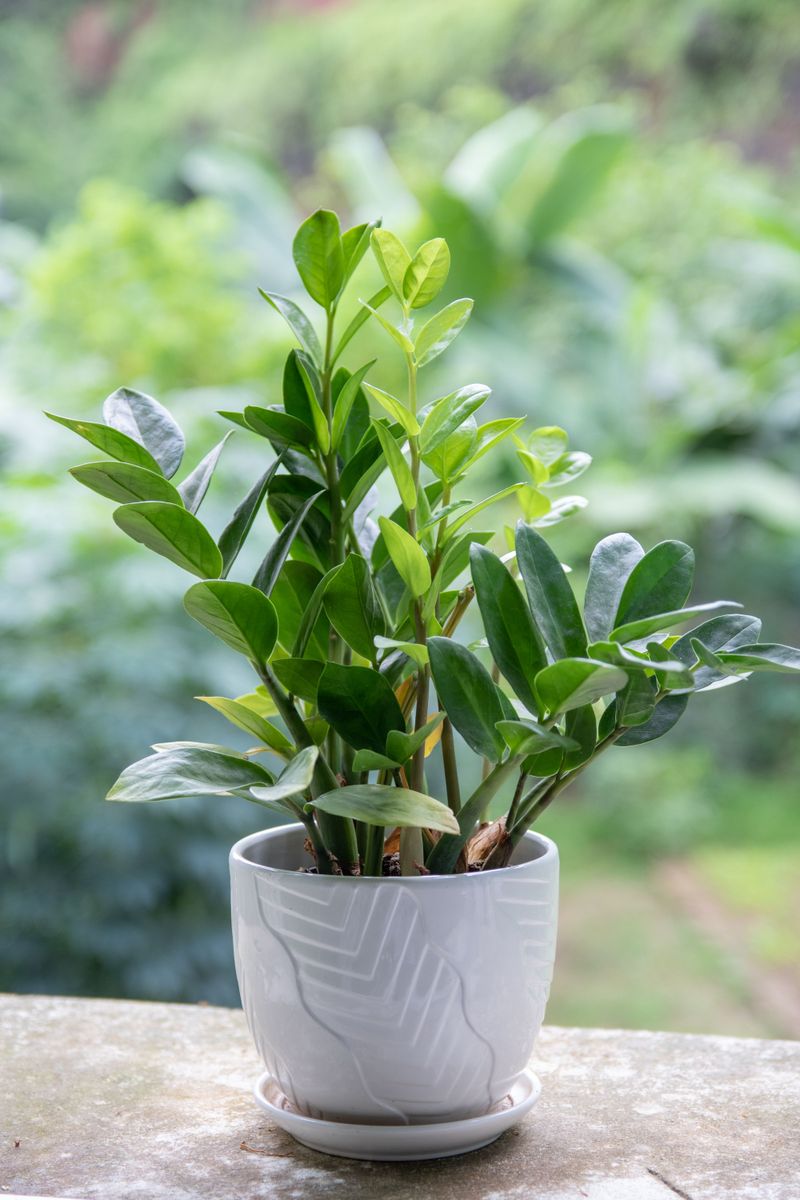
If a houseplant could have a New York attitude, it’d be the ZZ plant. Tough and unbothered by neglect, it doesn’t need constant attention.
ZZ plants store water in thick rhizomes underground, like tiny camels hoarding resources for a drought. That reservoir means they prefer drying out between waterings, not staying damp.
Ice cube watering suits ZZ plants perfectly because it delivers moisture slowly and sparingly, exactly how they like it. Two to three cubes every ten days is plenty for most indoor conditions.
Overwatering is a real risk; soggy soil can lead to root rot. The ice method limits how much water reaches the roots at once, acting as a safeguard.
These plants tolerate low light better than almost any tropical species. A dim hallway or office corner that would cause other plants to struggle is just fine for a ZZ.
The glossy, dark green leaves look almost artificial, prompting double-takes from guests. Some mistake them for high-end faux plants at first glance.
ZZ plants grow slowly, repotting is rarely necessary. You can keep one in the same container for two to three years without issue.
Wipe the leaves with a damp cloth every few weeks to keep them shiny and dust-free. Clean leaves also absorb light efficiently, supporting steady growth.
New to ice cube watering? The ZZ plant is a starting point. Its tolerance for irregular moisture makes beginners feel like seasoned plant parents.
Like peace lilies, ZZ plants contain calcium oxalate crystals and are toxic if ingested by pets or children, so keep them out of reach.
4. Snake Plant
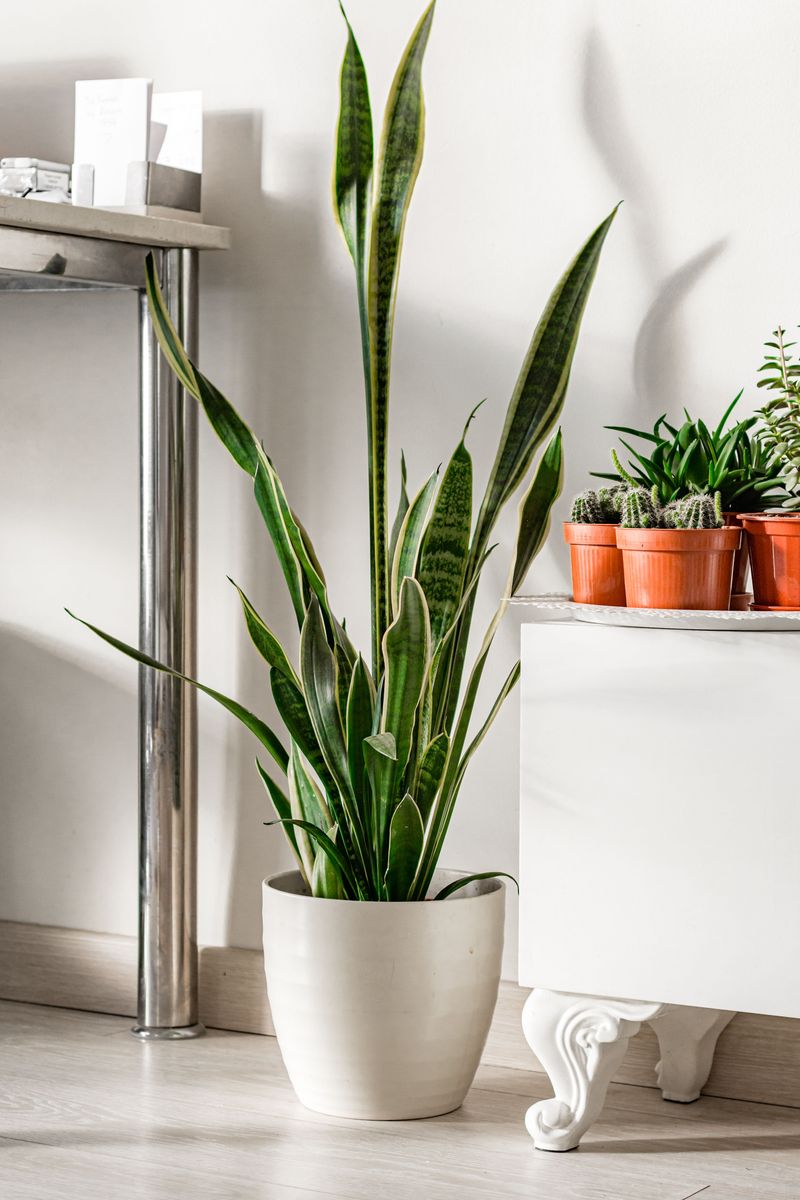
Snake plants are the overachievers of the houseplant world. They clean your air, tolerate neglect, and look sharp doing it, all without asking for much in return.
Honestly, they seem to thrive on being ignored. Officially known as Sansevieria, this plant has earned a cult following among busy urbanites.
You can skip watering for weeks and it will still stand tall and polished, like nothing happened. It’s practically immune to a chaotic schedule.
Ice cube watering works brilliantly here because snake plants despise soggy roots more than almost anything else. Slow, controlled moisture from melting cubes reaches deep into the soil without ever letting water sit and stagnate at the bottom of the pot.
Use about four ice cubes every two weeks during warmer months. In winter, cut back to once every three weeks, since growth slows significantly once temperatures drop and the plant essentially rests.
These plants handle almost any light condition with quiet confidence. From bright indirect sun to a dim, forgotten corner, a snake plant adapts without complaint or drama.
The upright, sword-shaped leaves add strong vertical structure to any room. Designers love pairing them with minimalist furniture because they instantly look intentional and bold, never accidental.
One interesting trait is that snake plants release oxygen at night through a process called CAM photosynthesis, unlike most other plants. This has made them a popular (if largely symbolic) choice for bedrooms.
Propagation is surprisingly easy too. Cut a healthy leaf into sections, place them in moist soil, and free plants practically root themselves. Give snake plants less water, not more, and they reward you generously.
5. Pothos
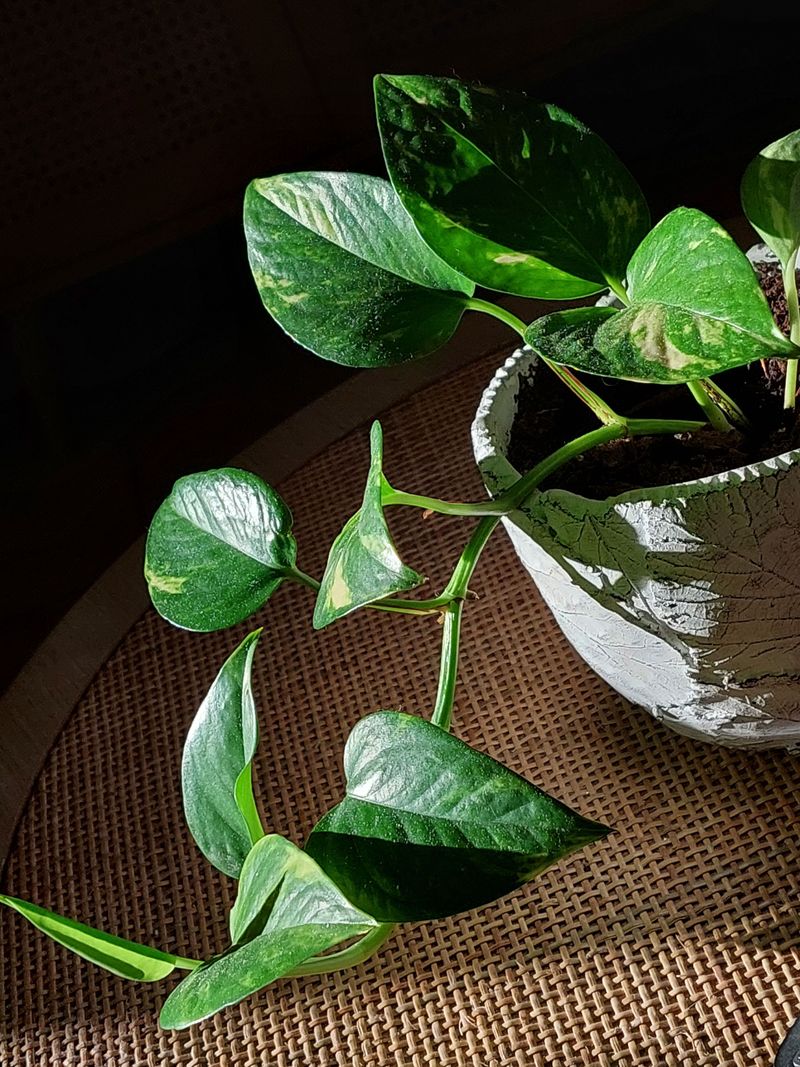
Pothos plants have been rescuing hopeless plant parents for decades. Trailing, fast-growing, and endlessly forgiving, they are the houseplant equivalent of a loyal best friend.
Their heart-shaped leaves come in shades of green, gold, and variegated white, making every variety feel like its own personality. Golden pothos is the classic choice for good reason.
Ice cube watering keeps pothos roots happy without the risk of root rot from overwatering. Three to four cubes twice a week gives consistent hydration without flooding the pot.
One thing pothos owners often overlook is that the vines tell you everything. Yellow leaves usually signal too much water, while brown tips suggest the air is too dry.
These plants thrive in a wide range of light conditions, from bright indirect to low light. A shelf across from a window is honestly the sweet spot for vigorous growth.
Pothos are often cited as natural air purifiers, based on lab studies, though their real-world impact in a normally ventilated apartment is likely modest.
Trailing vines can reach six feet or longer if left to grow freely. Drape them over a bookshelf or train them along a wall for a lush, jungle-like effect.
Pinch back long stems regularly to encourage bushier, fuller growth. Those trimmed cuttings root easily in a glass of water, giving you free new plants within weeks.
Among houseplants suited for ice cube watering, pothos stands out for its speed and resilience. Start here if you have ever accidentally neglected a plant before.
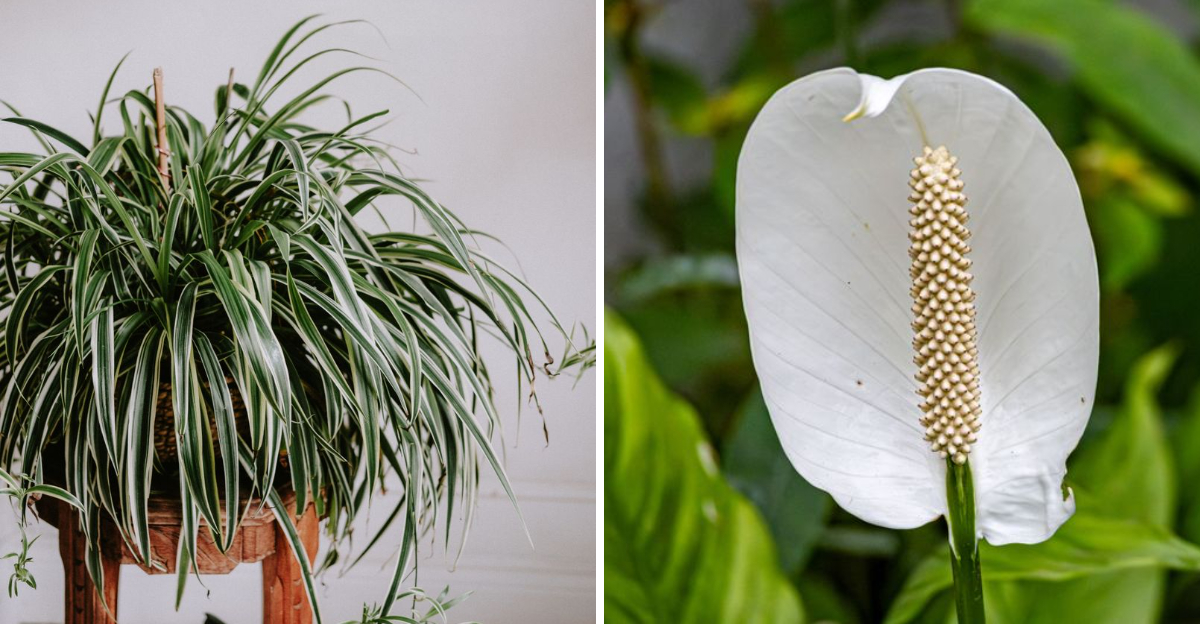
6. Spider Plant
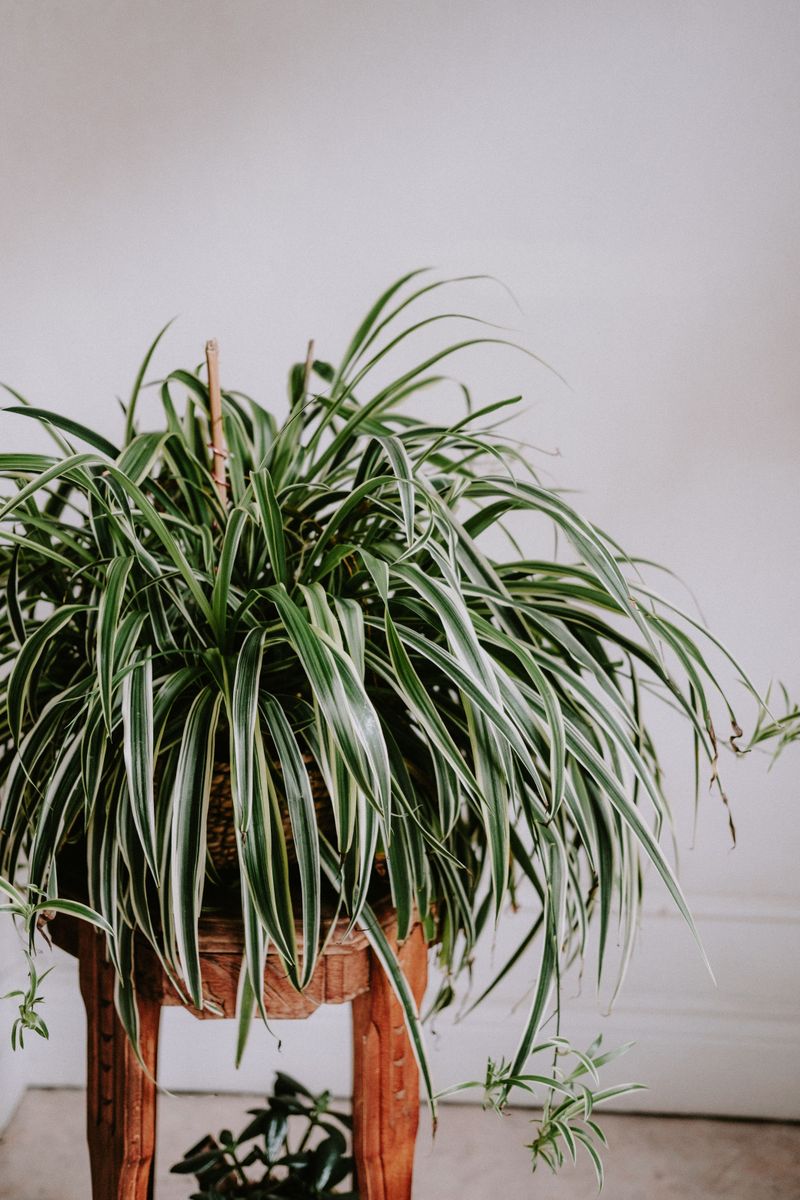
Spider plants have a cheerful, almost goofy energy that makes any room feel friendlier. Those arching leaves and dangling baby offshoots look like the plant is always reaching out for a hug.
Officially called Chlorophytum comosum, they have been popular houseplants since the Victorian era. That kind of staying power tells you everything about how easy they are to keep alive.
Ice cube watering suits spider plants particularly well because they prefer evenly moist but not waterlogged soil. Three cubes twice a week hits that balance almost perfectly.
These plants communicate clearly when they need adjustment. Pale, washed-out leaves usually mean too much direct sun, while limp, soft foliage points to overwatering.
Spider plants are non-toxic to cats and dogs, which is a rare and wonderful quality. Pet owners in NYC apartments specifically seek them out for this reason.
The little plantlets, called spiderettes, dangle from long runners and look absolutely charming. You can snip them off and root them in water to create an entirely new plant.
Bright indirect light brings out the best color contrast in variegated varieties. A spot near a north or east-facing window keeps the striping crisp and vivid.
Feed lightly with a balanced fertilizer every four to six weeks during spring and summer. Too much fertilizer actually causes brown leaf tips, so less is genuinely more here.
Spider plants are proof that great houseplants for ice cube watering do not need to be exotic. Sometimes the classics earn their reputation for very good reasons.
7. Anthurium
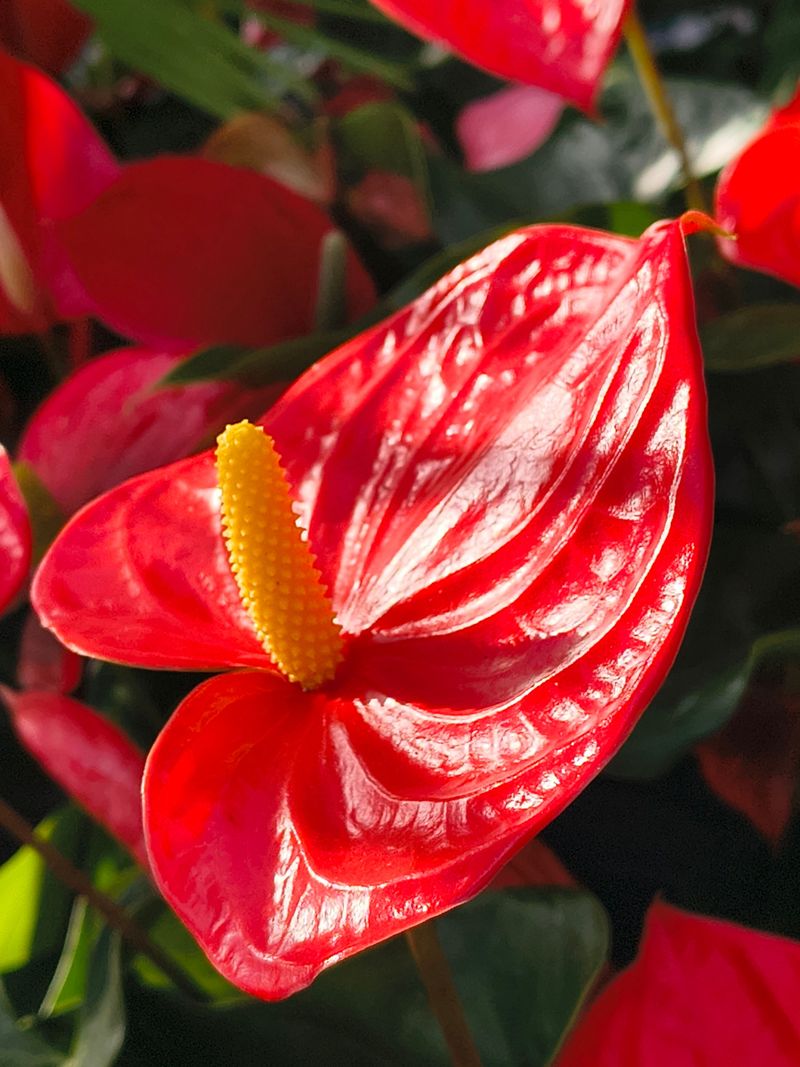
Anthuriums look like they belong in an art gallery, not a grocery store checkout line. That glossy, heart-shaped bloom in candy-apple red is genuinely one of nature’s showiest creations.
Technically, the colored part is not a flower but a modified leaf called a spathe. The actual flowers are tiny, clustered along the finger-like protrusion called the spadix.
Ice cube watering is a natural match for anthuriums because they hate wet feet. Their roots need moisture but demand excellent drainage, and slow-melting cubes deliver exactly that.
Place three to four ice cubes on the soil once a week during warmer months. Pull back to every ten days in winter when the plant naturally rests and grows more slowly.
Bright, indirect light is the sweet spot for healthy anthuriums. Too much direct sun bleaches those stunning blooms, while too little causes sparse flowering and leggy stems.
Humidity is their one true love, so grouping them with other plants helps create a microclimate. A small pebble tray filled with water beneath the pot also boosts moisture in the air.
Anthuriums can bloom for months at a stretch, which feels almost unfair given how little effort they require. Deadhead spent flowers by snipping them at the base to encourage new growth.
Wipe the large leaves with a soft damp cloth to keep them glossy and photosynthesizing efficiently. Dust buildup blocks light absorption and dulls that signature sheen over time.
Like peace lilies and ZZ plants, anthuriums are toxic if ingested by pets or children, so place them thoughtfully out of reach.
Anthuriums are the bold finale to any list of houseplants built for ice cube watering. They prove that dramatic beauty and simple care can absolutely coexist in one stunning plant.