What It Means When You Find A Cluster Of Odd White Ovals Under Your Planter In New York
What does it mean when you tip over a plastic pot and find something unexpected? You expect dirt, maybe a stray worm.
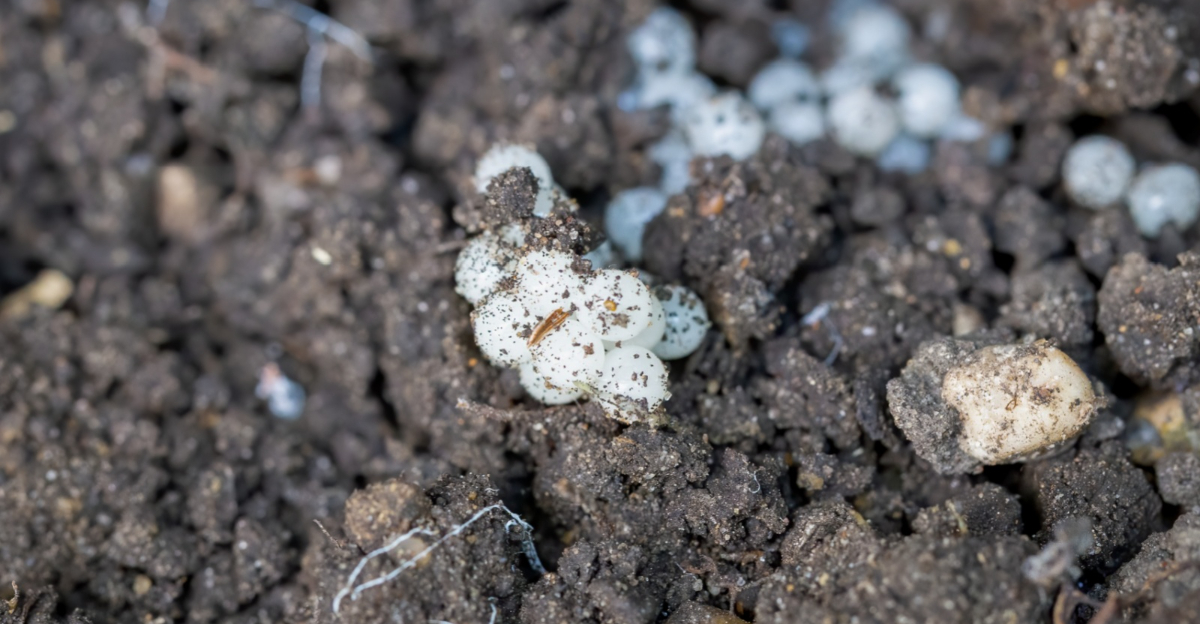
Instead, you find a cluster of glassy, translucent white beads clumped together like tiny frog eggs. It’s the kind of moment plenty of New York gardeners have experienced: tipping over a planter and finding something they didn’t expect.
No name, no explanation, just a strange discovery hiding in plain sight. Whoever found it had no idea what they were looking at, and most people wouldn’t either. Those little orbs weren’t spider eggs, nor reptilian.
They came from slugs, creatures that quietly affect lettuce and flower borders overnight. Slug eggs show up more often than people realize, resting in damp corners where nobody thinks to look.
If you garden near New York, or anywhere with humid summers, this is worth knowing. Here’s what these eggs are, why they end up under planters, and how to keep them in check.
What Gardeners Typically Find Beneath Planters In Summer
Summer hides secrets under every planter. Most gardeners who flip over a pot expect to see roots or maybe a pill bug or two.
What they find instead can be genuinely surprising. Beneath planters, the soil stays cool and damp, even during the hottest weeks of the year.
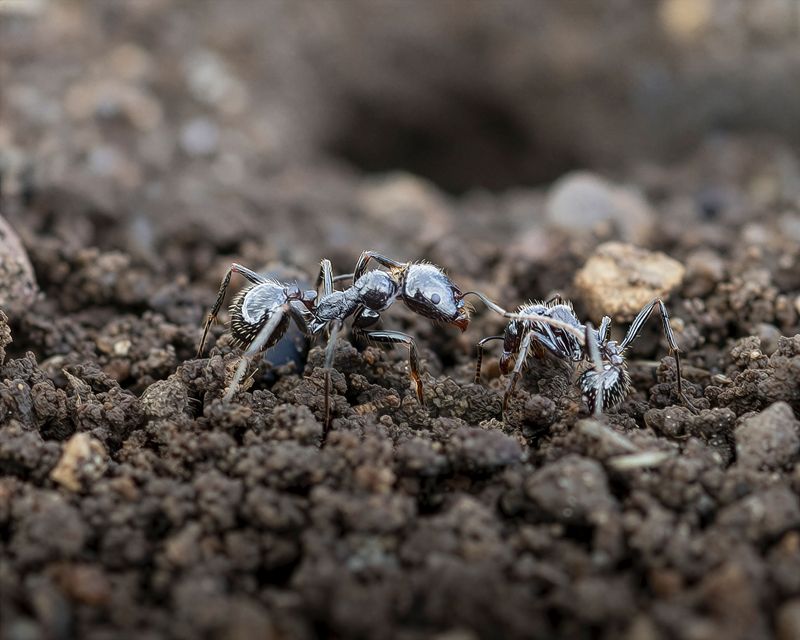
That combination creates an ideal habitat for all kinds of creatures. Earthworms, centipedes, beetles, and ants are common guests under garden containers.
But the most notable visitors are the soft-bodied creatures that leave slime trails behind them. Slugs and snails are strongly attracted to the shelter that planters provide.
They squeeze into tiny gaps between the pot and the soil. Once inside, they rest during the day and feed at night when it is cooler.
Female slugs do not just hide under planters to rest. They lay eggs there because the conditions are perfect for development.
Slug eggs need moisture, darkness, and stable temperatures to develop. The underside of a planter checks every single box on that list.
Gardeners who move their planters regularly are more likely to spot these clusters early. Catching them before they hatch makes a big difference for your plants.
A single slug can lay dozens of eggs at one time, with clutch size varying by species. Multiply that across several slugs in your garden, and you start to understand the scale of the problem.
Knowing what to expect under your planters puts you one step ahead. Awareness is honestly the most powerful tool any gardener can carry.
Identifying The Mysterious White Oval Cluster
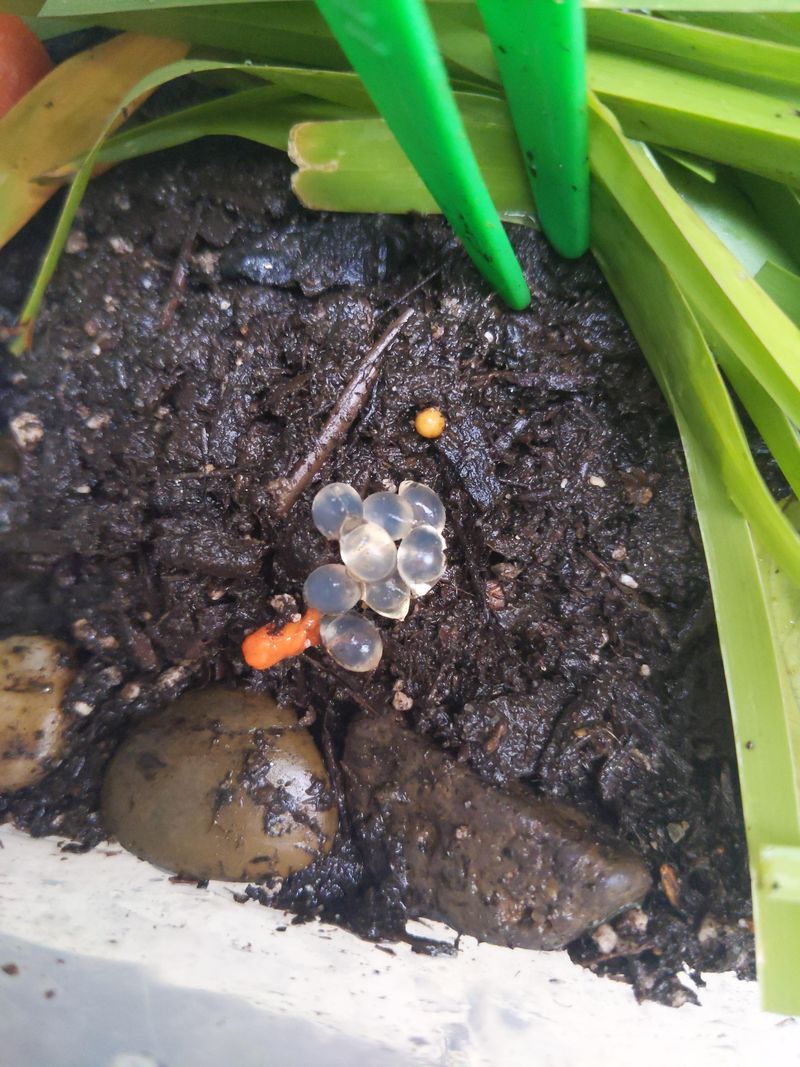
Small, round, and almost pretty, slug eggs have fooled many gardeners before. They look like tiny pearls or miniature white grapes clustered together in a bunch.
Each egg is roughly two to four millimeters across. They have a slightly translucent quality, and you can sometimes see a tiny dark spot forming inside.
The cluster usually contains anywhere from 20 to 100 eggs grouped tightly. They sit in a shallow depression in the soil, often tucked right against a rock or pot edge.
Your New York Garden Changes Every Week. Your Plan Should Too.
Gardening in New York changes quickly throughout the season. Every Friday you’ll receive a simple weekly plan showing exactly what to plant, prune, fertilize, harvest, and protect so you never miss the right timing.
Fresh slug eggs feel slightly soft and gelatinous when touched. Older eggs become firmer as the embryos inside develop over time.
Color is one of the best clues for identification. Slug eggs start out bright white or cream-colored, then slowly turn more yellowish or grayish as they age.
Snail eggs look very similar, which is why many people confuse the two. Snail eggs are often somewhat larger and more perfectly round, though this varies by species.
Slug eggs are often found in loose groupings rather than neat rows. They may be partially buried, making them harder to spot at first glance.
If you see white oval clusters under your planter, do not panic right away. Take a photo and compare it to known images of slug eggs online before acting.
Misidentification can lead to removing something harmless or even beneficial. Getting it right matters, especially when odd white ovals show up unexpectedly in your garden.
Slug And Snail Eggs Vs Other Look-Alikes
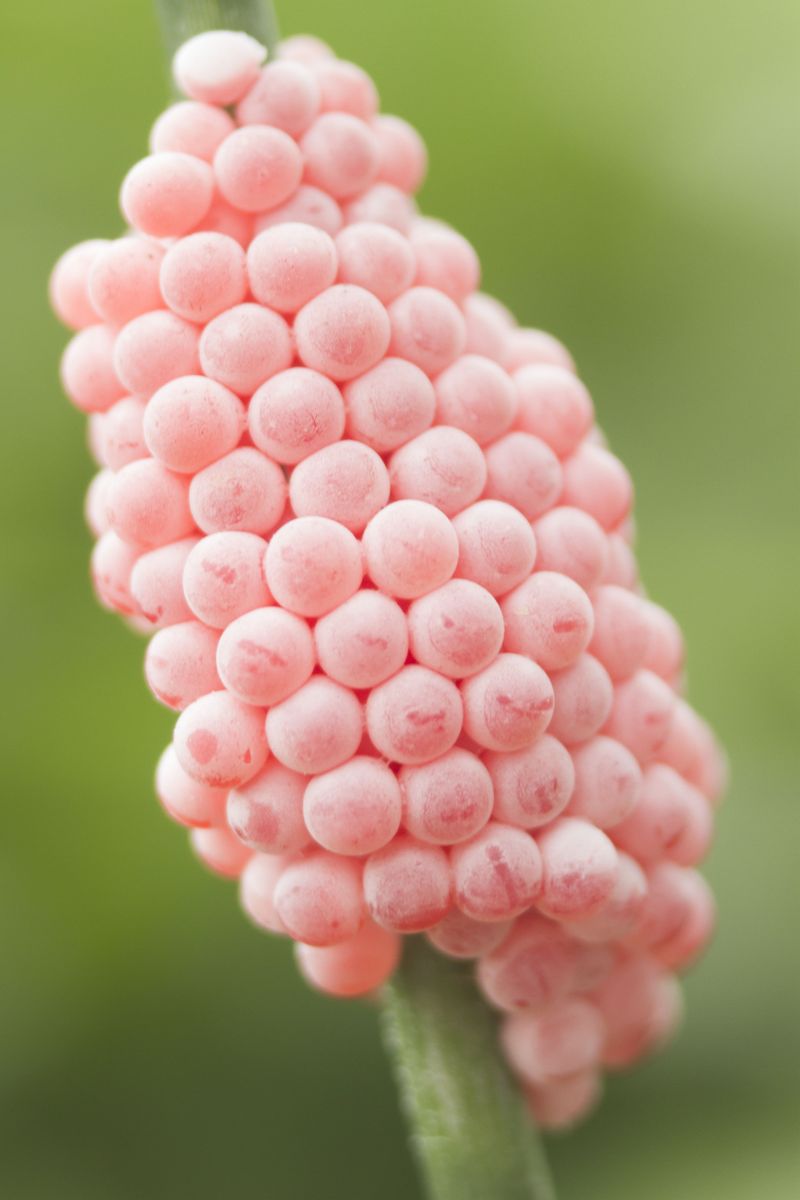
Not every white oval in your garden is a slug egg. Several other things can look surprisingly similar, and telling them apart matters, especially for gardeners in New York dealing with unpredictable weather swings.
Fertilizer pellets are one of the most common mix-ups. They are round, white, and uniform in size, just like slug eggs at first glance.
The easy test is to press one gently with a fingernail. Fertilizer pellets are hard and will crack, while slug eggs feel soft and give slightly.
Soil mite eggs are another look-alike that confuses gardeners. These are much tinier than slug eggs, often barely visible without a magnifying glass.
Springtail eggs can also appear as tiny white dots in moist soil, a common sight in New York gardens after a heavy rain. They are harmless and actually help break down organic matter in your garden bed.
Root mealybugs sometimes leave white, waxy clusters near plant roots. These look cottony or fuzzy up close, which sets them apart from the smooth surface of slug eggs.
Spider eggs are often wrapped in a silky sac. If you see white material with a web-like covering, that is almost certainly a spider, not a slug.
Fungal growths can also produce white, rounded structures in damp soil, something New York gardeners often notice during humid stretches in late summer. These tend to be irregular in shape and break apart easily when touched.
Knowing the difference keeps you from disturbing something harmless. It also ensures you act quickly when you do find actual slug eggs hiding under your planter.
Why These Eggs Appear In Damp, Shady Spots
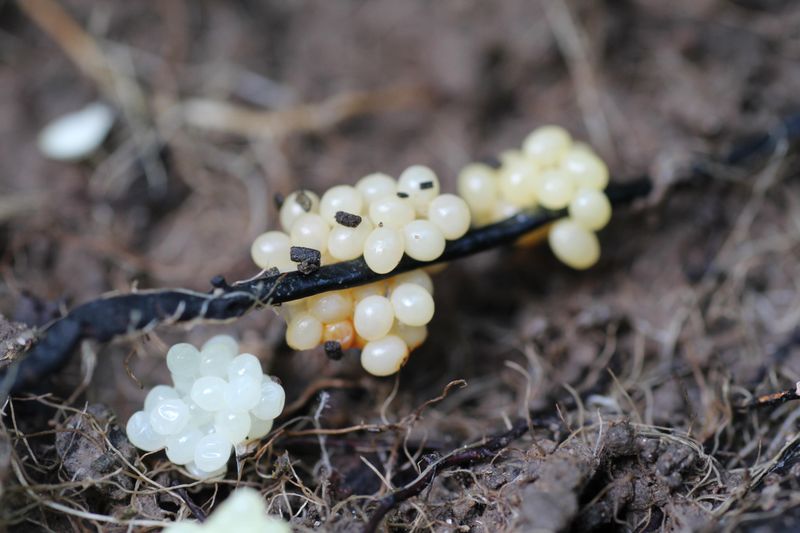
Slugs are moisture-dependent creatures, full stop. Without water, their soft bodies dry out fast, and they cannot last long in hot or sunny areas.
Shady spots under planters stay humid even when the rest of the yard is baking. That trapped moisture is exactly what slugs are searching for when they move through your garden.
Soil temperature also plays a major role in where slugs choose to lay eggs. They generally prefer soil that stays in a moderate, stable temperature range, roughly 50 to 70 degrees Fahrenheit.
The underside of a planter acts almost like a tiny greenhouse. It traps warmth from the soil below while blocking direct sunlight from above.
Organic material also accumulates under planters over time. Decomposing leaves, mulch, and debris create a nutrient-rich environment that supports egg development.
Slugs are most active during spring and fall when rain is frequent. Those seasons also happen to be when gardeners find the most egg clusters beneath pots.
Summer rains in places like the Northeast create ideal hatching conditions. A few days of warm, wet weather can trigger a whole generation of slugs to emerge at once.
Shade from fences, shrubs, or nearby structures adds to the problem. The more covered and damp a spot is, the more likely slugs will claim it as a nursery.
Understanding these preferences helps you predict where eggs will show up next. Target the dampest, shadiest corners of your garden first during your inspections.
Should You Remove Or Leave The Eggs Alone
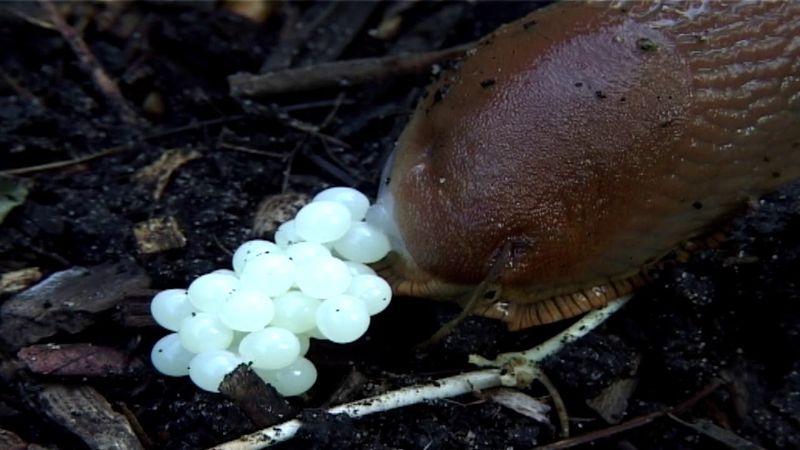
Finding slug eggs under your planter presents a simple decision. The choice you make in the next few minutes can shape your entire gardening season.
Removing the eggs is the most straightforward option for protecting your plants. Slug damage to leafy greens, hostas, and strawberries can be severe once a large population hatches.
You can scoop the eggs up with a trowel and drop them into soapy water. That stops development without using any chemicals in your garden soil.
Exposing the eggs to sunlight and dry air also works well. Simply leave them on the surface of a sunny patch of soil for a day or two.
Some gardeners choose to leave eggs if they are in an area far from vulnerable plants. Slugs do play a small role in breaking down decaying matter, so context matters here.
Birds love slug eggs and will eat them eagerly if given access. Letting chickens or wild birds forage near your planters is a surprisingly effective natural solution.
Ground beetles are another natural predator that targets slug eggs in the soil. Encouraging beetle populations by reducing pesticide use can help manage egg clusters over time.
If you find eggs repeatedly in the same spot, that location needs attention. Persistent egg clusters signal that conditions there are consistently ideal for slugs to breed.
Removing eggs is a simple, low-cost step that pays off big. Act early, and you protect your plants before the problem ever gets started.
How To Prevent Future Egg Clusters In Your Garden
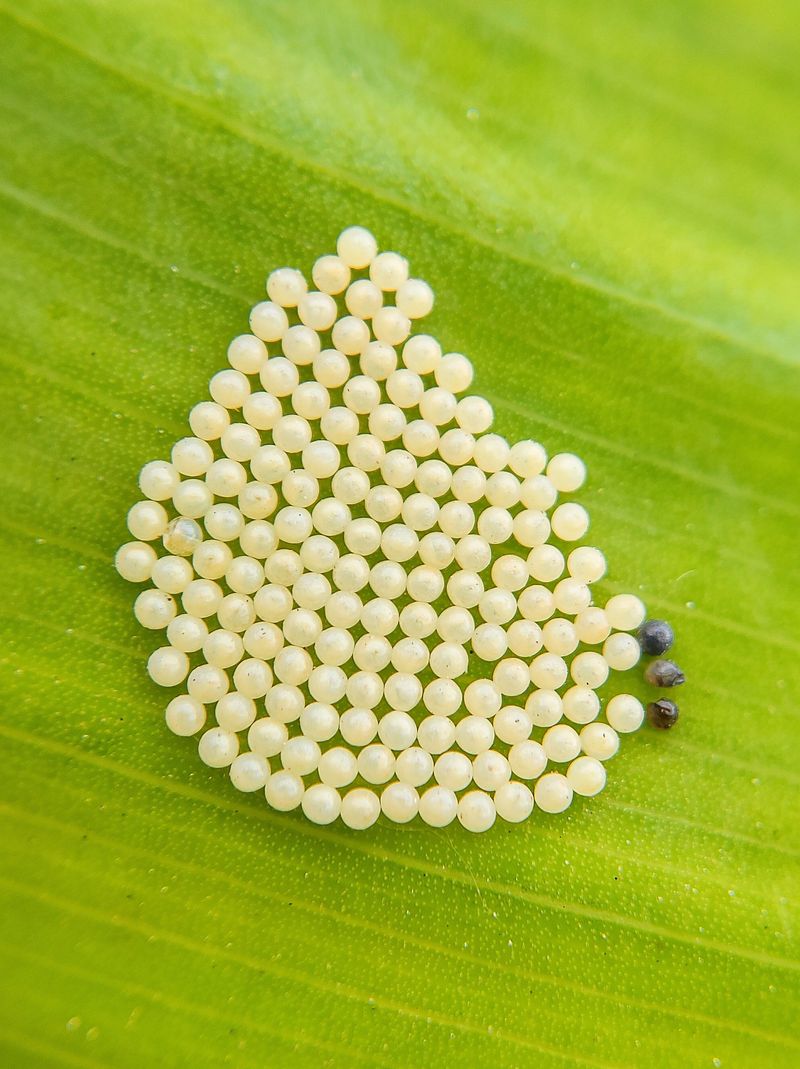
Prevention beats cleanup every single time. Once you know what attracts slugs, you can start making your garden a lot less welcoming to them.
Start by lifting your planters off the ground. Use pot feet or small risers to create airflow underneath, which reduces the moisture that slugs crave.
Move your planters to sunnier spots whenever possible. Slugs avoid bright, dry areas, so repositioning containers can dramatically reduce egg-laying activity.
Copper tape is a popular and chemical-free deterrent. Copper is believed to create a mild reaction that discourages slugs from crossing, though effectiveness can vary, especially outdoors in wet conditions.
Coarse materials like crushed eggshells, sand, or diatomaceous earth work as barriers too. Spread them around the base of planters to make the approach uncomfortable for soft-bodied pests.
Water your garden in the morning rather than the evening. Evening watering keeps the soil wet overnight, which is prime time for slug movement and egg-laying.
Remove debris piles near your planters regularly. Old leaves, wood scraps, and dense mulch give slugs extra hiding spots right next to their favorite egg-laying zones.
Iron phosphate-based slug baits are considered a safer alternative to older chemical baits, though pets should still be kept from ingesting large amounts. Scatter a small amount around vulnerable plants for added protection during wet seasons.
Check under planters every week or two during spring and fall. Catching odd white ovals early is the fastest way to stop a new generation before it starts.
Consistent habits protect your garden better than any single product. Stay alert, stay dry, and those mysterious clusters won’t go unnoticed.