9 Adirondack Natives Worth Adding To A New York Yard
Long before anyone put a name to the Adirondacks, the plants there had already figured out how to survive. Winters that crack stone and summers that vanish in a blink shaped every root and leaf into something tougher than it looks.
Bring that toughness into a New York yard and something shifts. The lawn stops fighting the climate and starts working with it, filling in gaps with color instead of bare patches.
Some corners of a property bake in full sun for hours. Others stay damp and shadowed no matter the season, and both kinds of ground have an Adirondack native that treats those conditions as home rather than a challenge.
1. Sugar Maple
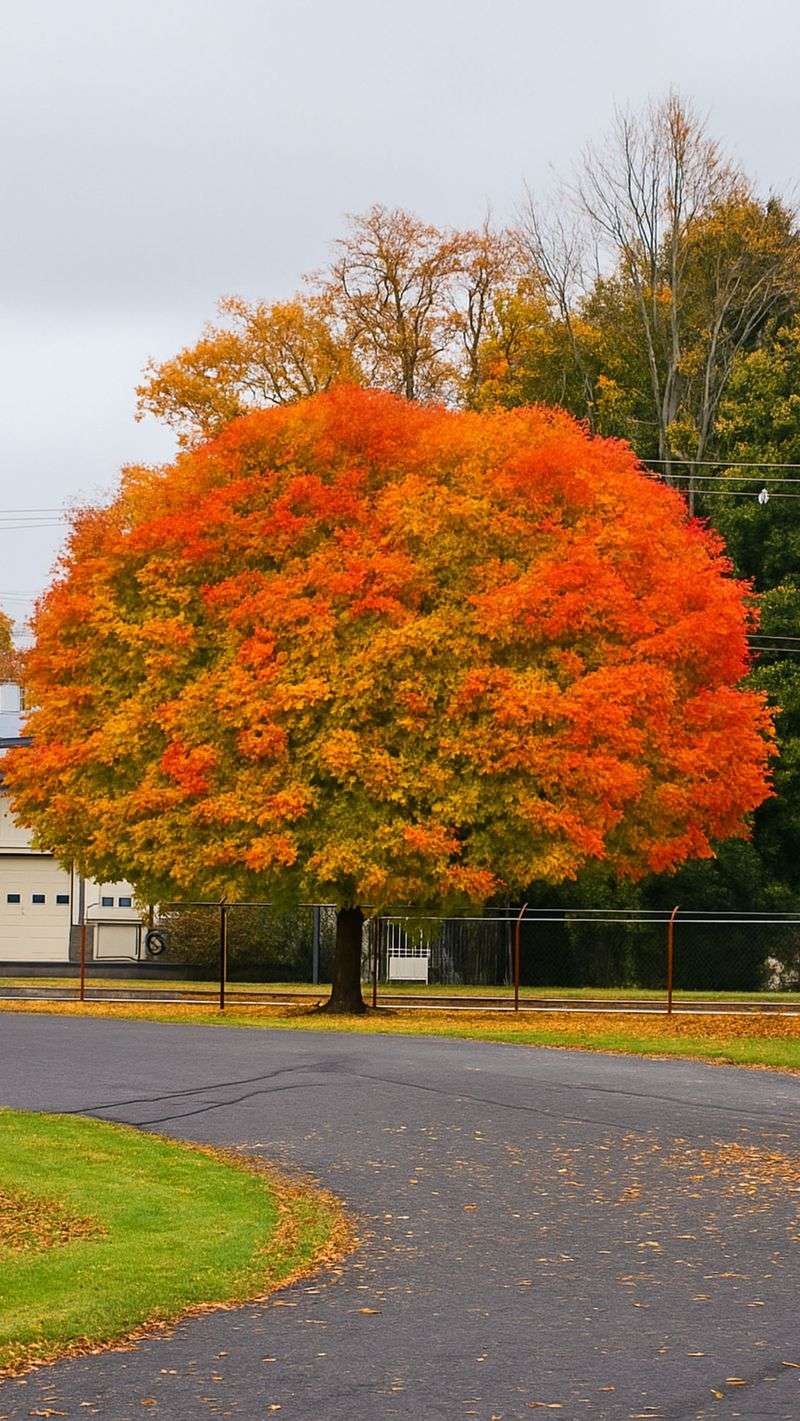
Few trees stop traffic the way a sugar maple does in October. The blazing orange and red foliage is practically a New York tradition, and planting one in your yard puts you right in the middle of that magic.
Sugar maples grow tall and wide, so give them room. A mature tree can hit 75 feet, making it a serious shade provider for your home on hot summer afternoons.
Beyond the looks, this tree is tough. It handles cold Adirondack winters without flinching and adapts to many soil types, though it prefers well-drained ground with a slightly acidic pH.
Young sugar maples grow slowly at first, about one foot per year. Patience pays off, because once established, they are long-lived and largely self-sufficient.
Beneath the surface, sugar maples build extensive root systems that help them anchor into rocky Adirondack terrain. This same root structure makes them surprisingly resilient during ice storms and heavy snow loads.
The tree also plays host to a wide range of wildlife. Squirrels, chipmunks, and songbirds rely on its seeds, while deer often browse the young shoots in early spring.
Bonus: if you tap it after 40 years, you get real maple syrup. Plant one now and let your future self enjoy the sweetest reward a tree can offer.
2. Eastern White Pine
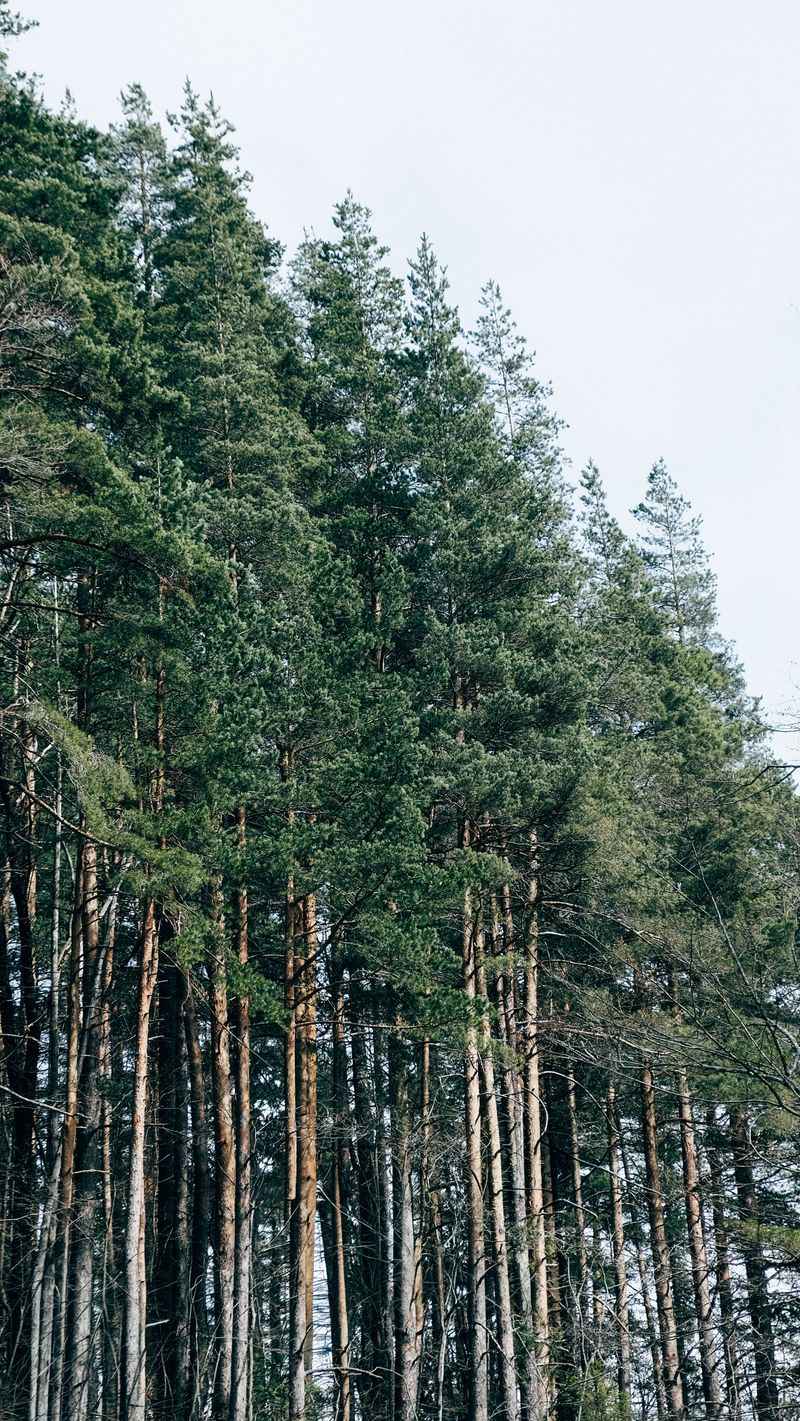
Eastern white pine is the gentle giant of the Adirondack forest. Its soft, feathery needles and graceful silhouette make it one of the most elegant evergreens you can grow in a New York yard.
This tree grows fast, sometimes two feet per year under good conditions. Within a decade, you have serious privacy screening and a windbreak that actually works against harsh winter gusts.
White pines love full sun and well-drained, slightly acidic soil. They are drought-tolerant once established and rarely need fertilizer, making them an ideal low-effort addition to any landscape.
White pine needles grow in soft bundles of five, a detail that sets this species apart from most other pines at a glance. That texture is part of why the tree reads as gentle rather than sharp against a skyline.
Its lumber has long been valued for construction and furniture thanks to its light weight and easy workability. Even today, many old New York barns and homes still carry white pine in their bones.
Your New York Garden Changes Every Week. Your Plan Should Too.
Gardening in New York changes quickly throughout the season. Every Friday you’ll receive a simple weekly plan showing exactly what to plant, prune, fertilize, harvest, and protect so you never miss the right timing.
Wildlife absolutely adores this tree. Chickadees, nuthatches, and red squirrels all rely on white pine seeds and shelter throughout the year.
One fun detail: white pine was so prized during colonial times that the British Crown literally reserved the tallest trees for ship masts. Plant one and grow a living piece of American history right in your backyard.
3. Tamarack
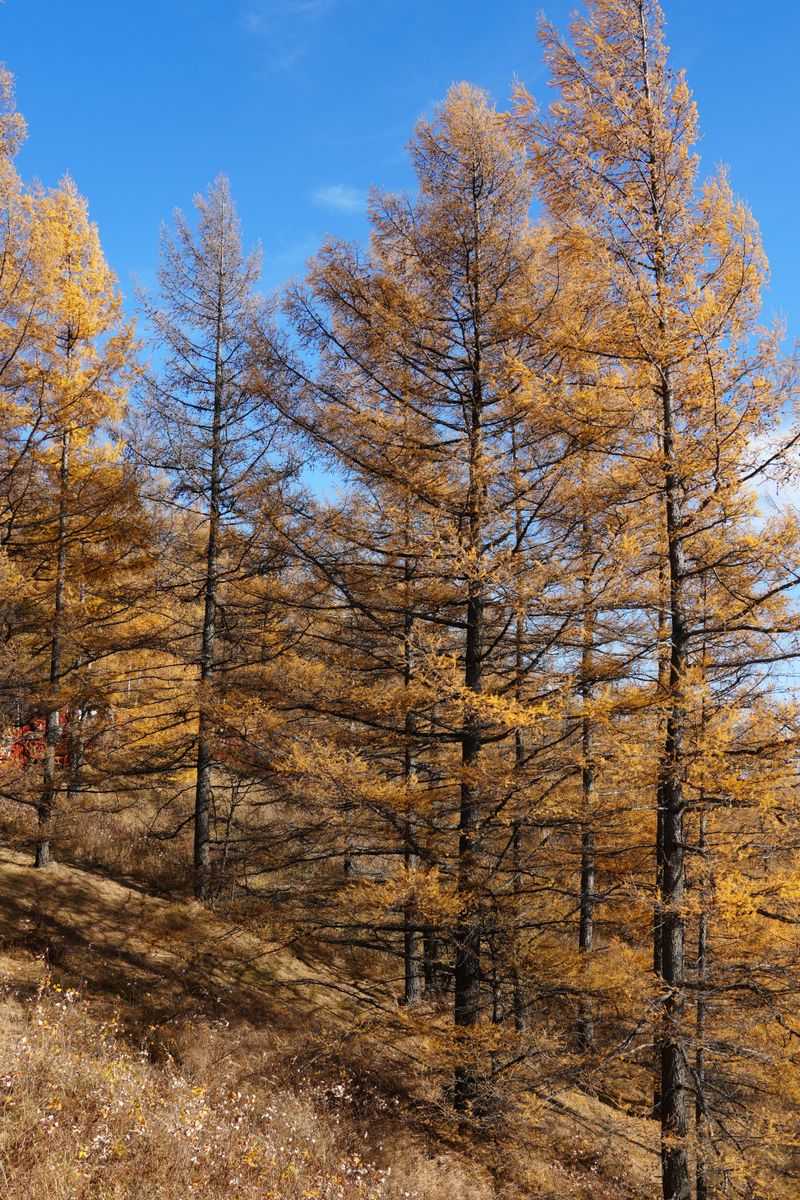
Tamarack breaks all the evergreen rules. It is a conifer that drops its needles every fall, turning a breathtaking golden yellow before they fall. That surprise factor alone makes it worth planting.
Also called eastern larch, tamarack thrives in wet, boggy areas where most trees struggle. If your yard has a low-lying corner that stays damp, tamarack will move right in and thrive where others fail.
In spring, soft blue-green needles emerge in feathery clusters, giving the tree a delicate, almost wispy appearance. The contrast between seasons is dramatic and endlessly interesting to watch unfold.
Tamarack grows at a moderate pace and typically reaches 40 to 60 feet at maturity. It handles full sun and cold temperatures with ease, making it perfectly suited to northern New York conditions.
Tamarack wood resists rot better than most native conifers, which made it a favorite for fence posts and boat building generations ago. That same durability still makes it useful in wet or exposed spots around a property.
The tree also tends to stand alone rather than crowd its neighbors. Give it space near a pond or low spot and it will fill that gap without competing for light.
Birds like the pine siskin and crossbill flock to tamarack cones for food during winter months. Plant one near a wet area and watch it become the most talked-about tree on your block.
4. White Spruce
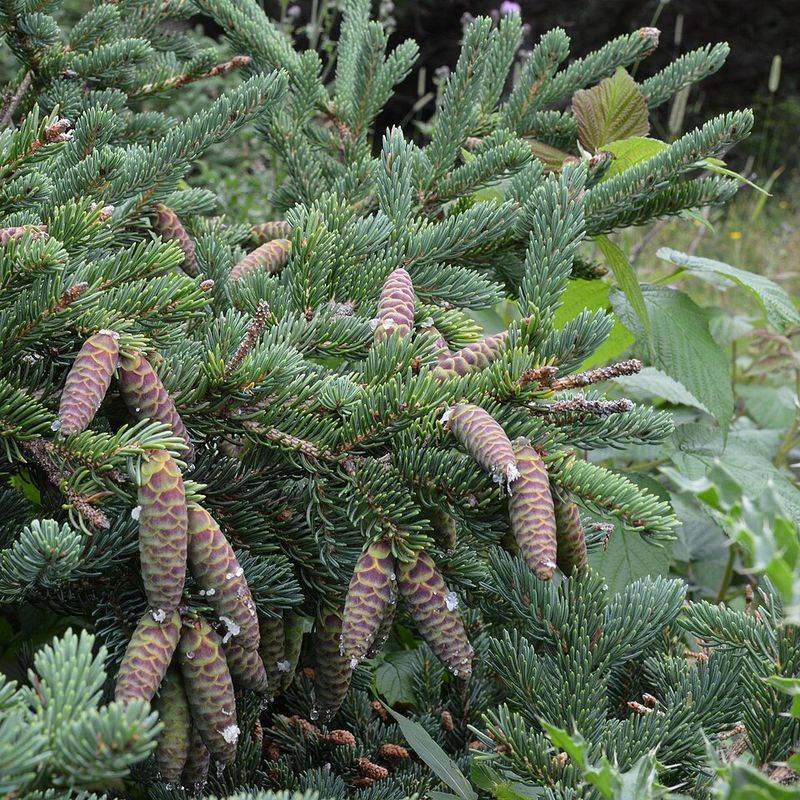
White spruce is built for the cold, and it shows. This dense, pyramid-shaped evergreen holds its color through the harshest winters and stays sharp-looking all year long.
Growing up to 60 feet tall, white spruce makes a bold statement in any yard. Its thick branching provides excellent wind protection and creates a natural sound buffer from nearby roads or neighbors.
This tree adapts well to a range of soil types, including clay and loam. That flexibility gives it an edge over fussier evergreens that demand perfect drainage.
Crush a few needles between your fingers and you will notice a distinct, sharp scent, which is why some old-timers nicknamed it cat spruce. It is a small quirk that makes identifying the tree in the field much easier.
White spruce also holds up well as a living privacy screen since it keeps its lower branches even in maturity. Many New York homeowners plant a row of them along a property line for exactly that reason.
Wildlife benefits are significant. Spruce grouse, red squirrels, and songbirds use white spruce for nesting and food throughout the seasons, turning your yard into a mini wildlife corridor.
One quirky fact: white spruce wood was historically used to make violins and piano soundboards because of its exceptional resonance. Plant one and enjoy a tree with a surprisingly musical soul hiding beneath its rugged exterior.
5. Eastern Hemlock
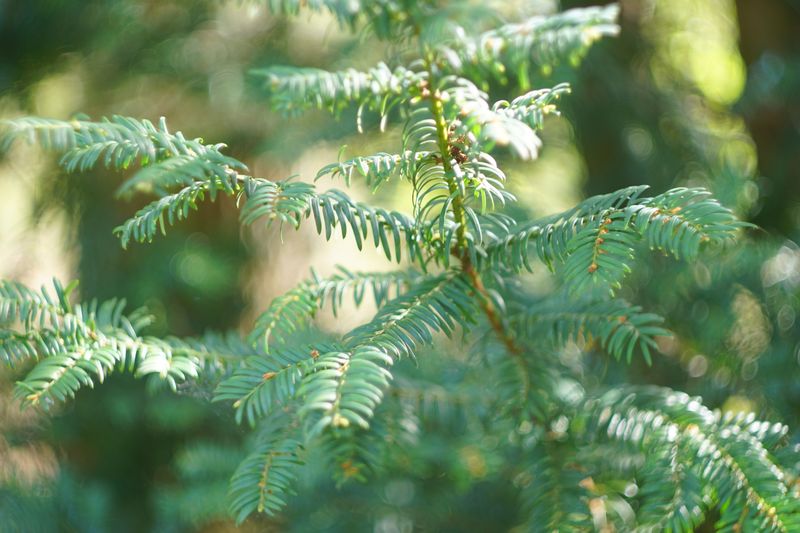
Eastern hemlock is the queen of the shady garden. With its gracefully drooping branches and tiny, delicate needles, it brings a soft elegance that few other conifers can match.
This native evergreen thrives in partial to full shade, making it perfect for the north side of a house or under a forest canopy. Most plants struggle in deep shade, but hemlock genuinely prefers it.
Hemlocks grow slowly but steadily, eventually reaching 40 to 70 feet. That slow growth means the wood is dense and the structure is strong, giving you a long-lived anchor plant for your landscape.
Hemlock stands do more than look pretty. They shade nearby streams and keep water temperatures cool, which benefits native trout and other cold-water species downstream.
The bark was once prized for its tannin content and used in leather production throughout the region. That history is part of why old hemlock groves became so valuable to early industry.
Birds like the black-throated green warbler favor hemlock stands as key nesting habitat. Planting even one tree can invite rare and beautiful visitors to your yard each spring.
Hemlocks do face pressure from the woolly adelgid pest, so monitoring your tree matters. Still, with proper care and attention, eastern hemlock remains one of the most rewarding Adirondack natives you can grow at home.
6. Mountain Laurel
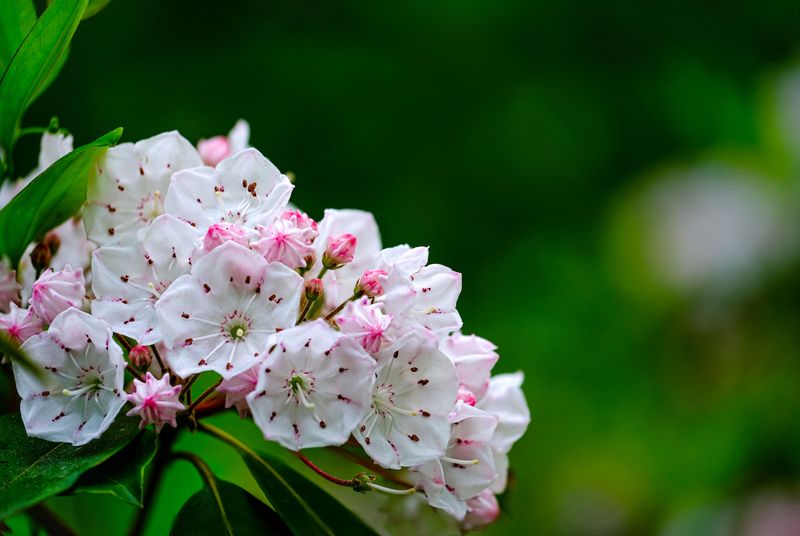
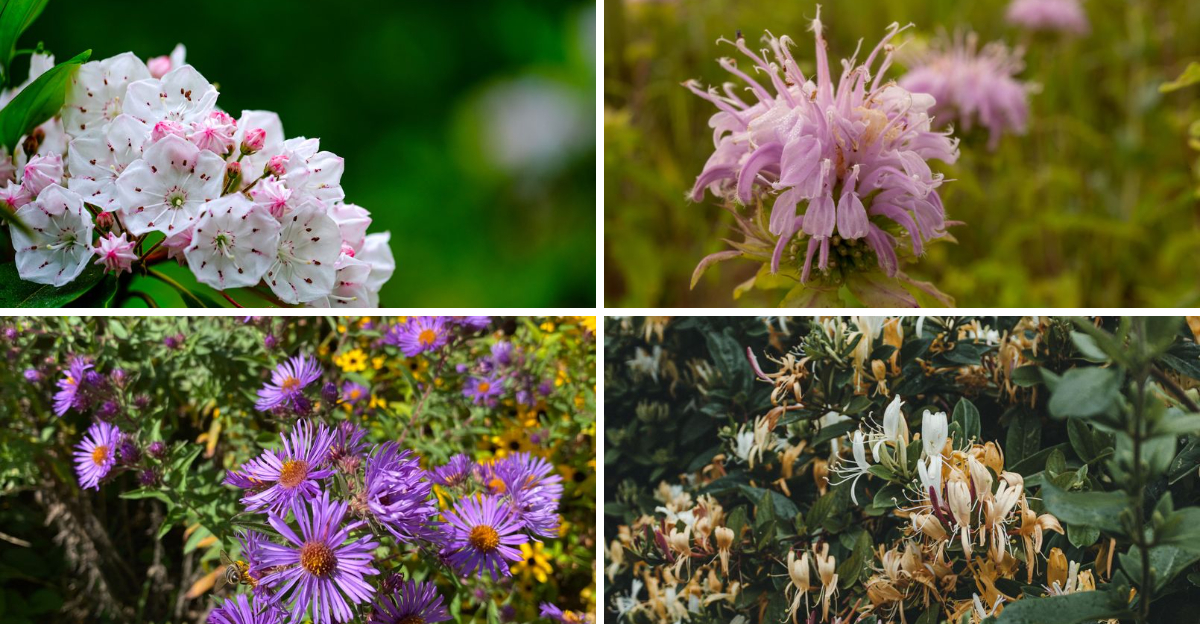
Mountain laurel blooming in June is one of those sights that makes you stop mid-step. The clusters of pink and white star-shaped flowers are so intricate they look almost hand-painted.
This native shrub stays evergreen year-round, meaning it earns its spot in your yard even when the flowers are gone. The glossy, dark green leaves add structure and interest through every season.
Mountain laurel prefers acidic, well-drained soil and partial shade, which makes it a natural fit under pine or oak canopies. Once established, it is surprisingly drought-tolerant and needs very little pruning.
It grows slowly, reaching six to ten feet over many years. That measured pace means it stays manageable and never turns into the overgrown shrub that some fast-growing varieties become.
This shrub is deer resistant thanks to natural compounds in its leaves that most grazing animals avoid. That makes it a dependable choice for yards where deer regularly pass through.
Mountain laurel also holds the title of state flower in both Connecticut and Pennsylvania. Its popularity across the Northeast says a lot about how well it performs in home landscapes.
Pollinators are wild about mountain laurel flowers. Bumblebees trigger a clever spring-loaded pollen mechanism inside each bloom, getting dusted with pollen in a burst.
Plant this shrub and give your garden a built-in science experiment that blooms every single year.
7. Northern Bush Honeysuckle
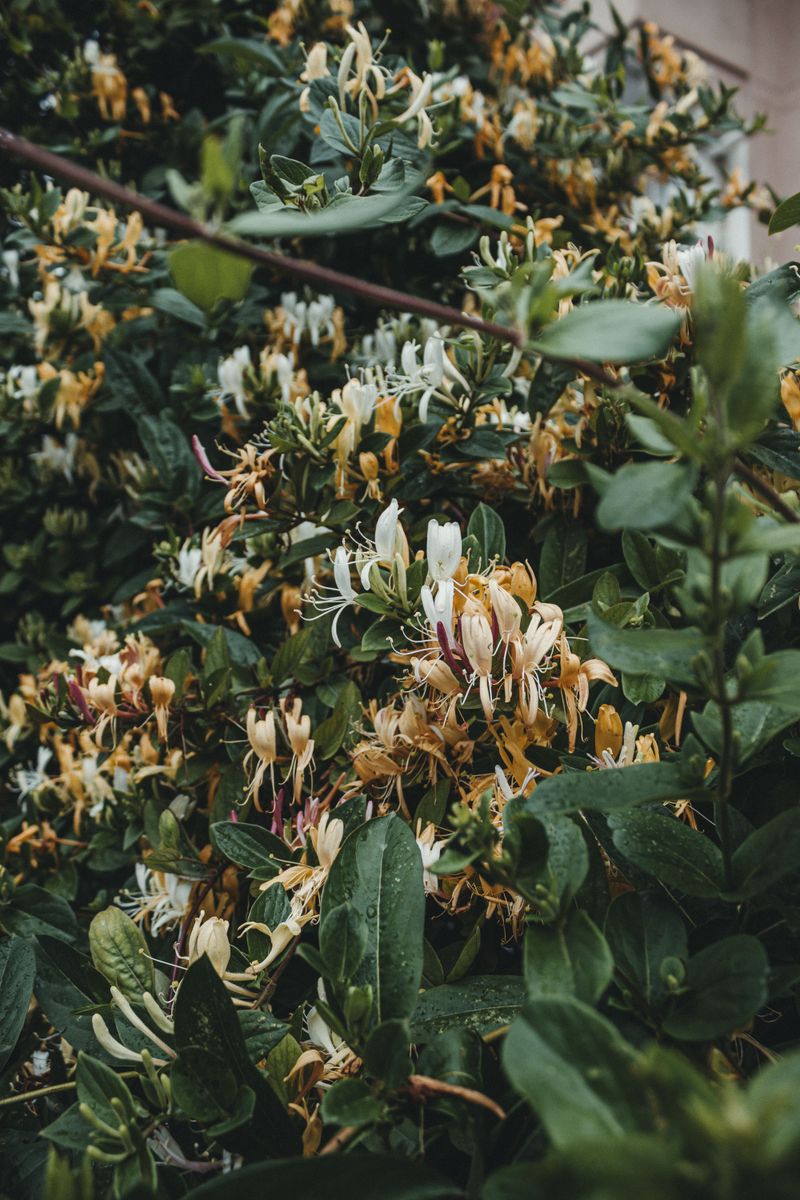
Northern bush honeysuckle is the native you have probably walked past a hundred times without recognizing it. It is low-key beautiful, reliable, and wildly underused in home gardens.
Unlike invasive honeysuckle varieties that have taken over roadsides, this native species plays well with others. It spreads gently and supports local ecosystems instead of smothering them.
Clusters of small yellow and orange tubular flowers bloom in early summer, attracting hummingbirds and native bees with impressive efficiency. The show is not flashy, but it is consistent and genuinely charming.
This shrub handles a range of conditions including dry, rocky soil and partial shade, which makes it one of the most adaptable native shrubs for a New York yard. It tops out around two to four feet tall.
This shrub works especially well on slopes since its spreading roots help hold soil in place. That makes it a practical pick for yards dealing with erosion near a hillside or bank.
It also tolerates road salt better than many native shrubs, which is useful for properties near a driveway or street. Few natives combine that kind of toughness with genuine visual appeal.
Fall brings reddish-purple foliage that adds another layer of seasonal interest before the leaves drop. If you want a shrub that works hard across three seasons and asks for almost nothing in return, northern bush honeysuckle belongs in your planting plan.
8. Wild Bergamot
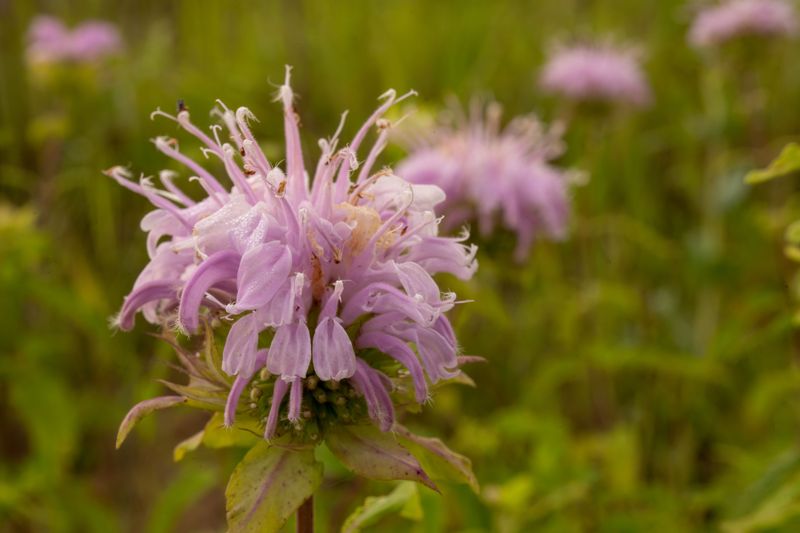
Wild bergamot smells like a summer afternoon in the best possible way. Crush a leaf and you get a warm, oregano-like scent that explains why Indigenous peoples used it for centuries as both food and medicine.
This native perennial produces shaggy, lavender-purple flower heads from mid-summer through early fall. The bloom period is long, and the flowers keep coming even in heat that flattens lesser plants.
Wild bergamot thrives in full sun and tolerates dry, poor soil with ease. It is one of those plants that actually looks better in lean conditions, staying compact and upright instead of flopping over.
The plant belongs to the mint family, and a quick look at its square stem confirms it. That same family trait explains the strong fragrance that carries across a garden on a warm day.
Early settlers steeped the leaves into a tea after imported tea became scarce, giving the plant one of its common names, Oswego tea. That bit of history still shows up in herbal tea blends today.
Pollinators treat this plant like a five-star restaurant. Monarch butterflies, bumblebees, and native sweat bees all crowd the blooms throughout the season, turning your yard into a buzzing, fluttering hub of activity.
After the flowers fade, the seed heads stay on through winter and feed small songbirds when food gets scarce. Wild bergamot gives your garden beauty in summer and purpose in winter, which is a rare combination worth celebrating.
9. New England Aster
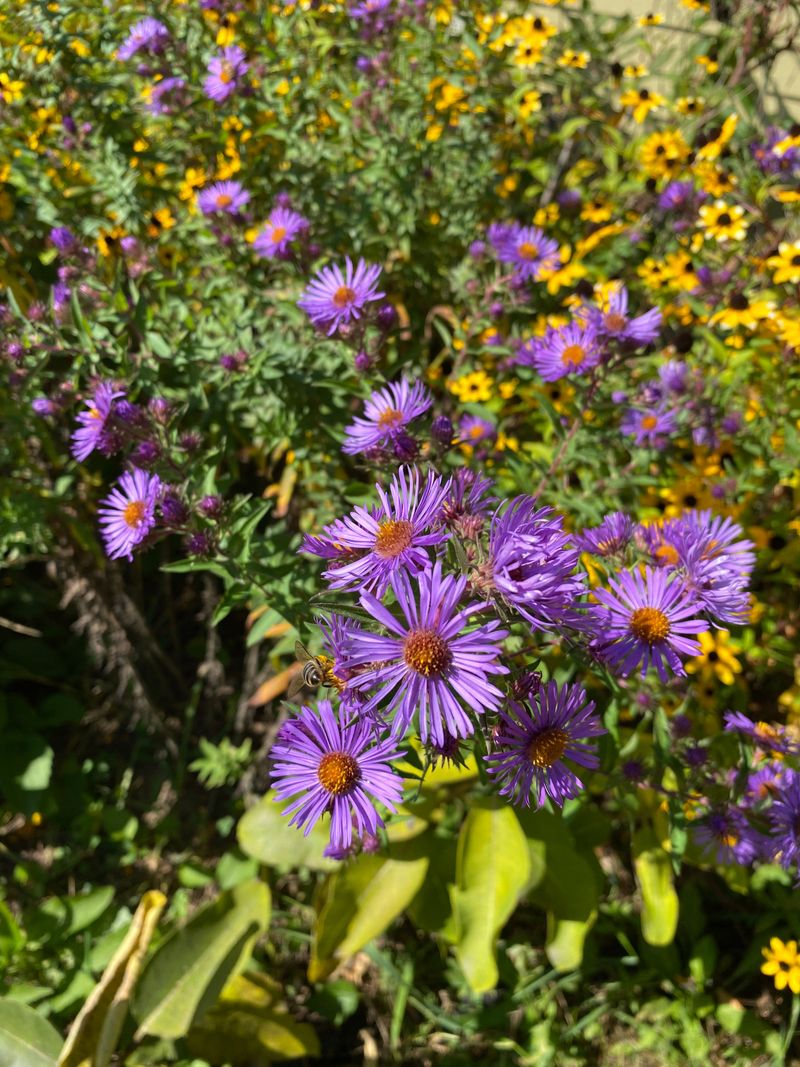
When most garden flowers are winding down, New England aster is just getting started. Its bold purple blooms with bright yellow centers arrive in late August and carry the garden all the way through October.
This native perennial grows two to six feet tall, forming full, bushy clumps that fill gaps left by earlier-blooming plants. The sheer flower count per plant is almost ridiculous in the best way.
New England aster is one of the most important late-season nectar sources for monarch butterflies fueling up before their long southern migration. Planting it means your yard becomes a literal pit stop on an epic journey.
It grows in full sun to light shade and tolerates clay soil, wet spots, and average garden conditions. Few native perennials are this forgiving while still delivering such a vivid seasonal display.
This aster tends to attract more than monarchs. Native bees, skippers, and other late-season pollinators all show up for the nectar when few other flowers remain in bloom.
Trimming plants back by half in late June keeps them compact and prevents flopping. Left alone after that, the plant simply keeps producing new flower clusters until frost finally ends the season.
Adding New England aster to your Adirondack natives lineup means your yard ends the growing season on a high note every single year.