The Best Time Of Day To Mow Your Michigan Lawn So It Handles Heat Better
Mowing time feels like a scheduling decision rather than a plant care decision, and that framing is exactly why so many Michigan lawns struggle through July looking worse after each cut than they did before it.
Grass cut during the wrong conditions loses moisture faster, seals cut ends less effectively, and enters the hottest part of the day already stressed in ways that compound through the afternoon and into the following morning.
Michigan’s cool-season grasses are particularly vulnerable to this timing mismatch during heat waves when the gap between a well-timed cut and a poorly timed one shows up clearly across the lawn within forty-eight hours.
One simple scheduling adjustment protects the lawn through the hardest stretch of the Michigan summer without changing anything else about the mowing routine.
1. Evening After Dinner Is Often The Best Hot Weather Mowing Window
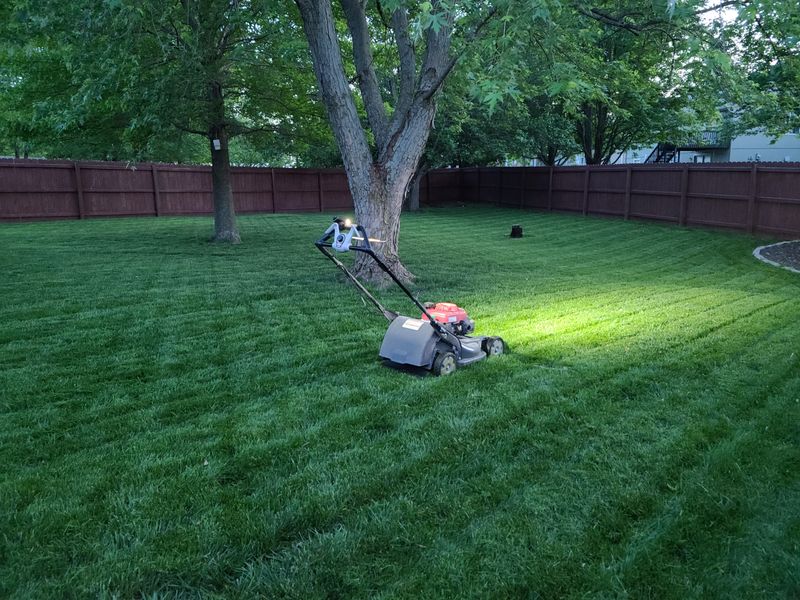
There is something almost peaceful about mowing after dinner on a warm Michigan evening.
The sun has dropped lower in the sky, the air temperature has usually backed off from its afternoon peak, and your lawn is finally getting a break from the intense midday heat.
That combination makes the post-dinner window one of the smartest times to run your mower all summer long. When temperatures are cooler, your grass is under far less stress when it gets cut.
Mowing causes some natural stress to turf because you are removing leaf blade, and doing that during the hottest part of the day only piles more pressure on an already struggling lawn.
Waiting until evening gives the grass a much better chance to recover overnight before the next day’s heat returns.
One thing to keep in mind is that the grass should be dry before you start. Evening dew can start settling on lawns as the temperature drops, so aim to mow before that happens.
Cutting dry grass gives you a much cleaner result, with sharp even cuts rather than the torn or clumped blades that wet mowing can leave behind.
Michigan evenings in summer are often genuinely pleasant to be outside in, which is a bonus for the person pushing the mower.
You get a comfortable experience, your lawn gets a gentler cut, and the cooler overnight temperatures help the grass bounce back fast.
It is a win all around, and one of the simplest adjustments any Michigan homeowner can make for a healthier summer lawn.
2. Early Morning Can Work Once Dew Has Lifted
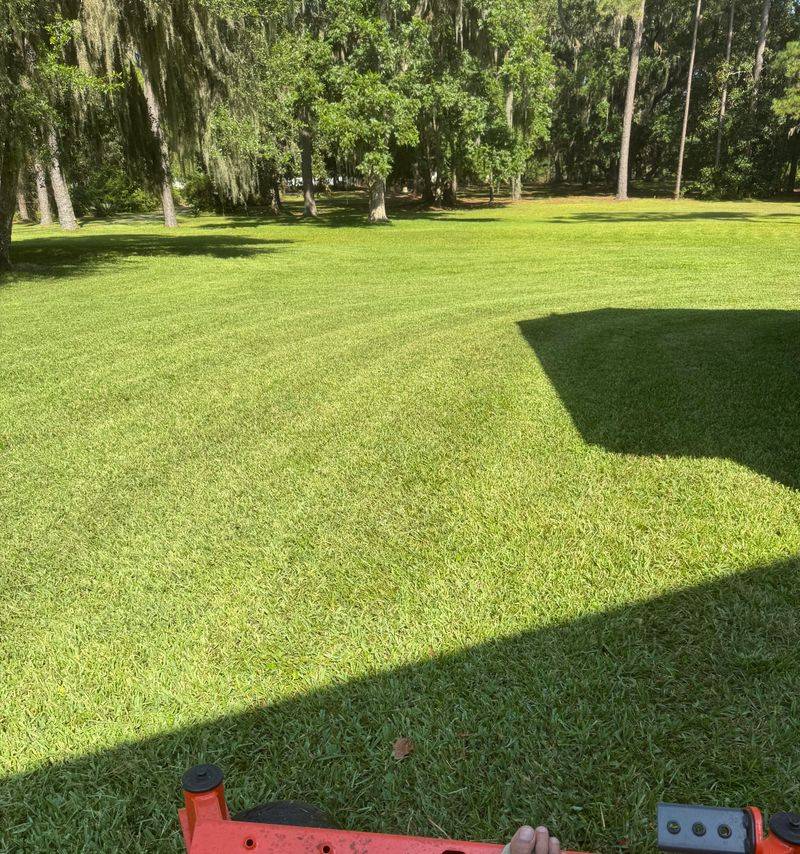
Morning has a certain freshness that makes it feel like the right time to tackle yard work, but there is a catch when it comes to mowing.
Michigan mornings in summer are often coated in dew, and cutting wet grass causes more problems than most people realize.
Patience pays off here, because waiting for that dew to lift before firing up the mower makes a real difference in how well the job turns out. Wet grass clumps together instead of dispersing evenly across the lawn after cutting.
Those clumps can block your mower deck, strain the engine, and leave behind thick mats of wet clippings that can actually block sunlight and airflow to the turf underneath.
Your Michigan Garden Changes Every Week. Your Plan Should Too.
Gardening in Michigan changes quickly throughout the season. Every Friday you’ll receive a simple weekly plan showing exactly what to plant, prune, fertilize, harvest, and protect so you never miss the right timing.
Beyond the mower itself, wet soil is softer and more vulnerable to compaction from the weight of mowing equipment rolling over it repeatedly.
Mower blades also take a beating when cutting wet turf. The extra resistance from soggy grass dulls blades faster than dry cutting does, meaning you end up with a less clean cut over time unless you sharpen or replace blades more often.
Sharp blades matter a lot for lawn health because a clean cut heals faster and more cleanly than a torn one.
Once the dew has dried off, usually somewhere between 8 and 10 in the morning depending on weather, early morning mowing becomes a solid option.
Temperatures are still relatively cool, the sun has not peaked yet, and your grass is in much better shape to handle the mowing process without added stress from moisture.
3. Afternoon Heat Is The Time To Avoid
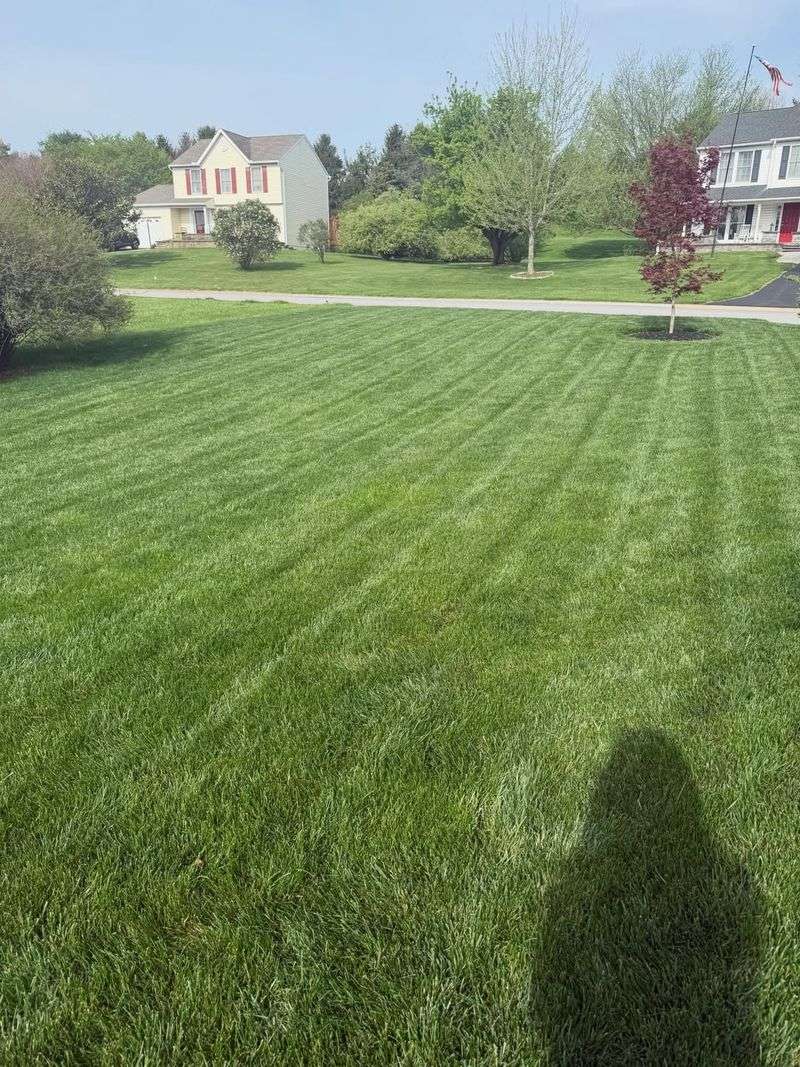
Picture the hottest part of a Michigan summer afternoon, around 1 to 4 in the afternoon, when the sun is blazing straight down and the pavement feels like a griddle. That exact window is the worst possible time to mow your lawn.
Your grass is already working overtime just to survive the heat, and adding mowing stress on top of that is like asking someone to run a race right after they have been sitting in a sauna.
Summer turf in Michigan deals with heat and moisture stress simultaneously during those peak afternoon hours. The grass is losing water through its blades faster than its roots can pull it up from the soil.
When you mow under those conditions, the freshly cut grass edges are exposed to maximum sun intensity and heat, making recovery much harder and slower than it would be during a cooler window.
One visible sign that afternoon mowing is rough on your lawn is tracking marks.
When you drive a mower over heat-stressed turf repeatedly, the grass blades can get pressed down and stay that way, leaving behind visible lines or tire marks that take days to disappear.
Those marks tell you the lawn was not in a good state to handle that kind of traffic.
Skipping the afternoon mow is not about being lazy. It is genuinely one of the most protective things you can do for your Michigan lawn during summer.
Save that window for something else and let your grass rest through the hottest hours of the day.
4. Dry Grass Cuts More Cleanly Than Wet Grass
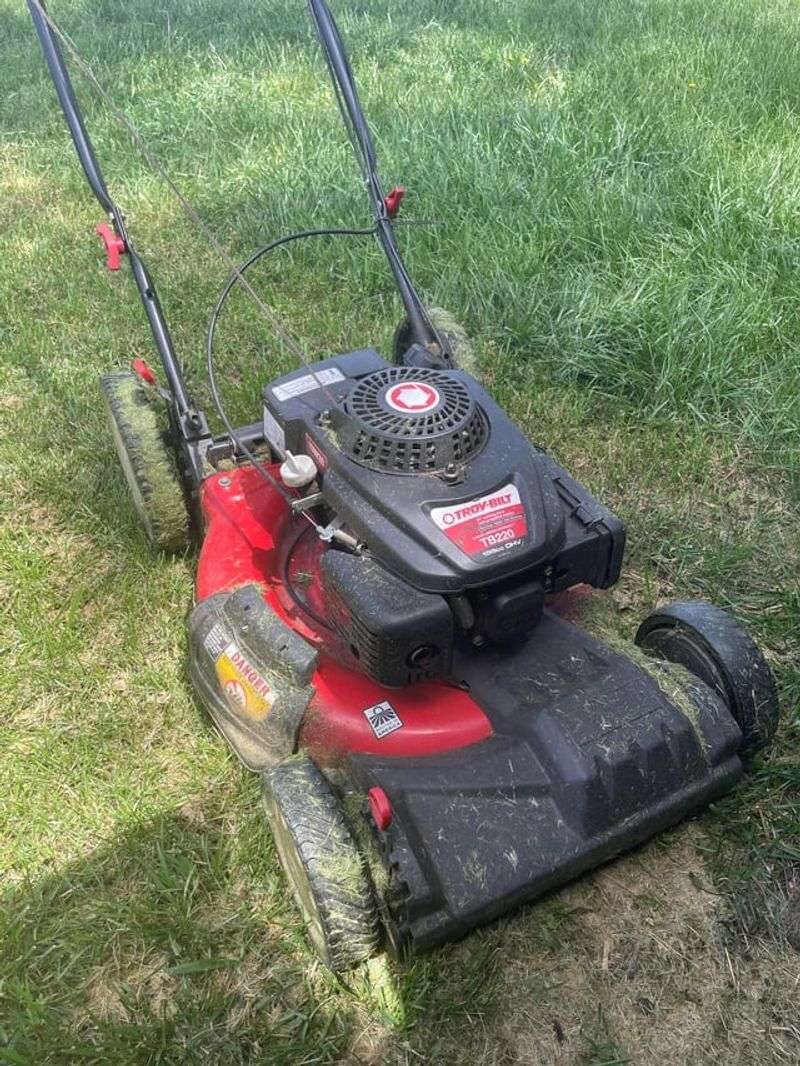
There is a reason professional lawn care crews almost always wait for dry conditions before they start mowing.
Dry grass stands upright and feeds through the mower deck smoothly, allowing the blade to make one clean, precise cut across each blade.
That clean cut is not just about looks. It actually affects how quickly and effectively the grass heals after mowing.
Wet grass behaves completely differently. Instead of standing tall and cutting cleanly, wet blades bend and clump together, making it much harder for the mower to do its job properly.
The result is often a ragged, torn cut rather than a smooth one, and torn grass is more vulnerable to stress, browning, and slow recovery, especially when summer heat follows right behind.
Clumping is another real issue with wet mowing. Heavy wet clippings stick together and pile up on the lawn surface instead of filtering down through the turf.
Those thick mats block sunlight and airflow from reaching the soil below, which can cause yellowing patches and create conditions that encourage lawn fungus to develop over time.
Saturated soil adds yet another layer of concern. When the ground is wet and soft, the weight of a mower, even a push mower, can compress the soil beneath the turf.
Compacted soil makes it harder for grass roots to grow deep and access water and nutrients, which weakens the lawn’s ability to handle heat over the long term.
Dry conditions protect both the grass and the soil underneath it, making every mowing session more effective and less stressful for your turf.
5. Taller Mowing Helps Grass Handle Summer Heat
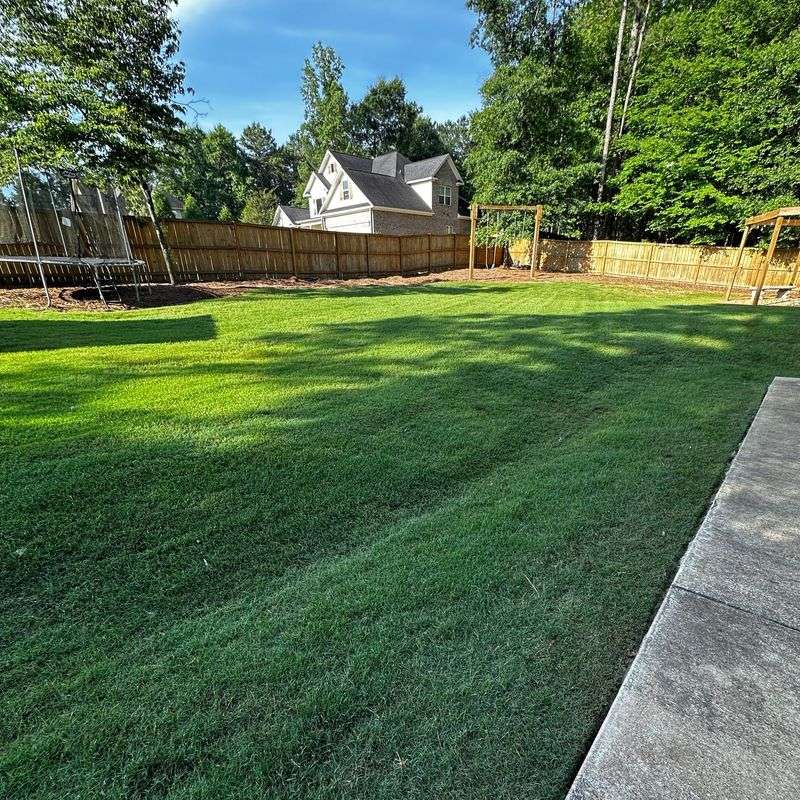
Raising your mower deck a notch or two before summer hits is one of the smartest moves you can make for your Michigan lawn.
Michigan State University research supports what experienced lawn care folks have known for years: grasses cut at a higher height are significantly more tolerant of summer heat stress than those kept short.
The science behind it is actually pretty straightforward once you understand what is happening at ground level.
Taller grass blades cast shade on the soil below them. That shading effect keeps the ground cooler and slows down moisture evaporation from the soil surface.
During a Michigan heat wave, every bit of retained moisture matters because roots need that water to keep the grass hydrated and actively growing rather than going dormant to survive.
Deeper roots are another major benefit of mowing high. When grass is cut short repeatedly, it tends to develop shallow root systems that cannot reach water stored deeper in the soil.
Taller grass, on the other hand, supports longer, stronger roots that can tap into moisture reserves further down, giving the lawn much better staying power through hot and dry spells. The visual payoff is real too.
Lawns that are mowed at the right height during summer tend to stay greener and denser through the hottest months, while closely cropped lawns often turn brown or patchy under the same conditions.
Most Michigan cool-season grasses like Kentucky bluegrass and tall fescue do best when kept between three and four inches during summer.
That extra height is not just a preference, it is a genuine tool for keeping your lawn thriving.
6. Never Remove Too Much Grass At One Time
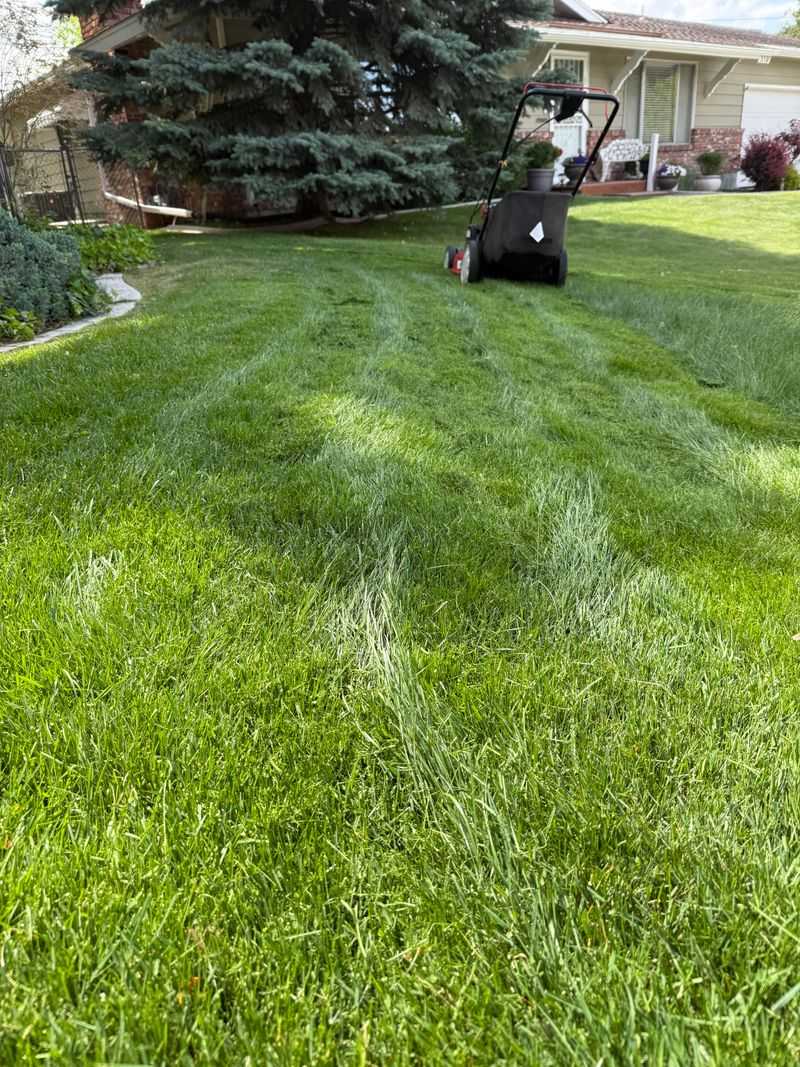
Most lawn care professionals follow what is called the one-third rule, and it is one of the most useful guidelines for keeping a Michigan lawn healthy through summer.
The rule is simple: never remove more than one-third of the grass blade in a single mowing session.
It sounds almost too easy, but breaking this rule is one of the most common reasons lawns struggle during hot weather.
When you cut off a large portion of the grass blade at once, the plant goes into a kind of recovery mode. It has to redirect energy away from root growth and toward regrowing the leaf tissue it just lost.
During summer heat, that extra energy demand is especially hard on the grass because it is already working hard just to stay hydrated and cope with high temperatures.
Waiting too long between mowing sessions is usually what leads to this problem. Life gets busy, the weather gets hot, and suddenly the lawn is several inches taller than it should be.
The instinct is to cut it back down to a normal height all at once, but doing that in one pass puts enormous stress on the turf.
A better approach is to mow at a higher setting first, then gradually bring it down over two or three sessions spread across several days.
Mowing more frequently at a higher setting is always better for the lawn than mowing less often at a lower one.
It keeps the grass in a steady, manageable growth cycle, reduces stress during heat, and produces a much better-looking lawn overall with less effort in the long run.
7. Skip Mowing When The Lawn Looks Heat Stressed
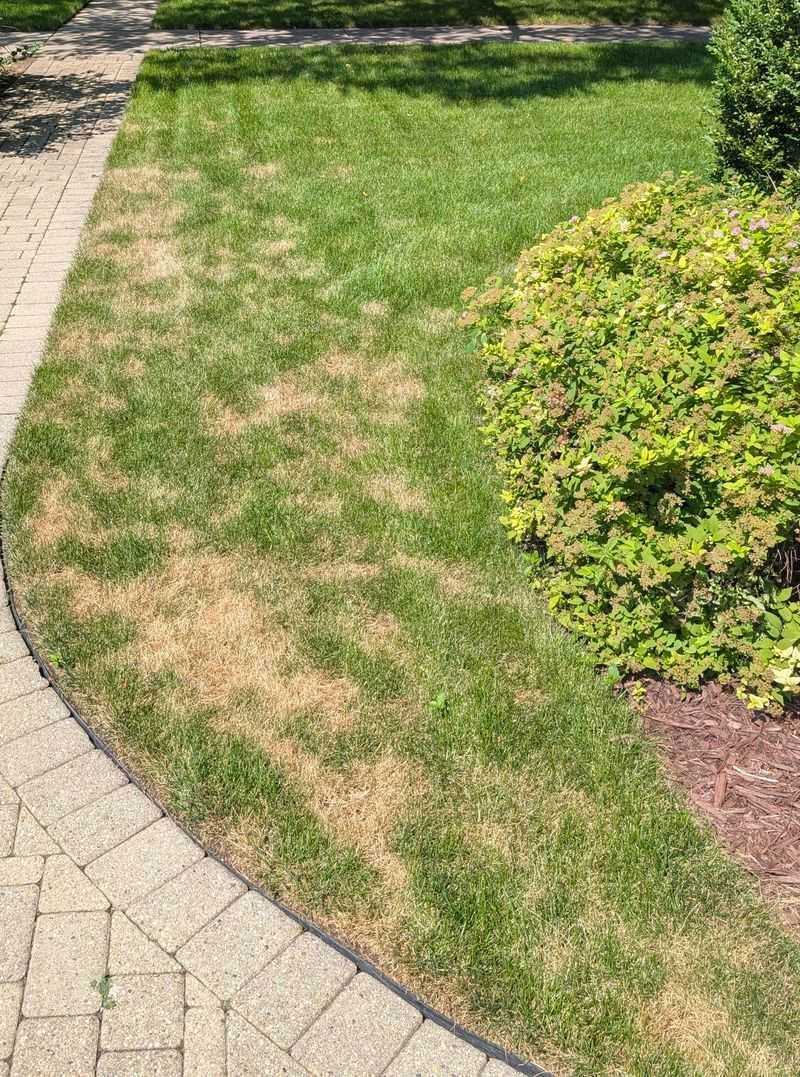
Your lawn has a way of telling you when it needs a break, and knowing how to read those signals can save you from making a tough situation worse.
Heat-stressed grass shows several clear signs, and recognizing them before you start the mower is one of the most important skills a Michigan homeowner can develop during summer.
The lawn is communicating with you, and it pays to listen. One of the most reliable signs of heat stress is a color shift.
Grass under significant heat and moisture pressure often takes on a bluish-green or dull grayish tone rather than the bright green you see in a healthy, well-hydrated lawn.
That color change is the grass beginning to conserve water by slowing down its metabolic processes, and it is a clear signal that the turf is already working under strain.
The footprint test is another quick way to check. Walk across your lawn and then look back at where you stepped.
If the grass springs back up within a few seconds, the turf has enough moisture and resilience to handle some activity.
If your footprints stay visible and pressed down, the lawn is too stressed to bounce back quickly, and mowing it in that condition will only add to the damage.
Wilted or drooping blades are also a sign to watch for. When you see those symptoms, hold off on mowing and consider giving the lawn a good deep watering instead.
Once the grass has had a chance to rehydrate and recover, ideally after a cooler day or a good rain, it will be in a much better position to handle mowing without suffering lasting effects.
8. Match Mowing Time With Watering And Weather
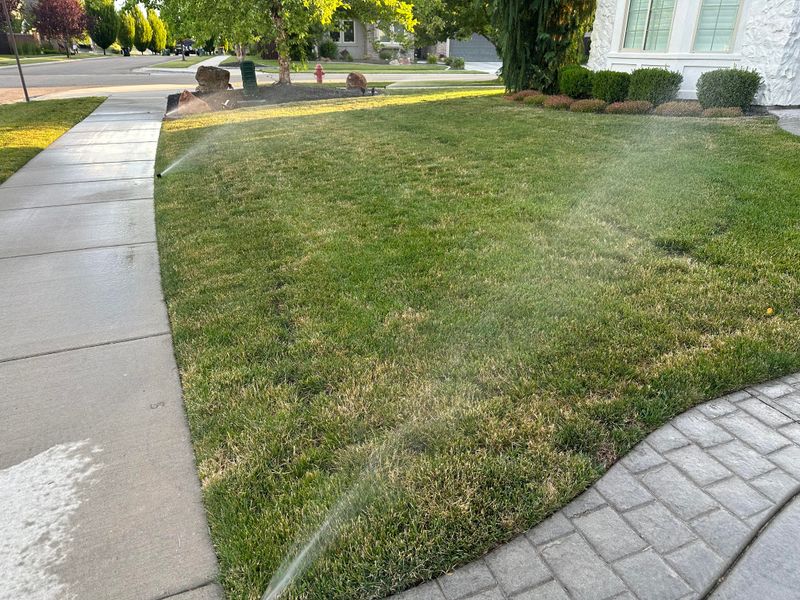
Getting the most out of your mowing routine in Michigan means thinking about it as part of a bigger picture that includes watering, weather forecasts, soil conditions, and timing. None of these factors work in isolation.
A lawn that was just watered heavily the night before is going to be in a very different condition than one that has had two dry sunny days to firm up, and your mowing plan should account for that difference.
Watering timing matters more than many people think. Lawn care experts generally recommend watering in the morning, ideally before 10 a.m., so the grass has time to absorb moisture and dry off before evening.
Watering at night can leave the turf wet for long periods, which increases the chance of fungal problems developing in the lawn.
Morning watering sets the grass up well for the rest of the day without leaving it sitting in moisture overnight.
For mowing, the goal is to choose a window when the lawn is dry, the soil has some firmness to it, and temperatures are not at their peak.
That usually means either the early morning after dew has lifted or the evening after the worst of the day’s heat has passed.
Checking the forecast a day ahead helps too, because mowing right before a big rainstorm can leave clippings matting down just as heavy rain arrives. Michigan weather can shift quickly, so staying flexible is part of the strategy.
Building a loose routine around weather patterns rather than sticking to a rigid schedule gives your lawn the best chance to stay healthy, green, and resilient no matter what the summer throws at it.