Can A California Neighbor Stop You From Planting A Tall Tree In Your Own Yard?
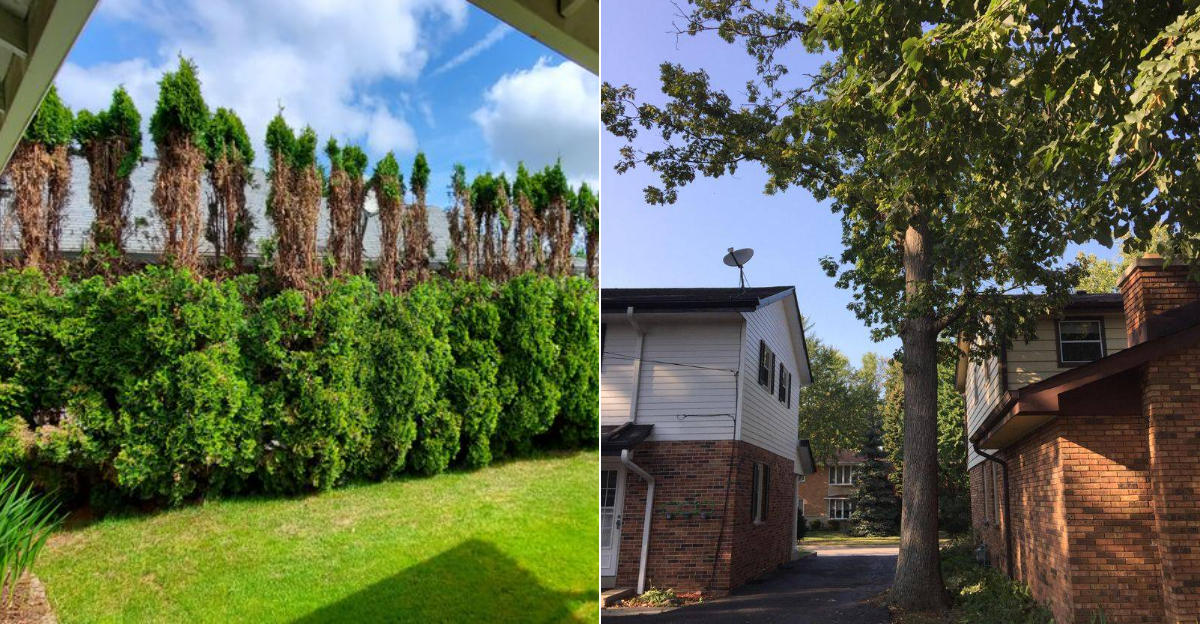
A tall tree can feel like your yard’s big, leafy power move, until a California neighbor starts acting like they own the skyline. Suddenly, your simple planting plan has drama.
Maybe they are worried about views, shade, roots, leaves, or future branches leaning into their space. Maybe they just hate change with bark on it.
Either way, planting on your own property is not always as simple as digging a hole and declaring victory. Local rules, property lines, easements, HOAs, and nuisance concerns can all turn one tree into a neighborhood debate.
Before you plant something that could outgrow the peace, it helps to know where your rights end and your neighbor’s complaints may begin. A little planning now can save years of awkward fence-line tension.
1. A Neighbor Usually Can’t Veto Your Tree
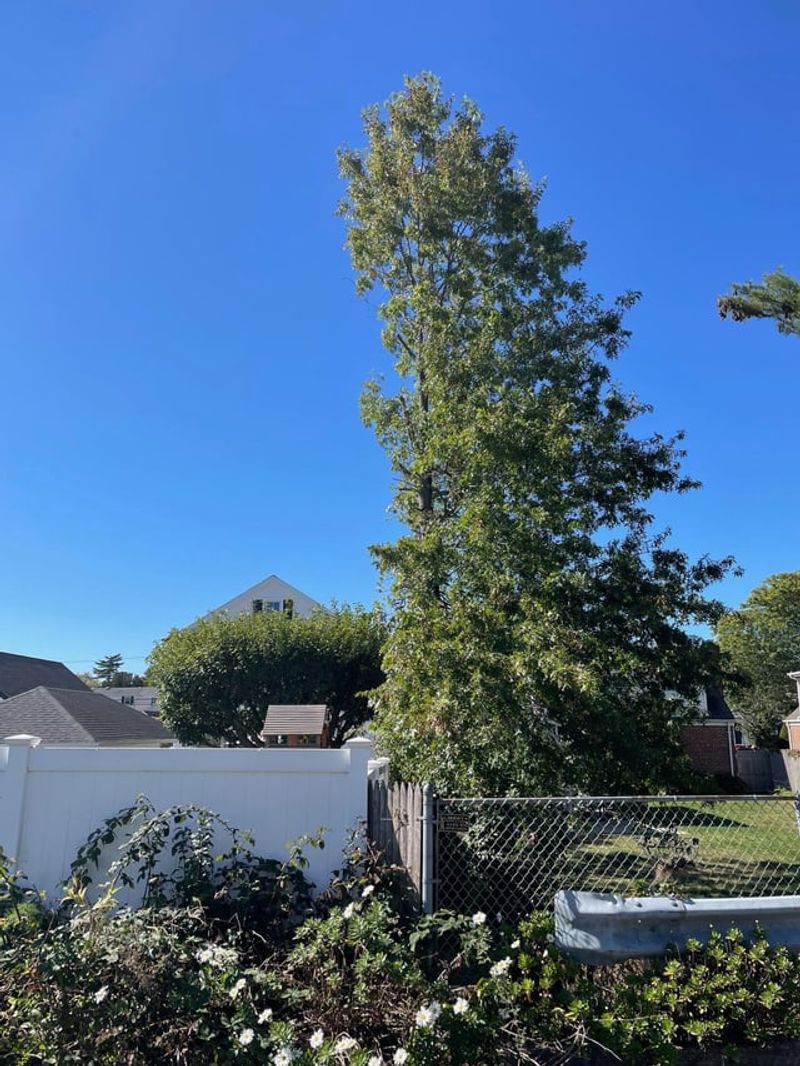
Most people are surprised to hear this, but your neighbor generally does not have the legal power to stop you from planting a tree on your own property.
Owning land comes with real rights, and one of those rights is the ability to plant trees, shrubs, and other vegetation wherever you choose within your boundaries.
That said, “wherever you choose” does come with some limits. Local city or county codes, HOA rules, and state laws can all place restrictions on what you plant and where.
But those rules come from government agencies or private agreements, not from your neighbor’s personal preferences.
If a neighbor threatens to sue you simply because they do not like the look of your tree, that threat usually holds very little legal weight.
Courts in California have consistently sided with property owners who plant trees on their own land, as long as those trees do not violate a specific ordinance or cause a proven harm.
A neighbor can file a complaint with the city if they believe your tree breaks a local rule. They can also take civil action if roots or branches damage their property.
But a simple dislike of your landscaping choices is not enough to win in court. Knowing this upfront can help you feel confident moving forward with your planting plans while still being a respectful neighbor.
2. Local Rules Matter More Than Neighbor Opinions
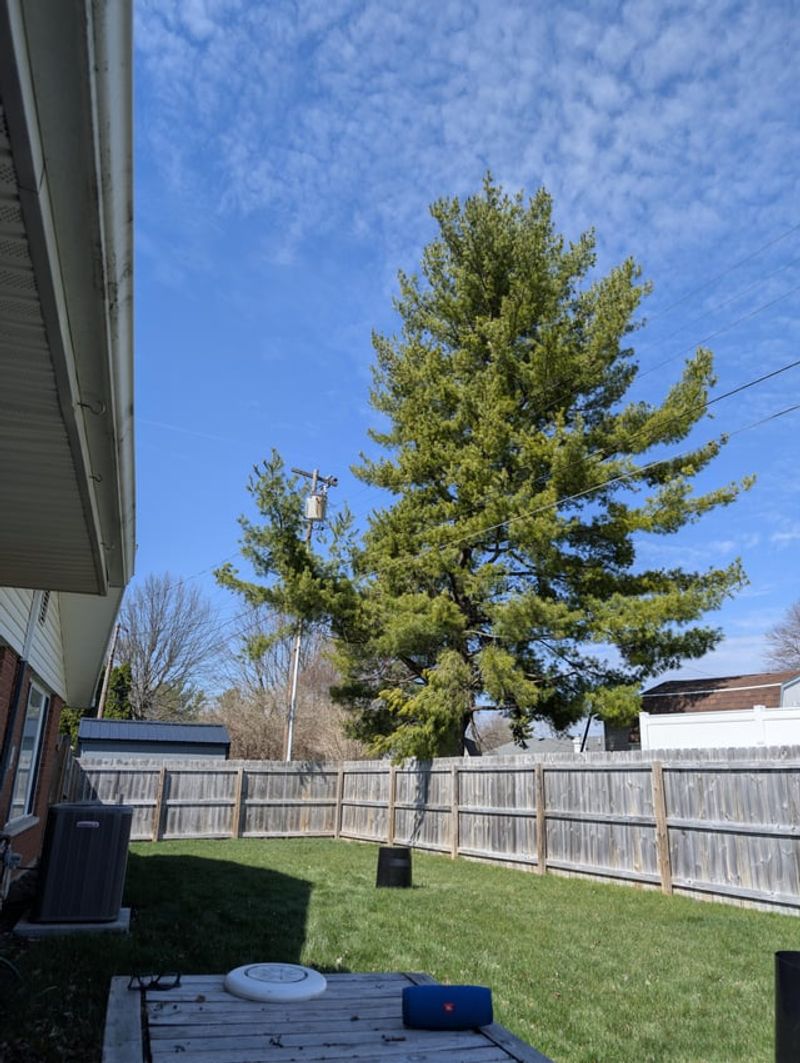
Before you purchase that 15-foot privacy tree, your first stop should be your local city or county website.
Local governments across California have the most direct authority over what trees you can plant and where.
Some cities have specific tree ordinances that limit the height, species, or placement of new trees in residential zones.
Certain municipalities require permits before you plant trees above a certain height or diameter.
Others have protected species lists that restrict which trees can be removed or planted without approval.
These rules vary widely depending on whether you live in a dense urban area, a suburban neighborhood, or a more rural part of California.
Northern regions of our state often have different rules than cities in the south. A city like San Francisco may have strict urban forestry guidelines, while a smaller inland town might have almost no restrictions at all.
Your California Garden Changes Every Week. Your Plan Should Too.
Gardening in California changes quickly throughout the season. Every Friday you’ll receive a simple weekly plan showing exactly what to plant, prune, fertilize, harvest, and protect so you never miss the right timing.
Checking with your local planning or public works department takes only a phone call or a quick visit to a city website.
Ignoring local rules can lead to fines, forced removal of your tree, or even legal action from the city. None of those outcomes are worth it when a little research upfront can prevent every one of them.
Local rules are the real authority here, not your neighbor’s opinion about your landscaping style.
3. View Ordinances Can Change The Answer
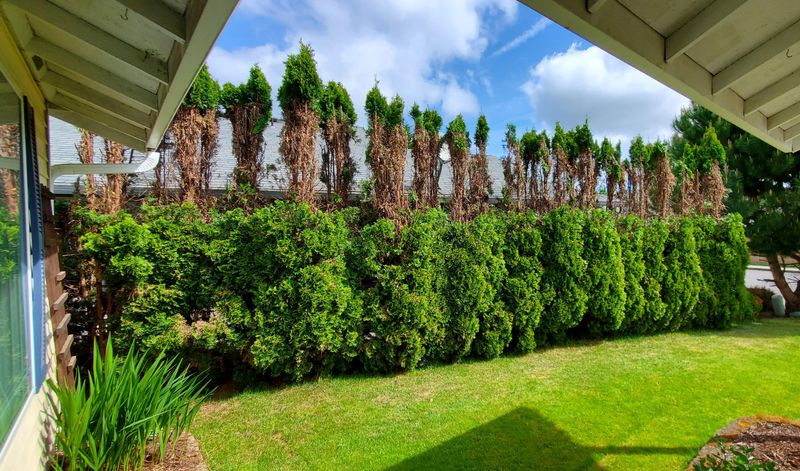
Here is where things get more complicated. Some cities and counties have what are called “view ordinances” or “view protection laws.”
These laws give neighbors the legal right to protect an existing view from being permanently blocked by new vegetation.
View ordinances are most common in hillside communities and coastal areas where scenic views add significant value to nearby homes.
Cities like Rancho Palos Verdes, Malibu, and parts of the Bay Area have formal processes where a neighbor can file a complaint if your tree blocks their view.
In those cases, a city official may order you to trim or even remove the offending tree.
Not every city has these laws, so you need to check your specific municipality. If you live in a flat inland neighborhood, a view ordinance likely does not apply to you at all.
But if you are in a hillside development or a coastal community, this is a serious factor to research before you plant anything tall.
Even in cities with view ordinances, the process is not instant. The neighbor must prove the view existed before the tree was planted and that the blockage is significant.
Still, it is smart to talk to your local planning department before planting. A quick conversation now could prevent a costly legal battle later over a tree that might need to come down.
4. HOA Rules May Limit Tall Trees
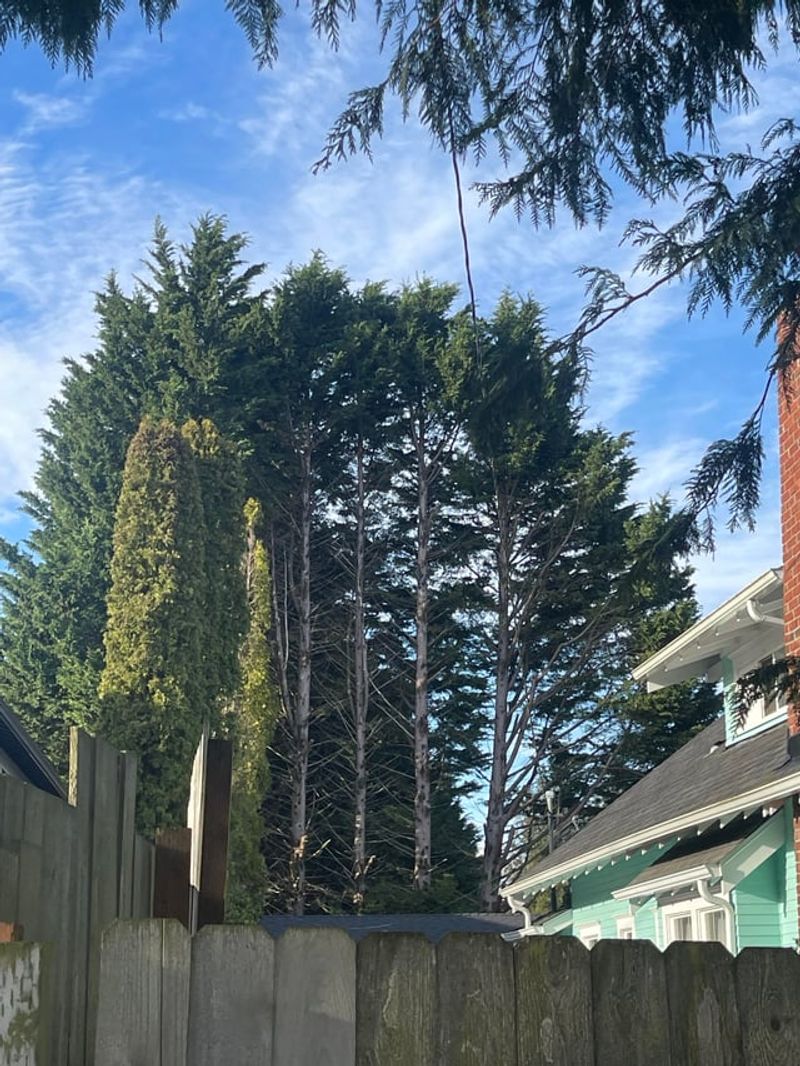
Living in a neighborhood with a homeowners association adds another layer to the tree-planting conversation.
HOAs have their own set of rules called CC&Rs, which stands for Covenants, Conditions, and Restrictions.
These rules are legally binding and can absolutely restrict what trees you plant, how tall they can grow, and even what species are allowed.
Some HOAs require approval before any major landscaping change, including planting a new tree.
Others have specific lists of approved plants and trees that fit the neighborhood’s aesthetic standards.
If you plant a tree without getting HOA approval first, you could be fined or forced to remove it at your own expense.
Reading your CC&Rs before planting is not optional if you live in an HOA community. It can feel like reading a legal document, which it basically is, but skipping that step can cost you hundreds or even thousands of dollars in fines and removal fees.
The HOA board, not your neighbor, holds the enforcement power in these situations. A neighbor who complains to the HOA about your tree could trigger a formal review process.
If the HOA finds your tree violates the rules, they have the authority to act. Being proactive and asking the HOA board for written approval before planting is the smartest move you can make in a community with active HOA oversight.
5. Property Lines Should Be Checked First
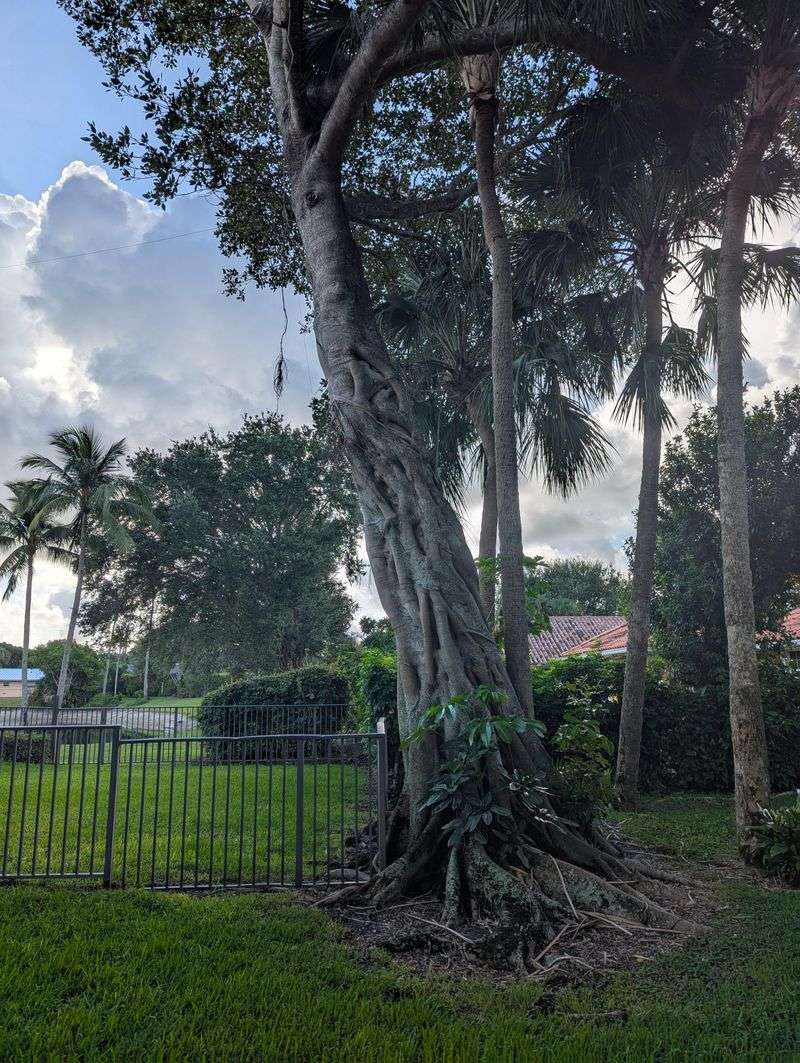
One of the most common mistakes homeowners make is assuming they know exactly where their property line is.
Fences are not always accurate markers, and a tree planted even a few inches over the line technically sits on your neighbor’s land.
That small error can open the door to a legal dispute that costs far more than the tree ever would have.
Getting a professional land survey done before planting near a boundary line is worth every penny. A licensed surveyor will mark the exact corners and edges of your property so there is no guessing involved.
Many homeowners skip this step and later regret it when a neighbor claims the tree trunk is on their side.
In California, if a tree trunk sits on the property line, it is considered a “boundary tree” and both neighbors legally share ownership of it. That means neither of you can remove it without the other’s consent.
Planting near the line without knowing where it falls can accidentally create a shared tree situation you never intended.
Surveys are especially important in older neighborhoods where original boundary markers may have shifted or disappeared over the years.
Some counties offer records you can check online, but those records are not always as precise as a physical survey.
A small upfront investment in a survey protects your tree planting plans and your relationship with the people next door.
6. Setbacks Can Prevent Future Fights
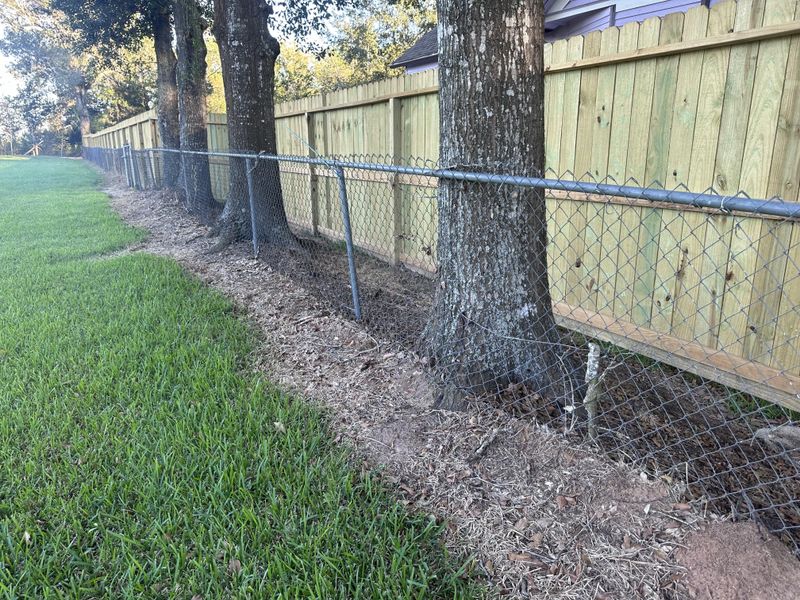
Even when a tree is clearly on your property, planting it too close to the boundary line can still cause problems down the road.
Many local codes in California include setback requirements for trees, which means the tree must be planted a certain number of feet away from the property line, structures, or fences.
Setback rules exist because trees grow. A sapling planted two feet from the fence today might have a trunk pressing against that fence in ten years.
Roots can push under fences, crack sidewalks, or damage underground utilities. Branches can extend over a neighbor’s roof and create liability questions when they fall.
Typical setback distances vary by city and tree species. Some areas require only three to five feet from a property line, while others require ten feet or more for trees expected to grow very tall.
Fast-growing species like eucalyptus or Monterey pine often have stricter setback requirements because of how large and potentially disruptive they become.
Choosing the right planting spot from the beginning is much easier than dealing with a conflict years later. Talk to a local arborist or your city’s urban forestry office to get species-specific guidance.
Planting with setbacks in mind shows good faith to your neighbors and protects you legally if disputes arise later. A few extra feet of space now can prevent years of headaches ahead.
7. Utility Lines Need Clear Space
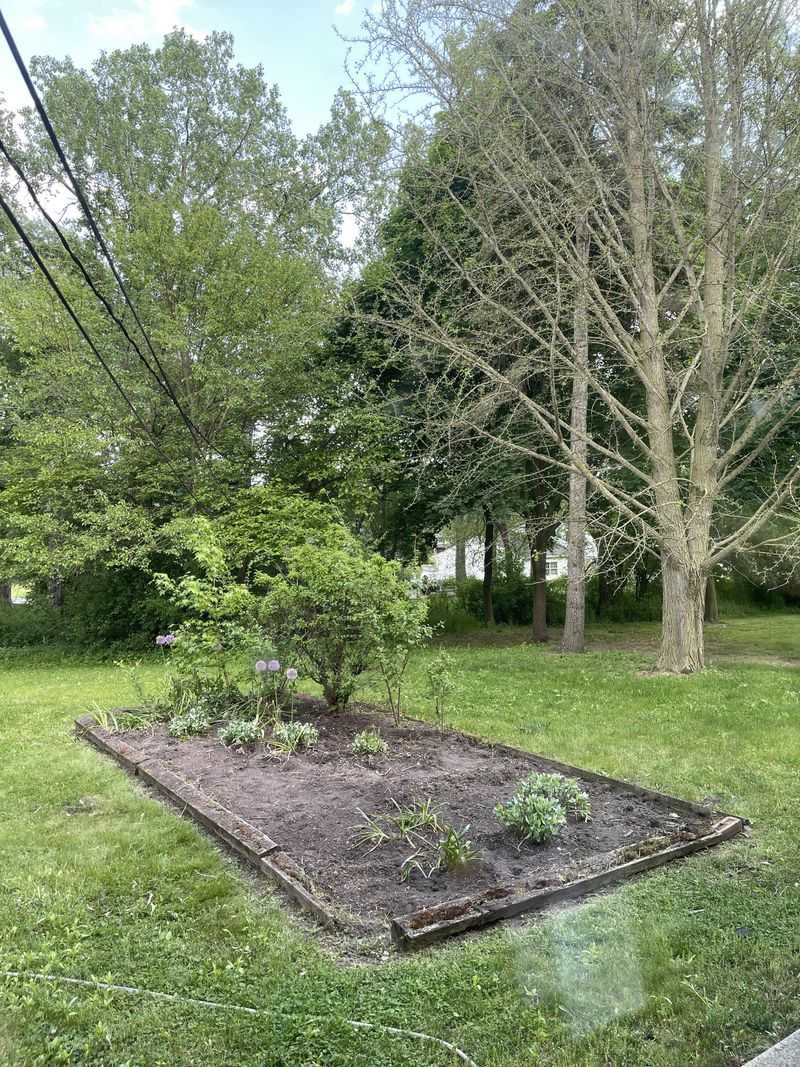
Tall trees and utility lines are a combination that utility companies and local governments take very seriously.
Planting a tree directly under or near overhead power lines is one of the fastest ways to create a problem that goes beyond neighbor disputes and enters the territory of public safety and utility regulations.
Pacific Gas and Electric, Southern California Edison, and other utilities have the right to trim or remove trees that threaten their lines.
If you plant a tree that grows into the lines, the utility company can come onto your property and cut it back, sometimes dramatically and without much warning.
The result is often an oddly shaped tree that looks nothing like what you originally planted.
Before planting any tall-growing species, check for overhead utility lines above and around your yard.
The general rule of thumb is to plant trees expected to grow over 25 feet at least 25 feet away from any power line. Shorter trees work better beneath and near utility corridors.
Underground utility lines are also a concern. Roots from large trees can crack or clog underground pipes and cables over time.
Most areas offer a free service called 811, where you can call or go online to have underground utilities marked before you dig.
Using that service protects your yard, your neighbors, and the utility infrastructure that everyone in the neighborhood depends on every day.
8. Roots And Branches Can Become Nuisance Issues
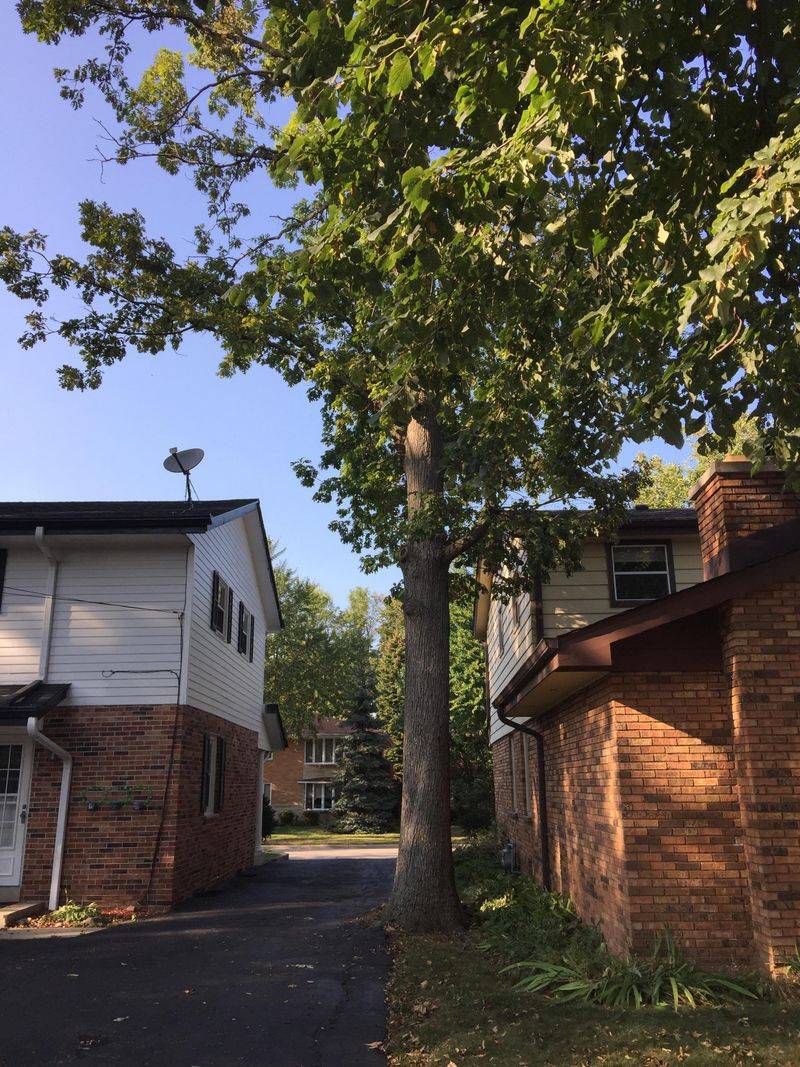
Even a perfectly placed tree can become a source of conflict if its roots or branches cause problems for your neighbor.
Under California’s legal framework, property owners have the right to trim branches and roots that cross the property line, up to the boundary.
But if those roots or branches cause actual damage, you could be held responsible for the repair costs.
Root damage is one of the most common tree-related legal disputes between neighbors. Large roots can crack driveways, lift sidewalks, damage foundations, and invade sewer lines.
If your tree’s roots travel under the fence and crack your neighbor’s patio, a court may order you to pay for repairs, especially if you knew the tree was causing damage and did nothing about it.
Falling branches are another concern. If a branch from your tree falls during a storm and damages your neighbor’s fence or roof, liability depends on whether you knew the branch was damaged or hazardous.
Keeping your trees properly maintained reduces both the physical risk and your legal exposure.
Talking openly with your neighbor about shared concerns is always a good first move. If they notice a root pushing under their fence, letting you know early prevents small issues from turning into large ones.
Regular tree maintenance, including pruning and root barrier installation, keeps your landscaping healthy and your relationships with neighbors in good shape too.
9. Spite Planting Can Create Legal Trouble
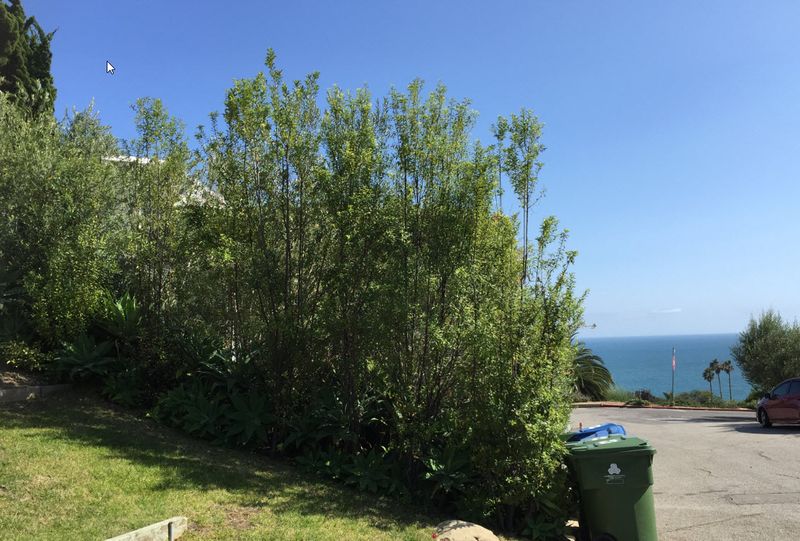
Not every tree gets planted for shade or beauty. Sometimes homeowners plant tall, fast-growing trees specifically to annoy a neighbor, block their view, or cut off their sunlight.
This practice is sometimes called spite planting, and it can actually get you into legal trouble if you are not careful.
California has a law known as Civil Code Section 841.4, which addresses trees and vegetation planted or maintained for the primary purpose of annoying a neighbor.
If a court finds that your tree was planted with malicious intent rather than a legitimate landscaping purpose, it can order you to remove it.
That is a costly outcome for a tree that was never really about the yard to begin with. Spite planting cases are not easy to prove, and courts do not usually assume bad intent.
But if you have a documented history of disputes with your neighbor and you suddenly plant a row of 20-foot arborvitae directly along their fence line, a judge may find the timing suspicious.
The better path is always to plant with a genuine purpose in mind. Privacy, shade, wind protection, and beauty are all legitimate reasons to add tall trees to your yard.
Document your landscaping plans, get proper approvals, and communicate openly with your neighbor when possible. Acting in good faith protects both your yard and your legal standing in any future dispute.