Why More Arizona Homeowners Are Switching To Smart Irrigation Controllers
Some upgrades never seem urgent until the same problem keeps coming back. You spend time watering, make small adjustments, and still wonder if the yard is getting too much water or not enough.
That uncertainty can become frustrating, especially during the hottest weeks of summer. It is no surprise that more attention is being given to tools that promise to make the job easier.
The biggest changes are often the ones that quietly save time without changing your entire routine.
Smart irrigation controllers are getting plenty of attention for exactly that reason. Their growing popularity is easy to understand once you see what they can do.
More yards across Arizona are making the switch, and the change is about much more than simply adding another piece of technology.
1. Watering Adjusts Automatically With The Weather
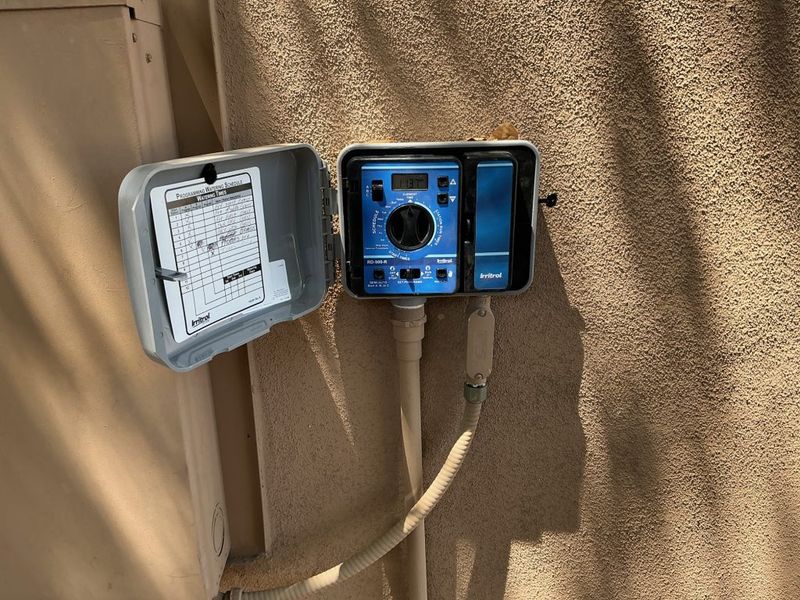
Old-school timers water on a fixed schedule no matter what the sky looks like. Smart controllers pull in live weather data and adjust watering times on their own.
When a hot dry wind blows through the Phoenix metro area, the system can increase runtime. When clouds roll in and temperatures drop, it may cut the schedule back without you lifting a finger.
Most smart controllers connect to local weather stations or use satellite data to make those calls.
Some use evapotranspiration rates, which measure how much water plants and soil lose to heat and wind each day.
That number changes constantly, so the controller keeps up with it. You set your plant types and soil conditions once, and the system takes it from there.
Homeowners who travel a lot find this especially useful. No more asking a neighbor to adjust the timer or worrying that a heat wave is baking the yard while you are away.
The adjustment happens in real time, which is a big improvement over guessing.
Manual timers cannot respond to changing conditions, but smart controllers are built to do exactly that.
Over a season, those small automatic adjustments add up. Plants get water when they need it, and the yard does not suffer from a rigid schedule that ignores what the weather is actually doing.
2. Less Water Is Wasted During Rainy Periods
Rain skip features are one of the most practical tools built into smart irrigation systems. When measurable rain falls, the controller holds off on watering automatically.
Without that feature, a standard timer runs its full cycle even after a solid monsoon storm drops half an inch on the yard. That is water going straight to waste.
Monsoon season in the Southwest brings sudden and sometimes heavy rainfall. A smart controller picks up on incoming rain through connected weather data and pauses the schedule before the sprinklers even turn on.
Some systems also look ahead using forecast data. If rain is expected in the next 24 hours, the controller may delay watering to avoid overlap.
That kind of planning is hard to do manually, especially if you are at work or asleep when the forecast updates. Automation handles it without any input from you.
Your Arizona Garden Changes Every Week. Your Plan Should Too.
Gardening in Arizona changes quickly throughout the season. Every Friday you’ll receive a simple weekly plan showing exactly what to plant, prune, fertilize, harvest, and protect so you never miss the right timing.
Water districts in many parts of the region have noted that smart controllers can reduce outdoor water use noticeably during wet periods. Exact savings vary by yard size and plant types, but the reduction is real.
Wasted water during rainy stretches is one of the more common and avoidable problems with older irrigation setups.
Smart controllers close that gap in a straightforward and reliable way that most homeowners appreciate quickly after installation.
3. Soil Stays More Evenly Moist
Uneven soil moisture is a sneaky problem. One area of the yard gets too much water while another patch dries out before the next cycle runs.
Smart irrigation systems help even that out by running shorter, more frequent cycles when needed. That approach lets water soak in gradually rather than pooling on the surface and running off.
Some controllers support soil moisture sensors that measure what is actually in the ground. When moisture levels are adequate, the system holds off.
When the soil gets too dry, it triggers a cycle.
Sandy soils drain fast, and clay soils hold water longer. A smart controller can be programmed to account for those differences across different zones in the same yard.
Consistent moisture matters most during the hottest months.
Plants under heat stress need steady access to water at the root level, not just surface dampness that evaporates within an hour.
Drip irrigation paired with a smart controller works especially well for this. Water goes directly to the root zone, and the controller manages timing based on real conditions rather than a fixed clock.
Over time, even moisture levels support stronger root development.
Roots tend to grow deeper when water is delivered consistently, which helps plants handle dry spells between irrigation cycles more effectively.
4. Water Bills Can Be Lower Over Time
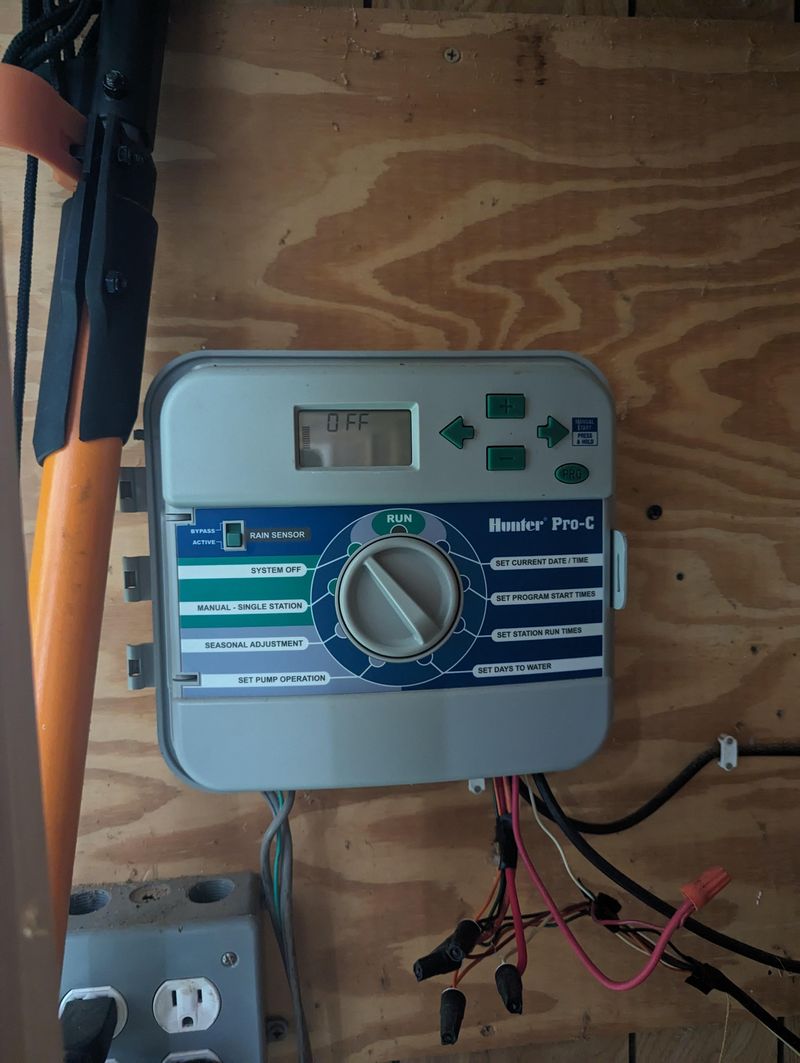
Water is not cheap in the desert Southwest, and outdoor irrigation is usually the biggest chunk of a residential water bill during warm months. Cutting back even a little adds up fast.
Smart controllers reduce waste by watering only when conditions call for it. Less runtime means less water consumed, and that shows up in the monthly bill over a full season.
Exact savings depend on yard size, plant selection, and how inefficient the previous setup was. Homes switching from older spray systems with no weather adjustment tend to see the most noticeable changes.
Some water utilities in the region offer rebates for installing qualifying smart irrigation controllers.
Those rebates can offset the upfront cost of the device significantly, making the switch more affordable from the start.
It is worth checking with your local water provider before purchasing. Rebate amounts and qualifying models vary by district, so a quick call or website check can save real money.
Beyond the rebate, the ongoing reduction in water use is where the long-term value sits.
A controller that avoids unnecessary watering several days a week across a full summer can produce meaningful savings.
No system guarantees a specific dollar amount saved.
But compared to a timer that waters on a fixed schedule regardless of conditions, a smart controller is simply more efficient by design.
5. Healthy Plants Benefit From More Consistent Watering
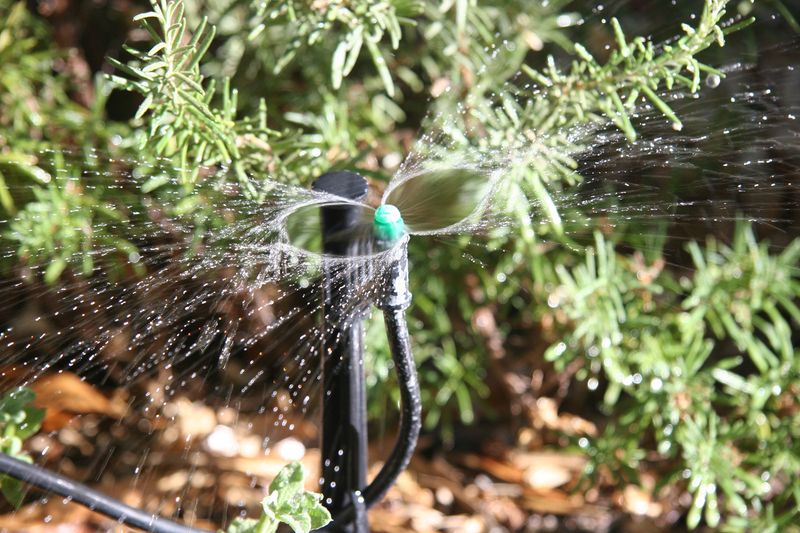
Plants do not thrive on a rigid schedule. Their water needs shift with the season, the temperature, and even the time of year they are actively growing.
Smart irrigation adjusts to those shifts rather than running the same program all year long. That flexibility makes a real difference in how plants look and perform over time.
Native desert plants are actually sensitive to overwatering.
Too much moisture around the roots can cause rot, especially during cooler months when growth slows and water demand drops significantly.
A smart controller helps avoid that by scaling back automatically when conditions do not call for full irrigation cycles. Plants get what they need without getting flooded when they do not need it.
Flowering shrubs and ground covers tend to bloom more reliably when watering is steady and matched to their growth cycles. Inconsistent watering causes stress that shows up in wilting, leaf drop, or poor flowering.
Fruit trees and vegetable gardens also respond well to consistent moisture during key growth stages.
Smart systems can be set up with zone-specific schedules that target those plants differently than drought-tolerant natives nearby.
Healthier plants also tend to need fewer interventions over time.
Consistent watering reduces the stress that makes plants vulnerable to pests and fungal issues, which can be a quiet benefit most homeowners notice gradually.
6. Overwatering Becomes Less Common
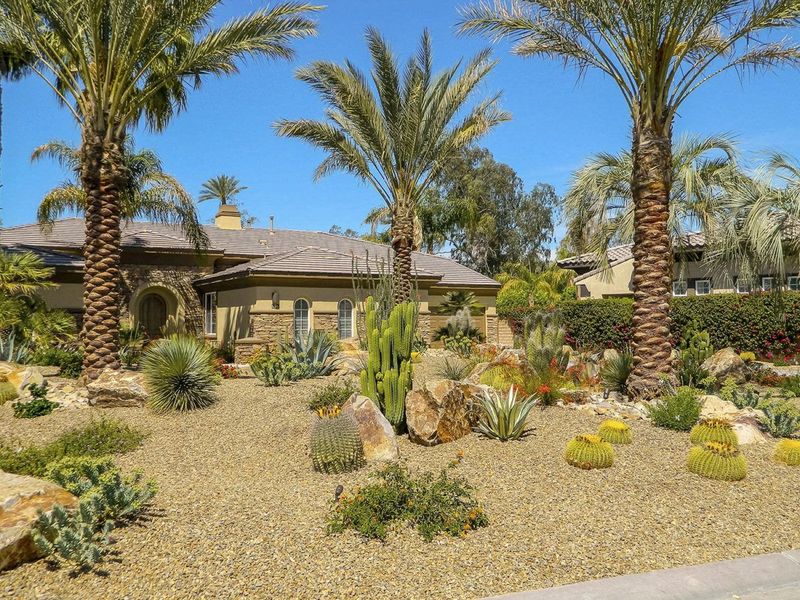
Overwatering is one of the most common mistakes in desert landscaping, and it often goes unnoticed until plants start showing visible stress. Most people assume more water is safer, but that logic backfires in hot, dry climates.
Roots sitting in saturated soil cannot absorb oxygen properly. Over time, that leads to weak root systems and plants that look unhealthy despite regular watering.
Smart controllers help prevent that cycle by matching water output to actual plant and soil needs. When the data says the yard does not need water, the system stays off.
Homeowners who switch from manual timers often notice their plants looking better within a few weeks. Pulling back on excessive watering gives roots a chance to recover and stabilize.
Lawns, in particular, are frequently overwatered. Grass in desert regions needs far less water than most people apply, especially during mild months in fall and winter.
A smart controller adjusts seasonal runtimes without requiring you to reprogram manually every few weeks.
Seasonal percentage adjustments happen automatically based on temperature and evapotranspiration data in most modern systems.
Cutting back on overwatering also reduces runoff onto sidewalks and streets, which is both wasteful and a common water district concern.
Smart controllers make it easier to stay within responsible use ranges without constant monitoring on your end.
7. Local Water Restrictions Are Easier To Follow
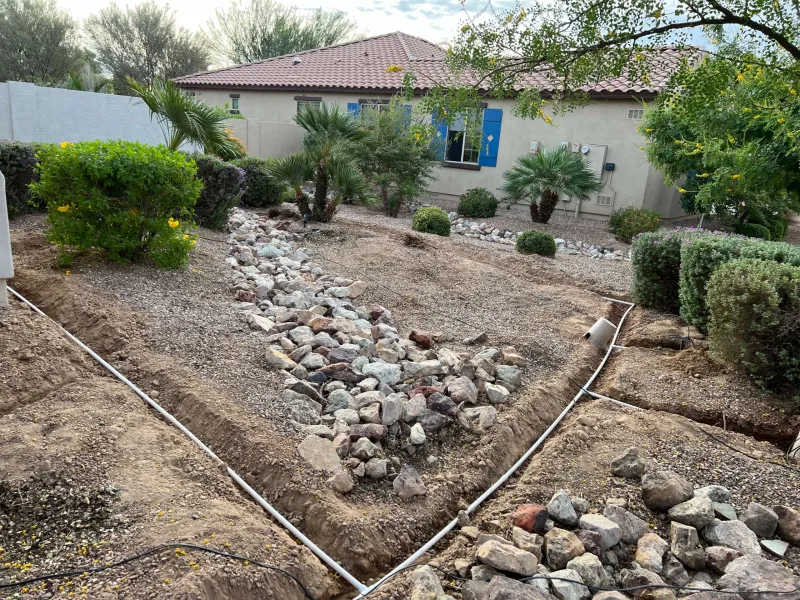
Water restrictions pop up more often in drought years, and keeping up with changing rules can be confusing. Smart irrigation controllers make compliance a lot more manageable.
Many systems allow you to program specific watering days and blackout windows directly in the app. When restrictions limit watering to certain days of the week, you update the schedule once and the system follows it.
Some advanced controllers can make it easier to adjust schedules when local watering rules change.
That kind of integration is still developing, but several water agencies in the region are beginning to support it.
Manual timers require you to physically reprogram them every time rules change. Forgetting to update them is easy, especially during busy stretches, and violations can result in fines.
Many controllers keep a record of watering events, making it easier to review your schedule.
Neighborhoods with HOA water guidelines also benefit from this level of control. Staying within specific limits becomes easier when the system is tracking usage and adjusting automatically.
Water agencies across the Southwest have increasingly encouraged smart irrigation adoption as one practical tool for reducing residential water demand during drought conditions.
It is not a fix for every water challenge, but it does give homeowners a straightforward way to stay responsible without constant manual oversight.