The Summer Birdbath Mistake That Can Hurt California Backyard Birds
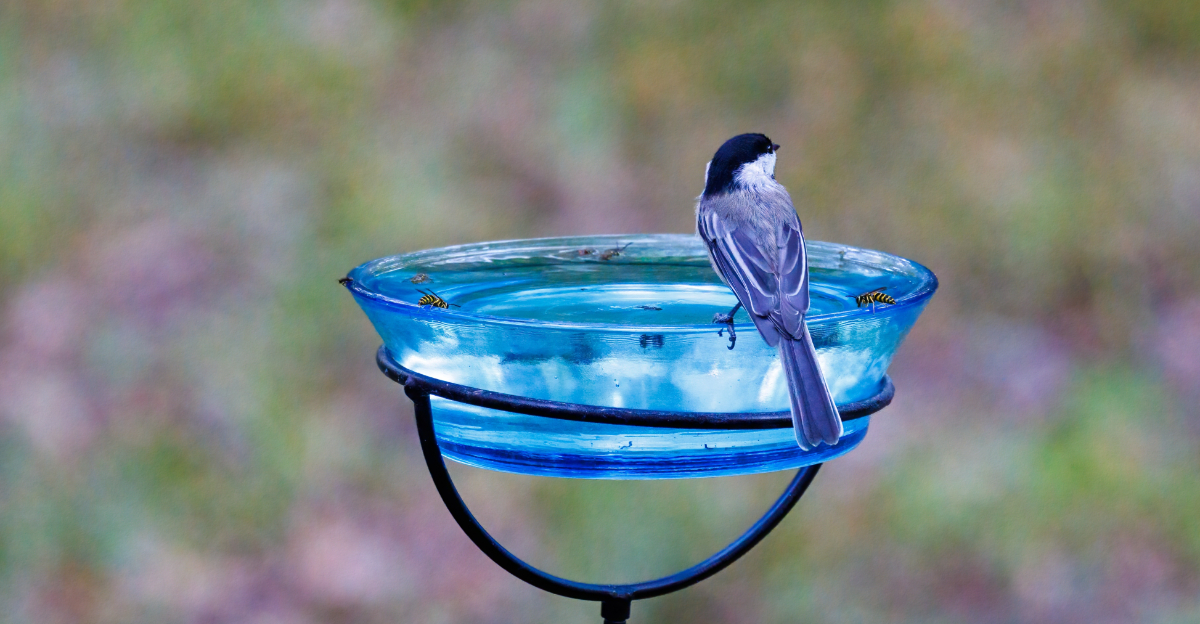
A summer birdbath can make a California yard feel sweet, lively, and very cottage-core. But one common mistake can turn that good deed into a backyard problem fast.
Birds may show up looking for a safe place to drink, splash, and cool off. What they find instead can affect their health more than many homeowners realize.
The tricky part is that the setup may still look clean enough at a glance. During hot weather, small problems can build quickly and make the birdbath less helpful than intended.
Before you refill it and call it done, it is worth knowing what could be putting visiting birds at risk.
A better summer routine can keep your yard welcoming without accidentally making life harder for the wildlife you wanted to help.
1. The Mistake Is Letting Water Sit
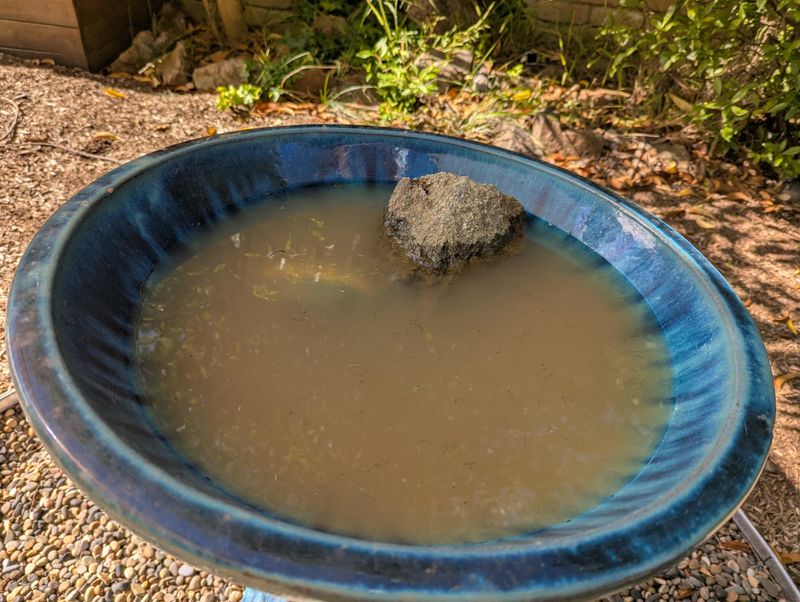
Most bird lovers set up a birdbath and then forget about it for days at a time. That is where the trouble starts.
Letting water sit untouched in a birdbath, especially during summer, is one of the most common and harmful mistakes backyard bird enthusiasts make.
Still water does not stay clean on its own. Within 24 to 48 hours in warm weather, bacteria begin to multiply rapidly.
Birds that drink or bathe in that water can pick up harmful pathogens that affect their health in serious ways.
Stagnant water also loses oxygen over time, making it less suitable for birds and more attractive to things you do not want, like algae and insect larvae. A birdbath that looks full is not necessarily safe just because it has water in it.
Think of it like a glass of water left on a sunny porch for three days. You would not drink it, and birds should not have to either.
The fix is simple: do not let the water sit. Refresh it every single day, especially during heat waves.
In warmer inland areas of California, water can go stale even faster due to high temperatures and direct sun exposure.
Placing your birdbath in partial shade and refreshing it daily goes a long way toward keeping visiting birds safe all season long.
2. Hot Weather Turns Water Dirty Fast
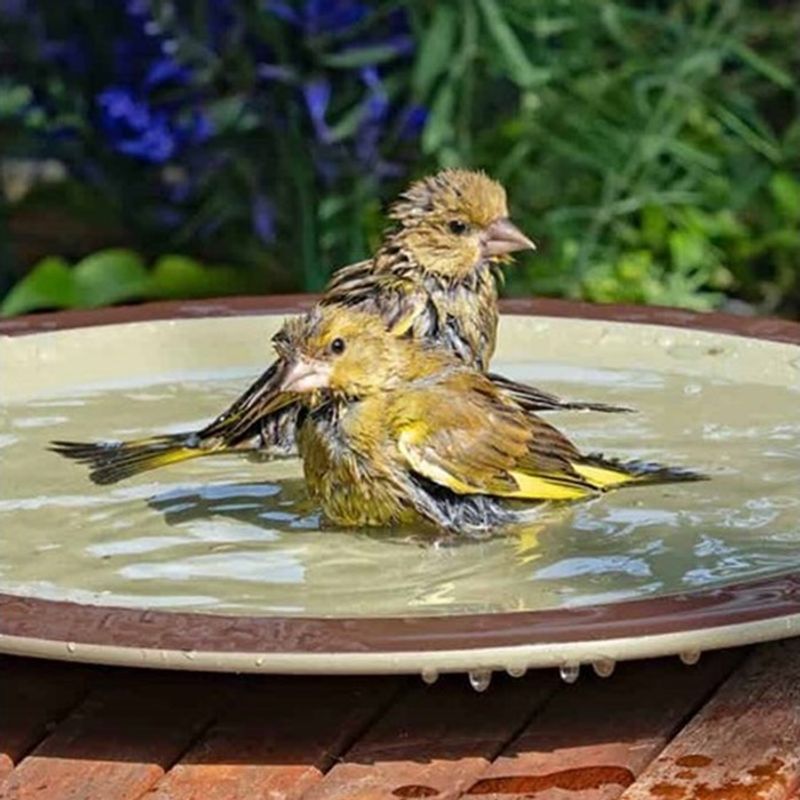
Summer heat does more damage to birdbath water than most people realize. When temperatures climb past 85 or 90 degrees, the warm water becomes a perfect environment for bacteria and algae to grow at a rapid pace.
Warm water holds less oxygen than cool water. That drop in oxygen speeds up the breakdown of organic matter like feathers, droppings, and pollen that naturally fall into the bath.
The result is water that looks cloudy, smells off, and can carry harmful microorganisms.
Birds that visit multiple birdbaths can actually spread bacteria from one water source to another.
So a dirty birdbath in your yard does not just affect the birds that visit your garden. It can ripple outward through the local bird population.
During peak California summer months, especially in the Central Valley and inland Southern regions, temperatures regularly exceed 100 degrees. At that level of heat, birdbath water can become unsafe in less than a day.
Your California Garden Changes Every Week. Your Plan Should Too.
Gardening in California changes quickly throughout the season. Every Friday you’ll receive a simple weekly plan showing exactly what to plant, prune, fertilize, harvest, and protect so you never miss the right timing.
A simple solution is to add fresh, cool water in the morning and again in the afternoon on especially hot days. You do not need fancy equipment or water treatments.
Just a garden hose and a consistent habit can protect the birds that count on your yard as a reliable water stop during the brutal summer season.
3. Algae Builds Up In Shallow Bowls
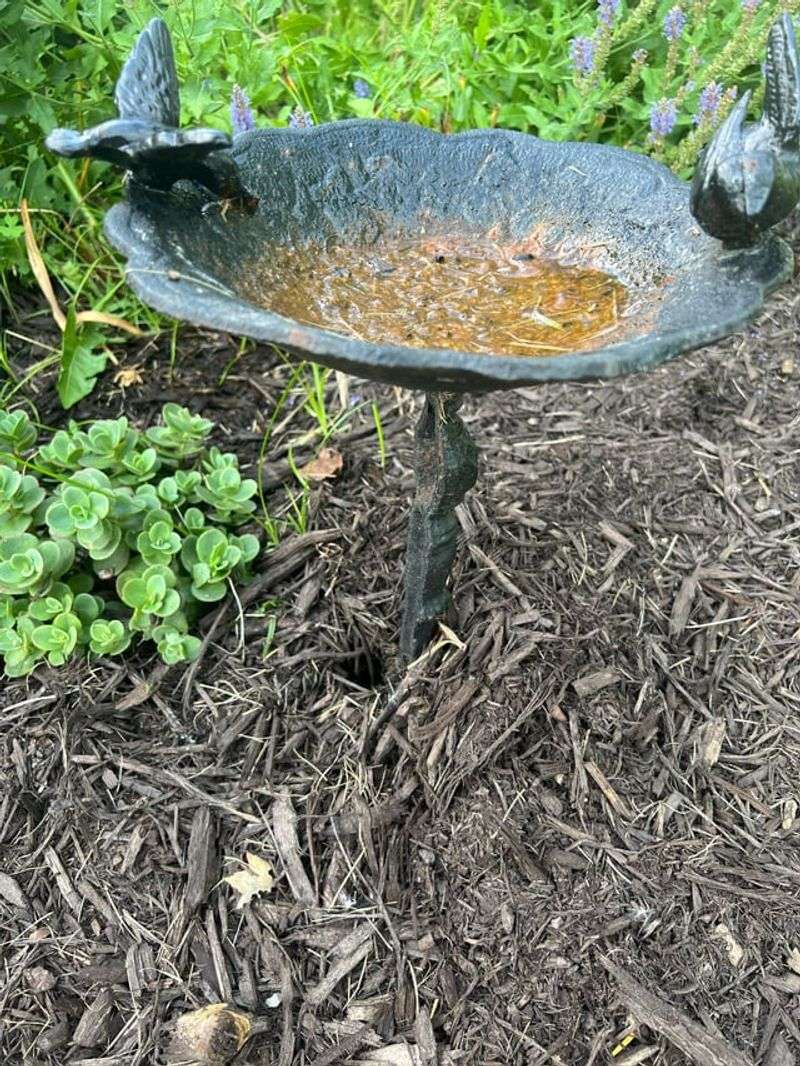
Green slime on the inside of a birdbath is not just ugly. It is a sign that algae has taken hold, and that is a real problem for birds that visit your yard.
Algae grows fast in shallow water that gets a lot of sun exposure.
Birdbaths are usually designed to be shallow, which is great for birds but also perfect for algae growth.
The combination of sunlight, warm water, and organic debris creates ideal conditions for algae to spread across the bowl within just a few days.
Some algae types produce toxins that can make birds sick. Even non-toxic algae makes the surface of the birdbath slippery, which can cause smaller birds to lose their footing and struggle while bathing or drinking.
Algae also gives water an unpleasant taste and smell. Birds have instincts that help them detect unsafe water, and a heavily algae-covered birdbath may get ignored entirely, leaving birds without a water source when they need it most.
To prevent algae from building up, scrub the bowl with a stiff brush every few days. Avoid using soap, which can leave harmful residue.
A diluted white vinegar rinse works well as a natural cleaner. Moving the birdbath to a spot with morning sun and afternoon shade also slows algae growth significantly during the hottest months of the year.
4. Droppings Can Spread Disease Quickly
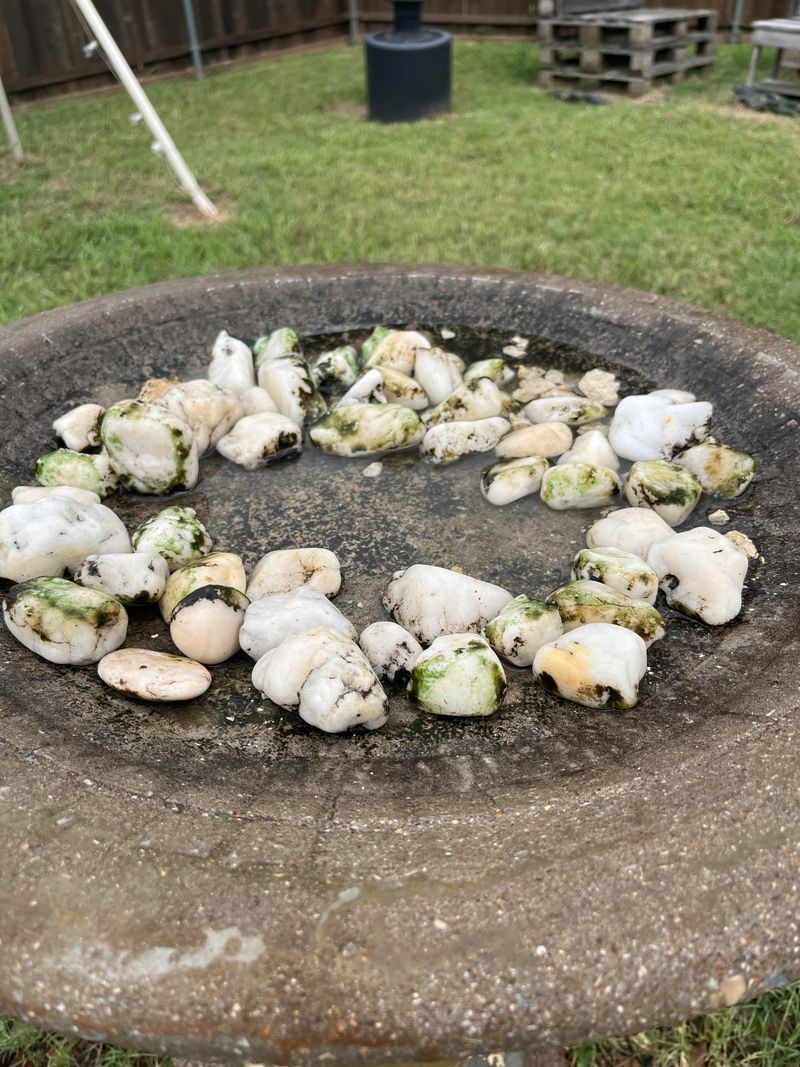
Birds do not always wait until after their bath to relieve themselves. Droppings in a birdbath happen regularly, and they create a fast-moving contamination problem that many bird lovers overlook completely.
Bird droppings contain bacteria, parasites, and sometimes viruses. When droppings land in the water, those pathogens spread throughout the entire bowl almost instantly.
Any bird that drinks or bathes in that water afterward is exposed to whatever the droppings carried.
Salmonella is one of the most common bacteria spread through contaminated birdbath water. It can cause serious illness in wild birds and has even been linked to cases in outdoor cats and humans who handle sick birds found in their yards.
The problem gets worse when many birds use the same birdbath in a short period of time. During summer in California, birds flock to any available water source.
A popular birdbath can see dozens of visitors in a single morning, and each one adds to the contamination risk.
Rinsing out the birdbath at least once a day is one of the most effective ways to reduce this risk. A quick rinse and scrub removes droppings before bacteria have time to multiply.
Pay close attention to the rim of the bowl, where droppings tend to collect and dry. Keeping a dedicated scrub brush near the birdbath makes it easier to stay on top of this important daily habit.
5. Mosquitoes Use Stagnant Water Too
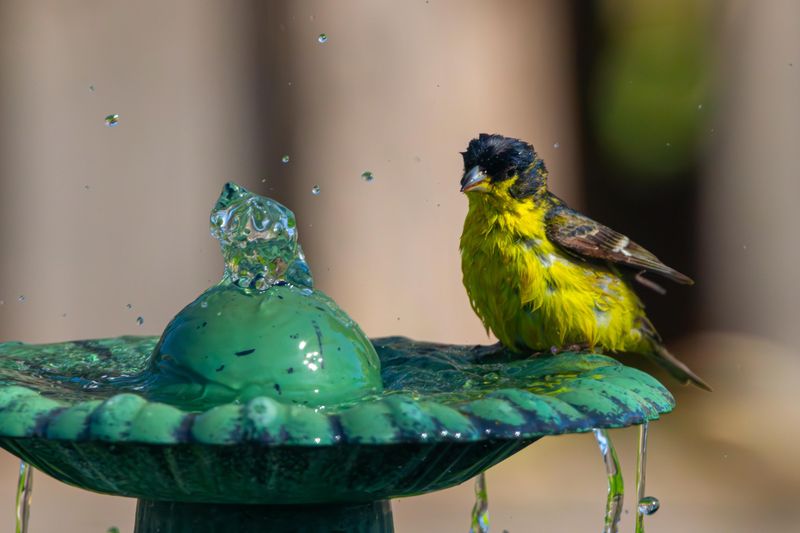
A birdbath left sitting for more than a few days does not just attract birds. Mosquitoes are drawn to still, warm water, and a neglected birdbath becomes the perfect spot for them to lay their eggs.
Female mosquitoes can lay hundreds of eggs in a very small amount of standing water. Those eggs hatch into larvae within just 24 to 48 hours in warm conditions.
Once the cycle starts, your birdbath can become a mosquito nursery right in the middle of your backyard.
Mosquitoes are not just a nuisance for you and your family. They also carry diseases like West Nile virus, which can be harmful to birds, especially corvids like crows and jays that are common in many parts of California.
The simplest way to stop mosquitoes from using your birdbath is to change the water every one to two days.
Mosquito eggs and larvae cannot survive if the water is regularly dumped and replaced. No chemicals needed, just consistency.
If you want extra protection, look for birdbath-safe mosquito dunks, which are small tablets made with a natural bacteria called Bacillus thuringiensis israelensis.
They are harmless to birds and other wildlife but stop mosquito larvae from developing.
Using them along with regular water changes gives you strong protection against mosquitoes without any risk to your feathered visitors throughout the summer.
6. Daily Rinsing Keeps Birds Safer
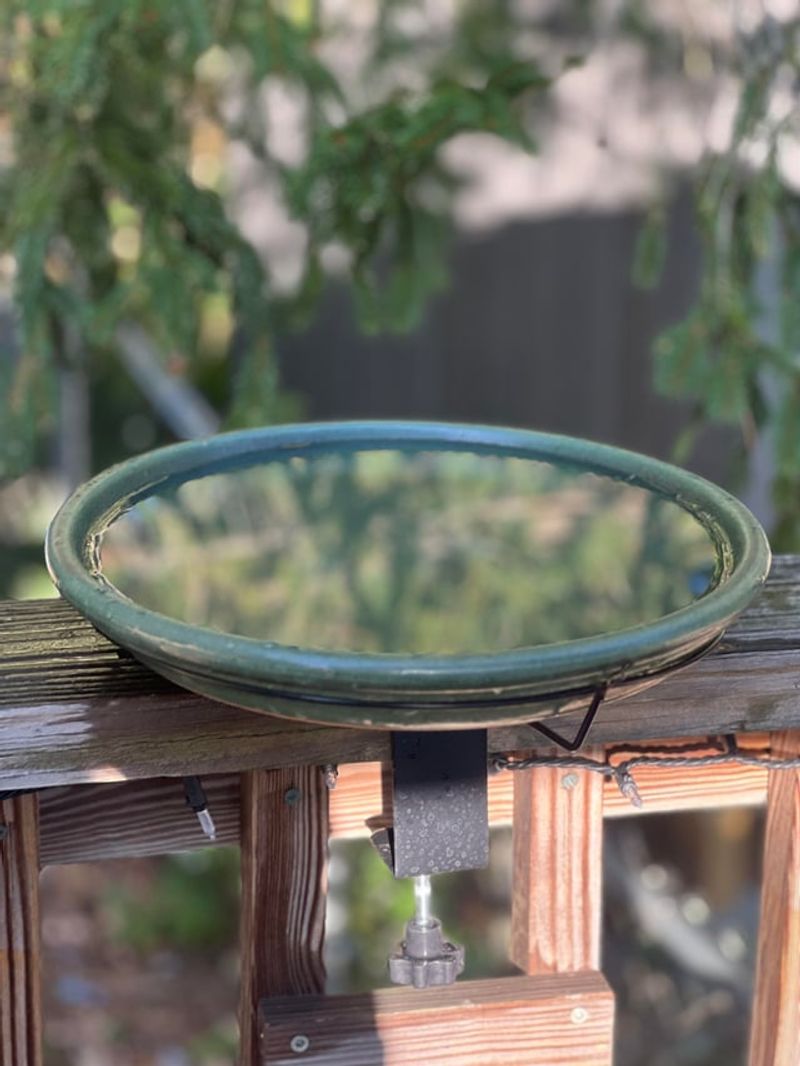
One of the easiest and most effective things you can do for backyard birds is rinse out the birdbath every single day.
It sounds simple because it is. But most people skip it, assuming the water still looks fine.
A daily rinse removes bird droppings, feathers, pollen, and other debris before they have a chance to break down in the water.
It also disrupts the early stages of algae and bacterial growth, which need time and stillness to take hold.
You do not need any special cleaning products for a daily rinse. A strong spray from a garden hose is usually enough to flush out the bowl and remove loose debris from the surface.
The whole process takes less than two minutes once you make it part of your routine.
For households with multiple birdbaths or high bird traffic, rinsing twice a day, once in the morning and once in the afternoon, provides even better protection.
Birds tend to visit most in the early morning and late afternoon, so timing your rinse just before those peak hours gives them the cleanest water possible.
In the northern parts of California, where temperatures are slightly cooler, daily rinsing may feel less urgent. But it is still the right habit to maintain throughout the summer.
Bacteria and algae do not need extreme heat to grow. They just need warmth, moisture, and time, all of which a birdbath provides in abundance.
7. Scrubbing Matters More Than Topping Off
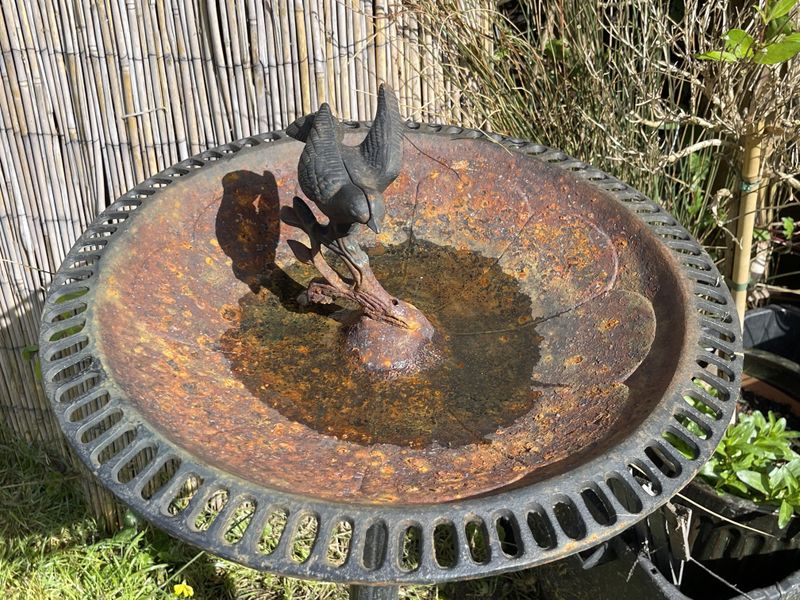
Adding fresh water to a dirty birdbath is a little like pouring clean juice into a cup that has not been washed in a week.
The new water mixes with whatever is already coating the bowl, and the result is still unsafe for birds.
Topping off is a common shortcut that many bird enthusiasts in California rely on during busy weeks.
It keeps the water level up, but it does not address the biofilm, algae, and bacteria that cling to the walls and bottom of the bowl.
Those layers build up over time and create a contaminated environment even when the water looks clear.
Scrubbing the bowl every two to three days is far more effective than simply adding water. Use a stiff-bristled brush and plain water to scrub all surfaces of the bowl, including the rim, the inside walls, and the bottom.
Get into the corners and any textured areas where buildup likes to hide.
Avoid dish soap or household cleaners, as even small residue amounts can harm birds. White vinegar diluted with water is a safe and effective alternative.
Let the vinegar solution sit in the bowl for a few minutes before scrubbing and rinsing thoroughly.
Making scrubbing a regular part of your birdbath care routine, rather than something you do only when the bowl looks visibly dirty, keeps the water genuinely clean and safe for every bird that stops by for a summer splash.
8. Fresh Water Helps During Heat Waves
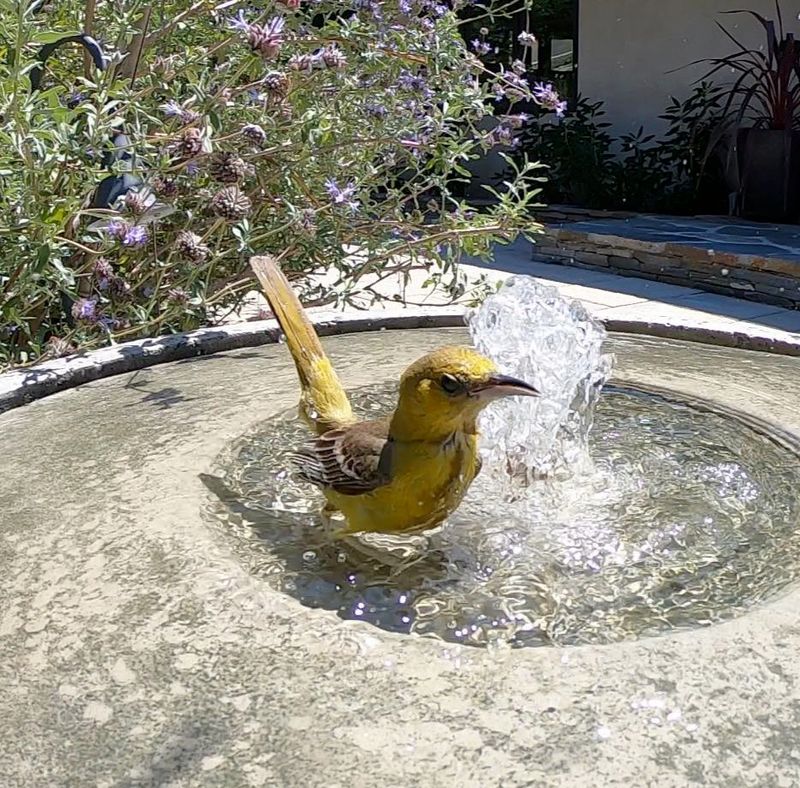
Heat waves push birds to their limits. When temperatures spike for several days in a row, wild birds burn through their body water reserves quickly and need reliable access to fresh drinking water just to stay healthy.
During extreme heat, birds are not just bathing for fun. They use water to cool down, a process called gular fluttering, where they rapidly vibrate their throat muscles to release heat from their bodies.
Fresh, cool water makes this process more effective and gives them faster relief.
California summer heat waves are becoming more intense and more frequent, particularly in the Central Valley, the Inland Empire, and other inland regions.
For the birds living in those areas, a well-maintained birdbath can be one of the only consistent water sources available during a multi-day heat event.
Changing the water more frequently during heat waves, at least twice a day, makes a noticeable difference. Cool water evaporates quickly in high heat, and what remains warms up fast.
Refreshing the bowl in the morning and again in the afternoon gives birds access to cooler, cleaner water throughout the day.
You can also place a few ice cubes in the birdbath during the hottest part of the day. The ice melts slowly and keeps the water temperature lower for longer.
It is a small touch that backyard birds will notice and appreciate during the toughest summer stretches of the year.