What It Really Means When Millipedes Are Everywhere In Your North Carolina Garden After Rain
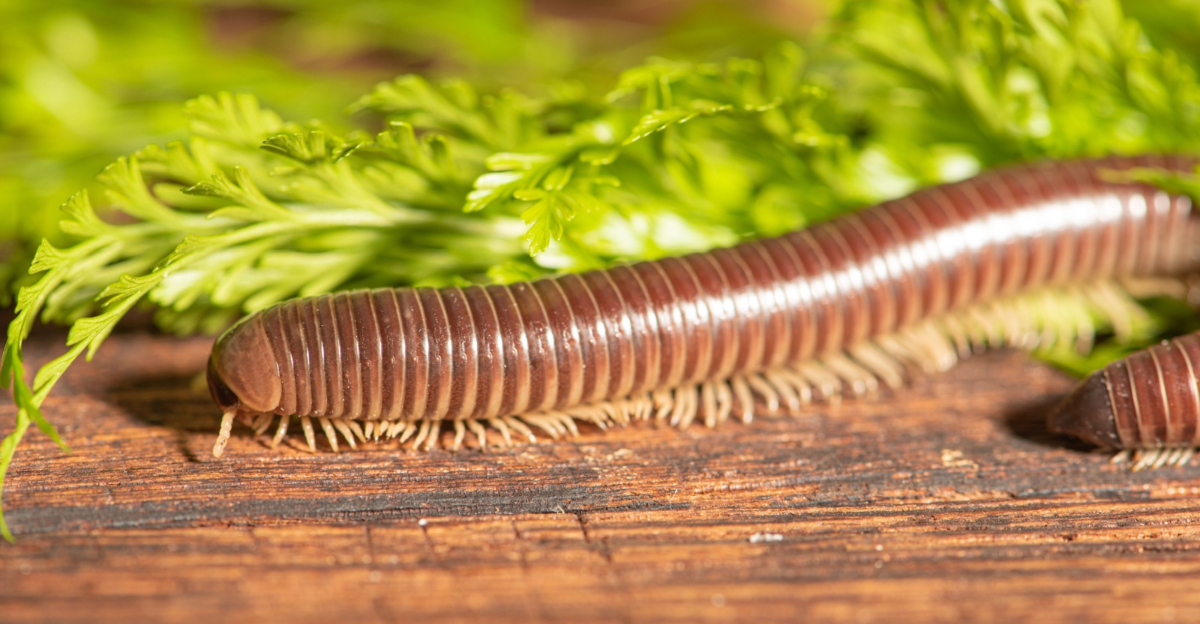
You survive a heavy North Carolina rainstorm, the sun comes back out, you step onto your patio feeling great, and then you notice them. Millipedes.
Everywhere. Crawling across the patio, climbing the porch steps, curling up near the back door like tiny uninvited houseguests who did not get the memo.
Sound familiar? North Carolina gardens offer exactly the kind of moist, mulch-rich, shaded environment these little arthropods absolutely love, and a good soaking rain has a way of sending them out in numbers that are hard to ignore.
Wet soil, damp leaf litter, and soggy mulch beds can push millipedes out of their usual hiding spots fast.
The good news is that a surge of millipedes after rain usually points to healthy organic matter in your garden rather than anything alarming.
Usually.
1. Rain Has Pushed Them Out Of Hiding
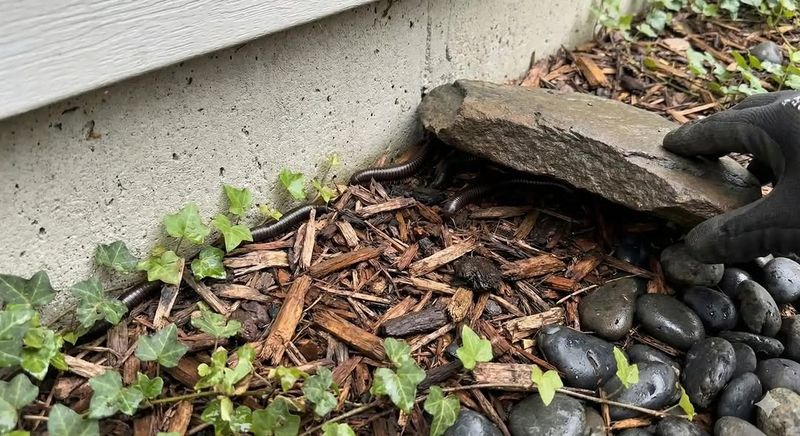
Wet mulch glistening after a North Carolina downpour is a familiar sight, and so are the small, segmented creatures that seem to appear out of nowhere once the rain stops.
Millipedes spend most of their time tucked into moist, protected spots beneath mulch, leaf litter, rocks, and decaying wood.
When rain saturates those hiding places, the conditions can become too wet even for moisture-loving millipedes, and they begin moving to find drier ground.
This movement is what most North Carolina gardeners notice first. Suddenly there are millipedes on the sidewalk, the porch steps, the foundation edge, and even on the exterior walls of the house.
It can feel alarming if you are not expecting it, but the behavior is a natural response to sudden environmental change rather than a sign of an infestation spreading through your yard.
Heavy summer rainfall is common across North Carolina, and the warm, humid climate means gardens stay moist for extended periods after storms. That combination gives millipedes ideal conditions to thrive underground most of the time.
When a particularly heavy rain event pushes water into their usual microhabitats, they surface and scatter.
Understanding that this is a temporary, moisture-driven response helps put the situation in perspective and keeps most homeowners from overreacting to what is often just a short-lived post-storm shuffle.
2. Your Garden Has Moist Protected Spaces
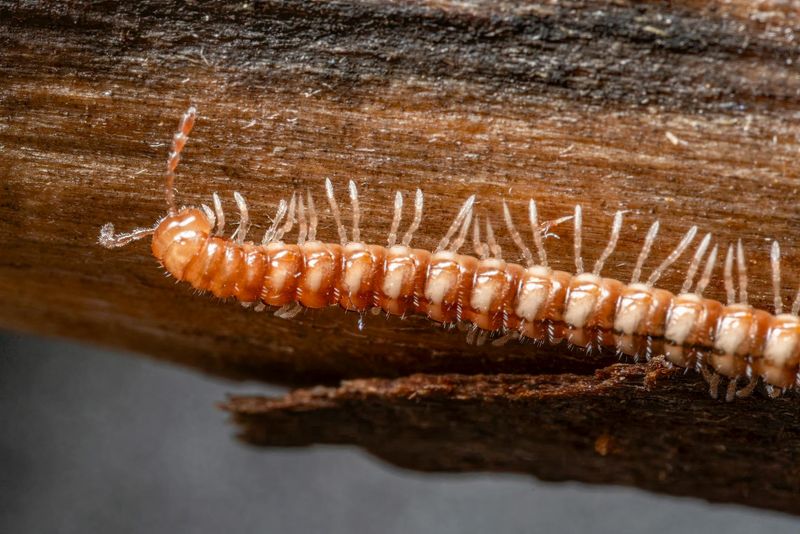
Shaded borders packed with thick mulch and ground cover plants create the kind of protected, consistently damp microhabitat that millipedes find irresistible.
North Carolina gardens, especially those with mature trees, dense shrub borders, and heavy mulching practices, tend to hold moisture longer than open, sunny beds.
That extra moisture, combined with the breakdown of organic material, makes these spaces reliable long-term homes for millipede populations.
Foundation plantings along the sides of homes are a particularly common gathering spot. The combination of shade, mulch, and proximity to the structure keeps humidity levels elevated even between rain events.
Millipedes tucked into these areas can go unnoticed for months until a heavy rain pushes them out into the open. At that point, homeowners often discover just how many were quietly living in those mulched borders all along.
Your North Carolina Garden Changes Every Week. Your Plan Should Too.
Gardening in North Carolina changes quickly throughout the season. Every Friday you’ll receive a simple weekly plan showing exactly what to plant, prune, fertilize, harvest, and protect so you never miss the right timing.
Vegetable gardens and flower beds with rich, compost-amended soil are also attractive spaces. The loose, organic-rich texture holds moisture well and supports the decomposing plant material that millipedes feed on.
If your North Carolina garden has multiple shaded beds with deep mulch and good organic content, you likely have an established millipede population year-round. Rain simply makes them visible.
Reducing mulch depth near foundations and trimming back dense ground cover can help make those spaces slightly less welcoming without eliminating the garden’s overall health and moisture balance.
3. Mulch And Leaf Litter Are Holding Moisture
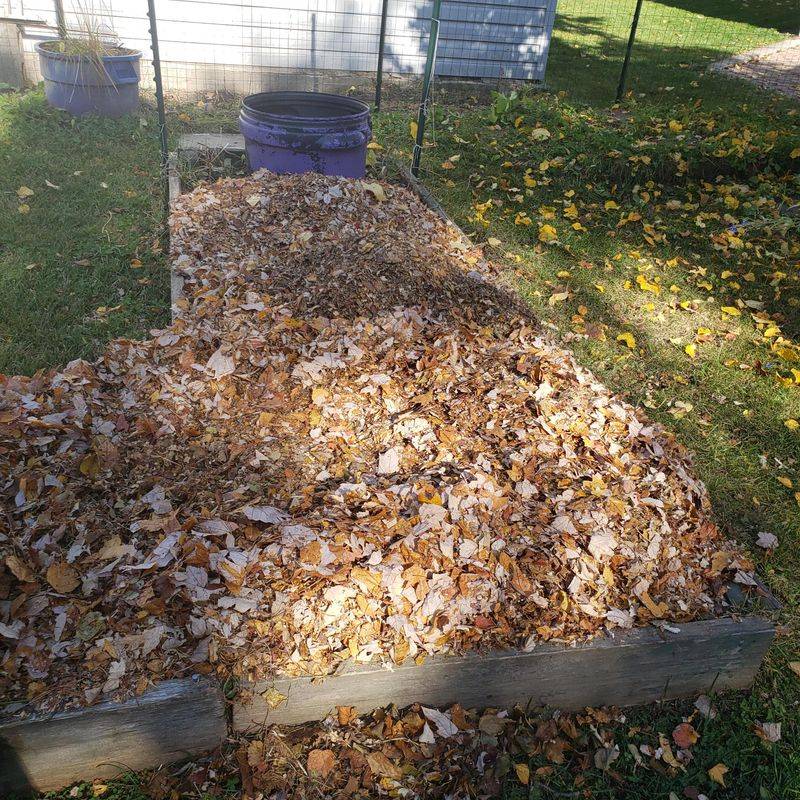
A generous layer of mulch is one of the best things you can do for a North Carolina garden bed. It keeps roots cool in summer heat, reduces water loss, and suppresses weeds.
The trade-off is that mulch also creates a reliably damp, protected layer just above the soil surface, and that layer is exactly where millipedes prefer to spend their time. Leaf litter adds an additional organic buffer that holds even more moisture after rain events.
When North Carolina gets its heavy late-spring or summer storms, those mulch and leaf layers can stay wet for days. The moisture seeps down through the layers and keeps the soil beneath consistently damp.
For millipedes, this is comfortable living. But when rainfall is especially heavy and the mulch becomes saturated, millipedes may begin moving laterally rather than staying put, which is when large numbers start appearing on hard surfaces nearby.
Keeping mulch layers at a reasonable depth, somewhere around two to three inches rather than four to six, can help reduce the amount of moisture retained directly against your home’s foundation or along heavily used paths and patios.
Pulling mulch back a few inches from foundation edges is a practical step North Carolina homeowners can take to make that immediate border less attractive to millipedes looking for shelter.
Leaf litter cleanup after fall and heavy storm events also reduces available habitat near doors and entryways.
4. Decaying Organic Matter Is Feeding Them
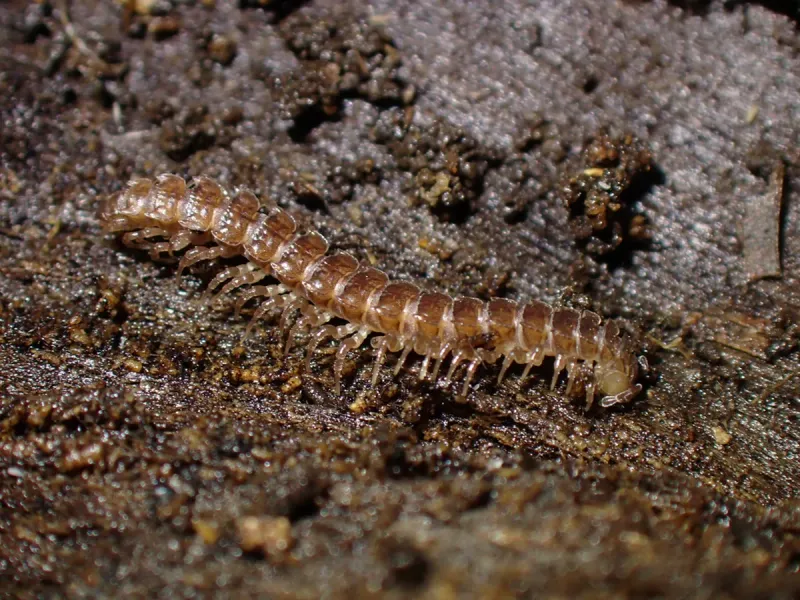
Compost-rich garden beds smell earthy and productive for a good reason. That dark, crumbly material is full of decomposing plant matter, and decomposing plant matter is essentially what millipedes eat.
Unlike many garden pests that target living plants, millipedes are detritivores, meaning they feed on decaying organic material like decomposing leaves, broken down mulch, and rotting plant matter.
This makes them a functional part of the garden’s natural breakdown cycle rather than a direct threat to healthy plants.
North Carolina gardens tend to accumulate organic matter quickly thanks to the warm, humid climate that speeds up plant growth and decomposition alike.
Fallen leaves, spent flower stalks, rotting mulch, softened wood, and compost all contribute to a steady food supply for millipede populations.
After rain softens this material further and makes it even easier to consume, millipedes become more active and may gather in higher-than-usual numbers in spots with concentrated organic debris.
Gardeners who use heavy top-dressings of compost, layer wood chips deeply, or leave large amounts of plant debris in beds through the season may notice larger millipede populations as a result.
This is not necessarily a problem for the garden itself, since millipedes contribute to organic breakdown and soil health.
However, if the numbers near your home’s entry points or patio areas become bothersome, reducing the depth of organic material in those specific spots can make a noticeable difference without disrupting the broader garden ecosystem.
5. They Are Usually More Nuisance Than Threat
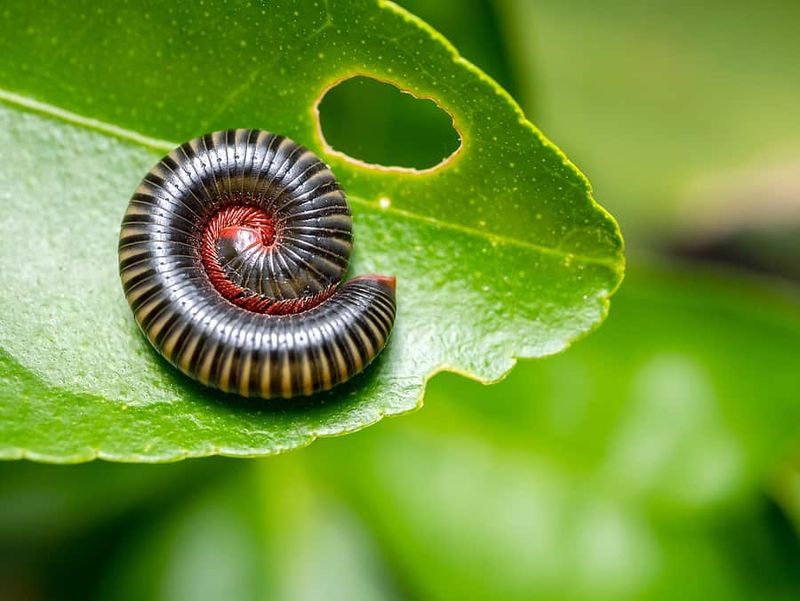
Finding dozens of millipedes curled up near your back door after a North Carolina rainstorm can feel unsettling, but these small arthropods are not the garden villains they might appear to be at first glance.
Millipedes do not sting, bite in any meaningful way, or carry diseases that affect people or pets.
They are slow-moving, non-aggressive creatures that curl into a tight coil when disturbed rather than attacking anything around them.
Their main defense is secreting a mild fluid from glands along their body that can occasionally cause minor skin irritation or temporary discoloration if handled and then touched to the eyes or mouth.
For most people, casual contact during garden work is not a concern.
Children and pets are unlikely to be harmed by normal encounters with millipedes in the yard, though washing hands after handling them is a sensible habit.
From a plant health standpoint, healthy, actively growing plants in North Carolina gardens are rarely damaged by millipede activity.
Millipedes may occasionally feed on very tender seedlings or softened fruit sitting on damp soil, but this kind of damage is minor and inconsistent rather than a widespread garden threat.
The real frustration tends to be aesthetic and practical. Large numbers crawling across patios, clustering near entryways, or occasionally finding their way indoors can be genuinely annoying.
Framing the issue as a nuisance to manage rather than a pest emergency helps homeowners respond proportionately.
6. They May Move Toward Patios, Doors, And Walls
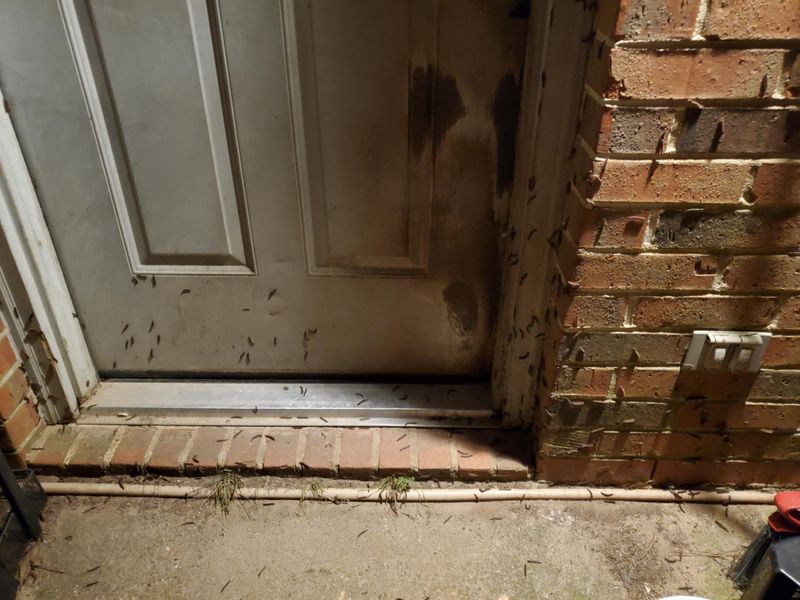
Patio edges and foundation walls are some of the most common places North Carolina homeowners notice millipedes after heavy rain.
When saturated soil and soggy mulch beds push millipedes out of their usual spots, they tend to move toward hard, slightly elevated surfaces that offer drier footing.
Brick patios, concrete walkways, wooden decking, and the exterior walls of homes all fit that description, which is why post-rain millipede sightings so often happen right where people spend time outdoors.
Door thresholds and the gaps around basement windows or crawlspace vents are also common entry points when millipedes are on the move.
They are not actively seeking to come indoors, but they can wander through small openings while navigating along a foundation edge.
Once inside, millipedes tend to move toward damp areas like laundry rooms, bathrooms, or basement corners. They do not establish indoor colonies, and most found inside will not survive long without outdoor moisture and organic matter.
Sealing gaps around doors, windows, and foundation vents is one of the most practical steps North Carolina homeowners can take to limit indoor encounters.
Replacing worn door sweeps, caulking visible gaps, and ensuring crawlspace vents are properly screened can make a meaningful difference during peak millipede activity periods.
Clearing leaf litter and mulch away from the immediate foundation edge before heavy rain seasons also reduces the number of millipedes positioned close enough to wander toward entry points in the first place.
7. Overwatered Beds Can Make The Problem More Noticeable
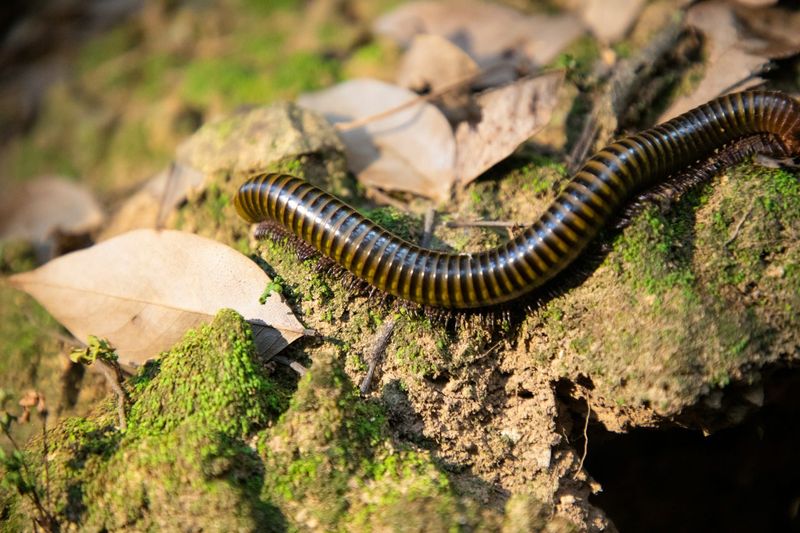
Soggy garden beds that stay consistently wet between rain events create conditions that amplify millipede movement in ways that normal moisture levels do not.
When North Carolina homeowners overwater flower beds or vegetable gardens on top of already-damp soil from recent rainfall, the combined saturation can push millipede populations out of the soil and into the open.
This tends to happen on a more regular basis than seasonal rain alone would cause.
Clay soil, which is common across many parts of North Carolina, drains slowly and tends to hold water near the surface for extended periods. In beds with clay-heavy soil and thick mulch, overwatering can create a layered wet zone that stays saturated for days.
Millipedes that might normally stay hidden in that zone begin moving when the saturation becomes uncomfortable.
Gardeners who water frequently may notice millipede activity more consistently than neighbors with better-draining soil or more measured irrigation habits.
Adjusting irrigation schedules to allow beds to partially dry between watering sessions can help reduce the consistently saturated conditions that keep millipede populations active and visible near the soil surface.
Raised beds with improved drainage and amended soil tend to dry out more evenly after rain, which naturally makes them less hospitable to large millipede gatherings.
Checking soil moisture before turning on irrigation systems, especially during North Carolina’s rainy spring and summer months, is a practical habit that benefits both plant health and pest management without requiring any chemical intervention.
8. The Surge Often Fades As Conditions Change
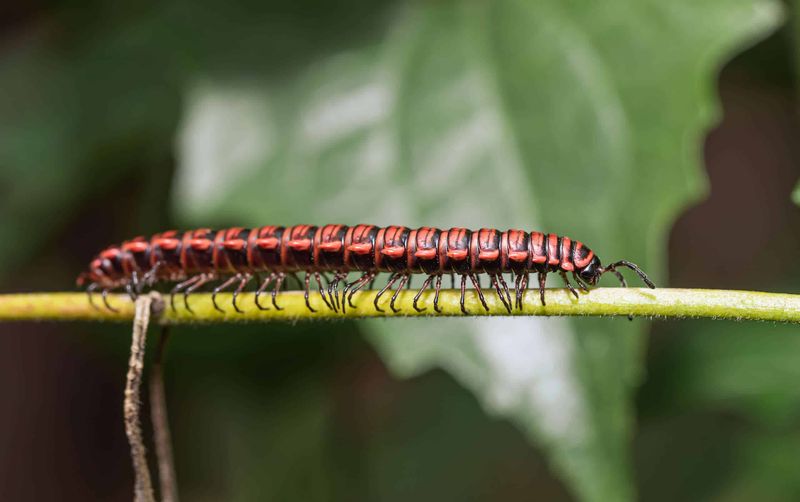
One of the most reassuring things about post-rain millipede activity in North Carolina gardens is that it tends to be temporary.
Once the soil begins to drain and the mulch and leaf litter start drying out, millipedes gradually return to their preferred hiding spots beneath the surface and within the deeper layers of organic material.
The visible surge that felt overwhelming on the patio two days after a storm often fades quietly within a week as conditions normalize.
Warm, breezy weather after rain speeds this process along considerably. North Carolina summers can be humid, but they also bring plenty of sunshine between storm systems, and that sun exposure helps surface moisture evaporate quickly.
As the top layers of mulch and soil dry out, the environment becomes less comfortable for millipedes near the surface, and activity near patios, doors, and walls drops noticeably without any intervention at all.
Homeowners who track millipede activity over a season often find that the biggest surges correspond directly to the wettest stretches of weather and then taper off as dry spells follow.
Recognizing this pattern makes it easier to respond calmly rather than reaching for broad-spectrum treatments that can disrupt beneficial insects and soil organisms throughout the garden.
Simple habitat adjustments, such as thinning mulch near the foundation, clearing leaf litter from patio edges, and improving bed drainage, tend to produce better long-term results than reactive treatments applied during a temporary post-rain surge.