What It Really Means When Stink Bugs Start Sneaking Into Your North Carolina Home This Fall
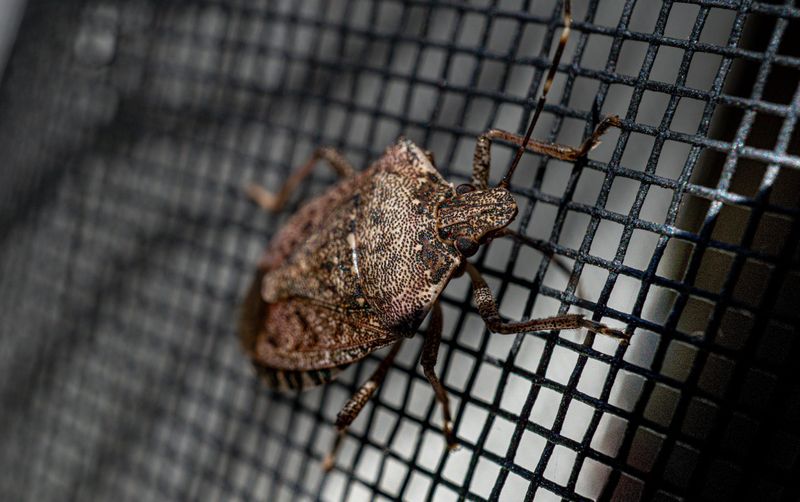
You spot it on the curtain late one September afternoon, a brown, shield-shaped bug sitting perfectly still like it belongs there. Your first thought is probably that a cold snap is coming, maybe even that an army of them is right behind it. The truth is a little more complicated, and honestly more interesting, than that old weather-forecasting story. Knowing what that bug actually signals and how to respond can save you a lot of hassle before the real chill sets in across North Carolina.
An Indoor Stink Bug Is Not Identified Yet
Finding a shield-shaped bug on your curtain is a real moment of pause, but the location alone cannot tell you what species you are looking at. North Carolina is home to several native stink bugs that wear a similar brown or mottled disguise, and some of them are actually working in your favor. NC State Extension notes that the spined soldier bug and related native predators can be mistaken for pest species, and these beneficial insects spend their days hunting caterpillars and other soft-bodied pests in your garden.
So before you react, the first honest step is to hold off on a firm identification. A curtain sighting in September or October does not automatically mean you have found Halyomorpha halys, the brown marmorated stink bug that arrived from Asia and was first confirmed in North Carolina back in 2009. NC State Extension confirms the species has now been detected in 80 of the state’s 100 counties, so it is certainly possible, but possible is not the same as confirmed.
If a closer look or a clear photograph does confirm a brown marmorated stink bug, then the picture changes. That adult may be responding to seasonal cues and moving toward sheltered overwintering space, which is why it ended up inside your house. But it is not a scout deliberately searching your rooms for others, and it is not reading your thermometer. The insect is reacting to the season, not forecasting it, and that distinction matters for how you respond.
Several Fall Cues Help Move Them Toward Shelter
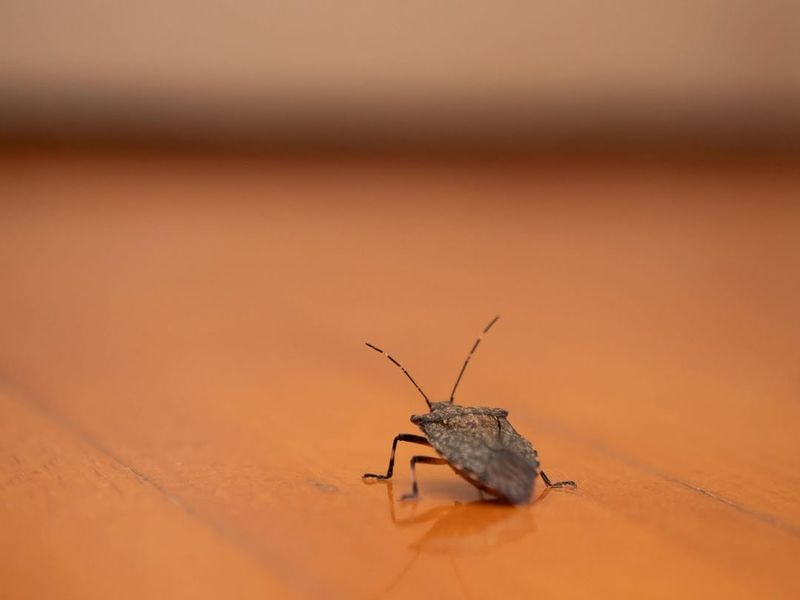
Here is where it gets tricky. Many people assume stink bugs head indoors only after a hard frost or a dramatic overnight drop, but the actual trigger is more layered than that. Shortening day length is one of the most important seasonal cues pushing confirmed brown marmorated stink bugs toward sheltered spots like attics, wall voids, dead trees, crawl spaces, and yes, the gap behind your window frame.
Research on brown marmorated stink bug phenology points to photoperiod, the gradual loss of daylight hours each day, as a major driver of the shift into overwintering behavior. Cooler temperatures add pressure, and so does the declining availability of the fruits, seeds, and plant tissue the bugs have been feeding on all summer. Landscape matters too: a yard near woodland edges, orchards, or abundant host plants can see earlier or heavier movement than a yard a few streets away.
In North Carolina, adults typically begin this movement during September and October, but that window is not a rigid statewide schedule. NC State Extension explains that fall invasion is driven by more than temperature alone, and local populations vary with weather patterns, natural enemies, and the specific plants growing nearby. A warm early October in the Piedmont can delay movement. A cool stretch in the mountains might push it earlier.
Your North Carolina Garden Changes Every Week. Your Plan Should Too.
Gardening in North Carolina changes quickly throughout the season. Every Friday you’ll receive a simple weekly plan showing exactly what to plant, prune, fertilize, harvest, and protect so you never miss the right timing.
The point is that a bug appearing on your curtain before any noticeable cold snap is not surprising at all, because the seasonal shift has already begun in ways your skin has not quite registered yet.
One Sighting Does Not Forecast a Freeze or Infestation
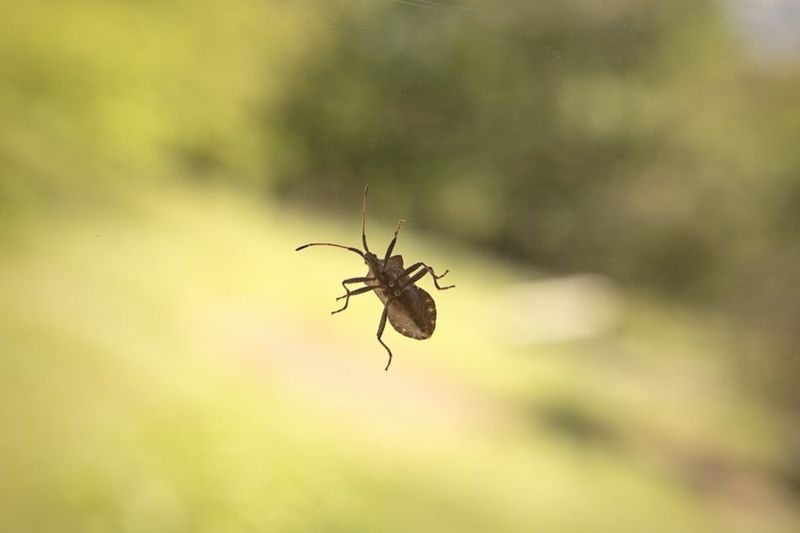
One bug on the curtain is genuinely a seasonal clue, but it is not a cold-weather instrument. A confirmed brown marmorated stink bug may indicate that overwintering movement has begun in your area or that an established population is nearby. What it cannot do is predict a specific overnight low, a frost date, a freeze, or how severe the coming winter will be. The insect is responding to autumn, not announcing it.
NC State Extension is careful to note that local populations fluctuate in ways that are not always easy to explain, and one sighting does not prove a large infestation is forming inside your walls. A homeowner near a woodland edge, a soybean field, or a stand of tree-of-heaven may see far more insects than a neighbor two blocks away in a different landscape. Weather, natural enemies, and population history all shape the numbers.
The North Carolina regional picture is worth understanding carefully. The species is most established in the Piedmont and mountain regions, where many gardeners have dealt with it for years. The Coastal Plain has seen fewer high-density populations, though isolated occurrences are documented, so saying it is strictly a western problem would not be accurate. And NC State Extension notes that numbers can rise, decline, or hold steady from one season to the next without a clear explanation.
A single sighting calls for identification and a calm, practical response, not a prediction about the winter ahead.
Identify the Species Before You Act
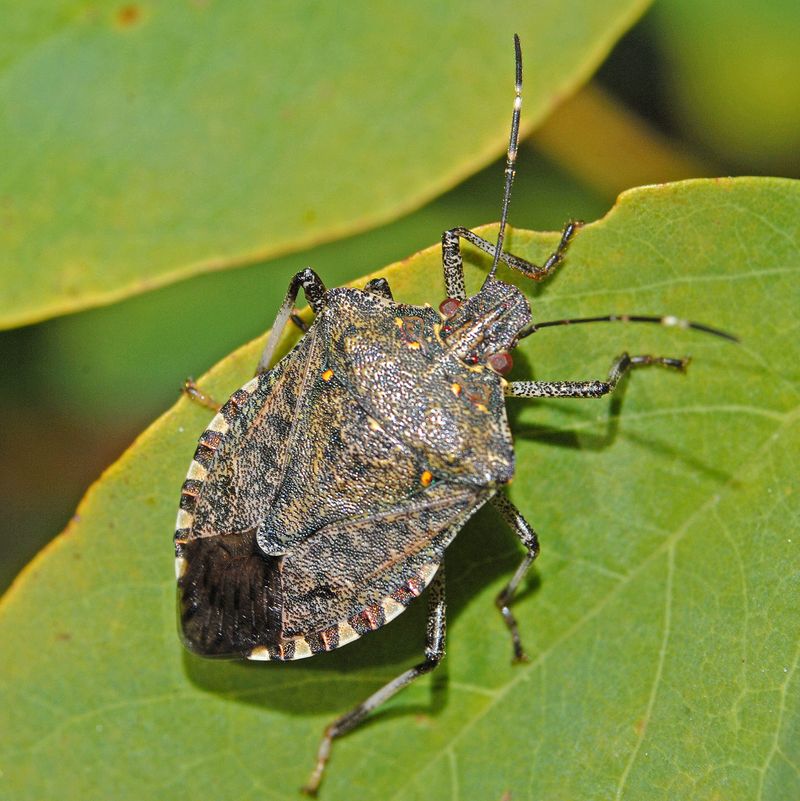
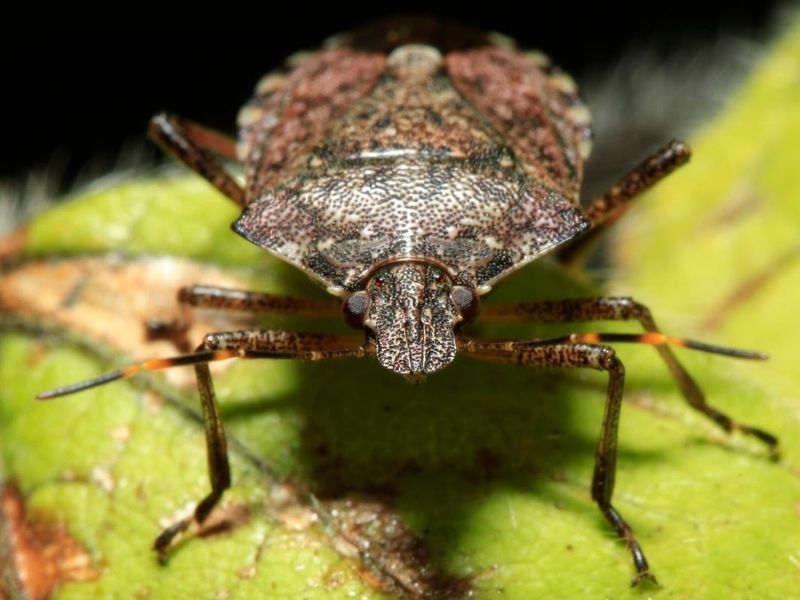
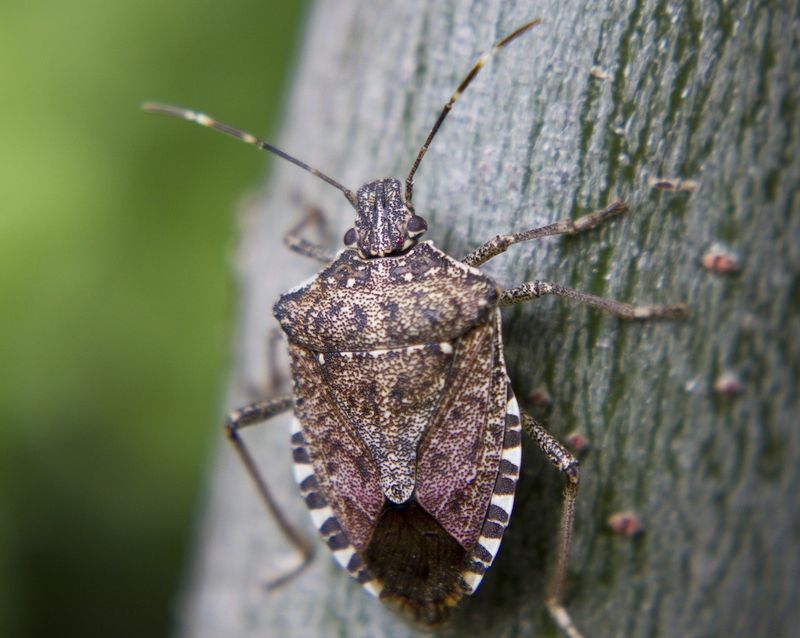
Getting a good look at the bug before you do anything else is genuinely worth the extra minute. Adult brown marmorated stink bugs are mottled brown, shaped like a medieval shield, and run roughly one-half to two-thirds of an inch long, which is about the size of your thumbnail. The features that separate them from similar-looking native species are the pale bands alternating with darker sections along the exposed edge of the abdomen, and the banded antennae that show alternating light and dark segments.
Penn State Extension’s identification guide highlights these antenna bands and the smooth shoulder region as key field marks, because some native stink bugs carry similar coloring without those specific patterns. A clear photograph taken from directly above and from the side gives you the best chance of a confident ID, and if you are filing a report or making a management decision, that photo matters more than a quick glance.
The reason this step comes before any action is simple: some of the bugs you might find on your wall or curtain are actually native predatory species that NC State Extension identifies as beneficial look-alikes, including the spined soldier bug, which feeds on caterpillars and beetle larvae that would otherwise damage your garden. Treating every shield-shaped bug as an invasive pest means you may end up removing the insects doing quiet, useful work in your yard. NC State Extension distinguishes brown marmorated stink bugs clearly from native species, and that distinction is the foundation of a smart response.
Seal Tiny Entry Points Before the Fall Return
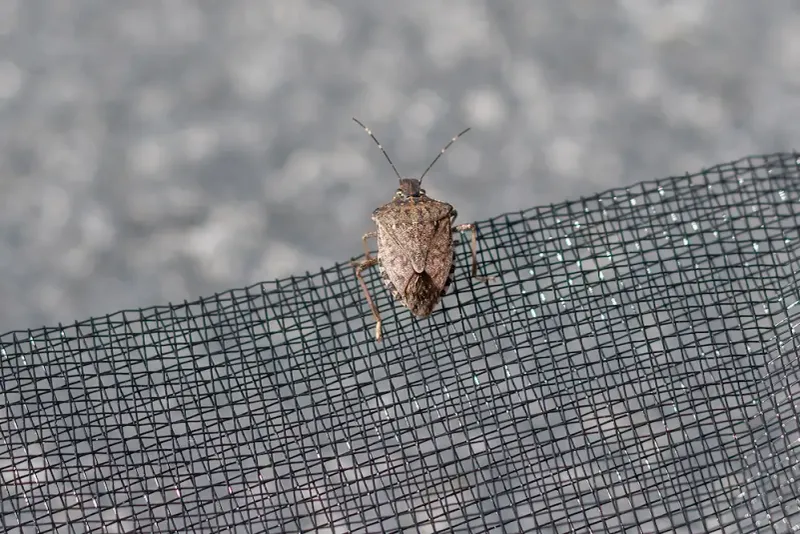
Confirmed brown marmorated stink bugs are surprisingly good at finding their way in. They can squeeze through openings around windows, doors, utility pipes, siding gaps, foundation cracks, crawl-space screens, and attic louvers. NC State Extension gives a practical estimate of openings as small as 3 by 7 millimeters as potential entry points, and USDA Agricultural Research Service findings suggest adults can enter or settle in spaces roughly 4.5 to 5.5 millimeters wide. Treat those numbers as useful guidance for your inspection, not a guarantee that sealing every gap below a certain size will keep every bug out.
The prevention sequence that actually works runs like this. Start with window and door screens, checking for small tears or gaps where the frame meets the sill. Add weatherstripping to doors that show daylight around the edges, and install door sweeps on any exterior door with a visible gap at the bottom. Caulk cracks around window frames, door frames, and anywhere pipes or faucets pass through an exterior wall.
Secure crawl-space openings with tight-fitting screens, and check attic louvers for gaps or damaged mesh.
Timing is everything here. NC State recommends completing this inspection and sealing work during summer and generally before late August, ahead of the seasonal return movement. A home that is buttoned up before the bugs begin looking for shelter is far easier to protect than one where the work starts in October. Many Piedmont gardeners find that a single focused afternoon with a caulk gun and a roll of weatherstripping in August saves weeks of frustration later.
Get ahead of the movement, and the curtain sightings become much rarer.
Remove Bugs Already Inside Without Trapping Them

A bug already sitting on your curtain needs a different approach than one that has not arrived yet. The safest method for a small number of indoor insects is to place a jar gently over the bug, slide a piece of cardboard underneath, and transfer it to the freezer. Leaving it there for several hours will kill it without triggering the defensive odor. Dropping the bug into a container of soapy water works just as well and is faster.
A dedicated hand vacuum can pick up stink bugs from walls and curtains without much fuss, but the container or bag should go into the freezer afterward. NC State Extension notes that stink bugs can survive inside a vacuum and that the machine may retain their odor if the contents are not dealt with promptly. Do not crush or agitate the bugs during removal, because that is what releases the smell. And once you have captured a confirmed brown marmorated stink bug, do not release it back outside near the house.
It may simply find its way in again.
The timing of exclusion repairs matters here too. NC State specifically advises against sealing the home during fall, winter, or early spring if stink bugs may already be inside, because fresh caulk and weatherstripping can trap them in wall voids where they will die and potentially draw carpet beetles to the debris. The safer sequence is to remove the insects you can find first, then complete any exclusion work you missed in summer once the seasonal movement has wound down. Removal now, sealing later, that order protects both you and the structure of your home.
Use Pesticides Carefully and Leave Native Plants Alone
Exclusion and physical removal should carry the load here, and pesticides should play a supporting role at most. NC State Extension says exterior surface sprays around buildings, windows, and doors are rarely effective as a complete solution because the treatment dries and new bugs simply walk over it. EPA notes that indoor aerosols and foggers may kill exposed insects but will not stop others from emerging from cracks after the product dries. A light positioned over a shallow pan of soapy water can attract and drown some stink bugs overnight, but EPA guidance frames this as one optional layer, not a cure for an established population.
If you do reach for a pesticide product, the label is the law. EPA’s guidance on pesticides and indoor air quality is direct: never use a product labeled for outdoor use only inside your home, and never increase the dose beyond what the label specifies. An indoor application is appropriate only when the label specifically permits that site and application. Using the wrong product in the wrong place does not improve protection and can create real health risks.
Insecticide dust applied in wall voids or attics carries its own complications. University of Maryland Extension cautions that dead stink bugs in wall voids can attract carpet beetles, which then move into woolens, stored dry goods, and other natural materials, trading one pest problem for another. Broad-spectrum treatments can also harm beneficial insects in and around the house.
On the landscape side, resist the urge to start removing trees or shrubs simply because stink bugs were found nearby. NC State Extension’s host-plant research points to invasive species like tree-of-heaven and paulownia as frequent hosts in western North Carolina, while native dogwoods, maples, and walnuts are generally less attractive. Removing native trees does not replace exclusion and may damage the habitat that supports the predatory insects keeping other pests in check. Seal the house well, remove the bugs you find inside carefully, and let the yard do its own quiet work.