These Are The Signs Your Pennsylvania Garden Plants Are Suffering From July Heat Stress
July heat in Pennsylvania has a way of turning a perfectly respectable garden into a bit of a stress test practically overnight.
Tomatoes that looked great in the morning are drooping by noon, lettuce is bolting with real commitment, porch containers feel bone dry by late afternoon, and flower buds are dropping before they ever had a chance to become anything useful.
It is a lot to process, especially when everything seems to be going wrong at once. Here is the helpful part though: these signs do not all point to the same problem, and they definitely do not all need the same response.
One wilted plant on a hot afternoon is not a four-alarm situation.
Understanding what heat stress, dry soil, and intense sun actually look like in a Pennsylvania garden helps you respond calmly and correctly when the temperature climbs.
1. Leaves Wilt During The Hottest Part Of The Day
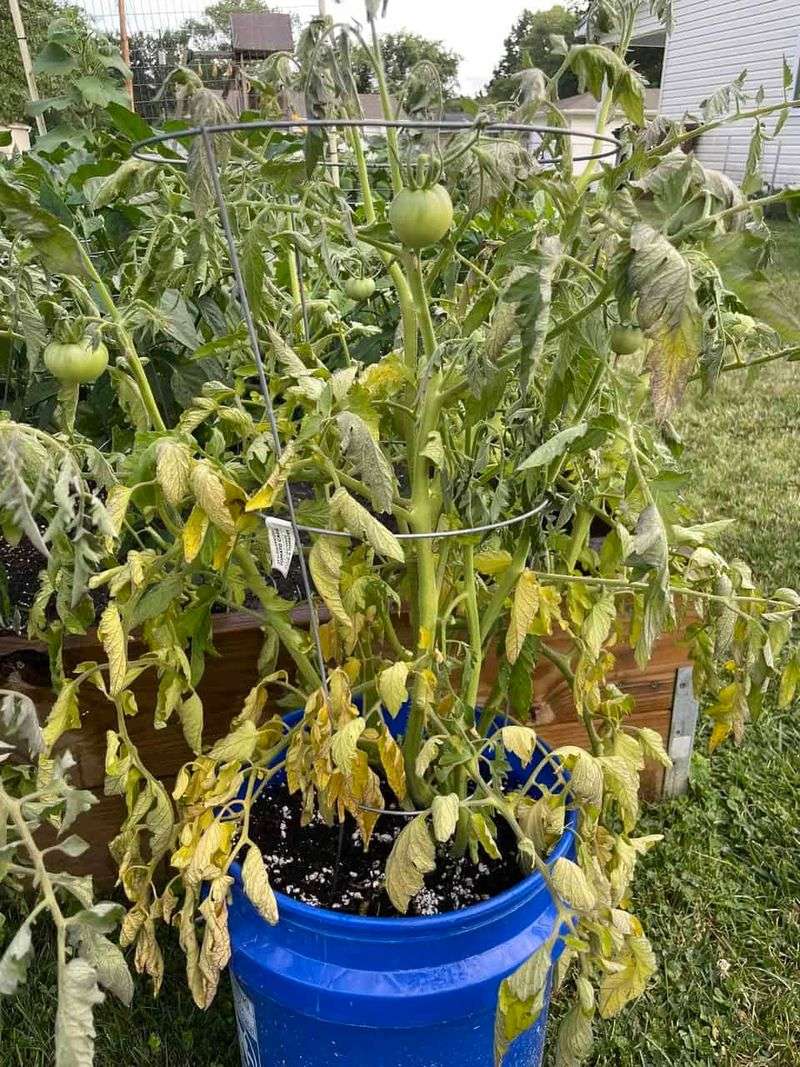
Drooping tomato leaves around two in the afternoon are one of the most familiar sights in a Pennsylvania July garden, and they do not always mean something is seriously wrong.
Plants lose water through their leaves faster than roots can replace it during intense heat, and that temporary imbalance causes the soft, drooping look gardeners often worry about.
Before reaching for the hose, check whether the soil is actually dry a few inches down.
If the soil still feels cool and slightly moist at that depth, the wilting may simply be a midday response to high temperatures and strong sun.
Many plants, including tomatoes and squash, perk back up on their own once the afternoon heat eases and temperatures drop toward evening.
Seeing that recovery is a reassuring sign that the plant is coping reasonably well.
When the soil feels dry and the wilting continues into the cooler evening hours, that is worth paying closer attention to.
Consistent wilting paired with dry soil suggests the plant may need more frequent watering or a layer of mulch to slow moisture loss.
Adding two to three inches of straw or shredded wood mulch around the base of plants in Pennsylvania garden beds can help the soil hold moisture longer between waterings and reduce the stress plants experience during the hottest weeks of summer.
2. Leaves Curl Or Cup To Conserve Moisture
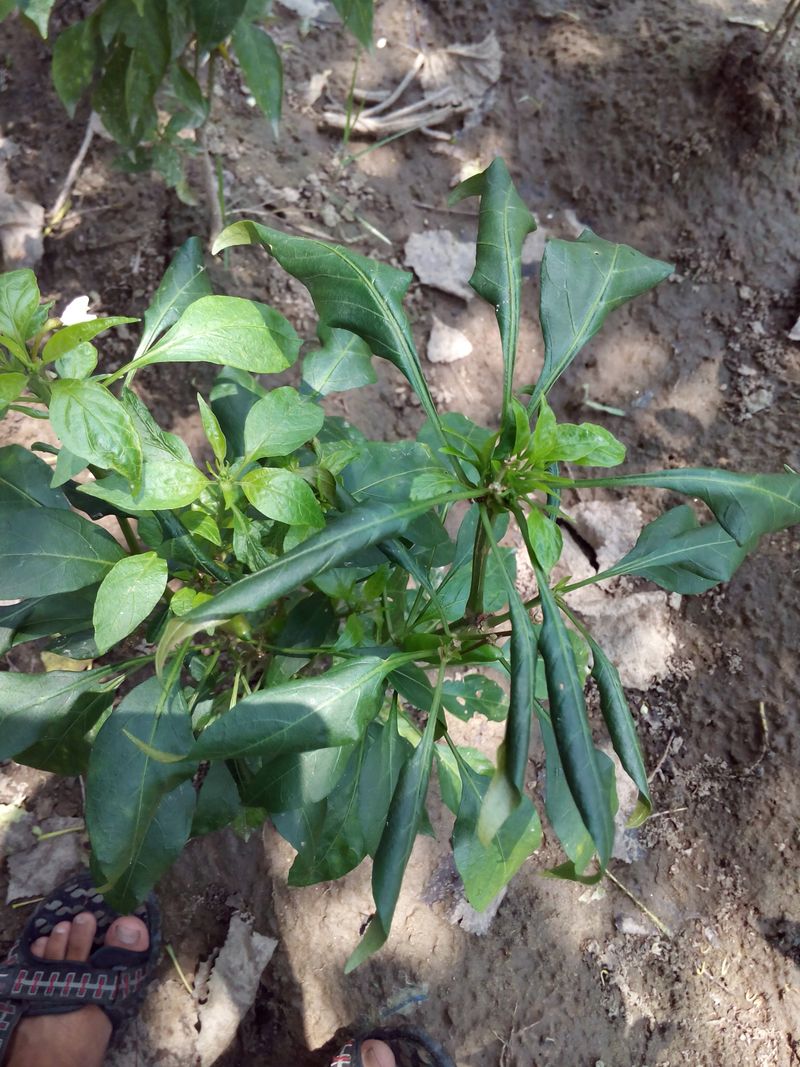
Corn leaves rolling inward along their length on a hot July morning are doing exactly what the plant designed them to do.
Leaf curling or cupping is a physical response that reduces the surface area exposed to direct sun and dry air, which slows the rate at which the plant loses moisture.
It is a survival behavior, not an immediate sign of permanent trouble.
In Pennsylvania vegetable gardens, curling leaves show up most often on corn, peppers, tomatoes, and some beans during stretches of intense summer heat.
The curling tends to be more noticeable during the hottest part of the day and may ease as temperatures drop in the evening.
If leaves return to a flatter, more open shape overnight or early the next morning, the plant is likely managing the heat reasonably well.
Your Pennsylvania Garden Changes Every Week. Your Plan Should Too.
Gardening in Pennsylvania changes quickly throughout the season. Every Friday you’ll receive a simple weekly plan showing exactly what to plant, prune, fertilize, harvest, and protect so you never miss the right timing.
Curling that stays all day and into the night, especially when the soil is dry, may signal that the plant needs more consistent moisture. Checking soil depth rather than just the surface gives a more accurate picture of what is happening below ground.
Mulching Pennsylvania garden beds and watering deeply rather than lightly and often encourages roots to grow deeper, where soil stays cooler and holds moisture longer.
Shallow, frequent watering can keep roots near the surface where they are more exposed to heat and drying conditions throughout July.
3. Leaf Edges Turn Brown Or Scorched
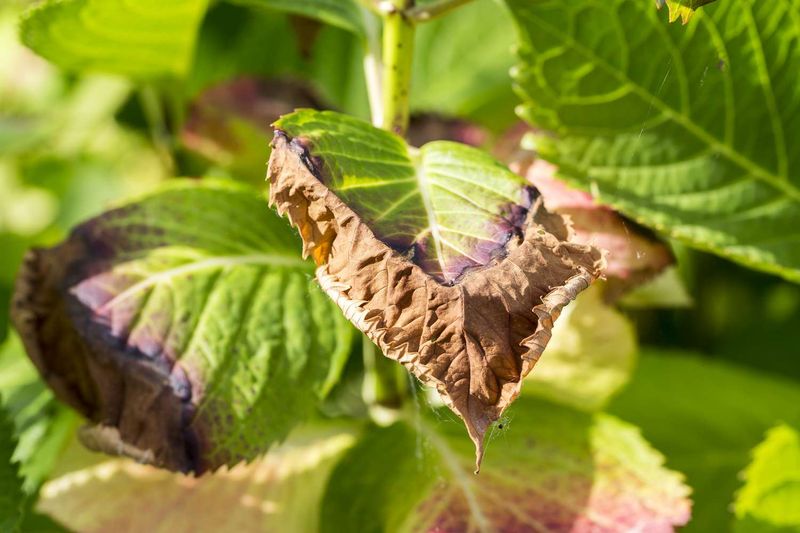
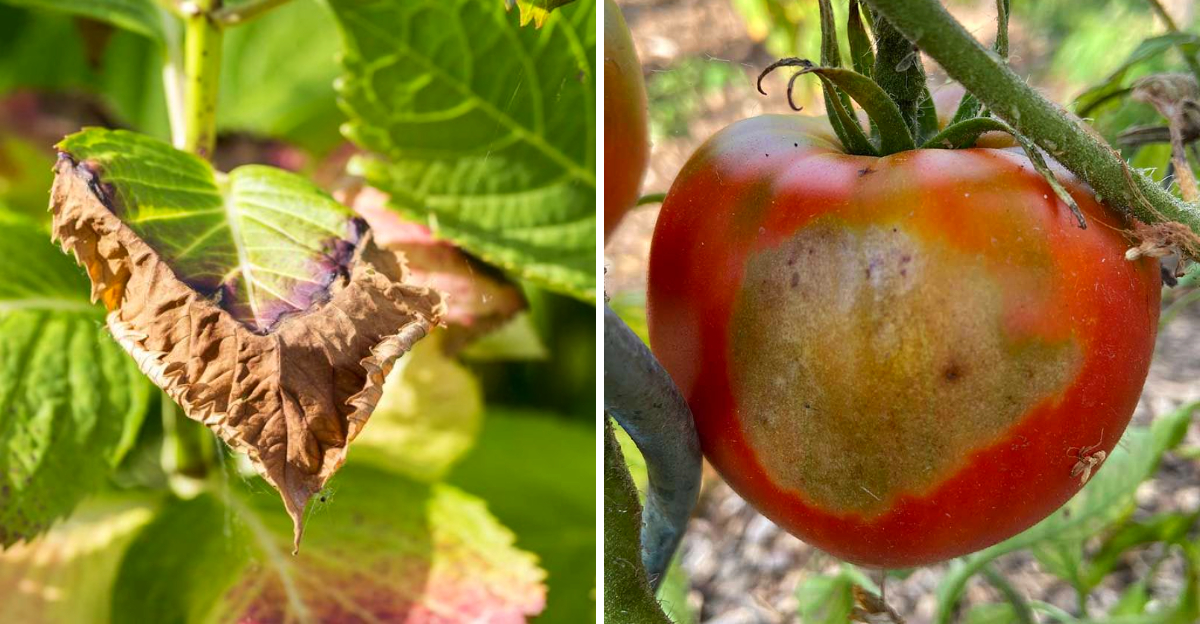
Crispy brown edges on hydrangea leaves or vegetable foliage are a common sight in Pennsylvania gardens after several consecutive days of high heat and low rainfall.
The browning usually starts at the outer edge of the leaf and works inward, giving the plant a toasted or scorched appearance that is hard to miss.
This kind of damage can result from a combination of heat, dry soil, low humidity, and intense afternoon sun.
Leaf scorch does not always mean the whole plant is in serious trouble. In many cases, the affected leaves are simply the oldest or most exposed ones, and the plant continues growing new foliage if conditions improve.
Removing severely browned leaves can tidy the plant’s appearance, but it is worth waiting to see whether new growth looks healthy before making any larger changes to the plant or its care routine.
Checking soil moisture is a useful first step when scorched edges appear. If the soil is consistently dry, deeper and less frequent watering may help the plant recover more effectively than light daily sprinkling.
Pennsylvania gardeners growing plants in full sun locations, especially west-facing beds that receive the most intense afternoon exposure, may find that temporary shade cloth during peak hours reduces further leaf edge damage.
Mulch also plays a role by keeping soil temperatures lower and slowing moisture loss between waterings during hot July stretches.
4. Flowers Drop Before Fruit Can Form
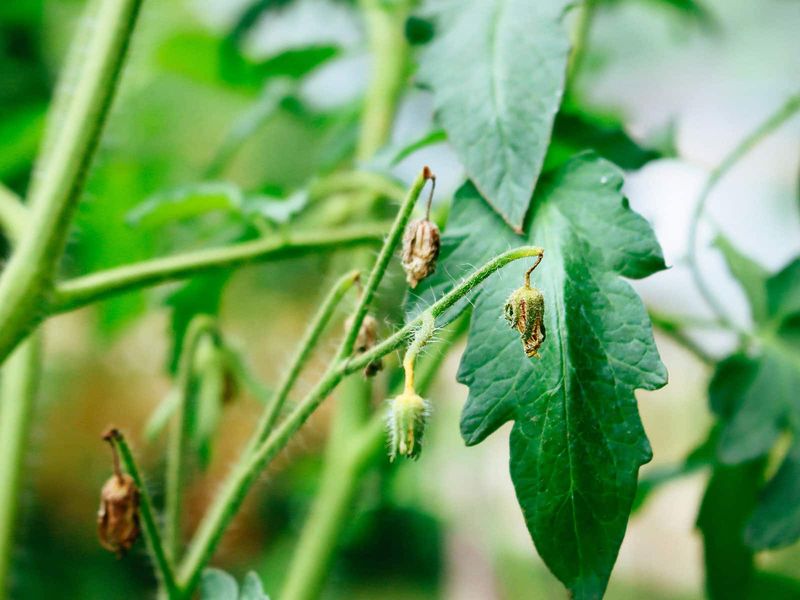
Pepper flowers falling to the ground after a particularly hot spell is one of the more frustrating things a Pennsylvania vegetable gardener can encounter in July.
You water carefully, the plant looks healthy, buds appear, and then they drop before setting any fruit.
Heat can interfere with the pollination process, and when nighttime temperatures stay very warm or daytime temperatures climb well above what the plant finds comfortable, blossoms may fall without producing fruit.
Tomatoes and peppers are the crops most commonly associated with flower drop during hot stretches in Pennsylvania. The issue tends to be more noticeable when both days and nights stay unusually warm for extended periods.
Flower drop does not mean the plant has stopped functioning or that the whole season is lost. Most plants will attempt to flower again once temperatures moderate, which can happen naturally as summer progresses.
Keeping plants consistently watered and mulched during heat waves helps reduce overall stress, which may support better flower retention when conditions improve.
Avoid applying high-nitrogen fertilizers during a heat wave, as pushing excessive leafy growth while the plant is already stressed is unlikely to help fruit production.
Pennsylvania gardeners sometimes find that planting heat-tolerant pepper and tomato varieties reduces the frequency of flower drop during difficult July stretches.
That said, no variety is completely immune to the effects of prolonged intense heat on pollination and blossom retention, so managing expectations during extreme weather is still a reasonable approach.
5. Fruit Develops Sunscald On Exposed Sides
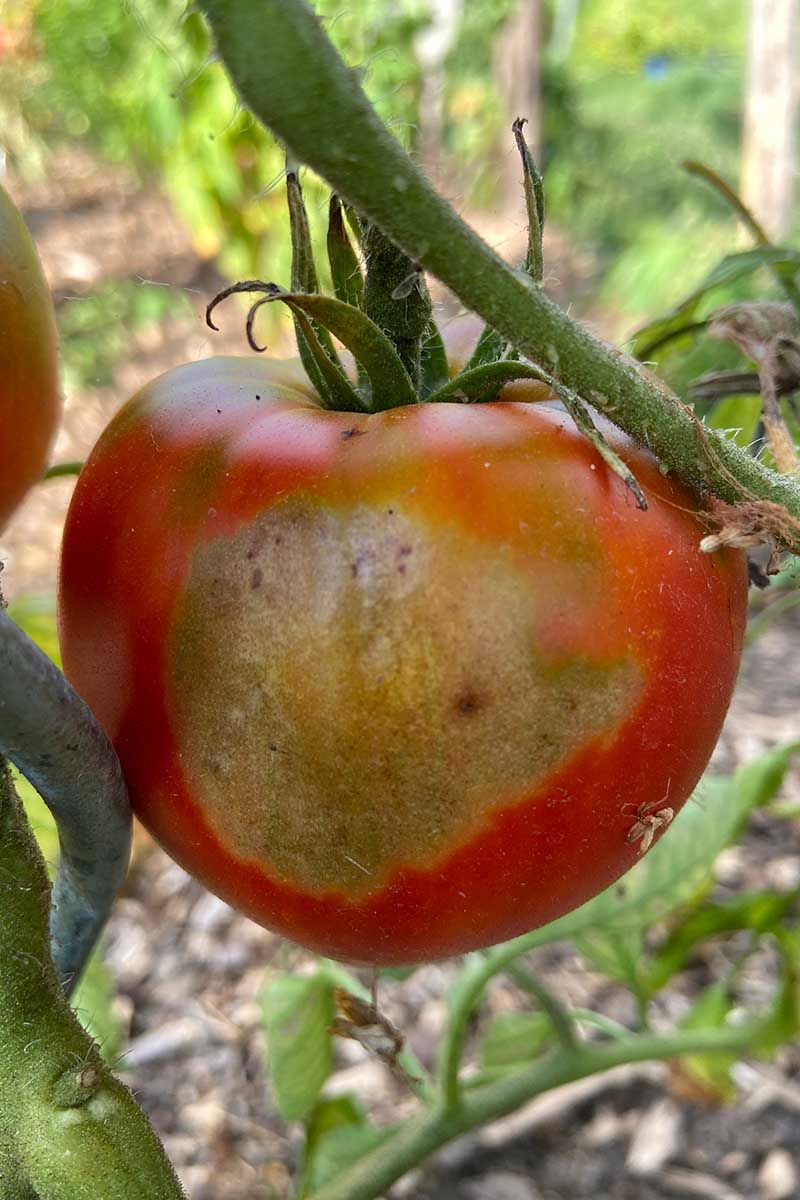
Pale, papery patches appearing on the side of a tomato that faces the afternoon sun are a recognizable sign of sunscald, and Pennsylvania gardeners growing tomatoes in open, south- or west-facing beds may notice this more often during July.
The affected area typically looks lighter in color, sometimes whitish or yellowish, and the skin may feel soft or slightly sunken compared to the rest of the fruit.
Sunscald happens when fruit that was previously shaded by foliage becomes exposed to direct, intense sun.
Leaf loss from pruning, disease, or pest pressure earlier in the season can leave fruit less protected than it would otherwise be. When foliage is reduced, the fruit that was shielded suddenly faces full afternoon sun without the natural canopy the leaves provided.
This is worth keeping in mind before removing large amounts of foliage from tomato plants during the hottest part of summer.
Fruit with mild sunscald patches is often still usable if the affected area is removed, though the damage cannot be reversed once it appears.
Providing some afternoon shade using shade cloth or row cover fabric may help protect exposed fruit in Pennsylvania gardens where intense sun is unavoidable.
Keeping plants well-watered and maintaining healthy foliage throughout the season gives fruit the best natural protection available.
Avoiding heavy midsummer pruning, especially during heat waves, can help preserve the leaf canopy that shields developing fruit from direct sun exposure.
6. Cool-Season Crops Start Bolting
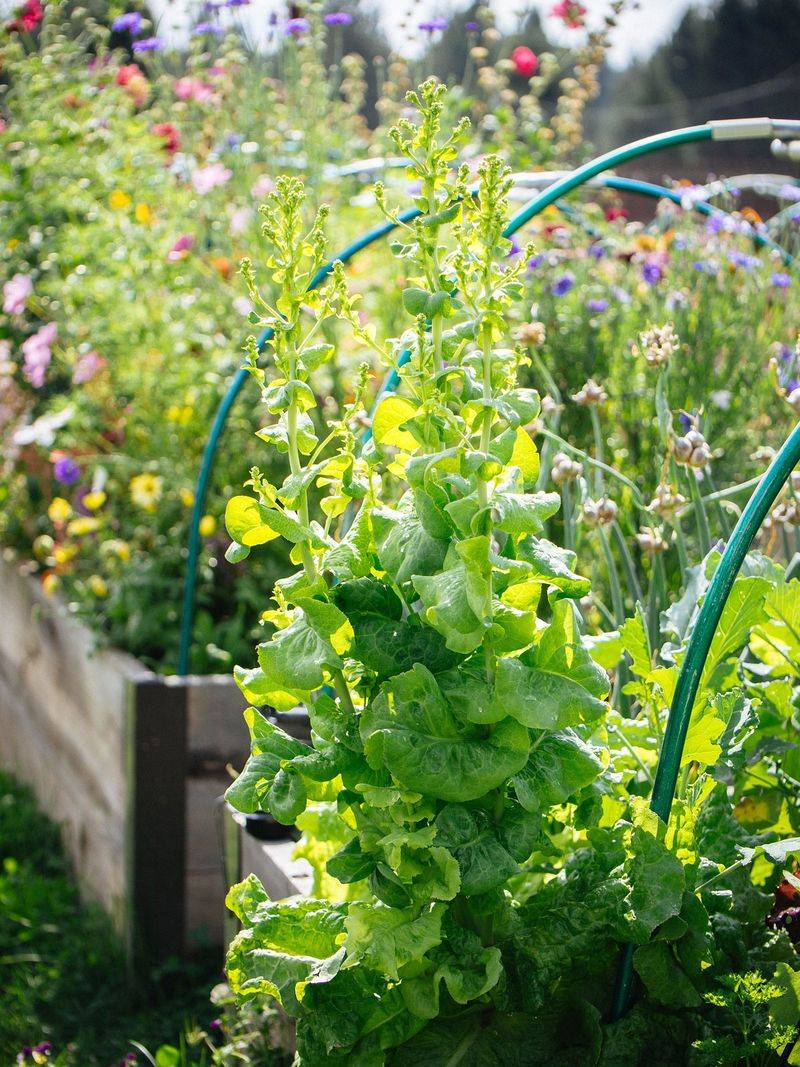
Lettuce stretching upward with a tall central stalk is a clear sign that the plant has shifted its energy from producing leaves to producing seeds, a process called bolting.
Cool-season crops like lettuce, spinach, cilantro, and arugula are especially sensitive to rising temperatures, and Pennsylvania’s July heat often triggers bolting in plants that were doing well just weeks earlier during the cooler days of late spring.
Once bolting begins, the flavor of leafy greens tends to change noticeably. Lettuce and spinach leaves often become more bitter after the plant starts sending up a flower stalk, which makes them less appealing for fresh eating.
Harvesting remaining leaves as soon as bolting is noticed gives you the best chance of using them before the flavor shifts too much.
Bolting is a natural response to heat and lengthening days, not a sign of poor gardening.
Pennsylvania raised bed and in-ground gardeners can reduce bolting by planting cool-season crops early in spring or waiting until late summer for a fall planting when temperatures begin to ease.
Providing afternoon shade using taller plants, shade cloth, or a temporary structure can extend the harvest window slightly during warm spells.
Choosing bolt-resistant lettuce varieties also helps, though no variety holds off bolting indefinitely when July temperatures climb well above what these cool-weather plants find comfortable for sustained leafy growth and production.
7. Containers Dry Out Faster Than Garden Beds
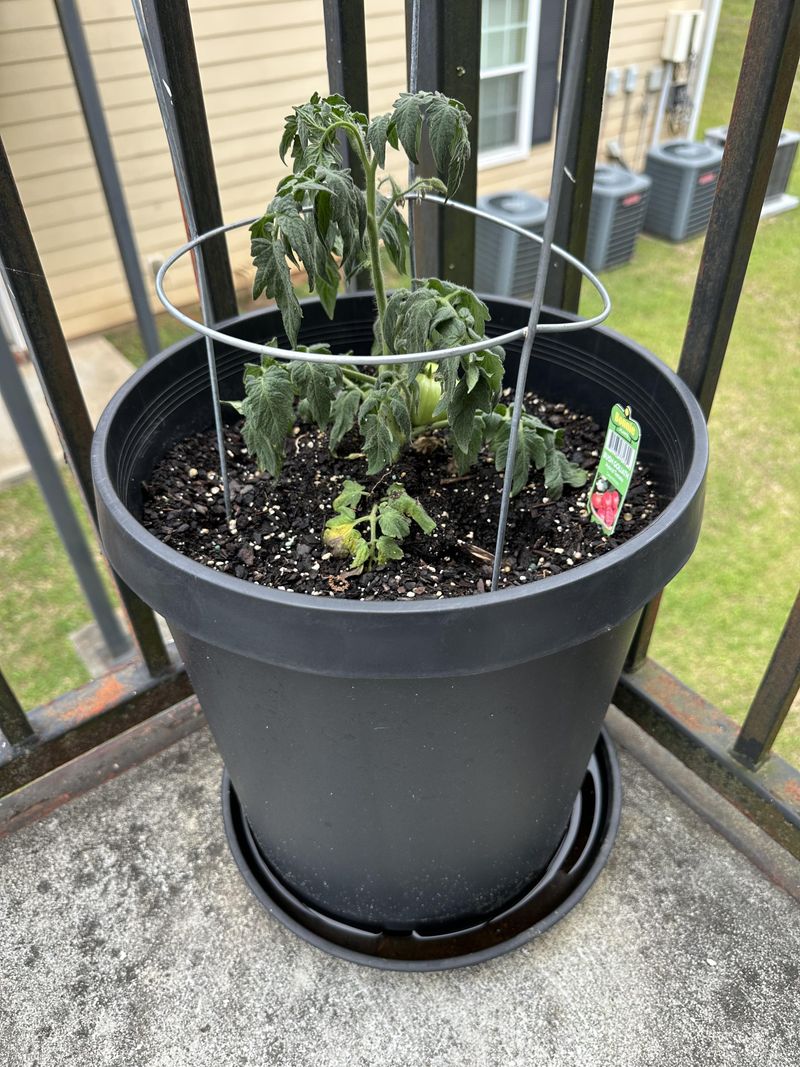
Porch pots and patio containers in Pennsylvania can go from adequately watered to bone dry in a surprisingly short time during July heat waves.
Unlike garden beds where roots can reach deeper into cooler, more moisture-retentive soil, container plants are limited to the volume of growing mix inside the pot.
That mix heats up quickly in direct sun and loses moisture rapidly, especially in smaller or dark-colored containers that absorb more heat.
Plants in containers may need watering more than once a day during the hottest stretches of Pennsylvania’s summer, depending on pot size, plant type, and sun exposure.
Checking the soil by pressing a finger about an inch into the mix gives a more reliable reading than looking at the surface alone.
A container that looks fine on top can be quite dry just below the surface, especially if the potting mix has pulled away from the sides of the pot.
Moving containers to a spot with morning sun and afternoon shade during heat waves can reduce how quickly they dry out. Grouping pots together also helps, as plants create a slightly more humid microclimate around each other.
Self-watering containers or adding water-retaining granules to potting mix are options some Pennsylvania gardeners use to reduce how often they need to water during July.
Refreshing potting mix that has become compacted or hydrophobic helps water absorb properly rather than running straight through without reaching the roots.
8. Plants Stop Growing As Heat Builds
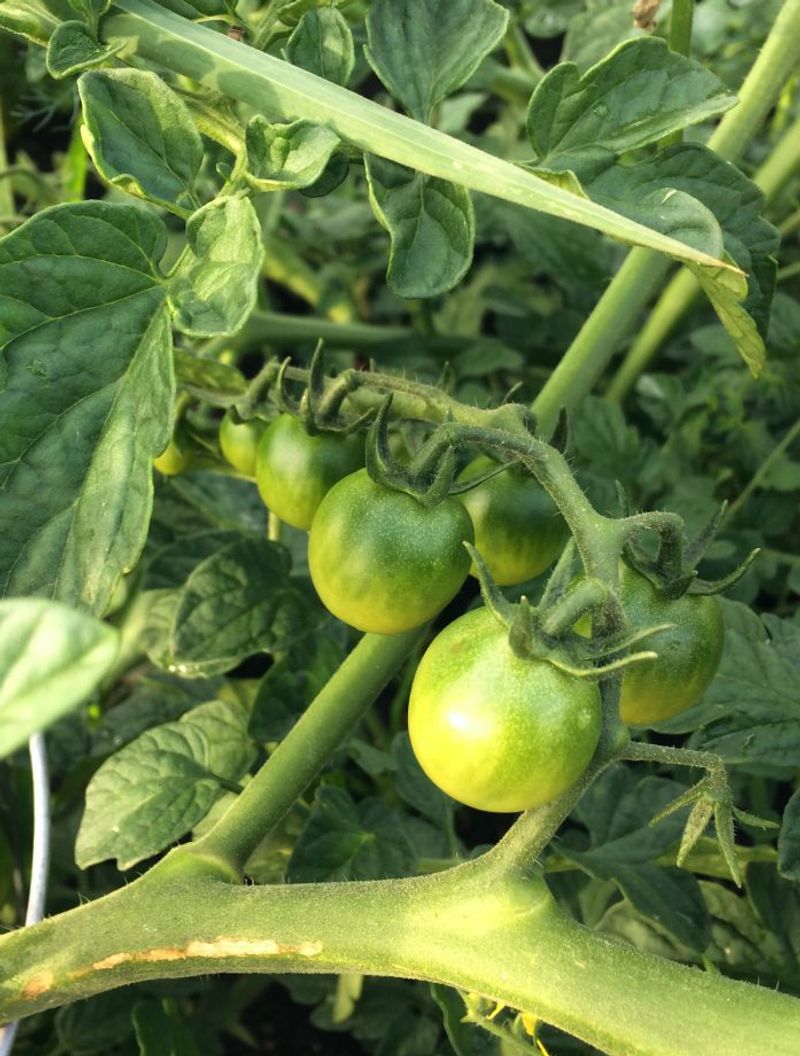
A garden that seems to pause during a heat wave is not an unusual sight in Pennsylvania. Tomatoes, peppers, squash, and many flowering plants can slow their visible growth significantly when temperatures stay very high for several consecutive days.
This slowdown happens because the plant is putting more energy into managing heat and water loss than into producing new stems, leaves, or fruit.
Growth that appears to stall during a July heat wave often resumes once temperatures moderate, even slightly.
Gardeners sometimes worry when they do not see new leaves or obvious progress for a week or more, but this kind of temporary pause is a fairly normal response to prolonged heat stress in many common garden plants.
Checking that soil moisture is adequate and that mulch is in place are the most practical steps during this period.
Avoid the temptation to fertilize heavily when plants appear to have stopped growing. Adding a lot of fertilizer while a plant is already under heat stress is unlikely to speed growth and may add further stress to the root system.
Light, consistent watering, a good layer of mulch, and patience tend to serve Pennsylvania gardeners better during heat waves than aggressive interventions.
Once evening temperatures begin to cool slightly and the heat wave eases, most healthy plants show renewed growth activity, new flower buds, and improved overall appearance within a relatively short period of time.