This Pennsylvania Hedge Plant Looks Ordinary But Its Seeds Are More Toxic Than A Scorpion Venom
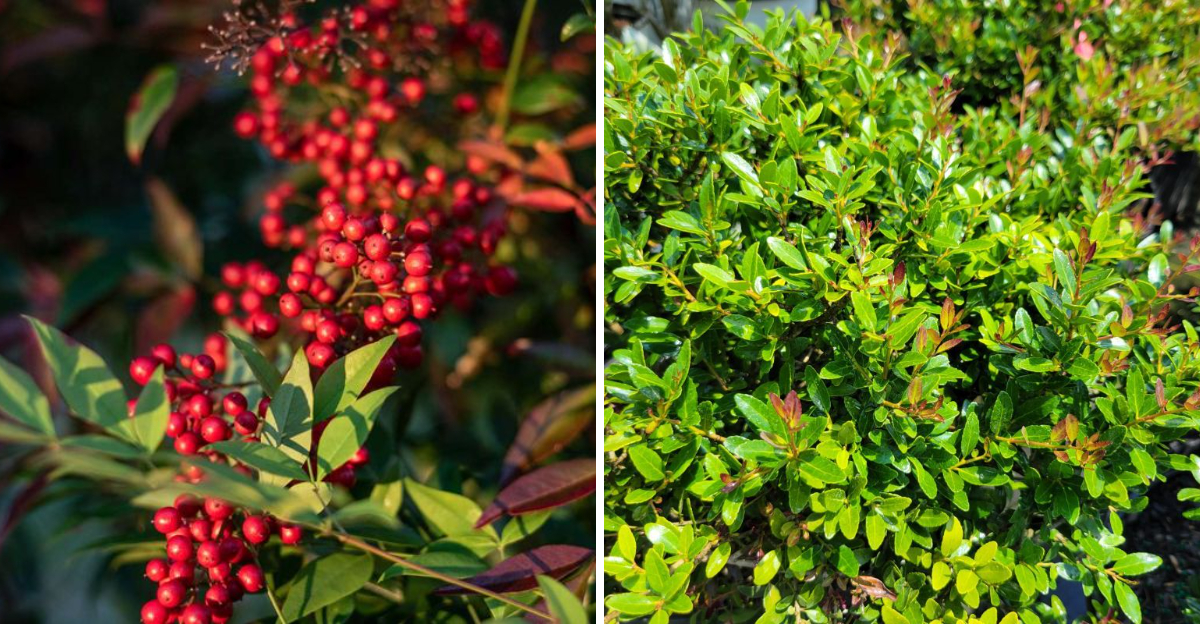
Most Pennsylvania homeowners pay very little attention to the hedge plants growing along their property lines, and that lack of attention is generally harmless.
There is one exception though, a hedge shrub that is present in residential landscapes across the state and carries a level of toxicity in its seeds that the vast majority of homeowners have no idea about.
From the outside this plant looks completely unremarkable, the kind of dense green hedge that blends into a neighborhood without drawing any notice at all. What it contains is a different story.
The seeds are severely toxic, dangerous enough that accidental ingestion by a child or a pet can escalate into a serious medical situation very quickly.
Pennsylvania families who have this plant in their yard are in most cases growing it without any awareness of the risk it poses, because nothing about its appearance suggests that it is anything other than a typical landscape shrub. That gap in awareness is worth closing.
Meet Yaupon Holly
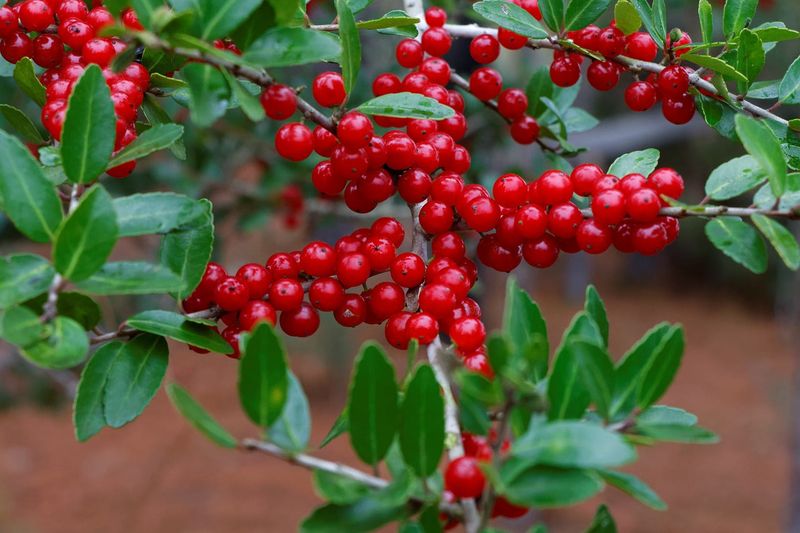
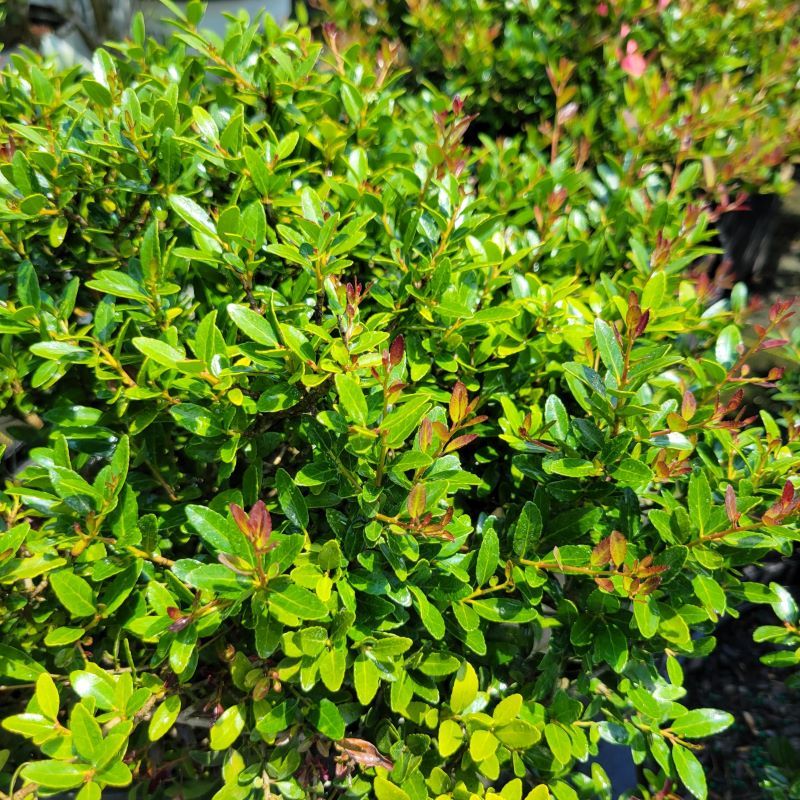
Walk through almost any Pennsylvania neighborhood and you will likely pass a Yaupon Holly without ever knowing it. Ilex vomitoria, its scientific name, is a native evergreen shrub that blends right into the landscape like a perfectly ordinary hedge plant.
Its small, oval, dark green leaves are shiny and neatly arranged, making it look tidy and well-behaved year-round.
Gardeners love it because it stays green through all four seasons. Unlike many shrubs that look bare and scraggly in winter, Yaupon Holly holds its foliage beautifully.
That consistency is a big reason why so many homeowners choose it for borders, privacy screens, and formal garden edges.
Here is something most people never guess just by looking at it: Yaupon Holly is the only native North American plant that contains caffeine. Long before coffee shops existed, Native Americans brewed its leaves into a strong ceremonial tea.
That alone makes it one of the most fascinating plants growing quietly in Pennsylvania backyards today.
The shrub can grow anywhere from three to fifteen feet tall, depending on the variety and how much it is pruned. Dwarf varieties are especially popular as low-maintenance hedge options.
Some cultivars have a naturally rounded shape, while others grow upright and column-like. No matter the form, all varieties share that same familiar, unassuming look that makes them so easy to overlook.
Getting familiar with this plant is the first smart step toward appreciating both its value and its hidden risks.
Toxic Seeds Inside Those Berries
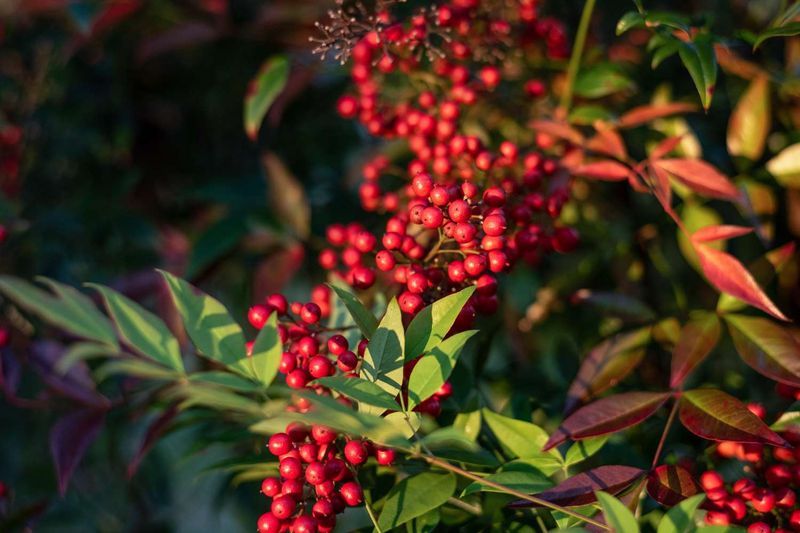
Those bright red berries look almost festive, like tiny Christmas ornaments dangling from the branches. Female Yaupon Holly plants produce them in generous clusters every fall and winter.
They are undeniably eye-catching, and that is exactly what makes them a concern for families with young children or curious pets nearby.
The berries contain theobromine and caffeine-like compounds, the same types of chemicals found in chocolate that make it harmful to dogs. In small amounts, these compounds cause stomach upset.
In larger quantities, they can lead to vomiting, tremors, rapid heart rate, and serious medical emergencies for both children and animals.
Your Pennsylvania Garden Changes Every Week. Your Plan Should Too.
Gardening in Pennsylvania changes quickly throughout the season. Every Friday you’ll receive a simple weekly plan showing exactly what to plant, prune, fertilize, harvest, and protect so you never miss the right timing.
Scorpion venom works by attacking the nervous system rapidly and with intense force. The toxins inside Yaupon Holly berries work similarly on a smaller body, disrupting normal nervous system function when enough is consumed.
A child or small dog eating a significant handful of berries could face a genuinely dangerous situation.
Poison control experts consistently warn parents about look-alike berry plants in residential landscapes. Yaupon Holly is one of the most commonly misidentified because it resembles harmless decorative plants so closely.
Many families never even realize what is growing along their fence line until something goes wrong.
If a child or pet eats any amount of these berries, contacting Poison Control at 1-800-222-1222 or a veterinarian immediately is the right move. Quick action makes a real difference in outcomes.
Knowing what is planted in your own yard is not just good gardening knowledge, it is genuinely protective information for everyone living in your home.
Why It Works So Well As A Hedge
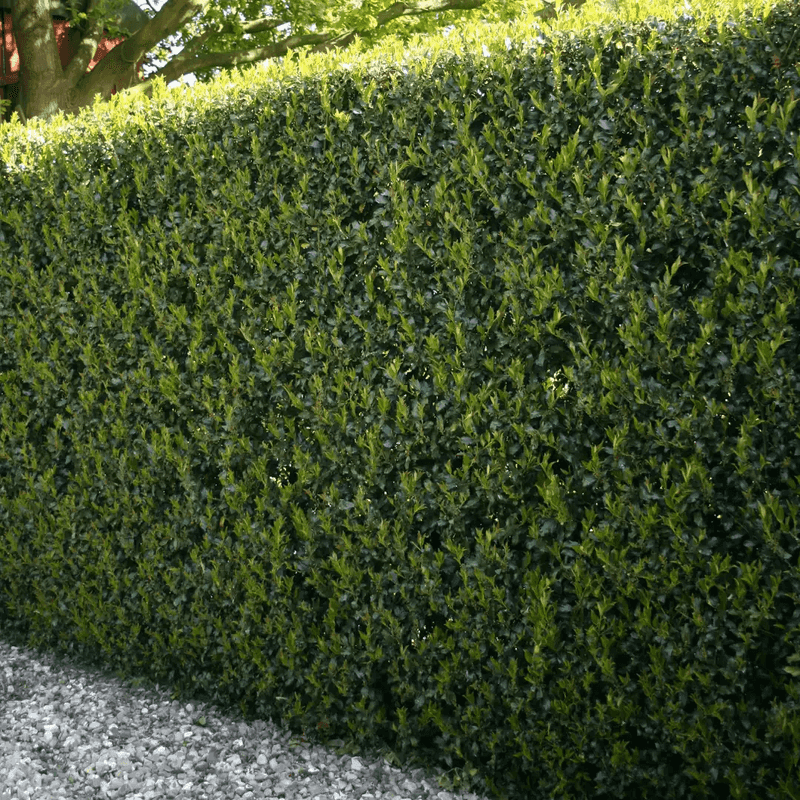
Few plants earn their keep in the landscape quite like Yaupon Holly does. Once established, it practically takes care of itself.
Homeowners who want a structured, attractive privacy screen without spending every weekend maintaining it have found a genuinely reliable partner in this tough little evergreen.
Its dense branching pattern means it fills in quickly and stays thick from top to bottom. That density is exactly what makes it so effective as a privacy hedge.
Neighbors cannot easily see through it, and it blocks wind and noise better than many other shrub choices available at garden centers today.
Yaupon Holly thrives in a wide range of soil types, including clay-heavy Pennsylvania soils that frustrate many other plants. It handles both dry spells and occasional wet conditions without complaint.
Once it gets through its first year or two in the ground, it becomes remarkably self-sufficient and rarely needs extra attention from the gardener.
Pest problems are almost unheard of with this plant. Most common landscape insects and diseases simply do not bother it the way they attack roses, boxwoods, or arborvitae.
That resistance alone saves homeowners significant time, money, and frustration over the years.
Drought tolerance is another standout quality. During hot Pennsylvania summers when other hedges start looking stressed and thin, Yaupon Holly stays lush and full.
For anyone building a low-maintenance, year-round landscape, this shrub checks nearly every box. The practical benefits are hard to argue with, as long as its berry situation is handled thoughtfully and with proper planning from the very beginning.
Wildlife Values You Did Not Expect
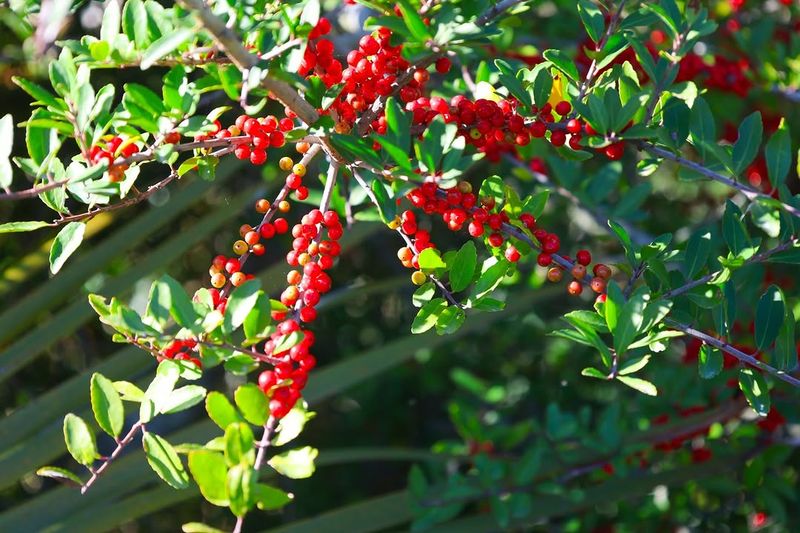
Not everything about Yaupon Holly’s berries is a warning story. For wildlife, those bright red clusters are basically a free buffet that keeps giving all winter long.
Birds like cedar waxwings, American robins, mockingbirds, and bluebirds rely heavily on Yaupon Holly berries as a cold-season food source when other options have long since disappeared.
Birds process the compounds in the berries differently than mammals do. Their digestive systems handle theobromine without the harmful effects that dogs and humans experience.
So while the berries pose a real risk to pets and children, local bird populations benefit enormously from their presence throughout the colder months.
As birds eat the berries and move through the landscape, they naturally spread the seeds to new locations. This seed dispersal helps Yaupon Holly expand its range and supports healthier native plant populations across Pennsylvania.
It is a classic example of a plant and its animal partners working together in a mutually beneficial relationship.
Beyond food, the dense evergreen structure of Yaupon Holly provides critical shelter for birds and beneficial insects during harsh weather. Small birds nest and roost in its thick branches, protected from wind, rain, and predators.
Insects overwinter in its leaf litter and bark crevices, providing an early food source for birds returning in spring.
Planting Yaupon Holly with wildlife in mind is a smart choice for anyone interested in supporting local ecosystems. Adding it to a yard essentially creates a small wildlife habitat station.
Gardeners who care about pollinators and native birds will find it one of the most rewarding plants they ever put in the ground.
Smart Landscaping Choices Around This Plant
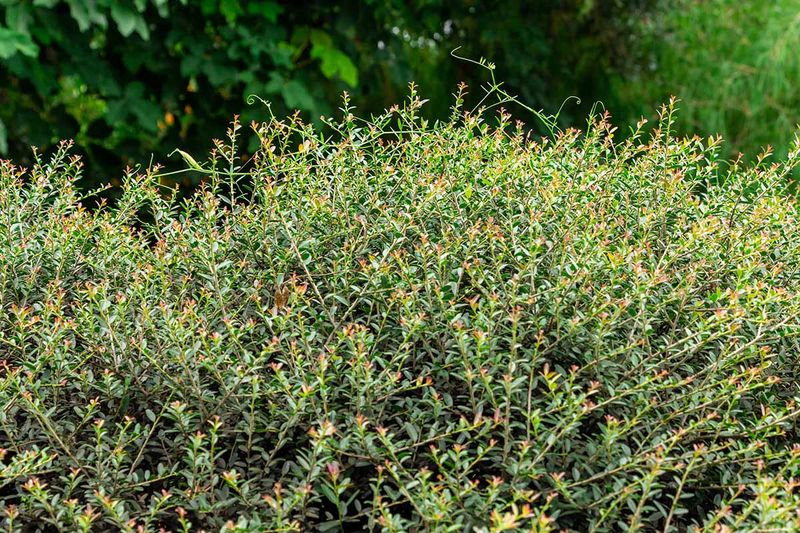
Knowing the risks does not mean you have to avoid Yaupon Holly entirely. Smart placement and plant selection can give you all the benefits of this excellent hedge plant while keeping your family and pets completely safe.
The key is understanding the difference between male and female plants before you ever bring one home from the nursery.
Male Yaupon Holly plants do not produce berries at all. They provide the same dense, evergreen foliage and the same low-maintenance toughness, without the bright red berry clusters that attract curious hands and sniffing noses.
For households with young children or dogs that roam freely in the yard, choosing all-male plants is the simplest and most effective solution available.
If you already have female plants or prefer to keep them for their wildlife value, placement matters a great deal. Positioning female Yaupon Hollies along back fence lines, in areas children rarely play, or behind physical barriers keeps the berries out of easy reach.
A little thoughtful garden design goes a long way toward reducing risk without removing the plant entirely.
Yaupon Holly also works beautifully in formal garden borders, pollinator-friendly garden designs, and naturalistic landscape settings.
Its tolerance for shearing means it can be shaped into clean geometric hedges or left to grow in a softer, more natural form. Both styles look polished and intentional in a well-kept yard.
Talking to a local Pennsylvania nursery professional about specific cultivars is always a good idea. Some varieties are naturally more compact, some grow taller, and some are exclusively male.
Getting the right plant for the right spot makes the whole experience far more rewarding from day one.
Easy Maintenance Tips That Actually Work
One of the best things about adding Yaupon Holly to your landscape is how little it demands from you once it settles in. Compared to high-maintenance shrubs like roses or hydrangeas, Yaupon Holly is almost effortless.
A little attention in the early years and then occasional upkeep is genuinely all it needs to look great season after season.
Pruning is straightforward and forgiving. Light trimming once or twice a year keeps the hedge neat and dense without stressing the plant.
Late winter or early spring, just before new growth begins, is the ideal time for a more significant shaping session. Yaupon Holly bounces back quickly and fills in any gaps with fresh, healthy growth within a few weeks.
Watering needs are modest after the first year or two. During the establishment phase, watering once or twice a week during dry stretches helps the roots develop strong and deep.
After that, natural rainfall in Pennsylvania is usually sufficient to keep it thriving, even through summer heat waves that stress less resilient shrubs.
Fertilizing is optional rather than essential. A light application of balanced slow-release fertilizer in early spring can encourage slightly faster growth if you are trying to fill in a new hedge quickly.
However, over-fertilizing causes weak, leggy growth that actually reduces the plant’s natural density and toughness over time.
Mulching around the base of the shrub helps retain soil moisture, moderate ground temperature, and suppress weed competition.
A two to three inch layer of shredded bark or wood chip mulch applied each spring makes a noticeable difference in the plant’s overall health and vigor throughout the growing season.