What It Means When Mourning Doves Start Nesting In Your Georgia Yard
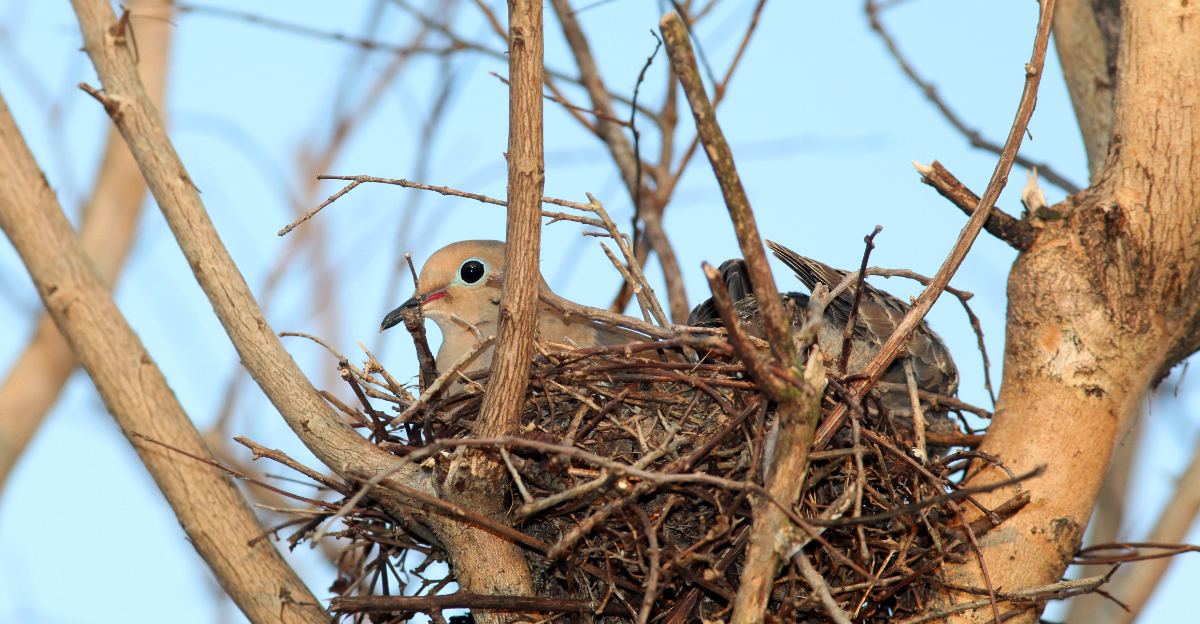
Most mornings feel ordinary until one small change catches your attention. A quiet corner suddenly seems different, and you cannot help looking that way again.
Curiosity grows because little changes rarely happen without a reason.
One visit turns into another, and before long the same birds keep coming back. That is usually when simple curiosity becomes a real question.
Why would they choose this spot instead of somewhere else?
Many nesting places look ordinary at first. Georgia provides the conditions mourning doves often look for during nesting season.
Their choice is rarely as random as it seems. Small clues around the yard usually explain why they settled there.
Once you know what those clues are, the whole picture starts making much more sense.
Those quiet visitors may be telling you more than you ever expected.
1. Mourning Doves Choose Places That Feel Safe
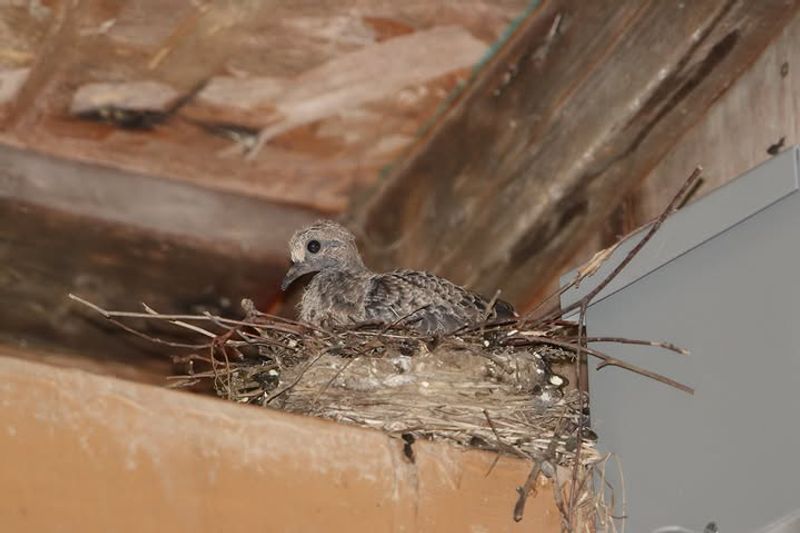
Safety is the first thing a mourning dove looks for. Before a single twig gets placed, the birds scout the area carefully.
Yards with low foot traffic, calm pets, and minimal disturbance tend to attract them first.
Mourning doves are ground-level birds at heart. They like spots where they can see threats coming but still feel hidden.
A porch rafter, a low tree branch, or a dense bush near a fence line checks all those boxes.
Noise matters too. Loud yards with frequent activity can push them elsewhere.
If your yard has been quieter lately, that might explain the new guests.
Doves tend to return to locations where they felt secure before. If a pair nested successfully in your yard last season, there is a reasonable chance they will try again.
Repeated nesting in the same general area is fairly common behavior.
Predator presence plays a big role. Yards with visible hawks, aggressive cats, or large dogs nearby may see fewer nesting attempts.
Doves are cautious and will move on if a spot feels too risky.
Noticing what your yard offers in terms of shelter and calm can tell you a lot. Mourning doves are not random about their choices.
A yard that feels settled and low-stress is exactly what draws them in.
2. Food And Water Often Bring Them Back
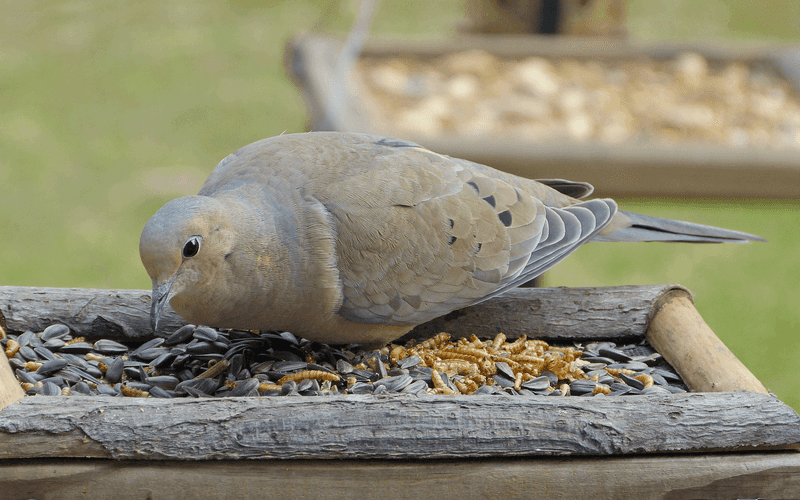
Mourning doves are ground feeders. They do not usually perch on hanging feeders.
Scattered seed on the ground or a low platform feeder is what pulls them in close.
Millet, sunflower seeds, and cracked corn are favorites. If your yard has a feeder that drops seed regularly, doves have likely been visiting longer than you realized.
They are quiet and easy to overlook.
Water is just as important as food. A shallow birdbath or even a puddle near the garden can be enough to make your yard worth staying near.
Doves drink often and appreciate easy access to clean water.
Once a reliable food source is established, doves tend to stay in the general area. Nesting close to food makes sense for any bird.
It reduces how far the parents need to travel while raising young.
Your Georgia Garden Changes Every Week. Your Plan Should Too.
Gardening in Georgia changes quickly throughout the season. Every Friday you’ll receive a simple weekly plan showing exactly what to plant, prune, fertilize, harvest, and protect so you never miss the right timing.
Yards with vegetable gardens, berry bushes, or seed-producing flowers may attract doves even without a dedicated feeder. Natural food sources work just as well.
Native grasses that go to seed are particularly useful to them.
Cutting back on ground-level food can reduce how frequently doves visit. It will not push them out immediately, but over time, fewer food rewards make a yard less appealing as a nesting site.
Gradual changes tend to work better than sudden ones.
3. Dense Shrubs Give Them Better Nesting Cover
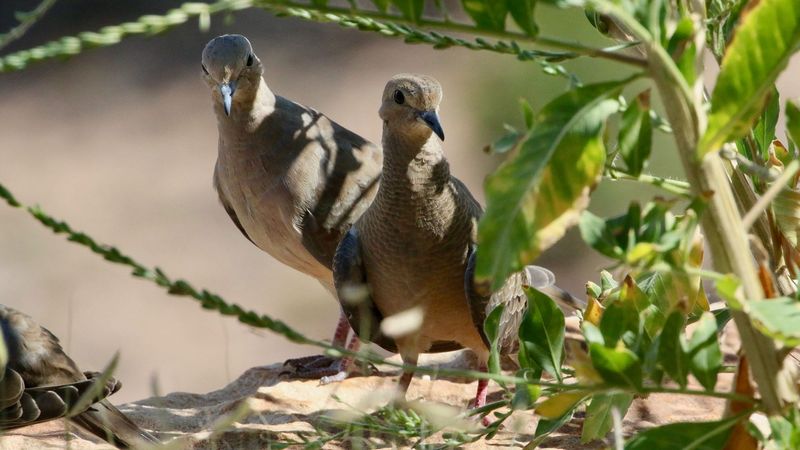
Mourning dove nests are notoriously simple. A loose platform of twigs, sometimes so thin you can see the eggs through it from below, placed in a shrub or low tree is pretty standard.
It looks almost unfinished, but it works.
Dense shrubs offer the cover that makes these flimsy nests more secure. Camellias, hollies, and junipers are common choices in Georgia yards.
Their thick foliage hides the nest from above and from the sides.
Height matters less than coverage. Doves often nest surprisingly low, sometimes just a few feet off the ground.
What they want is visual concealment, not elevation.
Overgrown hedges and unpruned shrubs can be particularly attractive. If you have a section of the yard that has gotten a little wild, that may be exactly where the nest ended up.
Thick, untrimmed growth provides better shelter than neatly shaped plants.
Nests are sometimes built on flat surfaces too. Window ledges, gutters, and potted plant shelves have all hosted mourning dove nests.
Dense vegetation is preferred, but doves are adaptable.
Pruning back heavy shrubs after nesting season can reduce the appeal of those spots going forward. Timing matters though.
Avoid cutting during active nesting, since disturbing a nest with eggs or young birds can create problems. Wait until the birds have moved on before making changes.
4. Breeding Season Can Last Through Much Of Summer
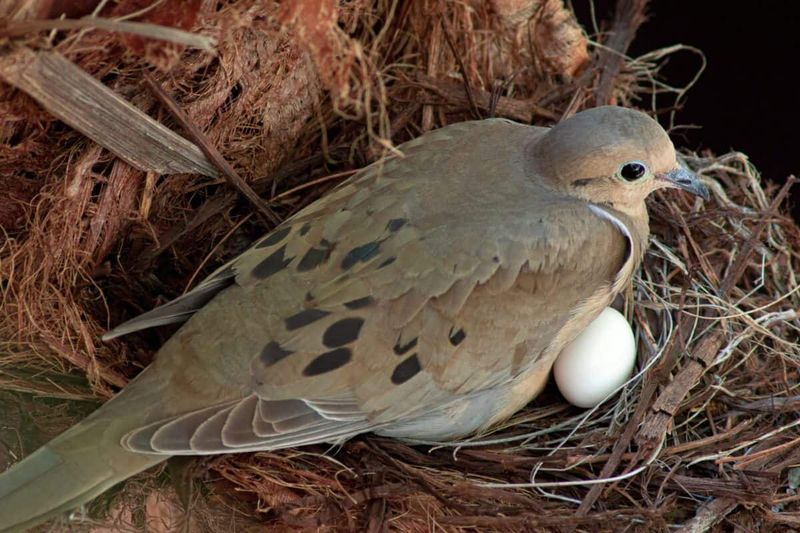
Mourning doves have one of the longest breeding seasons of any bird in North America. In warmer states, nesting can begin as early as February and stretch into October.
Multiple broods in a single year are common.
Each nesting cycle is relatively short. Eggs hatch in about two weeks, and the young birds are ready to leave the nest roughly two weeks after that.
A pair can raise several broods in a single season.
Georgia’s mild climate gives doves more time to breed compared to birds in colder regions. Warm winters mean earlier starts and later finishes.
If you see a nest in spring, there is a good chance another one follows by midsummer.
Both parents share incubation duties. Males typically sit on the eggs during the day, females at night.
Watching for both birds taking turns can confirm an active nest nearby.
A pair that nests successfully tends to try again in the same general area. That means a yard that hosted doves in spring could see another round later in the season.
Repeated nesting is a sign the birds feel comfortable.
Understanding the timeline helps you plan around active nests. Once you know roughly when eggs were laid, you can estimate when the nest will be empty.
5. Keeping Your Distance Helps Protect The Nest
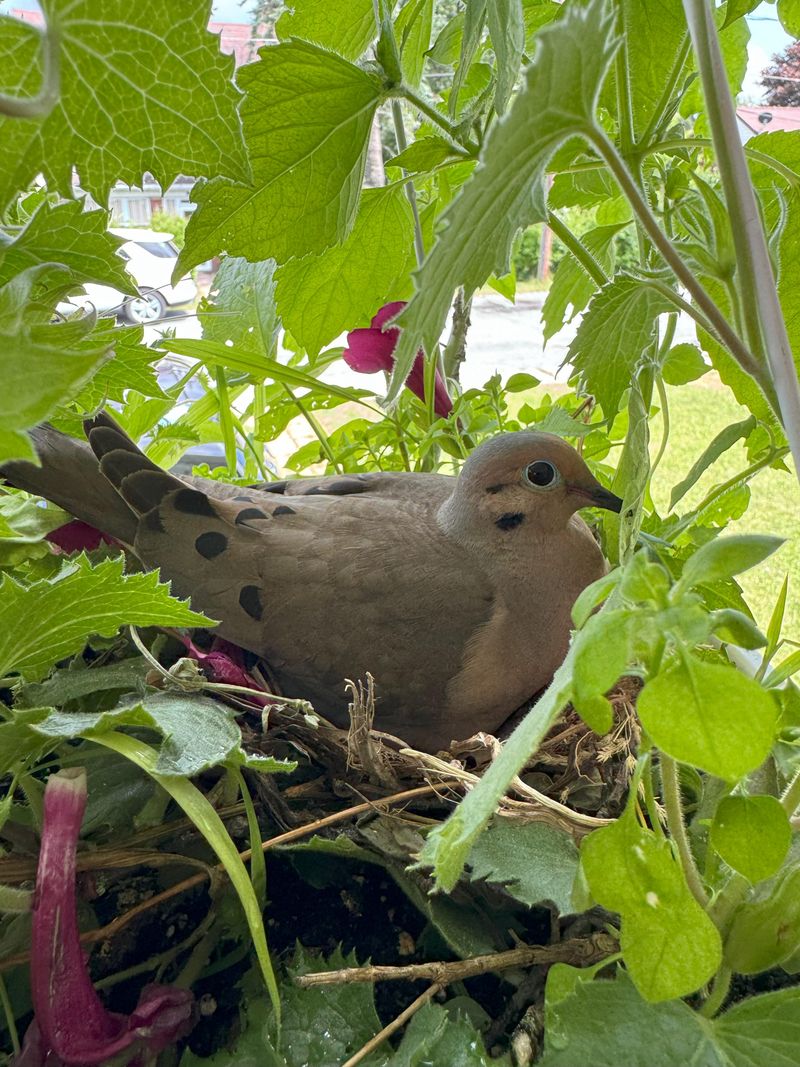
Curiosity is natural when you spot a nest in your yard. Getting too close, though, can cause real problems.
Mourning doves spook easily, and repeated disturbances may lead the parents to abandon the nest.
Giving the nest a wide berth during daily yard activities is the simplest thing you can do. Avoid working near the shrub or tree where the nest sits.
Reroute foot traffic if possible, even just for a few weeks.
Pets are a significant risk. Dogs and cats that roam freely near an active nest can frighten the parents away.
Keeping pets inside or away from that section of the yard during nesting reduces that pressure considerably.
Loud yard equipment near the nest should be postponed when possible. Lawnmowers, leaf blowers, and power tools create sudden noise and vibration.
Spacing out those tasks or working farther away gives the birds a calmer environment.
Checking on the nest from a distance is fine. Binoculars let you observe without getting close.
Watching the parents take turns is actually a good way to confirm the nest is still active.
Federal law offers some protection for nesting birds, including mourning doves. Intentional interference with an active nest can carry legal consequences.
Treating the nest with care is not just considerate, it is also the right approach from a legal standpoint.
6. Simple Yard Changes Can Prevent Future Nesting
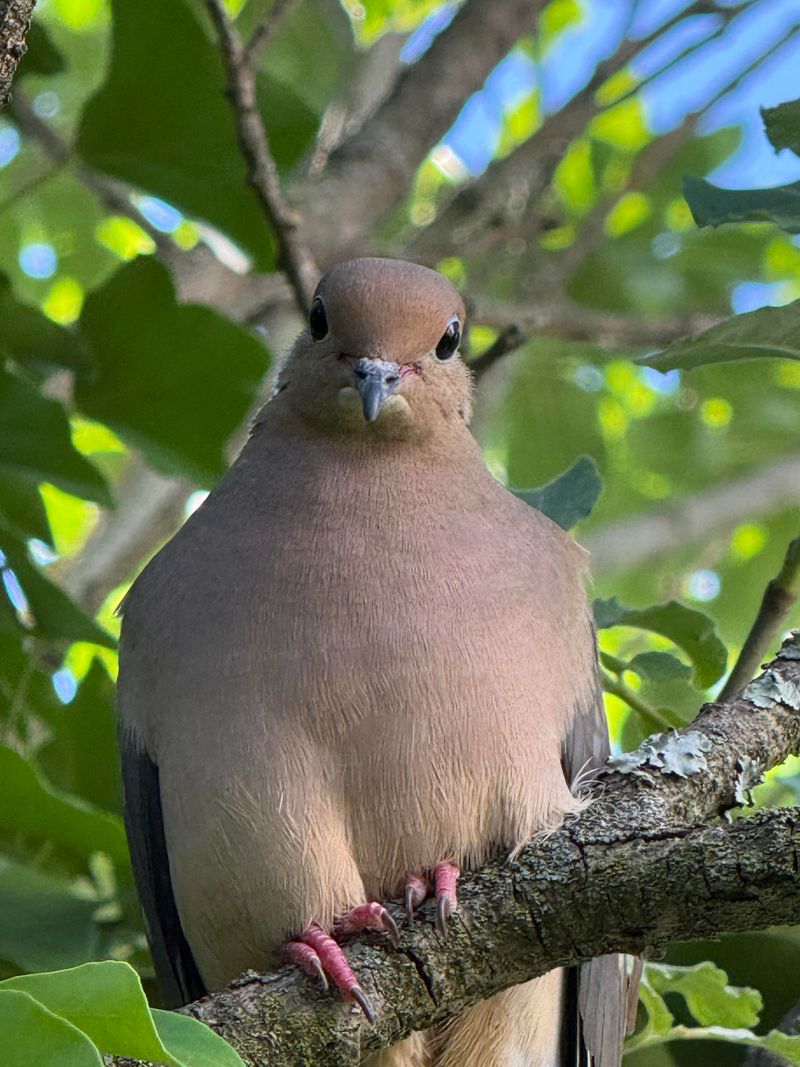
Preventing mourning doves from nesting in a specific spot does not require anything drastic. Small, consistent changes to your yard can make certain areas less attractive over time.
Start with the shrubs. Pruning back dense growth after nesting season removes the thick cover doves prefer.
Keeping hedges trimmed and shaped reduces the sheltered spots that feel most appealing to nesting birds.
Relocating ground-level feeders can also shift dove activity. Moving feeders farther from the house or to a less convenient location changes the birds’ daily patterns.
Doves tend to nest close to their food source, so shifting food access shifts where they linger.
Physical deterrents work in specific spots. Placing bird netting over a ledge, rafter, or potted plant area where doves have nested before can block access.
Smooth, sloped surfaces are harder for them to build on than flat, sheltered ones.
Motion-activated sprinklers or reflective tape near problem spots can discourage repeated visits. Doves are cautious birds.
Unexpected movement or flashes of light near a nesting area can make them reconsider.
None of these changes are instant fixes. Mourning doves are persistent and may explore nearby alternatives before giving up on your yard entirely.
Combining a couple of changes at once tends to be more effective than trying just one approach. Patience is part of the process.
7. Young Birds Usually Leave The Nest Within Weeks
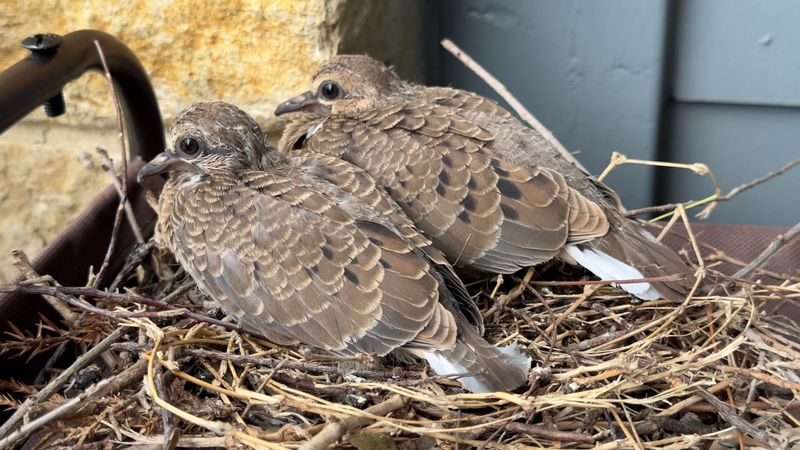
Mourning dove chicks grow fast. Within about 14 days of hatching, they are already close to adult size.
By the time most people notice the nest, the young birds may already be preparing to leave.
Fledglings look a little rough at first. Their feathers are not fully developed, and they may sit awkwardly on nearby branches or even on the ground.
Finding one on the ground does not necessarily mean something went wrong.
Parent birds continue feeding fledglings even after they leave the nest. Young doves follow their parents around for a week or two, learning to find food independently.
That period can look alarming if you do not know what to expect.
Resist the urge to pick up a fledgling that seems healthy and alert. Unless the bird is clearly injured, leaving it alone is usually the right call.
The parents are likely close by, watching.
Once the young birds are fully independent, the parents may begin another nesting cycle nearby. A successful brood often leads to another attempt in the same yard within the same season.
After the nest is fully empty, you can safely remove it if you prefer. Mourning doves do not typically reuse the exact same nest structure.