Why North Carolina Tomato Plants Look Healthy But Stop Setting Fruit In July Heat
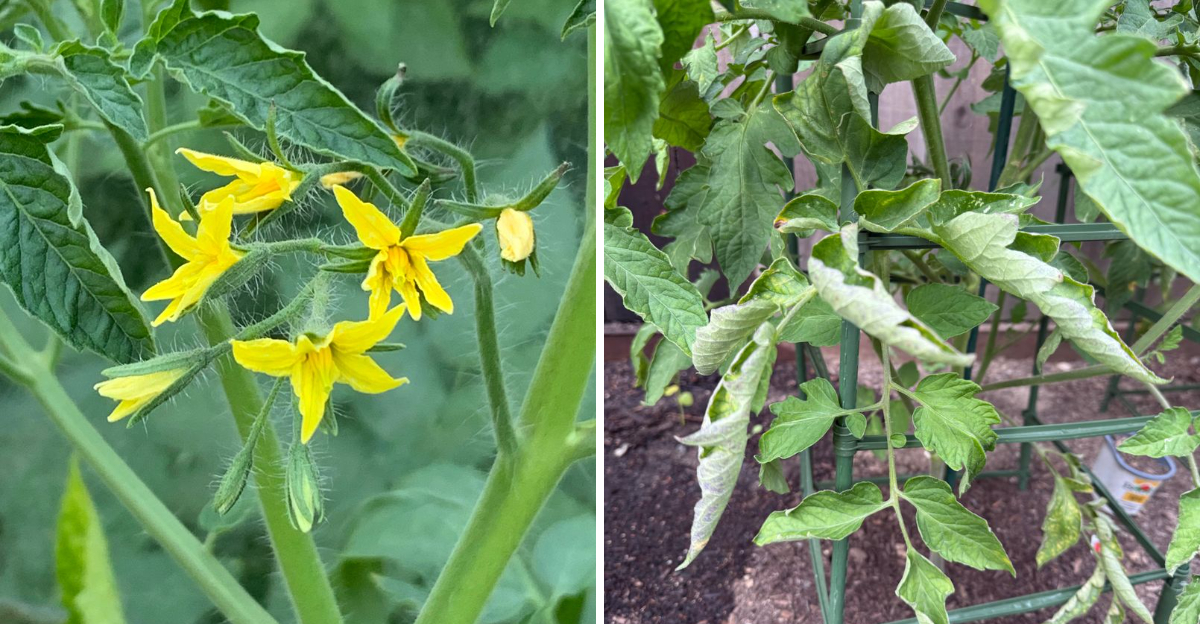
A tomato plant covered in foliage and flowers that refuses to set fruit is one of the most frustrating paradoxes in the North Carolina summer garden. Everything looks right from the outside.
The plant is growing, the flowers are opening, and nothing appears to be wrong until the calendar keeps turning and fruit simply never arrives.
The cause is temperature-specific and predictable in North Carolina’s climate, triggered by a threshold that the state crosses regularly during July nights and afternoons.
Understanding exactly what is happening inside the flower during a heat event, and what realistic options exist for managing it in a Southern summer, changes the experience from helpless frustration to informed patience with a plan behind it.
1. Hot Days Are Blocking Fruit Set
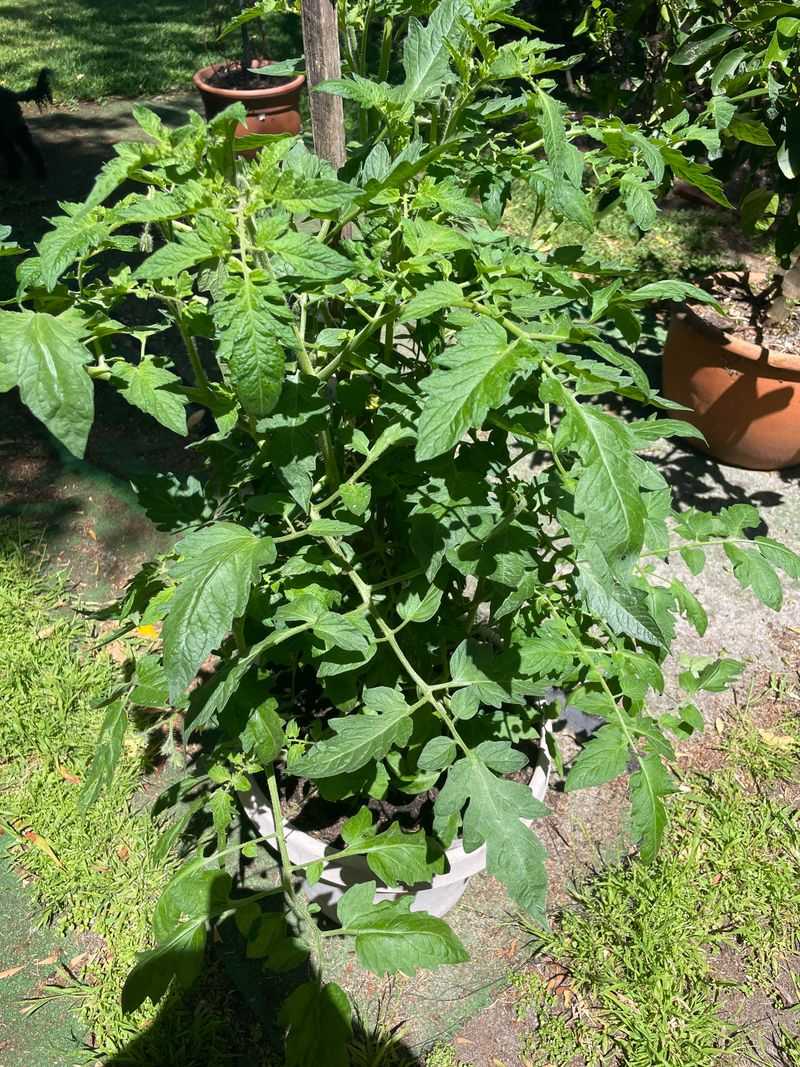
Most gardeners assume that a healthy-looking tomato plant is a productive one. Lush green vines and plenty of flowers seem like a great sign, but in North Carolina’s July heat, that picture can be surprisingly misleading.
When daytime temperatures climb above 90 degrees Fahrenheit and stay there for days at a time, tomato blossoms often drop right off the vine before they ever get a chance to develop into fruit.
Tomato plants have a fairly narrow temperature window for successful fruit set. Once it gets too hot, the plant’s internal chemistry gets disrupted, and pollination becomes much less effective.
The flowers may still open and look perfectly normal, but the process that turns a flower into a tomato simply breaks down under that kind of sustained heat.
Here in North Carolina, stretches of 90-plus-degree days in July are completely normal, which makes this one of the most common reasons gardens stall out mid-summer. The good news is that this is temporary.
As soon as temperatures moderate, even slightly, the plant often resumes fruit set on its own.
You can help by providing afternoon shade with a lightweight row cover or shade cloth rated around 30 percent. Planting near a fence or taller garden structure on the west side can also cut down on late-afternoon sun exposure.
Keeping the soil consistently moist during heat waves reduces overall plant stress and gives your tomatoes a better shot at pushing through until cooler weather returns.
2. Warm Nights Are Keeping Flowers From Turning Into Tomatoes
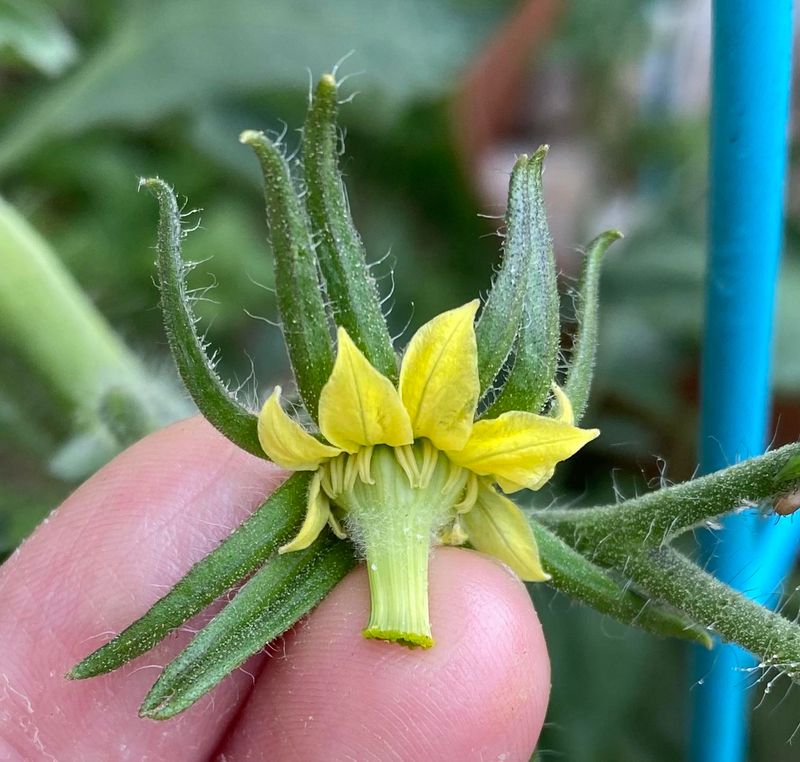
Nighttime is supposed to be when tomato plants rest and recover, but in North Carolina summers, nights can stay stubbornly warm well into the evening hours. When overnight temperatures stay above 70 degrees Fahrenheit, fruit set takes a serious hit.
Most gardeners never suspect nighttime warmth as the problem because they are not outside checking on their garden at midnight.
Tomatoes need a certain drop in temperature at night to complete the pollination process properly. Warm nights interfere with pollen tube growth inside the flower, which is a critical step in turning a blossom into a fruit.
Without that step working correctly, the flower simply falls off without producing anything, even if the plant looks completely healthy the next morning.
North Carolina’s humid July nights make this issue worse because the air holds heat longer than in drier climates. It is not unusual for temperatures to stay in the mid-70s or higher all the way through sunrise in many parts of the state.
Your North Carolina Garden Changes Every Week. Your Plan Should Too.
Gardening in North Carolina changes quickly throughout the season. Every Friday you’ll receive a simple weekly plan showing exactly what to plant, prune, fertilize, harvest, and protect so you never miss the right timing.
That leaves very little recovery time for the plant overnight.
One strategy that helps is choosing planting times wisely. Getting tomatoes in the ground early enough so they set most of their fruit before peak summer heat arrives makes a real difference.
For gardeners who want to keep harvesting through July, choosing varieties bred for warm nights and keeping them well-watered gives the best results.
This ensures you are not adding moisture stress on top of the summer heat during the hottest weeks of the year.
3. Pollen Is Losing Strength In Extreme Heat
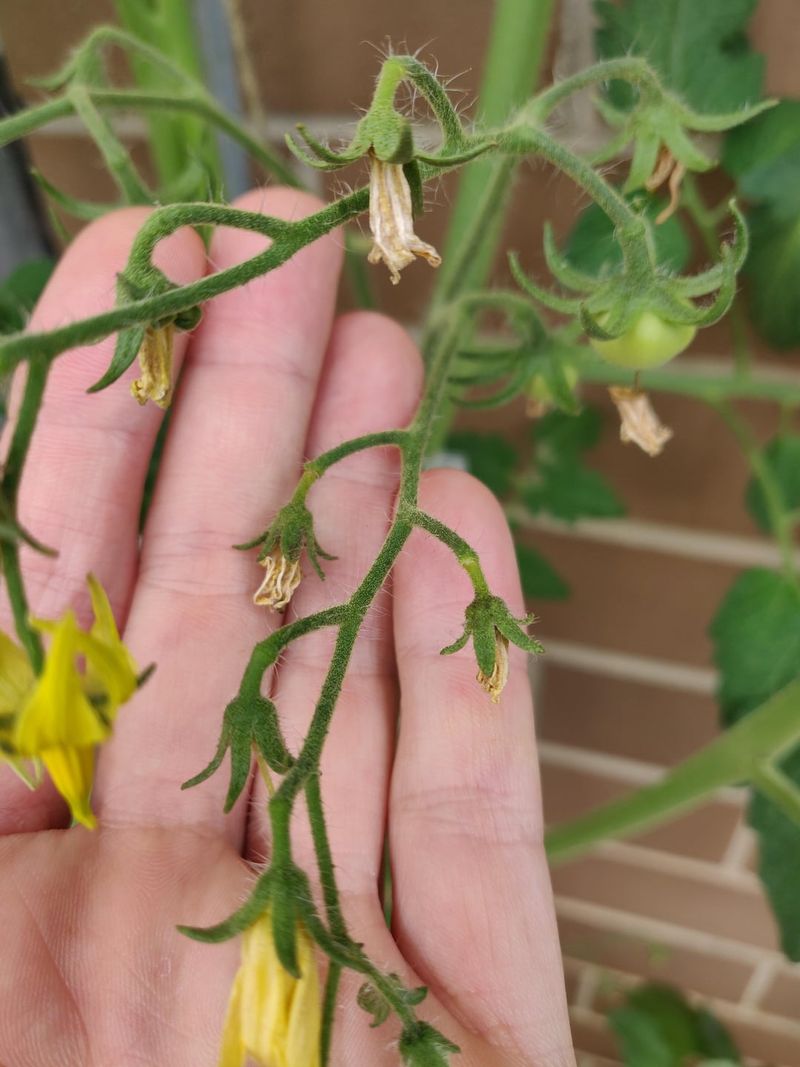
Tomato flowers are self-fertile, which means each flower carries everything it needs to produce fruit all on its own. That sounds convenient, and under normal conditions it works great.
But extreme heat throws a wrench into the whole system by damaging the pollen before it can do its job. When July temperatures in North Carolina spike above 95 degrees Fahrenheit, pollen viability drops significantly.
Pollen that has been weakened by heat looks the same as healthy pollen to the naked eye, which is why so many gardeners are confused when their plants keep flowering but produce almost nothing.
The flowers open, bees visit, everything looks fine, but the pollen simply cannot complete fertilization. It is a hidden problem that plays out at a microscopic level while the plant keeps growing and looking perfectly normal above ground.
Research from university extension programs has confirmed that tomato pollen becomes less viable when exposed to temperatures above 104 degrees Fahrenheit, which can happen easily inside a garden on a sunny July afternoon in the Southeast.
Even brief exposure during the hottest part of the day can reduce pollen quality enough to affect fruit set for that entire bloom cycle.
Helping your plant through this means reducing heat load wherever possible. Mulching heavily around the base with straw or wood chips keeps soil cooler and reduces the radiant heat that bounces back up onto the lower plant.
Deep watering in the early morning, rather than midday, also helps moderate plant temperature during the hours when pollen is most vulnerable to heat damage.
4. The Plant Is Conserving Energy During Heat Stress
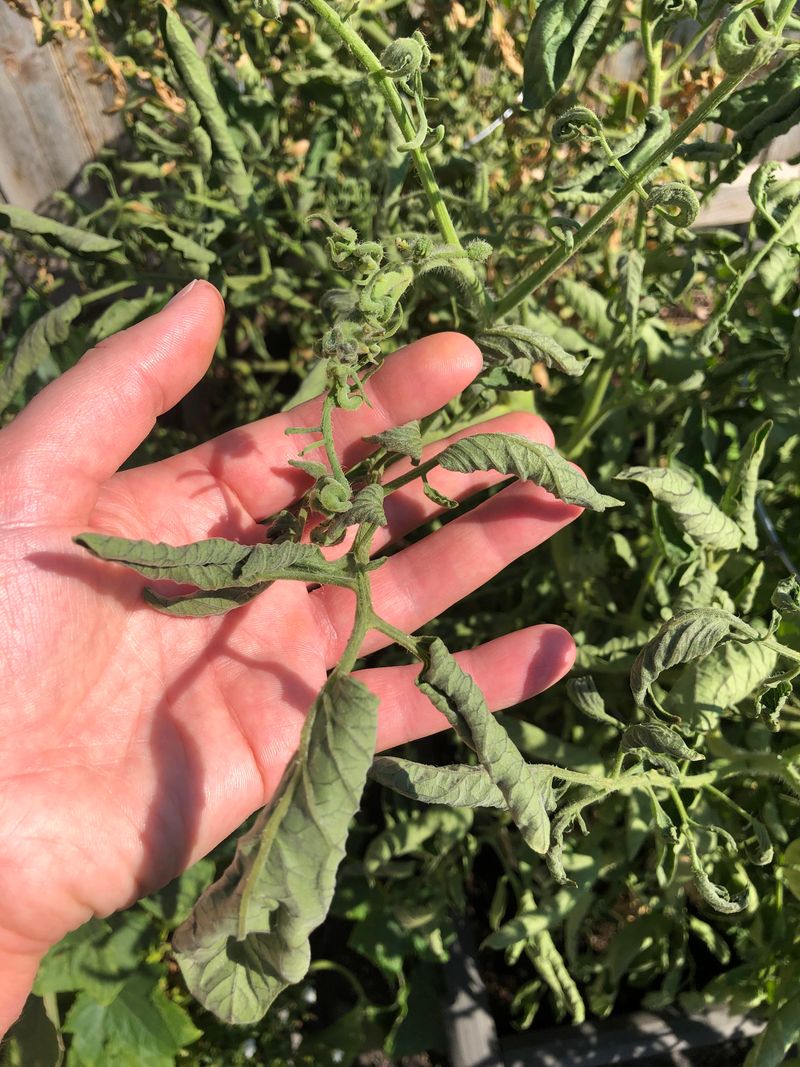
Seeing a tomato plant packed with thick green leaves and strong stems but producing almost no fruit is one of the more puzzling things a gardener can experience. The plant looks like it is doing everything right.
What is actually happening, though, is that the plant has quietly shifted its priorities in response to heat stress, and fruit production is not at the top of the list anymore.
Plants are surprisingly strategic about how they use their energy. When temperatures push into uncomfortable territory for extended periods, a tomato plant naturally slows or even pauses flowering and fruit development.
It keeps the leaves going because photosynthesis is essential for survival, but setting fruit takes a lot of resources, and the plant essentially holds off until conditions improve.
Think of it as the plant playing it safe rather than pushing too hard in tough conditions. This survival response is built into the plant’s biology and is not something you can override by watering more or feeding extra fertilizer.
In fact, adding more fertilizer during this phase can actually make things worse by pushing the plant to produce even more foliage when it should be preparing to fruit again.
The most effective approach is patience combined with smart support. Keep watering consistently, maintain a thick layer of mulch to protect roots, and avoid heavy feeding during peak heat.
Once temperatures begin dropping even slightly in late August or early September, North Carolina tomato plants often bounce back with a strong second flush of flowers and fruit that can carry the harvest well into fall.
5. Soil Moisture Is Swinging Too Much
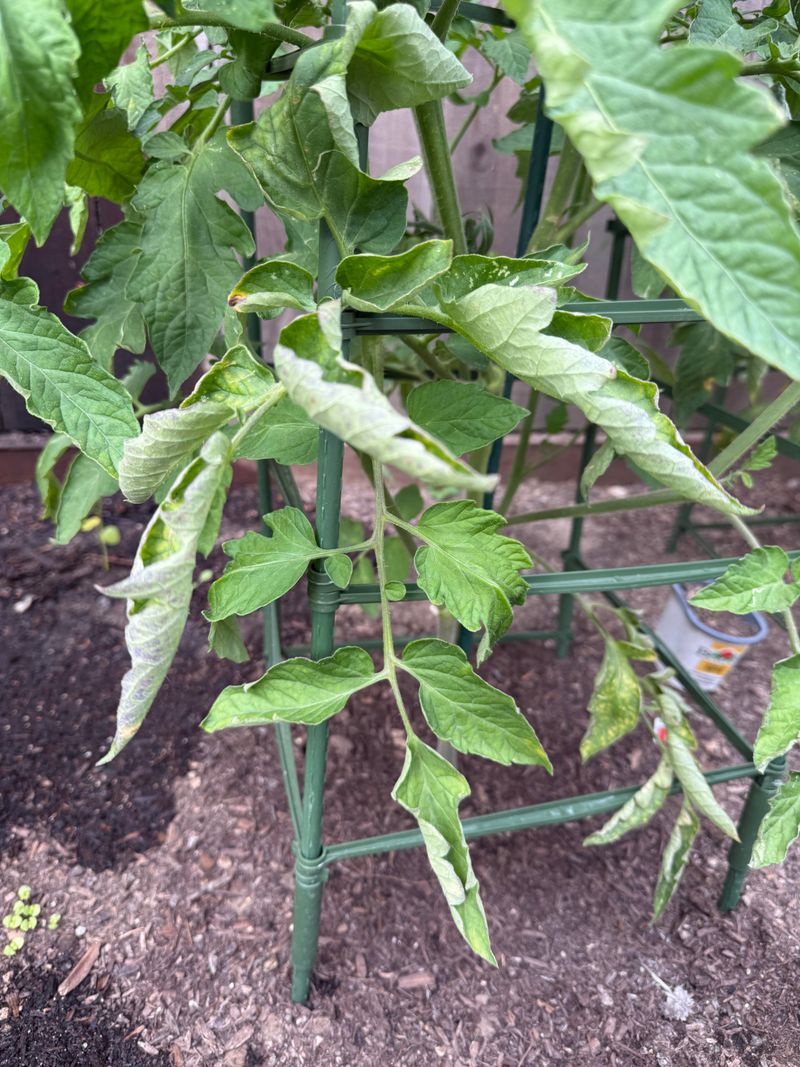
North Carolina summers are famous for their unpredictability. A week of scorching dry heat can be followed almost immediately by a heavy afternoon thunderstorm that dumps two inches of rain in an hour.
For tomato plants, that kind of back-and-forth moisture swing is genuinely stressful, even when the leaves still look full and green on the surface.
Tomatoes prefer consistent soil moisture. When the soil swings from bone dry to waterlogged and back again, the plant struggles to maintain the steady internal conditions it needs for flowering and fruit set.
Blossom drop often increases during these swings, and even flowers that do stay on the plant may not develop into fruit because the plant’s systems are too disrupted to support that process reliably.
Uneven watering also contributes to a condition called blossom end rot, where developing fruit shows a dark, sunken spot at the bottom.
This happens because calcium cannot move properly through the plant when water uptake is inconsistent, and it is a clear sign that moisture management needs attention. Blossom end rot can show up even in soil that has plenty of calcium if watering is erratic.
Fixing this problem starts with mulch. A four-inch layer of straw, shredded leaves, or wood chips spread around the base of each plant slows evaporation dramatically and buffers the soil against both dry spells and heavy rain.
Pairing that with a drip irrigation system or soaker hose on a consistent daily schedule gives North Carolina gardeners much better control over soil moisture through the wild swings of July weather.
6. Too Much Nitrogen Is Pushing Leaves Instead Of Fruit
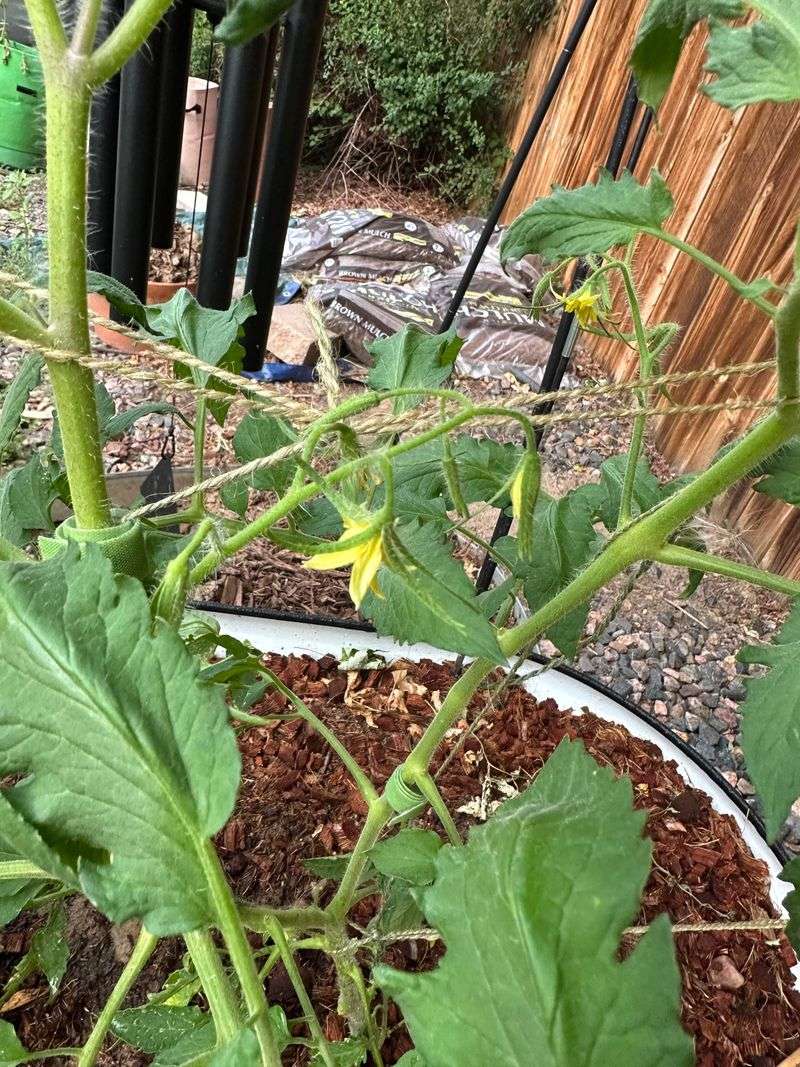
Walk up to a tomato plant with huge, dark green leaves and thick bushy growth and it looks like a total success story. But if that plant has very few flowers and almost no fruit to show for all that greenery, nitrogen overload might be the real story.
Too much nitrogen pushes a plant hard into vegetative growth, meaning it keeps producing leaves and stems at the expense of flowers and fruit.
Nitrogen is an essential nutrient, and tomatoes do need it, especially early in the season when they are getting established.
The problem comes when gardeners continue heavy nitrogen feeding into mid-summer, or when soil is naturally very rich in nitrogen from previous compost applications.
The plant essentially gets the signal to keep growing leaves because resources are abundant, and it deprioritizes the reproductive work of flowering and setting fruit.
Switching to a fertilizer with a lower nitrogen number and higher phosphorus and potassium ratios during the fruiting phase makes a noticeable difference.
Products labeled specifically for tomatoes or vegetables in the fruiting stage are formulated with this balance in mind.
Getting a basic soil test through North Carolina’s Cooperative Extension Service is also a smart move because it takes the guesswork out of what your soil actually needs.
Cutting back on feeding during July’s heat is generally a good idea anyway, since stressed plants cannot use nutrients efficiently.
Focusing on consistent watering and mulching rather than extra fertilizer gives the plant what it actually needs to push through the heat and start setting fruit again once temperatures ease up.
7. Humid Still Air Is Interfering With Flower Pollination
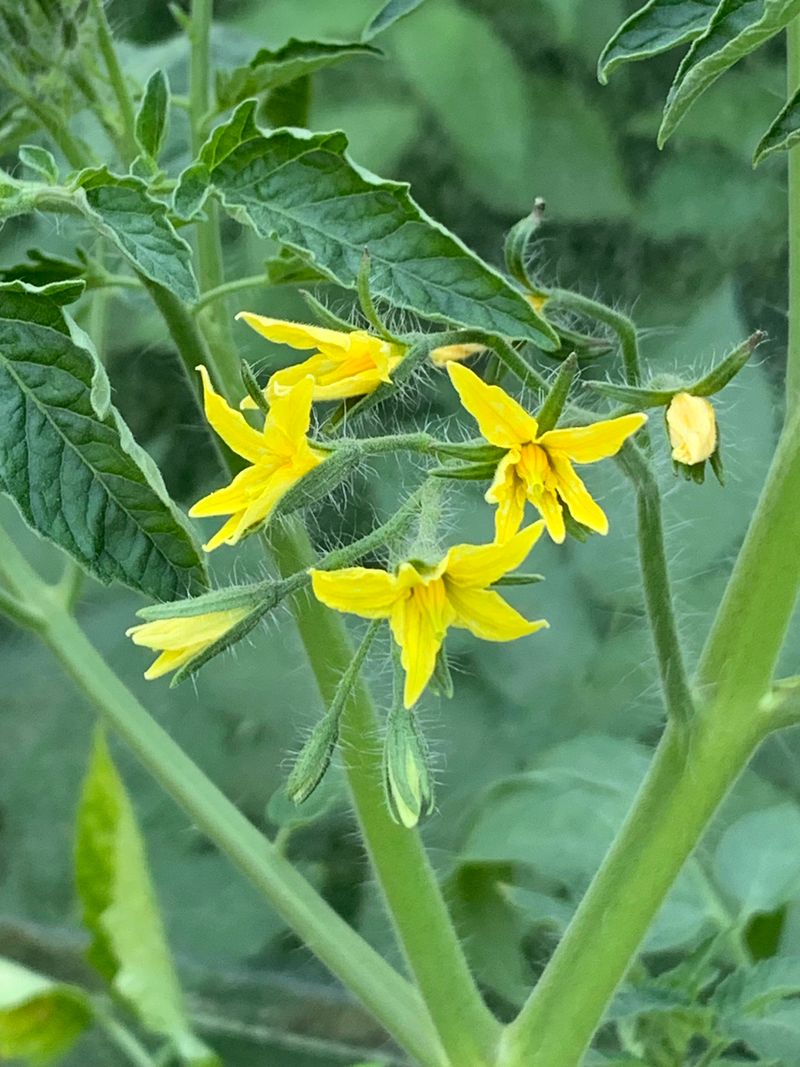
North Carolina summers are not just hot, they are sticky. The humidity that settles over the Piedmont and coastal regions in July creates a thick, heavy air that barely moves on many afternoons.
For tomato plants, that still, humid air creates a surprisingly tricky pollination problem that most gardeners never think about.
Tomatoes are self-fertile, meaning each flower has both male and female parts and can technically pollinate itself. But pollen still needs to move within the flower for fertilization to happen.
Under normal conditions, a light breeze or the vibration from a visiting bumblebee is enough to shake the pollen loose and get it where it needs to go.
When the air is completely still and the humidity is high, pollen can clump together or stick to the flower’s surfaces in ways that make that movement much harder.
Bumblebees are actually the best natural pollinators for tomatoes because they use a technique called buzz pollination, vibrating their bodies at just the right frequency to release pollen from the flower. Honeybees are less effective at this.
In humid, still conditions even bumblebee visits may not be enough to fully compensate for poor air circulation around densely planted tomatoes.
You can give your plants a hand by gently shaking the flowering branches in the morning on calm days. An electric toothbrush or a small battery-powered wand held near open flowers mimics buzz pollination effectively.
Spacing plants far enough apart to allow air movement between them, and pruning out some interior foliage, also helps air circulate better through the canopy and improves overall pollination success.
8. The Variety Is Not A Strong Heat Set Type
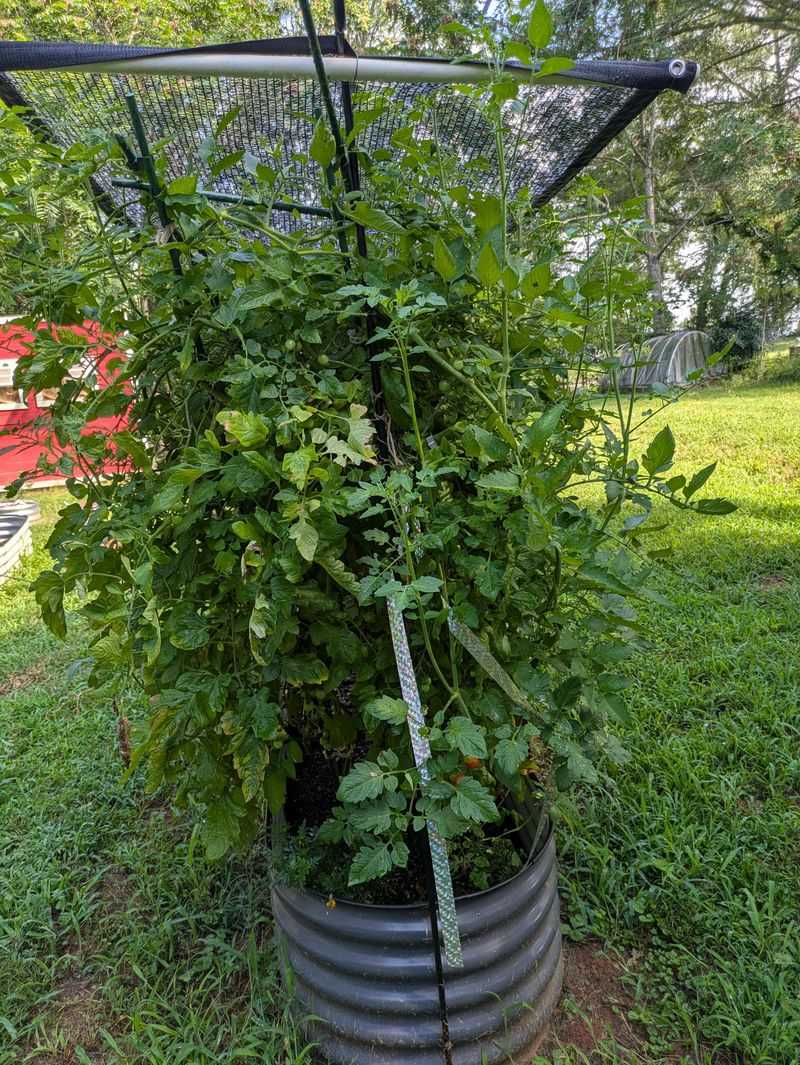
Not all tomato varieties are created equal when it comes to handling Southern summer heat.
Some varieties were developed for cooler climates or for spring and fall growing seasons, and they simply were not built to keep setting fruit when July temperatures in North Carolina push into the upper 90s.
Planting one of these varieties and then wondering why it stops producing in midsummer is a very common experience for newer gardeners in the South.
Plant breeders recognized this problem decades ago and developed what are known as heat-set varieties specifically to address it.
Varieties like Solar Set and Sun Leaper were created to maintain fruit set even when daytime temperatures are extreme and nighttime temperatures stay warm.
These are not the most glamorous tomato names on the seed rack, but they were engineered for exactly the kind of conditions that North Carolina gardeners face every July.
Other varieties that tend to perform reasonably well in Southern summer heat include Heatmaster, Florida 91, and Amelia.
These were developed or selected with hot, humid conditions in mind, and they give gardeners a much better shot at continued production through the toughest weeks of summer.
Local cooperative extension offices often publish regional variety trial results that can point you toward what works best in your specific county.
Timing also matters a great deal. Getting transplants in the ground by mid-April in most of North Carolina allows plants to set a good portion of their fruit before the worst heat arrives.
Planning for a fall planting in late July or early August using heat-tolerant varieties is another strategy that gives gardeners two productive windows instead of one frustrating summer stall.