Stop Making This Watering Mistake With Your Hydrangeas
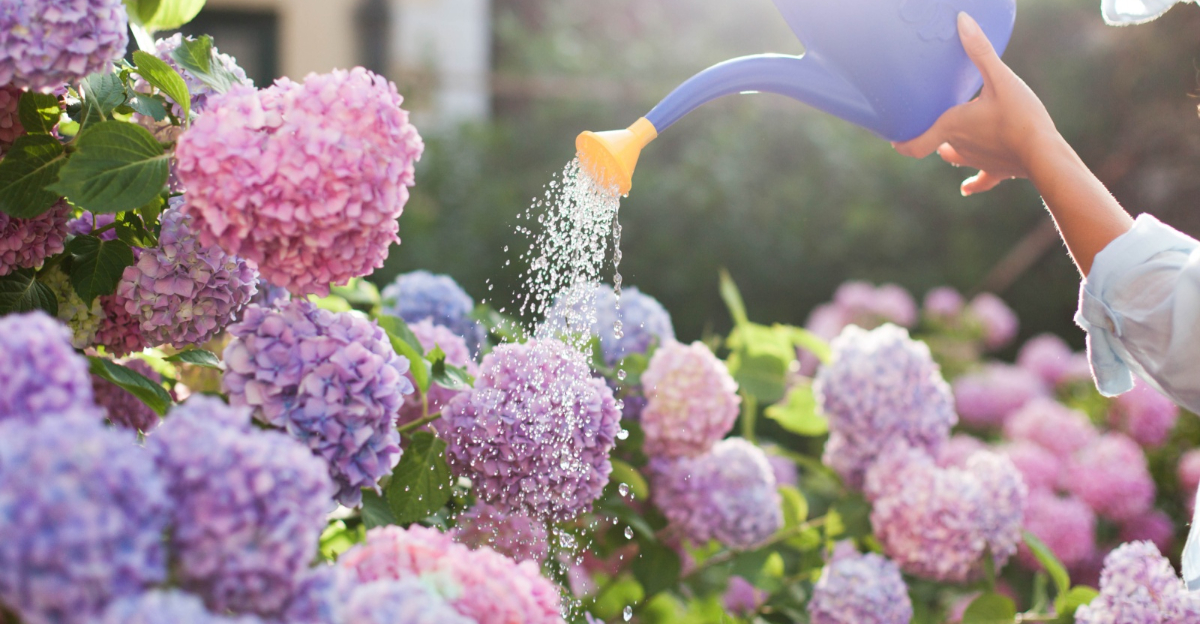
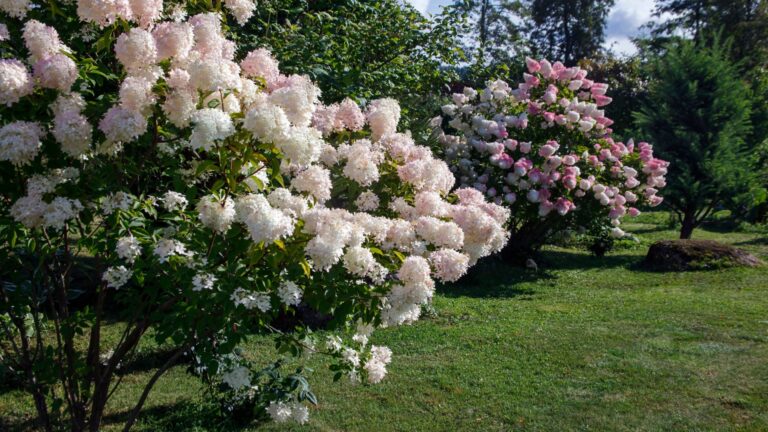
Hydrangeas know how to keep a gardener on their toes. They bloom like showstoppers all week.
Then one warm afternoon they slump into a heap of tired leaves, and the instinct is to grab the hose right away.
That instinct, more often than not, does more harm than the heat itself. Gardeners assume drooping always means thirst. But with hydrangeas, the story underneath is rarely that simple.
Something else is usually going on beneath the soil. It’s something most people never think to check until the plant looks far worse than it should. These shrubs don’t crave constant moisture.
They crave rhythm, a proper soak followed by a real chance to breathe and dry out. Skip that rhythm long enough, and the whole plant starts to decline in ways that are easy to miss early on.
Once you notice what’s actually happening beneath those leaves, everything about caring for hydrangeas starts to make a lot more sense.
The Biggest Watering Mistake With Hydrangeas
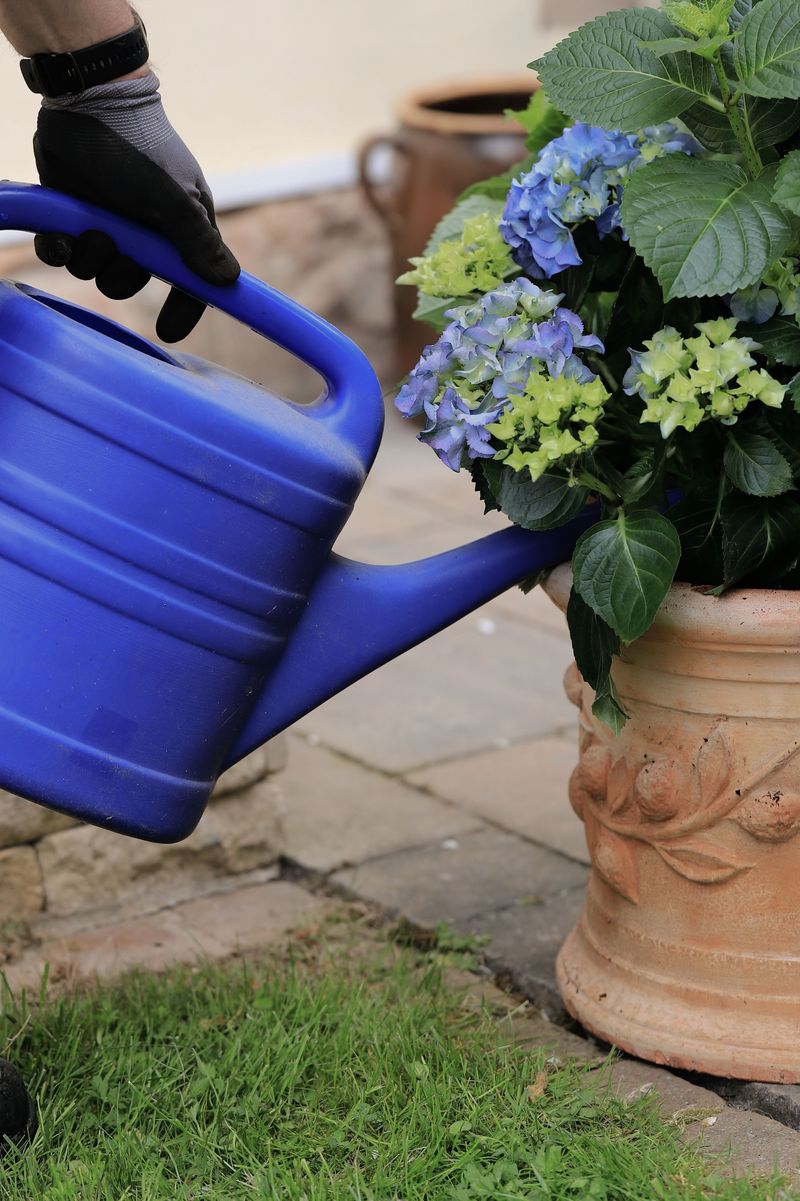
Grab your hose and step away from that hydrangea. The single most common mistake gardeners make is watering too often, not too little.
Hydrangeas look thirsty when they wilt in afternoon heat, but that drooping is often just a stress response to sun exposure. Their cells temporarily lose pressure, then bounce back once evening cools things down.
Watering every single day feels like love, but roots sitting in soggy soil cannot absorb oxygen. Without oxygen, roots weaken and the whole plant struggles to function.
The watering mistake with hydrangeas starts with good intentions and ends with yellow leaves, mushy stems, and stunted blooms. Knowing the difference between a plant that needs water and one that needs rest is the first step toward healthier growth.
Most hydrangeas do best with deep, infrequent watering rather than shallow daily doses. One thorough soak two or three times per week outperforms a light sprinkle every morning.
Deep watering encourages roots to grow downward, building drought tolerance over time. Shallow watering keeps roots near the surface where they stay vulnerable.
Changing just this one habit can transform how your plant performs all season long. Your hydrangea is tougher than it looks.
Why Wilting Leaves Don’t Always Mean Your Plant Is Thirsty
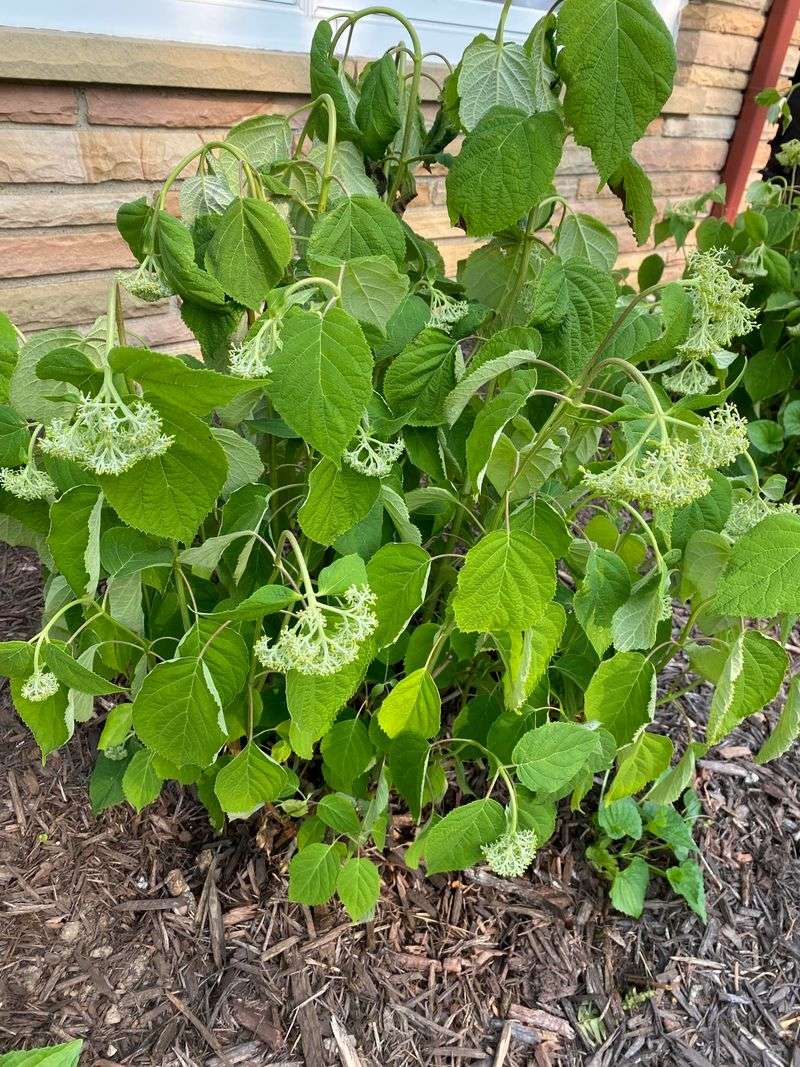
Picture this: your hydrangea is flopped over at noon and you panic. You water it generously, then do it again the next day just to be safe.
By Friday, the leaves are yellow and the stems feel soft. You just made things worse without knowing it.
Afternoon wilting in hydrangeas is one of the most misread signals in gardening. These plants have large, flat leaves that lose moisture fast under strong sun, causing temporary droop that has nothing to do with soil moisture.
Check the soil before you ever reach for a watering can. If the top two inches feel damp, your plant does not need more water right now.
Heat stress and actual drought stress look almost identical to the naked eye. The difference shows up in the soil, not the leaves.
A plant wilting at 2 p.m. that perks back up by 8 p.m. is heat-stressed, not thirsty. A plant that stays limp into the evening likely needs a drink.
Training yourself to observe the full day cycle before reacting saves your plant from unnecessary soaking. Patience here is one of the most useful tools you have.
Trusting what the soil tells you over what the leaves suggest will protect your hydrangeas all summer long.
Recognizing The Warning Signs Of Overwatering
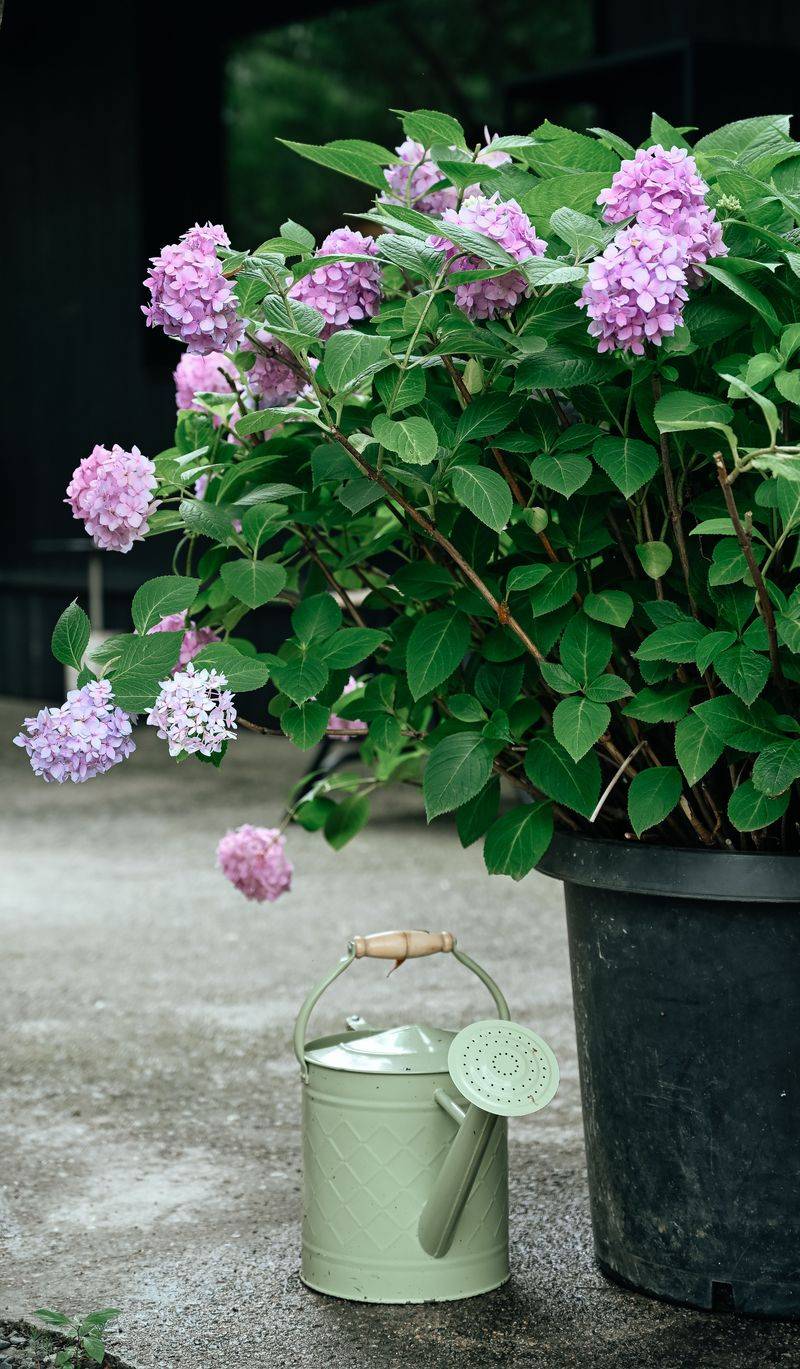
Yellow leaves showing up on your hydrangea are not always a nutrient problem. Often, they are a red flag that roots have been sitting in too much moisture for too long.
Overwatered plants cannot pull nutrients from soggy soil properly, so leaves turn pale and drop even when the plant looks well-fed.
Soft or mushy stems near the base are another serious sign. Healthy hydrangea stems feel firm and slightly woody, not spongy or discolored at the bottom.
Root rot is the silent consequence of chronic overwatering, and it spreads fast once it starts. By the time you notice wilting that does not recover overnight, root damage may already be significant.
Mold or a sour smell near the soil surface is a clear signal that drainage is failing. Healthy soil smells earthy, not swampy or sour.
Fungal issues thrive when foliage stays damp for long periods, especially in humid conditions. Wet soil paired with poor air circulation creates the perfect environment for disease to spread.
Catching these signs early gives you a real chance to course-correct before permanent harm sets in.
Reducing watering frequency and improving drainage can turn things around faster than most gardeners expect. Your plant is sending signals constantly, and learning to read them is half the work done.
A Simple Way To Test Soil Moisture Before You Water
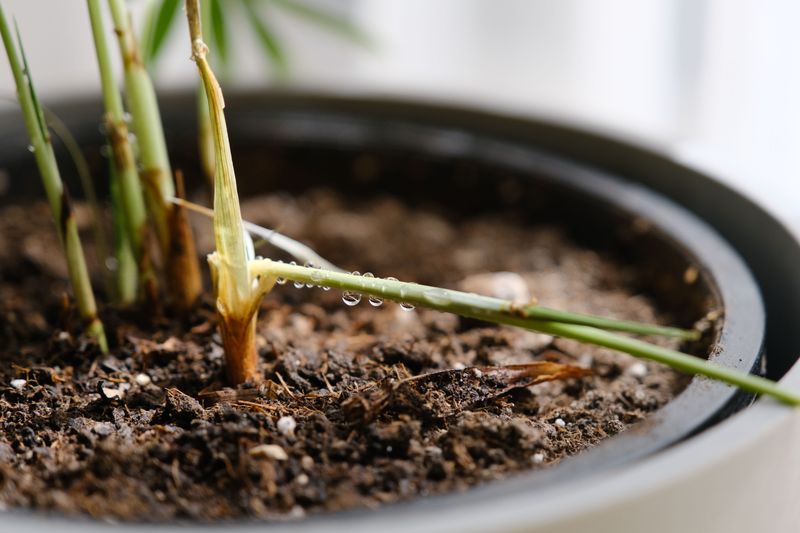
Forget guessing and forget schedules for a moment. The most reliable watering guide you own is already attached to your hand.
Stick your index finger about two inches into the soil near your hydrangea’s base. If it feels moist and cool, hold off on watering for at least another day.
If it feels dry and crumbly at that depth, your plant is ready for a drink. This simple finger test takes three seconds and prevents countless watering errors.
For gardeners who want something more precise, a basic soil moisture meter is typically inexpensive and removes most of the guesswork. You insert the probe, read the dial, and water only when the reading falls into the dry zone.
Both methods beat watering on a fixed calendar schedule, which ignores rainfall, humidity, and seasonal changes. Weather shifts constantly, and your watering habits should shift with it.
After heavy rain, skip your scheduled watering entirely and test the soil instead. Rainwater soaks deeper than it looks, and the ground often stays moist for days.
For many gardeners, testing before watering starts to feel natural after a week or so of practice. After that, it becomes second nature and your hydrangeas will reward the effort with stronger growth and more vibrant blooms all season.
Finding The Right Watering Schedule For Your Hydrangeas
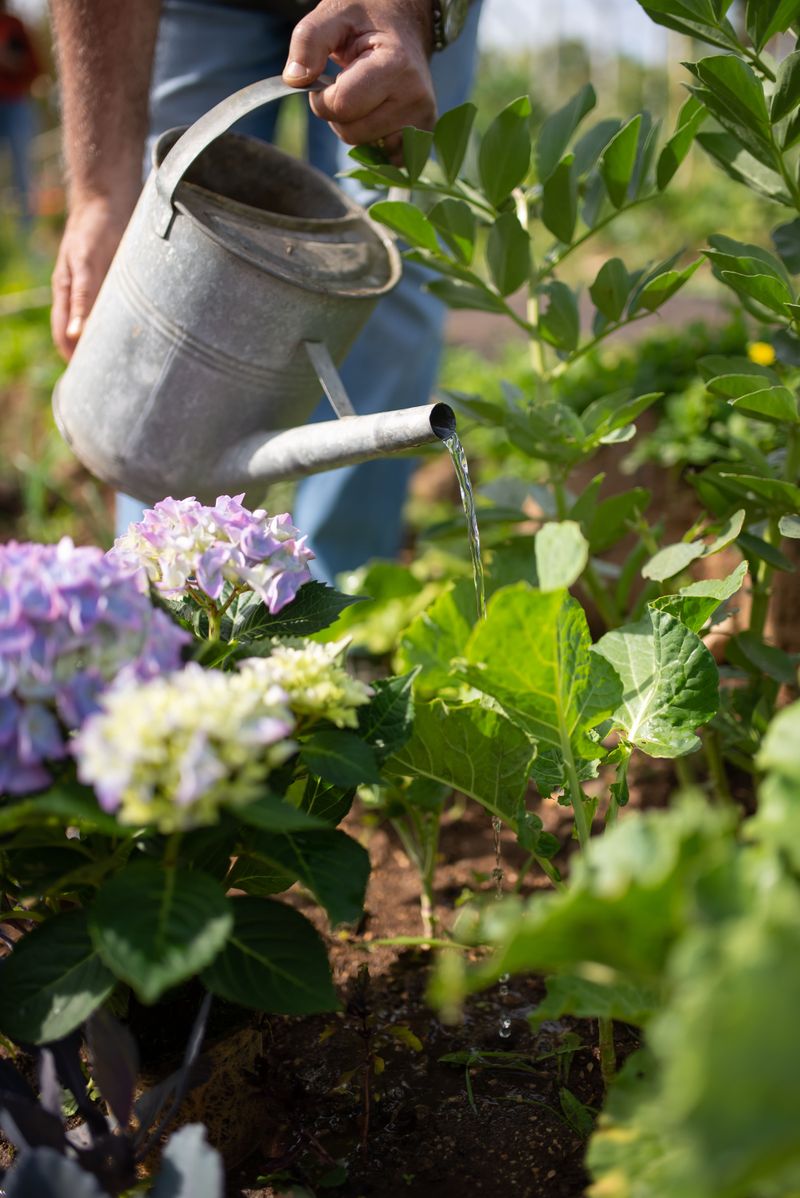
No two gardens are exactly alike, and no single watering schedule works for every hydrangea. Soil type, climate, sun exposure, and pot versus ground planting all change what your plant actually needs.
Sandy soil drains fast and may need water three times per week during summer heat. Dense clay holds moisture longer and might only need watering once a week in cooler weather.
Potted hydrangeas dry out significantly faster than those planted in the ground. Check container plants every day during summer since pots heat up quickly and hold far less moisture overall.
Morning is generally the best time to water hydrangeas. Watering in the morning allows foliage to dry before evening, cutting down on fungal problems that love damp overnight conditions.
Avoid watering from overhead when possible since wet leaves invite mildew and other disease. A soaker hose or drip system delivers moisture directly to roots, where it belongs.
During the first growing season, newly planted hydrangeas need more frequent attention while roots establish themselves. Once established, they become noticeably more resilient and forgiving of occasional missed sessions.
A consistent but flexible routine beats rigid scheduling every time. Watch your plants, adjust with the seasons, and let the soil guide your timing rather than the calendar on your wall.
Additional Habits That Can Make Overwatering Worse
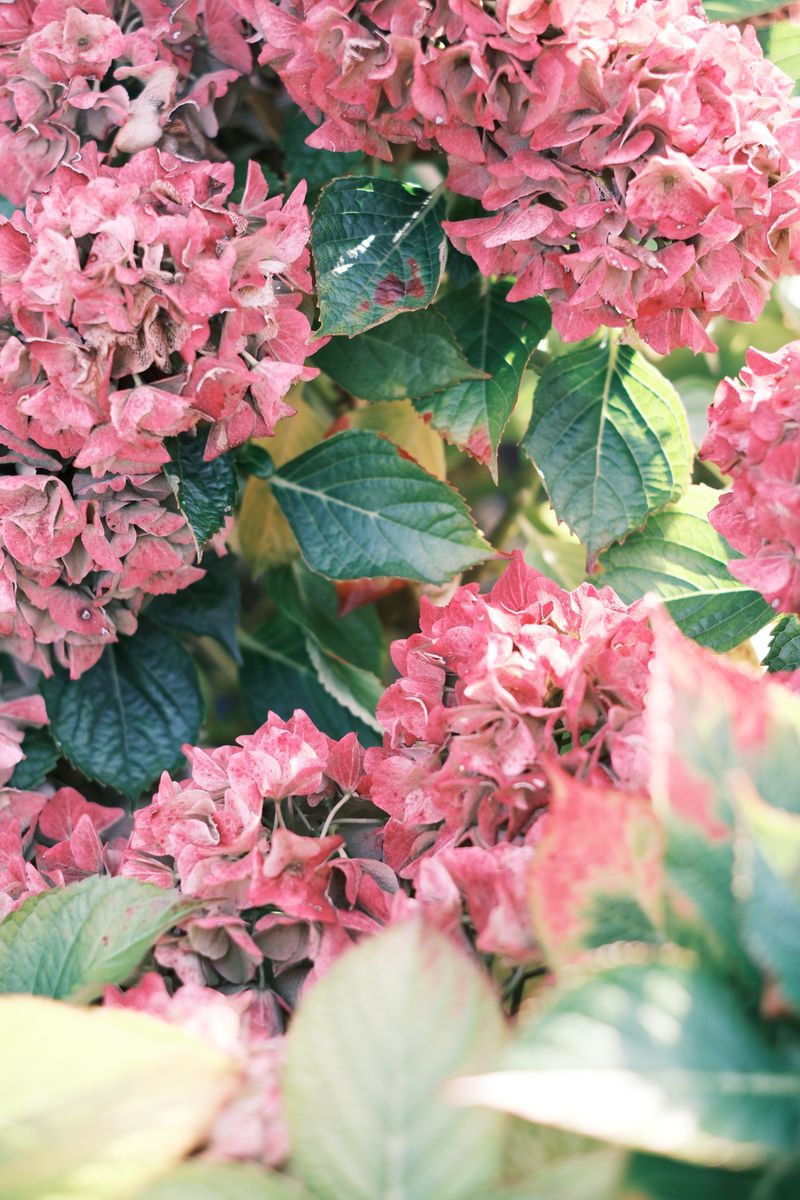
Overwatering is rarely just about how much you pour. Several surrounding habits quietly make the problem worse without ever touching the hose.
Poor drainage is one of the biggest amplifiers of water damage in hydrangeas. If your soil stays soggy for days after rain, excess moisture has nowhere to escape and roots start to struggle.
Planting hydrangeas in low spots where water collects after storms sets them up for ongoing stress. Raised beds or amended soil with added compost and perlite can dramatically improve drainage in problem areas.
Mulching is helpful, but piling mulch directly against the stem traps moisture and promotes rot at the crown. Keep mulch a few inches away from the base to allow airflow around the plant.
Oversized pots for container hydrangeas hold excess moisture that small root systems cannot absorb quickly enough. Choosing a pot with proper drainage holes and a size that matches root volume makes a real difference.
Fertilizing a stressed, overwatered plant also backfires by pushing growth the weakened roots cannot support. Wait until the plant stabilizes before adding any nutrients back into the routine.
Each of these habits compounds the damage from too much water. Fixing them alongside adjusting your watering schedule gives your hydrangea the best possible environment to recover and grow strong.
Getting Your Hydrangeas Back To Healthy Growth
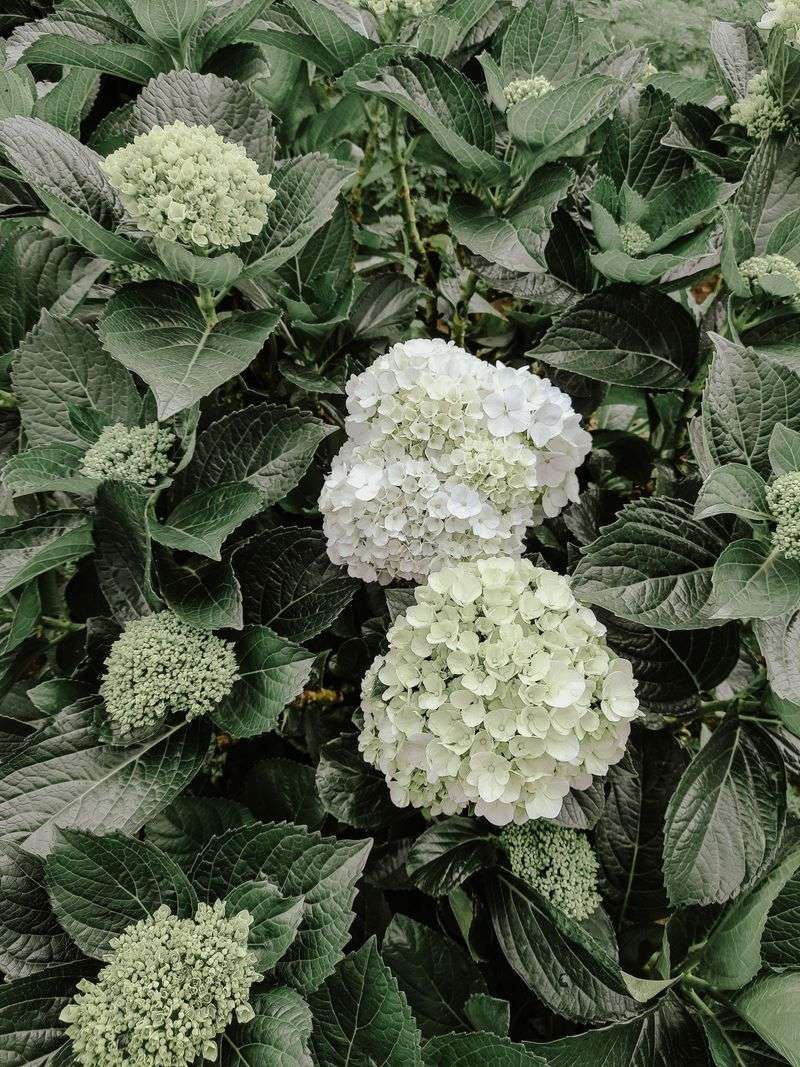
Recovery is absolutely possible, even if your hydrangea looks rough right now. Most plants bounce back quickly once the root cause of stress is removed.
Start by stopping all watering for several days and letting the soil dry out to a healthy moisture level. Give the roots a chance to breathe before introducing any more moisture.
If root rot has set in, gently remove the plant and inspect the root system. Trim away any black, mushy roots with clean scissors and replant in fresh, well-draining soil.
Improving the soil structure around established hydrangeas helps long-term recovery significantly. Working compost into the top few inches loosens compacted ground and helps water move through more efficiently.
Once your plant stabilizes, resume watering using the finger test method and deep, infrequent sessions. Consistency from this point forward is what locks in long-term health.
Pruning damaged or yellowed leaves removes stress from the plant and redirects energy toward new growth. Clean cuts with sanitized pruners prevent introducing additional problems during the healing phase.
Patience is one of the most valuable tools at this stage. Hydrangeas that receive corrected watering care often produce their most beautiful blooms in the very next season, proving that recovery is not just possible but worth every effort.