The Ozark Native Plants Worth Adding To Arkansas Yards This Summer
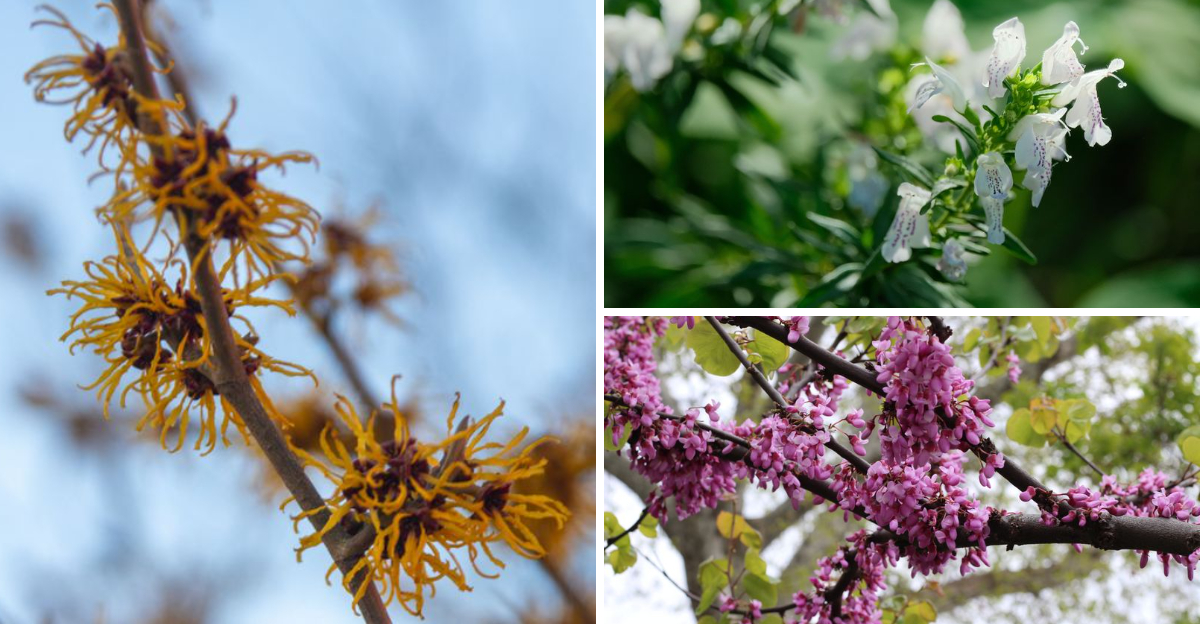
Arkansas summers don’t ease in gently. They arrive with heat that presses down on lawns and turns fussy landscaping into a chore nobody wants.
That’s where Ozark natives change the equation. These plants grew up here, through drought years, clay soil, and afternoons that hit triple digits, so none of that fazes them.
Some open wide for bees before the sun gets brutal. Others hold their shape through storms that flatten everything else nearby.
A few pull in pollinators like they’ve sent out invitations, while grasses catch the light and sway with every breeze, turning a plain yard into something worth a second look.
None of this asks for constant watering or babysitting. Pick the right natives, and the Ozarks do most of the work for you, one blooming season at a time.
1. Purple Coneflower (Echinacea Purpurea)
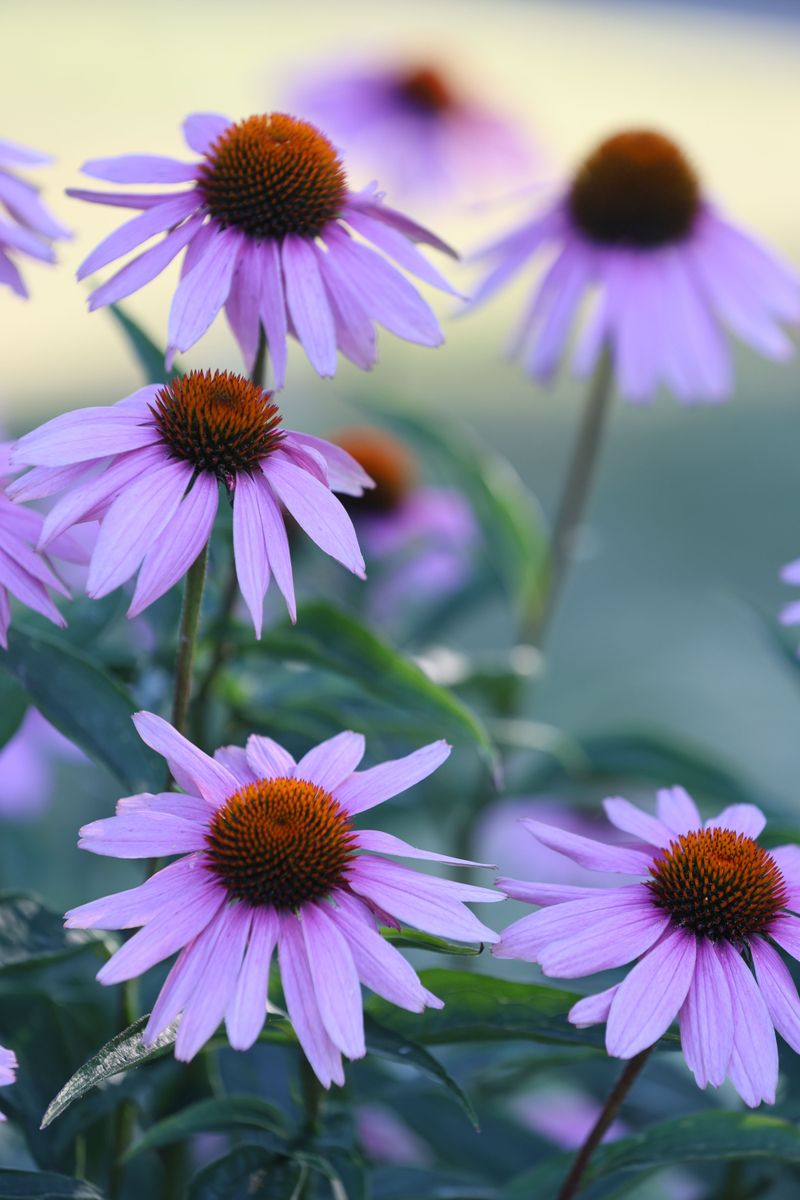
Few plants stop people in their tracks quite like the Purple Coneflower. Those bold, daisy-like blooms in rich magenta-purple are hard to miss from across the yard.
This Ozark native thrives in full sun and handles dry spells without complaint. It is one of the toughest perennials you can plant in an Arkansas summer garden.
Pollinators swarm it constantly. Butterflies, bees, and goldfinches treat Purple Coneflower like an all-you-can-eat buffet from July through September.
Plant it in well-drained soil and give it some space to spread. Clumps grow bigger each year, so you get more blooms for no extra effort.
Many gardeners know Echinacea from herbal medicine shelves. Native Americans used it for centuries before it ever appeared in a supplement store.
It pairs beautifully with ornamental grasses and Black-Eyed Susans. That combination creates a layered, meadow-style look that feels both wild and intentional.
Removing spent flowers encourages more blooms during the season. But leaving seed heads up in fall feeds birds all winter long.
Purple Coneflower is drought-tolerant once established, which matters a lot in hot Arkansas summers. You will not be dragging a hose out every other day just to keep it alive.
It also self-seeds modestly, filling gaps in your garden over time. One plant today can quietly become a small colony within a few seasons.
This is one of the easiest natives to start with if you’re short on time.
2. American Beautyberry (Callicarpa Americana)
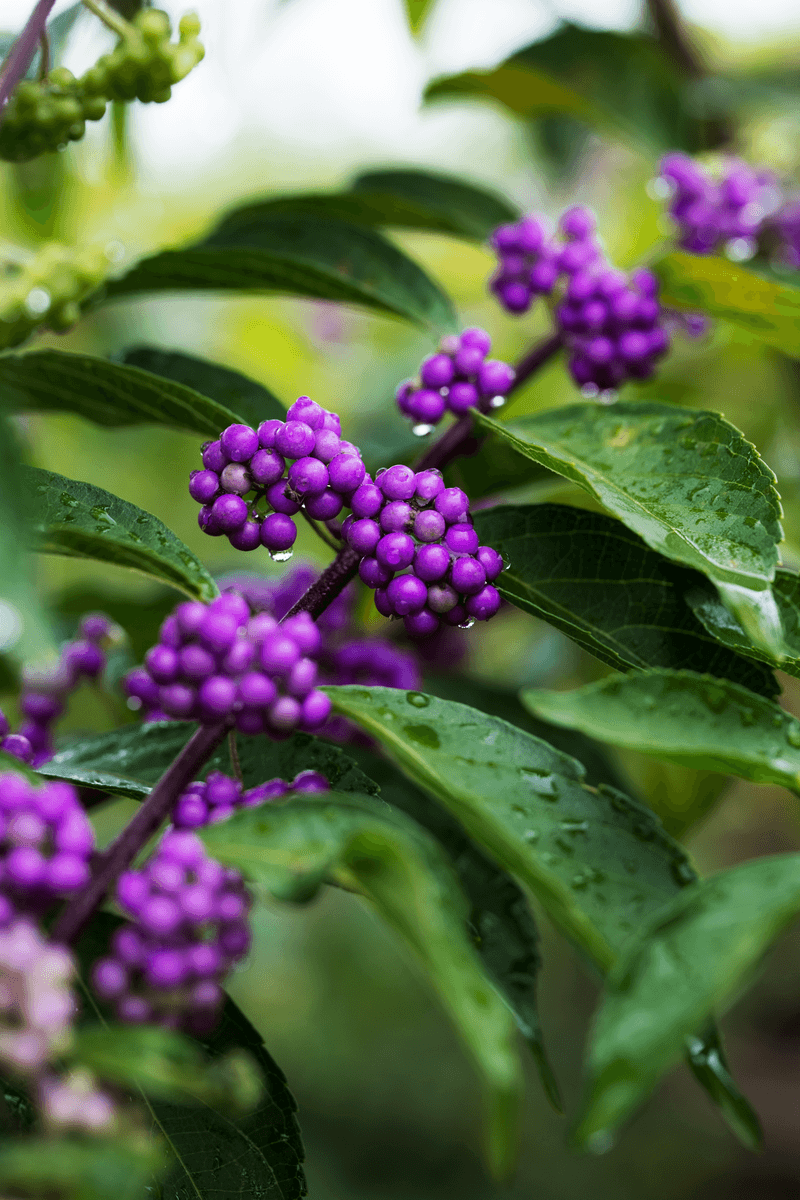
American Beautyberry earns a second look the moment the berries appear. Those electric-purple berry clusters look almost too vivid to be real.
This native shrub grows naturally across the Ozarks and performs brilliantly in partial shade. It is a smart pick for those tricky spots under trees where other plants struggle.
Callicarpa americana can reach six feet tall and wide, so give it room to arc gracefully. Its branches droop slightly under the weight of berry clusters, which is part of the charm.
The berries appear in late summer and last well into fall. Birds feast on them enthusiastically, especially mockingbirds and robins passing through on migration.
Historically, settlers crushed the leaves and rubbed them on skin to repel mosquitoes. Modern research has actually backed up that old folk remedy with real science.
Your Arkansas Garden Changes Every Week. Your Plan Should Too.
Gardening in Arkansas changes quickly throughout the season. Every Friday you’ll receive a simple weekly plan showing exactly what to plant, prune, fertilize, harvest, and protect so you never miss the right timing.
Pruning hard in late winter keeps the shrub compact and encourages vigorous new growth. New wood is what produces the best berry display each season.
Plant it alongside ferns or hostas for a shade garden that feels lush and layered. The purple berries pop dramatically against soft green textures.
American Beautyberry is genuinely low-maintenance once established. Once it is settled into your yard, it needs very little upkeep through summer heat.
Deer tend to browse it lightly, so a little protection helps in rural areas. But most suburban gardeners will find this shrub easy to grow.
3. Arkansas Beardtongue (Penstemon Arkansanus)
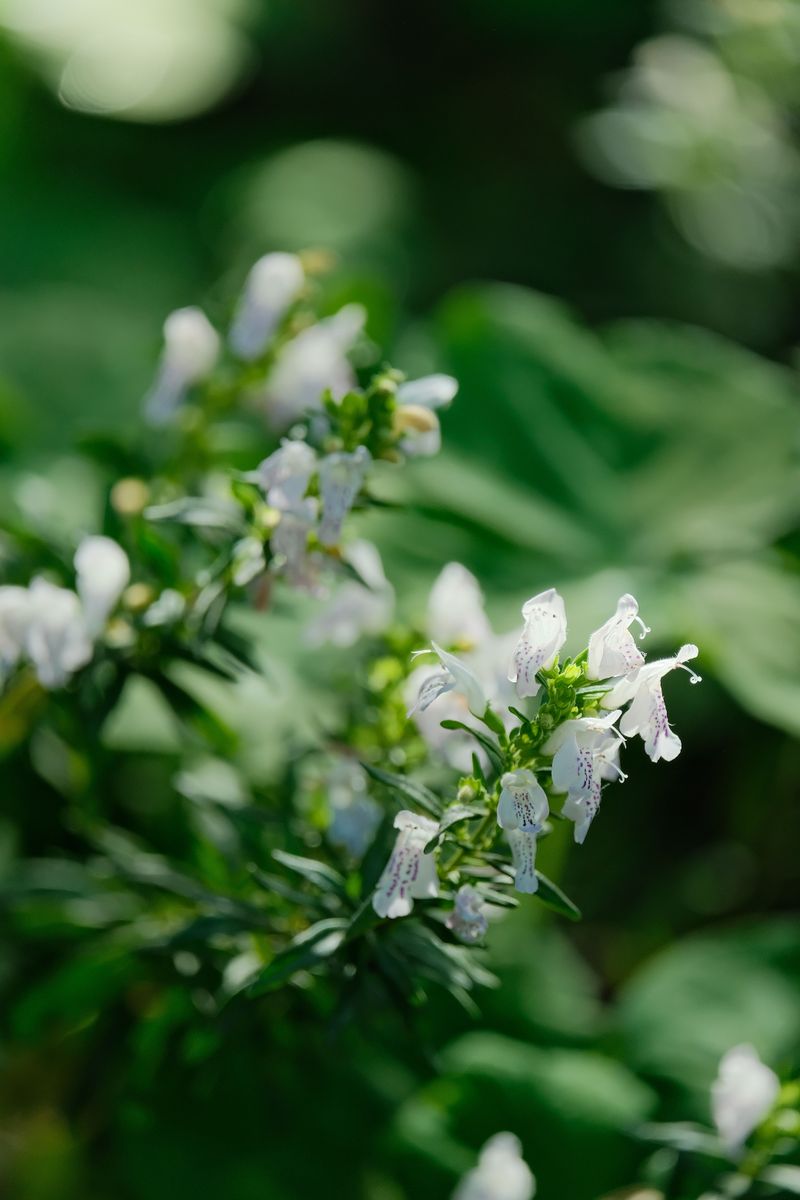
Named directly for this state, Arkansas Beardtongue is practically a point of local pride. It is one of the few native plants that carries the region’s name right in its scientific title.
Penstemon arkansanus produces elegant white tubular flowers streaked with lavender on tall, slender stalks. Bumblebees and hummingbirds find those tubes irresistible every single spring.
This plant is native to rocky glades and open woodlands across the Ozarks. That background means it thrives in well-drained, even poor soils where other plants would sulk.
It blooms in late spring to early summer, bridging the gap between early bulbs and summer perennials. That timing makes it strategically valuable in a layered garden plan.
Overwatering is the main mistake people make with Beardtongue. Wet feet in heavy clay soil is one of the fastest ways to lose this plant to root rot.
Raised beds or slopes work perfectly for this species. Rocky or gravelly soil mimics its natural habitat and keeps the roots happy through wet seasons.
Plant it near native grasses or low-growing sedums for a naturalistic Ozark glade effect. The contrast between delicate flowers and rugged surroundings is genuinely striking.
Arkansas Beardtongue is a short-lived perennial, but it self-seeds reliably. New plants pop up nearby each year, so the colony sustains itself with minimal input from you.
Supporting a plant endemic to your own region feels meaningful beyond aesthetics. Growing it is a small act of ecological stewardship that adds real beauty to your yard.
4. Butterfly Weed (Asclepias Tuberosa)
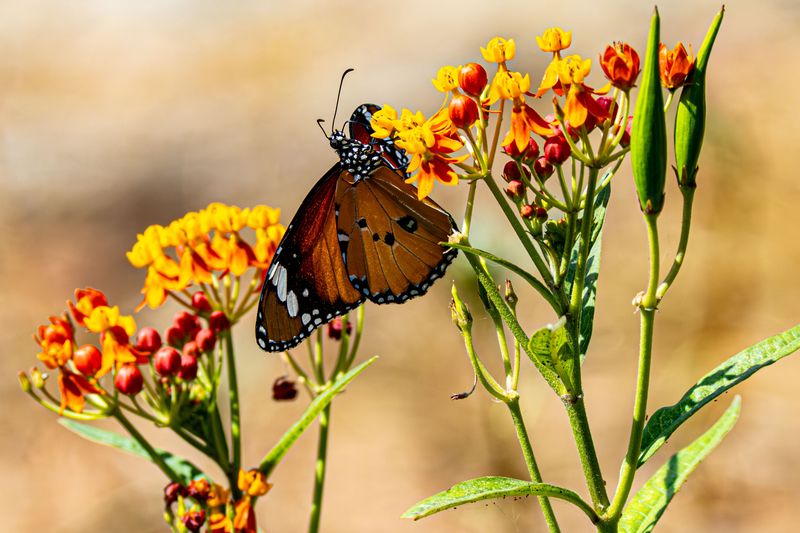
Bright orange flower clusters on Butterfly Weed look like tiny flames erupting from the ground on a hot summer day. This plant makes its presence known across the yard.
Asclepias tuberosa is a native milkweed, which makes it an essential host plant for monarch butterflies. Monarch caterpillars rely on milkweed as their only food source.
Unlike other milkweeds, this species stays compact and tidy, reaching about two feet tall. It fits neatly into a mixed border without taking over neighboring plants.
The blooms last for weeks in midsummer, drawing not just monarchs but swallowtails, fritillaries, and native bees. Your yard becomes a pollinator hub within its first season.
Butterfly Weed grows from a deep taproot, which is why it survives brutal summer droughts. That same taproot means it resents being moved once established, so choose its spot carefully.
Full sun and excellent drainage make the biggest difference for this plant.
One fun detail: the seed pods split open in fall to release silky, parachute-tailed seeds. Watching them drift on an October breeze is genuinely one of autumn’s small pleasures.
It is slow to emerge in spring, sometimes not showing until late May. Mark its location so you do not accidentally dig it up thinking the spot is empty.
Planting Butterfly Weed is one of the most direct ways to support monarch conservation. Beautiful and purposeful, this orange gem earns every inch of garden space it occupies.
5. Ozark Witch Hazel (Hamamelis Vernalis)
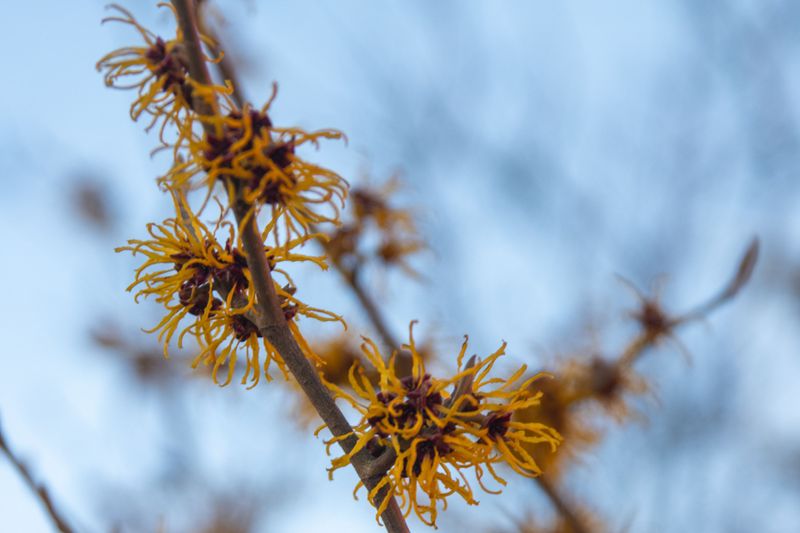
Ozark Witch Hazel blooms in January, when very little else in the garden is flowering. That alone makes it one of the more unusual native shrubs in the region.
Hamamelis vernalis produces spidery, ribbon-like flowers in shades of yellow, orange, and red. On warm winter afternoons, the fragrance drifts across the yard in the most unexpected way.
This shrub is native to stream banks and rocky slopes throughout the Ozark Plateau. It has adapted to Missouri and Arkansas conditions over thousands of years of natural selection.
In summer, the foliage is clean and attractive with a bold, tropical-ish texture. Come fall, the leaves turn bright gold and orange before dropping cleanly.
Ozark Witch Hazel grows eight to ten feet tall over many years. Patience pays off because a mature specimen in full winter bloom is a striking sight.
Plant it where you can see it from a window during winter months. That way you catch the blooms even on days too cold to step outside.
It prefers moist, slightly acidic soil with good organic content. A spot near a rain garden or low area suits it well in most Arkansas yards.
Wildlife value extends beyond the showy flowers. The dense branching structure provides excellent shelter for songbirds during cold snaps and ice storms.
Witch hazel extracts have been used in skincare for generations, but growing the Ozark species is about so much more than utility. It adds interest to the yard even in the coldest months.
6. Eastern Redbud (Cercis Canadensis)
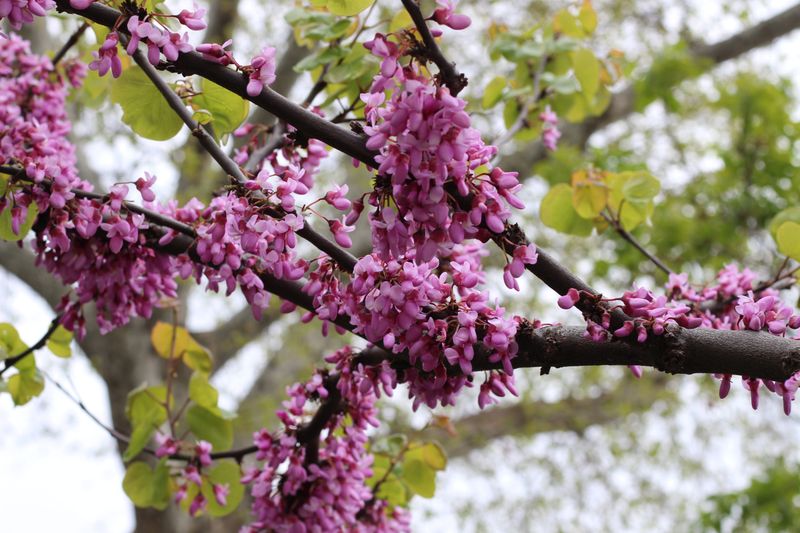
Every spring, Eastern Redbud turns the Ozark hillsides into something out of a painting. Thousands of tiny magenta blooms coat every branch before a single leaf appears.
Cercis canadensis is the official state tree of Oklahoma and grows just as happily across Arkansas. It is a mid-sized tree, topping out around twenty to thirty feet at maturity.
The flowers emerge directly from the bark, a trait called cauliflory that looks striking up close. Running your hand along a bloom-covered branch in March is a sensory experience worth having.
After flowering, heart-shaped leaves unfurl in a fresh lime green. They deepen to rich green through summer and turn clear yellow in fall.
Eastern Redbud tolerates a range of soil types, including the rocky clay that frustrates so many Arkansas gardeners. It adapts well to both full sun and partial shade.
Pollinators go wild for the early blooms when few other food sources exist. Native bees especially depend on Redbud as one of their first spring meals after winter.
The seed pods that follow flowering are edible and have a mildly tart flavor. Early settlers ate them raw or pickled, adding them to salads for a tangy crunch.
Redbud grows quickly in its early years, adding up to two feet a year under good conditions. You will not wait a decade for impact the way you might with slower trees.
Planting an Eastern Redbud is investing in a legacy tree for your yard. Its spring show keeps neighbors looking twice, year after year.
7. Brown-Eyed Susan (Rudbeckia Triloba)
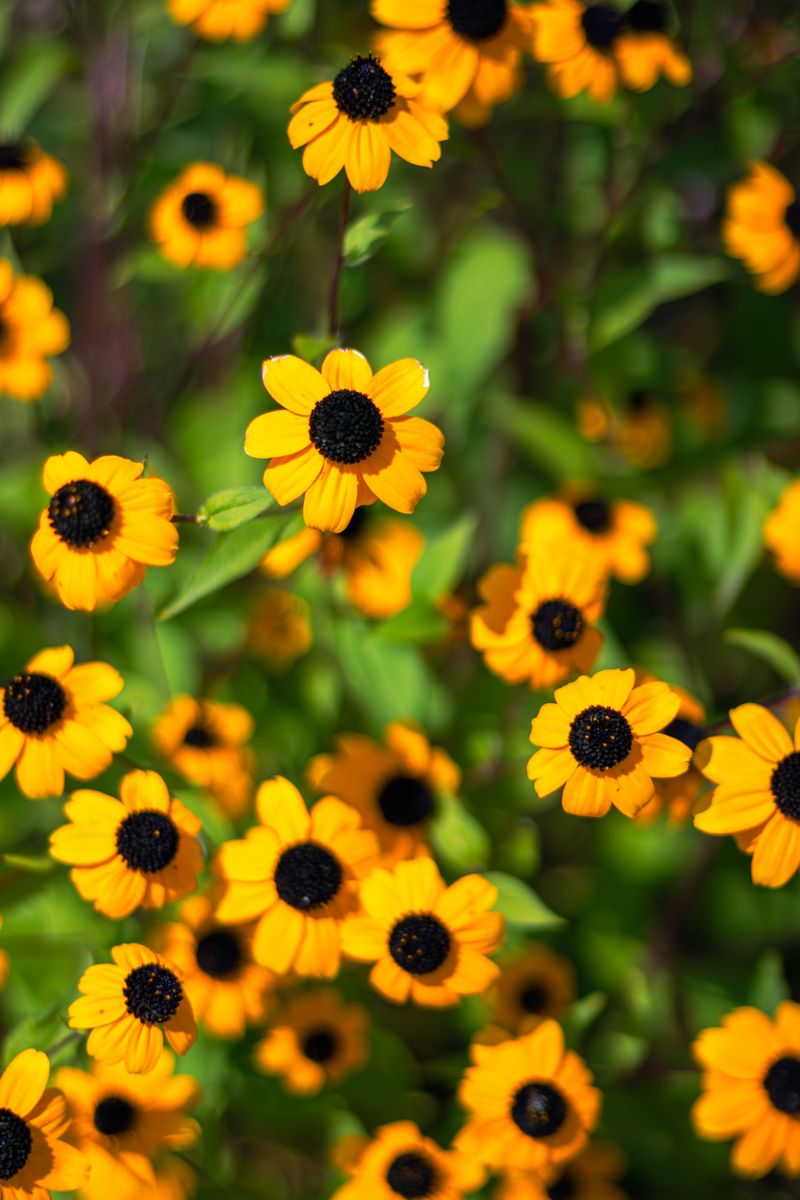
If Purple Coneflower is the bold headliner, Brown-Eyed Susan is the irresistible supporting act that steals the show anyway. Rudbeckia triloba produces hundreds of small, cheerful blooms on branching stems.
Each flower has golden-yellow petals surrounding a rich chocolate-brown center. The effect of a mature clump in full bloom is like a burst of late-summer sunshine in plant form.
This species blooms later than its cousin Rudbeckia hirta, carrying color deep into September and October. That extended bloom season is valuable when most summer flowers are fading fast.
Brown-Eyed Susan thrives in average to poor soils with good drainage. Overly rich soil actually causes floppy, weak stems, so resist the urge to over-fertilize.
It grows naturally in open woodlands and meadow edges across the Ozarks. That background means it handles partial shade better than most sun-loving wildflowers.
Butterflies and native bees cover the flowers constantly during peak bloom. This is one of the more effortless ways to bring in steady pollinator activity.
Brown-Eyed Susan is a biennial or short-lived perennial that self-seeds prolifically. Once you plant it, you will likely have it in your yard for years without replanting.
The seed heads persist through winter, providing food for finches and sparrows during lean months. A naturalistic planting left standing after frost serves double duty beautifully.
Pair it with native grasses or tall asters for a meadow-style planting that feels effortless. These Ozark native plants together create a fall garden that earns its keep.
8. Chinkapin Oak (Quercus Muehlenbergii)
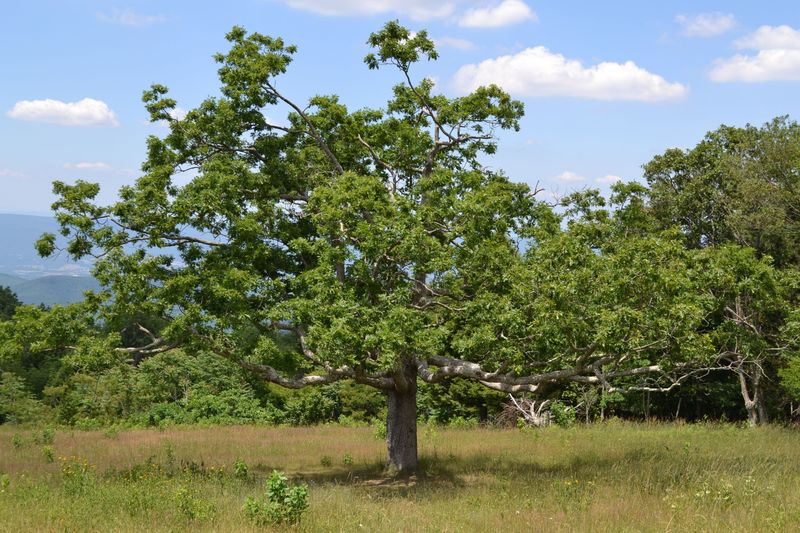
Want a tree that wildlife heavily depends on? Chinkapin Oak produces acorns that deer, turkeys, squirrels, and wood ducks all compete for every single fall.
Quercus muehlenbergii is native to the limestone glades and rocky slopes of the Ozarks. It is one of the more ecologically important oaks in the region.
The leaves are distinctive, with large, rounded teeth along the edges resembling the leaves of a chinkapin chestnut. That unique shape makes identification easy even for beginning plant enthusiasts.
Chinkapin Oak grows to sixty or seventy feet at full maturity, so it is a long-term commitment. But that scale means serious shade, which dramatically reduces cooling costs in Arkansas summers.
It handles alkaline, rocky soils far better than most oaks. If your yard sits on limestone bedrock, this tree suits your conditions well.
Fall color ranges from yellow to orange-brown, giving the tree one last burst of interest before winter. The bark develops attractive ridges and furrows as the tree ages.
Oak trees support more caterpillar species than almost any other genus of tree. Those caterpillars are the primary food source for nesting songbirds raising their young each spring.
Planting a native oak is one of the highest-impact choices a homeowner can make for local ecology. One tree feeds and shelters more species than an entire flowerbed of non-native ornamentals.
These Ozark native plants, from tiny wildflowers to towering oaks, build a yard that truly belongs to its place. A Chinkapin Oak planted today becomes a lasting feature of the landscape.