These Are The Reasons Idaho Potato Growers Get Consistently Bigger Harvests
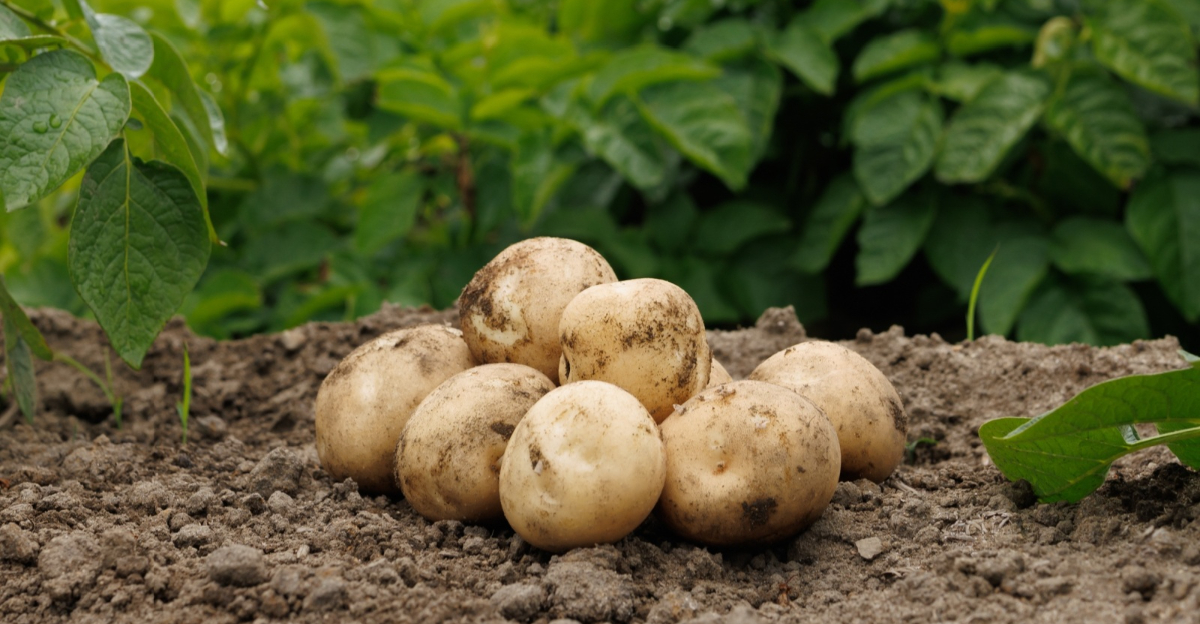
Idaho’s potato fields didn’t get famous by accident. Drive past one in July and you’ll see rows so even they look drawn with a ruler.
The leaves stay thick and dark green. Growers here don’t leave things to chance. They test their soil before a single seed potato goes in the ground. They track moisture like a pilot watches fuel gauges.
They walk their fields regularly, checking for early signs of stress before anything gets serious.
That kind of care is why Idaho produces potatoes that are heavier, cleaner, and better tasting than what most home gardens turn out in a typical year.
None of it requires fancy equipment. It doesn’t take a farming degree either. It just takes noticing the right moments. Knowing when to hill the soil matters.
So does knowing when to water, and when to ease off nitrogen so the plant puts its energy into the tuber instead of the leaves.
Borrow these habits, and your backyard patch might finally come close to what grows on a real Idaho farm.
1. Decades Of Soil Expertise Transfer To Backyards
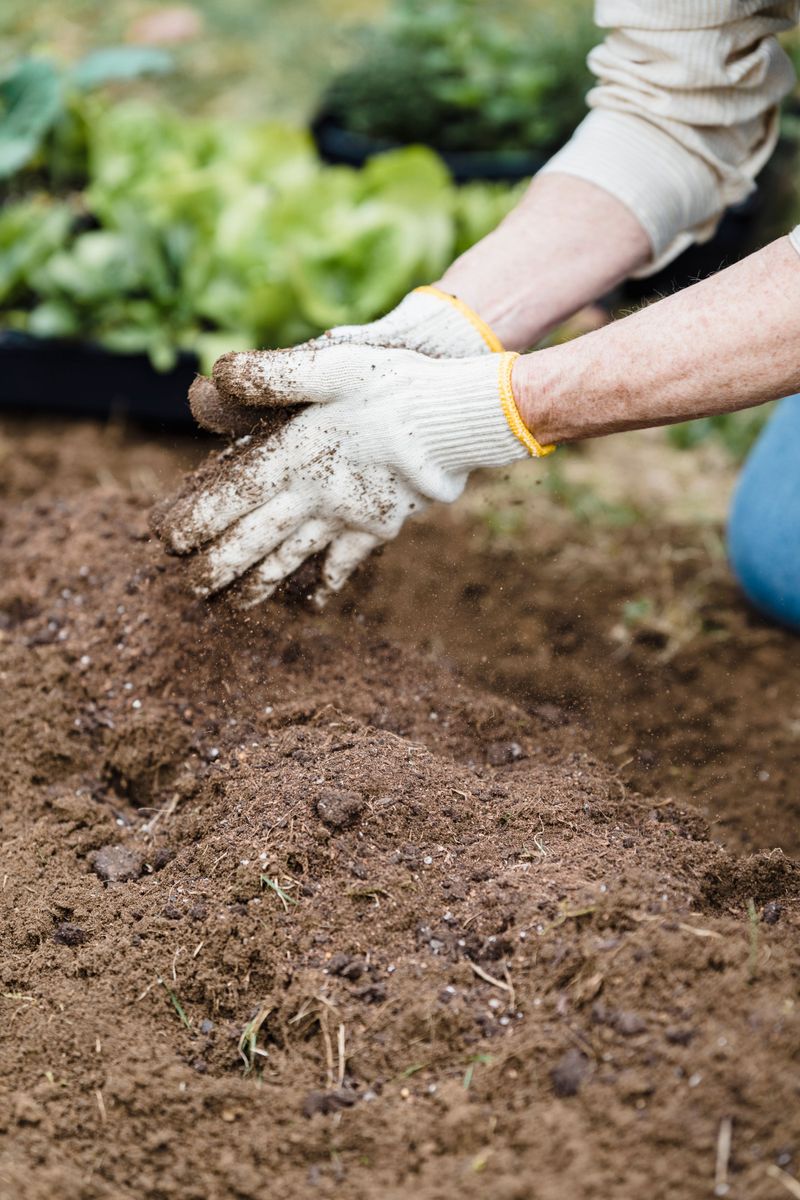
Rich soil is not an accident. Idaho farmers have spent generations learning exactly what their ground needs, and that knowledge is now available to anyone willing to pay attention.
Commercial growers test their soil every single season. They check pH, nutrient levels, and organic matter before a single seed potato ever hits the ground.
Home gardeners can do the same thing with a simple mail-in soil test. Most university extension offices offer them for under twenty dollars.
The sweet spot for potatoes is a soil pH between 5.0 and 6.0. Too alkaline and the plant struggles to pull nutrients from the ground, no matter how much fertilizer you add.
Idaho farmers also add organic matter consistently. Compost, aged manure, and cover crops all build the loose, well-draining structure that potato roots love.
Compacted soil is one of the biggest obstacles for tubers. Roots cannot expand, and potatoes end up small, misshapen, and frustrating to harvest.
Backyard growers who copy this approach see real results fast. Loose, amended soil lets tubers swell without resistance, which means bigger potatoes with less effort.
The biggest takeaway from Idaho potato growers is that soil prep is not optional. It is the foundation that every other practice builds on, and skipping it costs you at harvest time.
2. Hilling Prevents Green, Light-Exposed Potatoes
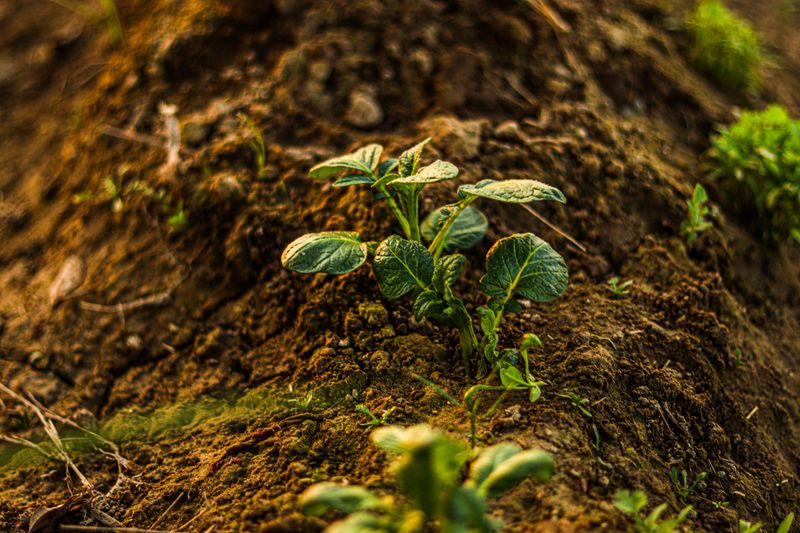
Hilling sounds old-fashioned, but it is one of the most powerful tricks in the Idaho potato playbook. Skip it and you will pull green, bitter, potentially toxic tubers out of the ground come harvest day.
Potatoes turn green when sunlight hits them. That green color signals solanine, a compound that tastes awful and can make you sick if eaten in large amounts.
Hilling solves this problem completely. Growers mound soil up around the base of each plant as it grows, keeping all developing tubers buried and protected.
The first hilling usually happens when plants reach about six inches tall. A second mounding follows two to three weeks later, building a ridge that can reach ten inches high.
Your Idaho Garden Changes Every Week. Your Plan Should Too.
Gardening in Idaho changes quickly throughout the season. Every Friday you’ll receive a simple weekly plan showing exactly what to plant, prune, fertilize, harvest, and protect so you never miss the right timing.
Each time you hill, you also give the plant more room to set new tubers. Potatoes grow on underground stems called stolons, and more covered stem means more potential growing spots.
Idaho commercial operations use specialized equipment to hill entire fields in a single pass. Home gardeners can do it with a standard garden hoe and about twenty minutes of weekend effort.
Straw mulch works as a hilling substitute in raised beds. It blocks light just as effectively as soil and makes harvesting much easier since you can simply pull it aside.
Consistent hilling is one of those habits that separates a mediocre harvest from a great one, and once you start doing it, you will never skip it again.
3. Timing Planting To Soil Temp Boosts Yields
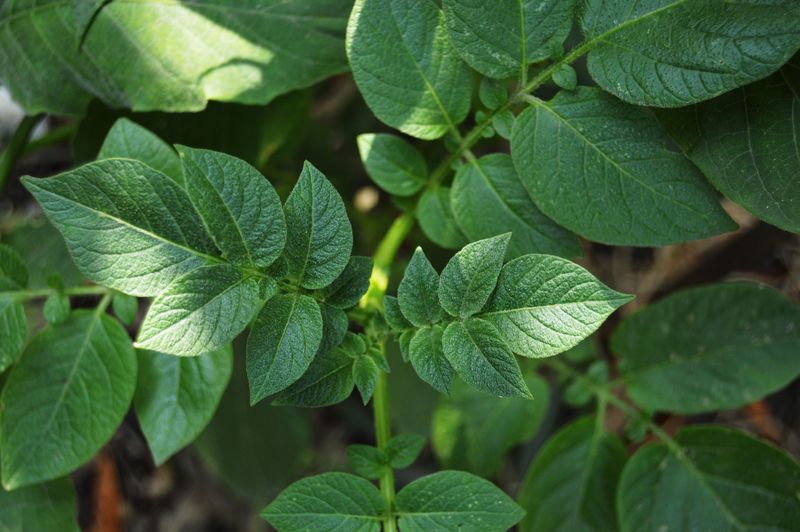
Planting too early is one of the most common mistakes home gardeners make with potatoes. Cold soil does not damage seed potatoes instantly, but it does stall them in a way that costs weeks of growing time.
Idaho potato growers wait until soil reaches at least 45 degrees Fahrenheit before planting. Most prefer 50 degrees for faster, more reliable sprouting.
A basic soil thermometer costs about ten dollars and pays for itself the first season. Stick it four inches deep in your garden bed and check it for three consecutive mornings before you plant.
Cold, wet soil also invites fungal problems. Seed pieces sitting in soggy ground can rot before they ever sprout, which means replanting and losing weeks off your growing season.
On the flip side, soil that is too warm at planting time stresses the crop differently. Potatoes prefer cool soil during tuber formation, so timing matters on both ends of the thermometer.
In most northern states, the ideal planting window falls between mid-April and mid-May. Southern gardeners often do a fall crop instead, working backward from the first expected frost date.
Commercial Idaho operations use historical weather data and real-time sensors to nail this window every year. Home growers just need a thermometer and a little patience.
Getting the soil temperature right at planting is one of the simplest ways to guarantee bigger harvests, and it costs almost nothing to get it right.
4. Steady Watering Avoids Cracked Tubers
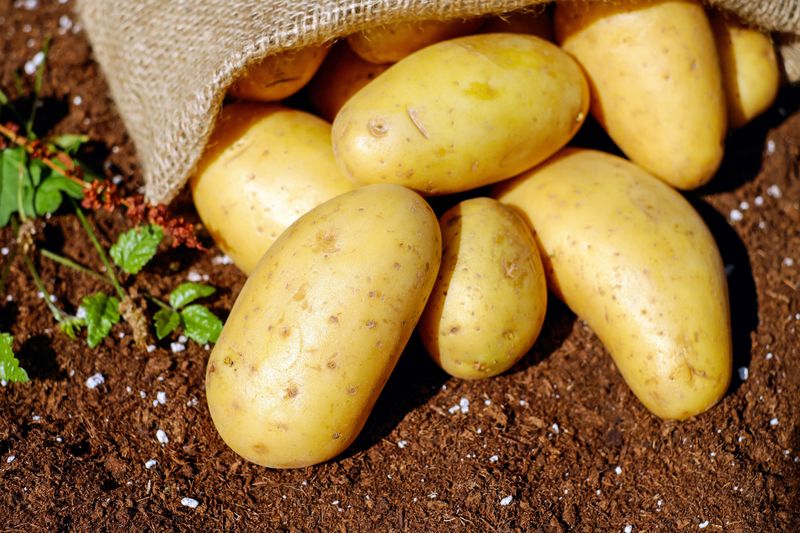
Cracked potatoes are not just ugly. They are a sign that something went wrong underground, and the culprit is almost always inconsistent watering.
When soil dries out and then gets soaked, tubers expand rapidly in response to sudden moisture. That fast growth causes the skin to split, leaving cracks that invite disease and reduce shelf life.
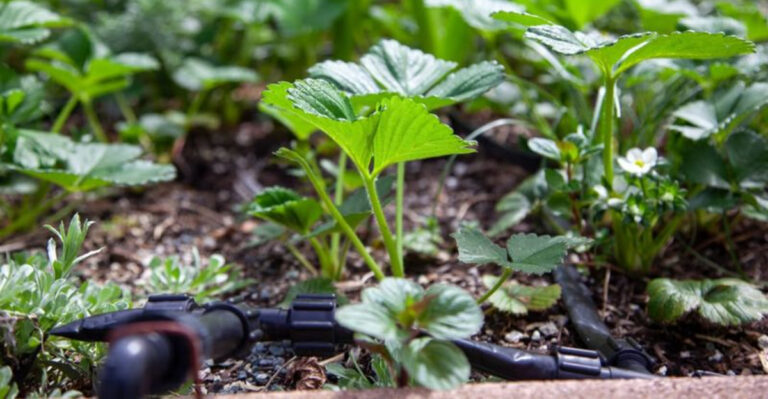
Idaho growers use drip irrigation to deliver water slowly and consistently. Drip systems keep soil moisture levels steady without ever wetting the foliage, which reduces fungal pressure significantly.
Home gardeners can replicate this with inexpensive soaker hoses. Run them along each row and connect them to a simple timer for hands-free, consistent watering all season long.
Potatoes need about one to two inches of water per week during active growth. The critical window is tuber set, which happens roughly sixty days after planting.
During tuber set, the plant is building its underground crop. Any drought stress during this period directly reduces the final size and number of potatoes you harvest.
Mulching heavily between rows helps retain soil moisture between watering sessions. Straw, shredded leaves, or wood chips all work well and also suppress weeds at the same time.
Once you match Idaho’s steady watering approach, you will notice fewer cracked, hollow, or misshapen tubers at harvest, and your potatoes will store much longer without spoiling.
5. Crop Rotation Reduces Soil-Borne Disease
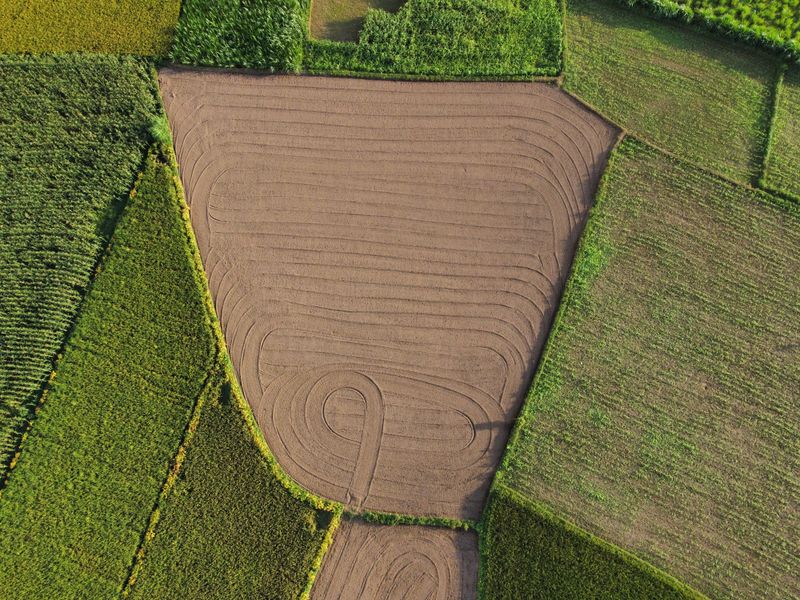
Planting potatoes in the same spot year after year is a fast track to soil problems. Idaho’s commercial growers figured this out generations ago, and crop rotation is now a non-negotiable part of their system.
Potato-specific pathogens build up in soil when the same family of plants grows there repeatedly. Scab, verticillium wilt, and early blight all thrive when conditions favor them season after season.
A standard rotation keeps potatoes out of the same bed for at least three years. Growers fill those years with unrelated crops like corn, beans, or small grains that do not share the same diseases.
Home gardeners with small plots sometimes think rotation is impossible. Even shifting your potato bed by ten feet makes a meaningful difference in pathogen load.
Rotation also helps with pest management. Colorado potato beetles and certain nematodes are much easier to control when their preferred host plant moves around the garden.
Some Idaho farms rotate into cover crops like buckwheat or mustard. These plants actively suppress certain soil pathogens while also adding organic matter when tilled back in.
Keeping a simple garden map each season makes rotation planning easy. Mark where potatoes grew last year and choose a spot that has hosted something completely different for at least two seasons.
Healthy soil is the gift that crop rotation keeps giving, and growers who stick with it consistently enjoy cleaner plants, fewer losses, and harvests that keep getting better every year.
6. Proper Spacing Grows Fuller Tubers
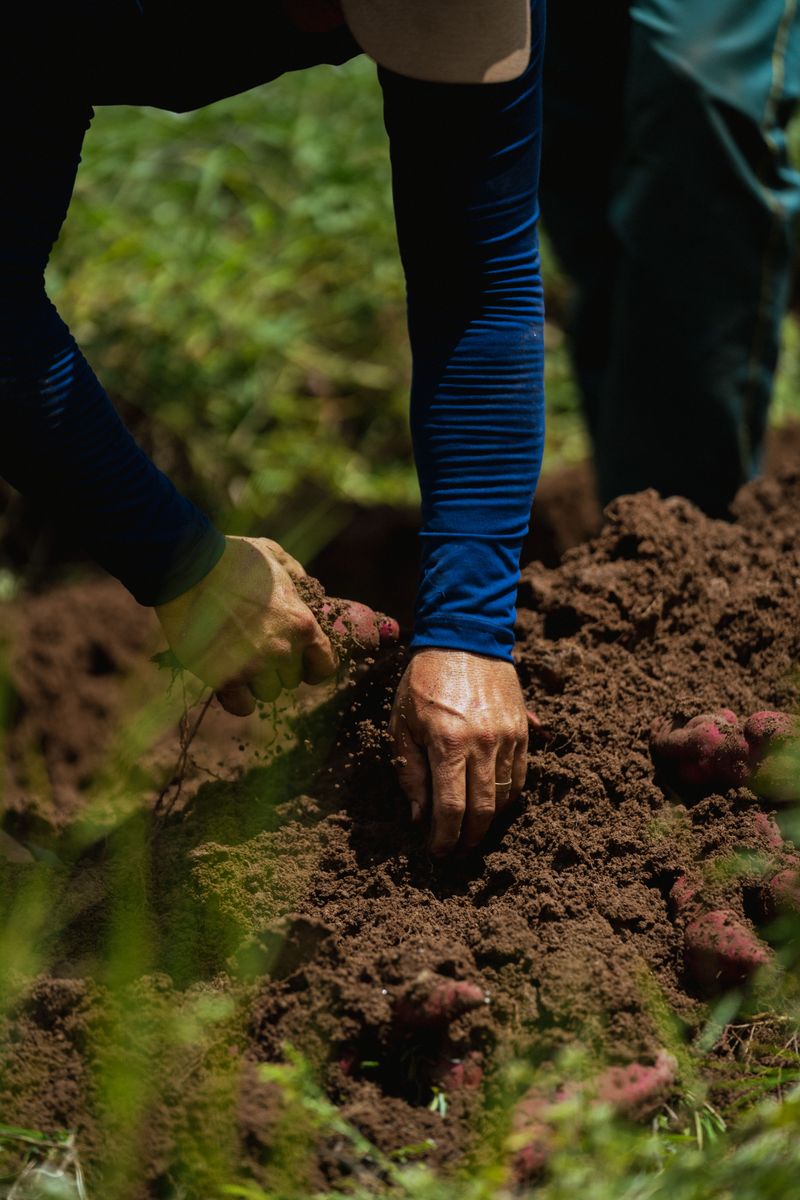
Crowded potatoes compete for the same water, nutrients, and space underground. Idaho growers know that giving each plant room to breathe is one of the easiest ways to grow bigger, rounder tubers.
Standard commercial spacing puts seed pieces about twelve inches apart within the row. Rows themselves are typically spaced thirty to thirty-six inches apart to allow equipment access and good air circulation.
Home gardeners sometimes squeeze plants closer thinking they will get more potatoes per square foot. The opposite usually happens, with smaller tubers and higher disease pressure from poor airflow.
Each potato plant needs space to spread its stolons outward underground. Stolons are the horizontal stems that produce tubers, and cramped conditions limit how far they can reach.
Larger seed pieces can be cut into chunks before planting, as long as each piece has at least two eyes. Cutting increases the number of plants you get from a single purchase without sacrificing vigor.
After cutting, let the pieces dry for a day or two before planting. That drying period allows a protective callus to form over the cut surface, reducing rot risk significantly.
Proper spacing also makes hilling easier and more effective. Wide rows give you extra soil to pull up around the base of each plant without disturbing neighboring roots.
Give your plants the room they need and they will reward you with the kind of fat, satisfying potatoes that make the whole garden effort feel completely worth it.
7. Curing Extends Storage Life
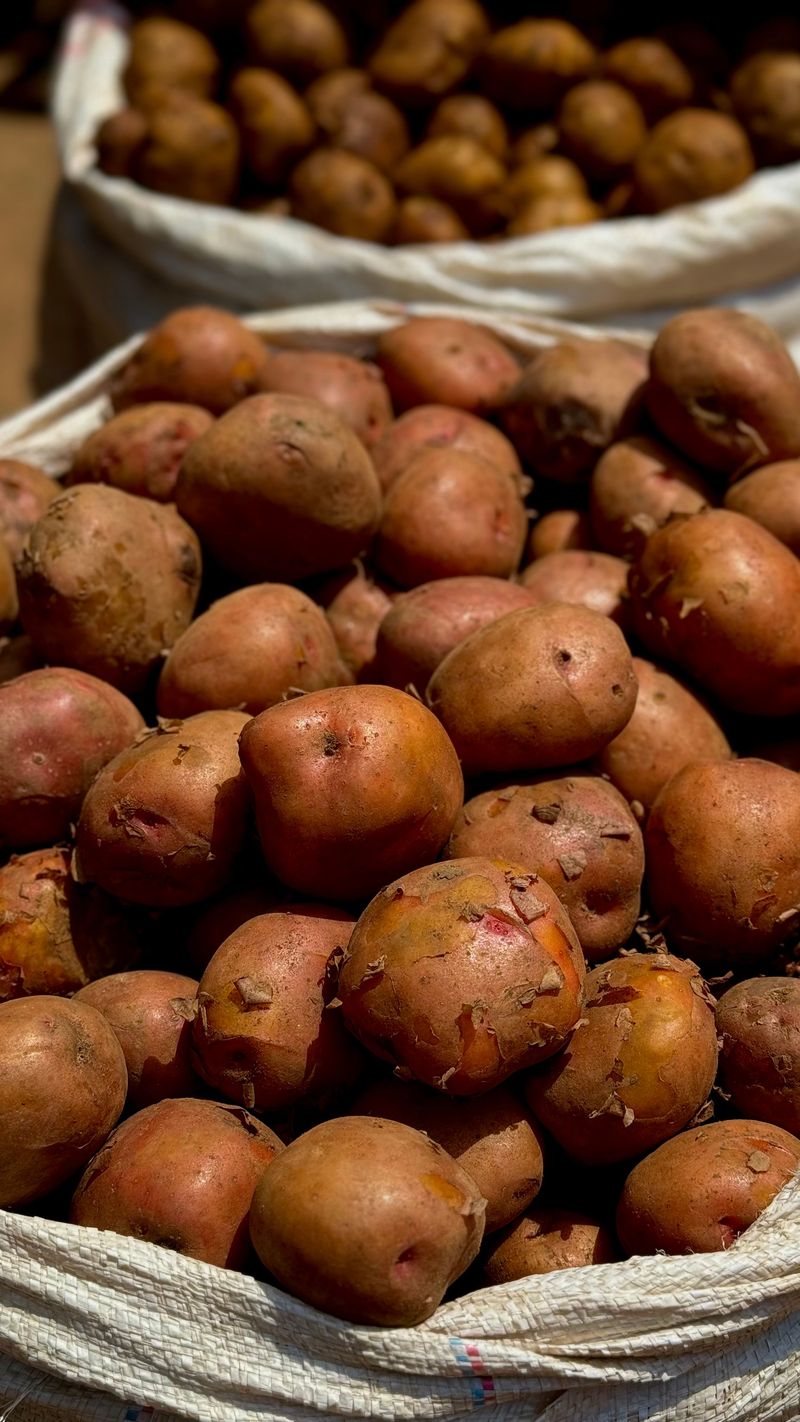
Most backyard gardeners pull their potatoes and toss them straight into storage. Idaho’s commercial operations never do that, and the difference in shelf life is dramatic.
Curing is a short but essential step that happens right after harvest. It involves letting freshly dug potatoes rest in a warm, humid, dark environment for about ten to fourteen days.
During curing, the skin thickens and hardens. Minor cuts and scrapes from digging seal over naturally, creating a tougher barrier against the mold and bacteria that cause rot in storage.
The ideal curing environment sits between 50 and 65 degrees Fahrenheit with humidity around 85 to 95 percent. A basement corner, a shaded garage, or even a cardboard box covered with damp burlap can work well.
Commercial Idaho storage facilities are engineered to maintain these exact conditions at massive scale. Home growers just need a dark spot with decent airflow and a little patience.
Do not wash potatoes before curing. Dirt on the skin actually helps protect the tuber during this resting phase, and moisture from washing invites the exact problems you are trying to prevent.
After curing, move your potatoes to a cooler spot around 38 to 40 degrees for long-term storage. Properly cured potatoes can last six to eight months under the right conditions.
That simple two-week wait between harvest and storage is one of the most underrated secrets behind Idaho’s well-known potato quality, and it costs you nothing but time.
8. Pest Scouting Catches Problems Early
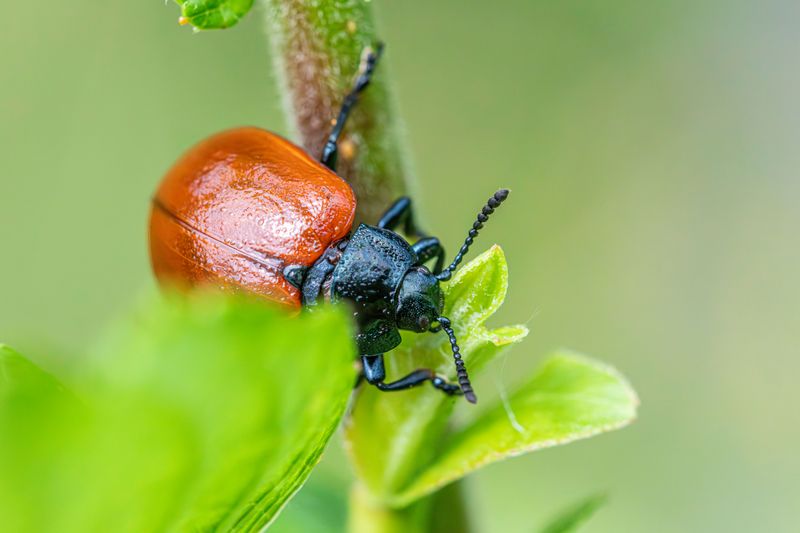
One morning a week spent walking your potato rows can save your entire crop. Idaho’s biggest harvests are not just grown, they are protected, and pest scouting is how that protection happens.
Colorado potato beetles are the most common threat for home growers. Their orange and black striped adults and brick-red larvae can strip a plant of its leaves faster than most people expect.
Professional scouts check both the tops and undersides of leaves on a regular schedule. Egg masses look like clusters of tiny yellow-orange ovals, and catching them early means you can crush them before they hatch.
Aphids are a secondary concern that often goes unnoticed until populations grow out of control. They cluster on new growth and transmit viral diseases that reduce yield and weaken plants for the rest of the season.
Scouting also helps you spot early signs of blight. Early blight typically shows up as brown, target-like rings on older leaves, and catching them before they spread gives you a chance to act before the whole planting is affected.
Idaho’s commercial growers use economic thresholds before spraying anything. They only treat when pest populations reach levels that would actually cause significant crop loss, which saves money and protects beneficial insects.
Home gardeners can adopt the same mindset. Not every bug you see requires action, and learning to tell the difference between a pest and a beneficial insect is a skill that pays off every season.
Consistent scouting is what turns a good potato grower into a great one, and it is the final piece of the Idaho harvest puzzle that keeps bigger yields coming year after year.