Can Your Oregon Neighbor Force You To Remove A Tree That Blocks Their View
A neighbor’s view can get very dramatic once your tree becomes the thing standing between them and a pretty sunset.
In Oregon, that complaint may sound serious, but it does not always mean they can make you remove it.
Trees, property rights, local rules, HOA documents, and old agreements can all change the answer. So can the difference between a blocked view and an actual hazard.
Before anyone starts making demands, trimming branches, or quoting “neighbor law” from memory, it helps to know what really matters. A tree may be annoying to one household and perfectly legal to another.
The trick is figuring out when a view complaint has legal weight, and when it is just fence-line frustration with better scenery.
1. A Blocked View Usually Isn’t Enough
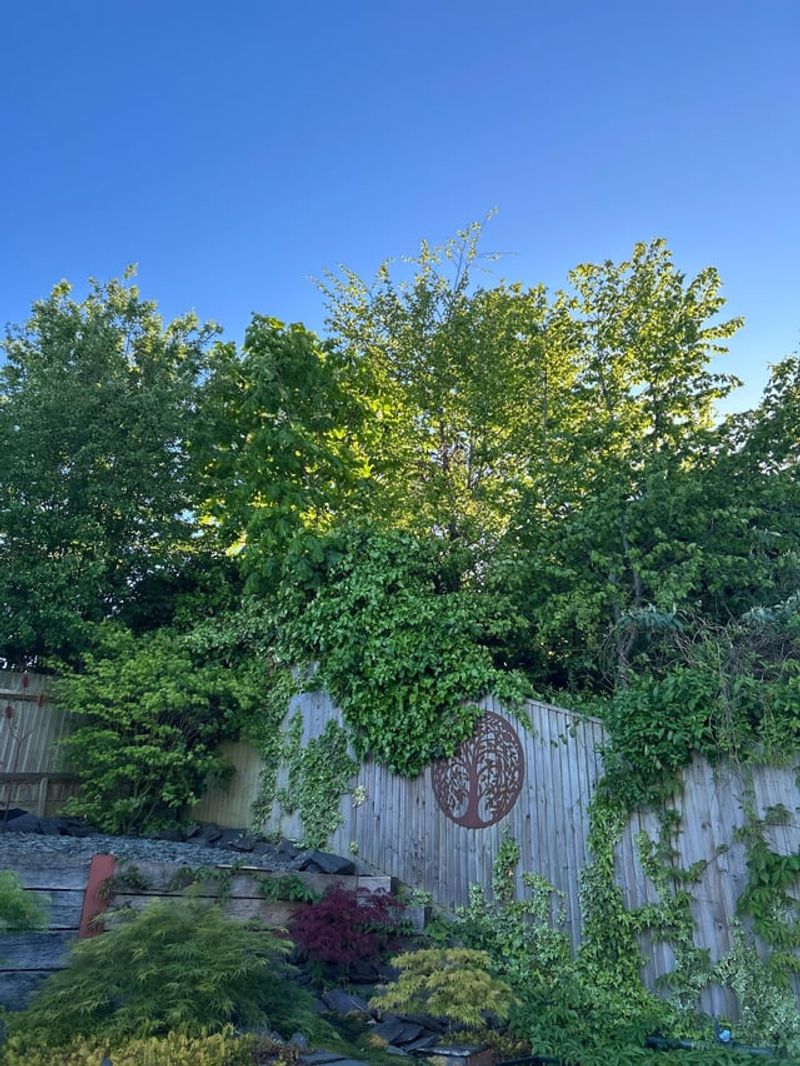
Most people assume that if their neighbor’s tree ruins their view, they have every right to demand its removal. Honestly, that assumption is almost always wrong.
A blocked view, on its own, is rarely enough legal reason to force someone to cut down a tree on their own property.
Property owners have strong rights when it comes to what grows on their land. Unless there is a specific legal agreement or rule in place, your tree is your tree.
Your neighbor’s preference for an unobstructed view does not override your right to keep it.
Courts in Oregon have repeatedly sided with tree owners in cases where the only complaint was a lost view.
There is no general law here that says you must trim or remove a tree simply because it bothers someone next door. The inconvenience of a neighbor is not a legal obligation for you.
That does not mean conflicts cannot be resolved peacefully. Many neighbors work things out by talking honestly and coming up with a fair solution together.
Maybe you agree to trim a few branches, or maybe you explain why the tree matters to you. Open communication often goes further than legal threats.
But if your neighbor insists you have no choice, know that the law is likely on your side. A blocked view alone gives them very little ground to stand on legally.
2. Oregon Law Does Not Guarantee Every View
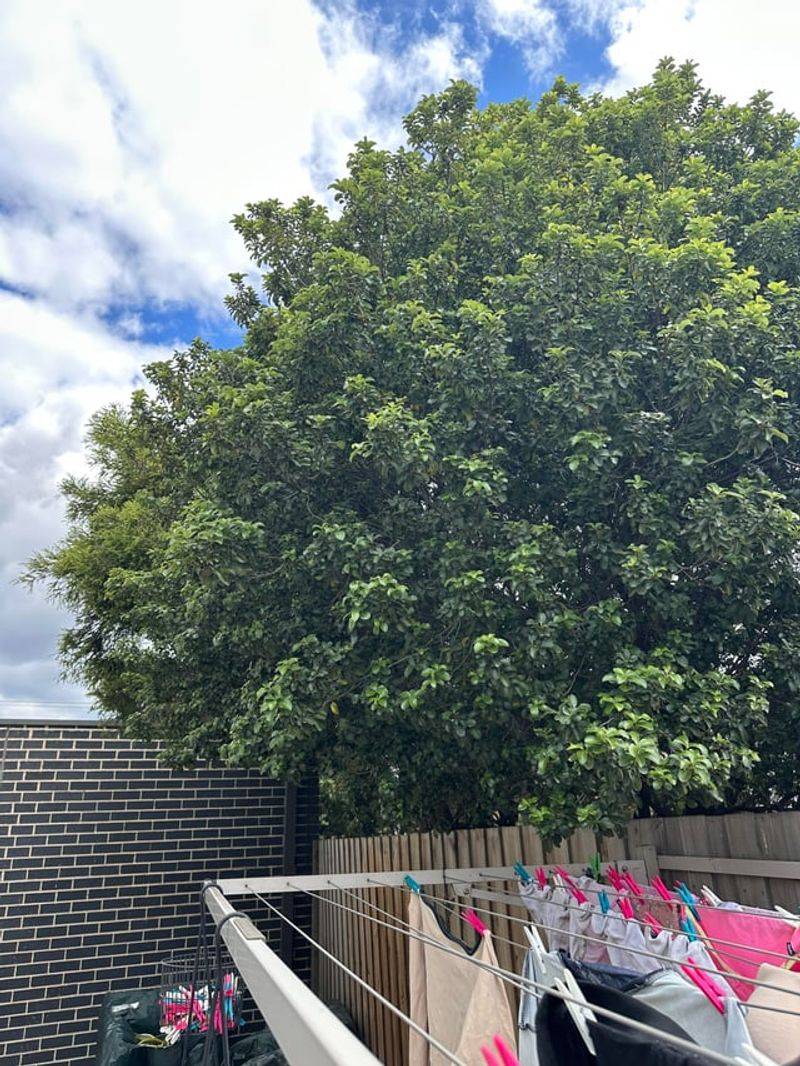
Plenty of homeowners move to a scenic area expecting to keep that view forever. The reality is that our state does not guarantee anyone the right to a view from their property.
That might be surprising, but it is the legal truth in most situations. Unlike some states that have specific view protection laws, Oregon has no statewide rule that gives homeowners a protected right to sunlight, scenery, or sightlines.
If a tree on your neighbor’s property grows tall enough to block your mountain or ocean view, you generally have no automatic legal claim against them.
Some people try to argue that a tree is a nuisance when it blocks their view. Oregon courts are very reluctant to call a healthy, well-maintained tree a legal nuisance just because of where it grows.
Your Oregon Garden Changes Every Week. Your Plan Should Too.
Gardening in Oregon changes quickly throughout the season. Every Friday you’ll receive a simple weekly plan showing exactly what to plant, prune, fertilize, harvest, and protect so you never miss the right timing.
The nuisance argument rarely holds up unless the tree is causing actual physical damage or posing a real safety risk.
This does not mean homeowners are completely powerless in every situation. Local zoning codes, deed restrictions, or private agreements can sometimes offer protection that state law does not.
It is always worth checking what rules apply specifically to your neighborhood or property. But if you are counting on state law alone to protect your view, you will likely be disappointed.
Knowing this early can save you time, money, and frustration before you ever talk to a lawyer.
3. HOA Rules Can Change The Answer
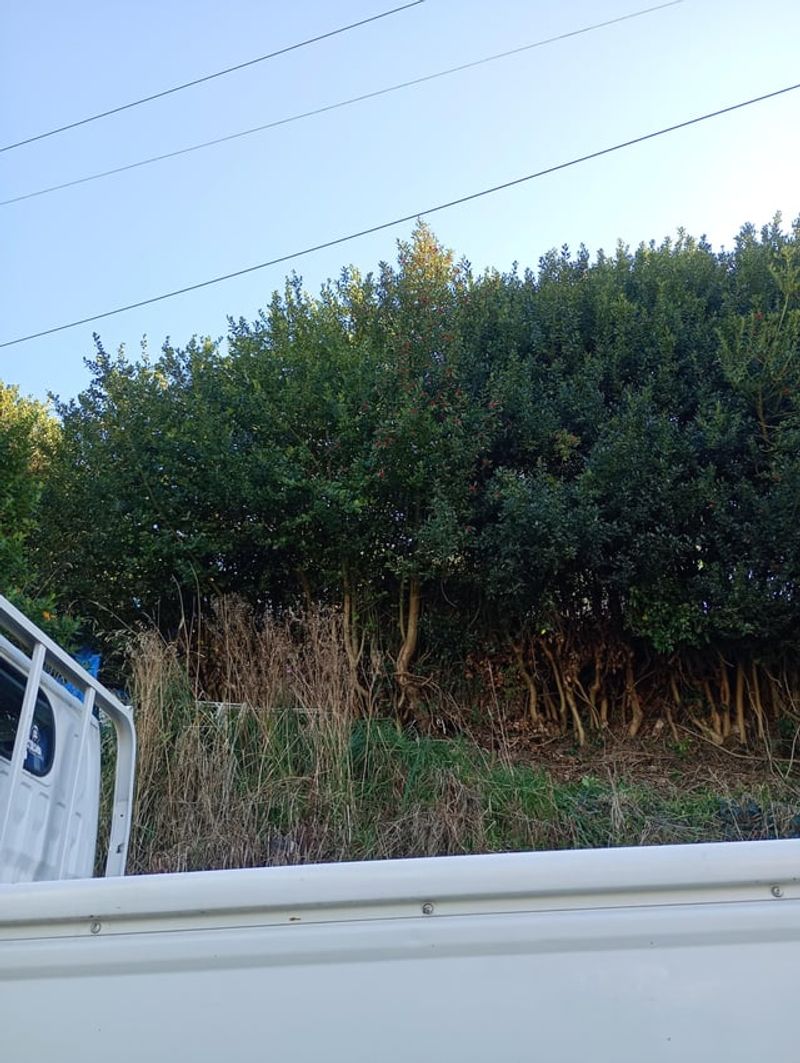
Not every neighborhood follows the same rules. If you live in a community with a homeowners association, the game changes significantly.
HOA agreements can include specific guidelines about trees, landscaping, and yes, even views.
Some HOAs require homeowners to keep trees trimmed to a certain height. Others have rules that prevent planting trees that could block a neighbor’s view.
These rules are part of the agreement you sign when you buy a home in that community. Ignoring them can lead to fines or legal action from the association itself.
If your neighbor is in an HOA and their tree is violating the community’s rules, you may have more options than you think. You can file a formal complaint with the HOA board and ask them to enforce the existing guidelines.
The HOA may then require the tree owner to trim or remove it, depending on what the rules say.
On the flip side, if you are the tree owner and your HOA has no rule about view blocking, your neighbor still cannot force you to act. The HOA only has power over what its own documents cover.
Always read your CC&Rs, which stands for covenants, conditions, and restrictions, carefully. These documents are the real rulebook for your neighborhood.
When in doubt, ask your HOA board directly or consult an attorney familiar with community property law in Oregon.
4. View Easements Matter More Than Complaints
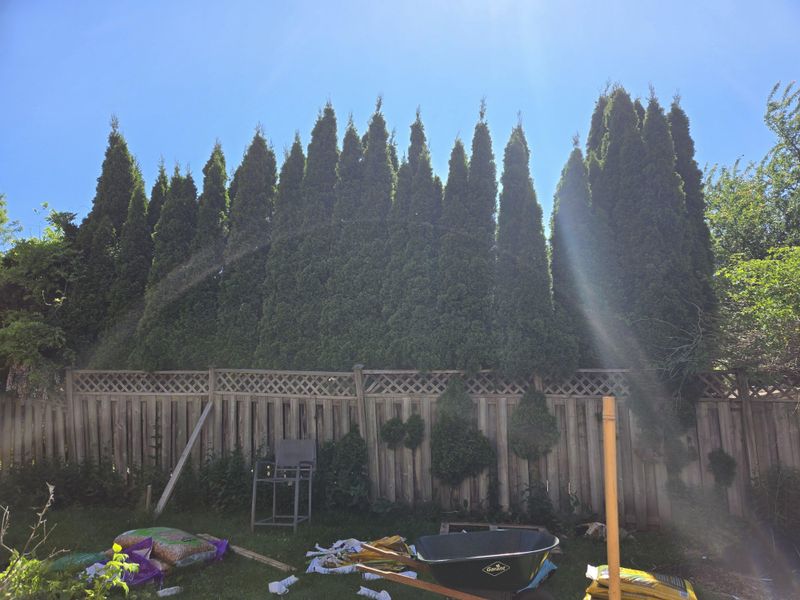
There is one legal tool that actually can give your neighbor a right to protect their view, and it is called a view easement.
Unlike general complaints or personal frustration, a view easement is a formal legal agreement recorded with the property. It is one of the strongest tools available in these kinds of disputes.
A view easement is usually created when a property is sold or developed. It gives one property the legal right to an unobstructed view across another property.
If your land is subject to a view easement, you may be required to keep trees trimmed or removed to honor that agreement. Violating it can lead to a lawsuit.
These easements do not exist on every property. Most homeowners in Oregon do not have them at all.
But if you live in a planned development, a hillside community, or a subdivision with scenic surroundings, it is worth checking your deed and property records carefully.
You can find easement information through your county recorder’s office or by reviewing your title report from when you purchased the home.
A real estate attorney can also help you understand what easements, if any, affect your land.
If a view easement does exist and your tree is violating it, your neighbor has a much stronger legal case than they would otherwise. Always know what is attached to your property before a conflict gets out of hand.
5. Local Tree Rules May Limit Removal
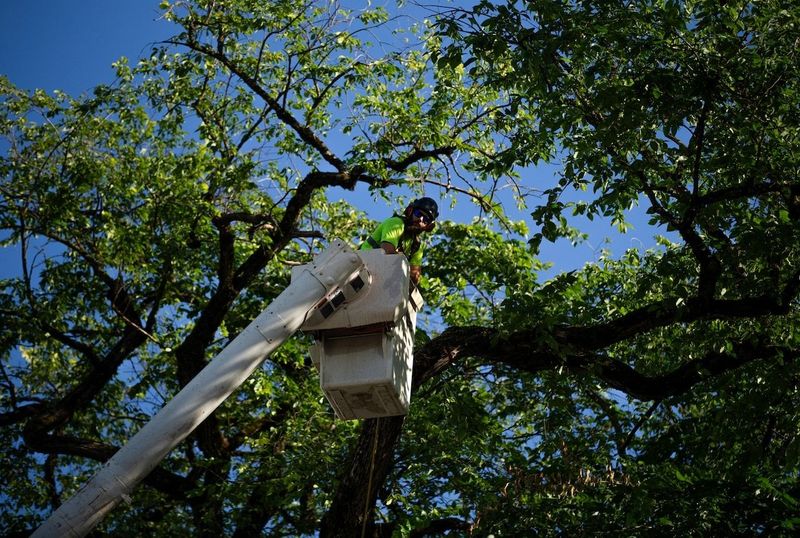
Here is something many homeowners overlook entirely. Even if your neighbor has a solid reason to ask for tree removal, local city or county rules might make it impossible to actually remove the tree.
Many communities have tree protection ordinances that apply to certain trees.
These local laws often protect trees based on their size, species, or age. In some cities, you need a permit before removing any tree above a certain trunk diameter.
In others, heritage trees and native species receive special protection that makes removal very difficult, even for the tree’s owner.
Portland, for example, has strict rules about removing trees on private property. Other cities and counties across our state have similar protections in place.
Before anyone removes a tree, the local regulations must be checked first. Removing a protected tree without permission can result in heavy fines and a legal requirement to replace it.
So even if your neighbor has a valid complaint, the solution is not always as simple as cutting the tree down.
Local rules might require an arborist inspection, a permit application, and approval from the city before any work can begin.
This adds time and cost to the process. Knowing your local tree ordinances protects you from making a costly mistake.
A call to your city’s planning or urban forestry department can give you the answers you need quickly and for free.
6. A Hazardous Tree Is A Different Issue
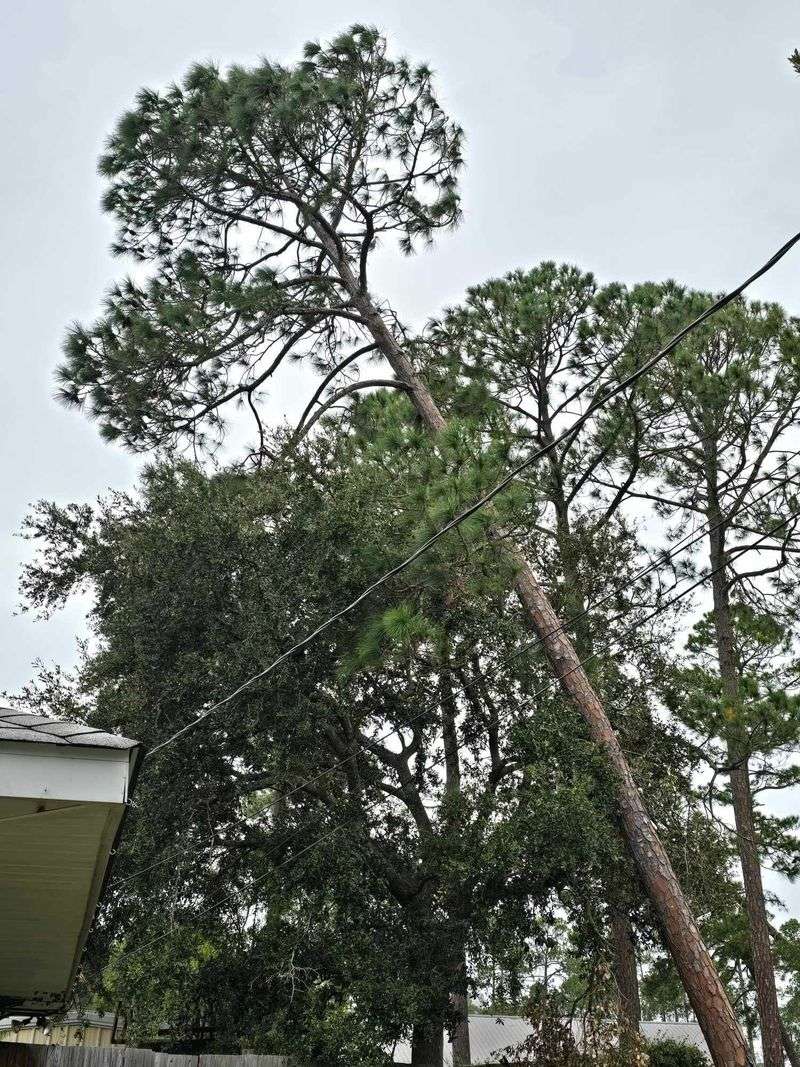
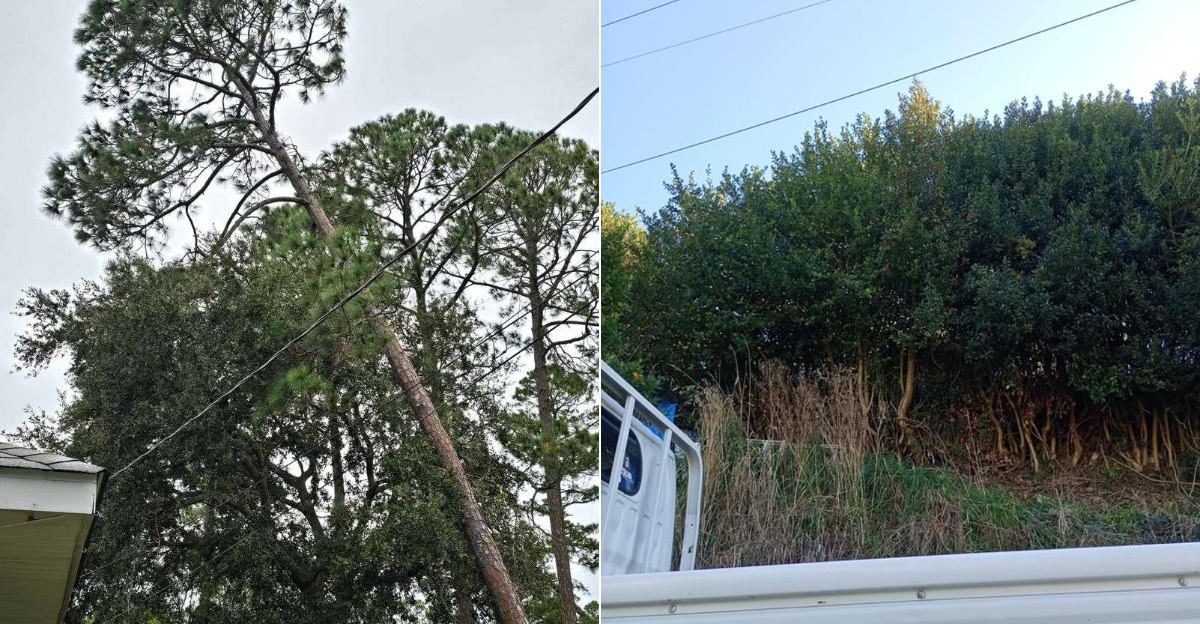
When a tree is actually dangerous, the conversation shifts completely. A tree that is diseased, structurally unstable, or leaning toward a home is not just a view problem.
It becomes a safety issue, and that changes what the law allows and requires.
If a tree on your property poses a genuine threat to neighboring homes, people, or structures, you have a responsibility to address it. Your neighbor has every right to raise the concern formally.
In some cases, local government agencies or code enforcement can get involved and require action.
An arborist is the right professional to call in these situations. A certified arborist can assess the tree and give a written opinion about its condition.
If the tree is found to be hazardous, that report carries real weight in any legal or insurance discussion that follows.
Ignoring a known hazardous tree can make you liable for any damage it causes. If your neighbor can prove you knew about a dangerous tree and did nothing, they may have a strong case against you if something goes wrong.
This is very different from a neighbor simply wanting a better view. Safety concerns carry legal weight in ways that aesthetic complaints do not.
Always take reports of tree damage or instability seriously. Getting a professional inspection quickly protects you, your neighbor, and your property from bigger problems down the road.
7. Neighbors Can Trim Only To The Property Line
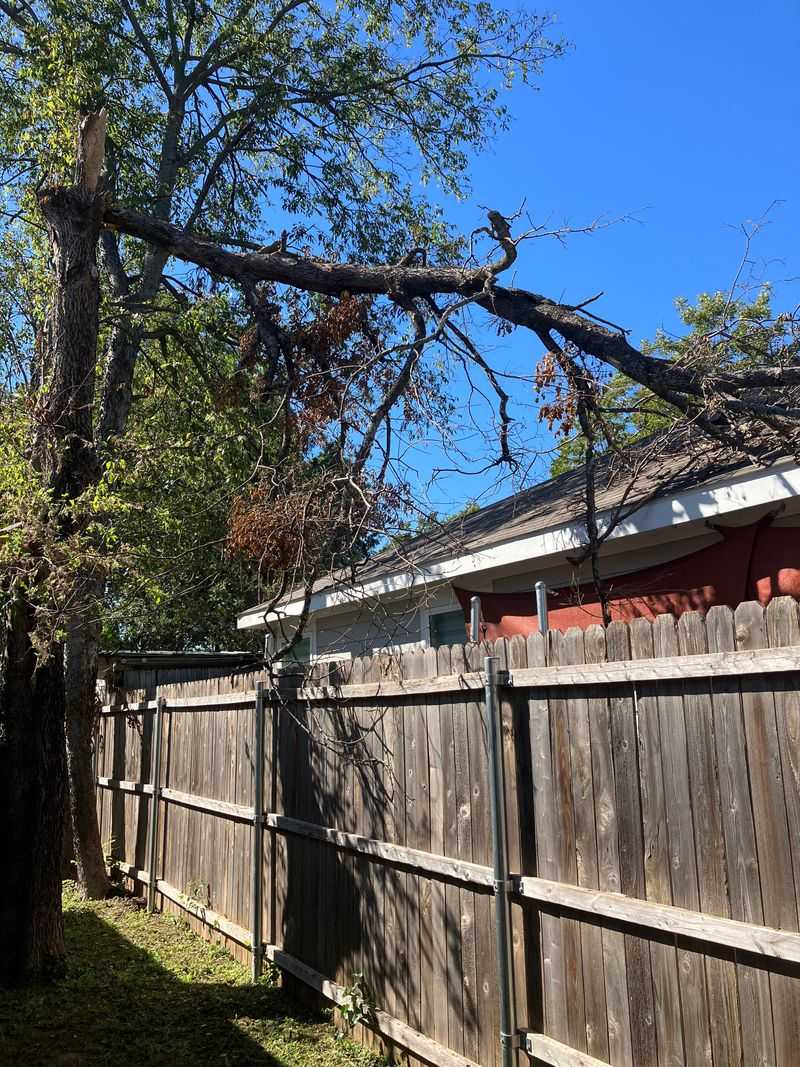
One thing your neighbor can do without your permission is trim any branches that cross over onto their property. This is a well-established rule in Oregon and across most of the country.
Branches that hang over the property line belong to the neighbor in terms of trimming rights.
That said, there are important limits to this right. Your neighbor can only trim up to the property line.
They cannot come onto your property to cut branches. They also cannot trim in a way that seriously harms the health of the tree.
Cutting too aggressively can damage or even destroy a tree, and that can lead to legal trouble.
If your tree’s branches cross into their yard and block their light or drop debris, they have every right to trim those branches at their own expense.
They do not need your permission to do so. But they must be careful not to go too far.
Some neighbors try to use this trimming right as a way to dramatically reshape a tree and open up a view. That is where things get complicated.
Trimming within reason is legal. Hacking away major limbs purely to restore a view can be considered harmful interference with your property.
If you suspect your neighbor is planning aggressive trimming that could damage your tree, talk to them first or consult a local attorney before things escalate.
8. They Can’t Damage Your Tree To Restore A View
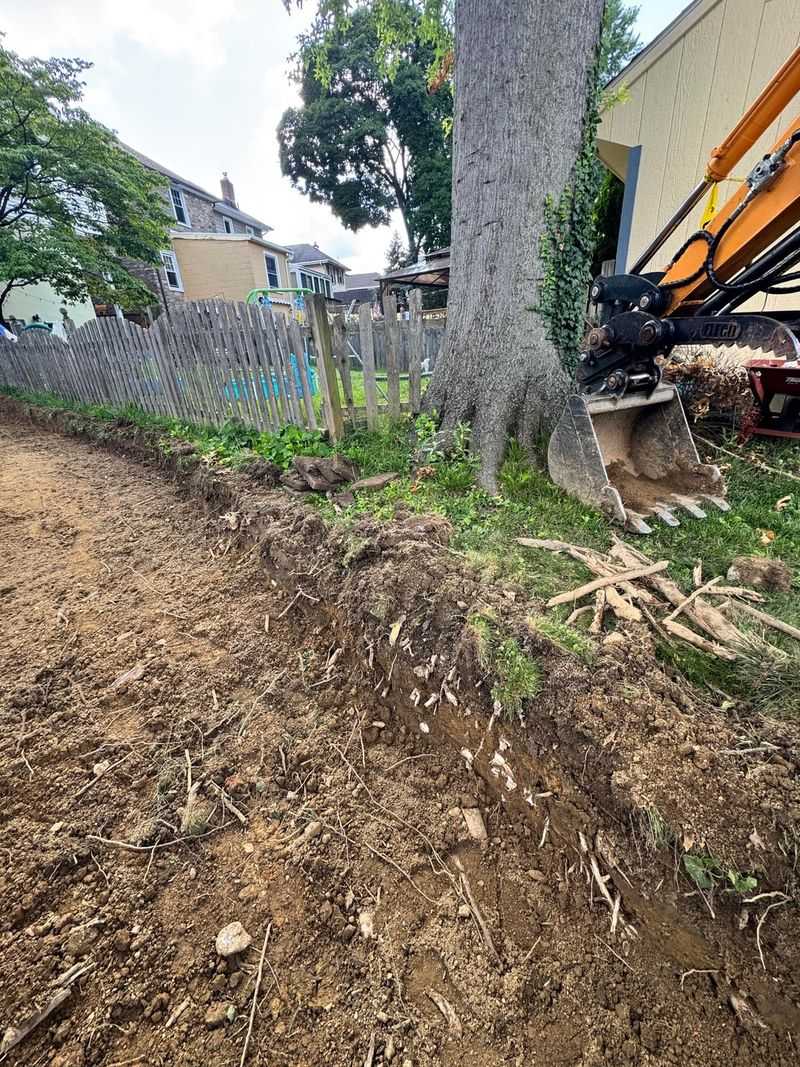
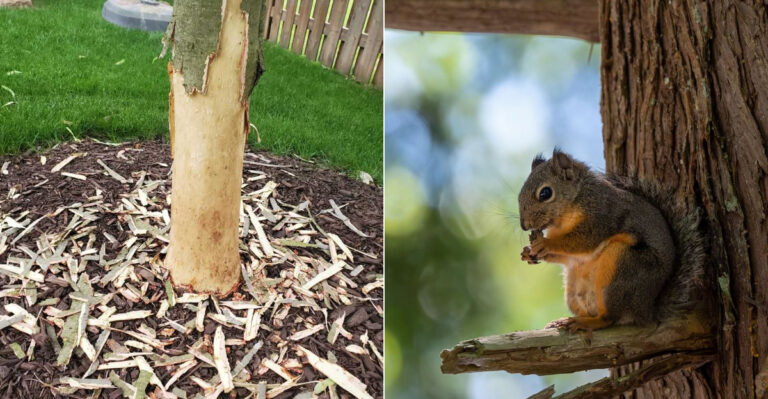
Some neighbors go too far when they feel desperate about a blocked view. Poisoning a tree, cutting into its roots, or making deep cuts in the bark are all forms of deliberate tree damage.
In Oregon, doing any of these things is illegal and can result in serious consequences.
Oregon law treats intentional tree damage as destruction of property. If your neighbor is found responsible for harming your tree on purpose, you can sue them for damages.
The value of a mature tree can be surprisingly high, and courts take this seriously. Compensation can include the cost of removal, replacement, and even the loss of property value.
Signs of deliberate damage are not always obvious at first. A tree might start looking unhealthy, lose leaves out of season, or show unusual discoloration.
If you suspect foul play, contact a certified arborist to inspect the tree and document any findings. That documentation is critical if you decide to take legal action.
It is also worth filing a report with your local police department if you have strong evidence of intentional damage. This creates an official record and may deter further interference.
No matter how frustrated a neighbor becomes over a view, they have no legal right to harm your tree.
Protecting your property starts with knowing your rights and acting quickly when something seems wrong. Do not wait too long to address suspicious changes in a tree’s health.