Maine’s Blueberry Fields Had A Season Growers Won’t Forget, And Here’s What Went Right
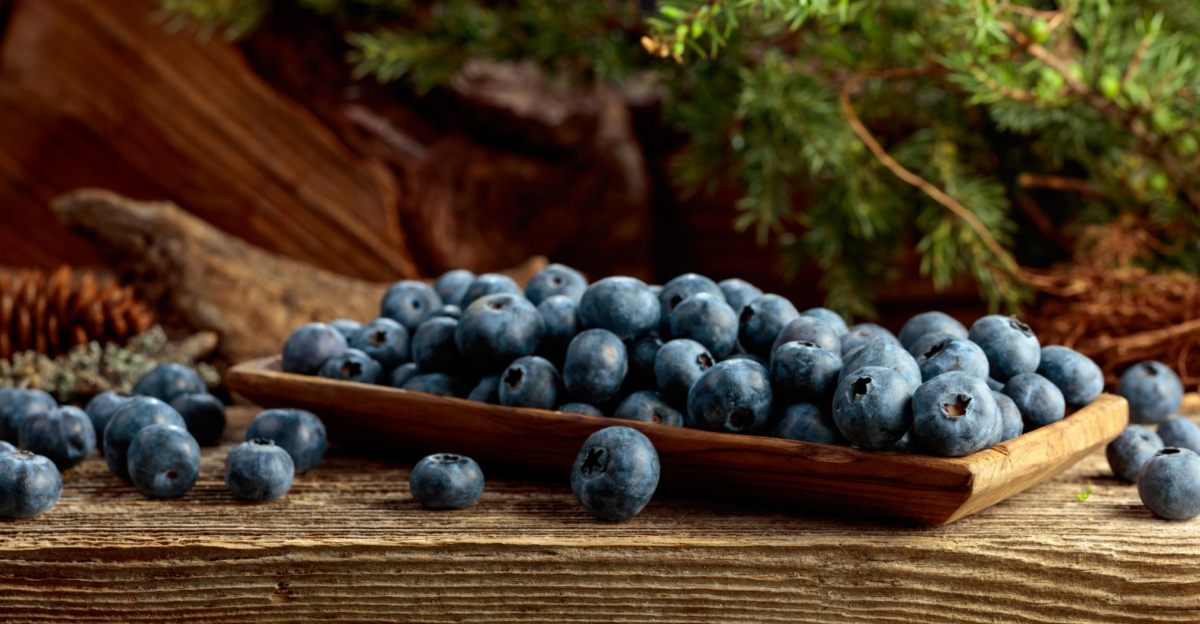
Maine just had a blueberry season people won’t stop talking about. Baskets came back heavier.
Fields that had a rough few years suddenly filled with fruit. Growers are still trying to explain their own luck.
Was it the rain that arrived right on cue? Was it the soil that finally caught a break after some tougher seasons?
Or was it a string of small, quiet wins that added up into something bigger? Whatever the mix, Maine found its groove this year. The results are hard to ignore.
Farmers are calling it one of the strongest harvests in recent memory. Honestly, the fields back them up. Rows that used to look thin are now full of plump, deep-blue berries ready for picking.
If you’ve ever bitten into a wild Maine blueberry and wondered what makes it taste different, this season might hold the answer. The reasons behind this comeback are more interesting than you’d expect.
1. Rain Arrived At The Right Time
Timing matters a great deal in farming, and rain played a key role this season. Blueberry growers in Maine caught a lucky break when showers arrived exactly when the plants needed moisture most.
Blueberries are thirsty during two key windows: flowering and fruit development. When rain skips those stages, berries shrivel or never fully form.
This year, steady rainfall landed right during those critical weeks. Fields that normally struggle with dry spells looked lush and full by midsummer.
Farmers did not have to pump extra water from reservoirs or stress about cracked soil. Natural rainfall met most of the crop’s needs, and the plants responded with thick, heavy clusters of fruit.
Washington County, one of the top blueberry-producing regions in the country, appears to have seen soil moisture stay close to ideal for much of the growing season. That kind of consistency can make a measurable difference in berry size and weight per acre.
When berries get steady hydration, they plump up faster and taste sweeter. Stress from drought causes the plant to put energy into self-protection rather than fruit production.
This season flipped that script entirely. Moisture arrived in gentle, soaking patterns rather than heavy downpours that wash away nutrients.
Slow, steady rain lets soil absorb water deeply, which keeps roots cool and active longer. Growers said it felt like the weather was finally on their side, and the harvest numbers backed that feeling up.
2. Mild Spring Weather Boosted Pollination
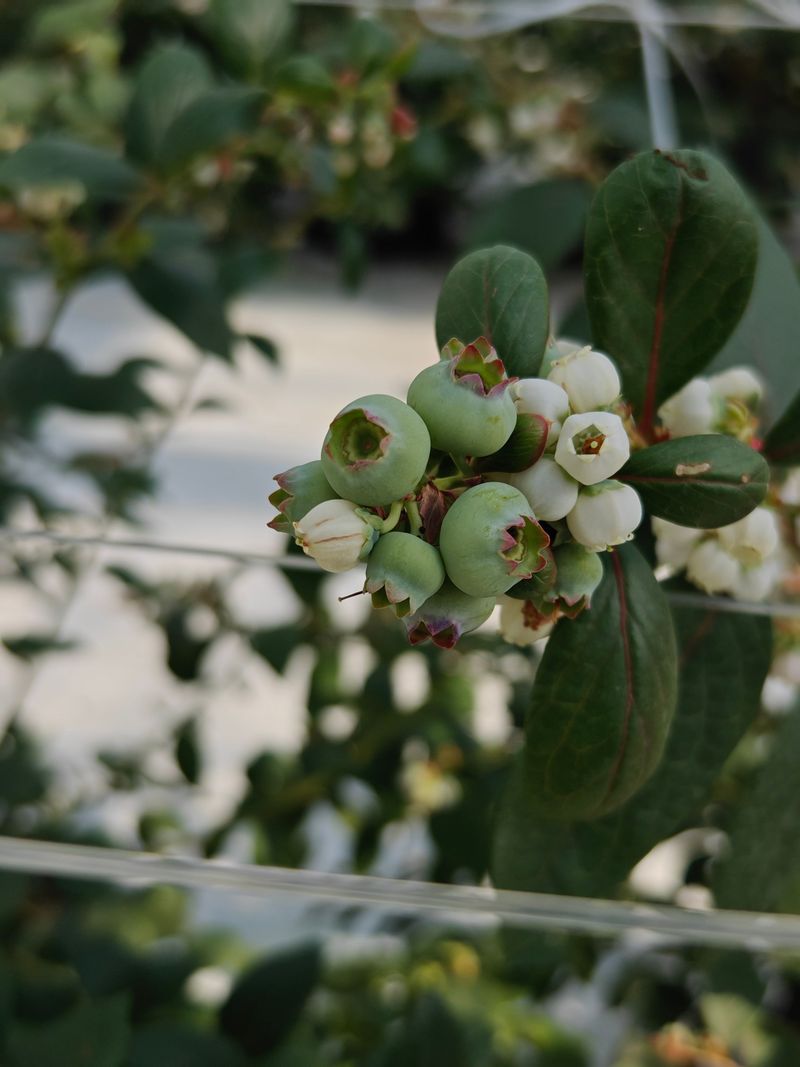
Flowers need calm weather to do their job, and this spring delivered exactly that. Mild temperatures across Maine created ideal conditions for blueberry blossoms to open and stay open long enough for pollination to happen.
Blueberry plants produce small, bell-shaped white flowers in spring. Those flowers must be pollinated within a short window, usually just a few days per bloom.
Cold snaps, strong winds, or heavy rain during bloom time can wipe out a season fast. This year, none of those problems showed up during the critical flowering period.
Your Maine Garden Changes Every Week. Your Plan Should Too.
Gardening in Maine changes quickly throughout the season. Every Friday you’ll receive a simple weekly plan showing exactly what to plant, prune, fertilize, harvest, and protect so you never miss the right timing.
May temperatures appear to have stayed in a comfortable range for much of the month, without the extreme swings that can disrupt bloom. That sweet spot keeps flowers healthy and bees active at the same time.
When the weather is too cold, bees stay in their hives and flowers go unpollinated. When it gets too hot too fast, blossoms drop before insects can visit them.
Mild spring conditions allowed the bloom period to stretch a bit longer than usual. That extra time gave pollinators more chances to visit each flower and transfer pollen successfully.
Growers noticed the difference early, watching dense clusters of flowers set into tiny green berries across their fields. That visual cue told them the season was off to a strong start.
A well-pollinated field is a profitable field, and this spring set the stage for one of the most rewarding harvests blueberry farmers have seen in years.
3. Bees Rebounded After Conservation Efforts
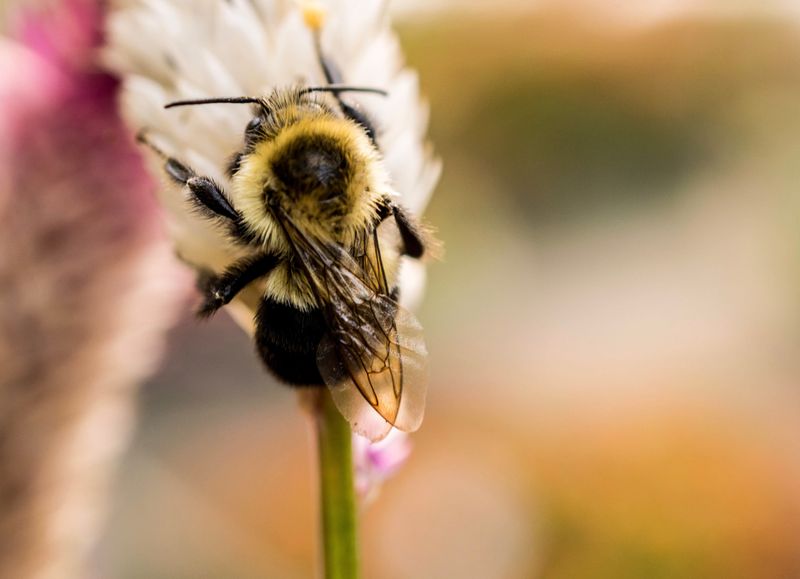
Without bees, blueberry fields produce very little fruit. Thankfully, bee populations in Maine bounced back this season after years of dedicated conservation work paid off in a big way.
Wild blueberry farming depends heavily on native pollinators, especially bumblebees. These fuzzy workers are actually more effective at pollinating blueberries than honeybees because of a technique called buzz pollination.
Buzz pollination happens when a bee vibrates its flight muscles against the flower, shaking out pollen that would otherwise stay locked inside. Bumblebees are built for this, and their numbers matter enormously to growers.
Over the past decade, bee populations faced serious threats from pesticide exposure, habitat loss, and disease. Farmers, conservation groups, and state agencies worked together to reverse that trend.
Efforts included planting wildflower corridors between fields, reducing pesticide applications during bloom periods, and creating nesting habitat for ground-dwelling native bees. Those investments started showing real results this season.
Bee activity across many fields appears noticeably higher compared to recent years. More bees visiting each flower means better fruit set and larger berries at harvest time.
Some farms also partnered with local beekeepers to bring in managed honeybee colonies as a supplement during peak bloom. That combination of wild and managed pollinators created an effective boost for fruit production.
Watching bees work a healthy field is one of the most satisfying sights in farming, and this season gave growers plenty of reasons to smile.
4. Cooler Nights Improved Berry Flavor
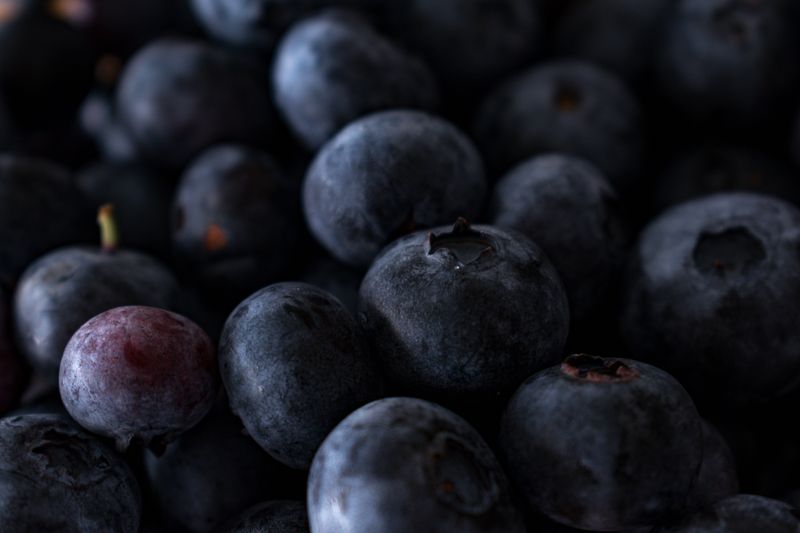
Sweet, bold blueberry flavor does not happen by accident. Cool nights during the growing season played a surprisingly big role in making this year’s berries taste exceptionally good.
When temperatures drop at night, berry plants slow down their respiration. That slowdown allows the fruit to hold onto its natural sugars instead of burning through them overnight.
The result is a berry that tastes richer and sweeter when you bite into it. Warm nights do the opposite, causing berries to taste flat or slightly tart even when fully ripe.
This summer, nighttime temperatures in many parts of the state appear to have stayed cool and consistent throughout July and August. That pattern is exactly what flavor scientists and experienced growers look for in a great berry year.
Cooler nights also slow the ripening process slightly, giving berries more time to develop complex flavor compounds called anthocyanins. These are the same compounds that give blueberries their deep blue color and powerful antioxidant properties.
Farmers noticed that berries held their quality longer on the bush this season. That extended window gave harvest crews more flexibility and reduced waste from overripe fruit.
Early word from a few farmers markets and distributors points to an unusually rich taste in this year’s crop, and that kind of buzz tends to travel fast among regular customers.
Good flavor is not just about bragging rights. It builds customer loyalty that keeps farms profitable for seasons to come.
5. Soil Health Improved Over Years
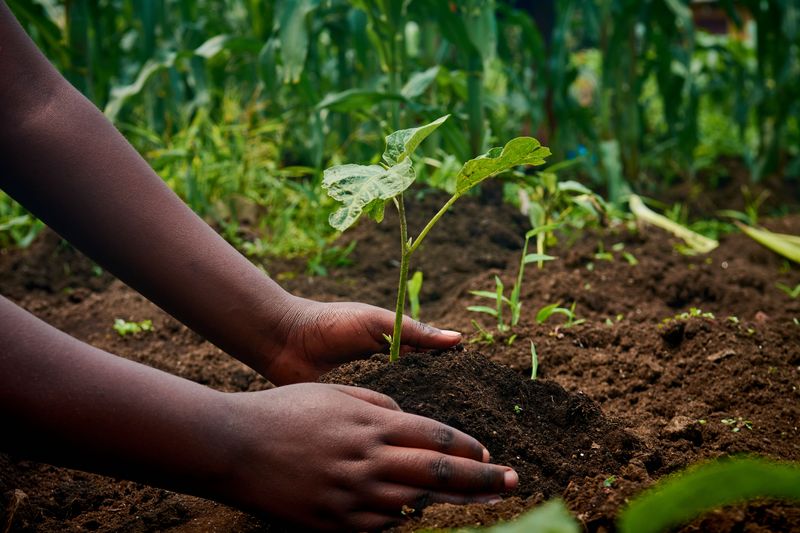
Healthy soil does not happen overnight, and Maine growers are finally seeing the payoff from years of smart land management. Beneath every productive blueberry field is a complex underground world that took patience to build.
Wild blueberry plants thrive in acidic, well-drained soil with a pH between 4.0 and 5.0. Maintaining that balance requires careful attention and consistent soil testing over many seasons.
Farmers have been adding organic matter, adjusting pH with sulfur applications, and reducing compaction by limiting heavy equipment on wet fields. Those small, consistent actions compounded over time into noticeably better growing conditions.
Healthy soil holds moisture more efficiently, which means plants stay hydrated even between rain events. It also supports beneficial microorganisms that help roots absorb nutrients more effectively.
Mycorrhizal fungi, which form a partnership with blueberry roots, tend to build up in fields where organic practices have been used for several years. These fungi essentially extend the root system, giving plants access to nutrients they could not reach alone.
Growers who invested in cover cropping and composting reported the strongest improvements in plant vigor this season. Their fields showed denser canopies and heavier fruit loads than neighboring plots.
Soil health is one of those invisible investments that does not show up on a spreadsheet right away. But this harvest season made the case loud and clear that the long game pays off.
Farmers who stuck with their soil-building plans are now celebrating with their best numbers in years.
6. Frost Events Stayed Rare This Spring
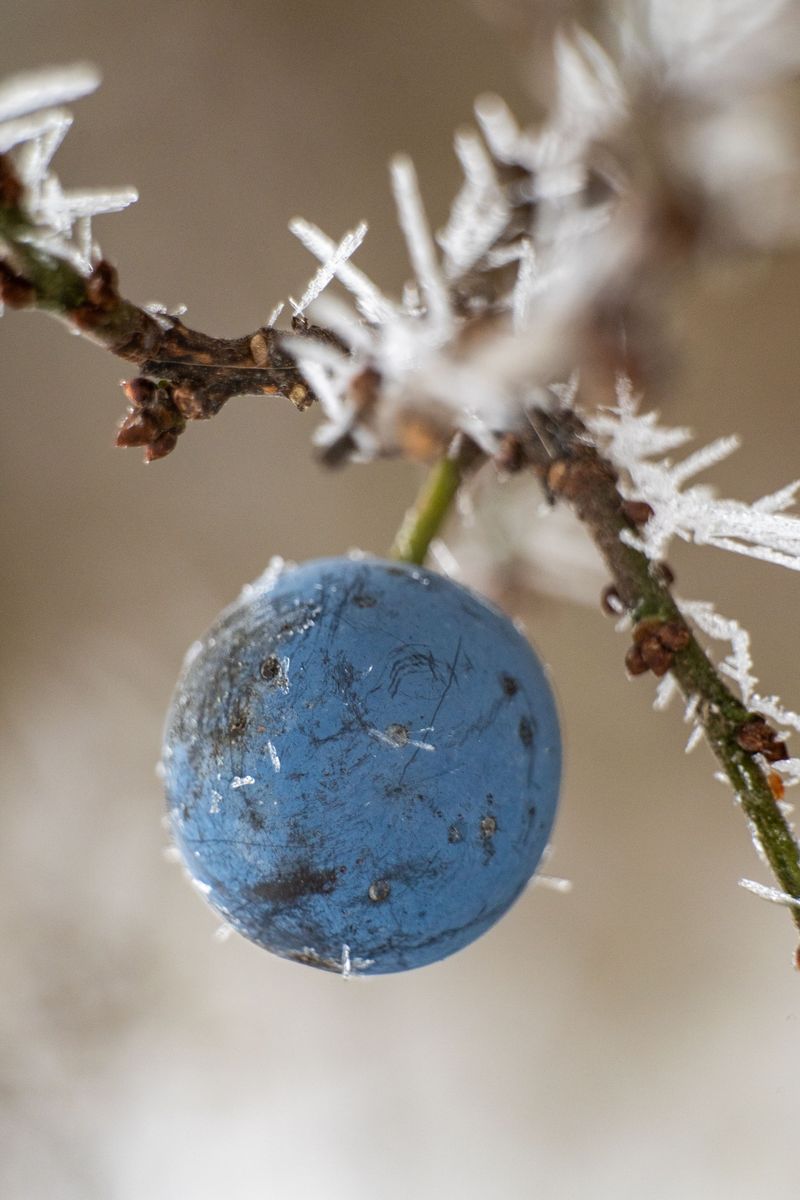
Few things worry a berry farmer more than a late spring frost warning. This season, that worry stayed mostly in the background, and the absence of damaging freezes made a big difference in final yield numbers.
Blueberry plants begin budding in early spring, and those tender new buds are extremely vulnerable to frost damage. A single hard freeze at the wrong moment can undo weeks of growth in one cold night.
Growers sometimes run irrigation systems overnight to coat buds in a thin layer of protective ice, which sounds strange but actually works. That defensive strategy costs time, money, and sleep.
This spring, temperatures stayed above freezing during the most vulnerable periods in April and May. Farmers across the region reported fewer frost alerts than they had seen in several years.
That stability allowed buds to develop into flowers without interruption. Flowers that develop under frost-free conditions set fruit at much higher rates than those that experience even mild cold stress.
Fields that have struggled with late frosts in past years came through this season with a noticeably fuller fruit set. That difference showed up clearly at harvest time.
Growers described the relief of watching spring unfold without a single scramble to protect their crops at 2 a.m. That kind of season is rare enough to feel like a gift.
A frost-free spring is not something you can plan for, but when it happens, everything else in the season gets easier from that point forward.
7. New Varieties Resist Disease Better
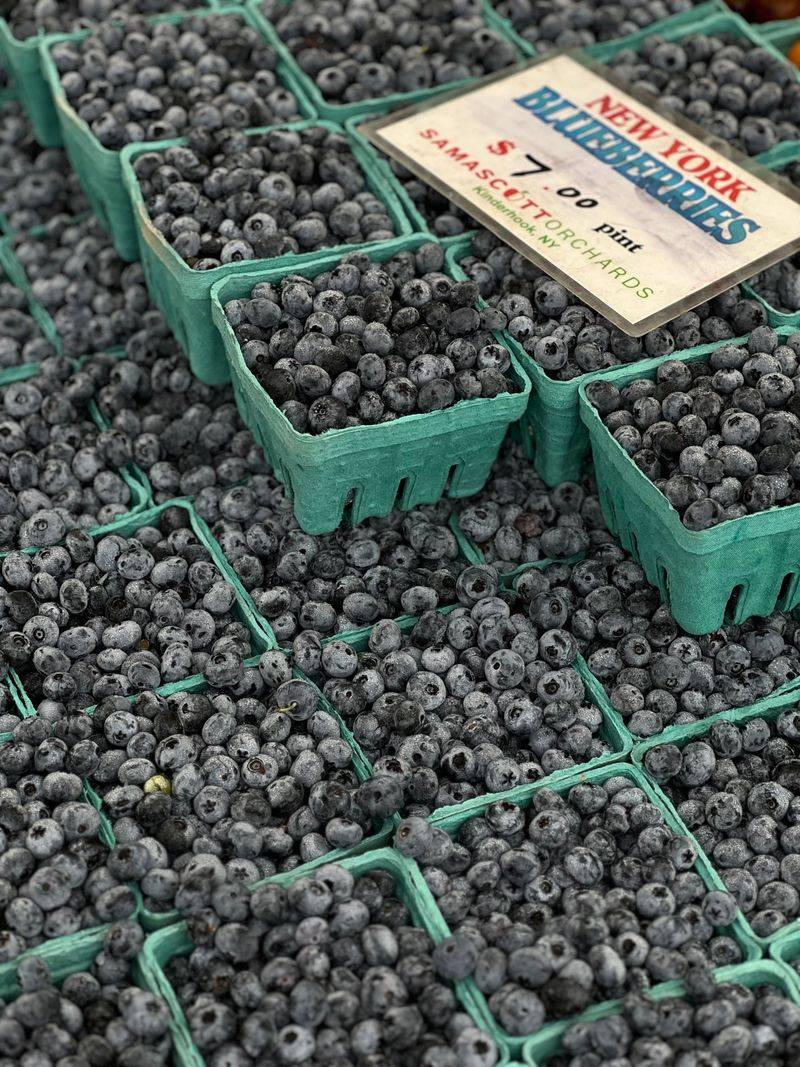
Plant breeding research has steadily benefited blueberry growers over the past decade, and this harvest season is where that work clearly showed up in the field.
New plant varieties bred for disease resistance helped farms stay healthier through the entire growing cycle.
Mummy berry is a particularly damaging fungal disease that blueberry fields face. It causes fruit to shrivel and drop before harvest, sometimes reducing a significant portion of a crop.
Researchers at the University of Maine and partner institutions spent years developing and testing varieties with stronger natural resistance to this and other common pathogens. Several of those varieties reached commercial availability in recent years.
Growers who planted resistant varieties reported dramatically lower rates of infection this season. Less disease pressure meant less need for fungicide applications, which also saved money and reduced chemical exposure in the fields.
Healthier plants put more energy into fruit production rather than fighting off infection. That biological shift translated directly into higher yields and better-looking berries at harvest time.
Some farmers blended new resistant varieties with established plantings to diversify their fields. That strategy spread risk while allowing them to test performance across different soil types and microclimates on their land.
Early results from those mixed plantings were encouraging enough that many growers plan to expand their resistant variety acreage next season.
Progress in plant breeding rarely gets the attention it deserves, but this year made the impact impossible to ignore. Better genetics quietly built a stronger harvest from the ground up.
8. Growers Timed Irrigation More Precisely
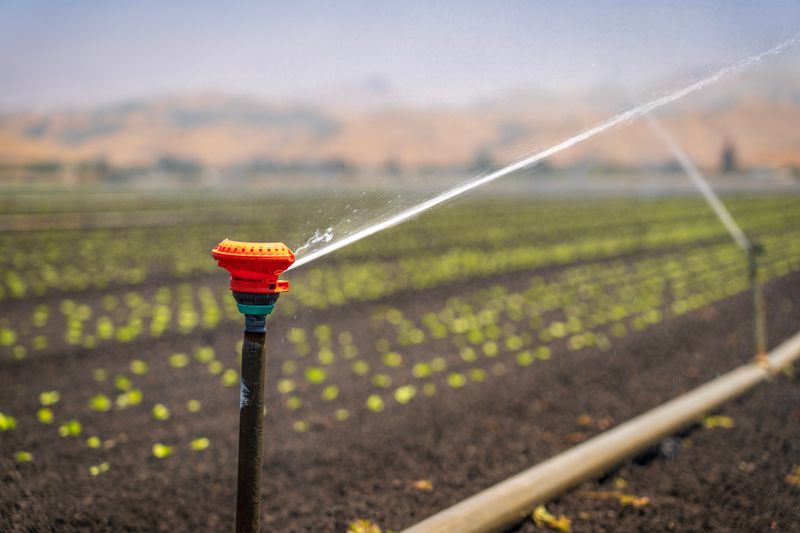
Water is a resource no farmer can afford to waste, and this season showed what happens when you apply it with precision. Blueberry growers across the region used smarter irrigation timing to stretch every drop and push yields higher than expected.
Traditional irrigation schedules were often based on calendar dates or rough estimates of soil dryness. That guesswork sometimes led to overwatering, which can cause root problems and dilute berry flavor.
Modern soil moisture sensors changed that approach for many farms this season. These small devices sit in the ground and send real-time data to a farmer’s phone or computer, showing exactly when and how much water the roots need.
By irrigating only when sensors indicated actual moisture deficits, growers avoided the two biggest water mistakes: too much and too little. Both extremes stress plants and reduce fruit quality.
Precise irrigation also helped during the rain-heavy stretches of summer. Farmers could confirm that natural rainfall was enough and hold off on supplemental watering, saving fuel and pump wear at the same time.
Fields managed with sensor-guided irrigation showed more uniform berry sizing across the entire planting. Consistent moisture leads to consistent growth, and consistent growth leads to a cleaner, more efficient harvest.
Harvest crews reported spending less time sorting out undersized or overripe fruit from these fields. That efficiency saved labor hours and improved the overall grade of the packaged crop.
Blueberry growers in Maine proved this season that working smarter with water produces results every bit as impressive as working harder.