These 8 Utah Natives Outlast Both Desert Heat And Salt Air
Utah doesn’t do gentle. Summers scorch, soil turns salty and alkaline, and water disappears before it ever reaches the roots.
Native plants shrug all of that off like it’s nothing. They’ve spent centuries adapting to exactly these conditions, so they don’t flinch when the mercury climbs or the ground turns to dust.
Live near the Great Salt Lake and cope with mineral-heavy soil, or garden deep in red rock canyon country where rain is a rumor. Either way, there’s a native species already wired for that exact patch of ground.
Skip the constant watering and the fussy maintenance schedule. These plants thrive on neglect, rewarding you with color and structure while asking for almost nothing in return.
Plant a few Utah natives and watch your yard settle into a rhythm that matches the land itself, not one you’re constantly fighting to maintain.
1. Fourwing Saltbush
Fourwing saltbush is basically the Swiss Army knife of the desert. It handles salt, drought, wind, and poor soil without a single complaint.
This tough shrub grows across Utah’s wide-open basins and rocky slopes. Its silver-green leaves shimmer in the afternoon sun, giving any landscape a cool, airy look.
Fourwing saltbush gets its name from those papery, four-winged seeds that appear in late summer. Birds and small mammals absolutely love snacking on them.
Planting this shrub along a salt-affected driveway or near a road where snowplows spray brine is a smart move. Most ornamental shrubs would struggle badly there, but this one thrives without hesitation.
It grows about three to six feet tall and wide, making it a solid choice for natural hedging. You can also use it as a windbreak along a property edge.
Established plants need almost no supplemental water once they settle into the ground. That alone makes them incredibly appealing to homeowners tired of high water bills.
Wildlife value is another strong selling point for this plant. Pronghorn, mule deer, and many bird species rely on it for food and shelter throughout the year.
If you want a plant that genuinely earns its spot in the yard, fourwing saltbush delivers every single season. It is proof that toughness and beauty are not mutually exclusive in Utah native gardening.
2. Big Sagebrush
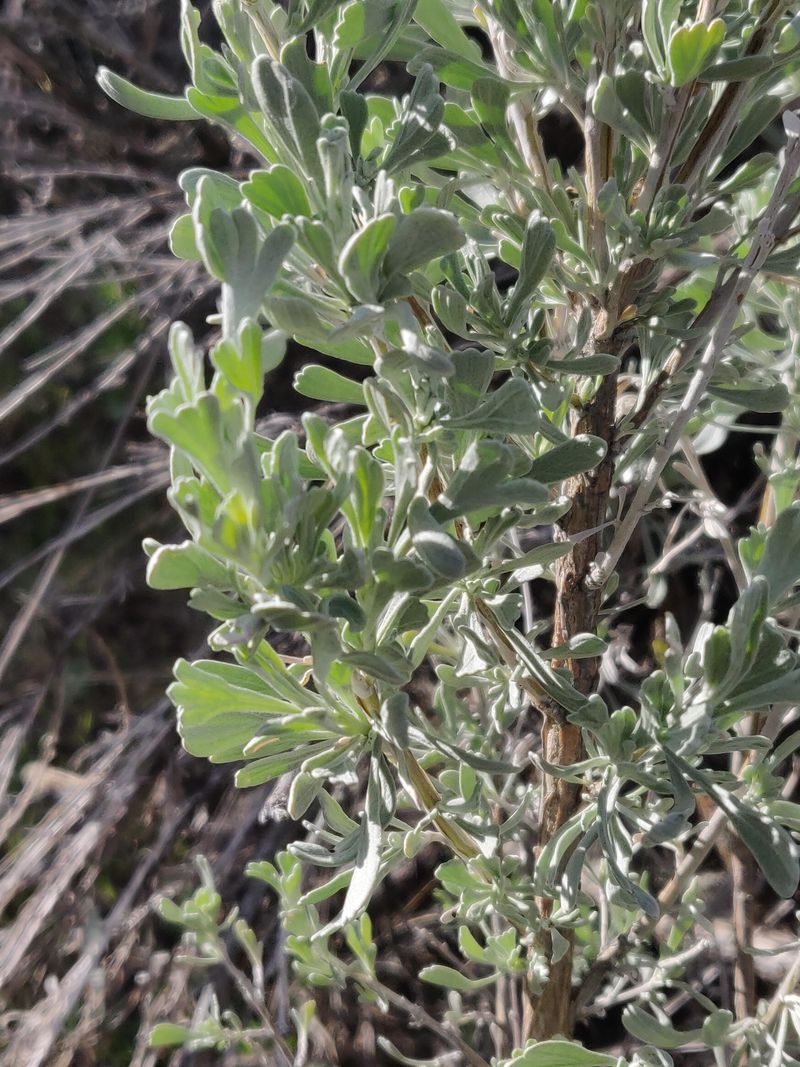
Close your eyes and picture the American West. Chances are, you are already smelling big sagebrush without even knowing it.
That sharp, earthy, rain-soaked fragrance is one of the most iconic scents on the continent. After a summer storm rolls through, the air smells almost electric with sage.
Big sagebrush dominates millions of acres across Utah, and for good reason. It has adapted to cold winters, blazing summers, and soils so dry they crack like old pottery.
This shrub grows anywhere from two to eight feet tall depending on moisture and soil depth. Its silver-blue leaves stay on the plant year-round, giving your yard color even in the coldest stretch of winter.
Gardeners sometimes hesitate because sagebrush looks informal or wild. But paired with native grasses and perennials, it creates a landscape that looks intentional and genuinely beautiful.
Your Utah Garden Changes Every Week. Your Plan Should Too.
Gardening in Utah changes quickly throughout the season. Every Friday you’ll receive a simple weekly plan showing exactly what to plant, prune, fertilize, harvest, and protect so you never miss the right timing.
Sage grouse, pygmy rabbits, and pronghorn depend on big sagebrush for survival. Planting even a few shrubs creates a mini habitat that supports your local ecosystem in a meaningful way.
One thing to keep in mind: sagebrush does not love being overwatered. Plant it in well-drained soil and then mostly leave it alone once established.
Big sagebrush is one of those Utah natives that rewards patience and restraint. Give it space, give it sun, and it will reward you for decades without fuss.
3. Rabbitbrush
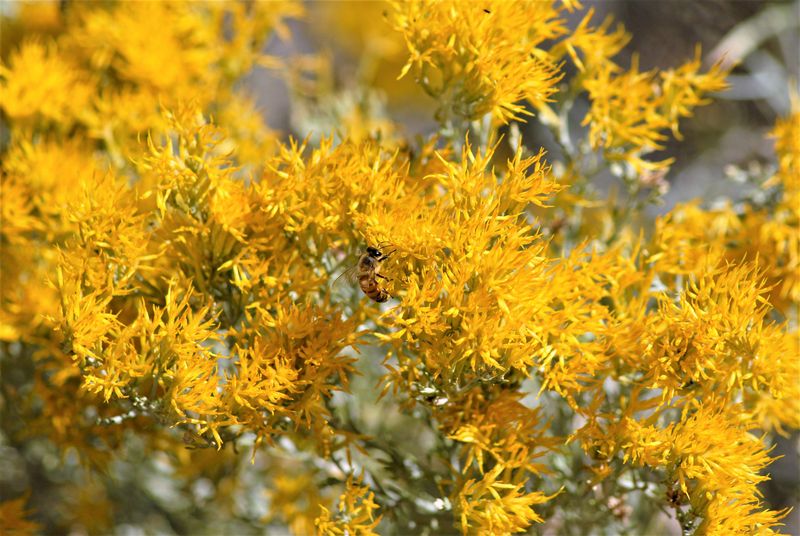
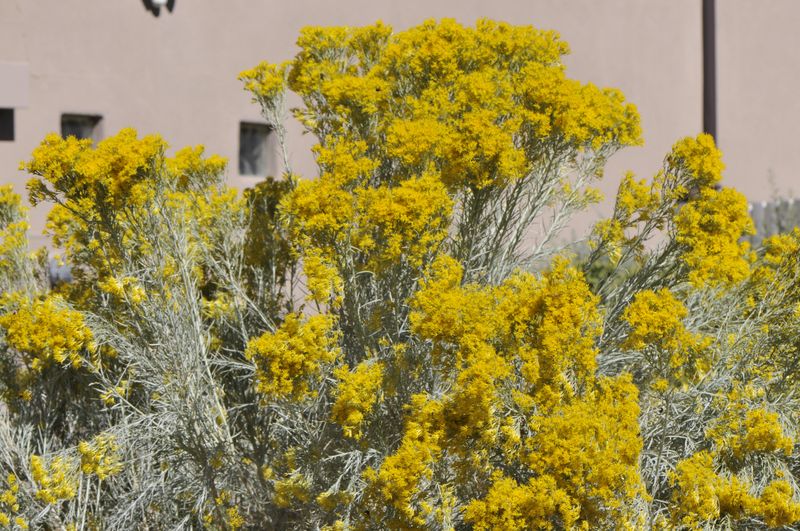
When everything else in the landscape looks tired and dusty in late summer, rabbitbrush explodes into brilliant golden-yellow bloom. It is the desert’s way of throwing a party in September.
Rubber rabbitbrush is a medium-sized shrub that typically reaches three to five feet tall. Its stems are covered in soft, white, woolly fuzz that gives the whole plant a silver-gray glow.
Those bright yellow flower clusters attract an impressive parade of pollinators. Butterflies, native bees, and even monarch butterflies stop by during fall migration.
Rabbitbrush handles alkaline and salty soils with ease, which makes it a natural fit for yards near Utah’s Great Salt Lake corridor. Most flowering shrubs simply cannot compete with that kind of resilience.
One thing people love about this plant is how low-maintenance it truly is. Once established, it rarely needs watering and never needs fertilizer to put on a spectacular show.
Pruning is optional but can help keep the shape tidy if you prefer a more structured look. Cut it back by about a third in early spring before new growth begins.
Historically, Indigenous communities used rabbitbrush for everything from yellow dye to chewing gum made from the rubbery sap. That is where the name rubber rabbitbrush comes from.
If your yard needs a late-season color boost that practically takes care of itself, rabbitbrush is the plant you have been searching for. It closes out the growing season with genuine flair.
4. Utah Serviceberry
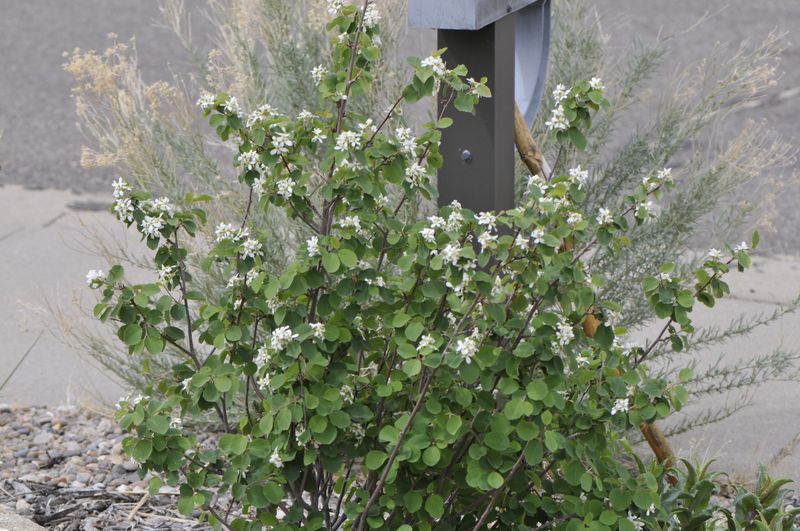
Spring arrives quietly in the canyon country, but Utah serviceberry announces it loudly with clusters of delicate white flowers. The blooms appear before most other native plants even think about waking up.
Amelanchier utahensis is a multi-stemmed shrub or small tree that grows six to fifteen feet tall. It fits naturally into rocky slopes, garden borders, and even larger container plantings.
After the flowers fade, small reddish-purple berries ripen in early summer. Native wildlife can’t get enough of these berries, and humans can eat them too.
The flavor is often compared to a mild blueberry with a hint of almond. Early settlers and Indigenous peoples both relied on serviceberries as a food source during lean months.
Fall color is another reason to love this plant. Leaves turn shades of orange, red, and gold that rival any ornamental tree you might find at a garden center.
Utah serviceberry handles both desert heat and cold mountain winters without complaint. That broad adaptability makes it useful across almost every elevation in the state.
Birds especially love this shrub, and planting one near a window gives you a front-row seat to an impressive wildlife show. Cedar waxwings and bluebirds are frequent visitors during berry season.
Few native plants pack in this much seasonal interest across spring, summer, and fall. Utah serviceberry earns every square foot of garden space it occupies, season after season.
5. Gambel Oak
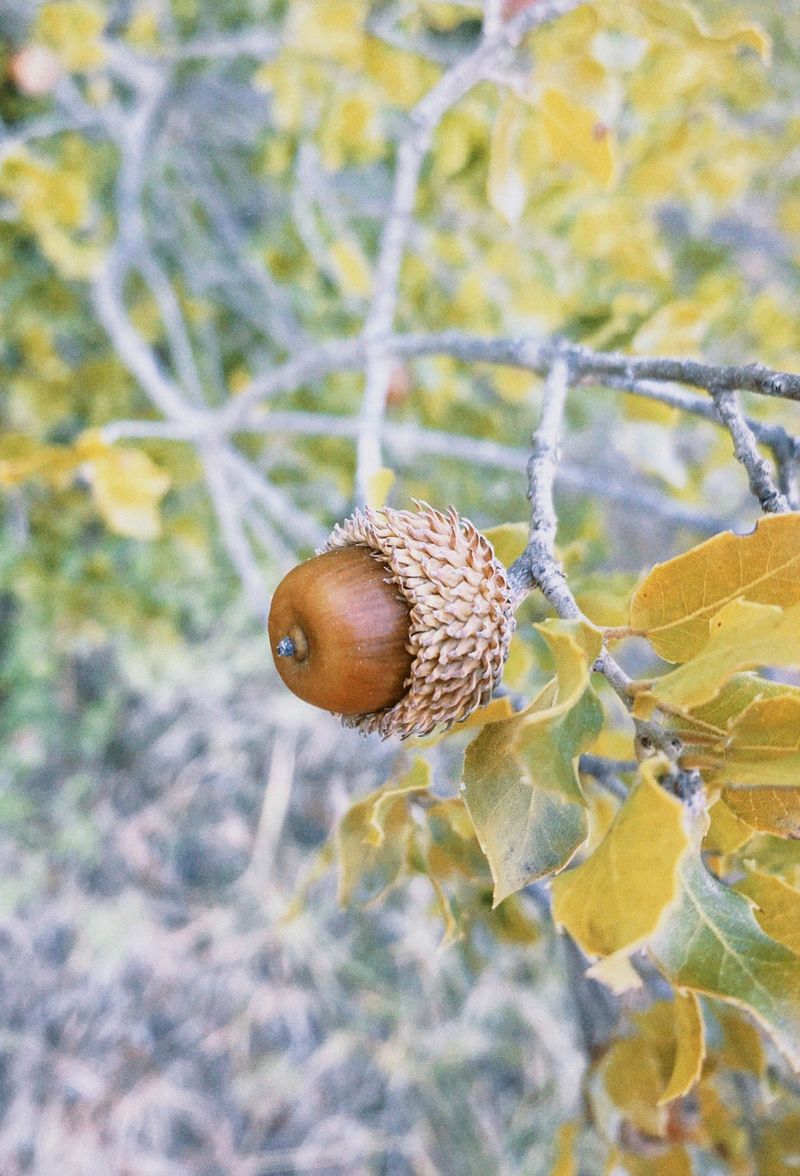
Gambel oak is the scrappy, determined underdog of Utah’s native tree world. It grows in thick, spreading thickets that look almost impenetrable from a distance.
Quercus gambelii typically reaches ten to thirty feet tall depending on moisture and soil conditions. In drier spots, it often stays shrubby and low, spreading outward rather than upward.
The deeply lobed leaves are unmistakably oak-shaped and turn a rich reddish-bronze in autumn. That fall color makes Gambel oak one of the most striking native plants across mountain foothills.
Acorns ripen in early fall and provide critical food for mule deer, black bears, wild turkeys, and squirrels. Planting a Gambel oak is essentially putting out a buffet for local wildlife.
This tree handles rocky, shallow soils that would frustrate most landscaping choices. It also tolerates drought conditions that would stress out non-native oaks almost immediately.
One interesting trait is its ability to sprout back from the root system after fire or heavy pruning. That kind of resilience is rare and genuinely impressive in any plant.
Homeowners sometimes avoid oaks because they worry about slow growth. Gambel oak does grow gradually, but the long-term payoff in shade, wildlife habitat, and beauty is truly worth the wait.
Plant one in a sunny spot with decent drainage, water it occasionally for the first two seasons, and then step back. This oak will still be growing long after you’ve moved on, and long after your kids have too.
6. Penstemon
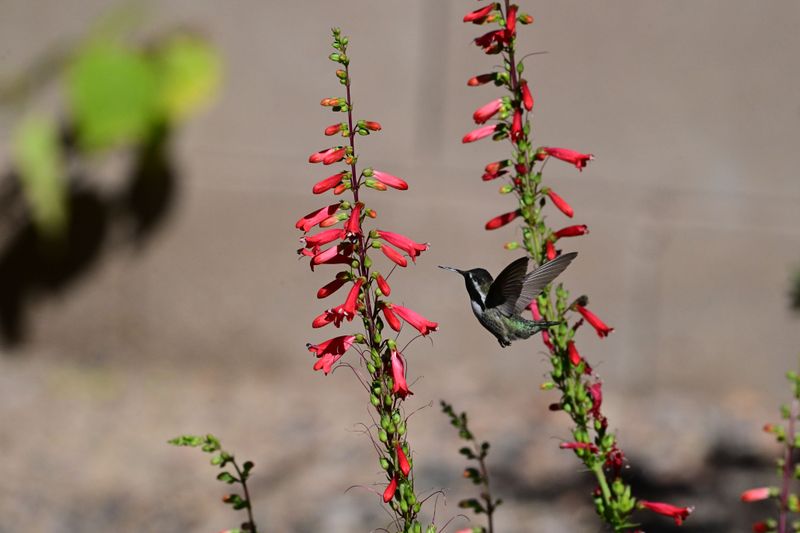
Few native plants stop people in their tracks quite like a penstemon in full bloom. Those tubular flowers in red, purple, pink, or blue look almost too vivid to be real.
Utah is actually home to more penstemon species than almost any other state in the country. With over sixty species growing here, there is a penstemon suited for nearly every garden situation.
Firecracker penstemon is a crowd favorite, shooting up tall stalks covered in brilliant scarlet blooms. Hummingbirds treat those flowers like a drive-through window and return again and again.
Palmer’s penstemon grows up to six feet tall and produces soft lavender-pink flowers with a sweet fragrance. It thrives in sandy, alkaline soils where other perennials simply give up.
Most penstemons bloom in late spring through early summer, filling that awkward gap between early bulbs and summer perennials. They bridge the seasonal color calendar beautifully.
Drainage is the one thing penstemons truly demand. Plant them in loose, gritty soil and avoid watering too frequently once established, or the roots will rot quickly.
Removing spent flowers can encourage a second flush of blooms in some species. Leaving seed heads in place, though, feeds goldfinches and other small birds through fall and winter.
Penstemon is the kind of plant that makes neighbors stop and ask what it is. Once you grow one, you will almost certainly end up growing five more before the next season ends.
7. Juniper
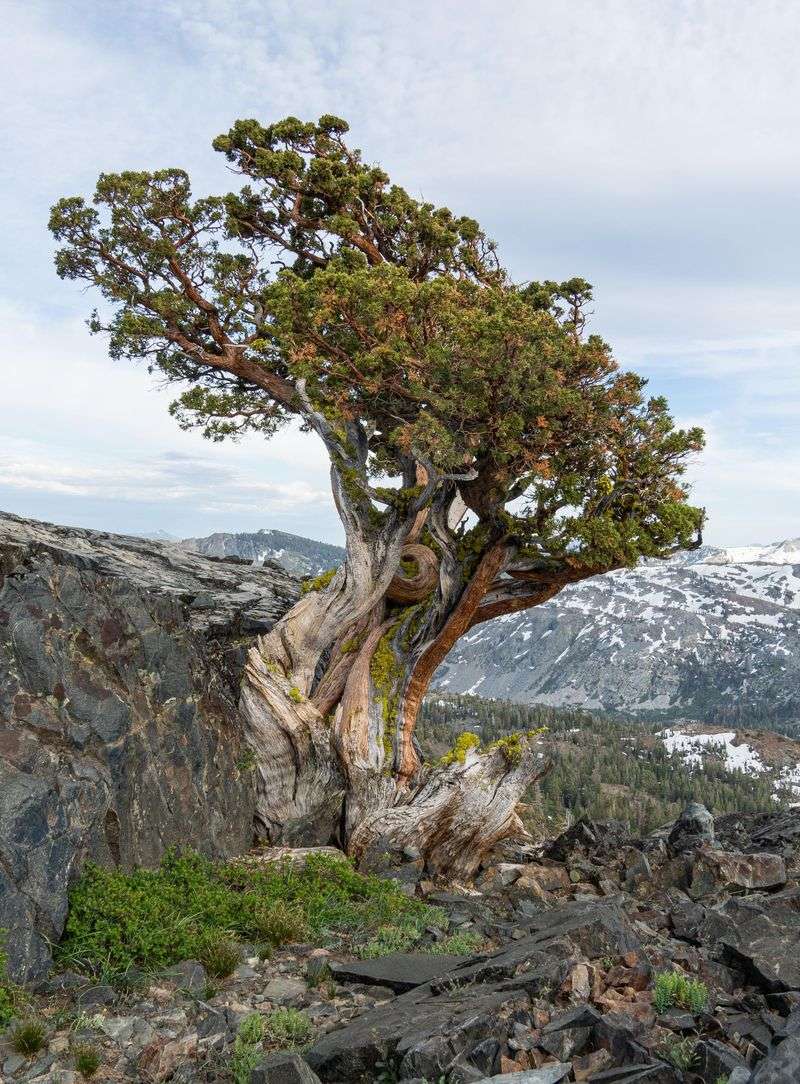
Junipers have been growing across Utah’s red rock country for thousands of years. They look like they were carved directly from the landscape itself.
Utah juniper, Juniperus osteosperma, is a gnarled, slow-growing tree that reaches ten to twenty feet tall. Its twisted trunk and blue-green foliage give any yard a sculptural, ancient quality that no nursery plant can replicate.
Those silvery-blue berries are actually fleshy cones, not true berries at all. Robins, bluebirds, and waxwings feast on them heavily during fall and winter migration.
Junipers handle salt spray, alkaline soil, extreme heat, and bitter cold without skipping a beat. They are essentially the definition of low-maintenance landscaping in a harsh climate.
One common mistake homeowners make is overwatering established junipers. Once settled in, these trees prefer dry conditions and can actually suffer from too much moisture around their roots.
Rocky Mountain juniper is another native species worth considering, especially at higher elevations. It grows taller and more columnar, making it useful as a natural privacy screen.
The aromatic wood has been used historically for everything from fence posts to ceremonial fires. Indigenous communities across the Southwest have relied on juniper for shelter, medicine, and food for centuries.
Planting a native juniper is an investment in permanence. Decades from now, it will still be standing exactly where you put it, outlasting trends, weather swings, and everything else that comes its way.
8. Blanket Flower
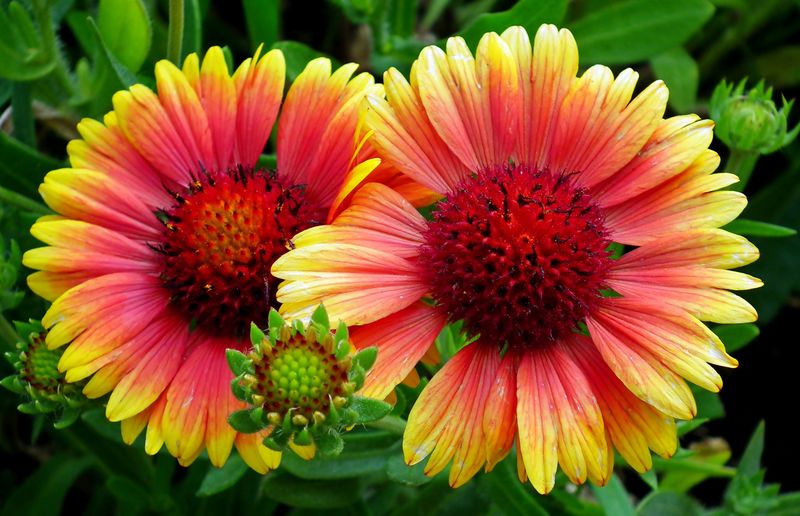
Blanket flower looks like it was designed by someone who wanted maximum color with minimum effort. Those bold red and yellow blooms are almost impossible to ignore from across the yard.
Gaillardia aristata is a native perennial that grows naturally across Utah’s grasslands and open meadows. It handles heat, drought, and poor soil like a seasoned pro.
Blooms appear from early summer and keep going well into fall if you remove spent flowers regularly. That is an impressively long season for any flowering plant, native or otherwise.
The daisy-like flowers have a warm, fiery color pattern that resembles the woven blankets of Southwestern Indigenous cultures. That visual connection is exactly where the common name comes from.
Pollinators swarm blanket flowers throughout the season. Native bees, bumble bees, and butterflies treat them like a neighborhood hot spot all summer long.
Salt-tolerant and drought-resistant, blanket flower fits naturally into xeriscape gardens near Utah’s salt-affected zones. It pairs beautifully with blue grama grass, rabbitbrush, and penstemon in a native plant palette.
One thing to watch: blanket flower tends to be short-lived, lasting two to four years in most gardens. It self-seeds reliably, though, so new plants fill in to replace the old ones.
These Utah natives, including cheerful blanket flower, prove that surviving harsh conditions does not mean sacrificing beauty. Plant this one and watch your summer garden transform into something genuinely spectacular.