Why New Mexico Yards Bloom Brightest After Monsoons Rains

New Mexico keeps a secret that only shows itself once a year. Every summer, monsoon rains arrive with a rhythm the desert has memorized for centuries, and the transformation that follows looks almost staged.
Yards that sat cracked and lifeless for months suddenly burst into color within days. Blooms push through soil that seemed too dry to support anything, and they often outshine gardens in states that get rain all year long.
This isn’t chance, and it isn’t a gift reserved for skilled gardeners. It comes down to the land itself. Native seeds wait underground for exactly this moment, tuned to a rainfall pattern so specific it works like a trigger for the whole ecosystem.
Once the pieces click into place, a summer storm stops looking like weather. It starts looking like a signal the desert has been waiting for all along.
Desert Seeds Wait For The Exact Moisture Signal
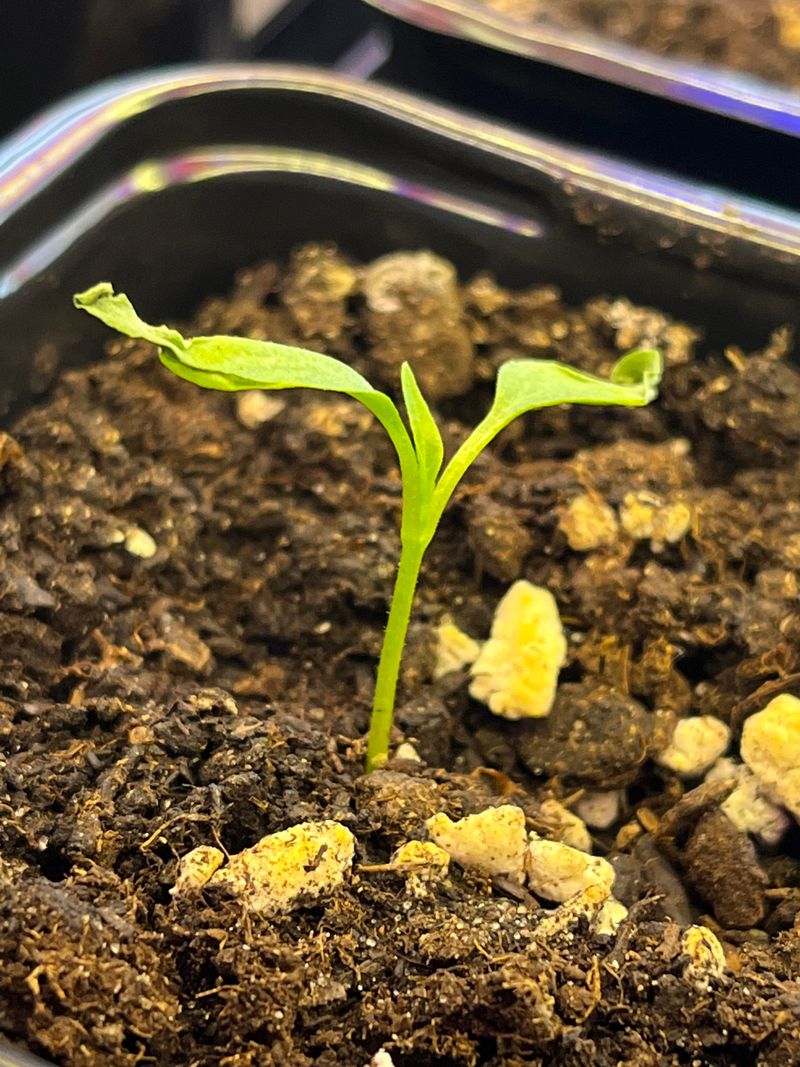
Picture a seed sitting in bone-dry soil for eleven months, completely still, not giving up. That seed is waiting for a very specific signal before it does anything at all.
Desert seeds in New Mexico have a chemical coating on their outer shell. That coating only dissolves when enough rainfall soaks through the soil in a short burst.
A light sprinkle won’t trigger it. Only a true monsoon downpour breaks that seal open.
Scientists call this a germination inhibitor, and it’s one of nature’s most clever tricks. The coating ensures seeds don’t sprout during a random spring shower that might dry up in two days.
They hold out for the real event. When the monsoon arrives, usually between July and September, the rains come hard and fast.
That intensity is exactly what the seeds have been programmed to respond to over thousands of years. Once the coating dissolves, growth begins within hours. You can almost watch it happen if you know where to look.
Tiny green tips push through cracked soil before the puddles even dry up. Other states get steady rain throughout the year, so their seeds don’t need this kind of trigger.
They sprout more easily but also more randomly. New Mexico yards bloom brightest after monsoon rains because most seeds fire in sync, creating a synchronized wave of color that steady-rain states rarely experience.
A Long Dry Spell Sets Up The Explosion
Before the fireworks, there’s always a long silence. May and June in New Mexico are brutally dry, with almost no measurable rain and temperatures that bake the ground like a clay pot.
That stretch of heat does something important. It concentrates nutrients in the soil, suppresses weak plant competition, and builds a kind of pressure in the ecosystem.
The land is essentially loading up energy it can’t release yet. Gardeners in wetter states never experience this kind of pre-bloom tension.
Their yards get regular water, so growth is spread out and gradual. Nothing dramatic builds beneath the surface.
In New Mexico, the dry spell acts like coiling a spring. Every organism in the soil, from seeds to fungi to beneficial bacteria, is coiled and ready.
Your New Mexico Garden Changes Every Week. Your Plan Should Too.
Gardening in New Mexico changes quickly throughout the season. Every Friday you’ll receive a simple weekly plan showing exactly what to plant, prune, fertilize, harvest, and protect so you never miss the right timing.
They’ve been waiting since spring for the trigger that only monsoon moisture provides. When the first big storm rolls in from the south, it releases all that stored potential at once.
The soil temperature, the moisture level, and the day length all align perfectly in late July. That combination is rare anywhere else in the country.
The result is a sudden, dramatic burst of green and color across yards that looked nearly abandoned just weeks before. Nothing prepares you for how fast a desert can transform when it finally gets what it’s been waiting for.
Desert Marigolds And Sunflowers Lead The Late Summer Show
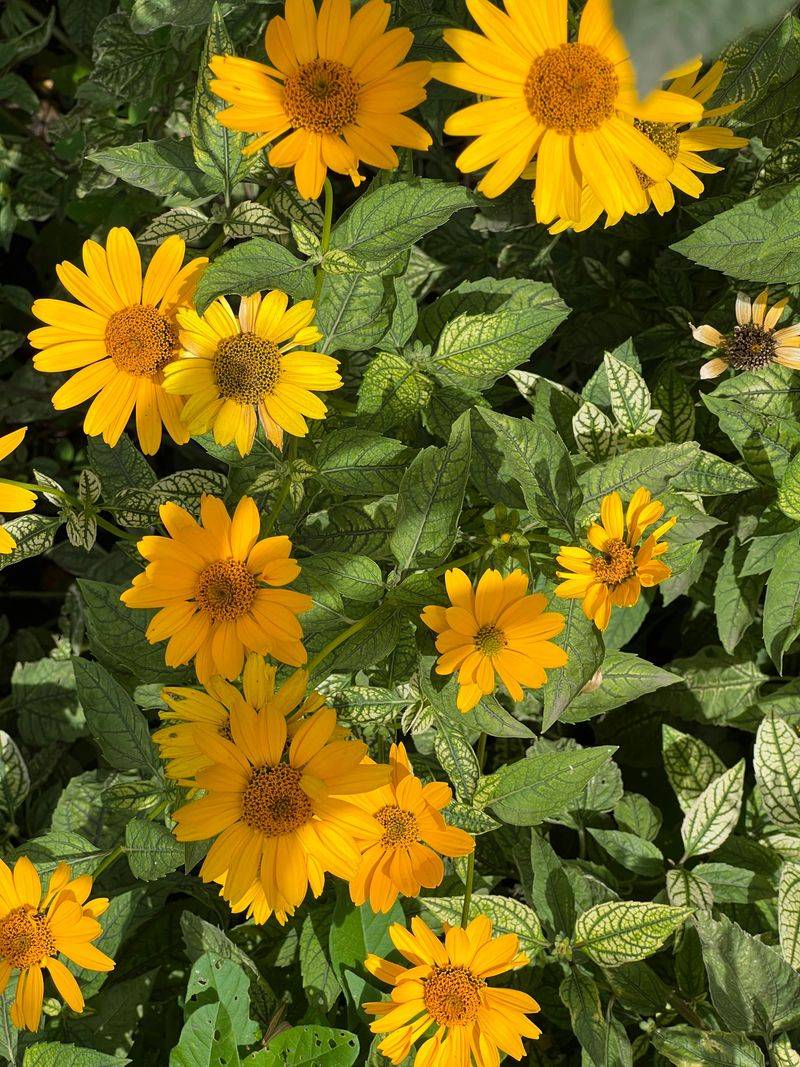
Walk outside three days after a monsoon storm, and the first thing you’ll notice is yellow. Specifically, the bold cheerful yellow of desert marigolds pushing up like they own the place.
Desert marigolds, known scientifically as Baileya multiradiata, are built for this exact moment. Their roots stay dormant through the dry months, conserving every bit of stored moisture they have.
Then the rains arrive, and they respond faster than almost any other flowering plant in the Southwest. Sunflowers join the show close behind.
Native varieties along fence lines and yard edges shoot up quickly after the first soaking rain. They rarely need fertilizer, pruning, or any human help.
Both plants produce seeds that birds scatter across yards over the winter. By spring, those seeds are already positioned in the soil, just waiting for the monsoon trigger to activate them.
Homeowners sometimes think these flowers appeared by magic, but the setup happened months earlier. The yellow wave these plants create is striking because it’s so uniform and sudden.
One week the yard looks empty. The next it looks like someone planted a professional garden overnight. That speed is part of what makes New Mexico yards so dramatic after a monsoon storm.
Gardeners who want to enhance this effect can scatter additional desert marigold seeds before monsoon season starts. The plants will hold until the rains arrive, then bloom alongside the wild ones.
Your yard will look like the whole desert decided to show up at once.
Native Plants Evolved Around This Exact Rhythm
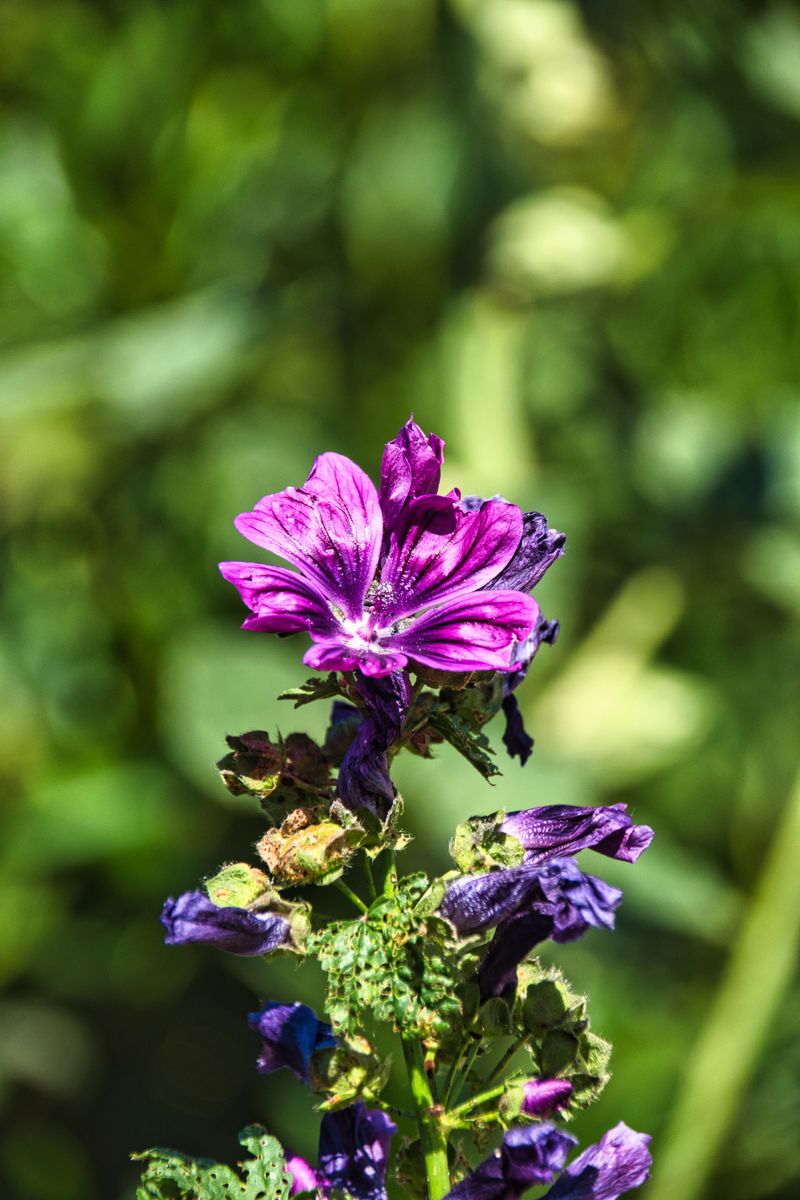
Here’s something that separates New Mexico from every other state: the native plants here didn’t just adapt to monsoons. They were shaped by them, generation after generation, over thousands of years.
Globe mallow, Apache plume, and purple sage don’t just tolerate the monsoon pattern. They require it. Their internal biology is tuned to the exact timing, temperature, and intensity of Southwest summer storms.
Try growing globe mallow in Georgia or Oregon, and it survives but rarely thrives. It blooms weakly and at the wrong time.
Move it back to New Mexico, and it becomes a showstopper the moment the rains arrive in July. This tight biological relationship between plant and rainfall pattern means New Mexico yards have access to a palette of native bloomers that rarely perform the same way elsewhere.
The plants and the weather are a matched set. Homeowners who plant native species are essentially hiring a team that already knows the schedule.
These plants don’t need reminders or extra water. They’ve been keeping track of the monsoon calendar longer than humans have lived in the region.
Apache plume, for example, produces feathery pink seed plumes that appear right after monsoon blooms fade. It extends the visual interest of the yard into early fall without any gardener intervention.
New Mexico yards bloom brightest after monsoon rains because native species have had thousands of years to perfect their performance. Few states have that kind of botanical precision built into their landscape.
Rain Basins Help Yards Capture Every Drop
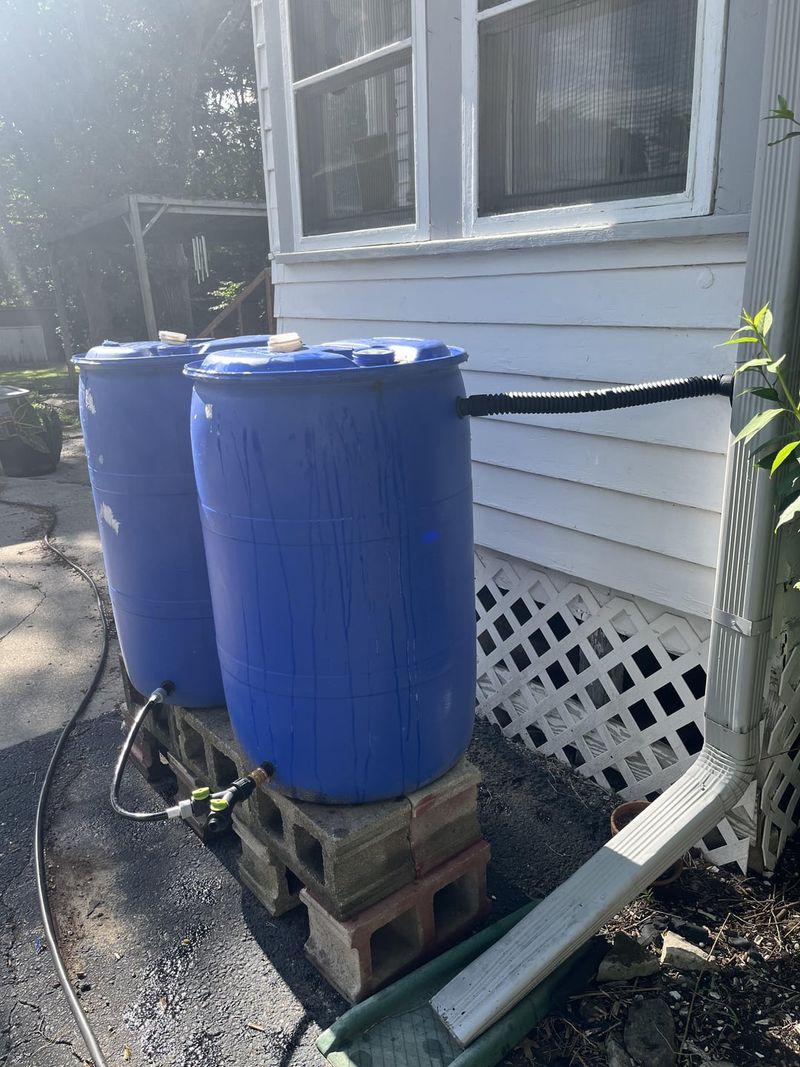
Smart New Mexico gardeners don’t just wait for the monsoon. They shape their yards to catch every drop that falls, using a technique passed down by the Pueblo people who have farmed this land for generations.
Rain basins, sometimes called waffle gardens, are shallow depressions dug around plants or planting areas. When a monsoon storm dumps an inch of rain in twenty minutes, those basins hold the water in place instead of letting it run off.
Without basins, heavy rain on hard desert soil can sheet right off the surface. The water runs toward the street before it ever soaks in. Plants miss out on most of what the storm delivers.
With basins, that same rainstorm becomes a slow, deep soak. Water sits in the depression and seeps down to root level over the following hours. Plants drink deeply instead of catching a quick surface splash.
Building rain basins doesn’t require any special equipment. A shovel, some afternoon work, and a basic understanding of how water flows across your yard is all you need.
Dig low spots around your flowering plants and mound the removed soil on the downhill side to form a small berm. The difference in bloom performance between a yard with basins and one without can be dramatic.
Plants in basins often bloom noticeably longer because their roots stay moist for days after a storm ends. Capturing monsoon water efficiently is one of the most powerful gardening moves in the Southwest. Your flowers will thank you loudly.
Choosing Bloomers That Time Their Show With The Rains
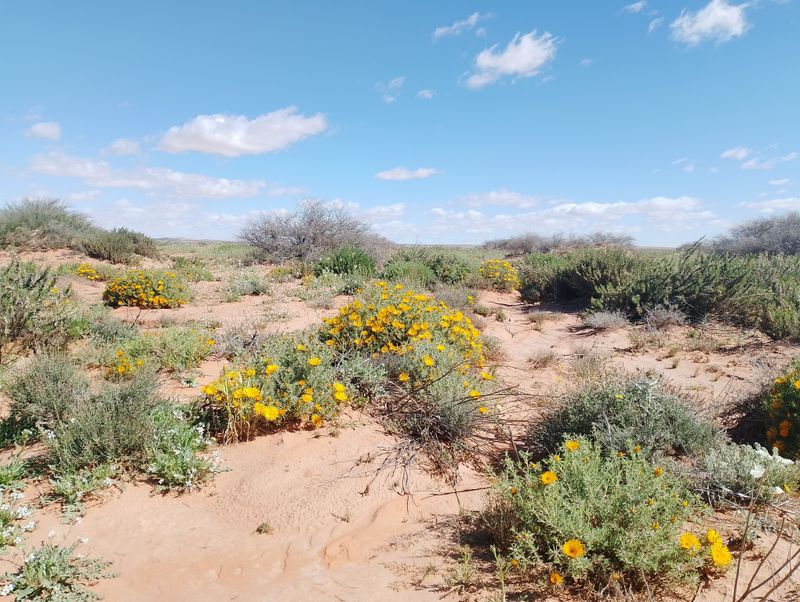
Timing is everything in a monsoon garden, and the plants you choose determine whether your yard transforms dramatically or barely reacts at all. Not every pretty flower is built for this moment.
The best performers are plants that have evolved a delayed response to summer heat and moisture. Angelita daisy, chocolate flower, and plains coreopsis all fit this profile perfectly. They hold their energy through spring, then release it the moment monsoon moisture arrives.
Avoid planting spring bloomers and expecting a summer show. Poppies and larkspur are gorgeous in April but long finished by the time July rains arrive.
Matching your plant selection to the monsoon window is the single most important gardening decision you can make here. Seed mixes labeled specifically for the Southwest or the Chihuahuan Desert are your best starting point.
Those mixes include species that are already calibrated to the local rain pattern. Generic wildflower mixes from national retailers often include plants that won’t perform the same way in this climate.
Scatter your chosen seeds in late May or early June, just before the dry peak. They’ll sit patiently in the soil through the hottest weeks, then activate when the first monsoon storm breaks.
You don’t need to water them while they wait. The payoff is a yard that feels effortless and wildly alive at the same time. Choose wisely, and your yard will outshine every garden on the block.