The Georgia Yard Feature That Keeps Creating Mosquito Hotspots After Every Storm
Georgia summer storms are impressive, fast, loud, and thorough, and once they roll through most homeowners do a quick check of the usual suspects: the lawn, the flower beds, maybe the patio furniture.
What almost nobody thinks to check is directly overhead.
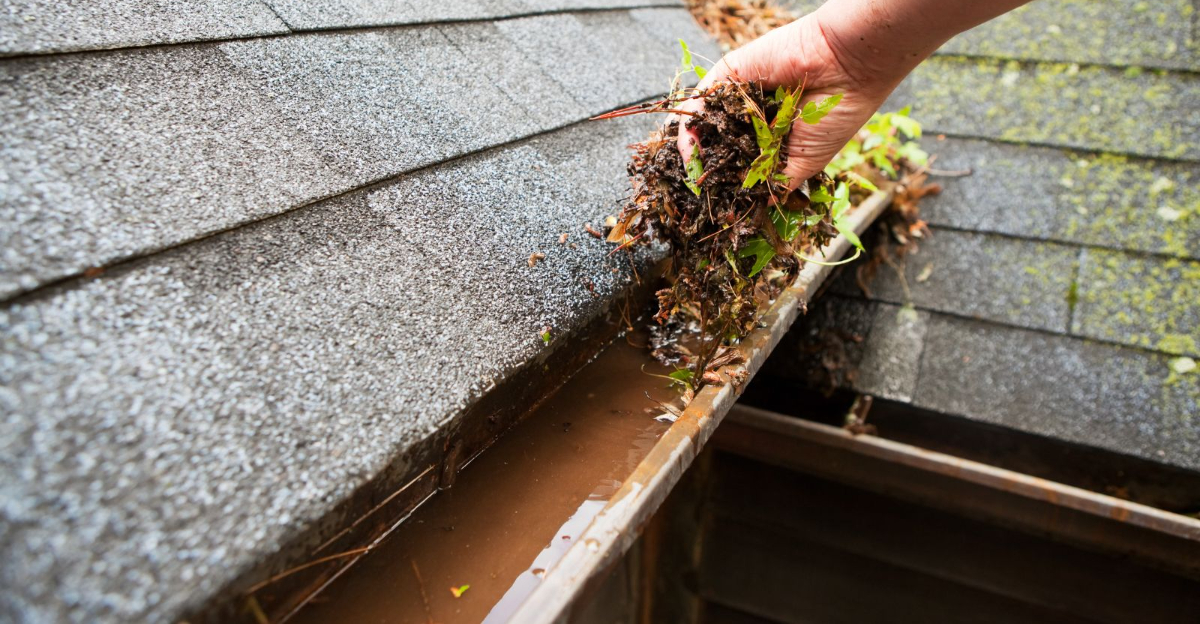
Gutters packed with leaves, pine needles, and general debris can trap roof runoff and hold standing water long after the rain has moved on.
In Georgia’s humid summer climate where another storm is usually just a few days away, that water doesn’t get much of a chance to evaporate.
The result is a hidden mosquito hotspot sitting right above the roofline that most people don’t connect to their backyard bug problem until someone points it out.
It’s one of those situations where the fix is straightforward once you know where to look.
1. Clogged Gutters Hold Water After Storms
Rainwater dripping from the roofline long after a storm has passed is one of the first signs that something is not draining right.
In Georgia, summer thunderstorms can drop several inches of rain in a short time, and gutters that are even partially blocked may not move that water fast enough.
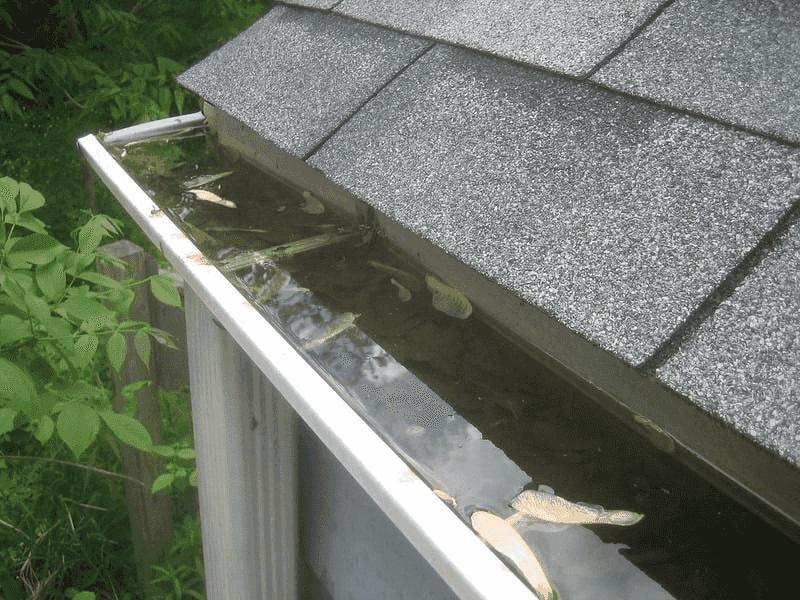
When debris slows the flow, water backs up and sits in the channel instead of moving toward the downspout.
A gutter that looks fine from the ground can be holding a surprising amount of water. That water does not evaporate quickly, especially on humid Georgia days when the air is already thick with moisture.
The channel stays damp, shaded by the roofline, and largely undisturbed, which creates a quiet spot that mosquitoes find very attractive.
Many homeowners do not think about their gutters until water starts spilling over the sides or staining the siding. By that point, the gutter has likely been holding moisture for a while.
A simple visual check from a ladder after each major storm can reveal soggy debris and pooled water before the problem repeats.
Removing that wet material and flushing the channel with a garden hose takes less than an hour and can make a real difference in reducing mosquito activity around the roofline and the areas directly below it.
2. Leaves And Pine Needles Block Drainage
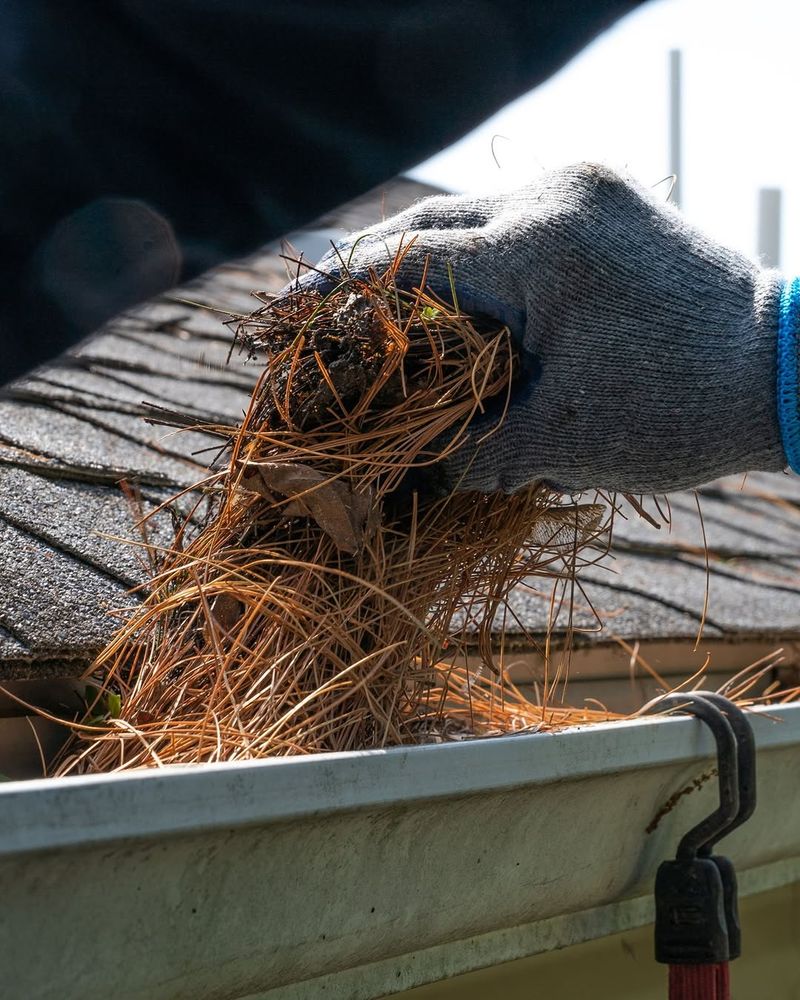
Pine needles are one of the sneakiest gutter problems in Georgia yards. They slip through the air easily, settle flat inside the gutter channel, and mat together into a thick layer that water cannot pass through.
Oak leaves, sweetgum pods, and other common Georgia tree debris add to the buildup and make the blockage even denser over time.
Unlike larger debris that is easy to spot, pine needles tend to compact quietly until the gutter is nearly sealed.
Homeowners in wooded or pine-heavy neighborhoods may find their gutters filling up several times a season, especially in the months when Georgia’s tree canopy is at its fullest.
After each storm, fresh debris washes down from the roof and adds another layer to whatever is already sitting in the channel.
Cleaning gutters more frequently in fall and late summer helps prevent this kind of buildup from becoming a standing-water problem.
Your Georgia Garden Changes Every Week. Your Plan Should Too.
Gardening in Georgia changes quickly throughout the season. Every Friday you’ll receive a simple weekly plan showing exactly what to plant, prune, fertilize, harvest, and protect so you never miss the right timing.
Gutter guards can reduce the amount of debris that enters the channel, though they still benefit from occasional checks to make sure they are not holding moisture themselves.
For yards surrounded by tall pines or oaks, scheduling a gutter cleaning before and after peak storm season is a practical way to stay ahead of the blockage before the next round of summer rain arrives and turns a clogged channel into a breeding spot.
3. Standing Water Can Stay Hidden Overhead

Most people scan their yard at eye level after a storm, checking for puddles on the lawn or water pooling near the garden. What they rarely think to look at is the gutter sitting eight or ten feet above their head, quietly holding water that nobody can see from the ground.
That hidden standing water is part of what makes clogged gutters such a persistent mosquito problem in Georgia. The water sits in a shaded channel, protected from direct sunlight and wind, which slows evaporation considerably.
In Georgia’s warm and humid summer air, a gutter holding even a few inches of water can stay wet for several days between storms, giving mosquitoes plenty of time to use it.
Mosquitoes do not need a pond or a bucket to breed. A small amount of calm, stagnant water tucked into a gutter channel is enough.
Because the water is overhead and out of sight, it can go unnoticed through multiple storm cycles before anyone realizes what is happening.
Homeowners who notice increased mosquito activity around the porch, patio, or front entry may want to check the gutters above those areas first.
A flashlight and a short ladder are usually enough to spot wet debris and pooled water that has been sitting undetected through several rounds of Georgia summer rain.
4. Downspouts Can Back Up And Pool Water
Water spilling over the side of a gutter is a familiar sight during a heavy Georgia rainstorm, but the cause is not always the gutter itself.
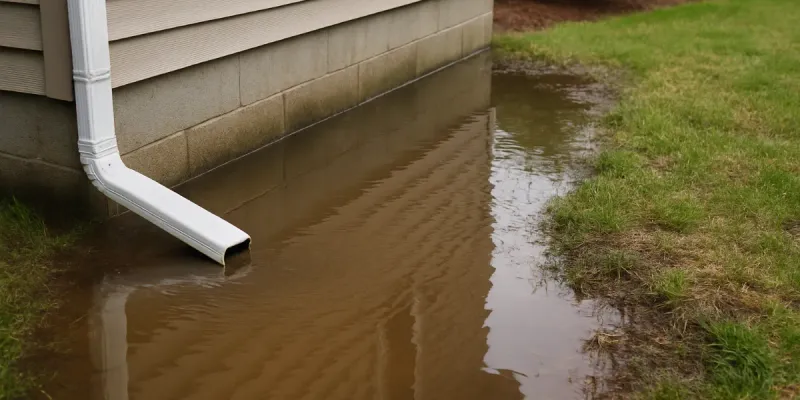
A clogged downspout can back up the entire system, trapping water in the channel even when the gutter looks relatively clear from the outside.
Debris that washes into the downspout opening and packs together can create a blockage that slows or stops drainage completely.
When a downspout backs up, water has nowhere to go but over the edge or backward into the gutter channel. Both outcomes leave standing water in places it should not be.
Water that overflows near the foundation can pool in mulched areas, saucers left under potted plants, or low spots along the side of the house, adding more potential breeding sites at ground level.
Checking the downspout is just as important as cleaning the gutter channel itself. Running a garden hose into the top of the downspout after a storm is a quick way to test whether water flows freely through to the bottom.
If it backs up or drains slowly, the downspout likely needs to be cleared.
Keeping the downspout extension directed away from the foundation and toward a well-drained area also helps prevent water from pooling near the house after Georgia’s frequent summer storms.
5. Mosquitoes Use Quiet Water To Breed
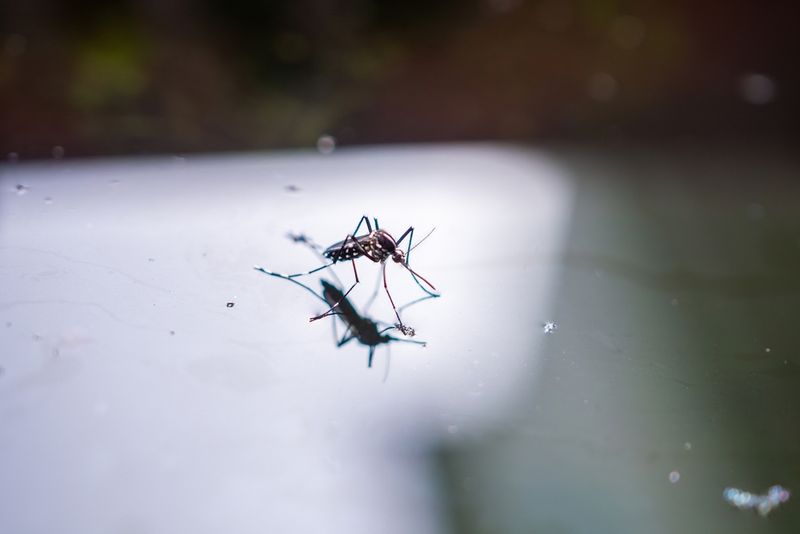
A quiet patio after a Georgia summer storm can feel peaceful, but the stillness that settles over a yard after rain is exactly the kind of environment mosquitoes prefer for laying eggs. Mosquitoes do not breed in moving water.
They need water that is calm, warm, and undisturbed, and a clogged gutter provides all three conditions at once.
Female mosquitoes lay eggs on or near the surface of standing water.
In warm Georgia temperatures, those eggs can develop into larvae fairly quickly, which is why even a few days of standing water in a gutter can contribute to a noticeable increase in mosquito activity around the yard.
The gutter sits above the roofline where it is rarely disturbed by foot traffic, pets, or wind, making it an especially undisturbed spot.
Reducing standing water is one of the most effective ways to reduce mosquito populations around a home. Public health guidance consistently points to eliminating or emptying standing water sources as a first step in mosquito prevention.
Gutters that drain properly after every storm remove one of the most productive and least visible sources of standing water on a typical Georgia property.
Keeping those channels clear is a straightforward maintenance task that has a direct effect on how many mosquitoes are breeding within close range of the house.
6. Summer Storms Keep Refilling The Problem
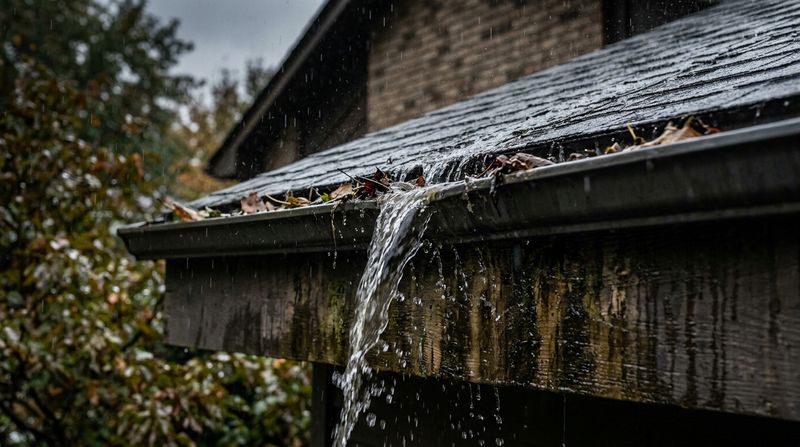
Georgia’s summer storm season does not offer much of a break between rain events. Thunderstorms can roll through several times a week from late spring through early fall, and each one sends a fresh wave of roof runoff through the gutter system.
If the gutters are even partially clogged, each storm adds more water to what is already sitting there.
This repeated refilling is what makes the problem so stubborn.
A homeowner might notice the gutters are holding water after one storm and plan to clean them on the weekend, but another storm arrives in the meantime and tops off the standing water before any maintenance happens.
The cycle keeps repeating, and mosquitoes continue breeding in the same spot through the entire summer.
Breaking that cycle requires cleaning the gutters before the storm season gets fully underway, not after the problem is already visible. In Georgia, that usually means checking gutters in late spring and again in midsummer, when the storm frequency tends to peak.
After a particularly heavy storm that drops a lot of leaf litter and debris on the roof, a quick check of the gutters and downspouts can catch a new blockage early.
Getting ahead of it before several more rain events roll through prevents that trapped water from becoming a well-established mosquito hotspot in the yard.
7. Regular Gutter Checks Reduce Hotspots
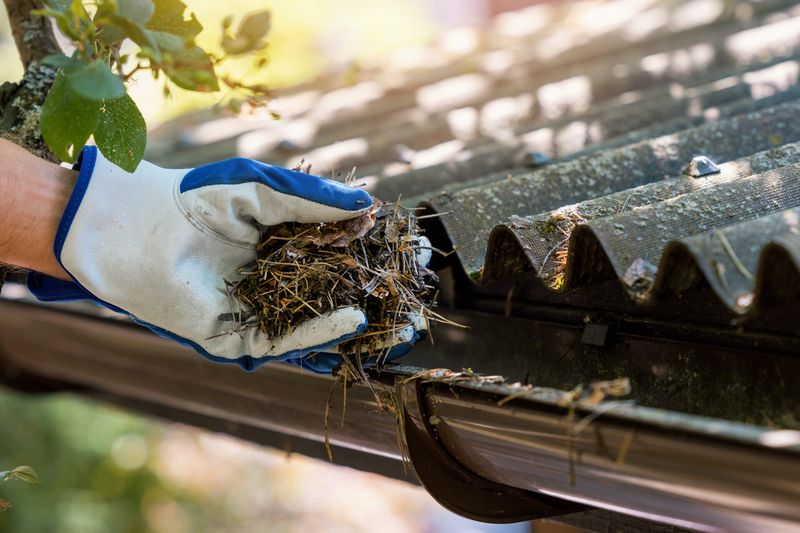
Getting into the habit of checking gutters on a regular schedule is one of the most practical things a Georgia homeowner can do to reduce mosquito activity around the house.
It does not require special equipment or professional help for most single-story or accessible rooflines.
A sturdy ladder, a pair of gloves, and a garden hose are usually enough to get the job done.
Twice-yearly cleanings are a reasonable starting point, but Georgia yards surrounded by trees may need attention more often. Checking after every major storm during the summer season helps catch new debris before it has time to compact and block drainage.
Even a quick visual scan from the top of a ladder can reveal wet material sitting in the channel that would not be visible from the ground.
Flushing the gutter with a garden hose after removing debris confirms that water is moving freely through the channel and out the downspout. If water pools or drains slowly, there may be a secondary blockage further down the line that needs attention.
Keeping a simple log of when gutters were last cleaned can also help homeowners stay consistent rather than waiting until water is visibly overflowing.
Consistent maintenance removes standing water from one of the most overlooked spots on a Georgia property and directly reduces the number of places mosquitoes can breed near the home each summer.
8. Nearby Containers Can Make It Worse
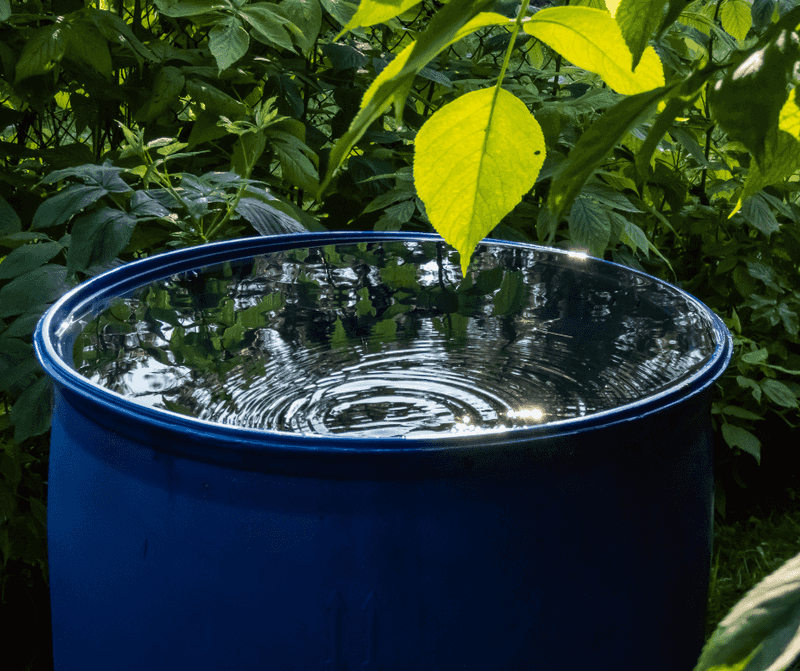
Containers sitting near the house can quietly collect stormwater and add to the mosquito problem that clogged gutters have already started.
Flower pot saucers, buckets left near the garden hose, empty planters, folded tarps, and even children’s outdoor toys can fill with water during a Georgia summer storm and hold it for days without anyone noticing.
When these containers sit close to a downspout or in an area where gutter overflow tends to land, they essentially catch the runoff from a drainage problem and give mosquitoes another place to breed at ground level.
The combination of a clogged gutter overhead and several water-holding containers below creates multiple hotspots in a small area, which can lead to noticeably higher mosquito activity on the porch, patio, or near the back door.
Emptying containers after every storm is a simple habit that removes these secondary sources quickly. Turning buckets and saucers upside down when they are not in use prevents them from collecting water in the first place.
Tarps and covers should be stored or arranged so water runs off rather than pools in the center.
Addressing both the gutters above and the containers below is the most thorough way to reduce standing water around a Georgia home and limit the number of places mosquitoes can establish a breeding cycle through the long summer storm season.