The One Thing Michigan Gardeners Should Check Before Watering Hydrangeas During A Heat Wave
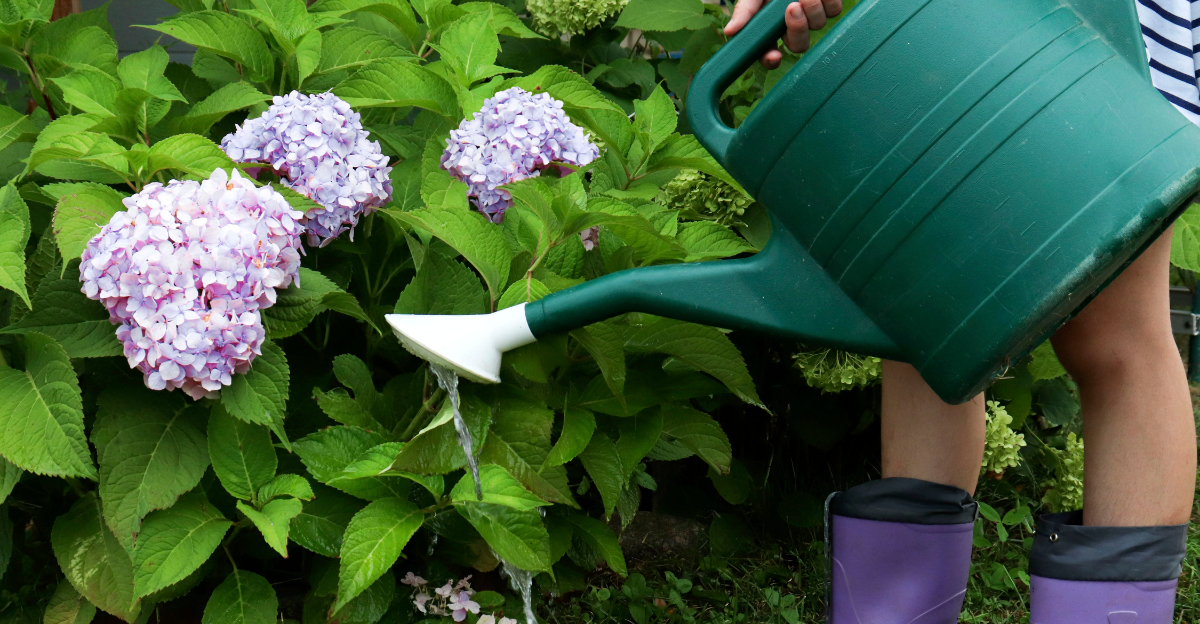
Hydrangeas wilting during a Michigan heat wave trigger an almost involuntary response in most gardeners, and the hose comes out before anything else gets considered.
That automatic reaction causes more hydrangea decline during summer heat waves than the heat itself does in a significant number of cases.
Wilting is a symptom with multiple causes, and water is the right answer for only some of them.
Adding more water to a hydrangea already sitting in saturated soil accelerates root stress in ways that look identical to drought stress from above ground until the damage becomes irreversible.
One specific check performed before any water gets added takes less than a minute and immediately clarifies whether the plant needs water, shade, or something else entirely.
1. Check The Root Zone Before Adding Water
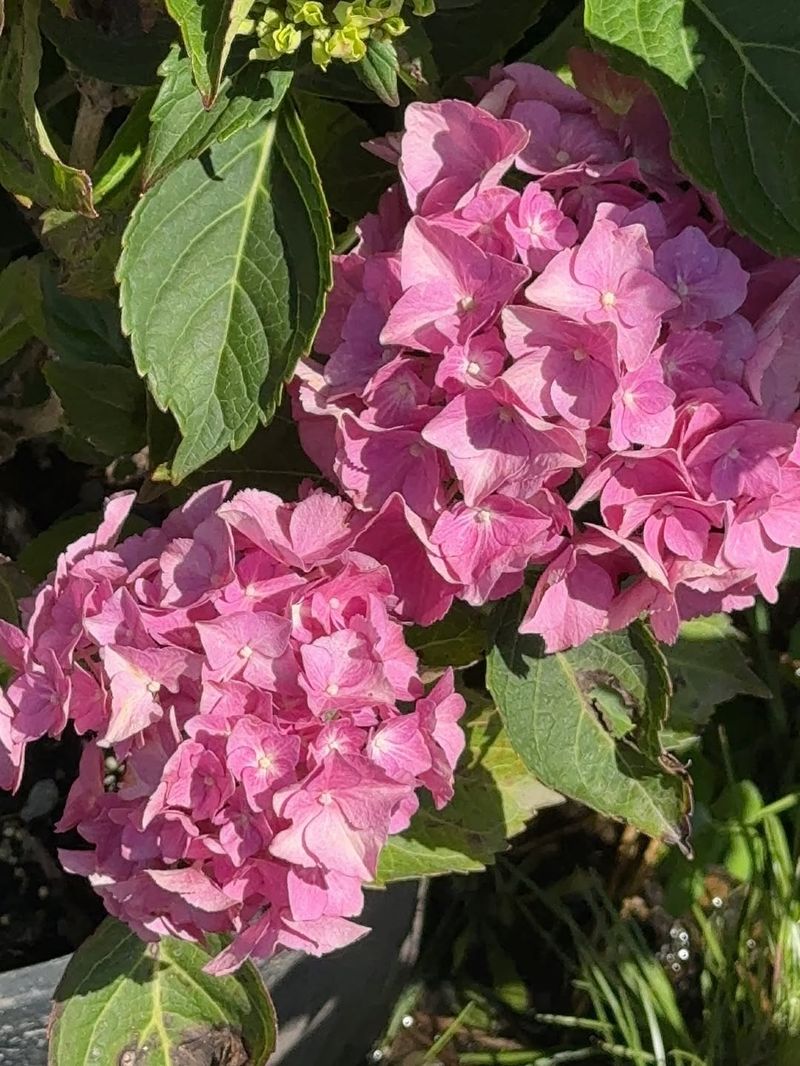
Drooping leaves on a hot Michigan afternoon can look pretty alarming, but they do not always tell the full story. Hydrangeas are dramatic plants.
They will wilt in afternoon heat even when their roots are sitting in perfectly moist soil, and that is a fact many gardeners learn the hard way after overwatering a plant that did not need it.
Before you reach for the hose, check the root zone first. Push your finger or a wooden dowel about four to six inches into the soil near the base of the plant.
That depth is where hydrangea roots are actively pulling up moisture, and it gives you a much more honest picture than anything you can see at the surface.
If the soil at that depth feels cool and slightly damp, the plant is likely just reacting to heat stress rather than thirst. Give it until morning before deciding whether to water.
If the soil feels dry and crumbly at that depth, that is your real signal to water carefully and thoroughly.
Michigan gardeners deal with a wide range of soil types, from sandy loam in some areas to heavy clay in others, and each holds moisture differently. Checking the root zone takes about ten seconds and saves you from guessing.
A plant that looks stressed but has moist roots needs shade and patience, not more water. Making this one simple check your habit every time a heat wave rolls through will keep your hydrangeas healthier all summer long.
2. Do Not Trust The Surface Soil Alone
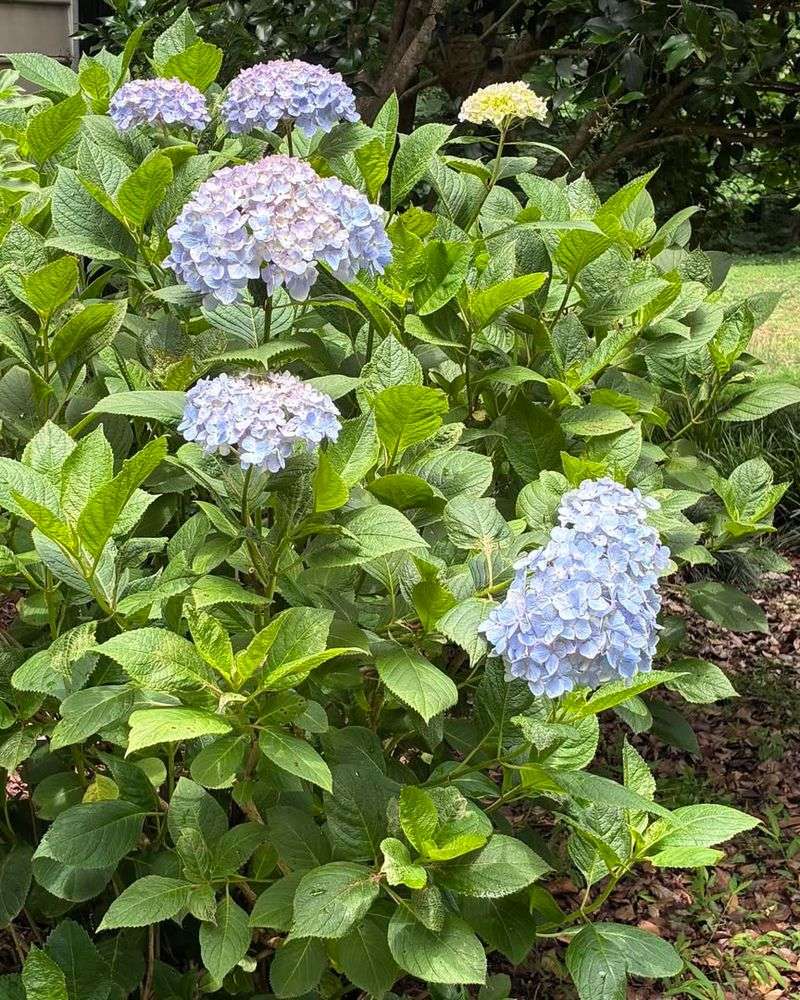
Surface soil is one of the most misleading things in a garden during a Michigan heat wave.
The top inch or two can bake into a dry, pale crust within just a few hours of sunshine, even when the soil several inches below is still holding plenty of moisture from a recent rain or previous watering.
If you judge by what you see on top, you will end up watering far more often than necessary.
The flip side is also true. Soil can look slightly damp on the surface after a light sprinkle or a brief rain shower, while the root zone beneath is still bone dry.
Light rain events in Michigan during summer often do not penetrate deeply enough to actually reach the roots of established shrubs like hydrangeas. The surface gets wet while the roots stay thirsty.
Your Michigan Garden Changes Every Week. Your Plan Should Too.
Gardening in Michigan changes quickly throughout the season. Every Friday you’ll receive a simple weekly plan showing exactly what to plant, prune, fertilize, harvest, and protect so you never miss the right timing.
Mulch adds another layer of confusion. A thick layer of wood chips or shredded bark can hold surface moisture and feel cool to the touch, giving the impression that everything underneath is fine.
Always pull the mulch back slightly and push your finger into the actual soil to get an accurate reading of what is happening where the roots live.
The outer edge of the root zone, roughly at the drip line of the plant where the outer leaves reach, is often a better spot to test than directly at the stem. Roots spread outward and that edge zone tends to dry out first.
Checking there gives you an early warning before the whole root system gets stressed.
3. Morning Checks Give The Clearest Answer
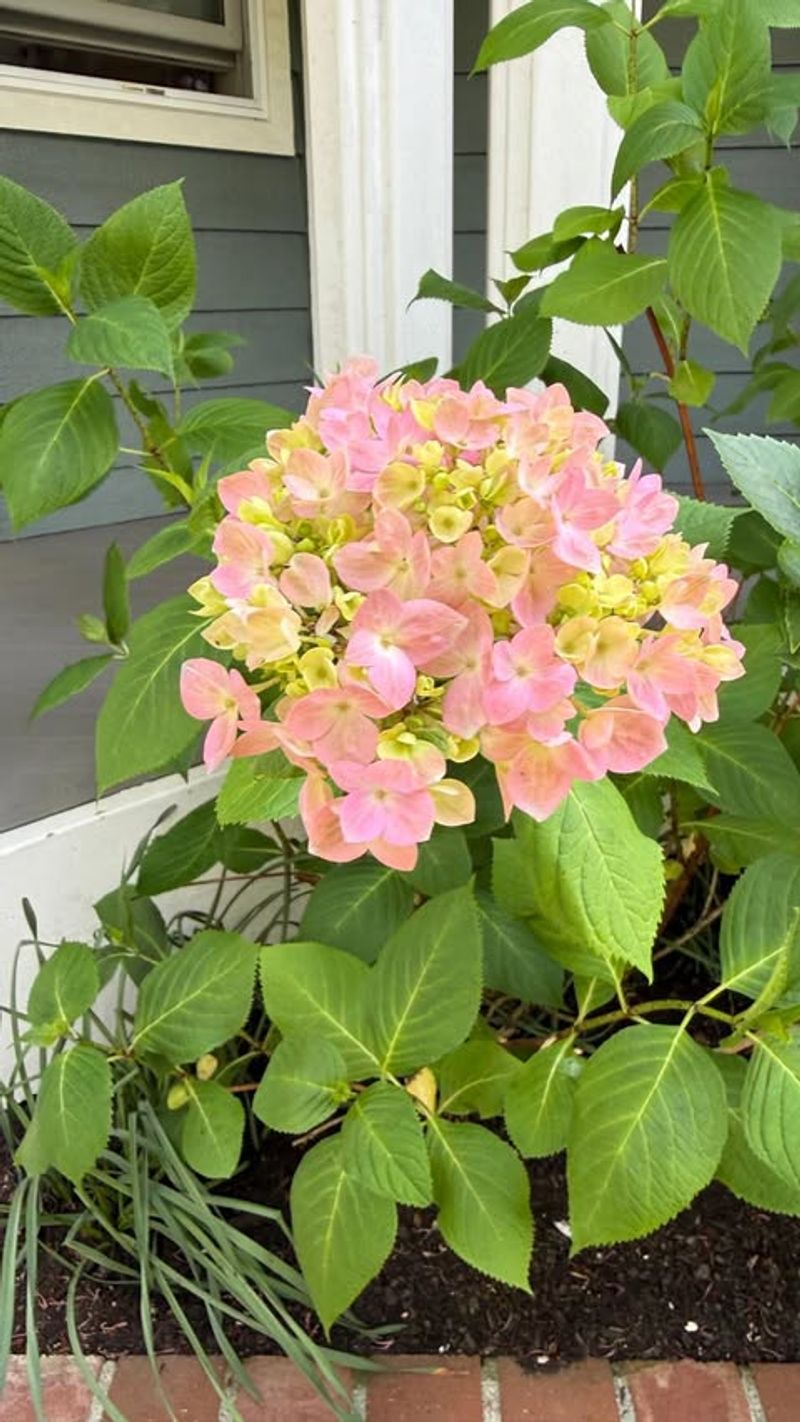
Timing matters more than most gardeners realize when it comes to reading a hydrangea’s condition during a heat wave. Checking your plants in the blazing heat of a Michigan afternoon is one of the least reliable ways to figure out whether they actually need water.
Hydrangeas naturally wilt in high temperatures as a way of reducing moisture loss through their leaves, even when they are perfectly hydrated at the root level.
Morning is your window for truth. When you step outside before the heat builds, a hydrangea that truly needed water the night before will still look soft and droopy because it did not recover overnight.
A plant that was just reacting to afternoon heat will have perked back up by morning, leaves firm and stems upright again, telling you clearly that the root zone had enough moisture all along.
Getting into the habit of doing a quick morning walkthrough during heat waves takes only a few minutes and makes a real difference in how accurately you manage your garden.
Bring a finger or a wooden skewer with you and check the root zone of any plant that looked stressed the day before.
Morning soil checks are also easier because the soil has had the cooler overnight hours to redistribute any moisture it holds.
Michigan summers can string together multiple hot days in a row, and the cumulative stress on hydrangeas adds up.
Morning checks let you stay one step ahead, catching actual dryness before it becomes a serious problem rather than reacting to afternoon drama that may not mean much at all.
4. Dry Root Zone Means Water Slowly And Deeply
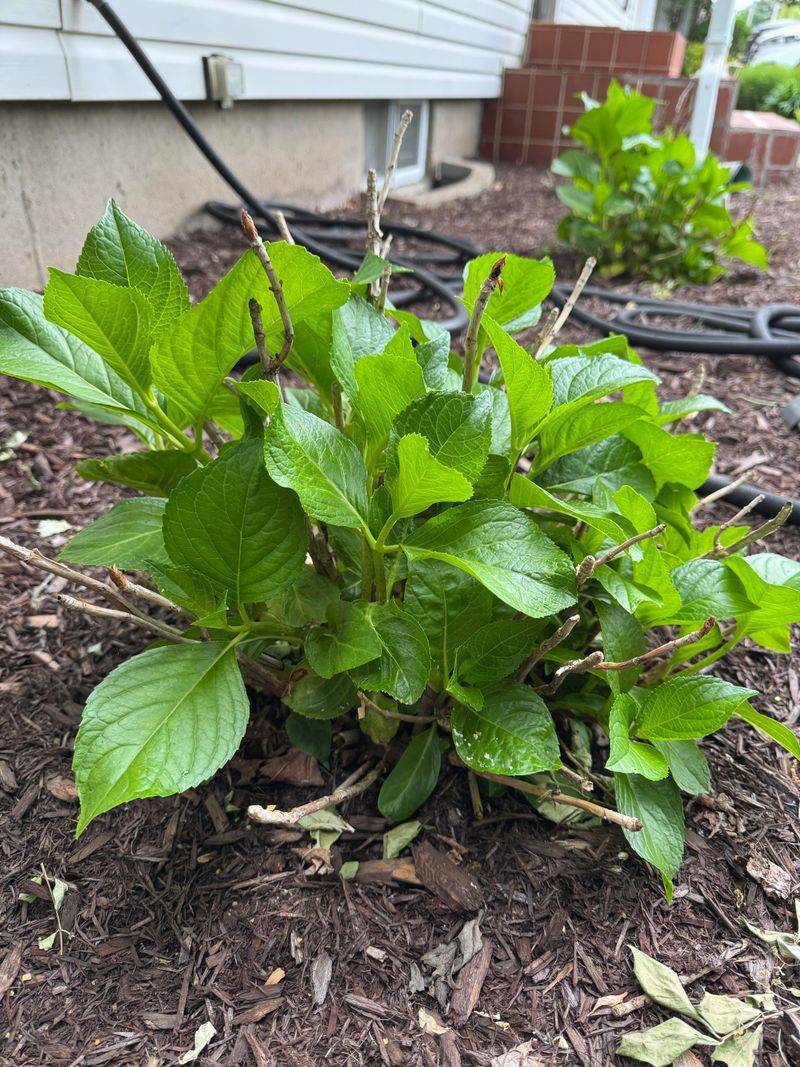
Finding a dry root zone is actually good news in one sense. It means you have a clear, confirmed reason to water, and now the method you use matters just as much as the timing.
Fast, shallow watering during a heat wave does very little for a thirsty hydrangea. Water that hits dry soil quickly tends to run off the surface rather than soaking straight down to where the roots need it most.
Slow and deep is the approach that actually works. A soaker hose laid around the base of the plant is one of the most effective tools you can use, allowing water to seep gradually into the soil over twenty to thirty minutes.
Drip lines work the same way. Even a regular garden hose set to a gentle trickle and left in place for a while does a far better job than a fast spray from a sprinkler or a quick blast from a nozzle.
The goal is to push moisture down six to eight inches into the soil so the roots can access it over the next day or two. Shallow watering encourages roots to stay near the surface, which makes the plant more vulnerable during the next heat wave.
Deep watering trains roots to grow downward where soil temperatures are cooler and moisture lasts longer. Always water at the soil level rather than overhead during a heat wave.
Wetting the leaves in hot sun can lead to scorch, and overhead watering wastes a lot of moisture to evaporation before it ever reaches the ground. Keep the water low, keep it slow, and let it soak in fully.
5. Wet Root Zone Means Wait Before Watering Again
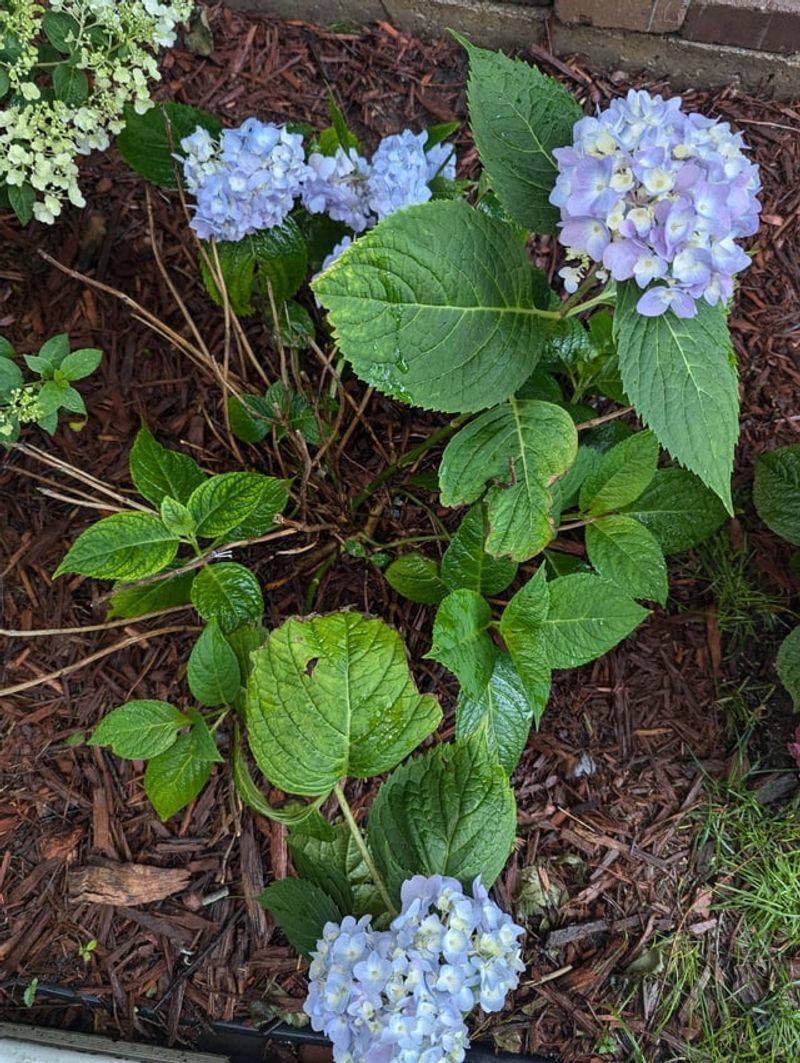
Soft, droopy hydrangea leaves during a Michigan heat wave are hard to ignore. Every instinct says to water the plant immediately, but if you check the root zone first and find it already moist, that instinct is actually pointing you in the wrong direction.
Adding more water to soil that is already holding plenty creates a soggy environment that roots simply cannot handle well.
Roots need both water and oxygen to function properly. When soil stays saturated for too long, the air pockets that roots depend on fill up with water and stay that way.
The plant ends up looking worse, not better, because the roots are struggling in conditions that cut off their oxygen supply. This is one of the most common reasons hydrangeas decline in otherwise well-intentioned gardens.
Michigan has a lot of heavy clay soil, especially in older neighborhoods and lower-lying areas. Clay holds moisture far longer than sandy or loamy soil, which means it needs less frequent watering to begin with.
A plant growing in clay that received a thorough watering two days ago may still have a moist root zone even after a stretch of hot weather. Always check before assuming it needs more.
Patience is genuinely the right move when the root zone is already wet. Step away from the hose, note the date of your last watering, and check again the following morning.
Letting the soil dry out slightly between waterings is not harmful to an established hydrangea. It is actually healthier than keeping the root zone constantly saturated through a long heat wave.
6. Mulch Helps Keep The Root Zone Steady
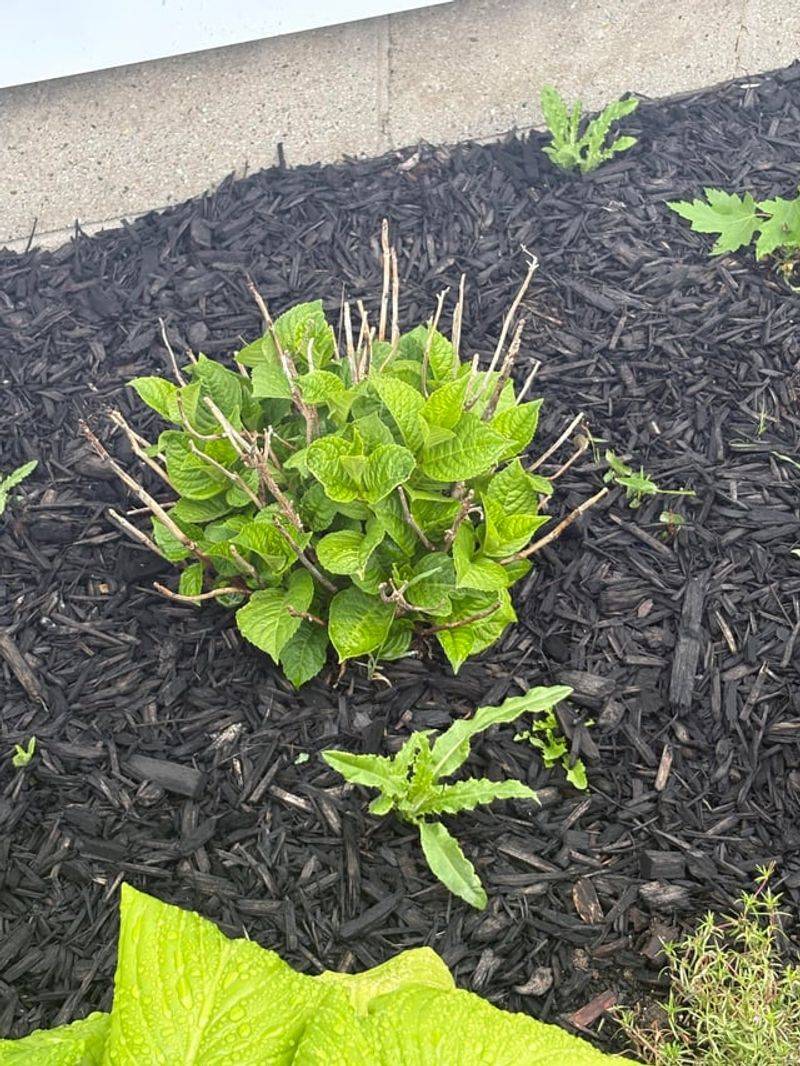
Mulch might be the single most underrated tool a Michigan gardener has during a heat wave.
A two to three inch layer of organic mulch spread around the base of a hydrangea acts like a natural insulator, slowing down moisture evaporation from the soil and keeping root zone temperatures from spiking on the hottest days.
It is a simple addition that makes a genuinely noticeable difference in how well your plant handles summer stress.
Shredded bark, wood chips, straw, or composted leaf material all work well as mulch options. Organic materials are especially beneficial because they break down slowly over time, adding nutrients back into the soil and improving its structure.
As the mulch decomposes, it also helps loosen clay-heavy Michigan soils, which makes drainage and root penetration easier over the long run.
Spreading the mulch properly matters as much as using it. Keep it two to three inches thick across the entire root zone, extending out to roughly the drip line of the plant.
Avoid piling mulch directly against the stems, since constant moisture contact with the main stems can create problems over time. A small gap of a few inches between the mulch and the stem base is all you need.
Refreshing your mulch layer at the start of summer, before the heat waves begin, sets your hydrangeas up for a much smoother season. If you already have mulch in place, check its depth.
Mulch that has broken down to less than an inch thick offers very little protection and should be topped up. A fresh layer going into a heat wave is one of the easiest wins in the garden.
7. New Hydrangeas Need Closer Moisture Checks
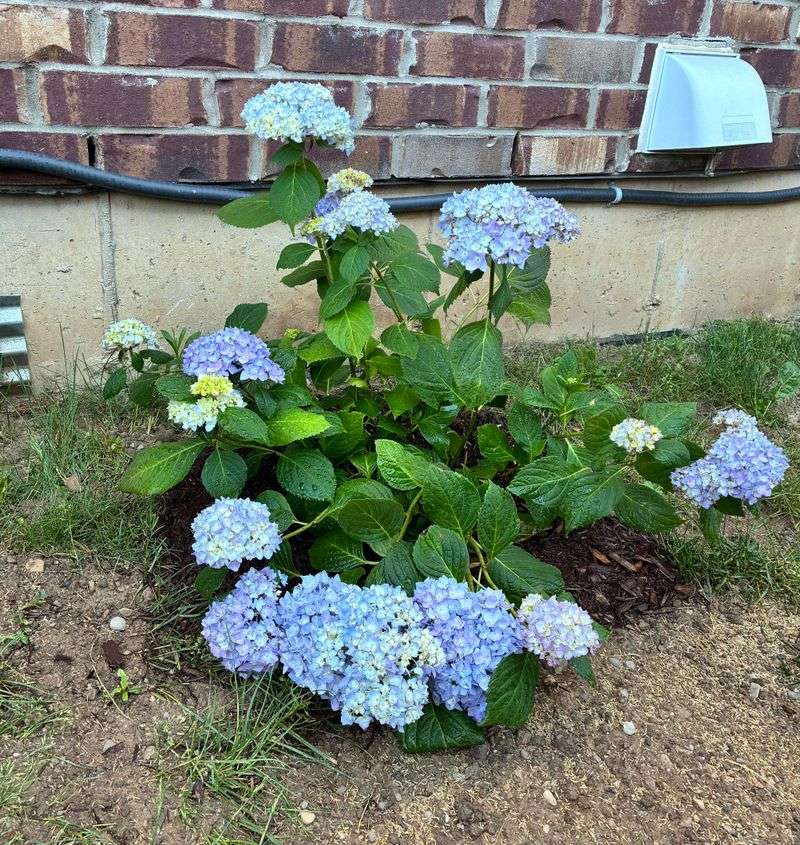
A newly planted hydrangea is playing by a completely different set of rules compared to one that has been in the ground for several years.
Established hydrangeas have had time to spread their roots widely through the surrounding soil, giving them access to a much larger reservoir of moisture.
A plant that went into the ground this spring or last fall has a root system that is still compact and tightly contained near the original planting hole.
That limited root spread means a new hydrangea can run out of accessible moisture much faster than anything else in your landscape, even when the garden around it looks perfectly fine.
Nearby perennials and established shrubs might be drawing from a broad root network while your new hydrangea is quietly running dry just a few feet away.
Checking its root zone separately and more frequently during a heat wave is genuinely important, not just extra caution.
The first full summer after planting is the most critical window. Roots are still establishing and expanding, and the plant has not yet built up the resilience that comes with a wider root system.
Even a single extended dry period during that first summer can set back growth significantly and weaken the plant heading into fall.
Check new hydrangeas every day during a heat wave, or at minimum every other morning. Stick your finger or a moisture probe into the soil about three to four inches deep right at the edge of the original root ball.
If it feels dry there, water slowly and thoroughly before the heat of the day builds. Staying consistent through that first summer pays off with a much stronger plant in years to come.
8. The Takeaway For Michigan Hydrangea Watering
After everything, the single most important rule for watering hydrangeas during a Michigan heat wave comes down to one habit: check the root zone first, every single time, before you water.
Drooping leaves, dry-looking soil on the surface, and hot afternoon temperatures are all distractions that can lead you to water too often, too shallowly, or at the wrong time.
The root zone is the only place that gives you the honest answer.
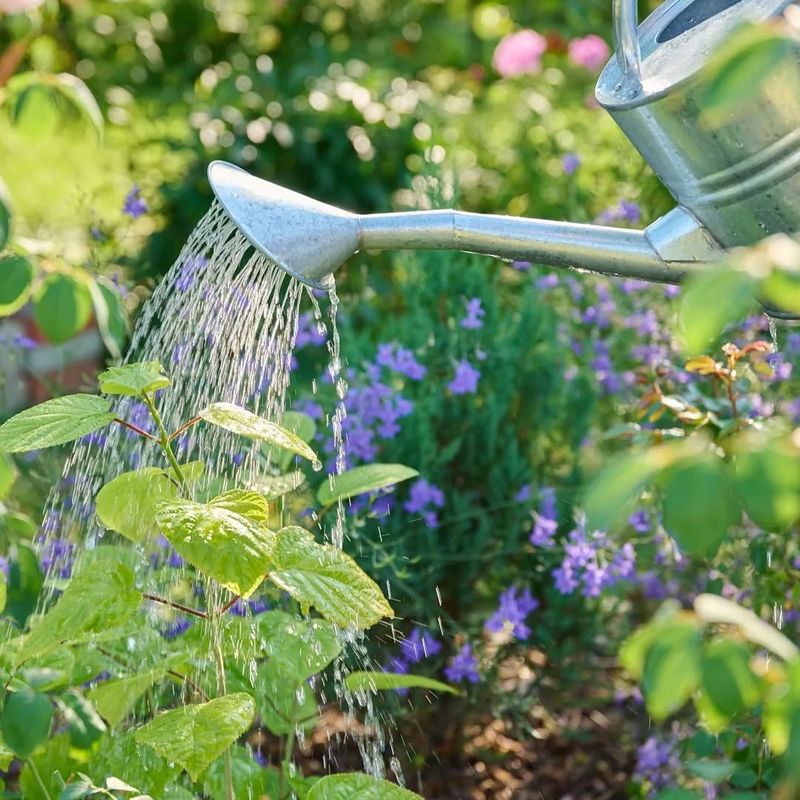
When the root zone is dry, water slowly and deeply using a soaker hose, drip line, or gentle trickle at soil level. Aim to push moisture down six to eight inches so roots can access it over the following days.
When the root zone is already moist, step back and wait, even if the leaves look soft. Morning is the best time to make that call, since a plant that recovers overnight was just reacting to heat rather than suffering from thirst.
Mulch is your silent partner through all of this. A fresh two to three inch layer spread across the root zone slows evaporation, steadies soil temperatures, and reduces how often you need to water in the first place.
Avoid piling it against the stems and refresh it at the start of each summer season for the best results.
New hydrangeas need daily attention during heat waves because their limited root spread makes them vulnerable in ways established plants are not.
With consistent morning checks, smart watering technique, and a good layer of mulch, your hydrangeas can move through even the hottest Michigan summers looking strong, full, and absolutely beautiful.