7 Michigan-Friendly Trees To Plant Instead Of Bradford Pear As Restrictions Begin
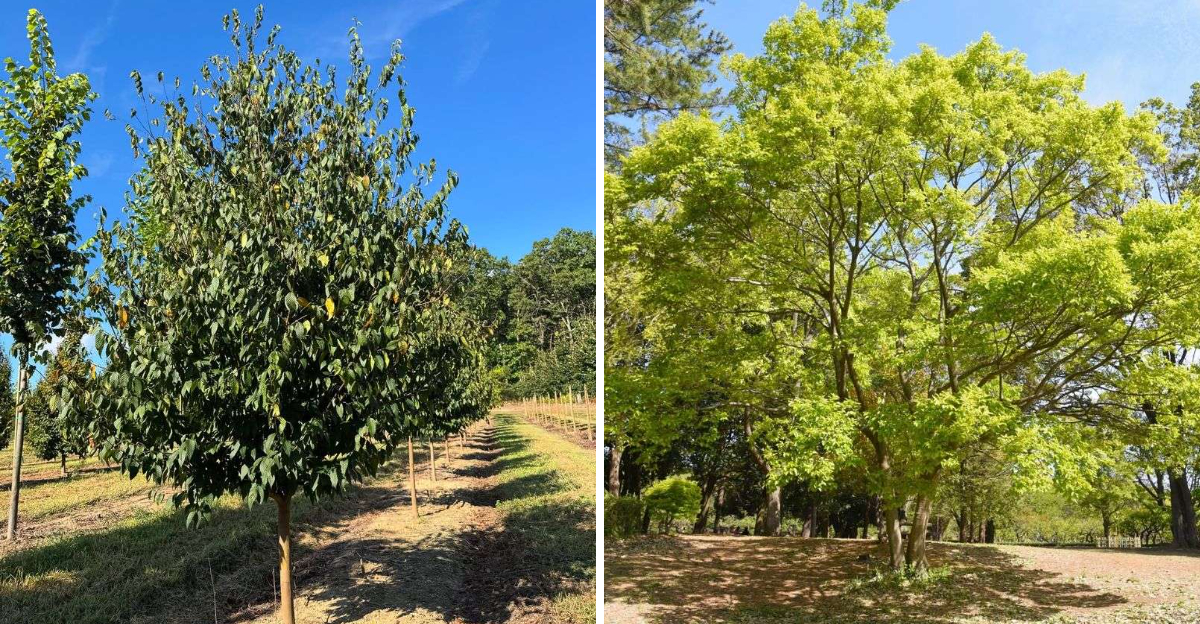
Bradford pear has been one of the most widely planted ornamental trees across Michigan for decades, and its appeal has always been easy to understand.
The spring bloom display is genuinely impressive, and the trees establish quickly in a wide range of conditions.
What has become impossible to ignore is the ecological damage Callery pear causes when it escapes cultivated landscapes and moves into natural areas, where it forms dense thickets that crowd out native vegetation across large stretches of land.
Michigan is tightening restrictions on the species, and homeowners with Bradford pears are increasingly looking for what comes next.
The seven trees covered here are not consolation prizes. Several of them offer spring bloom, fall color, and wildlife value that outperforms Bradford pear in almost every meaningful way.
1. Why Callery Pear Trees Are Being Restricted In Michigan
Few trees have fallen from grace quite as dramatically as the Bradford Pear.
Once celebrated for its cloud of white spring blooms and fast growth, this tree turned out to be one of the most problematic ornamental trees ever planted across the Midwest.
Bradford pear is a cultivar of Callery pear, Pyrus calleryana, a species that is not native to North America. It was originally introduced from Asia and quickly became a landscaping favorite because of how fast it grew and how showy it looked in spring.
Nurseries loved selling it, and homeowners loved planting it. But the problems became impossible to ignore over time.
The tree spreads through seeds carried by birds, and escaped seedlings have been found in fields, forest edges, and roadsides across parts of the state, especially in the Lower Peninsula.
Escaped Callery pear seedlings can develop sharp thorns and form dense thickets that crowd out native wildflowers, shrubs, and young trees.
Native ecosystems that took decades to develop can be overrun surprisingly fast.
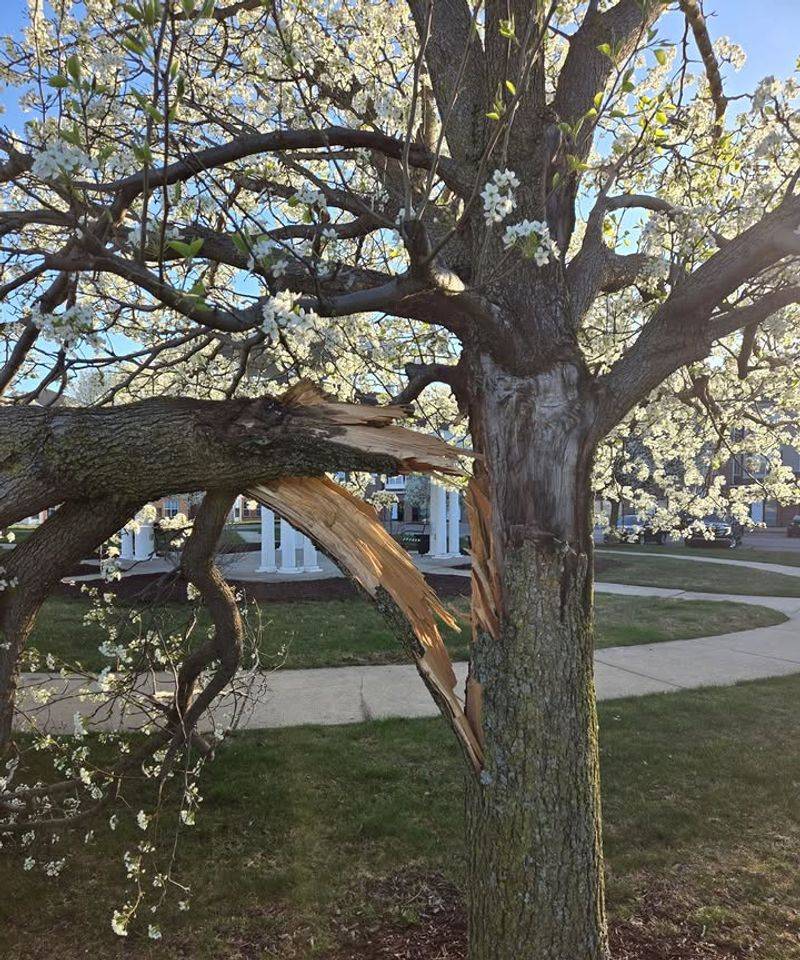
Structurally, Bradford Pears are also a serious hazard. Their branches grow at narrow angles, creating weak joints that split apart during ice storms, heavy snow, or strong winds.
Entire halves of mature trees can break away suddenly, causing property damage and safety risks.
Michigan is restricting future sale and propagation of Callery pear, and homeowners are encouraged to choose native or non-invasive alternatives when planting new trees or replacing problem specimens.
The shift is real, and gardeners across the state are embracing better tree choices that support local wildlife and hold up through tough winters.
2. Serviceberry
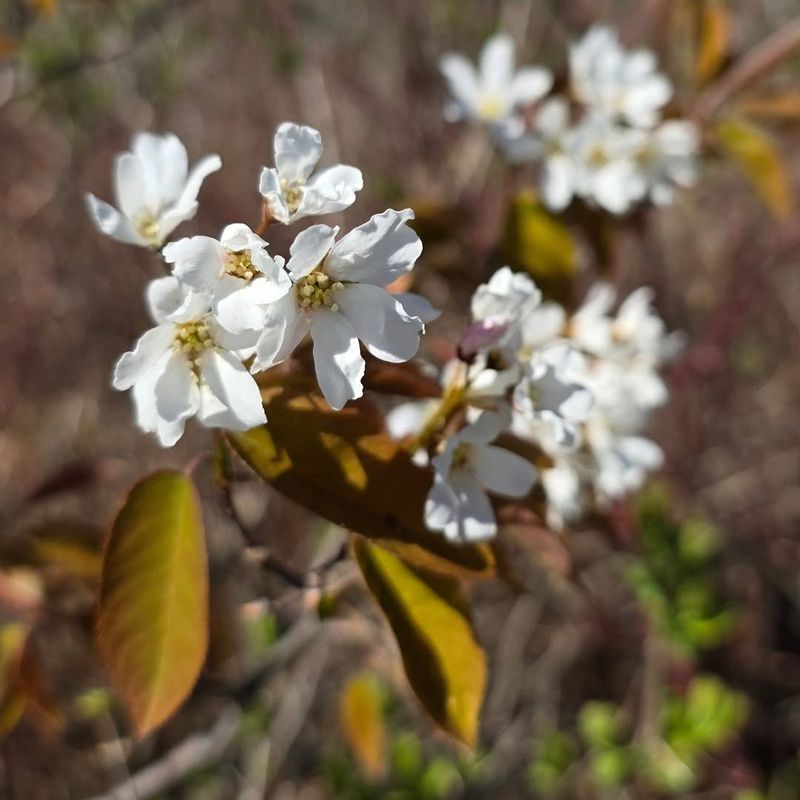
Serviceberry might just be the most underrated tree in gardening, and that is starting to change in a big way.
As Bradford Pears disappear from yards and streetscapes, this native beauty is stepping into the spotlight and earning well-deserved attention from homeowners who want something both pretty and practical.
Serviceberries, including Michigan-appropriate Amelanchier species such as Allegheny serviceberry and downy serviceberry, are excellent small-tree alternatives that offer spring flowers, edible berries, fall color, and wildlife value.
It typically grows between 15 and 25 feet tall, making it a comfortable fit for most suburban lots without overwhelming the space.
Your Michigan Garden Changes Every Week. Your Plan Should Too.
Gardening in Michigan changes quickly throughout the season. Every Friday you’ll receive a simple weekly plan showing exactly what to plant, prune, fertilize, harvest, and protect so you never miss the right timing.
The branching structure is strong and naturally well-formed, so you do not have to worry about limbs splitting apart in a winter storm the way Bradford Pears notoriously do.
In early spring, Serviceberry bursts into bloom with clusters of small white flowers that rival the Bradford Pear for sheer showiness. After the flowers fade, small berries ripen to a deep purple-red by early summer.
Those berries are edible and genuinely tasty, often described as a cross between a blueberry and a cherry. Birds absolutely love them too, so planting a Serviceberry essentially turns your yard into a wildlife-friendly snack bar.
Fall color is another major selling point. The leaves shift to warm shades of orange, red, and gold as temperatures drop, giving you a second season of visual interest.
For gardeners who want year-round beauty without the invasive baggage, Serviceberry checks every box.
3. Redbud
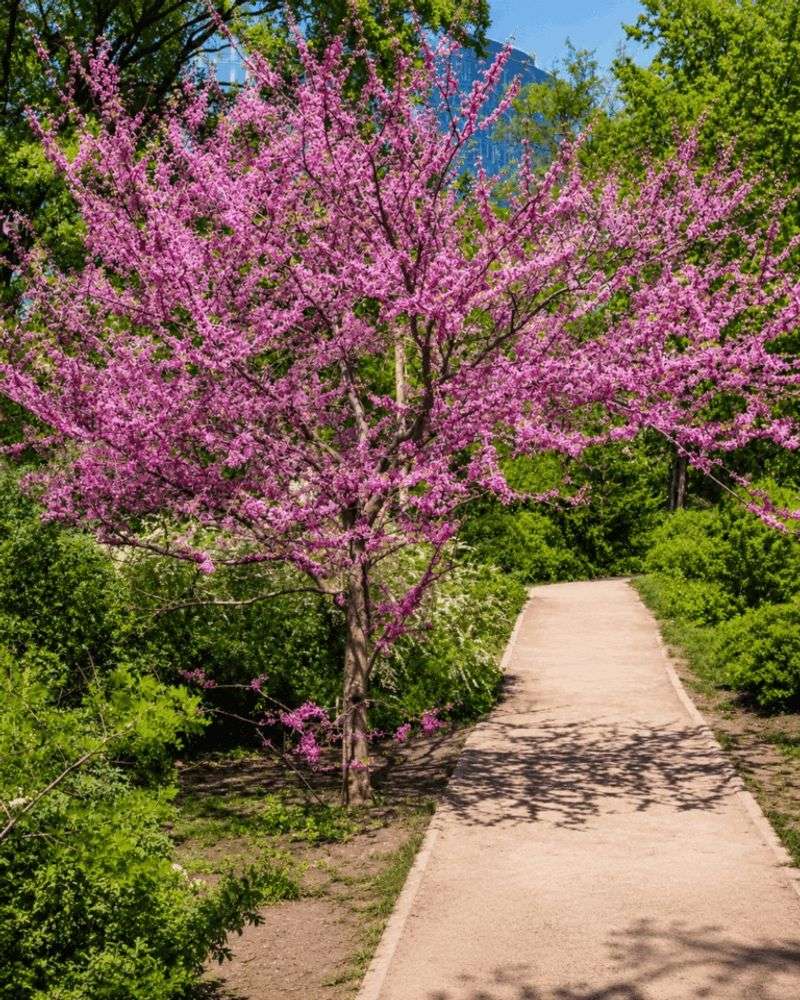
There is something almost magical about a Redbud tree in early spring. Before a single leaf has opened, the entire tree erupts in clusters of rosy pink flowers that coat every branch from trunk to tip.
It is one of the most striking sights in a garden, and it happens right when you are craving color after a long, grey winter.
Eastern redbud, or Cercis canadensis, is native to much of eastern North America and is especially appropriate for southern Michigan and many Lower Peninsula landscapes.
It grows as a small to medium-sized tree, typically reaching 20 to 30 feet in height, with a graceful, rounded canopy that fits beautifully into smaller yards, garden borders, or as an accent near a patio or front entry.
Unlike Callery pear, eastern redbud is not considered an invasive replacement problem in Michigan landscapes, though young seedlings may appear near planted trees.
One of the most practical benefits of Redbud for homeowners is its tolerance for partial shade.
Many flowering trees demand full sun, but Redbud genuinely performs well under the canopy of taller trees, making it a flexible choice for yards with established shade.
The heart-shaped leaves that follow the spring flowers are attractive all summer long, and they turn a warm yellow in autumn before dropping cleanly. Redbud also supports pollinators in a meaningful way.
Bees are drawn to the early blooms at a time when very few other flowering trees are open, making it an especially valuable addition to any yard focused on supporting local wildlife and native ecosystems.
4. Dogwood
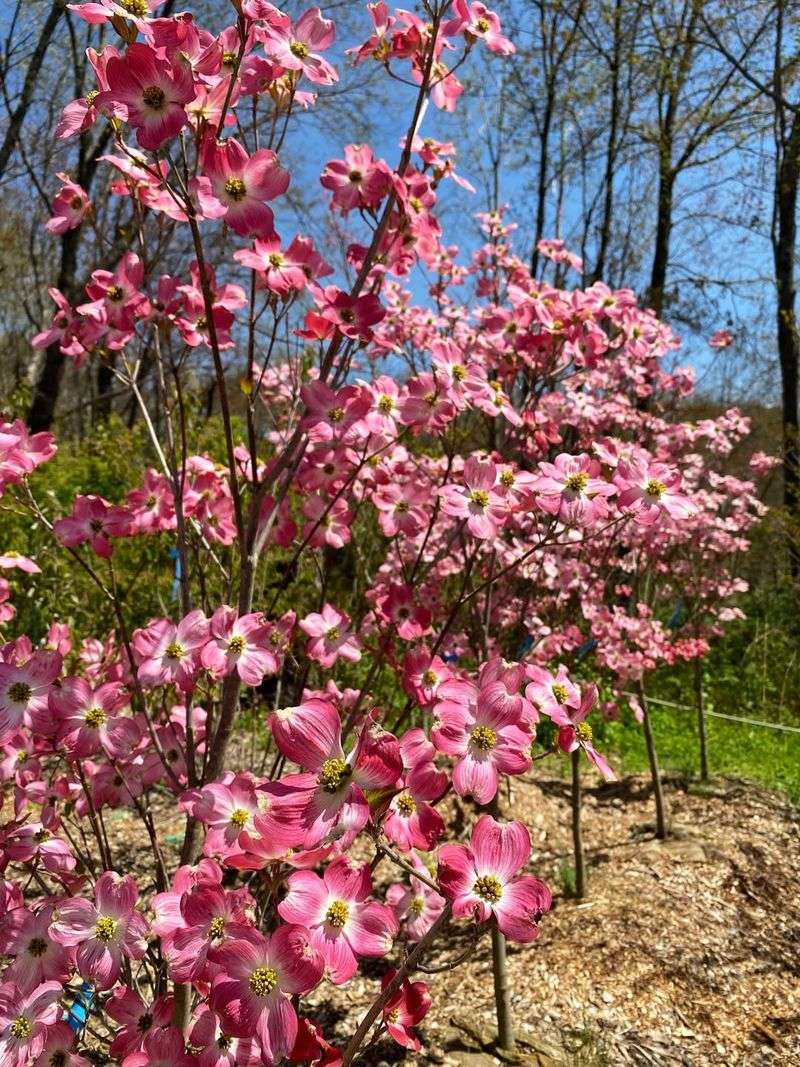
Flowering Dogwood has been a beloved part of American gardens for generations, and for good reason.
When it blooms in mid to late spring, the tree looks like something out of a storybook, covered in large, four-petaled white or pink bracts that glow against the surrounding greenery.
For homeowners replacing a Bradford Pear, Dogwood brings a level of elegance and character that is genuinely hard to match.
Cornus florida is native to the eastern United States and is best suited to southern Lower Michigan or protected Michigan sites with well-drained, slightly acidic soil and some afternoon shade.
It typically grows 15 to 30 feet tall with a broad, layered branching pattern that gives it a naturally sculptural look even in winter when the leaves are gone.
The ecological value of Flowering Dogwood is substantial. Its bright red berries, which ripen in late summer and fall, are a high-fat food source that migrating birds rely on heavily before heading south.
More than 30 species of birds have been recorded eating Dogwood berries, along with deer, foxes, and small mammals. Planting one in your yard genuinely contributes to the local food web.
Fall color is another reward. Dogwood leaves turn a rich burgundy-red in autumn, adding another layer of seasonal interest to the yard.
Compared to the structurally weak and invasive Bradford Pear, Flowering Dogwood is a far more rewarding long-term investment for any landscape.
5. American Hornbeam
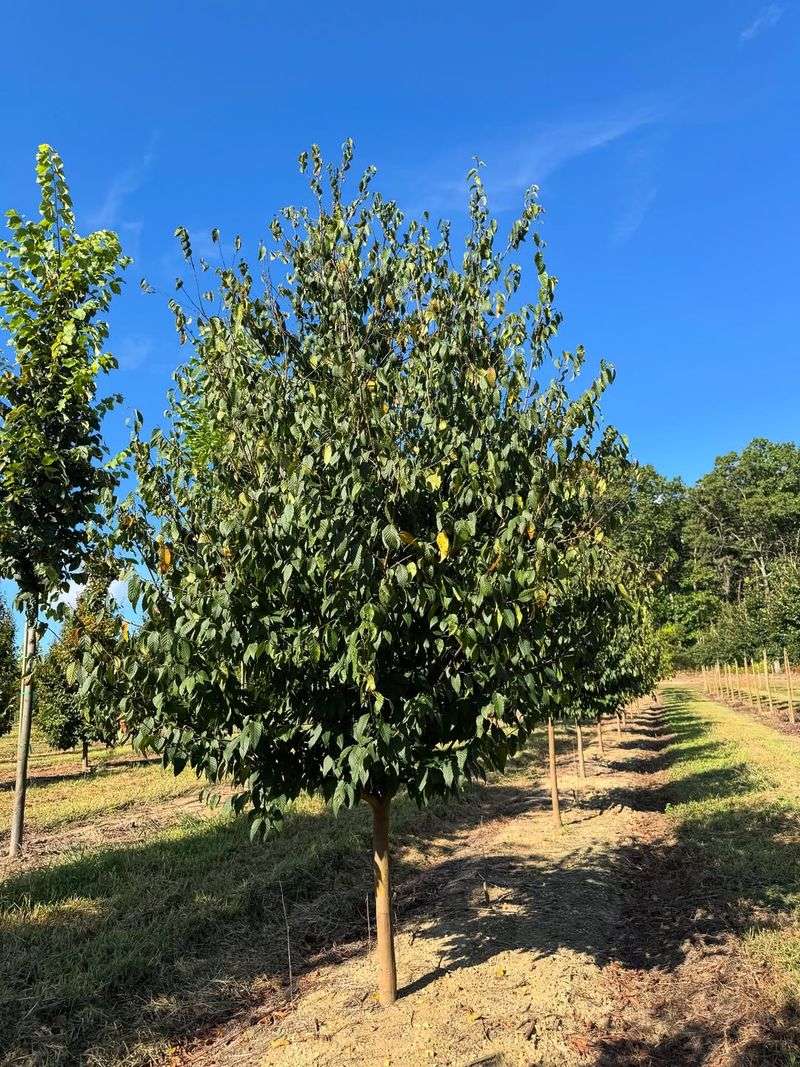
American Hornbeam is the kind of tree that makes experienced gardeners stop and take a second look. Its bark is smooth and grey with a distinctive rippled, muscle-like texture that gives the trunk an almost sculptural quality year-round.
It is one of those trees that earns admiration in every season, not just when it is flowering or fruiting.
Native to Michigan and much of eastern North America, Carpinus caroliniana is a small to medium-sized understory tree that typically grows 20 to 35 feet tall.
It naturally grows along stream banks and in the shade of larger forest trees, which means it is exceptionally tolerant of shade and handles clay soils far better than most ornamental trees.
If your yard has challenging, compacted, or wet soil, Hornbeam is worth serious consideration.
The branching structure of American Hornbeam is graceful and arching, with a naturally dense canopy that provides good shade in summer without growing so large that it overwhelms a modest-sized yard.
The wood itself is famously hard and durable, which is reflected in one of its common nicknames, ironwood.
American hornbeam has a more graceful, durable structure than Bradford pear, but like many trees, it can still suffer damage during severe ice or storm events. Fall color is genuinely impressive.
The leaves shift through shades of orange, red, and yellow before dropping, giving the tree a fiery autumn display that rivals much flashier species.
Hornbeam also supports a range of native insects and birds through its seeds and foliage, making it a genuinely ecological choice for any gardener prioritizing native plantings.
6. Hackberry
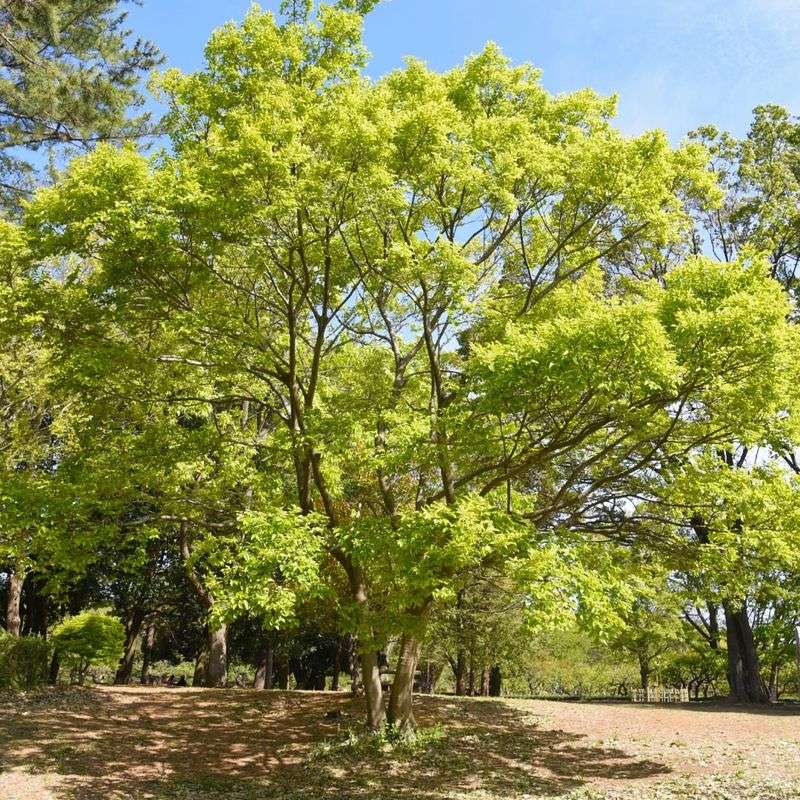
Hackberry does not always get the glamorous attention that flowering trees receive, but among serious gardeners and ecologists, it has an outstanding reputation.
This is a tree built for real-world conditions, the kind that shrugs off drought, tolerates poor soil, handles urban pollution, and keeps growing steadily year after year without much fuss from the homeowner.
Celtis occidentalis is native to Michigan and grows across a wide range of soil types, from dry and sandy to heavy clay.
It can reach 40 to 60 feet tall at maturity, making it a solid shade tree for larger yards or open spaces where you want meaningful canopy coverage.
The bark is one of its most recognizable features, developing distinctive corky ridges and warts as the tree matures, giving it a rugged, interesting texture that stands out in winter.
From a wildlife standpoint, Hackberry is genuinely exceptional. The small purple berries it produces in fall are a critical food source for dozens of bird species, including cedar waxwings, robins, and mockingbirds.
The tree also serves as a host plant for several native butterfly species, including the Hackberry Emperor and Question Mark butterflies, whose caterpillars feed on the leaves.
Compared to Bradford Pear, Hackberry offers far stronger wood and a non-invasive growth habit that stays where you plant it.
It is not a showstopper in the way a blooming ornamental tree might be, but its combination of toughness, ecological value, and longevity makes it one of the most reliable replacements a Michigan homeowner can choose.
7. Black Cherry
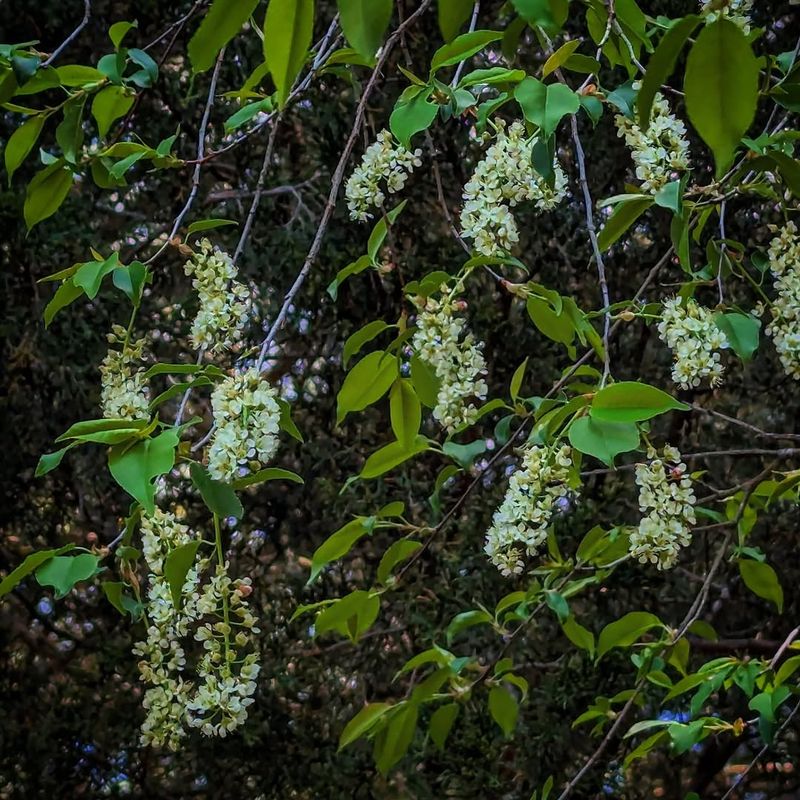
Black cherry, Prunus serotina, is a Michigan-native tree that brings spring flowers, summer fruit, attractive bark, and strong wildlife value to the landscape.
It grows larger than Bradford pear, so it is best suited for medium to large yards, woodland edges, open naturalized areas, or properties where it has enough room to mature without crowding sidewalks, driveways, or foundations.
In spring, black cherry produces clusters of small white flowers that add a soft, graceful look to the tree while also attracting pollinators. By late summer, the tree develops dark cherries that are eaten by many birds and other wildlife.
These fruits may not be as showy as ornamental blooms, but they provide real ecological value in a Michigan yard. As the tree matures, its bark becomes dark, rough, and textured, giving it visual interest even in winter after the leaves have fallen.
Black cherry is also valuable because it supports native insects, including caterpillars, which become an important food source for nesting birds.
For gardeners who want a replacement that does more than simply look pretty, black cherry is a strong choice.
With enough space, it offers shade, seasonal beauty, wildlife support, and a more regionally appropriate native alternative than sweetgum for a Michigan-focused Bradford pear replacement list.
8. Black Gum
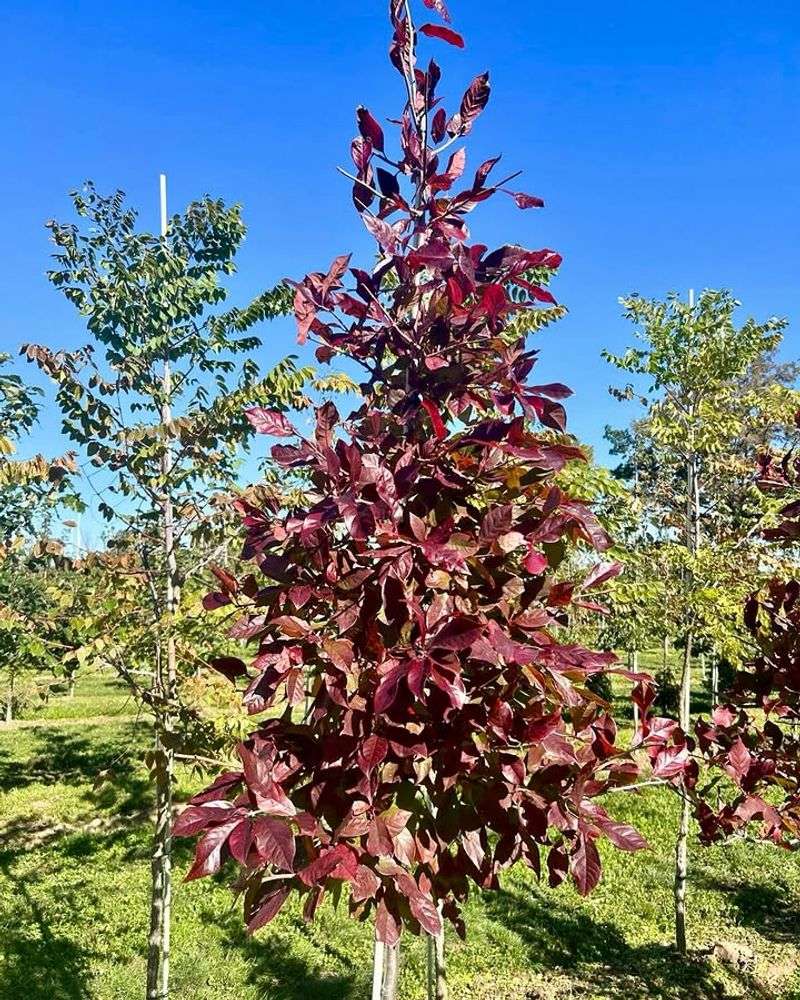
Black Gum might be the best-kept secret in native tree gardening. Ask any experienced horticulturist which tree delivers the most reliable and brilliant fall color in the region, and Nyssa sylvatica will almost always come up near the top of the list.
The leaves shift to an intense, glossy scarlet red in early autumn, often before most other trees have even begun to change, making it a true standout in any yard.
Also called Black Tupelo or Sour Gum, this native tree grows naturally in moist, well-drained soils across much of eastern North America, including Michigan.
It typically reaches 30 to 50 feet in height with a naturally compact, pyramidal shape and layered horizontal branching that gives it a clean, architectural silhouette even in winter.
That strong branch structure means it handles Michigan storms far better than the weak, split-prone Bradford Pear.
For smaller yards or garden borders where you need a tree that will not eventually overwhelm the space, Black Gum is a thoughtful choice.
It grows at a moderate pace and stays proportional to its surroundings without requiring constant pruning to keep it in check.
The dark blue-black fruits that ripen in late summer to fall are an important food source for birds and other wildlife.
Black Gum prefers slightly acidic, moist soil and does best in full sun to partial shade. Once established, it is a low-maintenance, long-lived tree that rewards patient Michigan gardeners with decades of beauty and wildlife activity.