California Homeowners Should Remove These Flammable Plants Before August Arrives
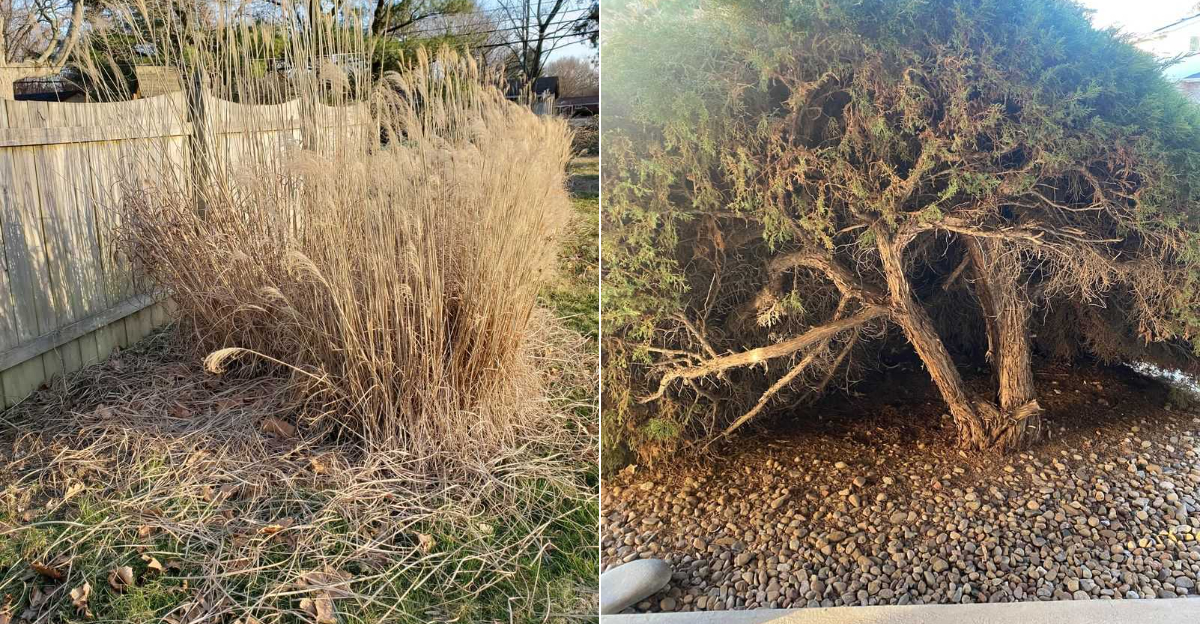
Your yard may look harmless now, but August heat can change that fast. Some common California plants dry out quickly and hold onto brittle growth.
Others contain oils that burn easily in hot weather. When those plants sit too close to a home, they can create a risky path for fire.
The good news is that a safer yard can still look lush and colorful. You do not need to remove everything or start over.
A few careful changes can make a big difference. This is especially true when dense plants have grown too close to the house.
Acting early also gives you time to choose better replacements before the hottest weeks arrive. Take a closer look at what is growing around your property.
Some plants may be beautiful, but they are not worth the extra risk once California summer reaches its peak.
1. Juniper Hedges Burn Too Hot Near Homes
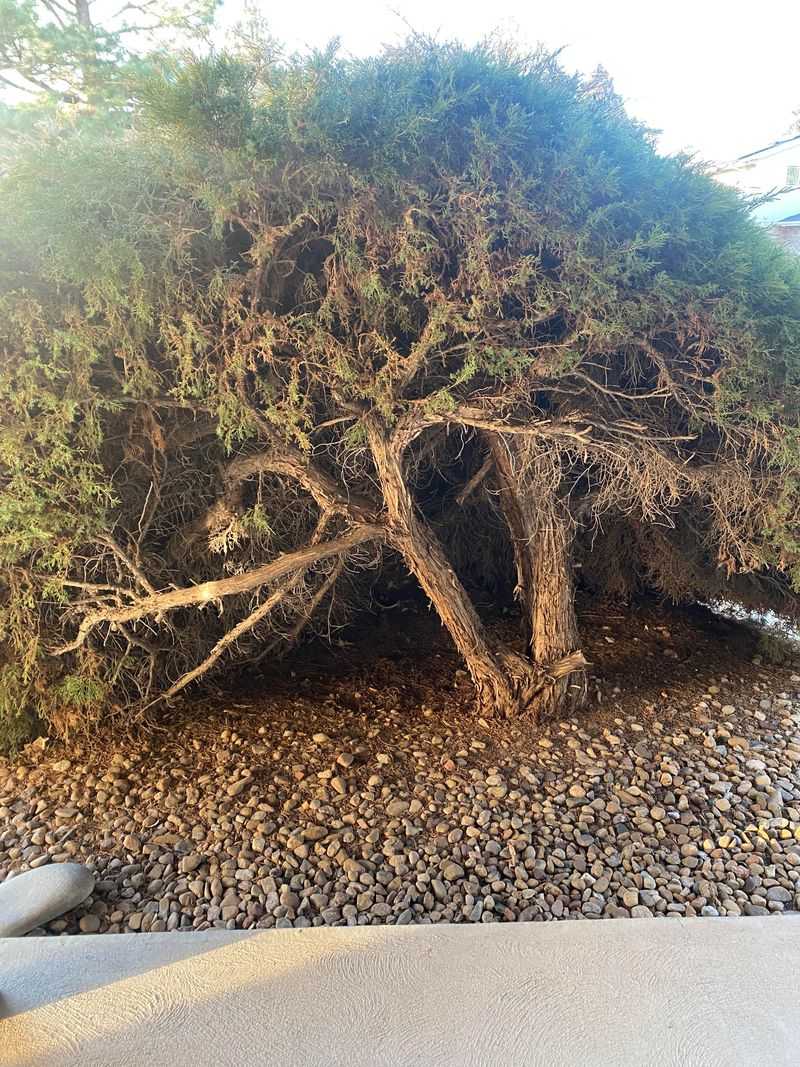
Few plants are as sneaky as juniper when it comes to fire risk. It looks lush and green on the outside, but the inside of a juniper hedge is packed with dry, withered material that burns intensely hot.
Firefighters often describe burning junipers as exploding shrubs because the oils inside the plant ignite so fast.
Junipers planted close to a home’s siding or fence are especially dangerous. The heat they release during a fire is enough to ignite nearby wood structures even before the flames make direct contact.
That’s what fire experts call radiant heat, and it’s a serious threat in California’s dry summer months.
If you have juniper hedges within 30 feet of your house, now is the time to act. You can either remove them entirely or cut them back significantly and clear out all the damaged interior branches.
Don’t leave the trimmings piled in the yard. Bag them and get them off your property as soon as possible.
Replacing junipers with low-water, fire-resistant plants like sage or low-growing succulents is a smart long-term move. Your local fire department or county extension office can give you a free plant list for your specific region.
Making this one swap near your home’s foundation could make a real difference when fire season peaks in late summer.
2. Italian Cypress Can Become A Vertical Fuse
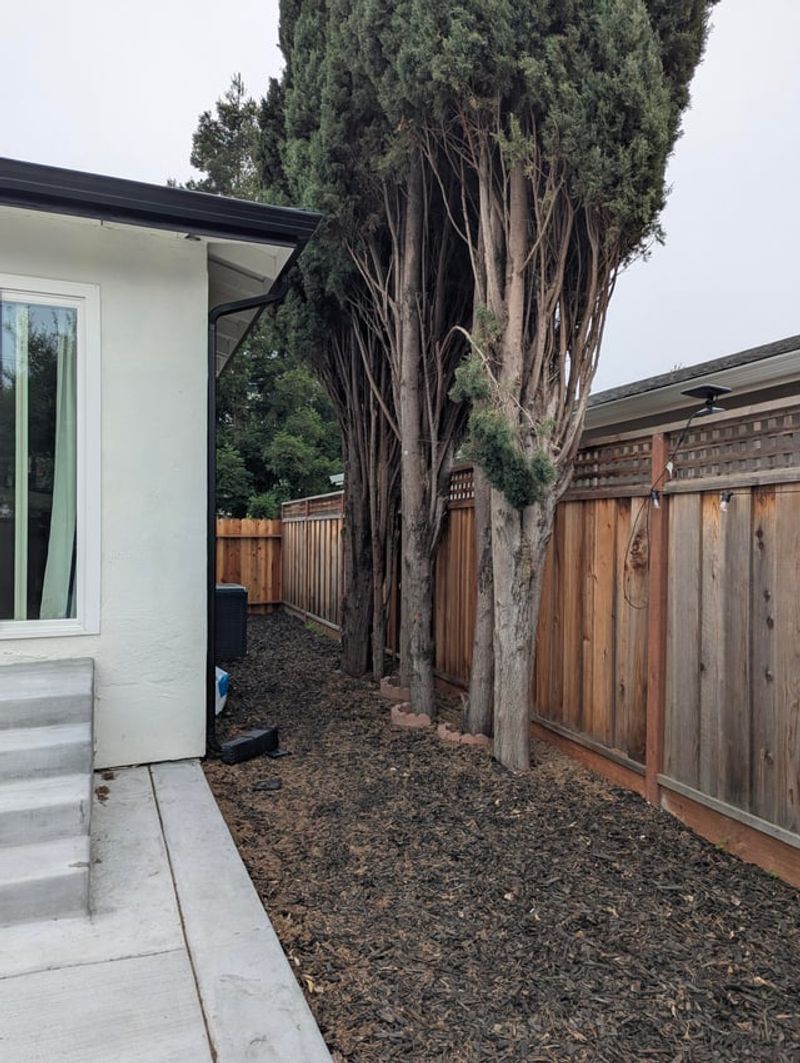
Tall, slender, and dramatic, Italian cypress trees are a classic feature in many yards across the southern and central parts. They add a Mediterranean look that homeowners love.
But their narrow, column-like shape is exactly what makes them so dangerous when fire is nearby.
Think of an Italian cypress as a vertical fuse. The tree grows straight up, sometimes reaching 40 to 70 feet tall, and it stays densely packed with foliage from the ground to the very top.
If the base catches fire, flames travel upward almost instantly. This can send burning embers flying onto your roof or into your attic vents before anyone has time to react.
The oils inside the foliage make ignition even easier. During a hot, dry August, the leaves hold very little moisture and can catch a spark from a passing ember.
Your California Garden Changes Every Week. Your Plan Should Too.
Gardening in California changes quickly throughout the season. Every Friday you’ll receive a simple weekly plan showing exactly what to plant, prune, fertilize, harvest, and protect so you never miss the right timing.
Many homes lost in recent Northern California and Southern California wildfires had Italian cypress planted right next to the structure.
If removal is not an option, at least trim the lower branches up to 6 feet from the ground and keep the tree well-watered through summer.
But honestly, moving these trees away from your home’s walls and roof line is the safer choice. Talk to a certified arborist about your options before fire season peaks.
3. Eucalyptus Drops Flammable Bark And Leaves
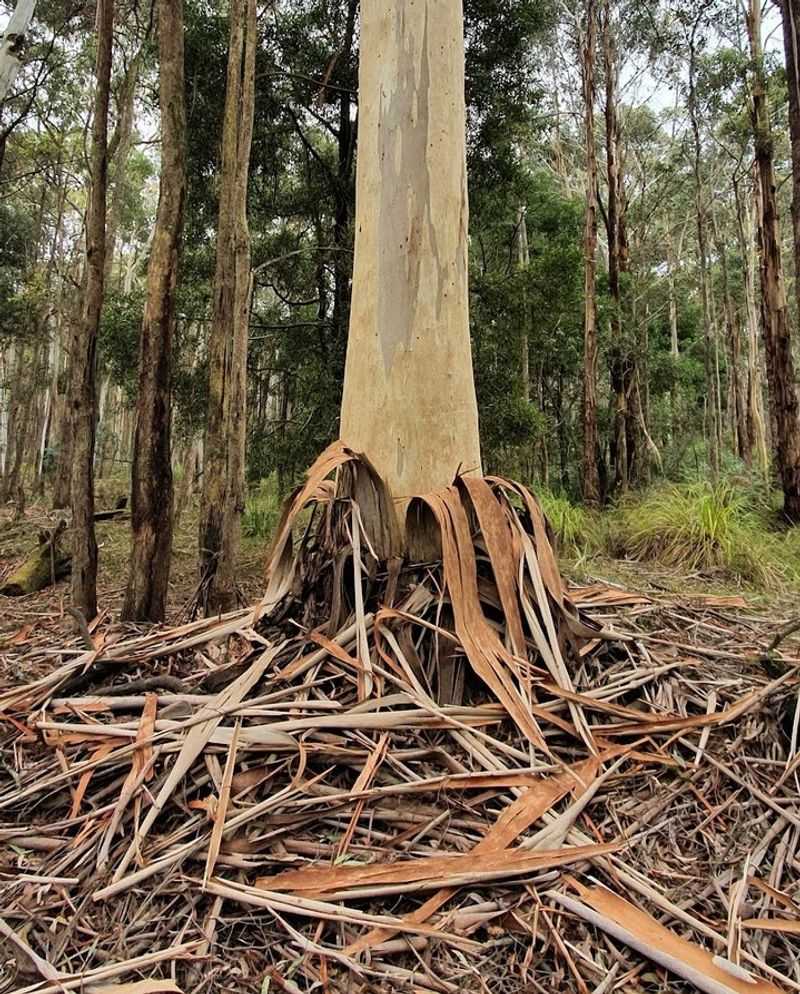
Anyone who has walked under a eucalyptus tree knows how much stuff it drops. Strips of peeling bark, dry leaves, and seed pods pile up around the base and spread across nearby ground.
That debris is soaked in eucalyptus oil, which is highly flammable. It ignites fast and burns hot.
Eucalyptus trees were planted widely across California starting in the 1800s, and they are now found in neighborhoods, parks, and along roadsides everywhere. They grow incredibly fast and tall, which made them popular for windbreaks and shade.
But during wildfire season, that size works against homeowners. A large eucalyptus near your property can drop burning bark onto your roof during a nearby fire, spreading flames to your home even if the fire started far away.
Clearing eucalyptus debris from your yard is a constant job during summer. You should rake and remove fallen material at least once a week as fire season builds.
If the tree overhangs your roof or is within 30 feet of your home, consult a licensed arborist about trimming or removal.
Some areas have specific rules about eucalyptus removal due to their invasive nature, so check local regulations first.
Replacing eucalyptus with native, drought-tolerant trees is a smarter long-term plan for fire safety and water conservation in our region.
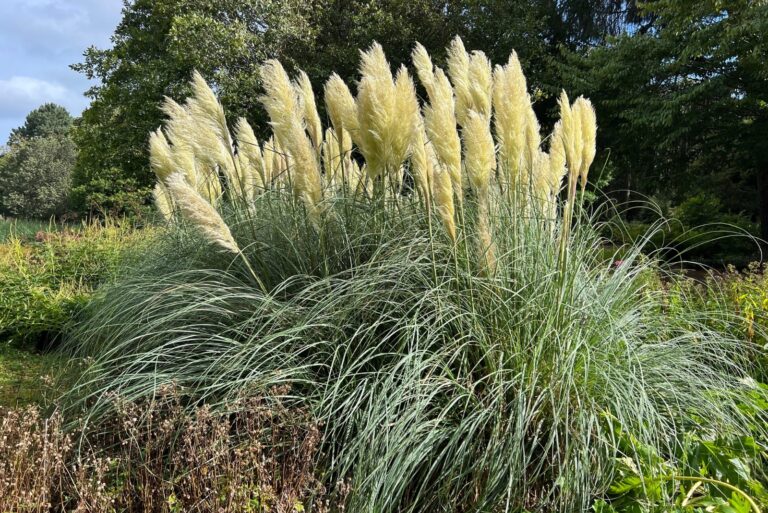
4. Pampas Grass Dries Into A Fire Hazard
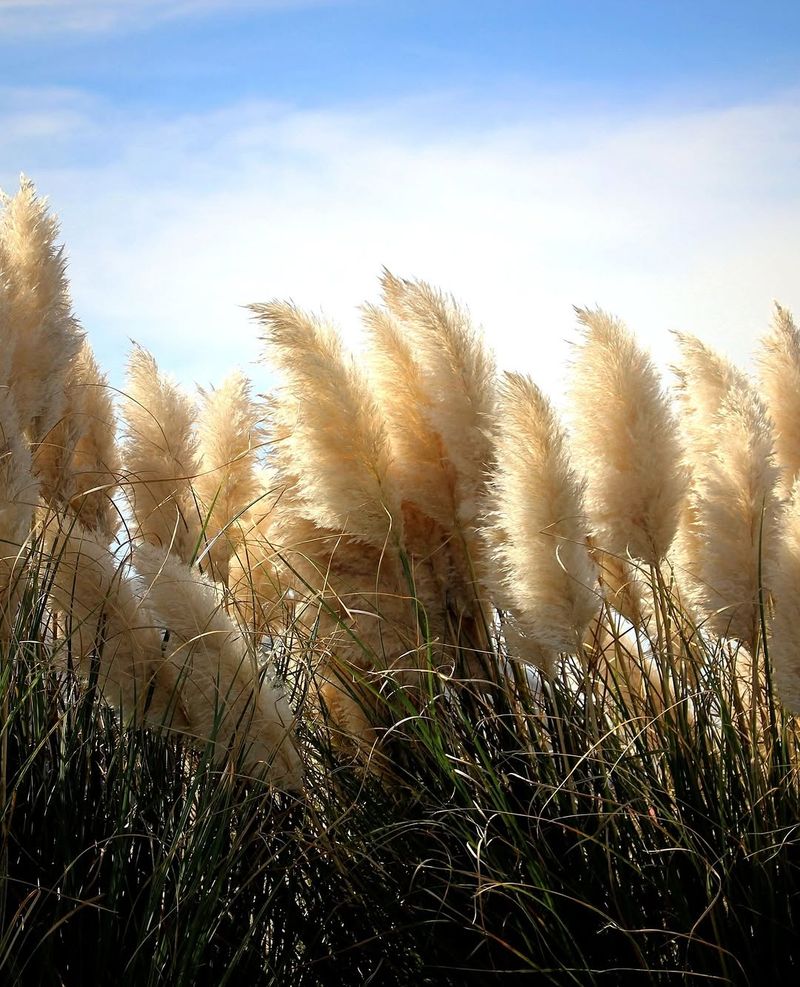
Pampas grass looks stunning in photos and in garden magazines. Those tall, feathery plumes swaying in the breeze have made it a favorite in yards across California for decades.
But by midsummer, pampas grass transforms into something far less charming: a dry, dense pile of highly flammable material.
A single mature clump can reach 10 feet tall and just as wide. The interior of the plant stays packed with old, withered blades that never fully break down.
When the outer leaves dry out in July and August, the whole clump becomes ready to burn at the slightest spark. Pampas grass fires burn fast and hot, and the embers from those tall plumes can carry far in the wind.
Removing pampas grass is hard work. The leaves have sharp edges that can cut skin, so heavy gloves and long sleeves are a must.
Many homeowners cut the plant back hard in late winter, but if you haven’t done that yet, now is still a good time to reduce its size and clear out withered material before the worst of fire season arrives.
In many parts of California, pampas grass is also considered an invasive species.
Removing it entirely and replacing it with native bunchgrasses or drought-tolerant perennials is a win for both fire safety and local ecology. Your county may even offer resources to help with removal.
5. Bamboo Creates Dense, Dry Fuel
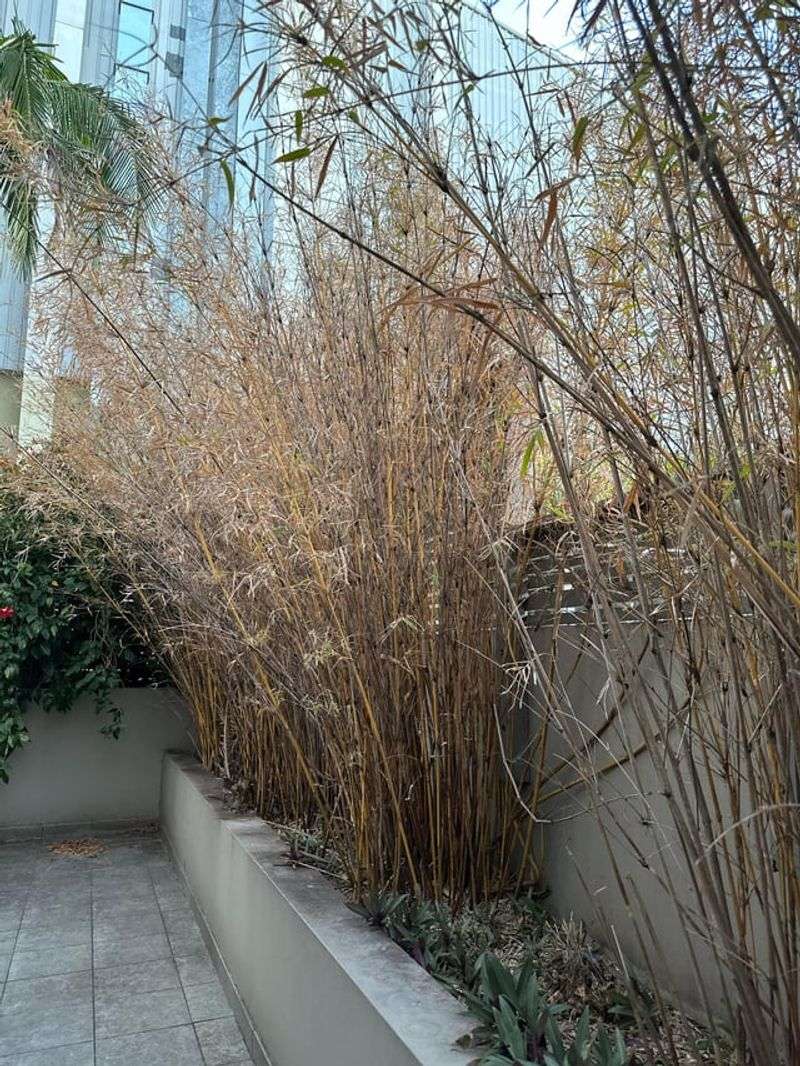
Bamboo has a reputation for being a fast-growing, low-maintenance plant, and that reputation is well earned. But fast growth and dense spread are exactly what make it a serious fire risk.
By midsummer, a mature bamboo stand can hold thousands of dry leaves and hollow canes that burn with surprising speed.
Hollow bamboo canes act almost like chimneys. Air moves through them easily, which feeds a fire and helps it spread quickly.
The dry leaves that drop and collect at the base of a bamboo stand add even more fuel. In neighborhoods where homes are close together, a burning bamboo stand can push heat and embers toward nearby structures fast.
Running bamboo is especially problematic because it spreads underground through rhizomes.
You may think you have a small stand, but the roots could be creeping toward your neighbor’s yard or under your fence.
Getting bamboo fully under control takes time and consistent effort.
If you want to keep bamboo in your yard, consider installing a root barrier to stop spreading and remove any canes that are within 30 feet of your home. Cut back the stand regularly and clear debris from the base.
But the safest move before August arrives is to remove bamboo that sits close to your house, fence, or outbuildings. A fire-resistant ground cover or native shrub is a much safer option for that space.
6. Pine Needles Build Fire-Season Fuel
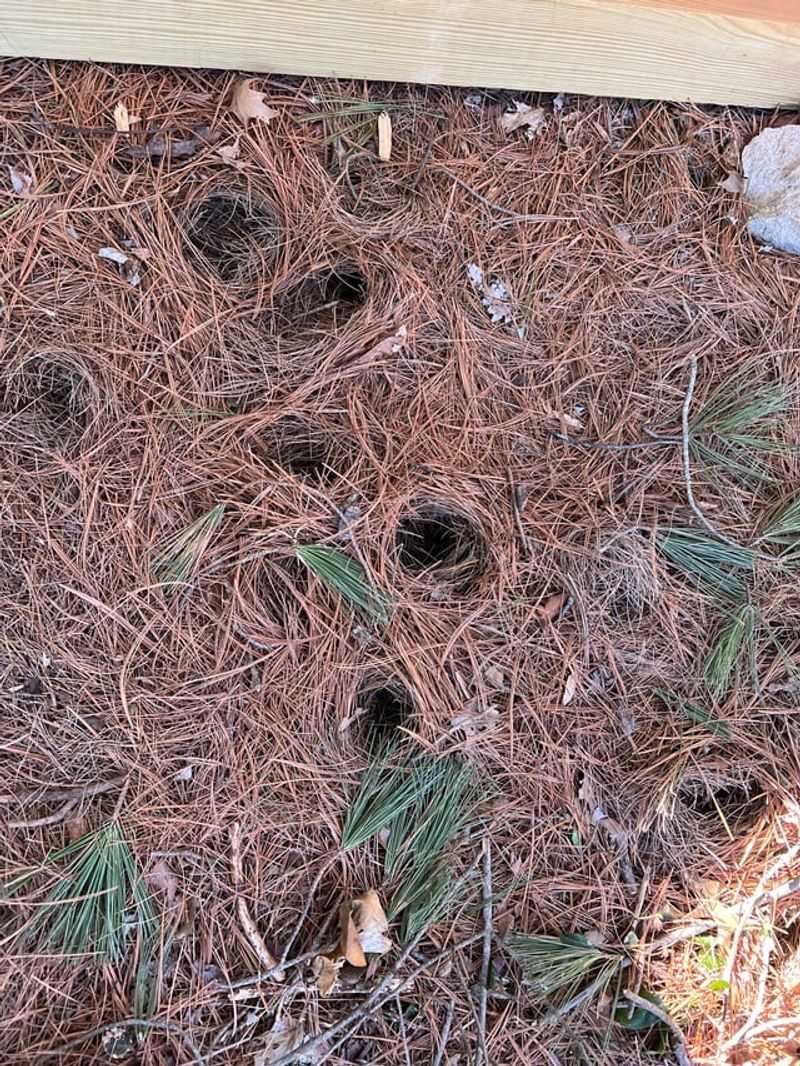
Pine trees are a beloved part of the landscape in mountain communities and foothill neighborhoods across our state. They offer shade, wildlife habitat, and that wonderful forest smell.
But the needles they drop are one of the most common contributors to home ignitions during wildfire season.
Dry pine needles are lightweight and flammable. They pile up in gutters, on roofs, against fences, and along the base of walls.
A single ember landing in a pile of dry pine needles can start a fire that reaches your home’s siding or roofline in minutes.
Gutters full of pine needles are particularly dangerous because they sit right at the edge of your roof.
Cleaning pine needles should be a regular task from June through October. Check your gutters every two to three weeks during fire season.
Rake needles away from your home’s foundation and dispose of them properly. Some areas offer green waste pickup that includes pine needles, so check your local schedule.
If a large pine tree hangs directly over your roof, consider having a certified arborist remove the overhanging limbs.
Keeping the tree canopy at least 10 feet away from your roofline reduces the risk of needle buildup and falling branches during a fire.
In high-risk zones across California’s northern and foothill regions, some fire agencies will inspect your property and give personalized advice at no cost.
7. Cypress Hedges Trap Dry, Damaged Interior Growth
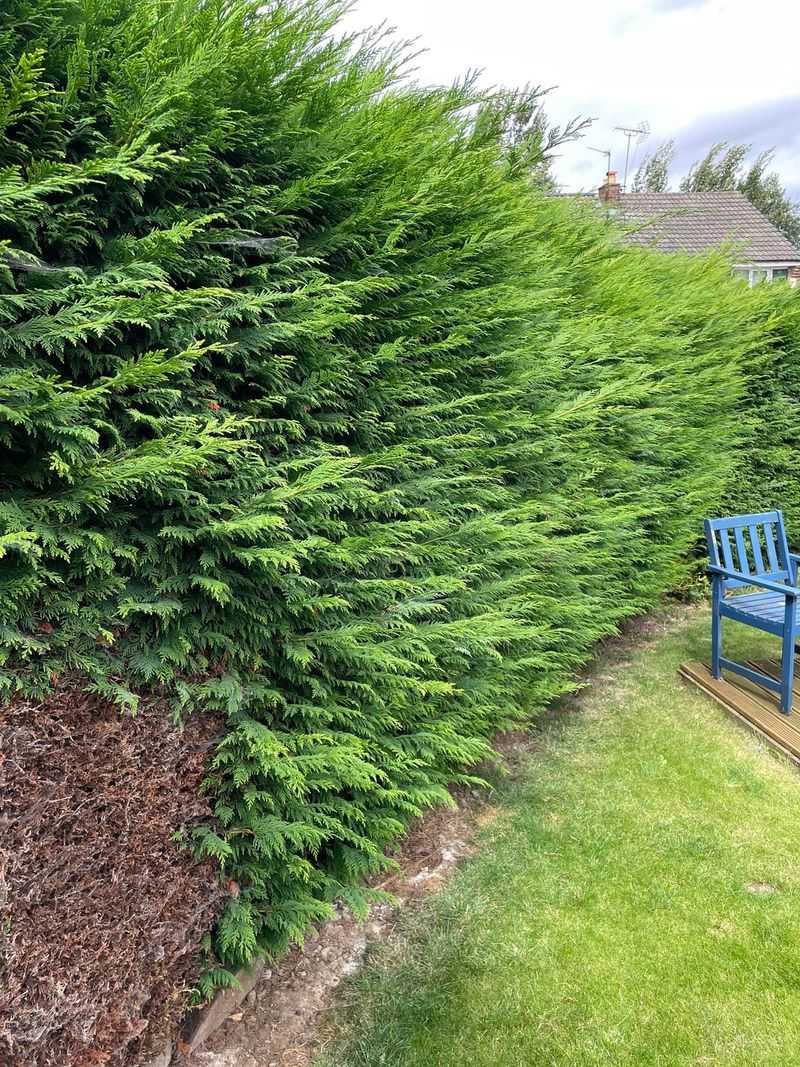
Leyland cypress and other cypress varieties are popular choices for privacy hedges across California. They grow fast and create a thick green wall that homeowners love.
The problem is that the interior of a mature cypress hedge is almost always packed with dry branches that never get sunlight or airflow.
That trapped damaged growth is a fire waiting to happen. When an ember lands in or near a cypress hedge, the dry interior material catches quickly.
The green outer layer doesn’t slow the fire down much because the oils in cypress foliage help it burn. Once a hedge like this ignites, it can carry flames directly to a nearby fence, wall, or structure.
Pruning the outside of a cypress hedge does not fix the problem inside. You need to open up the hedge and physically remove the withered material from within.
This is labor-intensive work, but it dramatically reduces the fuel load. Use loppers and gloves, and take your time working from the outside in.
If your cypress hedge runs along a fence line that borders your home or a neighbor’s structure, consider whether the hedge is worth keeping at all.
Replacing it with a fire-resistant alternative like a well-maintained ceanothus hedge or a low-growing native shrub row could give you privacy without the fire risk.
Many fire-safe landscaping guides published by agencies offer excellent alternatives for homeowners.
8. Woody Rosemary Belongs Away From Siding
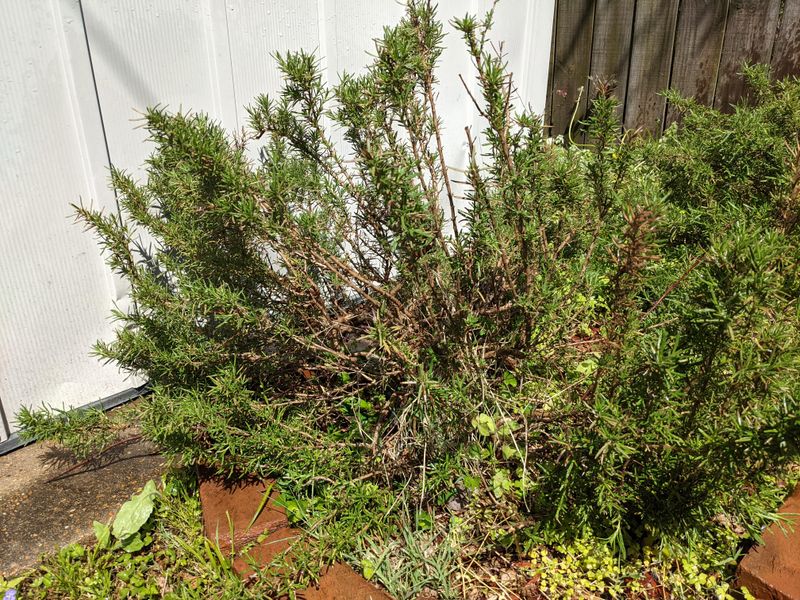
Rosemary is one of the most popular landscaping plants, and it’s easy to see why. It smells great, it’s drought tolerant, and it stays green through long dry spells.
But when rosemary gets old and woody, it becomes a real fire risk, especially when it’s planted right up against a home’s siding or foundation.
Old rosemary shrubs develop thick, woody stems that dry out significantly during summer. The plant’s oils, the same oils that make it smell so good in the kitchen, also make it burn quickly and hot.
A large rosemary shrub pressed against wood siding is essentially a pile of oily kindling sitting next to your house.
The fix doesn’t have to mean removing rosemary from your yard entirely. The key is placement and maintenance.
Keep rosemary plants at least 5 feet away from any structure. Cut back old, woody growth regularly so the plant stays younger and less dense.
Remove any withered branches from the base of the plant before summer peaks.
If you have rosemary planted in a foundation bed right next to your walls, this summer is a good time to transplant it further out into the yard or replace it with a truly non-flammable ground cover like ice plant or decomposed granite with low-growing succulents.
Small changes in plant placement near your home’s exterior can have a big impact on fire safety.
9. Old Lavender Needs Cleanup
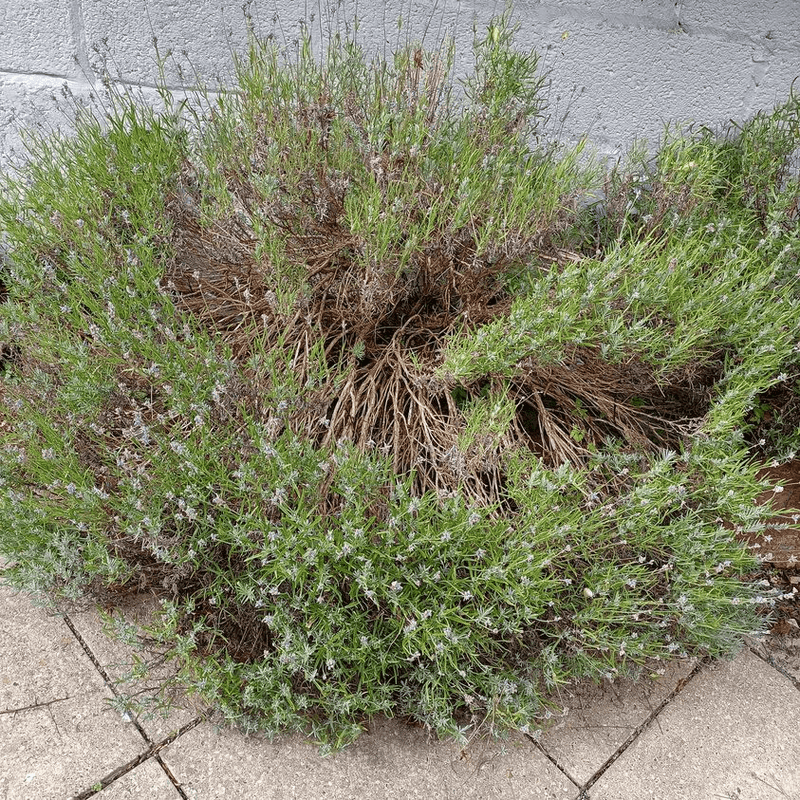
Fresh lavender is lovely, fragrant, and relatively fire-resistant when it’s young and well-maintained. But old, neglected lavender is a different story.
Over time, lavender develops a thick, woody base filled with dry, damaged stems that don’t get cleared out. That base becomes a compact bundle of flammable material sitting low to the ground.
In California’s hot inland valleys and foothill communities, old lavender plants can become completely dry by July. The woody stems hold oil, and when they dry out, they ignite easily.
A cluster of old lavender shrubs near a patio, walkway, or home entrance could carry fire to nearby wood surfaces faster than most people expect.
Cutting lavender back hard each spring is the standard advice for keeping it healthy and less woody. But if that didn’t happen this year, you can still do a cleanup now.
Remove as much of the dry, woody material from the base as you safely can without cutting into the green growth. Rake out any dry debris that has collected underneath and around the plant.
If a lavender plant is more than 50 percent withered and woody, removal is probably the smarter choice before August arrives. Replace it with a young plant next fall, placed with better spacing from structures.
Lavender in the right spot, kept tidy, is a reasonable choice in a fire-conscious yard. Neglected lavender close to your home is not.
10. Dry Ornamental Grasses Need Cutting Back Now
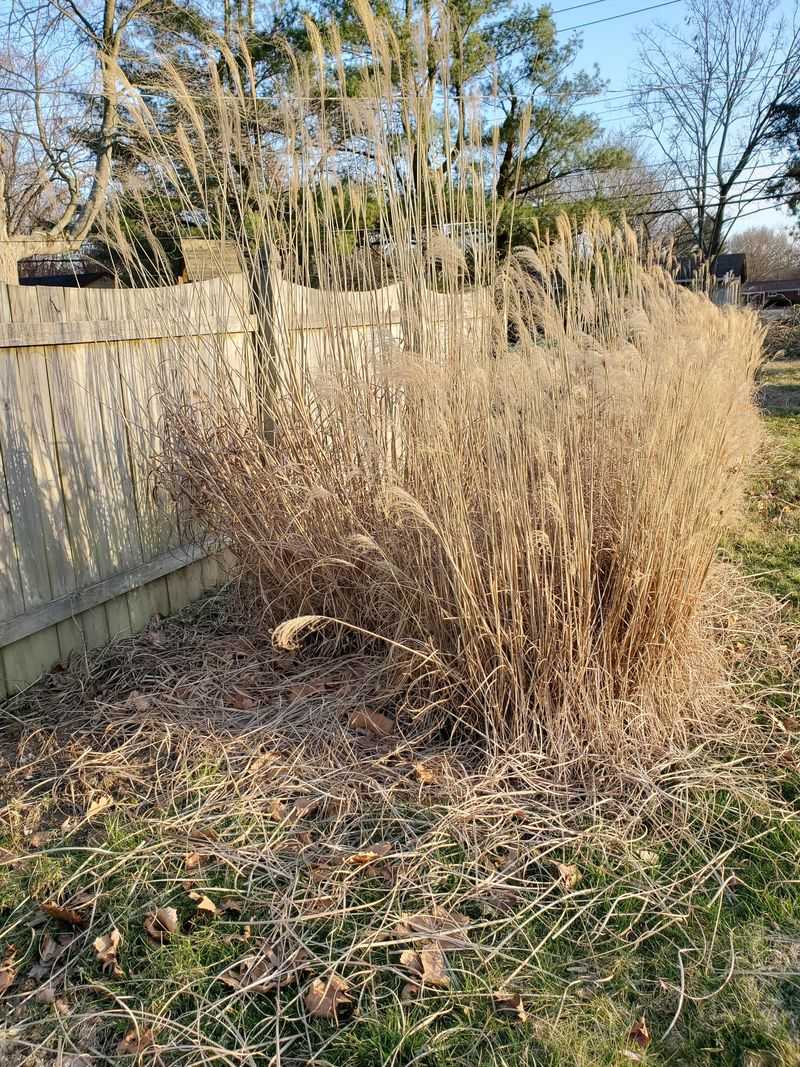
Ornamental grasses have become incredibly popular in yards across California over the past two decades. They add movement, texture, and a natural feel to landscaping.
Many varieties are drought tolerant, which makes them appealing in our dry climate. But by late summer, most ornamental grasses are fully dried out and ready to burn.
A clump of dry ornamental grass is basically a pile of straw sitting in your yard. It ignites from a single ember, and the fire spreads outward quickly along the dry blades.
If the grass is near a fence, a deck, or a structure, flames can reach those surfaces in seconds. Taller varieties like miscanthus or feather reed grass carry even more fuel and can send burning material airborne in the wind.
Cutting ornamental grasses back before they fully dry out is one of the easiest fire-safety tasks you can do this summer. Aim to cut them back to about 6 to 8 inches from the ground.
Bundle the cut material and dispose of it right away. Don’t leave large piles of dry grass clippings anywhere near your home or fence line.
After cutting, consider whether each grass clump is in a safe location. Any ornamental grass within 30 feet of your home should be replaced with a truly fire-resistant alternative.
Succulents, low-growing natives, and gravel mulch are all solid choices that look great and won’t add to your fire risk as August approaches.