The Biggest Mistakes California Gardeners Make With Palm Trees In Summer
Palm trees look like they were born for a California summer, right? Sunshine, blue skies, a little breeze, and instant vacation vibes.
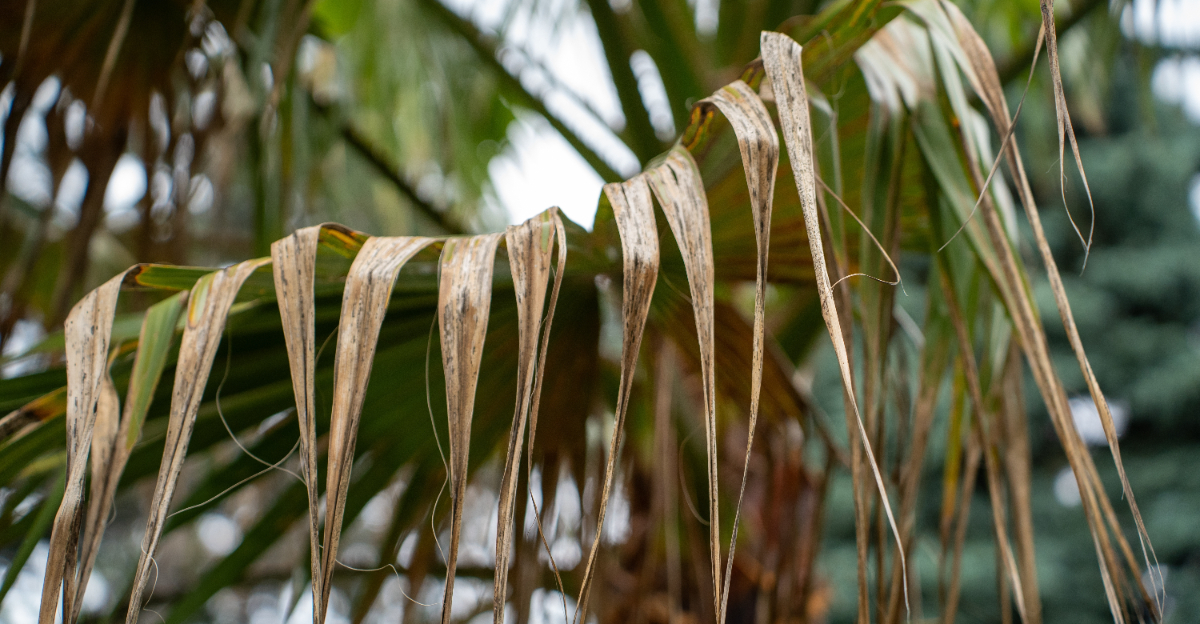
Easy. Except summer can turn even the most picture-perfect palm into a dramatic diva with crispy fronds, sad color, or a “what happened here?” moment.
The tricky part is that many well-meaning gardening habits can backfire fast once the heat settles in.
A choice that seems helpful in June might cause trouble by August. And palms have their own rulebook, because of course they do.
Before grabbing the hose, fertilizer, or pruning saw, it helps to know which common moves can create bigger problems than they solve. Some mistakes are surprisingly subtle.
Others are the kind that make a palm look like it lost a fight with summer.
So, grab a drink, step into the shade, and get ready to rethink how you care for those tropical-looking favorites.
1. Water The Roots, Not The Trunk
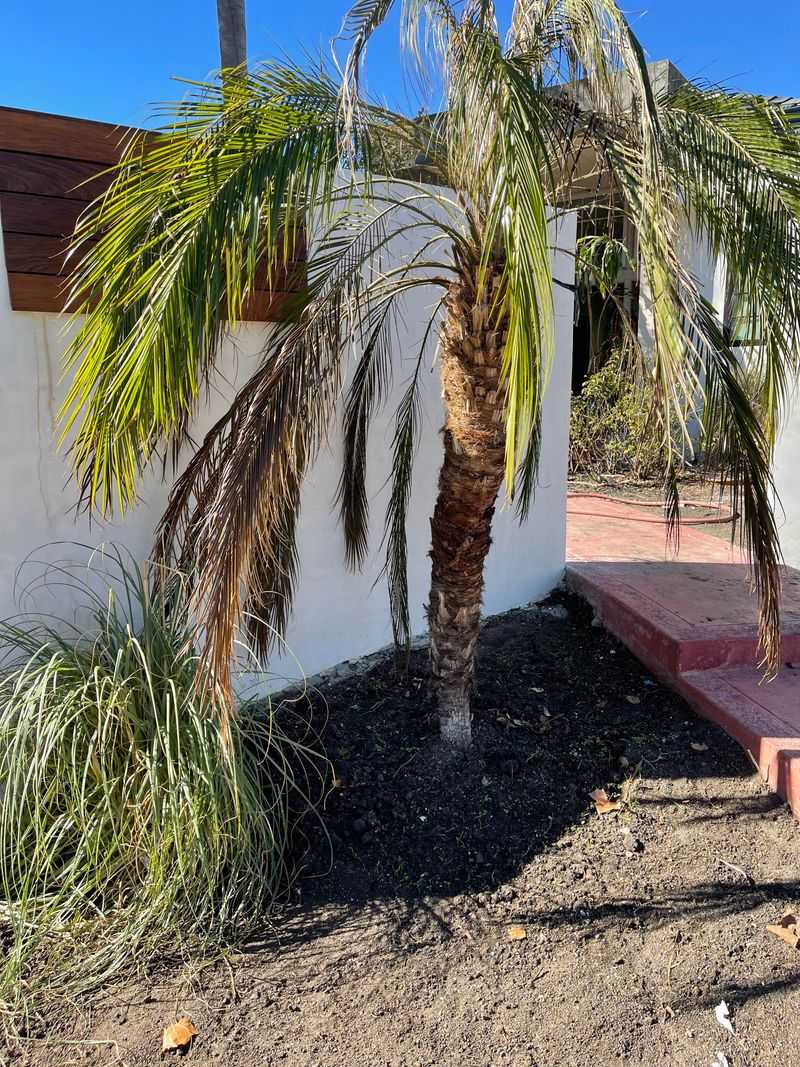
A lot of gardeners point the hose right at the trunk of a palm tree and call it a day. It feels natural to water the visible part of the tree, but that habit can actually cause more harm than good.
Moisture sitting against the trunk for long periods creates the perfect environment for fungal rot to develop.
Palms absorb water through their roots, which spread outward under the soil. The best place to water is around the outer edge of the tree’s canopy, not right up against the base.
Think of it like watering a circle around the tree rather than the tree itself.
During summer, deep and infrequent watering works better than light daily sprinkles. Letting water soak down into the soil encourages roots to grow deeper, which makes the tree more stable and drought-tolerant over time.
Shallow watering keeps roots near the surface where they dry out fast.
A good rule of thumb is to water slowly for a longer period, maybe 30 to 45 minutes, every one to two weeks depending on your soil type and local temperatures. Sandy soil drains faster, so it may need more frequent watering.
Check the soil a few inches down before watering again. If it still feels moist, wait another day or two before adding more water.
2. New Palms Dry Out Faster Than Expected
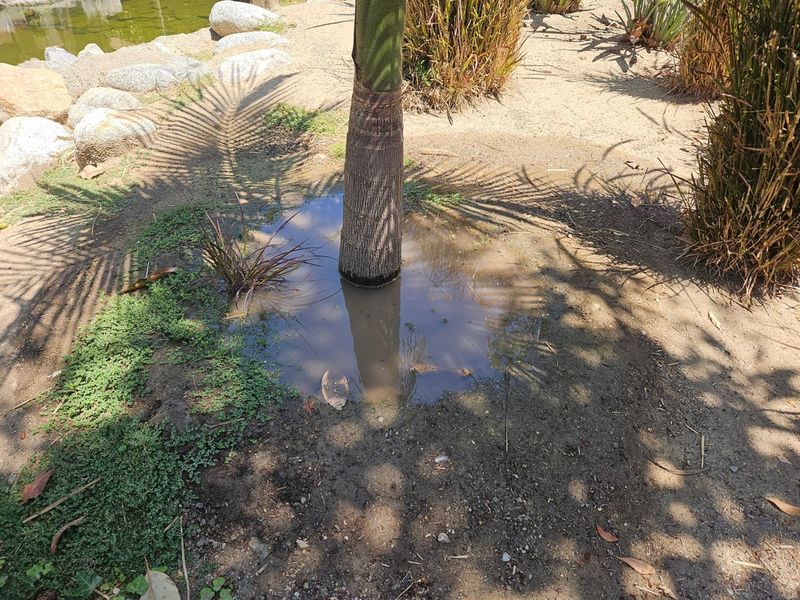
Freshly planted palms are in a vulnerable spot. Their root systems have not yet spread into the surrounding soil, so they rely entirely on what little moisture is available right where they were placed.
Many gardeners assume a newly planted palm is just as tough as a mature one, but that assumption leads to problems fast.
During the first summer after planting, a new palm can dry out within just a few days of hot weather.
The transplant process cuts off many of the fine roots that absorb water, so the tree is working with less than it needs while also trying to recover from being moved.
Watering a new palm more frequently than an established one is not spoiling it. It is simply giving it what it needs to survive the adjustment period.
Your California Garden Changes Every Week. Your Plan Should Too.
Gardening in California changes quickly throughout the season. Every Friday you’ll receive a simple weekly plan showing exactly what to plant, prune, fertilize, harvest, and protect so you never miss the right timing.
A good approach is watering every two to three days during the hottest weeks of summer, then gradually stretching that out as the tree settles in.
Adding a three to four inch layer of mulch around the base of the tree helps hold moisture in the soil longer. Keep the mulch a few inches away from the trunk to avoid trapping moisture against it.
Within one full growing season, most palms establish enough roots to handle a more standard watering schedule. Patience during that first year pays off in a stronger, more resilient tree.
3. Clay Soil Makes Overwatering Worse
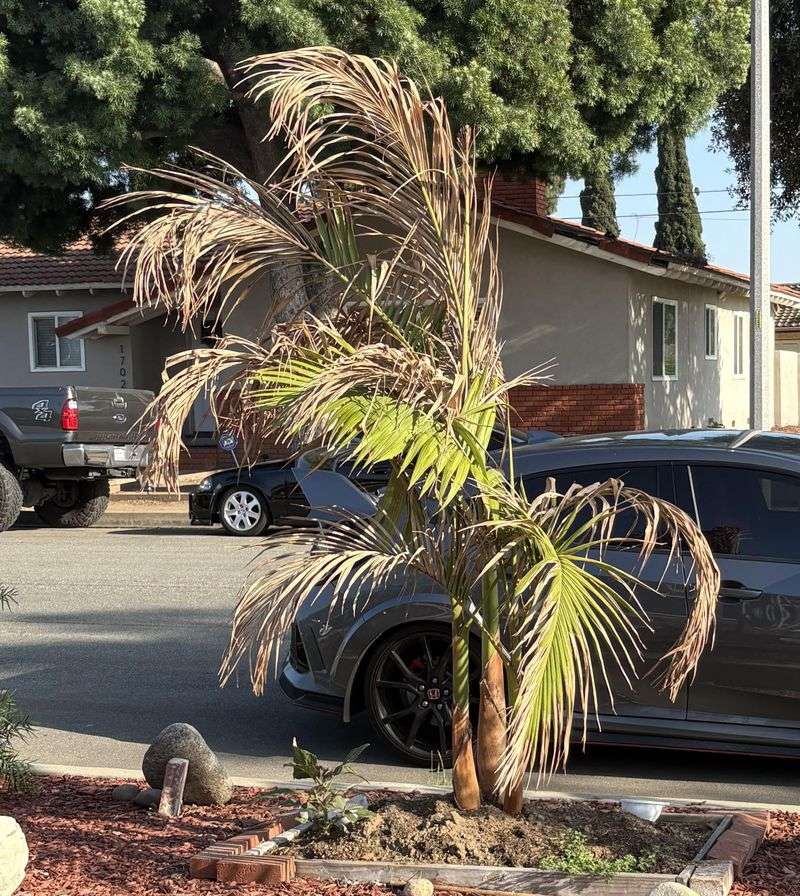
Not all soil is created equal, and that matters a lot when it comes to palm trees. Clay soil is common across many parts of California, and it holds water much longer than sandy or loamy soil.
When gardeners water their palms on a schedule built for fast-draining soil, clay soil turns that routine into a recipe for root problems.
Roots sitting in soggy clay soil for extended periods are cut off from the oxygen they need to function.
Over time, this weakens the tree from the ground up, and the damage is not always visible until it is already severe.
The palm may look healthy above ground while struggling silently below the surface.
One of the best ways to improve drainage in clay soil is to mix in coarse sand or organic compost before planting.
For established palms already in clay, you can aerate the surrounding soil carefully to help water move through more freely.
Raised planting beds are another solid option if drainage is a persistent issue in your yard.
Cutting back on how often you water is the most immediate fix. Let the soil dry out more between waterings and check moisture levels manually before adding more.
A simple soil moisture meter is an inexpensive tool that takes the guesswork out of the process. Matching your watering habits to your actual soil type is one of the smartest adjustments you can make.
4. Don’t Cut Green Fronds Too Soon
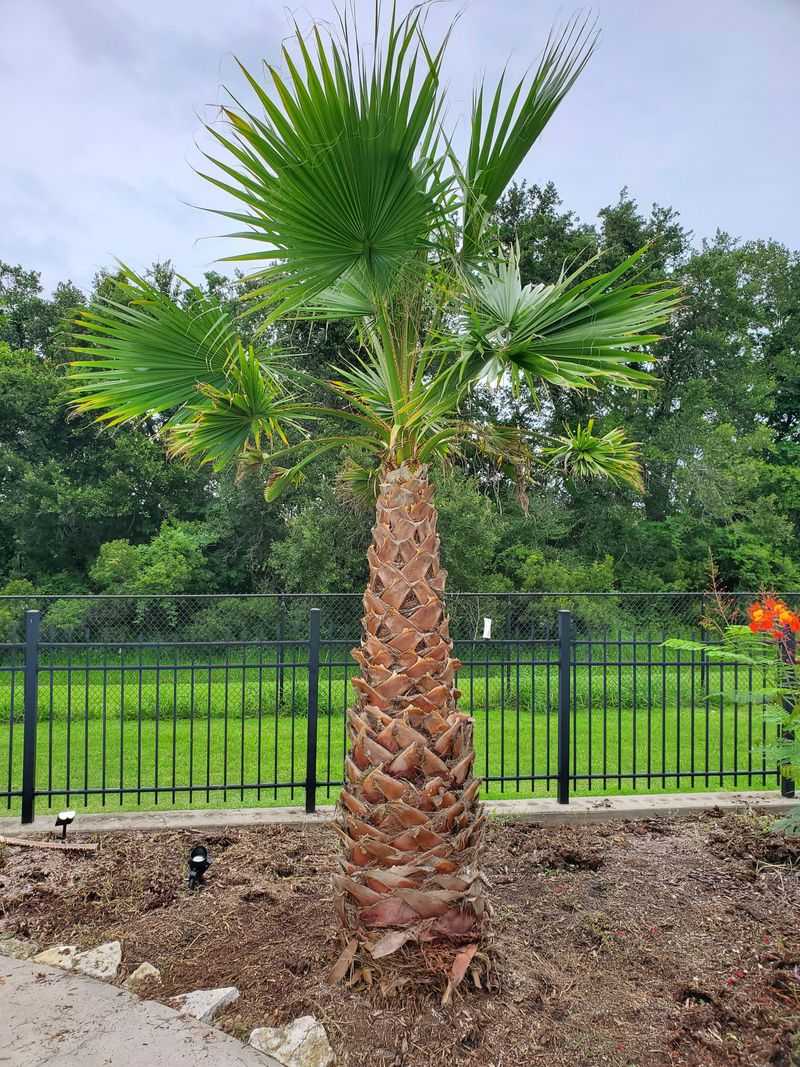
Pruning palm trees feels satisfying. A neatly trimmed palm looks clean and polished, and it is tempting to cut away anything that does not look perfect.
But removing green fronds too early is one of the most common and damaging mistakes gardeners make, especially heading into summer.
Green fronds are still doing real work for the tree. They are actively photosynthesizing, pulling energy from sunlight and sending it back down into the trunk and root system.
When you remove healthy fronds, you are taking away the tree’s ability to produce food for itself. That puts stress on the tree right before the hottest, most demanding season of the year.
A good rule to follow is to only remove fronds that have turned fully brown and dry. Even fronds that are partially green should be left alone until they complete their natural life cycle.
Fronds hanging down below a 90-degree horizontal angle from the trunk are generally safe to remove, but anything pointing outward or upward should stay.
Over-pruning, sometimes called hurricane cutting, strips the crown down to just a few fronds.
This leaves the tree exposed and unable to recover quickly if it encounters additional stress like drought or pest pressure.
Letting the tree keep its natural fullness through summer gives it the best chance of staying strong, healthy, and visually impressive all the way through the season.
5. Skinning Palms Can Stress The Tree
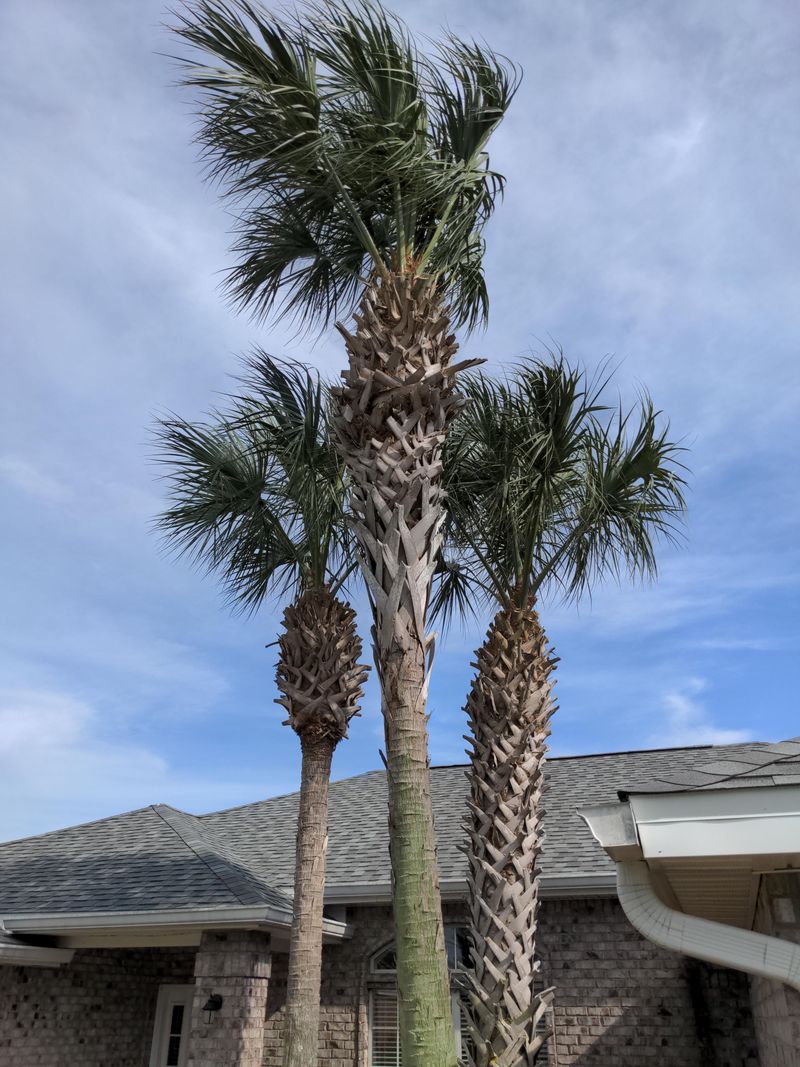
There is a look that some California gardeners go for where the trunk of the palm is smoothed out by peeling away the old leaf bases, giving it a clean, uniform appearance.
This practice is called skinning, and while it can look appealing, it comes with real risks that are worth understanding before you pick up a blade.
The old leaf bases, sometimes called boots, are not just decorative leftovers. They provide a layer of protection for the living tissue underneath.
Removing them exposes the trunk to sunscald, pests, and pathogens that can enter through the exposed surface. In summer heat, that exposed tissue is especially vulnerable.
Skinning also tends to leave behind wounds that take time to heal. If the cuts are too deep or made with unsterilized tools, they can introduce bacteria or fungi directly into the trunk.
These issues can spread before any external symptoms appear, making them difficult to catch early.
If you prefer the look of a smooth trunk, limit skinning to the lower portion of the tree and avoid going above what naturally sheds on its own. Always use clean, sharp tools and let the cuts dry before exposing the area to irrigation.
In northern regions of California where summer temperatures are slightly milder, the risk may be a bit lower, but the principle still applies everywhere. Less intervention is almost always better for the long-term health of the tree.
6. Heat-Stressed Palms Don’t Need Heavy Feeding
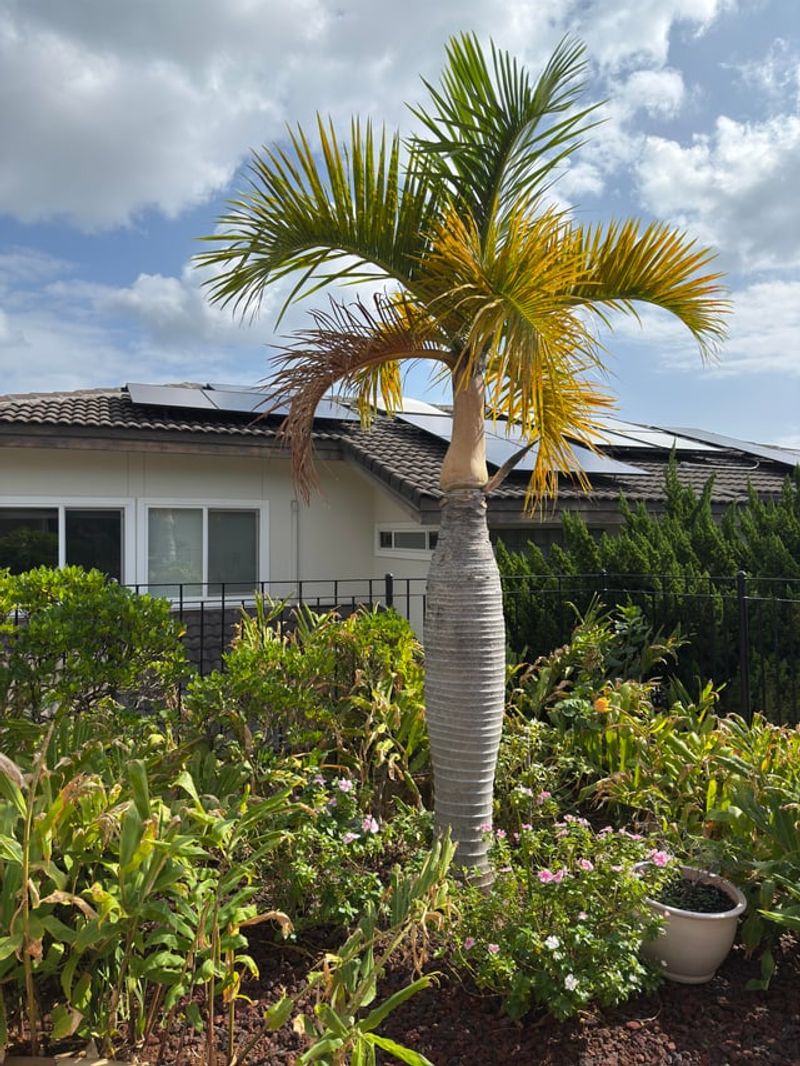
When a palm tree starts looking a little rough during a summer heat wave, the instinct for many gardeners is to throw fertilizer at the problem. More nutrients should help, right?
In reality, fertilizing a heat-stressed palm often makes things worse, not better.
A palm under heat stress is already struggling to move water and nutrients efficiently through its system.
Adding a heavy dose of fertilizer during that period puts extra pressure on roots that are already working overtime just to keep the tree stable.
It can also burn the roots, especially if the soil is dry when the fertilizer is applied.
The best time to fertilize palms is in spring, before the intense heat sets in, and again in early fall when temperatures start to drop.
These windows give the tree a chance to absorb nutrients when it can actually use them effectively.
Slow-release fertilizers designed specifically for palms are a smarter choice than general-purpose products.
If your palm looks stressed in summer, focus on consistent, appropriate watering first. Make sure the tree is not dealing with drainage issues, pest pressure, or root damage before reaching for a fertilizer bag.
Addressing the root cause of the stress, rather than layering on more inputs, gives the tree a clearer path to recovery.
A well-timed fertilization schedule throughout the year does far more good than reactive feeding during the hottest months.
7. Yellow Fronds Can Signal Nutrient Trouble
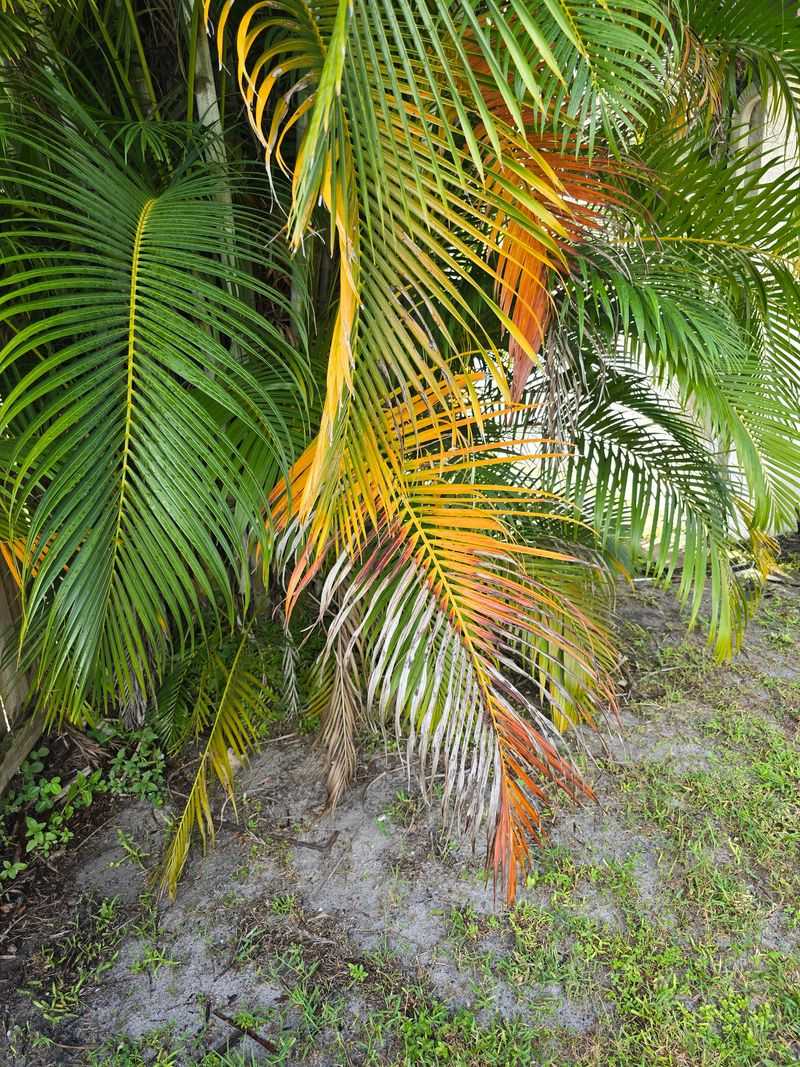
Yellowing fronds on a palm tree during summer are easy to dismiss as normal heat stress or just part of the aging process.
Sometimes that is true, but often those yellow fronds are the tree’s way of waving a flag about a specific nutrient problem. Ignoring it means the issue keeps growing quietly in the background.
Magnesium deficiency is one of the most common causes of yellowing in palms across California.
It typically shows up as yellow banding on older, lower fronds while the newer growth at the top stays green.
Potassium deficiency looks slightly different, causing translucent yellow or orange spotting on older fronds that eventually turn brown and frizzled.
Manganese deficiency, sometimes called frizzle top, affects new growth at the crown. The emerging fronds look weak, stunted, and discolored.
This one is especially common in palms growing in soils with a high pH, which is found in many parts of the southern regions of our state.
A soil test is the most reliable way to figure out what your palm is actually missing. Treating the wrong deficiency wastes time and money and can throw off other nutrient balances in the soil.
Once you know what is lacking, apply a palm-specific fertilizer that addresses those specific micronutrients.
Consistent feeding at the right times of year helps prevent these deficiencies from showing up in the first place.
8. Dry Fronds Add Fire-Season Fuel
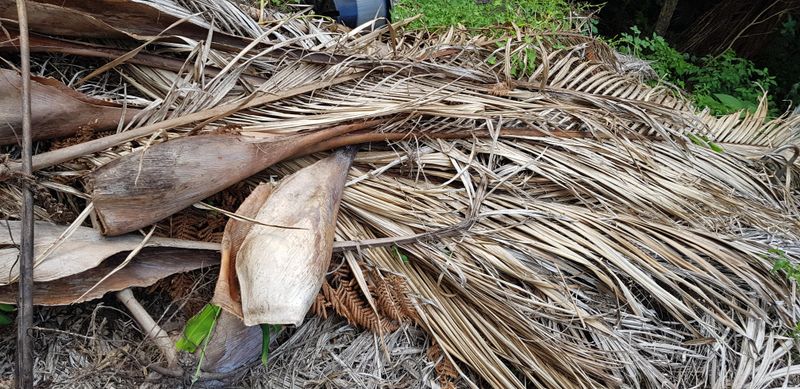
Letting dry fronds pile up on a palm tree might seem harmless. They will fall off eventually, and trimming them takes effort.
But during California fire season, which hits hard across much of California every summer, those dry hanging fronds are a serious hazard that should not be underestimated.
Dry palm fronds are extremely flammable. They ignite quickly and burn hot, and when they are clustered around the trunk high up in the air, they can carry flames upward and outward in ways that spread fire to nearby structures or vegetation.
Fire departments have flagged unmaintained palms as a real risk factor in residential neighborhoods.
Removing withered and dry fronds before fire season is one of the most responsible things a palm owner can do.
The general recommendation is to clear them out in late spring, before the driest summer months arrive.
If you missed that window, do it as soon as possible rather than waiting until fall.
For tall palms that require a ladder or special equipment, hiring a certified arborist is the safest route. They have the tools and training to remove fronds without damaging the tree or putting themselves at risk.
Some municipalities in fire-prone areas even have local ordinances requiring palm maintenance during fire season.
Checking with your city or county about local rules is a smart step, especially if you live in a high-risk zone.
Keeping palms trimmed is good for the tree and good for your neighborhood.
9. Not Every Palm Wants Desert Treatment
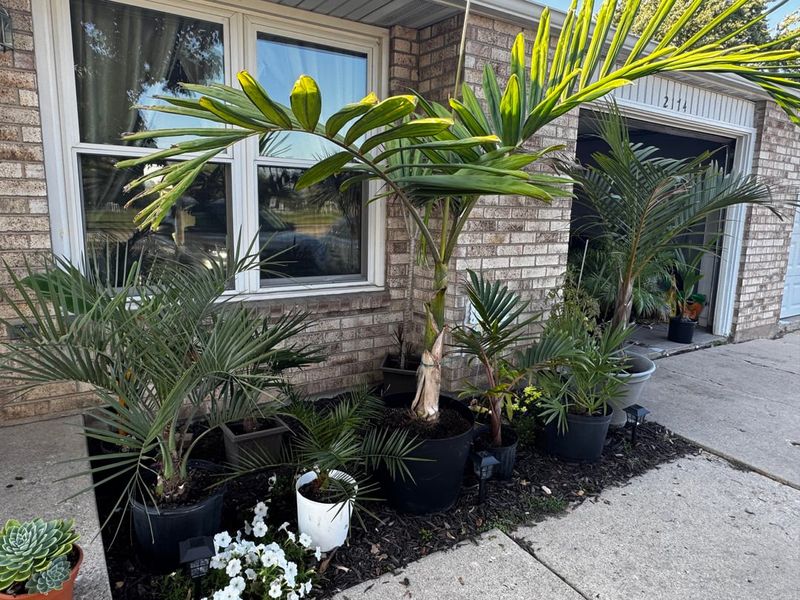
There is a widespread assumption that all palm trees are desert plants that thrive on neglect and minimal water. That idea works for some species, but it sets up others for real trouble.
California is home to a wide variety of palms, and their water and care needs vary quite a bit depending on where they originally come from.
The California fan palm, which is native to our state, is genuinely drought-tolerant once established. It evolved in arid canyon environments and does not need frequent watering.
But popular landscape palms like the queen palm, king palm, and pygmy date palm come from tropical or subtropical regions and need regular moisture to stay healthy.
Treating a queen palm like a desert survivor and cutting back its water during summer heat is a fast way to see its fronds turn yellow and its growth stall.
These trees are used to environments with seasonal rainfall and humidity, and they struggle when left too dry for too long.
Before adjusting your care routine, look up the specific species you have. Understanding where a plant comes from tells you a lot about what it needs.
Tropical palms benefit from consistent summer watering, some organic mulch to retain soil moisture, and protection from reflected heat off walls or pavement.
Matching your care to the palm’s actual background, rather than a one-size-fits-all approach, makes a noticeable difference in how well the tree performs through the heat of summer and beyond.