What It Really Means When Green Anoles Take Over Your Georgia Yard This Summer
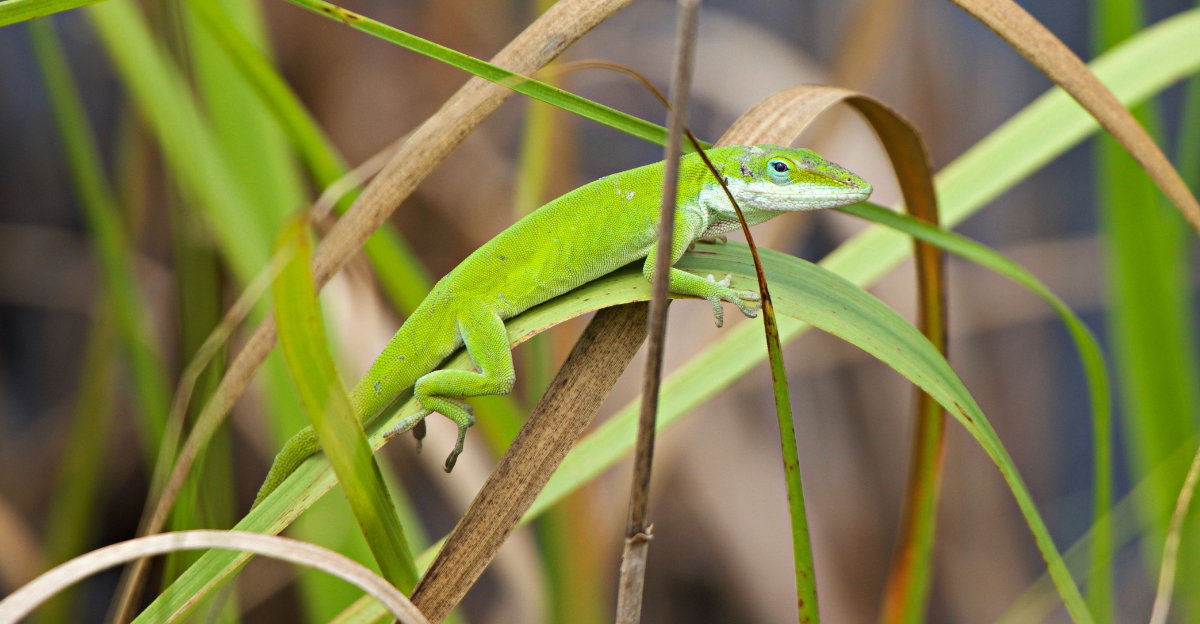
You notice one little lizard on the fence, then another on a flower pot, and before long they seem to be everywhere you look. It almost feels like they appeared overnight.
That kind of surprise usually sparks the same question. Is something changing in the yard, or is it only a coincidence?
Before jumping to conclusions, it helps to look at what these tiny visitors are actually responding to. Their presence often says more about the space than most people expect.
Green anoles become much easier to understand once you know what attracts them.
Many yards in Georgia naturally provide the food, shelter, and warm conditions they prefer during summer.
Seeing more of them is often a sign that your outdoor space offers exactly what they need, and the reason may be much more encouraging than you first imagined.
1. Green Anoles Usually Mean Your Yard Has Plenty Of Insects
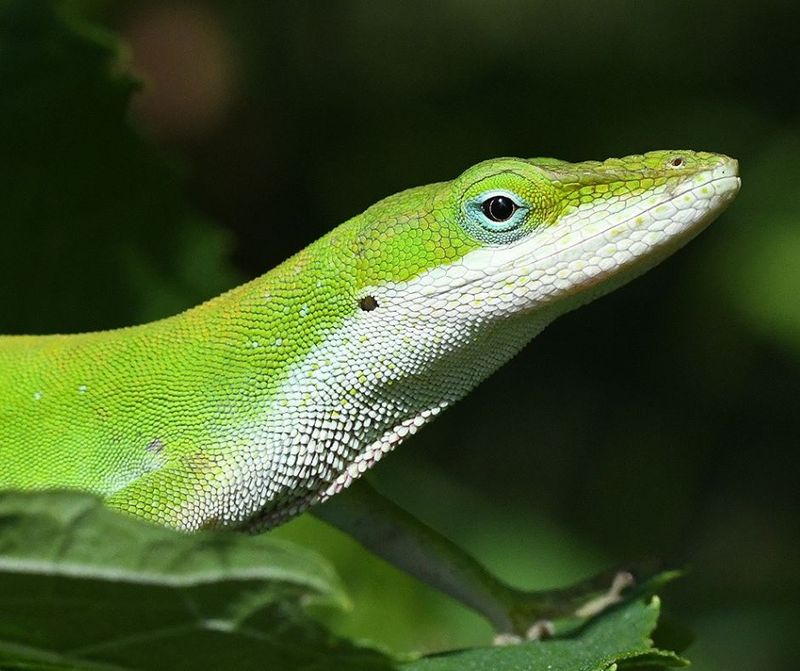
A yard crawling with green anoles is basically a living insect report. Anoles eat bugs.
Lots of them. Crickets, moths, beetles, flies, and small spiders all end up on their menu throughout the summer season.
When anoles stick around your yard in large numbers, it usually means their food supply is strong. Bugs are plentiful enough to support an active population.
That is not a bad thing for a gardener.
Healthy insect populations are a natural part of any outdoor space. Anoles help keep certain bug numbers in check without any effort from you.
No sprays, no traps, just hungry lizards doing what they do best.
Worth knowing: anoles are not picky eaters. They go after whatever moves and fits in their mouth.
Soft-bodied insects and small invertebrates are their favorites, especially during hot, humid months when bug activity peaks.
A yard that supports anoles is likely rich in leaf litter, mulch, low plants, and other spots where insects shelter. Those same features support birds, frogs, and other beneficial wildlife too.
It all connects.
If you have been seeing more anoles lately, resist the urge to clean everything up too aggressively.
2. Dense Shrubs Give Them Safe Places To Hide
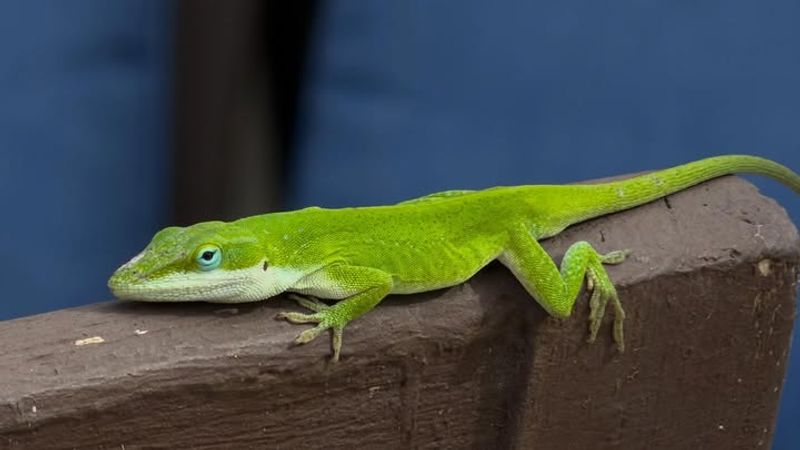
Thick shrubs are basically lizard apartments. Green anoles need cover to feel safe, rest between hunts, and escape from birds and cats that see them as a snack.
Shrubs like azaleas, hollies, and viburnums are common in yards across the Southeast. Anoles love them.
Dense branching gives them multiple escape routes and shaded spots to regulate their body temperature.
Anoles are ectotherms, meaning they rely on their environment to warm up or cool down. Shrubs offer both sunny patches and shaded spots within a short distance.
Moving between the two helps them stay active without overheating on scorching summer afternoons.
Younger anoles especially depend on shrubs. Juveniles are small and vulnerable.
Dense plant cover gives them protection while they grow large enough to hold their own territory.
If your yard has several mature shrubs close together, expect to see anoles using them as a network. They move between plants, patrol for insects, and retreat when startled.
Your Georgia Garden Changes Every Week. Your Plan Should Too.
Gardening in Georgia changes quickly throughout the season. Every Friday you’ll receive a simple weekly plan showing exactly what to plant, prune, fertilize, harvest, and protect so you never miss the right timing.
You might notice them bobbing their heads or flashing their pink throat fans, called dewlaps, to communicate with each other.
3. Trees And Fences Create Perfect Climbing Areas
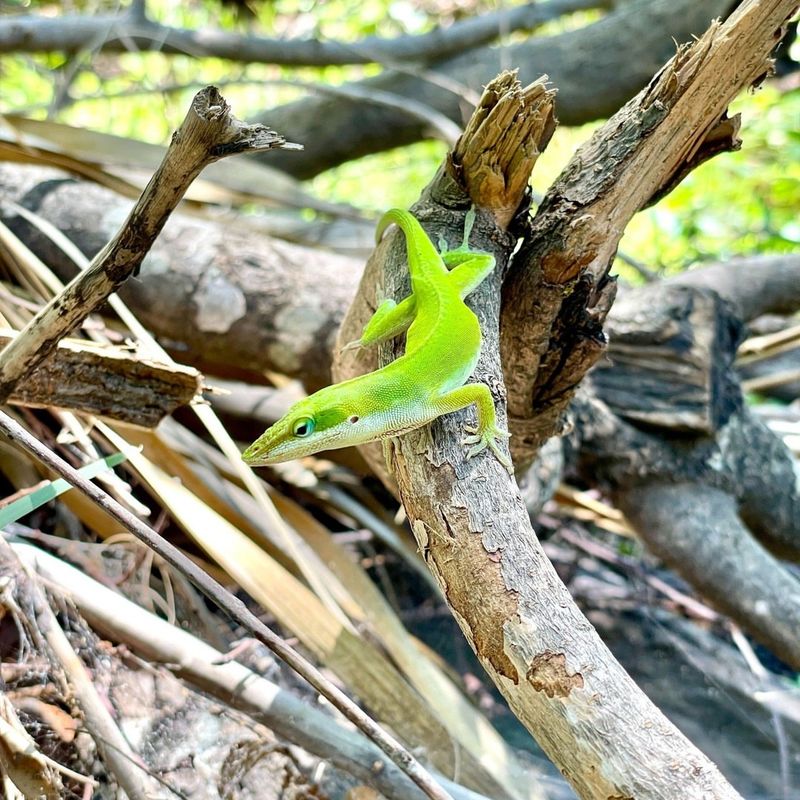
Vertical surfaces are prime real estate for green anoles. Trees, wooden fences, brick walls, and even garden stakes give them room to patrol, display, and warm up in the sun.
Anoles are built for climbing. Their toe pads grip rough surfaces with ease.
A tall oak or cedar fence post becomes a territorial perch where males show off their dewlaps and watch for rivals or potential mates.
Fences are especially useful in yards with limited tree cover. A weathered wooden fence holds heat from the sun, which anoles actively seek out in the morning.
You will often spot them flat against a sun-facing board early in the day, soaking up warmth before they start hunting.
Trees add another layer. Rough bark, low branches, and peeling sections give anoles texture to grip and crevices to hide in.
Live oaks and pines are particularly popular in the region because they stay active with insects year-round.
Males tend to claim specific trees or fence sections as territory. Watching two males square off on a fence rail, both bobbing and flashing their dewlaps, is one of the more entertaining things a summer yard can offer.
4. Birdbaths And Other Water Sources Attract More Anoles
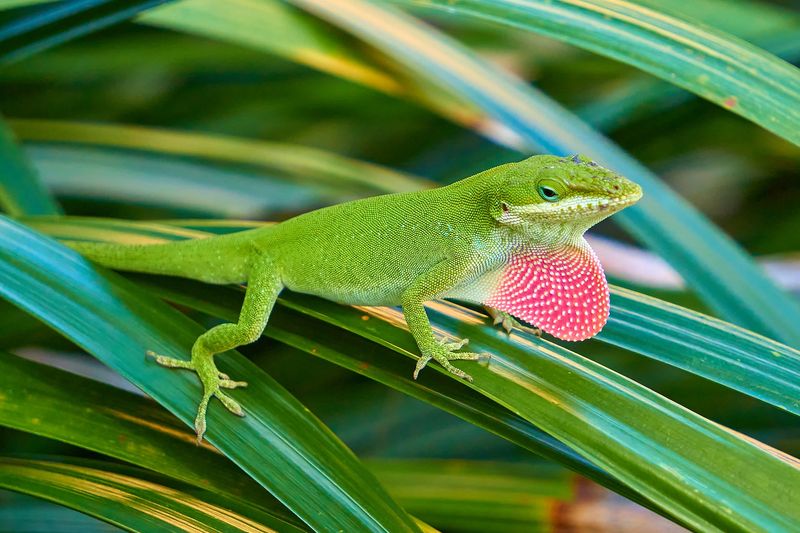
Anoles need water, but not in the way you might expect. Standing pools and deep containers are not what they seek.
Moisture on leaves, shallow puddles, and dripping surfaces are far more useful to them.
Birdbaths with rough edges are a surprisingly good draw. Anoles will lap up water droplets from the rim or lick moisture off wet stones nearby.
Smooth, deep birdbaths are harder for them to use safely, but textured ones work well.
Drip irrigation systems and soaker hoses create damp ground and wet foliage that anoles appreciate. Leaf surfaces that hold water after rain or irrigation give them an easy drinking source without the risk of falling into deep water.
Humid conditions in summer also help. Yards with good moisture retention in the soil and mulch tend to attract more insect life, which in turn keeps anoles well-fed and active.
Water and food are connected in that sense.
Placing a shallow dish with pebbles and a small amount of water near shrubs or garden beds can provide a reliable resource. Refresh it every couple of days to keep it clean and prevent mosquito breeding.
5. Pesticides Can Reduce Their Natural Food Supply
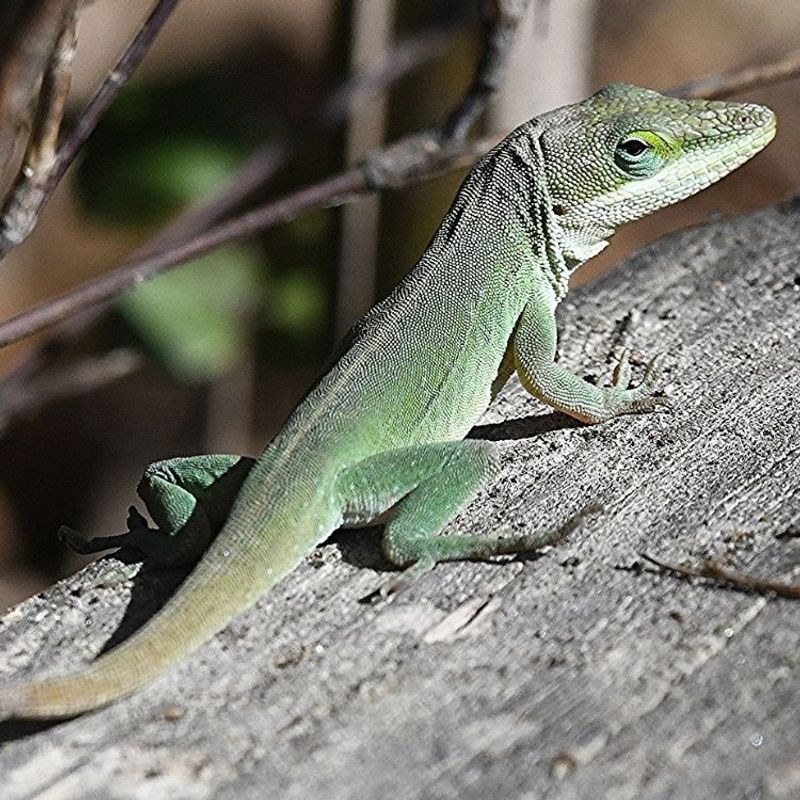
Broad-spectrum pesticides do not target only the bugs you dislike. They reduce insect populations across the board, including the ones that feed anoles, birds, and other beneficial wildlife in your yard.
When the insect supply drops, anoles have fewer reasons to stick around.
A yard that gets sprayed heavily and regularly may see fewer lizards over time, not because the spray affects them directly, but because their food source shrinks.
Systemic insecticides absorbed by plants can affect insects that feed on those plants. That chain reaction reaches anoles when they eat contaminated prey.
Contact sprays used on shrubs and garden beds during peak insect season can cause a short-term crash in local bug populations.
Anoles may move on temporarily or reduce activity in heavily treated areas while food becomes scarce.
Spot treatment is a smarter approach when pest pressure is genuinely high. Targeting specific problem areas rather than blanket-spraying the whole yard helps preserve insect diversity.
That diversity is what keeps anoles fed and active.
Organic options like insecticidal soap or neem oil tend to break down faster and have a narrower impact than synthetic pyrethroids or broad-spectrum sprays.
6. Native Plants Help Support Healthy Populations
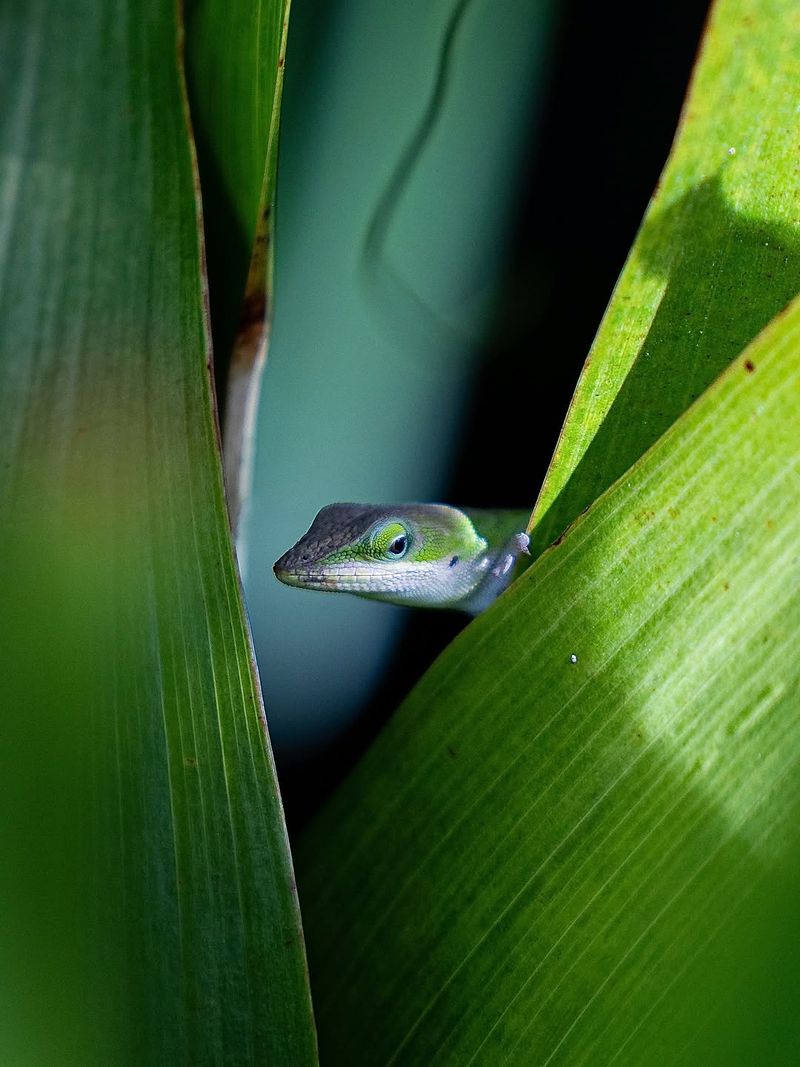
Native plants pull more weight in a yard than most people realize. Beyond looking good, they feed local insects, which in turn feed anoles and other insectivores that call your garden home.
Plants like black-eyed Susans, coneflowers, beautyberry, and native grasses attract a steady stream of pollinators and small insects throughout the growing season. Anoles follow that food supply closely.
Non-native ornamentals often support fewer insect species. Exotic plants may look great but tend to host a narrower range of bugs.
Swapping even a few of them for native alternatives can noticeably boost insect and lizard activity over a season or two.
Native groundcovers like wild ginger or native ferns create low-level habitat that anoles use for cover and foraging.
Ground-dwelling insects shelter under these plants, making them productive hunting zones for smaller lizards.
Shrubby natives like beautyberry, native azaleas, and wax myrtle offer both shelter and insect attraction. Wax myrtle in particular stays dense year-round, giving anoles a reliable refuge even as other plants thin out in fall.
Starting with just three or four native plant additions per season is enough to make a difference. You do not need a full landscape overhaul.
Small changes in plant selection build habitat gradually, and anoles respond to those improvements faster than you might expect.
7. They Rarely Damage Flowers Or Vegetable Gardens
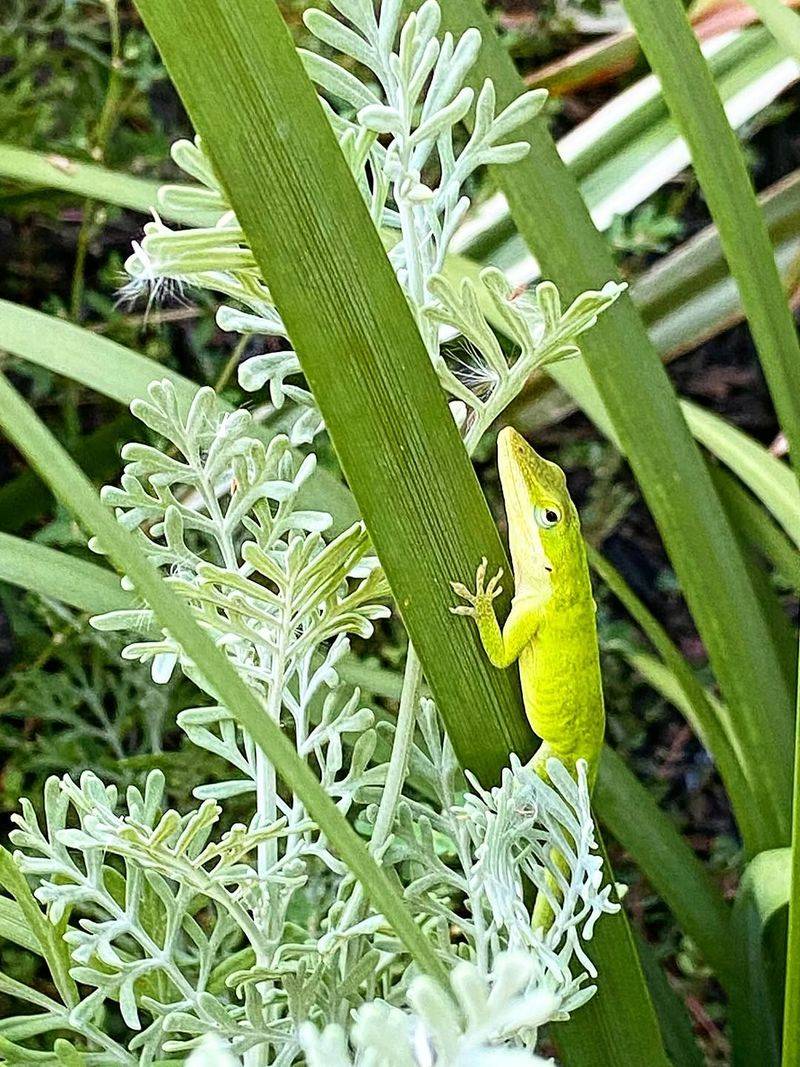
One of the most common concerns people raise is whether anoles will bother their garden plants. The short answer is no.
Anoles eat insects and small invertebrates, not plant material.
Unlike some reptiles, green anoles show very little interest in fruits, vegetables, or flowers. Spotted on a tomato plant or climbing a bean trellis, they are almost certainly hunting the insects that actually do cause plant damage.
Aphids, caterpillars, and small beetles that feed on garden crops are fair game for anoles. Having them patrol vegetable beds can reduce pest pressure in a low-key, chemical-free way.
Not a replacement for active pest management, but a helpful addition.
Flower gardens benefit similarly. Anoles move through blooms looking for pollinators and small flies.
They are not grazing on petals or digging up roots. Seeing one perched on a rose or coneflower is not a warning sign.
Occasionally an anole might knock over a small seedling while chasing prey, but that kind of incidental disturbance is rare. Established plants have nothing to worry about from a lizard that weighs less than a few grams.
Gardeners who spot anoles in their beds regularly can take it as a quiet endorsement. Healthy, productive gardens tend to attract insects, and insects attract anoles.
Their presence is more of a compliment to your growing space than anything else.