Why Illinois Homeowners Should Know Bamboo Rules Before Rhizomes Spread

Bamboo quietly hides a secret most homeowners never see coming. Rhizomes tunnel underground long before you notice any real change.
Your neighbor’s yard could soon become an unwilling destination for spreading growth. Illinois treats invasive plants more seriously than you’d expect.
Property lines mean little to a determined and expanding root system. Courts elsewhere have already settled real disputes over bamboo crossing boundaries.
Removal costs surprise anyone who assumed a few cuts would work. Neighbors rarely stay friendly once bamboo reaches their prized flowerbeds.
Associations often restrict bamboo entirely for this exact reason. Homeowners across Illinois face real legal exposure most guides ignore.
Insurance rarely covers damage caused by slow, steadily spreading roots. Contractors charge notable rates to remove persistent rhizomes.
Legal notices can arrive faster than you’d expect. Something underground keeps steadily moving toward a decision you haven’t made. You need to understand these risks before bamboo changes your plans.
1. Rhizomes Spread Underground Long Before Growth Appears
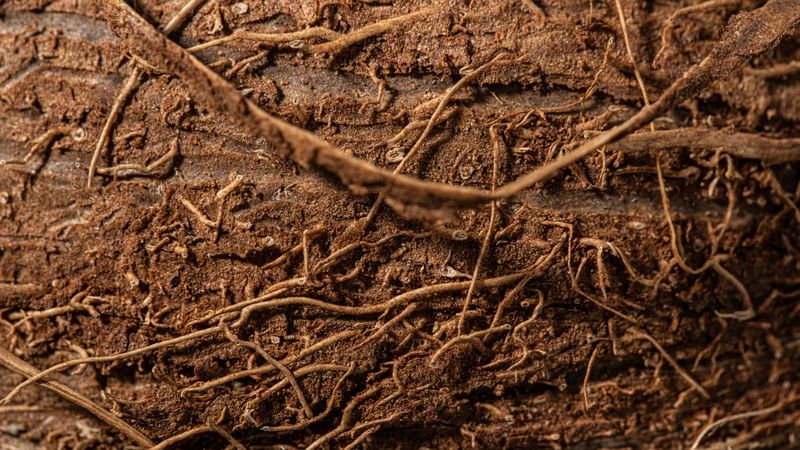
Bamboo’s spread is often invisible at first. Long before a single green shoot pops up in your neighbor’s flower bed, the rhizomes have already been on the move for months.
Running bamboo species send horizontal roots called rhizomes racing through the soil at remarkable speed. Some varieties can travel several feet in a single growing season, depending on species and soil conditions.
Most homeowners plant bamboo and assume what they see above ground is all there is. That assumption is often incorrect and can be costly.
The rhizomes travel several inches below the surface, slipping right under fences, sidewalks, and even concrete slabs. They follow the path of least resistance, which often leads directly into neighboring yards.
By the time a neighbor spots a bamboo shoot poking up near their garden, the underground network has already spread wide. Pulling that one visible shoot fixes nothing because the root system behind it runs deep and far.
Illinois homeowners need to understand this biology before planting a single culm. Knowing how rhizomes behave is the first step toward managing bamboo responsibly.
Seasonal timing makes this even trickier. Rhizomes are most active in spring, pushing new growth outward before warm weather fully arrives.
Homeowners who plant in fall may not notice any spread until the following spring, giving the plant a full season head start underground.
Awareness of this invisible expansion is what separates a smart gardener from one facing a legal dispute. Knowing the enemy below the surface gets you halfway to winning.
2. Neighbors Have Legal Recourse For Property Damage
Neighbors have legal options once damage occurs. When bamboo crosses a property line and causes damage, affected homeowners in Illinois have real options for seeking compensation.
Encroaching plants can be treated similarly to other nuisance claims under Illinois common law. A neighbor whose garden or foundation is damaged by your bamboo may take you to civil court.
Courts in other states have already ruled on bamboo encroachment. In one New York case, a property owner was ordered to eradicate bamboo that had spread onto a neighbor’s land and pay over $57,000 in damages.
Your Illinois Garden Changes Every Week. Your Plan Should Too.
Gardening in Illinois changes quickly throughout the season. Every Friday you’ll receive a simple weekly plan showing exactly what to plant, prune, fertilize, harvest, and protect so you never miss the right timing.
No confirmed Illinois bamboo case exists yet, but the same nuisance and trespass principles apply under Illinois property law. The legal principle is straightforward: you are responsible for what originates on your land.
That responsibility extends underground. Even if the shoots appear on your neighbor’s side of the fence, the rhizomes that produced them started on your property.
Affected neighbors can demand removal of encroaching bamboo at the plant owner’s expense. They can also seek reimbursement for any structural damage caused by the spreading root system.
Driveways cracked by rhizomes, garden beds destroyed by shoots, and irrigation lines broken by underground growth are all documented types of damage in real cases. These repairs are not cheap.
Some neighbors attempt mediation first, which is often faster and less expensive than a courtroom battle. But when bamboo owners refuse to act, litigation becomes a legitimate next step.
Knowing your neighbor has legal standing should motivate action before the situation escalates. Proactive containment is far less painful than a lawsuit arriving in your mailbox unexpectedly.
3. Illinois Counties May Classify Bamboo As A Nuisance
Not every plant gets a nuisance label, but bamboo is earning that reputation fast. Some Illinois counties have taken steps to formally classify running bamboo as a problematic species requiring control.
A nuisance classification gives local governments authority to require removal or containment. Homeowners who ignore those requirements can face fines that accumulate quickly.
Champaign, Illinois passed one of the state’s clearest examples: an ordinance banning new plantings of running bamboo, effective February 2015, due to its aggressive underground spread.
Other Illinois municipalities may have similar rules; check your local code. Bamboo often appears on those lists alongside well known invasives like buckthorn and Japanese knotweed.
Check your local county and city codes to confirm current requirements. The nuisance designation is not just symbolic.
It creates a paper trail that can be used against a homeowner in civil or administrative proceedings.
Municipalities within counties may also have their own separate classifications. That means a homeowner should check both county and city codes, because the rules can stack on top of each other.
Local ordinances are updated regularly, and what was allowed five years ago may now carry a penalty. Checking current codes with your county clerk or municipal office is always a smart move before planting.
Some jurisdictions may require notifying neighbors before planting bamboo. Others mandate specific barrier depths and materials to prevent underground spread. Confirm any such requirement with your local municipality.
Ignorance of the classification is not a legal defense. Once a plant is labeled a nuisance in your jurisdiction, the responsibility to manage it falls squarely on the property owner.
Staying informed about your county’s stance on bamboo keeps you ahead of the rules and out of trouble with local enforcement agencies.
4. Property Lines Mean Little To Aggressive Rhizomes
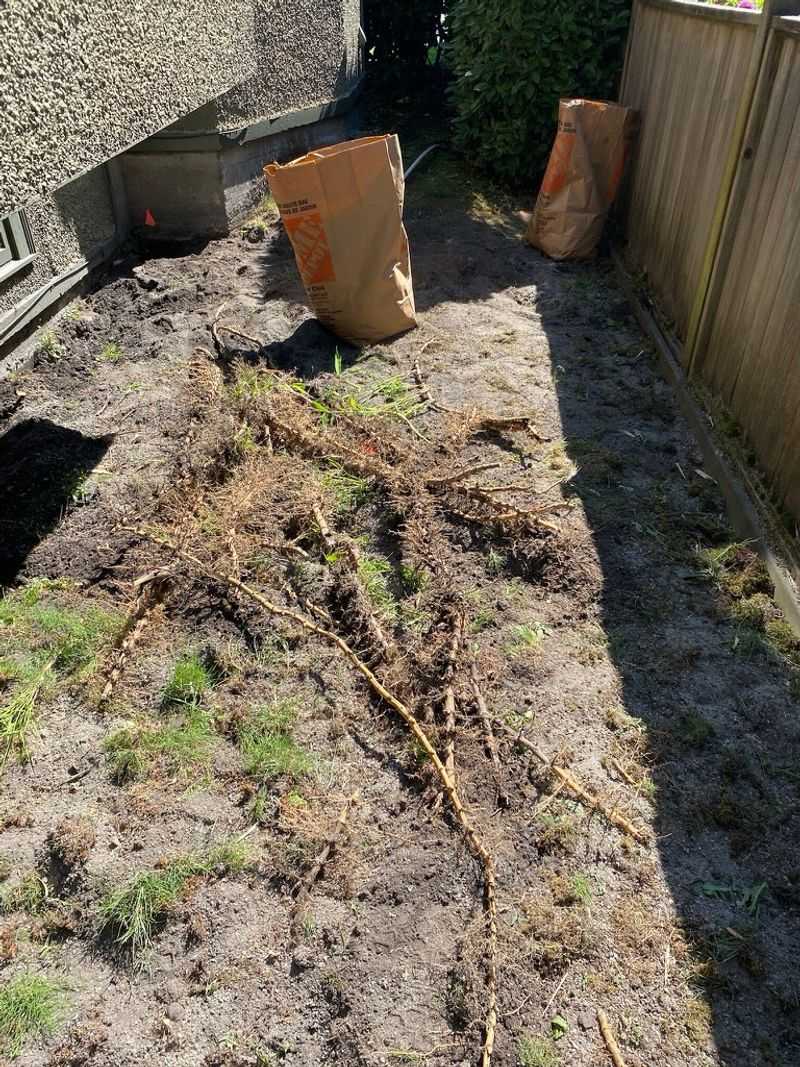
A survey stake in the ground means something to a human. To a bamboo rhizome, it means absolutely nothing at all.
Running bamboo varieties do not recognize boundaries. The underground stems move in whatever direction offers the least soil resistance, regardless of whose land lies ahead.
This biological reality creates a serious conflict with property law. Your legal boundary ends at a specific line, but your plant’s reach does not.
Homeowners often assume a fence will stop rhizomes. Standard wooden or chain link fences offer little underground resistance and rhizomes pass beneath them without slowing down.
Even concrete barriers can fail if they are not installed deep enough. Rhizomes have been documented traveling under slabs, around footings, and through gaps in retaining walls.
The practical consequence is that your bamboo can become your neighbor’s problem without either of you noticing until significant damage is already done. Shoots appearing in a neighbor’s lawn are a symptom of a much larger underground network.
Addressing the issue above ground without cutting off the underground rhizome network accomplishes very little. The plant simply redirects its energy and sends new shoots from a different point along the same root system.
This is why containment barriers must go deep into the ground, typically at least 24 to 36 inches, to have any real effect. Surface level solutions are just wishful thinking.
Understanding this aggressive underground behavior helps homeowners make smarter choices about where and whether to plant bamboo at all.
5. Removal Costs Rise Once Bamboo Gets Established
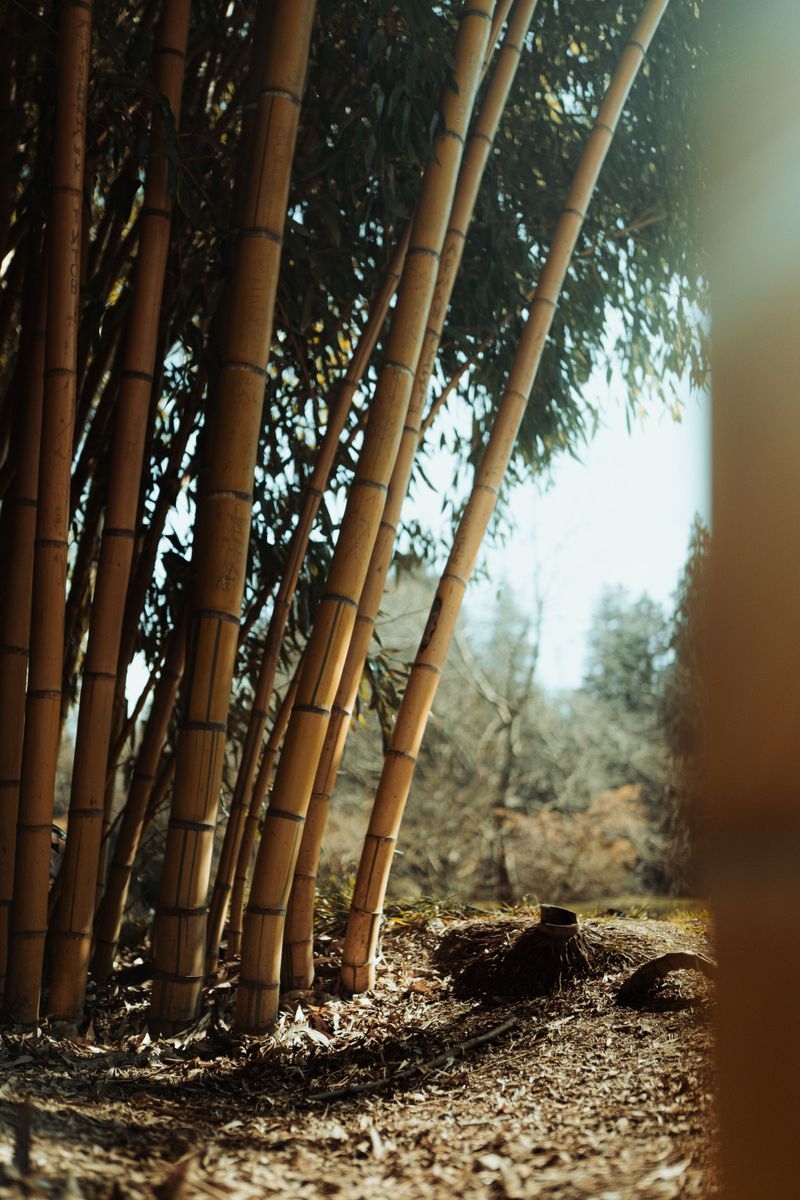
Getting bamboo out is nothing like getting bamboo in. Planting takes an afternoon, but removal can take years and thousands of dollars.
Once running bamboo establishes a mature root network, standard removal methods become inadequate. Cutting stalks at ground level simply triggers the plant to send up new shoots from the existing rhizome system.
Professional bamboo removal costs can vary widely, often ranging from a few hundred to several thousand dollars depending on grove size and location. Larger or longer established stands can push costs significantly higher.
The process usually requires repeated excavation, root cutting, and follow up treatments over multiple growing seasons. There is no single session fix for mature bamboo.
Renting equipment helps, but most homeowners underestimate the physical scope of the job. Rhizomes can extend far beyond the visible grove, requiring excavation well outside the area where shoots appear.
Some homeowners attempt removal with herbicides, but these treatments are slow and require careful, repeated applications. Bamboo is remarkably resilient and bounces back quickly if treatments are inconsistent.
Hiring a specialist who focuses on invasive plant removal is often the most efficient path. These professionals know where to look for rhizomes that casual observers would miss entirely.
Waiting longer to address established bamboo only compounds the expense. Each growing season adds more rhizome mass and increases the scope of any future removal project.
Acting early, even before the problem seems serious, is always the more affordable choice. Delay is the more costly option a homeowner can choose.
6. Local Ordinances Often Require Containment Barriers
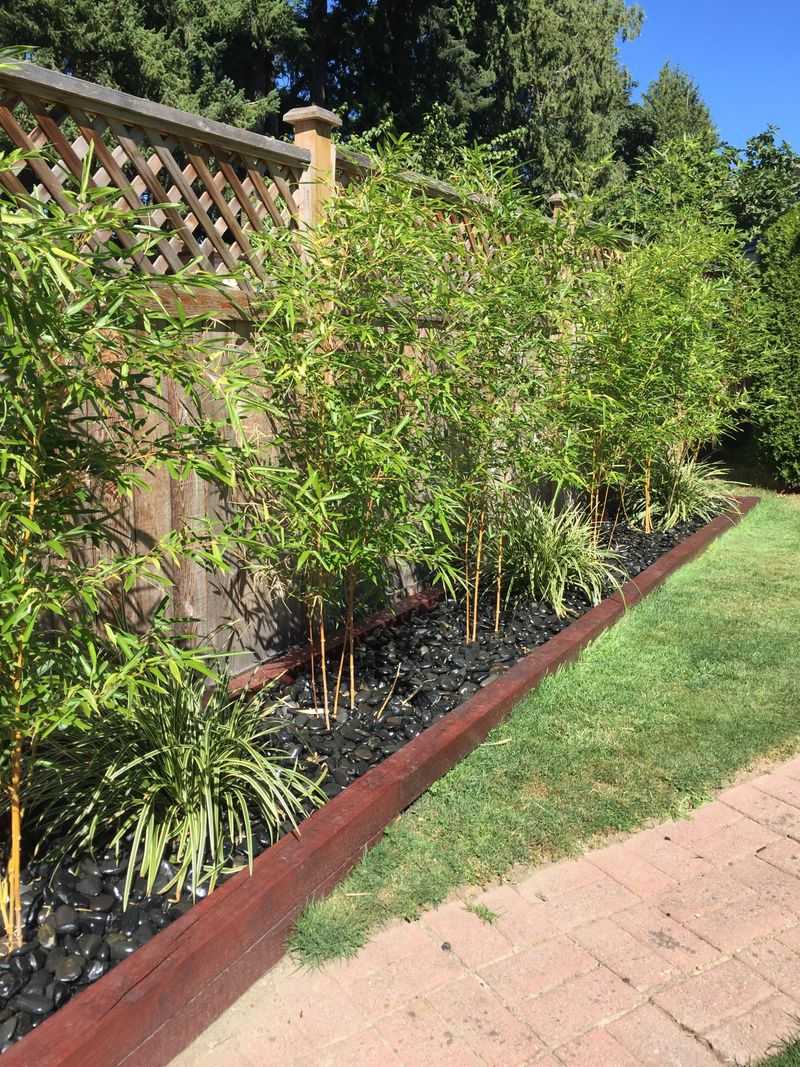
Some municipalities do not just suggest containment barriers for bamboo. They legally require them, and failure to install one can result in fines or forced removal orders.
Containment barriers are physical boundaries made from high density polyethylene or similar materials. They are installed in a trench around the bamboo planting area to block rhizome expansion.
Where Illinois municipalities do regulate bamboo, barrier depth requirements are commonly in the range of 24 to 36 inches below grade.
Shallower barriers are often inadequate because determined rhizomes find ways around them. Verify exact requirements with your local municipality.
The barrier must also extend slightly above the soil surface. This above ground lip prevents rhizomes from arching over the top edge and escaping on the other side.
Regular inspection is also often required by ordinance. Homeowners must check the barrier annually and repair any gaps or breaches before rhizomes can exploit them.
Not all barriers on the market meet local code requirements. Before purchasing materials, check your municipality’s specific specifications for thickness, material type, and installation depth.
Some local ordinances may require professional installation and documentation of the work. Check with your municipality to confirm.
Clumping bamboo varieties, which spread much more slowly than running types, may be exempt from barrier requirements in some jurisdictions. Confirming the variety before purchasing could save significant installation costs.
Knowing your local ordinance before you buy the plant saves you from scrambling to comply after the fact. A quick call to your city hall is worth every minute.
7. Disputes Can Escalate Into Costly Legal Cases
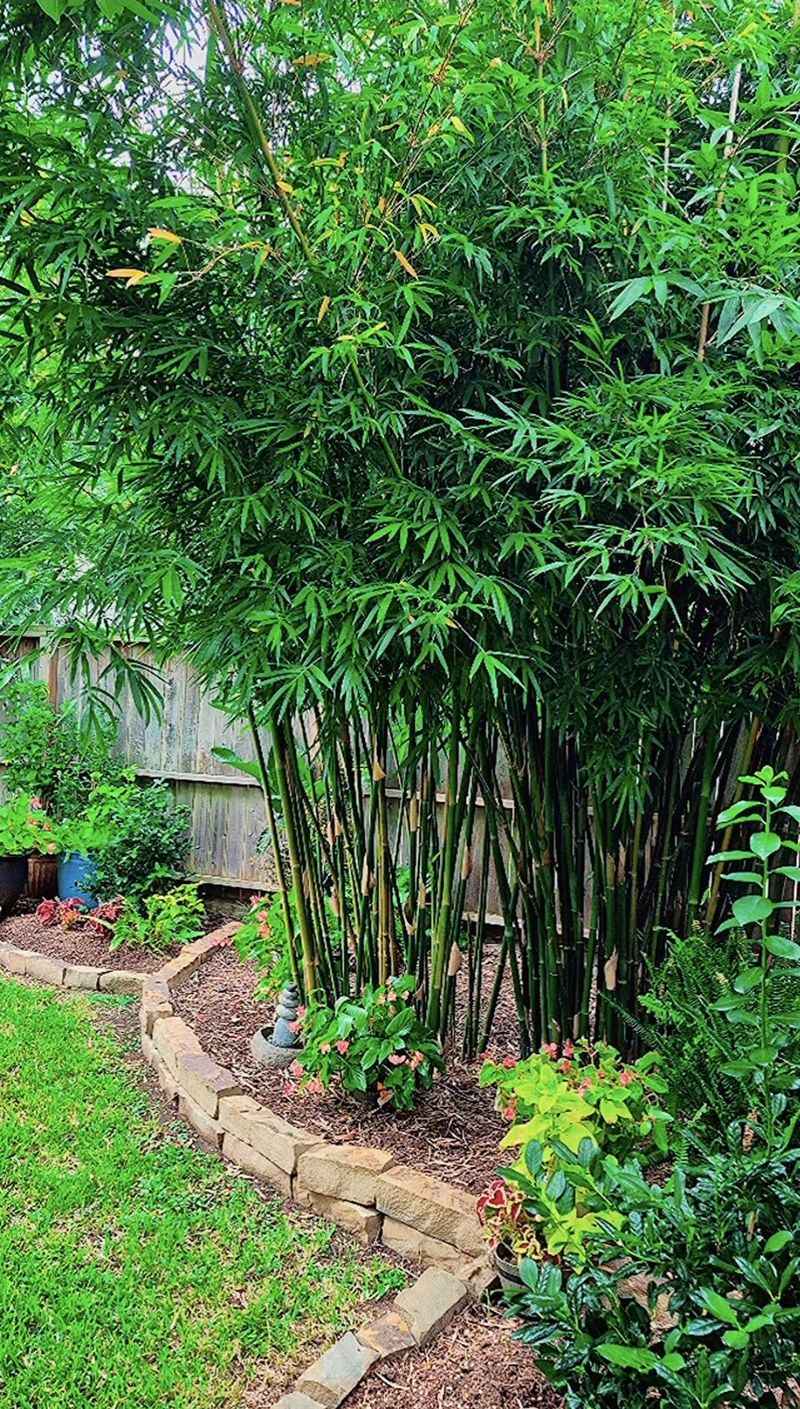
What starts as a friendly conversation about a few bamboo shoots can escalate quickly. Neighbor disputes over bamboo have ended up in courtrooms across the country, and Illinois is no exception.
Legal disputes over encroaching plants can drag on for months. Attorney fees, court costs, and expert witness expenses stack up on both sides quickly.
The plant owner typically carries the financial burden in these cases. Courts generally hold that a property owner is responsible for controlling what grows on and spreads from their land.
Damages in plant encroachment cases can potentially include removal costs, property restoration, and lost use of land, with amounts varying significantly by case.
Mediation is often faster and cheaper than litigation, but it only works when both parties are willing to negotiate in good faith. When one homeowner refuses to act, the other has few options beyond filing a formal complaint or lawsuit.
Documentation is critical in these disputes. Neighbors who photograph the encroachment, measure the spread, and keep written records of conversations have a stronger case in court or mediation.
Homeowners associations add another layer of complexity. If your HOA has rules about bamboo, violations can trigger separate fines and procedures on top of any neighbor dispute.
Prevention is far less expensive than litigation. A conversation with your neighbor before planting bamboo can prevent years of conflict and financial strain down the road.
8. Failing To Contain Spread Can Violate Regulations
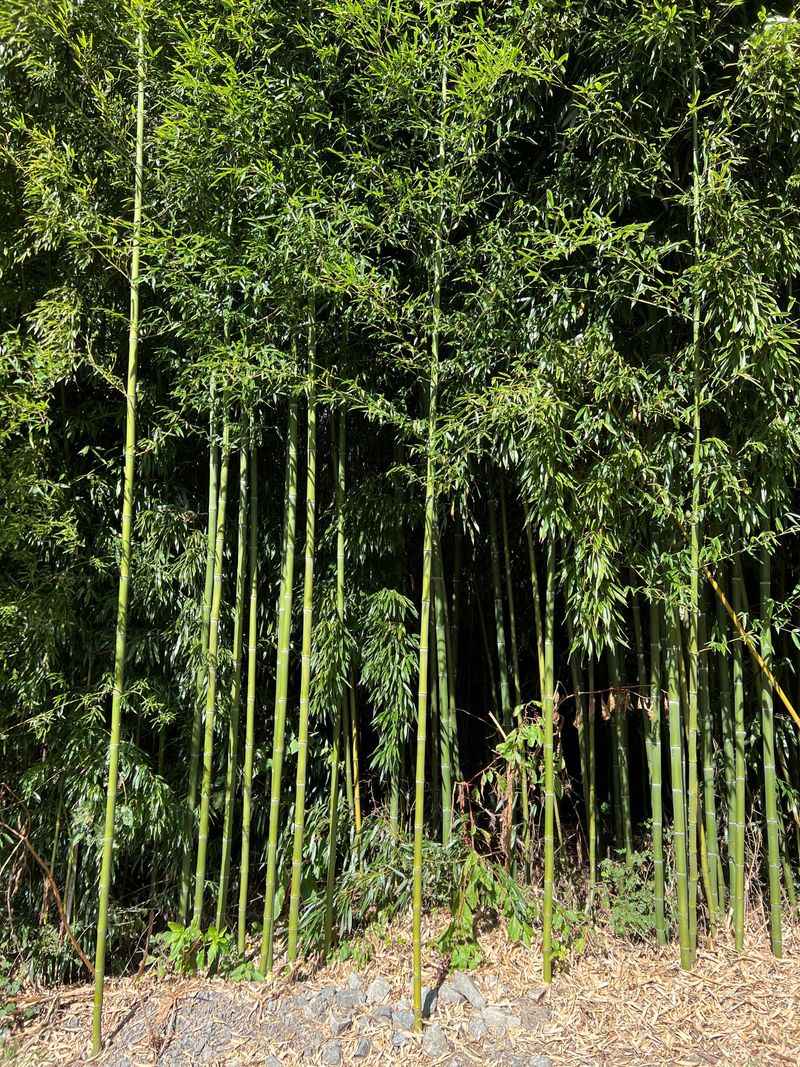
Letting bamboo spread unchecked is not just a neighborly problem. In many Illinois communities, it is a regulatory violation that carries real consequences.
Municipalities with bamboo ordinances typically include enforcement mechanisms. These can range from written warnings and fines to mandatory removal orders issued by code enforcement officers.
Fines for non compliance often start small but escalate with each passing month. A homeowner who ignores an initial warning can quickly find themselves facing hundreds or thousands of dollars in accumulated penalties.
Some ordinances give municipalities the authority to remove the bamboo themselves if the homeowner refuses. The cost of that removal is then billed directly to the property owner, sometimes as a lien against the home.
A lien on your property can complicate refinancing, home sales, and other financial transactions. What began as a landscaping choice can become a title issue affecting your home’s market value.
Bamboo disclosure requirements are already emerging in states like New Jersey and Pennsylvania, where sellers must disclose known conditions that affect property value.
Illinois has no confirmed bamboo-specific disclosure rule yet, but buyers are increasingly asking the question regardless. Buyers have begun asking specifically about invasive plants, and failure to disclose known issues can create liability after a sale closes.
Staying current on local regulations is the homeowner’s responsibility. Codes change, and a plant that was perfectly legal to grow five years ago may now require active management under updated rules.
Checking in with your local planning or zoning office once a year costs nothing. That simple habit keeps you informed and protected from violations you did not know existed.
Responsible bamboo ownership means staying ahead of the rules, not scrambling to catch up after a citation arrives.