What Oregon Gardeners Should Plant After Removing Himalayan Blackberry So It Does Not Come Back
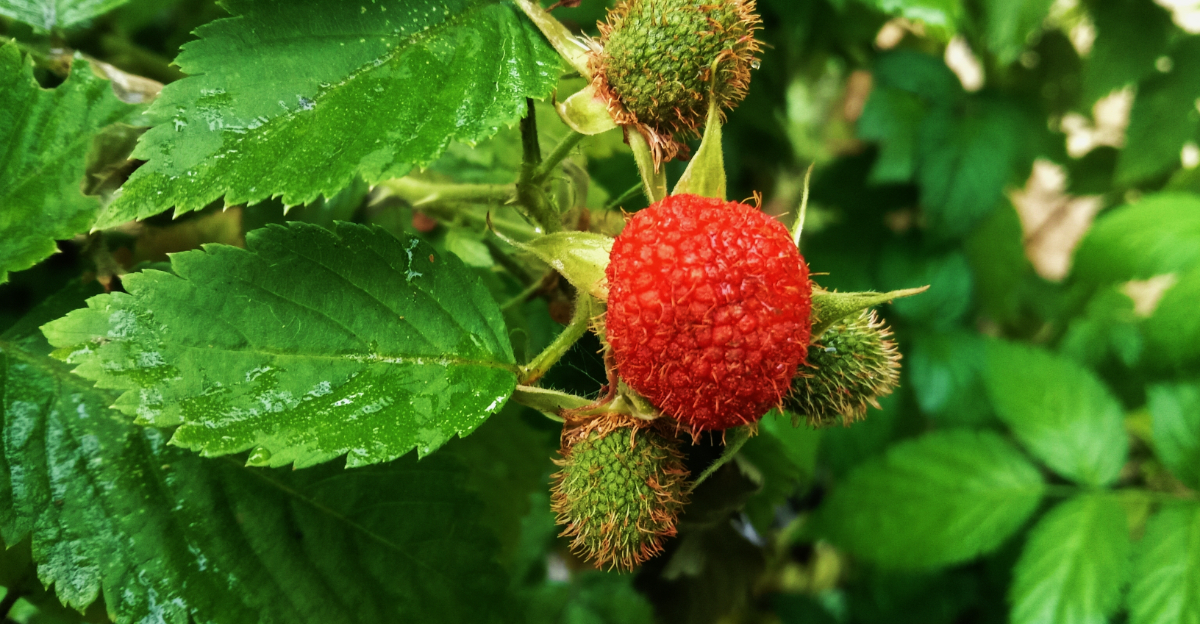
Removing Himalayan blackberry can feel like winning a backyard battle. The canes are gone, the gloves survived, and the patch finally looks open again.
Victory, right? Maybe do not celebrate with the mower just yet. That cleared ground can be eager to welcome the blackberry back, especially after months of disturbance.
A few quiet weeks may pass, then familiar shoots start popping up like they own the place.
What happens next depends on how the empty space is handled. Leaving it bare can create problems, while the wrong replacement may struggle to hold its ground.
The goal is not simply to make the area look finished. It is to help the soil support a stronger, more stable comeback story.
Several planting options can change what happens after removal. The right choice can make that patch far less inviting the next time blackberry tries to return.
1. Red Elderberry Builds Quick Shrubby Cover
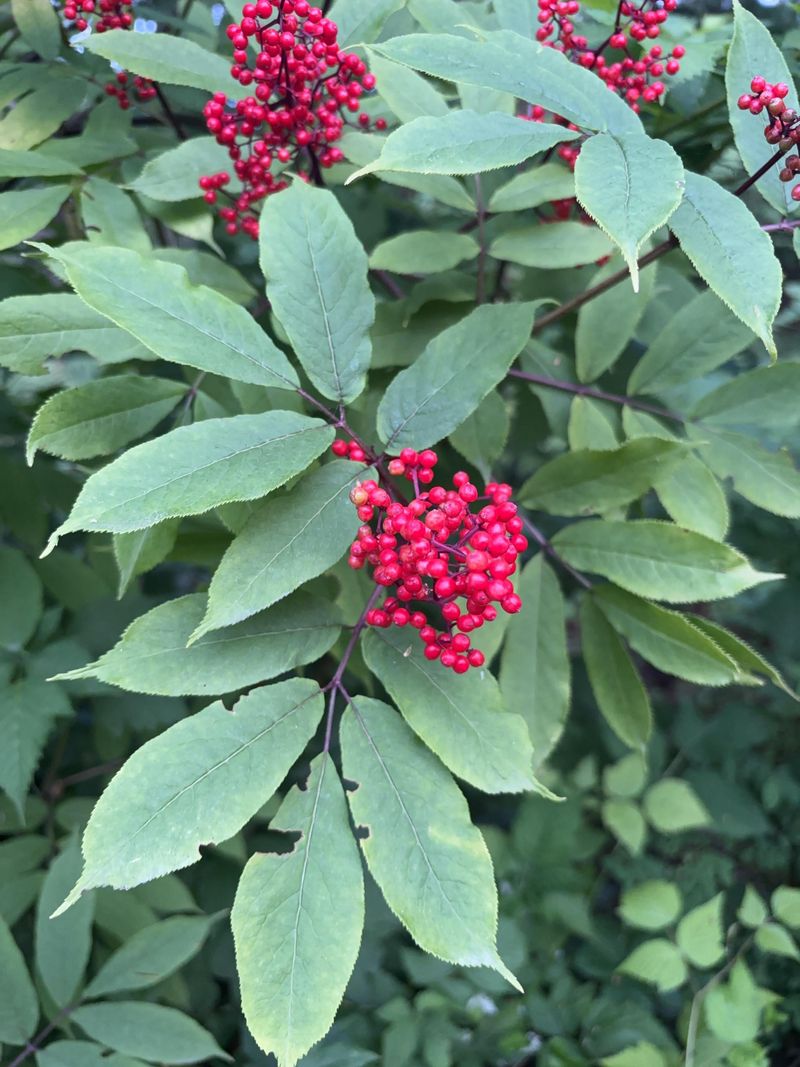
Speed matters when you are trying to keep blackberry from returning. Red elderberry is one of the fastest-growing native shrubs in the region.
It can put on several feet of growth in a single season under good conditions, which helps it claim space before weeds can move back in.
It thrives in moist soils, making it an excellent choice for low areas, stream banks, and spots that stay wet in winter.
Those are exactly the kinds of spots where Himalayan blackberry tends to get a strong foothold.
Planting red elderberry there gives you a native that actually enjoys those conditions.
The shrub grows tall quickly, often reaching ten to fifteen feet at maturity. That height creates a layered canopy that blocks light from reaching the ground.
Less light at the soil surface means fewer opportunities for blackberry seeds to germinate and take hold.
Red elderberry produces clusters of bright red berries in early Oregon summer. More than a hundred species of birds are known to eat elderberries across North America. Planting it adds real wildlife value to your yard or restoration area.
Plant red elderberry in groups for the best coverage effect. Three plants spaced six feet apart will merge into a solid shrubby mass within a few years.
Cut back any withered canes in late winter to keep the plant looking tidy and encourage new vigorous growth each spring.
2. Thimbleberry Fills Woodland Edges Fast
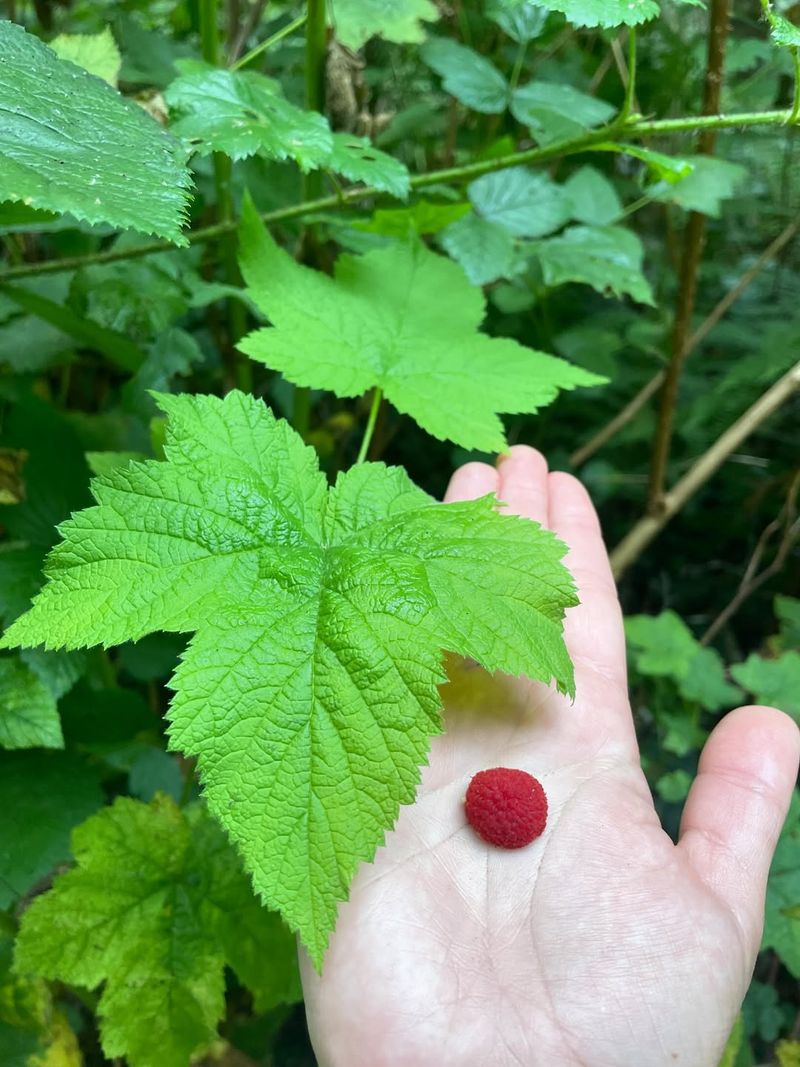
Few native shrubs move as quickly to fill open ground as thimbleberry. Right after blackberry removal, bare soil along woodland edges is extremely vulnerable.
Thimbleberry spreads through underground rhizomes, which means it naturally expands outward and covers ground without much help from you.
The large, soft leaves grow up to eight inches wide. That wide leaf canopy shades the soil beneath it, which makes it hard for blackberry seedlings to get the sunlight they need to sprout.
Shade is one of the most effective tools in your weed-prevention toolbox.
Thimbleberry grows in partial to full shade, which makes it ideal for spots under tree canopies or along north-facing slopes.
It handles the wet winters and dry summers that are common across much of Oregon. Once established, it needs almost no extra watering or maintenance.
Your Oregon Garden Changes Every Week. Your Plan Should Too.
Gardening in Oregon changes quickly throughout the season. Every Friday you’ll receive a simple weekly plan showing exactly what to plant, prune, fertilize, harvest, and protect so you never miss the right timing.
The plant produces small red berries in summer that wildlife absolutely love. Birds and small mammals feed on them regularly.
That makes thimbleberry a smart choice not just for weed control but also for supporting the local food web.
Planting thimbleberry in clusters of three to five gives it a head start. Space plants about three feet apart so they can spread and fill in naturally.
Within two to three growing seasons, you should have dense coverage that blackberry will struggle to penetrate.
3. Pacific Crabapple Works In Wet Rough Edges
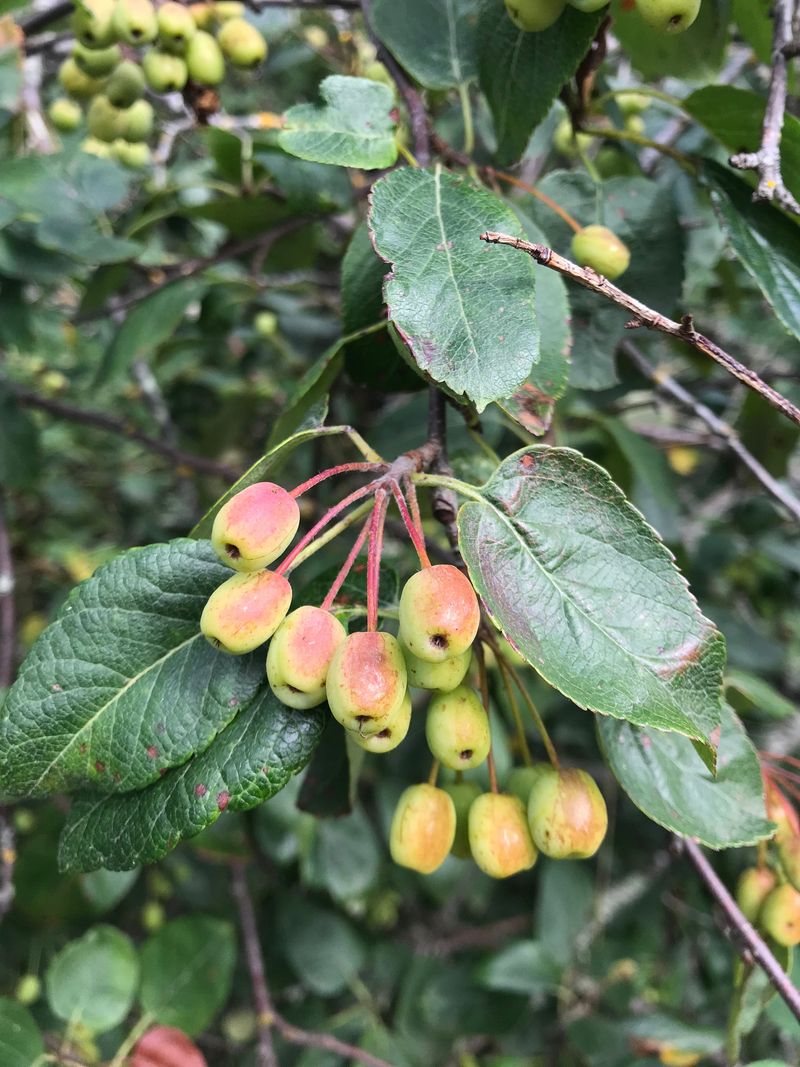
Wet, rough edges are some of the hardest spots to manage after blackberry removal. Standing water, poor drainage, and compacted soil make it tough for most plants to survive.
Pacific crabapple was practically built for those exact conditions.
Native to the western side of the Cascades, this small tree naturally grows along stream banks, pond edges, and seasonally flooded areas. Its root system is tough and adaptable.
Once established, it holds soil in place and stabilizes ground that would otherwise erode or become a blackberry breeding ground again.
Pacific crabapple grows slowly compared to some shrubs, but its structure is worth the wait.
The dense branching pattern creates a physical barrier that makes it difficult for blackberry canes to push through.
Over time, it forms a low canopy that shades out most competing vegetation beneath it.
In spring, the tree blooms with clusters of white to pink flowers that attract native bees and other pollinators.
The small yellow-green fruits that follow are eaten by cedar waxwings, robins, and other birds throughout fall and winter.
That wildlife activity adds life and movement to what was once a tangled blackberry mess.
Plant Pacific crabapple as an anchor species in your restoration plan. Pair it with lower-growing natives like tufted hairgrass or sword fern underneath.
That layered planting approach covers both ground level and mid-story, leaving almost no open soil for blackberry to exploit.
4. Clustered Wild Rose Makes A Better Barrier
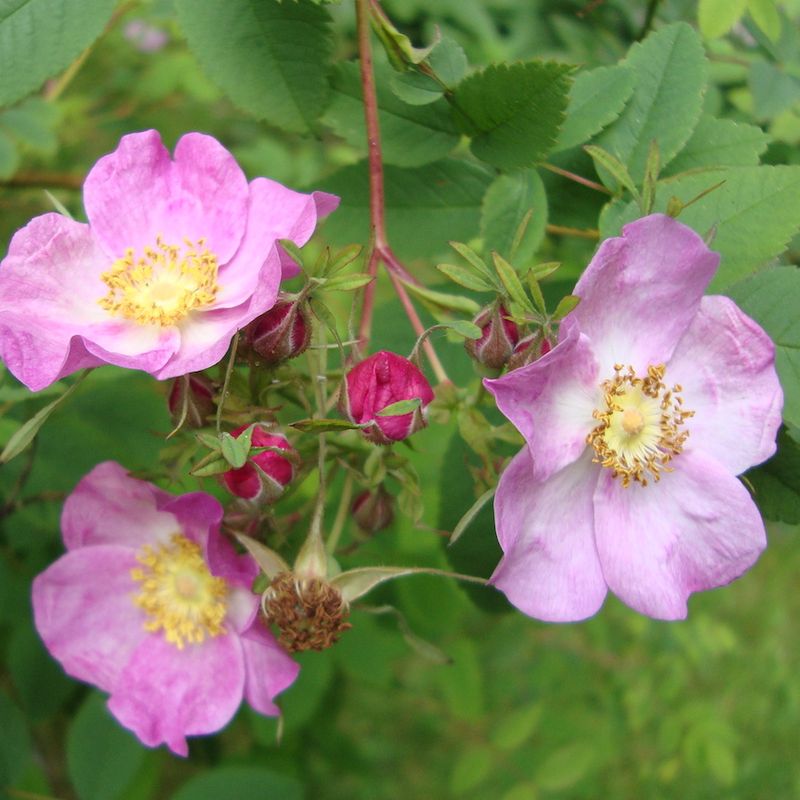
If you want a plant that fights back, clustered wild rose is worth serious consideration. Its thorny canes form a dense, tangled mass that creates a physical barrier far more manageable than Himalayan blackberry.
The key difference is that this rose belongs here and supports the ecosystem instead of smothering it.
Clustered wild rose grows naturally in open areas, meadow edges, and along roadsides across Oregon. It handles full sun to partial shade and tolerates a wide range of soil types.
That flexibility makes it useful in many of the same spots where blackberry tends to take over.
The shrub spreads through both seeds and underground runners. That spreading habit is exactly what you want when trying to cover ground fast after blackberry removal.
Dense rose thickets leave almost no bare soil exposed, which cuts off the light and space that blackberry needs to re-establish itself.
Pink flowers appear in late spring and early summer. They are a magnet for native bees, especially bumble bees and sweat bees.
After the flowers fade, bright red rose hips form and persist into winter, providing food for birds during the cold months when other food sources are scarce.
Plant clustered wild rose along fence lines, property edges, or anywhere you need a natural barrier. Space plants three to four feet apart and let them naturalize.
Within a few years, you will have a blooming, wildlife-friendly hedge that keeps blackberry from ever getting a foothold again.
5. Tufted Hairgrass Covers Moist Open Soil
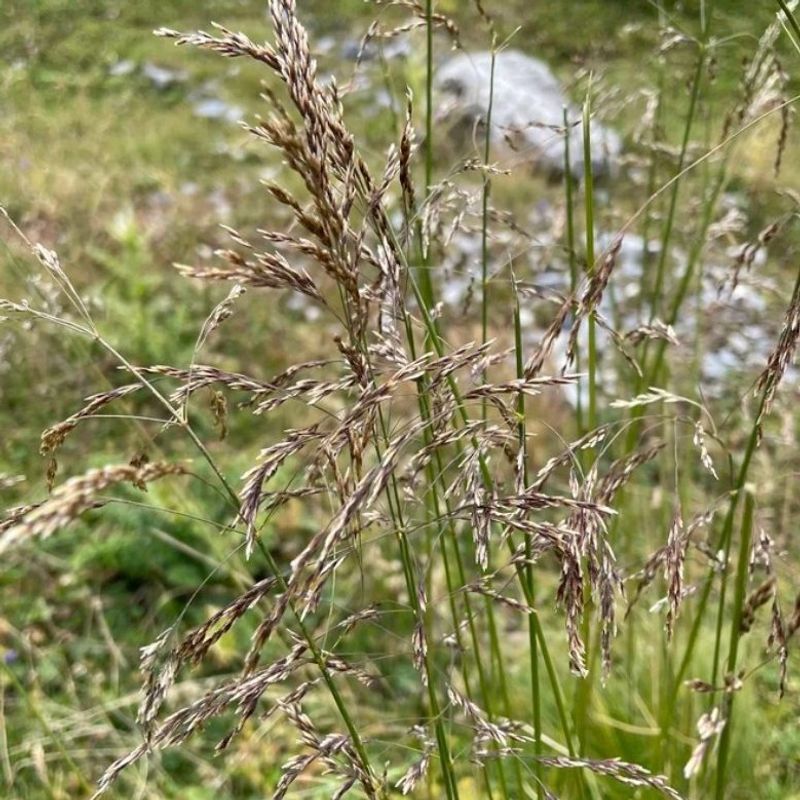
Open, moist soil is an invitation for blackberry to return. One of the most effective ways to shut that door is to cover the ground quickly with a dense, low-growing native grass.
Tufted hairgrass does exactly that, and it does it well in the wet conditions that are common across much of this region.
Growing in tight clumps, tufted hairgrass creates a thick mat of fine blades that covers soil effectively. Each clump can spread to about two feet wide over time.
Plant enough of them close together and you end up with continuous ground coverage that blocks light from reaching the soil surface below.
This grass thrives in wet meadows, stream edges, and low-lying areas that stay soggy through winter and spring. It handles seasonal flooding without complaint.
Those are exactly the conditions where blackberry is most likely to sneak back in after removal, so tufted hairgrass fills a critical niche.
The delicate seed heads that emerge in summer add subtle visual interest to the planting. They sway in the breeze and catch morning light in a way that makes even a formerly weedy area feel intentional and well-designed.
Songbirds also visit the seed heads for food in late summer and fall.
For best results, plant tufted hairgrass in masses rather than as individual specimens. Space clumps about eighteen inches apart.
Combine it with other moisture-loving natives like Douglas aster or red elderberry to create a layered, multi-species planting that is much harder for blackberry to break through.
6. Sword Fern Holds Shady Ground
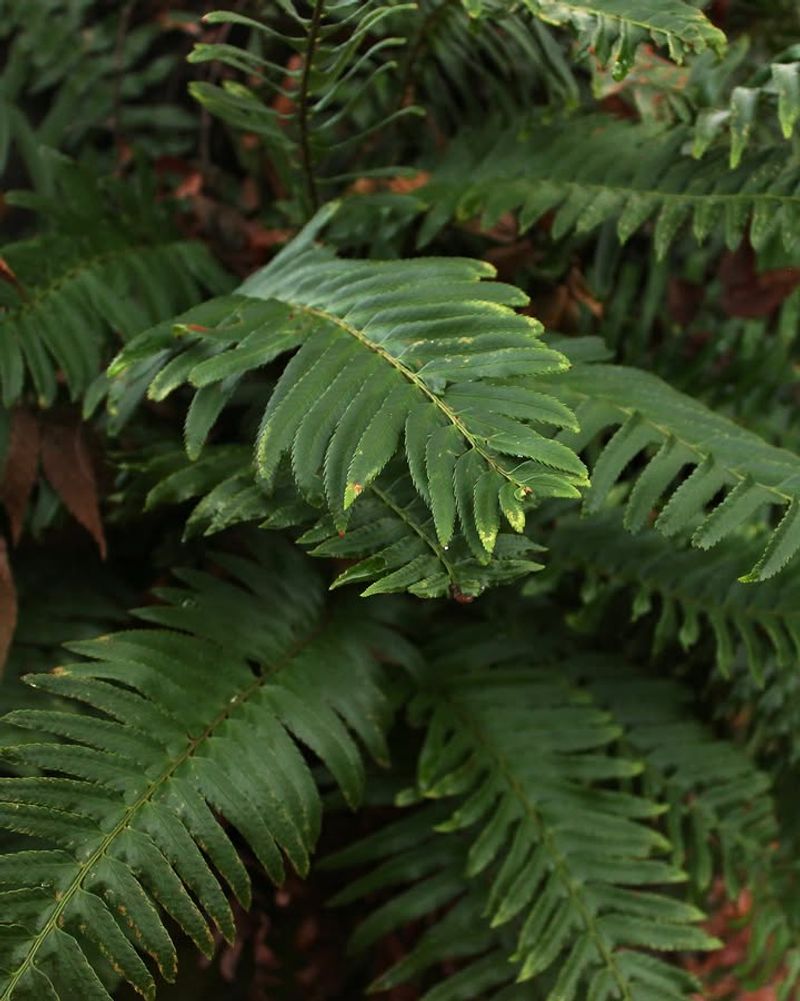
Walk through almost any native forest in this state and you will find sword fern growing beneath the trees. It is one of the most reliable and recognizable plants in the Pacific Northwest.
After removing blackberry from a shady spot, sword fern is often the single best plant you can put in its place.
The fronds grow in a circular pattern from a central crown, spreading outward and downward to cover a wide area. A mature clump can reach four feet tall and just as wide.
That spread creates dense shade at ground level, which is highly effective at preventing blackberry seedlings from getting established beneath it.
Sword fern is evergreen, which gives it a year-round advantage. Even in Oregon winter when many plants go dormant, sword fern keeps its fronds and continues to block light from reaching the soil.
Blackberry tends to germinate and establish in late winter, so having year-round coverage is a significant advantage.
It grows in full to partial shade and prefers moist, well-drained soil. It also tolerates dry shade once established, which makes it useful under large conifers where few other plants survive.
That adaptability puts it on the short list for almost any shady restoration project in this region.
Plant sword fern in groups of five or more for the fastest ground coverage. Space plants about two feet apart.
They will slowly expand over the years and eventually merge into a continuous carpet of green that looks beautiful and keeps problem plants out for good.
7. Douglas Aster Fills Sunny Gaps
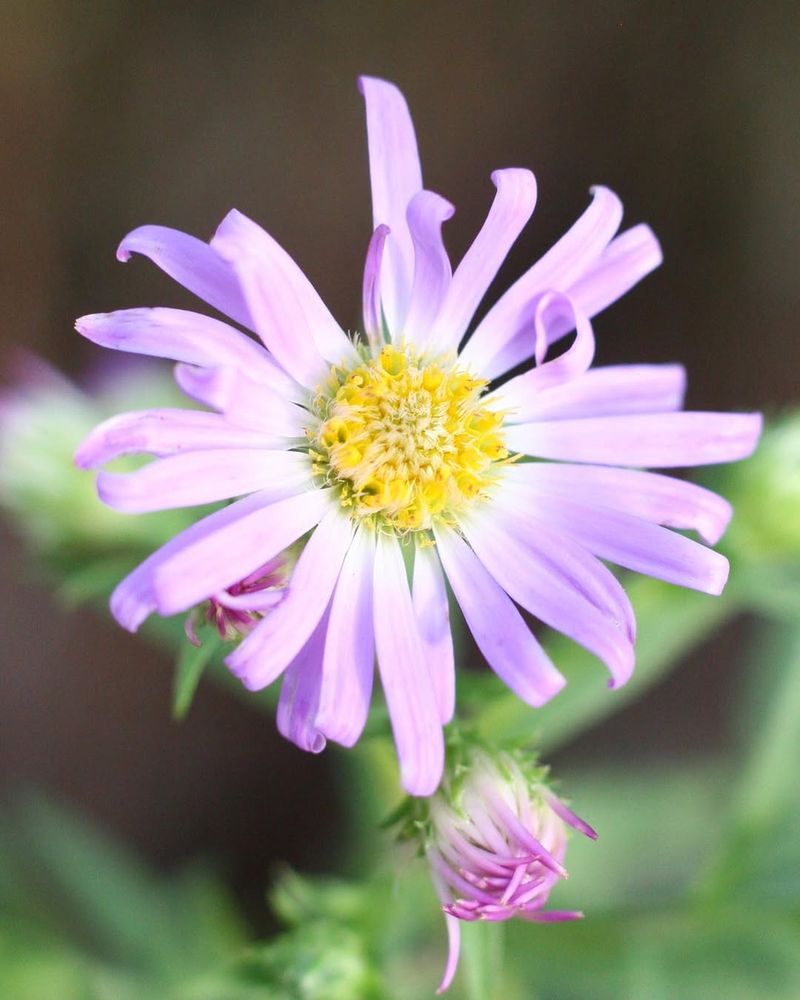
Sunny gaps left behind after blackberry removal can be tricky. The open ground heats up fast, dries out quickly, and gets hit with full sun all day.
Many plants struggle in those conditions, but Douglas aster handles them without breaking a sweat.
Native to open meadows, roadsides, and disturbed areas across the Pacific Northwest, this cheerful wildflower is built for tough spots.
It spreads through both seeds and underground rhizomes, which means it fills space from multiple directions at once.
That spreading habit makes it a strong competitor against returning weeds.
Douglas aster blooms from late summer into fall, which is later than most native wildflowers. That timing makes it extremely valuable for pollinators.
Bees, butterflies, and other insects are actively searching for food in late season, and the aster’s purple flowers give them exactly what they need.
The plant grows to about two to three feet tall and spreads steadily over time. In a sunny gap, a small planting of Douglas aster can expand into a dense colony within just a couple of growing seasons.
That density is what prevents blackberry from finding the bare soil it needs to sprout.
Pair Douglas aster with tufted hairgrass or clustered wild rose for a diverse sunny planting that covers both the ground layer and the mid-story. Minimal watering is needed once plants are established.
Cutting plants back in early spring encourages fresh new growth and keeps the planting looking full and tidy each season.
8. Oregon Grape Shades Bare Soil Fast
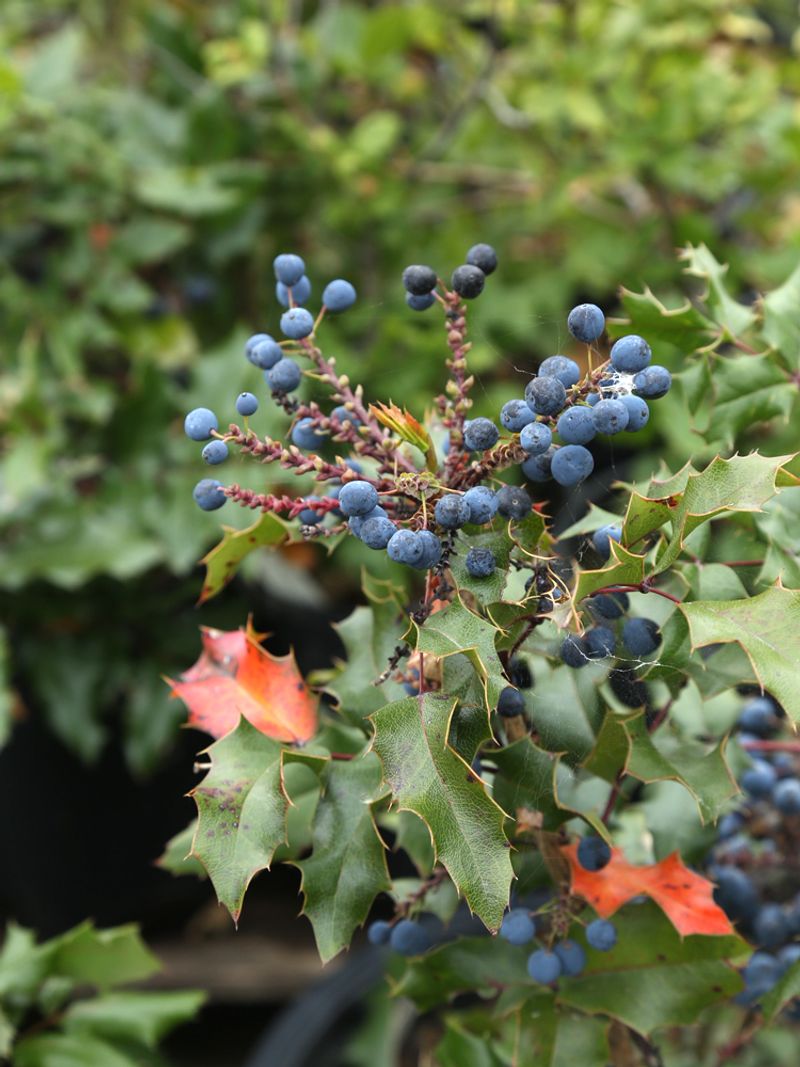
Bold, spiky, and surprisingly tough, Oregon grape has been thriving in this region long before anyone thought about invasive species management. It is the state flower, and for good reason.
Few native plants are as reliable, as low-maintenance, or as effective at holding ground against weeds.
The plant spreads through underground rhizomes and slowly expands outward from its original planting spot. Over time, a single plant becomes a colony that covers significant ground.
That colony creates a dense, evergreen layer that shades bare soil and makes it nearly impossible for blackberry seedlings to find the light they need.
Oregon grape grows in shade to partial sun, which makes it useful in a wide range of settings.
It handles dry conditions under conifers, moist edges near streams, and everything in between.
That adaptability is rare among native shrubs and makes it one of the most versatile tools in a restoration planting plan.
Bright yellow flowers appear in early spring, often before most other plants have even started to wake up. Native bees rely on those early blooms as a first food source after winter.
The blue-purple berries that follow are eaten by birds and were historically used by Indigenous communities across the region.
Plant Oregon grape in groups of three or more for faster coverage. Space plants about three feet apart in shade or four feet apart in sunnier spots.
Low-growing varieties like creeping Oregon grape work especially well as ground cover under taller shrubs and trees in a layered native planting design.