This Overlooked Illinois Porch Plant Helps Keep Mosquitoes And Ticks Away
Gnats become active on your porch as the sun starts dropping. Nobody warns you how persistent they get by midsummer.
Illinois evenings turn intense once these pests swarm in. Screens struggle against clouds this thick and persistent. Sprays leave your skin sticky and your air heavy.
Candles flicker out just when you need them most. Something quieter and stronger hides in an old garden favorite. Gardeners across Illinois still swear by this forgotten secret.
Its leaves release a scent gnats genuinely cannot tolerate. Rubbing them releases fragrance strong enough to repel bugs instantly. Placed near your chair, it becomes a living shield.
Texture, fragrance, and function all collide in a single pot. Few homeowners realize how powerful this secret truly is.
Your porch deserves better than constant swatting and frustration. Confidence grows fast once you see this secret working. You will never look at your porch the same way.
How One Overlooked Shrub Keeps Pesky Insects At Bay
Picture stepping outside on a humid Illinois evening without slapping a single mosquito. That dream is closer to reality than you think, thanks to American Beautyberry.
This native shrub, known scientifically as Callicarpa americana, has been quietly doing pest-control work for generations. Native Americans crushed its leaves and rubbed them on their skin to ward off biting insects.
Modern science backed this up in a big way. Researchers at the U.S. Department of Agriculture confirmed that compounds in the leaves actively repel mosquitoes and ticks.
The plant works without sprays, chemicals, or batteries. Just having it nearby creates a natural buffer that bugs tend to avoid.
Beautyberry grows well across much of the eastern United States, and Illinois falls right in its comfort zone. It thrives in backyards, along fences, and especially on covered porches with partial shade.
What makes it so overlooked is its appearance before berries arrive. In spring and early summer, it looks like a plain green shrub.
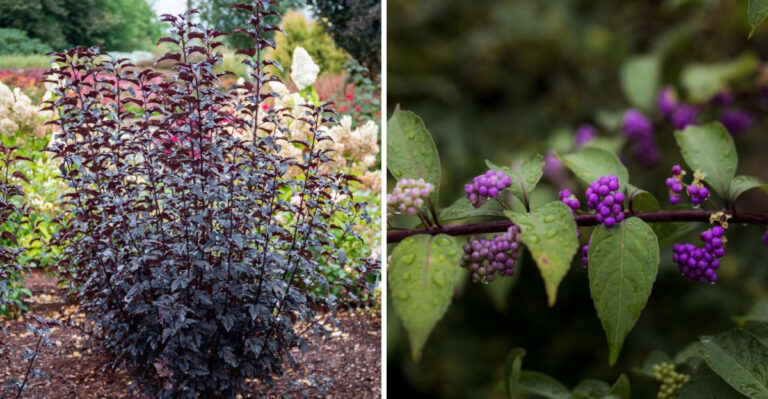
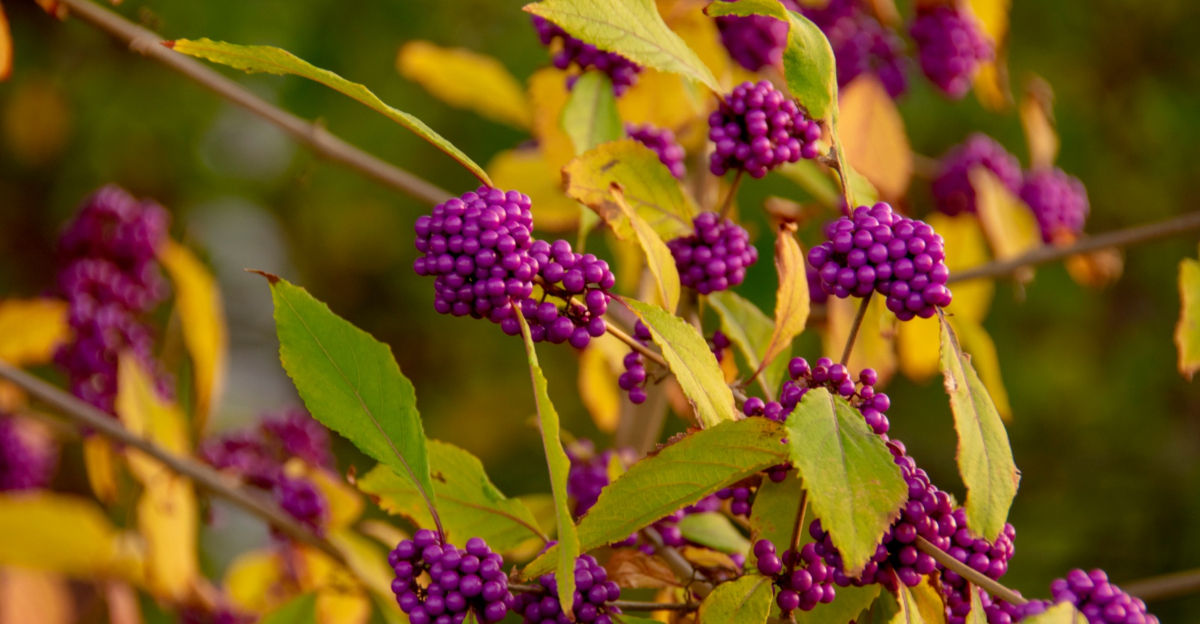
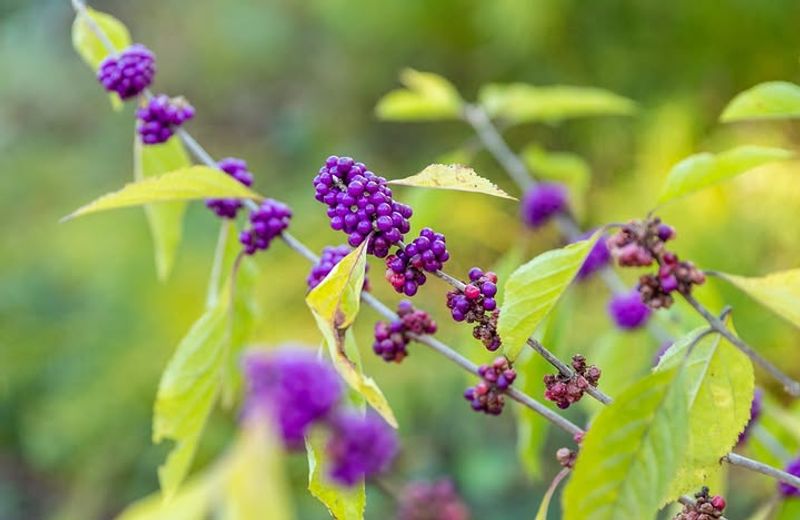
Then fall arrives, and it fills with striking clusters of bright purple berries. By that point, it has already been doing its pest-repelling job all season long. The real magic lives in the leaves, not the berries.
Gardeners who plant Beautyberry near seating areas often report noticeably fewer bug problems. You get beauty and bug control wrapped in one low-maintenance package.
This mosquito and tick-fighting shrub deserves a permanent spot on every Illinois porch this season.
The Science Behind Its Natural Repellent Power
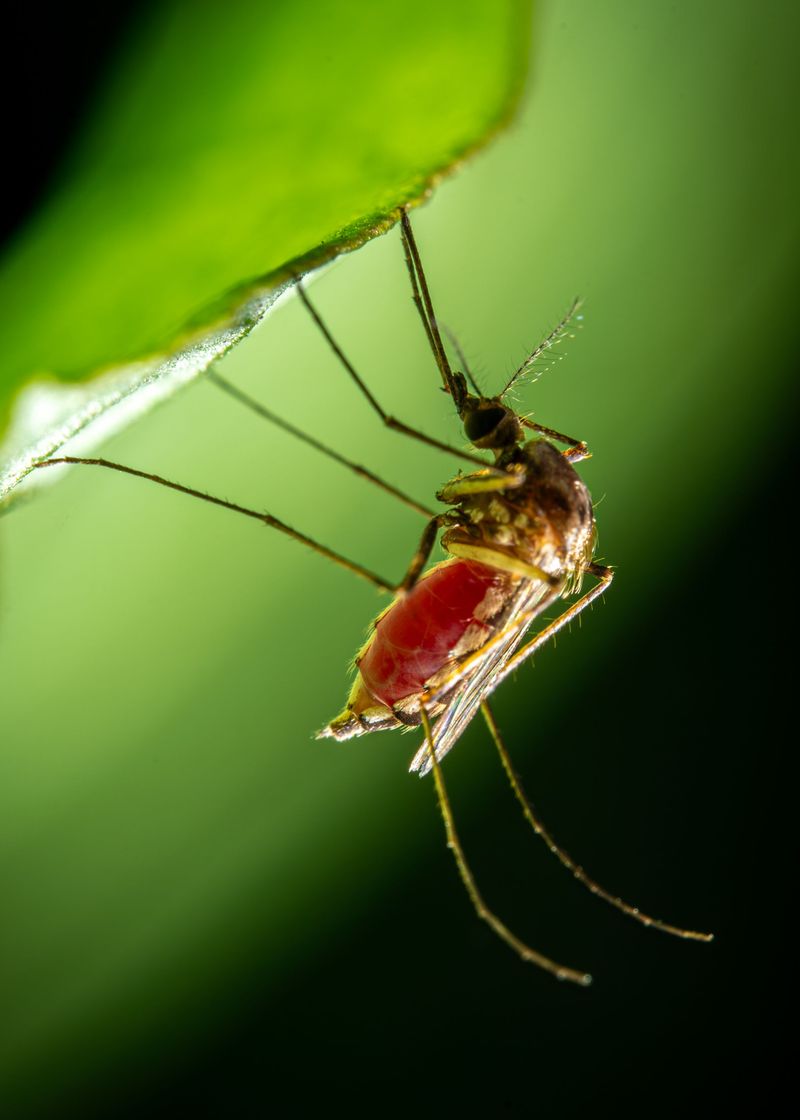
Science rarely confirms old folk wisdom this clearly. But with American Beautyberry, the evidence is well documented and worth taking seriously.
Researchers at the USDA Agricultural Research Service studied the plant’s compounds in the early 2000s.
They found that callicarpenal and intermedeol, two natural chemicals in the leaves, showed repellent effects comparable to DEET at certain concentrations in controlled lab tests.
That is a notable finding for a backyard shrub. DEET remains the most widely used commercial repellent, and Beautyberry showed measurable natural repellency in comparison.
Ticks are also affected by these same leaf compounds. Studies showed significant repellent activity against the lone star tick, which has become increasingly common in parts of Illinois.
Your Illinois Garden Changes Every Week. Your Plan Should Too.
Gardening in Illinois changes quickly throughout the season. Every Friday you’ll receive a simple weekly plan showing exactly what to plant, prune, fertilize, harvest, and protect so you never miss the right timing.
The plant does not need to be processed or turned into a spray to work. Simply brushing against the leaves releases enough of the oils to create a deterrent effect on nearby insects.
Planting Beautyberry close to where you sit, eat, or relax amplifies this effect. The more leaves present in the area, the stronger the natural chemical barrier becomes around your space.
Some homeowners go a step further and lightly crush a few fresh leaves. Rubbing them on exposed skin gives a short-term personal repellent boost during peak mosquito hours.
The oils are not harmful to most people, but a quick skin patch test is always a smart move before applying. Knowing the science makes it easier to trust what this plant can genuinely do for your outdoor comfort.
Growing American Beautyberry In Illinois Conditions
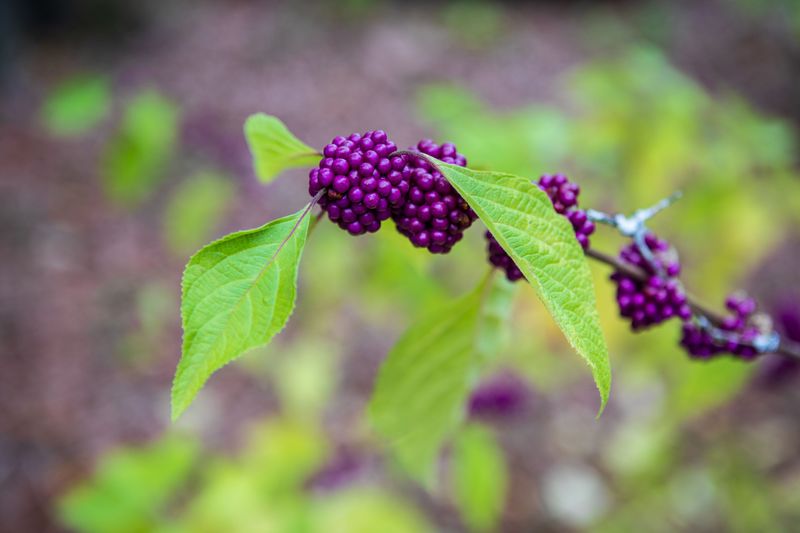
Growing Beautyberry in Illinois is surprisingly straightforward, even for beginners. This shrub is native to the eastern U.S. and adapted to conditions that the Midwest delivers every year.
It prefers partial shade but handles full sun reasonably well when watered properly. In Illinois, a spot that gets morning sun and afternoon shade tends to produce the healthiest plants.
The shrub is not picky about soil, which is one of its best qualities. It grows in clay-heavy ground, sandy patches, and average garden beds without much fuss.
Planting in spring gives roots time to establish before summer heat arrives. Water consistently during the first season, then back off once the plant shows strong new growth.
Beautyberry grows fast. Many plants can reach three to five feet tall within two seasons, giving you meaningful coverage relatively quickly.
Illinois winters can be harsh, and this shrub is reliably hardy only to USDA zone 6. Southern and central Illinois generally fall within that range, but gardeners in the northern part of the state may see branch loss or need extra winter protection.
Some gardeners cut the plant back hard in late winter. Beautyberry blooms on new wood, so a hard prune actually encourages more berries and denser growth each season.
Starting from a nursery-grown container plant is the easiest route. Seeds and cuttings work too, but they take longer to establish and require more patience from the grower.
Once rooted and settled, this shrub rewards you with minimal effort and maximum visual and practical payoff all season long.
Best Placement For Maximum Porch Protection
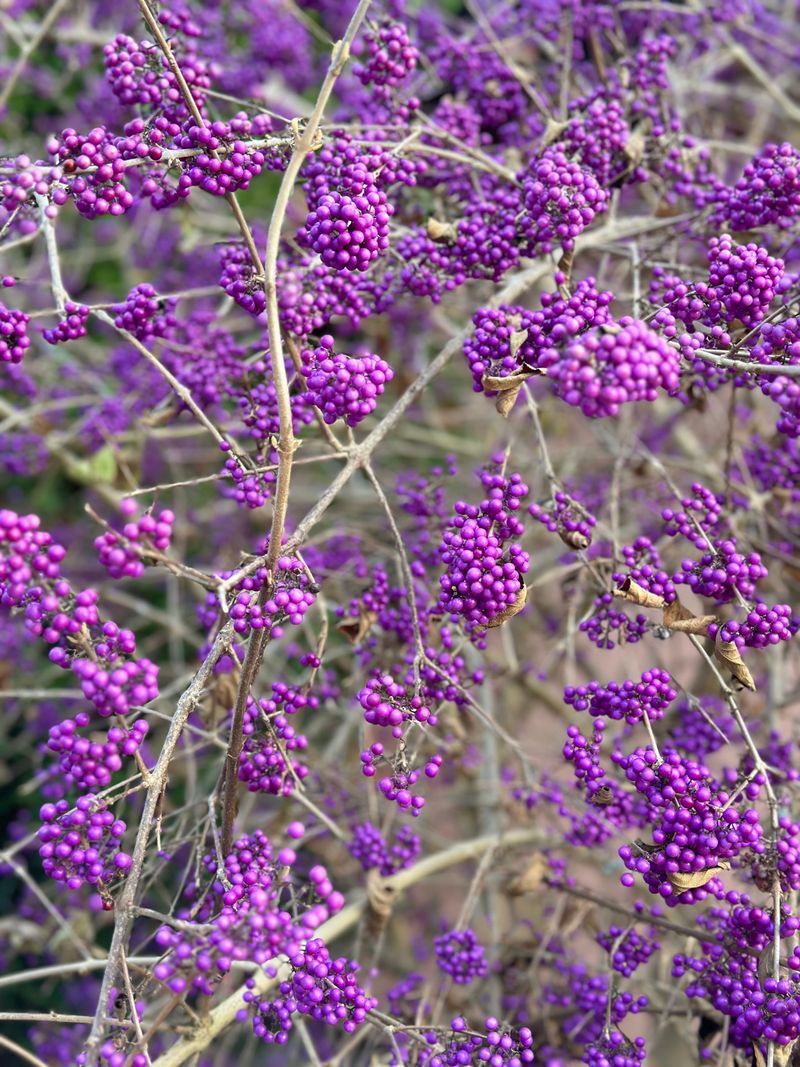
Placement matters more than most gardeners realize when using plants as pest deterrents. Putting Beautyberry in the right spots multiplies its effectiveness dramatically.
The goal is to create a perimeter of leaf activity around your outdoor living area. Think of it like setting up a natural fence that bugs prefer to avoid crossing.
Flanking both sides of porch steps is one of the most effective strategies. Mosquitoes and ticks tend to follow pathways, so blocking entry points with repellent foliage makes a real difference.
Placing shrubs within three to five feet of seating areas keeps the leaf oils in close proximity to where people spend time. Closer is generally better for creating that invisible bug barrier.
Container planting works beautifully for porches with limited ground space. A large pot with a Beautyberry shrub can be moved around to wherever protection is needed most on any given day.
Avoid tucking the plant too far into a corner where airflow is poor. Good air circulation allows the natural compounds to drift gently through your seating area rather than staying trapped near the leaves.
Pairing Beautyberry with other repellent plants like lemon balm or catnip creates layered protection. Multiple plant species working together cover a broader range of insect deterrents without chemical overlap.
Taller shrubs positioned on the windward side of your porch push the natural oils toward your space. A little wind-awareness when planting goes a long way toward making your porch a genuinely bug-resistant retreat.
Caring For Beautyberry Through Illinois Seasons
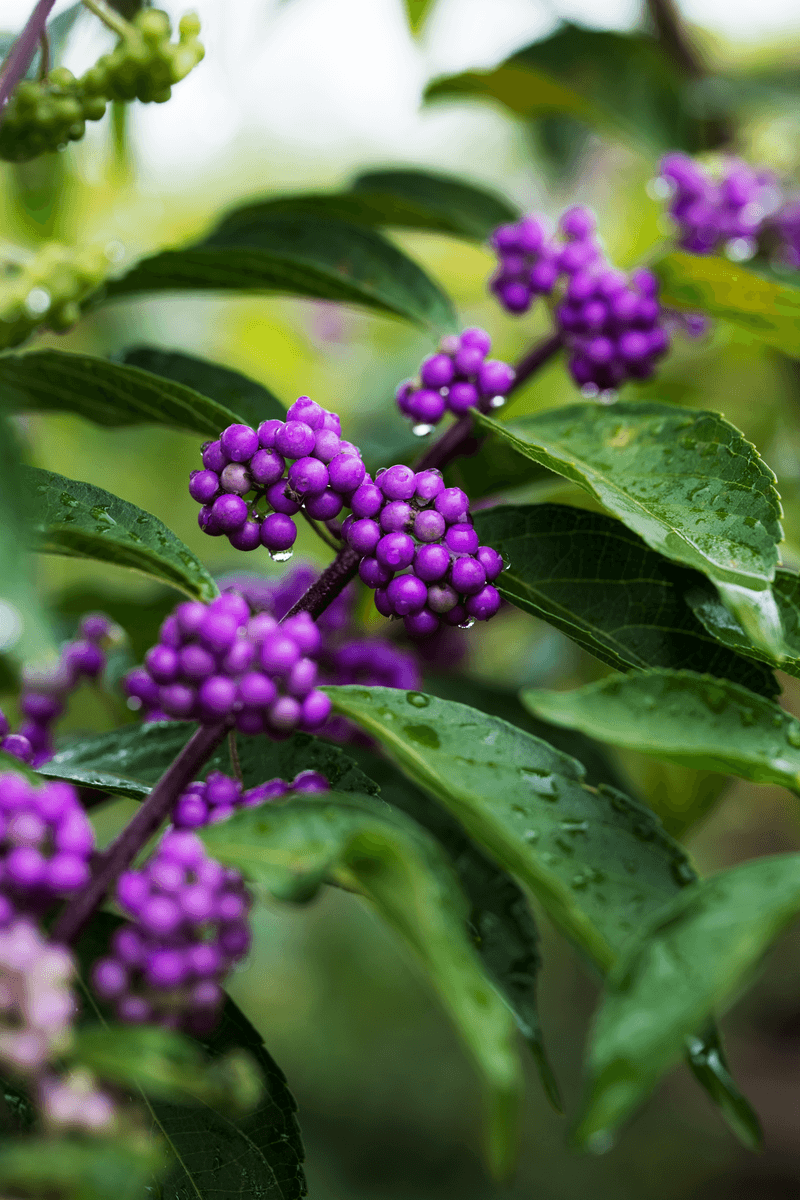
Caring for Beautyberry across four distinct Illinois seasons is easier than caring for most ornamental shrubs. Once established, this plant practically manages itself through the year.
Spring is the season for pruning and feeding. Cut stems back to about twelve inches from the ground in late March, just before new growth begins pushing through.
This hard prune sounds severe, but the shrub responds with vigorous new shoots. Those fresh stems are what carry the heaviest berry clusters and the most potent leaf oils by late summer.
A light application of balanced slow-release fertilizer in April supports strong seasonal growth. Avoid over-fertilizing with nitrogen, which pushes leafy growth at the expense of berries and blooms.
Summer care is mostly about watering during dry spells. Illinois summers can swing between wet and dry quickly, so check soil moisture at the root zone every few days in July and August.
Mulching around the base helps retain moisture and keeps soil temperatures stable. A two-to-three inch layer of wood chips or shredded bark does the job well without smothering the roots.
Fall brings those stunning purple berry clusters that make the shrub famous. Resist the urge to trim or prune in autumn, since berries feed migrating birds through late October and November.
Winter requires almost nothing from you. The shrub goes dormant, drops its leaves, and waits patiently for spring to arrive and start the whole rewarding cycle again.
Other Benefits Beyond Pest Control
Bug repelling is just the opening act for this remarkable shrub. American Beautyberry brings a whole list of additional benefits that make it worth every inch of porch or garden space.
Wildlife absolutely loves it. Numerous bird species feed on the berries during fall migration, including mockingbirds, robins, and brown thrashers passing through Illinois.
White-tailed deer browse the leaves occasionally, but the plant recovers quickly from light grazing. Pollinators like bees and butterflies visit the small pink flowers that appear in early summer before berries form.
The visual impact alone is worth planting it. Those vividly colored berry clusters stand out in a typical Midwest garden, and they often draw compliments from neighbors passing by.
Beautyberry also supports local ecosystems as a native species. Planting native shrubs helps restore habitat that suburban development has steadily reduced across the state over the past century.
Some foragers collect the berries to make jelly. Beautyberry jelly is often described as having a mild, unique flavor that pairs well with toast or cheese, and recipes for it are easy to find online.
The plant also has a long history in folk medicine. Leaves were reportedly used in traditional remedies for ailments such as rheumatism and fever, though modern use focuses more on its repellent and ornamental qualities.
Every mosquito and tick-free evening you spend on your porch is one more reason to appreciate what this overlooked Illinois plant quietly delivers all season long.