Why North Carolina Blueberries Grow Leaves But Fewer Berries Every Year
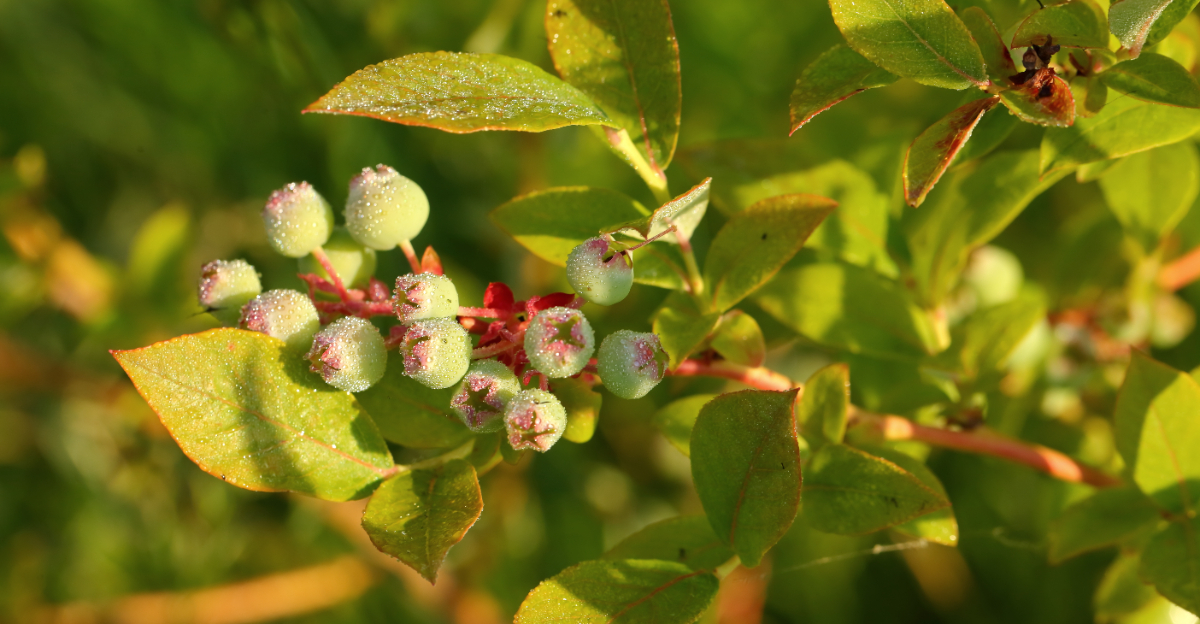
A blueberry bush that stays green and leafy while producing progressively less fruit is one of the more quietly frustrating trajectories in a North Carolina garden.
The plant looks alive and technically healthy by any casual visual assessment, which makes the declining harvest easy to attribute to bad luck or weather rather than something specific and fixable.
Vegetative growth and fruit production are competing priorities for a blueberry bush, and when the balance tips consistently toward leaves at the expense of berries, specific and identifiable conditions are driving that imbalance.
Soil chemistry, pruning history, and age structure within the bush are almost always involved, and addressing the right factor produces a measurable improvement in fruit set within a single season of making the correction.
1. The Soil Acidity Is Not Blueberry Friendly
Blueberries are picky about their soil in a way most garden plants simply are not. While tomatoes and peppers can handle a wide range of soil conditions, blueberries need things to be quite specific.
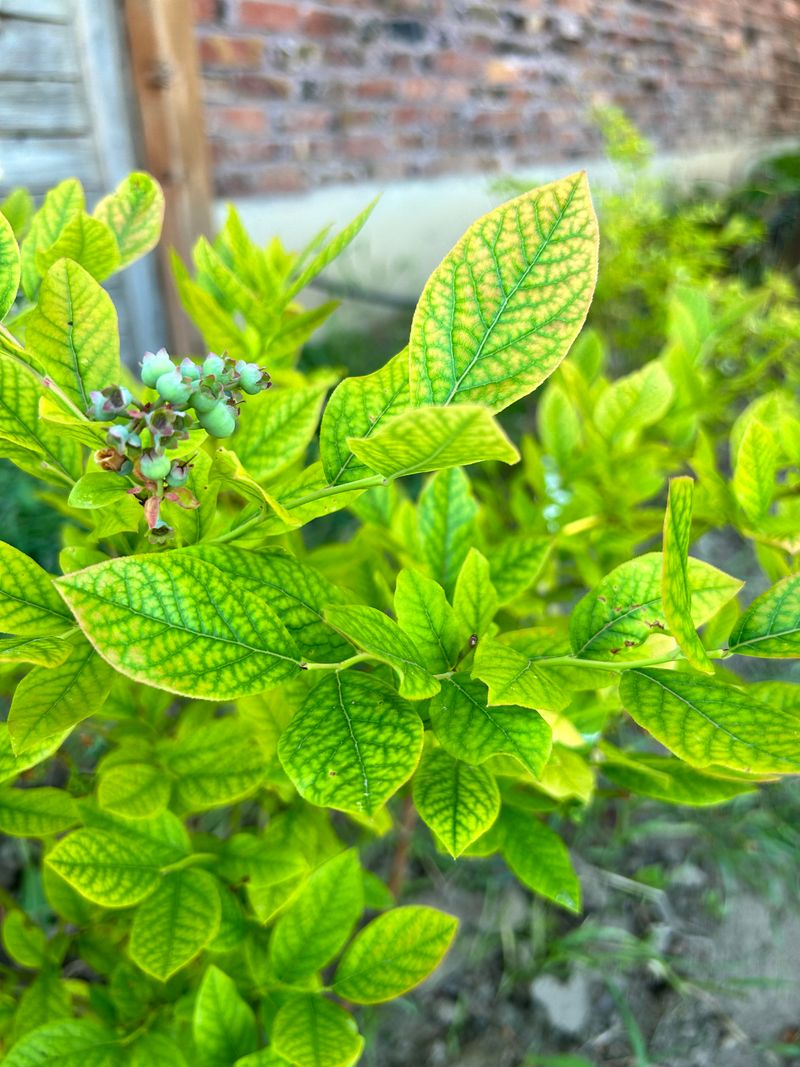
They thrive in acidic soil, and when that acidity is off, the whole plant suffers quietly while still looking perfectly green and leafy on the surface.
NC State recommends aiming for a soil pH around 4.8 for blueberries. Most North Carolina soils fall somewhere between 5.5 and 6.5, which sounds close but is actually far too high for blueberries to absorb nutrients properly.
When the pH is wrong, nutrients like iron and manganese become unavailable to the plant, even if those nutrients are sitting right there in the soil. The bush keeps growing leaves because it has just enough energy, but fruiting takes a backseat.
Sulfur is the most common fix, but adding it without testing first can easily make things worse. A soil test from your local cooperative extension office costs very little and takes the guesswork completely out of the equation.
Once you know your exact pH level, you can add the right amount of sulfur or acidifying fertilizer with confidence. Retesting every year or two keeps things on track and helps you catch any drift before it quietly costs you another season of berries.
2. The Bushes Are Getting Too Much Shade
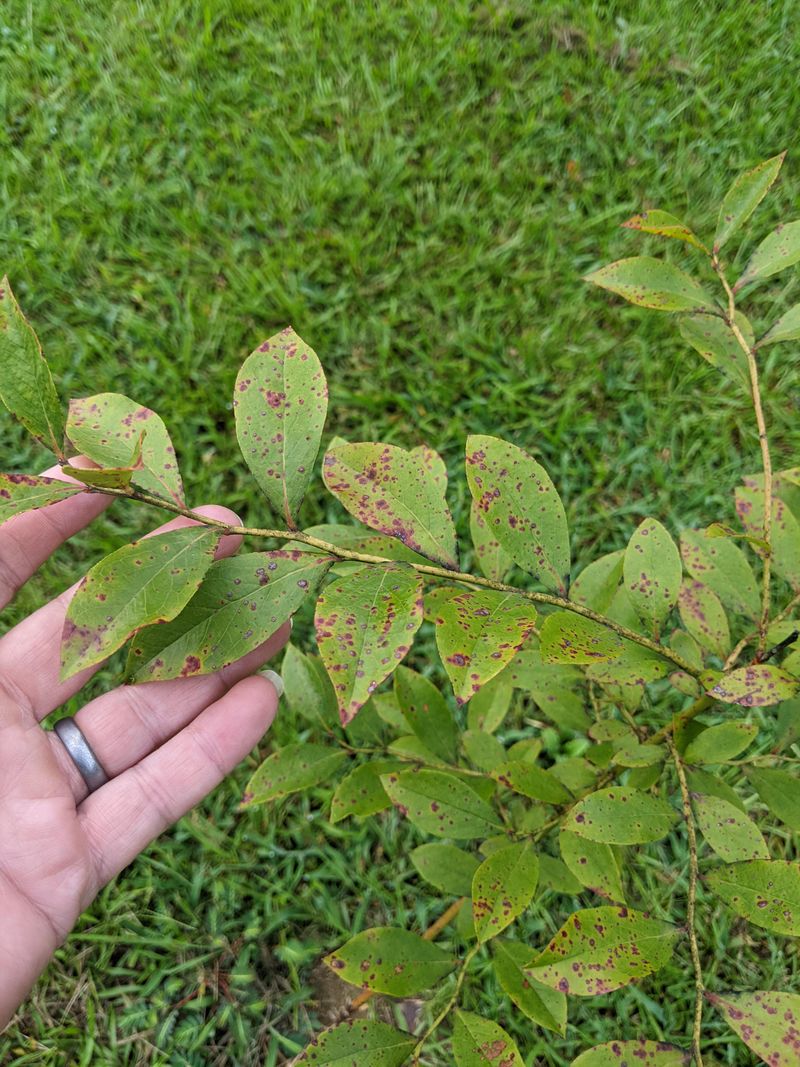
Sunlight is one of those things blueberries simply cannot compromise on. A blueberry bush can survive in partial shade and still look impressive with its full, shiny leaves.
But surviving and producing are two very different things, and shade is one of the sneakiest reasons why your harvest keeps shrinking year after year.
NC State makes it clear that as shade increases, blueberry yield goes down. Full sun, meaning at least six to eight hours of direct sunlight per day, gives blueberry plants the energy they need to form flower buds, set fruit, and ripen berries properly.
When that sunlight is blocked by nearby trees, fences, or buildings, the plant redirects its energy toward reaching for light instead of producing fruit. The result is a bush that looks lush and healthy but delivers a disappointing berry count come summer.
Trees that seemed far away when you first planted your bushes may have grown significantly over the years. Even a small increase in canopy coverage can reduce your harvest noticeably.
Your North Carolina Garden Changes Every Week. Your Plan Should Too.
Gardening in North Carolina changes quickly throughout the season. Every Friday you’ll receive a simple weekly plan showing exactly what to plant, prune, fertilize, harvest, and protect so you never miss the right timing.
Walk your garden on a sunny midday and pay attention to exactly how much direct light your blueberry plants are actually getting.
Trimming back nearby tree limbs or relocating younger plants to a sunnier spot can make a remarkable difference in your next growing season without any other changes at all.
3. Rabbiteye Blueberries Need A Pollination Partner
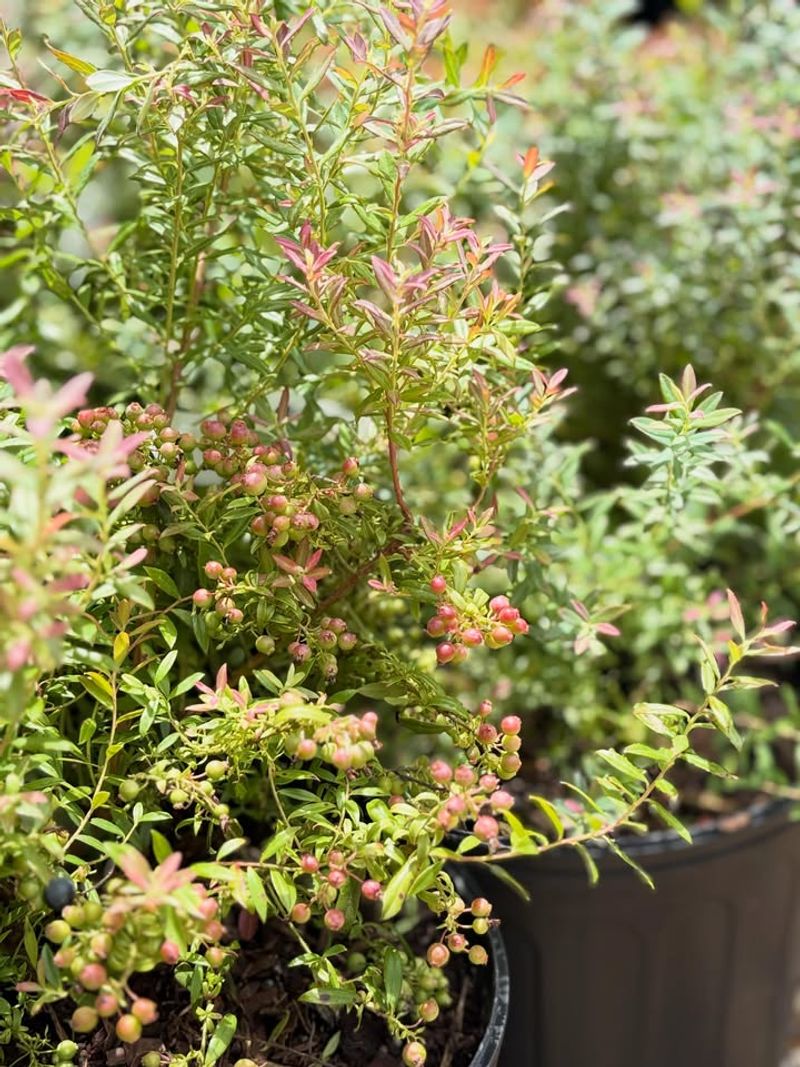
Planting a single rabbiteye blueberry bush and expecting a full harvest is a bit like throwing a party and forgetting to invite anyone. The bush may look perfectly happy, bloom right on schedule, and grow vigorously all season long.
But without a compatible partner nearby, berry production stays frustratingly low no matter how well you care for the plant.
NC State recommends planting more than one rabbiteye variety to allow cross-pollination, which significantly boosts fruit set and overall yield.
Rabbiteye blueberries are not fully self-pollinating, meaning they need pollen from a genetically different but compatible variety to produce their best crop.
Varieties like Tifblue, Brightwell, and Powderblue are popular choices in North Carolina, and pairing two or more of them can dramatically change your harvest numbers.
One important detail that many gardeners overlook is bloom timing. Simply planting two different varieties is not enough if one blooms early and the other blooms late.
The flowering periods need to overlap so that bees and other pollinators can carry pollen between the plants at the right moment. Check variety bloom charts from NC State or your local extension office before purchasing new plants.
Getting this detail right from the start saves a lot of frustration and ensures your rabbiteye blueberries actually deliver the harvest you have been working toward all season long.
4. The Variety May Not Fit The Region
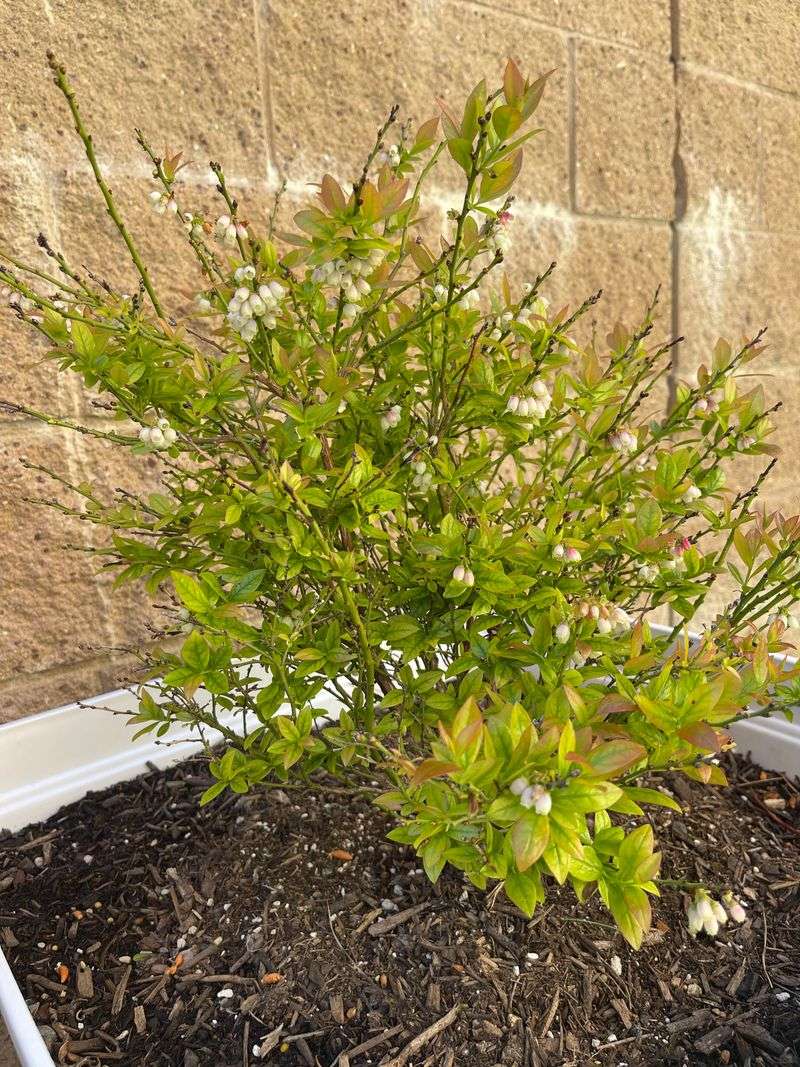
Not every blueberry variety is built for every corner of North Carolina. The state spans a wide range of climates and elevations, from the warm coastal plain to the cool mountain ridges.
Choosing the wrong variety for your specific region is one of the most common reasons gardeners end up with beautiful bushes that produce very little fruit.
Rabbiteye blueberries are generally the best choice for most of North Carolina below about 2,500 feet in elevation.
They handle summer heat well, tolerate a range of soil conditions better than most, and are well adapted to the Piedmont and coastal plain regions.
Highbush varieties, on the other hand, perform better in the mountains where cooler temperatures match their chilling hour requirements more naturally.
Every blueberry variety needs a certain number of hours below 45 degrees Fahrenheit during winter to break dormancy and fruit properly. This is called the chilling requirement.
A variety bred for northern climates may not get enough cold hours in the NC Piedmont, while a low-chill variety planted in the mountains may get far more cold than it needs.
Either situation leaves the plant looking healthy while flower bud development quietly suffers.
Your local cooperative extension office can tell you exactly which varieties perform best in your county, saving you years of guessing and seasons of disappointment.
5. Old Canes Are Crowding The Fruiting Wood
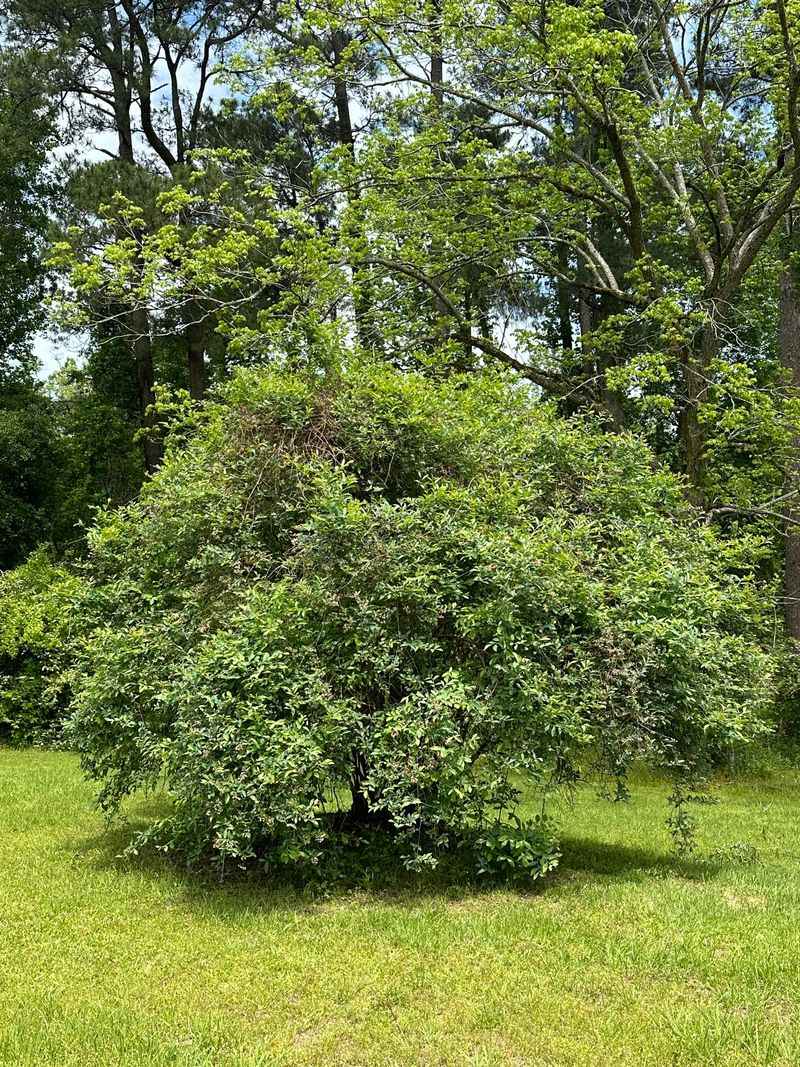
A blueberry bush that never gets pruned is a bush quietly working against itself. Year after year, old canes get thicker, woodier, and less productive.
They crowd out the younger shoots that actually carry the most fruit, and the whole plant ends up putting energy into maintaining old wood instead of growing new, berry-producing branches.
Mature blueberry bushes benefit greatly from dormant season pruning, which means getting in there during late winter before new growth begins.
The goal is to remove the oldest and least productive canes, usually the thickest gray ones near the base, to make room for younger canes that bloom more heavily and carry larger berries.
NC State also recommends controlling plant height and encouraging lower branching, which keeps the bush manageable and makes harvesting much easier.
A well-pruned blueberry bush might look a little bare right after the job is done, but that temporary openness is exactly what allows sunlight to reach all parts of the plant.
Better light penetration means better flower bud development and a more even ripening of berries throughout the bush.
Balancing new vegetative growth with fruiting shoots is the real art of blueberry pruning, and once you get comfortable with it, the difference in your harvest is noticeable almost immediately.
Starting with just a few cuts each winter builds healthy habits that pay off for years.
6. Too Much Fertilizer Is Pushing Leaves Instead Of Berries
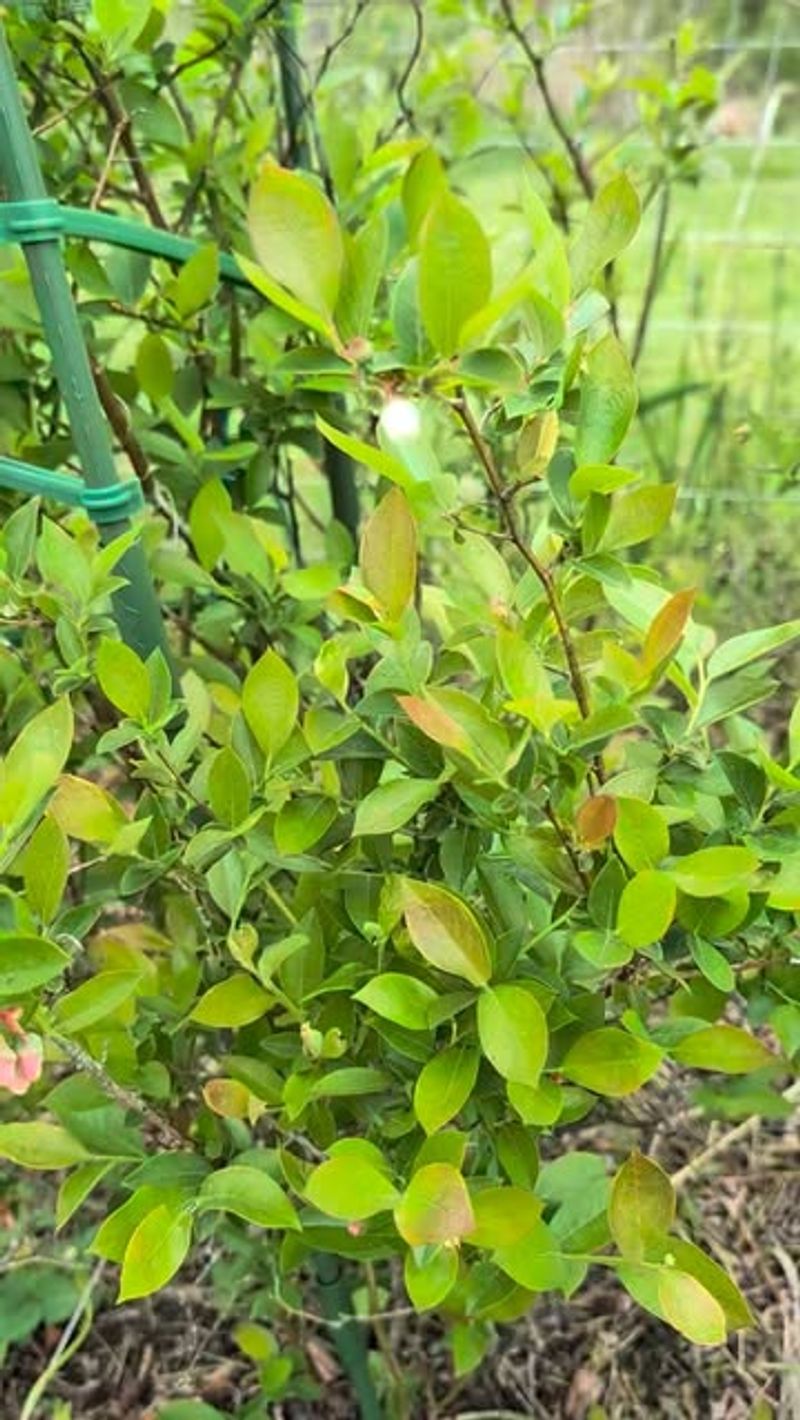
More fertilizer feels like more care, but with blueberries, that logic can backfire in a big way. These plants are genuinely sensitive to overfeeding, and too much of a good thing can push them hard in the wrong direction.
Instead of channeling energy into fruit, an overfed blueberry bush throws that energy straight into producing more and more leafy growth.
Nitrogen is the main culprit. It is the nutrient most responsible for green, leafy growth, and blueberries do not need nearly as much of it as other garden plants.
NC State notes that mature blueberry bushes only need about six to twelve inches of new shoot growth per season for the best balance between plant size and fruit production.
When new shoots are growing much longer than that, it is usually a sign that too much nitrogen has been applied and the plant is out of balance.
All that extra leafy growth created by overfeeding often has to be pruned away later, which means extra work and lost energy the plant could have spent on berries.
Fertilizing blueberries should always start with a soil test so you know what is actually needed.
Ammonium sulfate is a commonly recommended fertilizer for blueberries in North Carolina because it feeds the plant while also helping to slightly lower soil pH at the same time.
Applying it in small, split doses in spring rather than one large application keeps growth steady and productive rather than wild and leafy.
7. Watering Is Either Too Shallow Or Too Constant
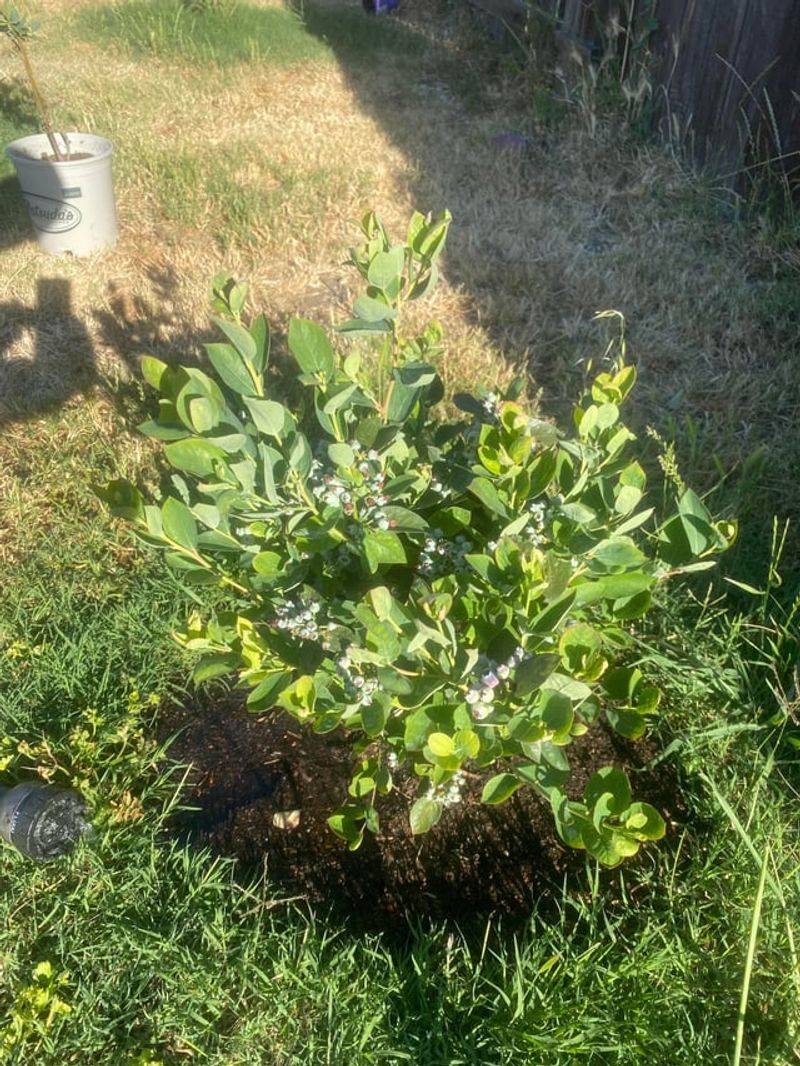
Watering blueberries seems straightforward until you realize that doing it the wrong way can quietly reduce your harvest without showing any obvious warning signs.
Leaves can look great, plants can keep growing, and everything can appear totally fine while the root system develops problems that hurt berry production over time.
Blueberries have very shallow, fibrous roots that sit close to the soil surface. They need consistent moisture to perform well, but they are also surprisingly vulnerable to both drought stress and waterlogged conditions.
Daily automatic timer watering that runs for short bursts encourages roots to stay near the surface rather than spreading deeper, which makes plants more vulnerable during dry spells and reduces their overall stability and productivity.
NC State recommends avoiding saturated soil around the crown of the plant and suggests not irrigating more frequently than once every two days.
Letting the soil dry slightly between waterings encourages deeper rooting and healthier overall plant structure.
Checking soil moisture a few inches below the surface before turning on the irrigation system is a simple habit that makes a real difference.
Drip irrigation works especially well for blueberries because it delivers water slowly and directly to the root zone without wetting the foliage, which can encourage fungal issues.
Matching your watering schedule to actual weather conditions rather than a fixed timer keeps your blueberry roots strong and your berry production steady through the whole growing season.
8. Mulch And Weed Competition Are Changing Root Health
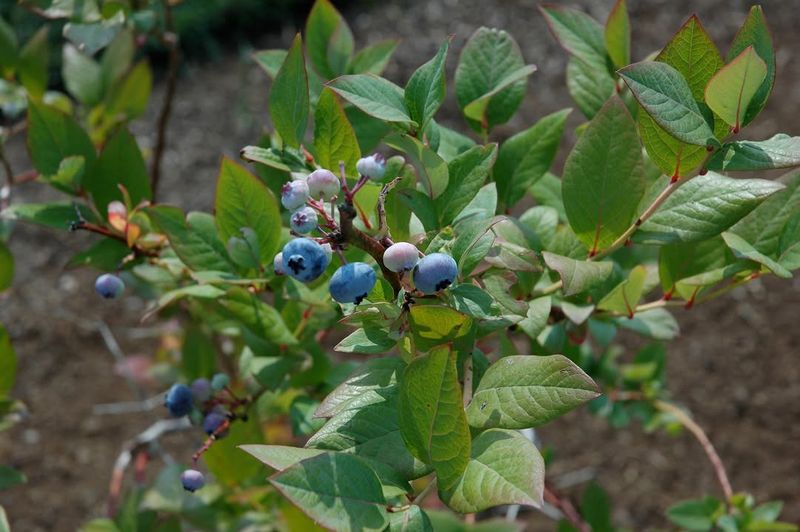
Healthy blueberry roots depend on more than just watering and fertilizer. What surrounds those roots matters just as much.
Mulch and weed management are two things that many gardeners handle inconsistently, and over time, that inconsistency can quietly chip away at root health and reduce the number of berries your bushes produce each season.
NC State recommends using organic mulch materials like pine bark, wood chips, sawdust, or pine straw around blueberry plants.
These materials help keep soil moisture more even between rain events, reduce soil temperature during hot North Carolina summers, and slowly break down to add organic matter that blueberries love.
When mulch gets thin or breaks down completely without being replenished, the soil dries out faster, heats up more intensely, and becomes less hospitable to the shallow root system that blueberries rely on.
Weeds are a separate but equally important issue. Grass and broadleaf weeds growing close to blueberry plants compete directly for water and nutrients, and they often win.
Removing them by hand is the safest approach because blueberry roots are so close to the surface that any deep cultivation with a hoe or tiller can easily cause damage.
Even a few inches of digging near the base of a blueberry plant can sever important feeder roots.
Keeping a four to six inch layer of fresh mulch in place year-round is one of the simplest and most effective things you can do to protect root health and support a stronger berry crop.
9. Flower Buds Were Not Protected By Good Care Last Season
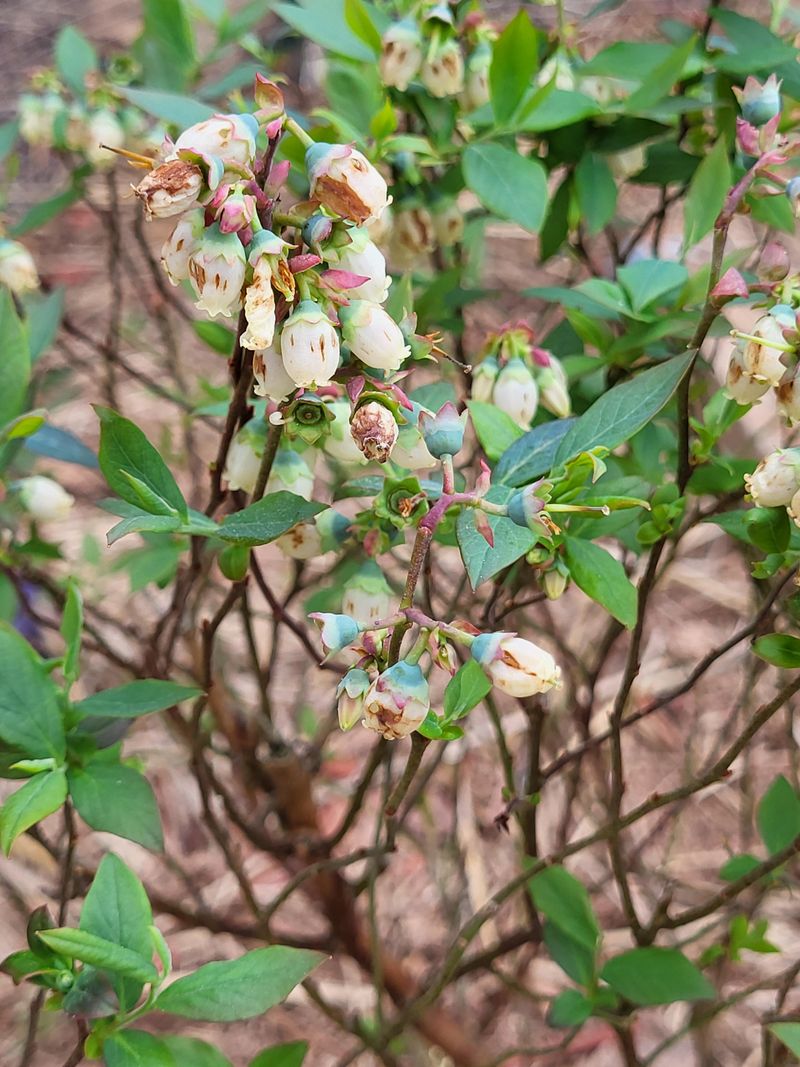
Here is something many gardeners do not realize until they start looking at blueberry production more closely: the berries you get this summer were largely determined by how well you cared for your plants last summer.
Blueberries form their flower buds on healthy new shoots during the previous growing season, which means anything that stressed the plant last year can show up as a disappointing harvest this year.
Poor summer moisture is one of the biggest contributors to weak flower bud development.
When a blueberry bush experiences drought stress during the period when it should be building next year’s buds, it simply does not have enough resources to form them well.
Excess fertilizer during summer pushes the plant toward more leafy growth rather than reproductive development, shade reduces the energy available for bud formation, and poor pruning leaves the plant crowded and unable to direct resources effectively.
The frustrating part is that the plant can look perfectly fine through all of this. Green leaves, steady growth, no obvious signs of trouble.
But when spring arrives and bloom time comes around, the flower count is noticeably lower than it should be. Thinking of blueberry care as a two-year cycle rather than a single-season effort is a mindset shift that really pays off.
Giving your plants consistent moisture, appropriate fertilizer, good sun exposure, and proper pruning throughout summer sets up the flower buds that will become next year’s harvest.
10. Spring Bloom Problems Reduced The Crop Before Summer
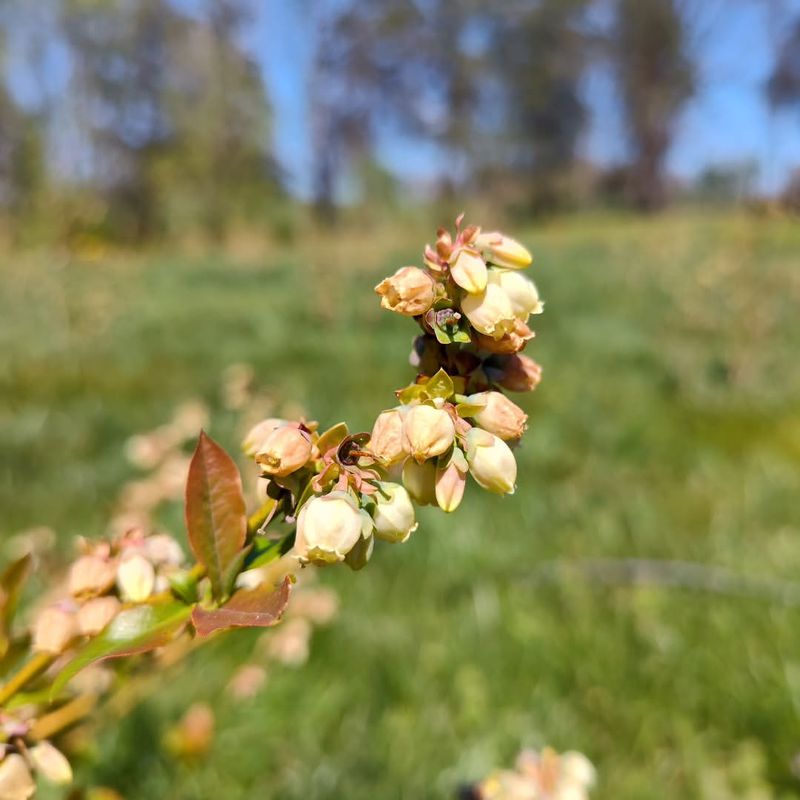
Sometimes everything looks fine by midsummer, but the berry count is already set lower than expected because something went wrong months earlier during spring bloom.
This is one of the trickiest causes of reduced harvests because the evidence disappears long before most gardeners start paying close attention to their plants. Rainy weather during bloom time is a surprisingly common culprit in North Carolina.
Bees and other pollinators do not fly much in wet or cold conditions, which means flower after flower can open and close without ever receiving the pollen it needs to become a berry.
A week of cloudy, rainy weather right at peak bloom can quietly reduce your harvest significantly without leaving any visible clue behind on the plant.
Late spring freezes are another real risk. North Carolina springs can swing unpredictably, and a cold snap after blueberry flowers have already opened can damage or destroy blossoms before they set fruit.
The leaves that come in after the freeze look perfectly healthy, so the plant appears fine, but the opportunity for fruit set is already gone for that season.
Watching the forecast closely during bloom and covering plants with frost cloth when temperatures threaten to drop below freezing can protect open flowers during those critical days.
Supporting a healthy local pollinator population by planting flowering companion plants nearby also helps ensure that when the weather cooperates, your blueberries have the pollination support they need to set a full and satisfying crop.