This Common Georgia Shade Plant Is More Dangerous Than Most Gardeners Realize
You probably would not think twice about brushing past a familiar shade plant while pulling weeds or watering the garden. That little habit seems harmless until you learn what one popular favorite can actually do.
Plenty of beautiful plants come with hidden drawbacks, and this is one that deserves a closer look. A lush corner of the yard should never leave you with an unpleasant surprise.
Spending a few minutes learning about a plant before growing it can save a lot of trouble later. Good gardening is not only about growing beautiful landscapes.
It is also about making smart choices for everyone who spends time outside.
One well-known shade plant grows in countless Georgia gardens because it is reliable and attractive.
Its hidden risks are easy to overlook, which is exactly why so many people never realize there is a problem until something happens.
Understanding those risks helps you enjoy your landscape with much greater confidence.
1. Caladium Contains Sharp Calcium Oxalate Crystals
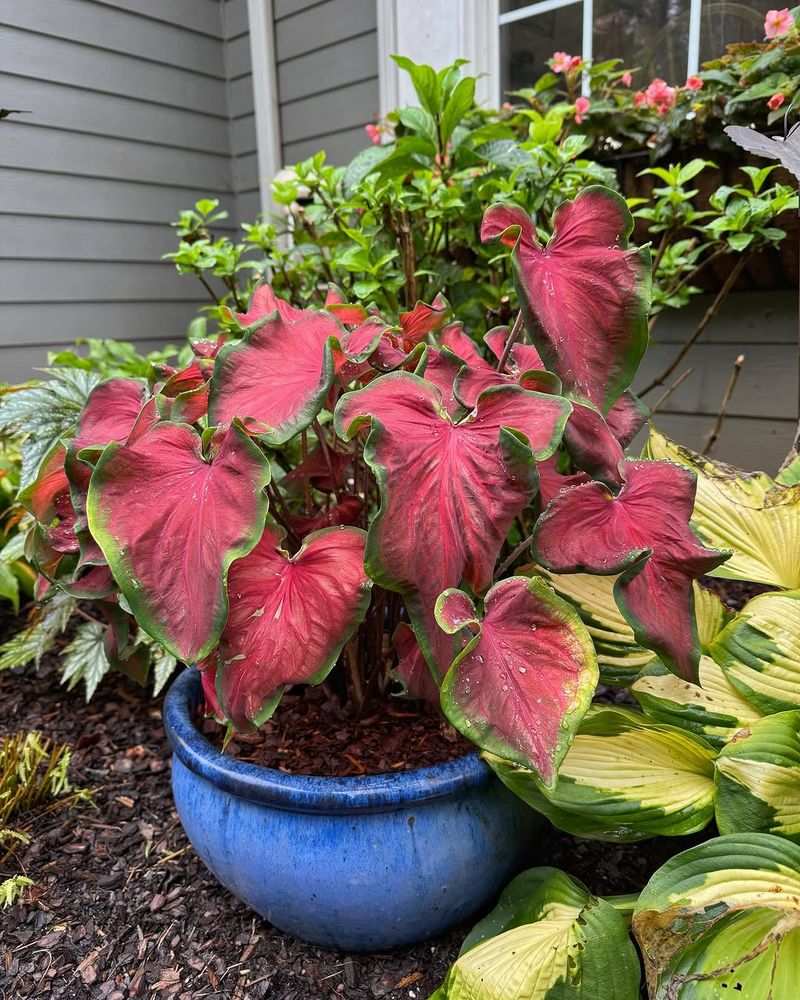
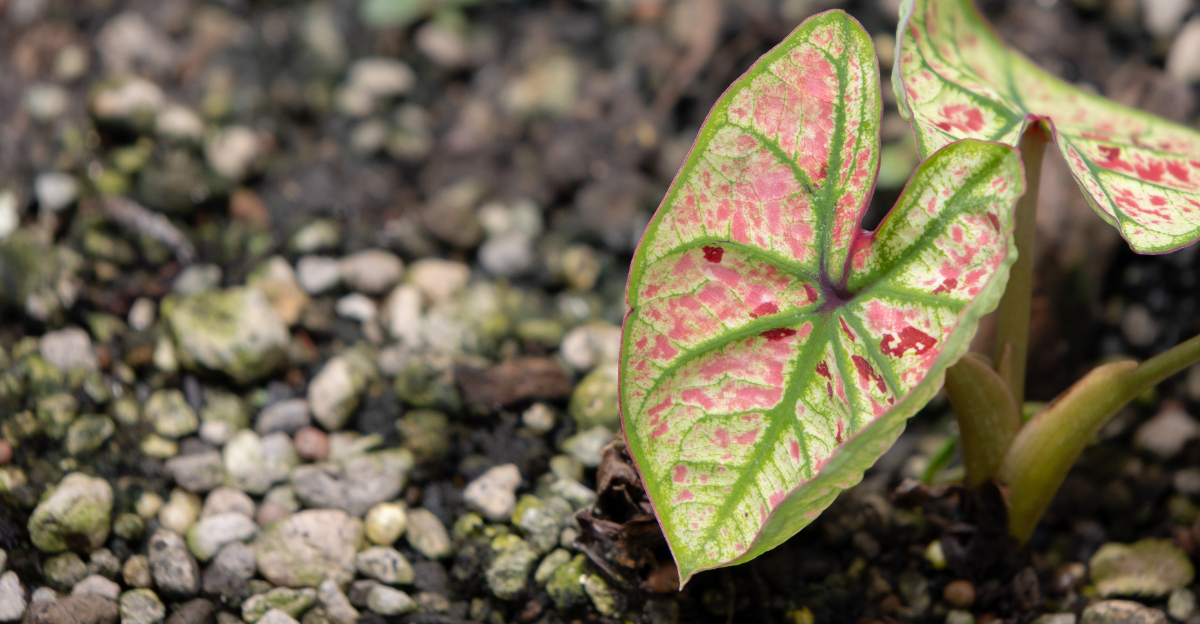
Looks can absolutely mislead you. Caladium leaves are gorgeous, but inside every part of the plant sits a chemical weapon: calcium oxalate crystals.
Calcium oxalate crystals are microscopic, needle-like structures. When any part of the plant is chewed or crushed, those crystals release and pierce soft tissue instantly.
Contact with the mouth, throat, or skin can cause sharp burning pain, swelling, and intense irritation. Symptoms can appear within minutes of exposure.
Even brushing a broken stem against your lips or eyes can trigger a strong reaction.
Gardeners sometimes mistake early symptoms for an allergic response instead of a plant toxin reaction.
Calcium oxalate is found in the leaves, stems, and tubers of caladiums. No part of the plant is considered safe to eat or put in your mouth.
Children are especially vulnerable because they tend to handle or mouth plants out of curiosity. A toddler chewing a single caladium leaf can experience intense oral pain and drooling almost immediately.
Knowing the plant contains these crystals changes how you should handle it.
Treat caladium with the same caution you would give any plant labeled toxic in a nursery catalog.
2. Keep Pets Away From The Leaves And Tubers
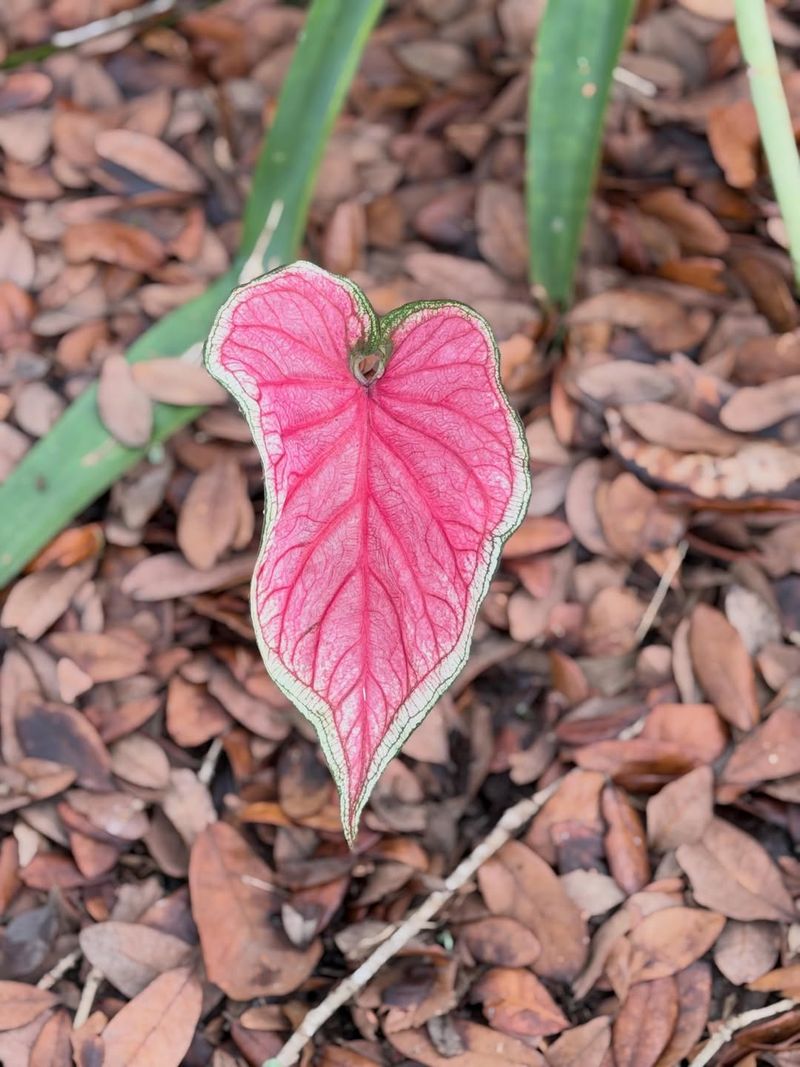
Pets and caladiums are a bad combination. Dogs and cats are naturally curious, and a chewed caladium leaf can send your pet into serious distress fast.
Both leaves and tubers contain calcium oxalate crystals. Tubers sit just below the soil surface, making them easy for a digging dog to pull up and chew.
Symptoms in pets can include drooling, pawing at the mouth, vomiting, and swelling around the lips or tongue. In some cases, swelling can affect breathing if left untreated.
Cats face similar risks. Even licking the sap off a broken stem can cause oral irritation that lasts for hours.
If your pet chews a caladium, contact your veterinarian or an animal poison control hotline right away.
Do not wait for symptoms to worsen before reaching out for guidance.
Outdoor cats in Georgia who roam garden beds are at risk without their owners even realizing it. Caladiums planted along borders or under shrubs can look just like harmless greenery to a wandering pet.
Your Georgia Garden Changes Every Week. Your Plan Should Too.
Gardening in Georgia changes quickly throughout the season. Every Friday you’ll receive a simple weekly plan showing exactly what to plant, prune, fertilize, harvest, and protect so you never miss the right timing.
Moving caladiums to hanging baskets or raised planters can reduce access for ground-level pets.
Keeping the plant physically out of reach is often the most practical solution for pet owners who love the look of caladiums.
3. Wear Gloves When Handling The Tubers
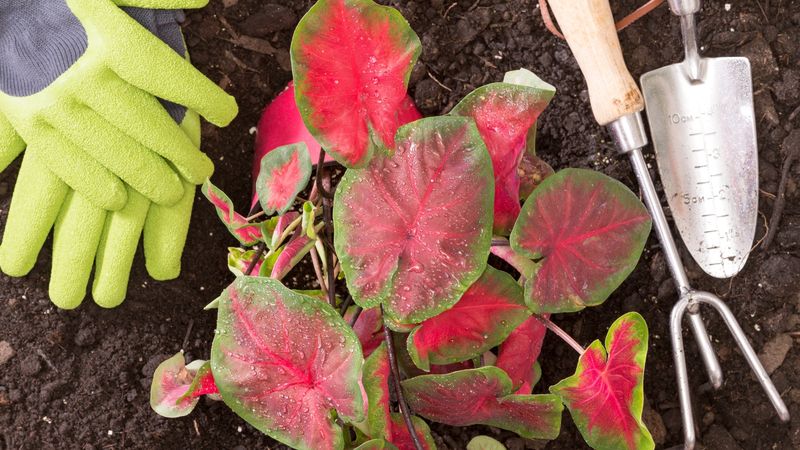
Bare hands and caladium tubers do not mix well. Handling the tubers without protection can transfer sap and crystals directly to your skin.
Caladium tubers are planted in spring and dug up in fall in most parts of the South.
Both tasks involve direct contact with the part of the plant that holds the highest concentration of calcium oxalate.
Skin irritation from caladium sap is usually mild but can include redness, itching, or a burning sensation. Sensitive skin types may notice stronger reactions.
Wearing nitrile or rubber gloves during planting and digging creates a simple barrier between you and the sap.
Cheap disposable gloves from a garden center work perfectly well for this job.
Avoid touching your face, especially your eyes, while working with caladium tubers even if you are wearing gloves. Sap can transfer from glove surfaces if you are not careful.
Gardeners who handle tubers regularly without protection sometimes develop sensitivity over time. Repeated low-level exposure can make reactions more noticeable with each new contact.
Storing tubers over winter is another moment when gloves matter. Inspect, clean, and pack tubers with gloves on to avoid unnecessary skin contact during the off-season storage process.
4. Grow It In Containers For Better Control
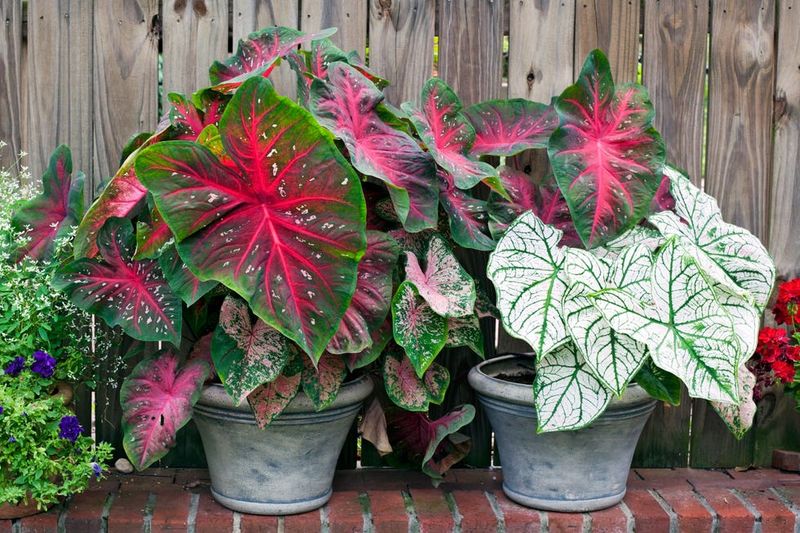
Container growing gives you power that in-ground planting does not. When caladiums live in pots, you control exactly where they go and who can reach them.
Raised containers keep plants off the ground and away from young children and pets who explore at soil level. A pot on a porch railing or a high plant stand creates instant distance from curious hands and paws.
Container caladiums also allow for easy seasonal management.
When fall arrives in Georgia, you can bring pots inside or move tubers to storage without digging through garden beds.
Pots with drainage holes work best for caladiums since they prefer moist but not waterlogged soil. A good potting mix with some perlite added helps maintain the moisture balance caladiums enjoy.
Grouping caladiums with other container plants creates a lush shaded display while keeping everything organized and manageable. You always know where the plant is and can check on it easily.
Container growing also makes it easier to remove the plant temporarily if children are visiting or if a pet has shown interest in the leaves. Flexibility is a real advantage with potted plants.
Caladiums grown in containers tend to stay a bit smaller than those in garden beds, which can actually make them easier and safer to manage throughout the growing season.
5. Wash Hands After Handling Plant Sap
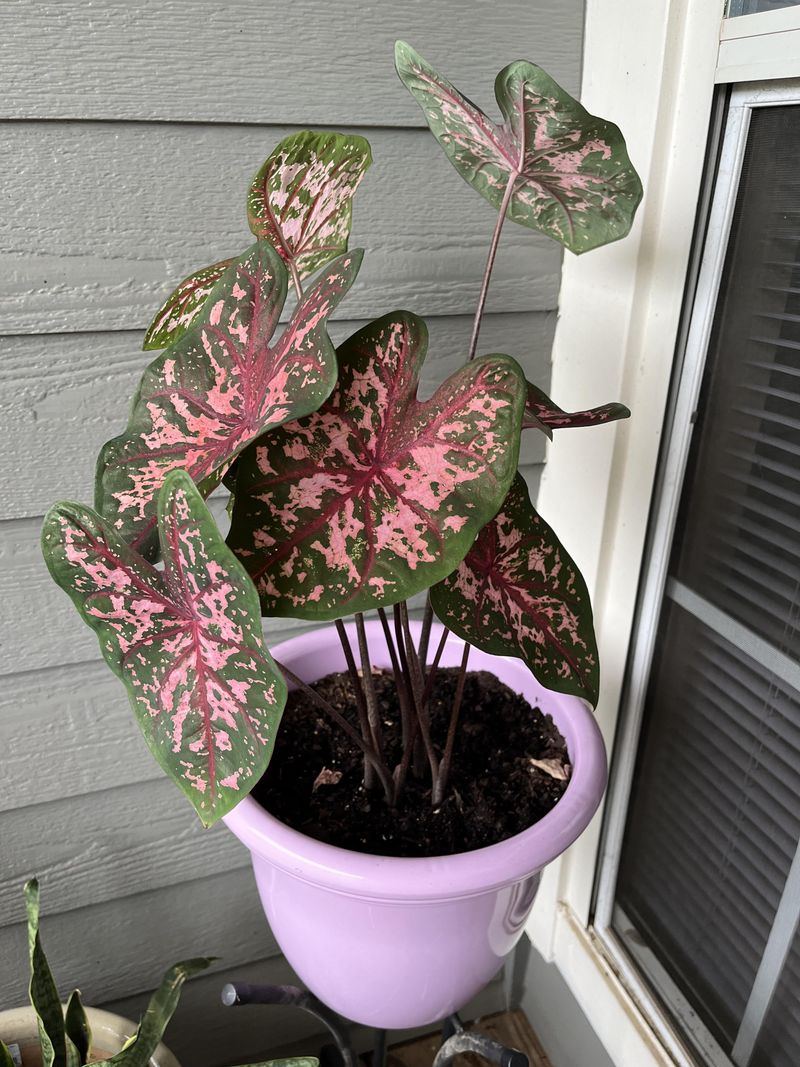
Sap from caladium stems and leaves can linger on skin longer than you might expect. A quick rinse after handling the plant is not enough to remove it fully.
Use soap and warm water to wash your hands after any contact with caladium leaves, stems, or tubers. Scrub under your fingernails where sap can collect without being obvious.
Gardeners often touch their faces without thinking mid-task. Sap on fingertips that reaches your eyes can cause significant irritation, redness, and tearing that may last for hours.
If sap gets into your eyes, flush immediately with clean, cool water for at least fifteen minutes. Seek medical attention if irritation does not ease after flushing.
Children helping in the garden are especially likely to touch their faces frequently.
Supervise young helpers around caladiums and wash their hands as soon as they finish near the plant.
Washing tools after cutting caladium stems is also worth doing. Pruning shears coated in plant sap can transfer residue to your hands the next time you pick them up.
Keeping a garden hand soap or a simple liquid soap near your outdoor spigot builds a habit of washing up right after working with plants.
A small, practical routine like that prevents most accidental exposures before they become a problem.
6. Remove Fallen Leaves Promptly
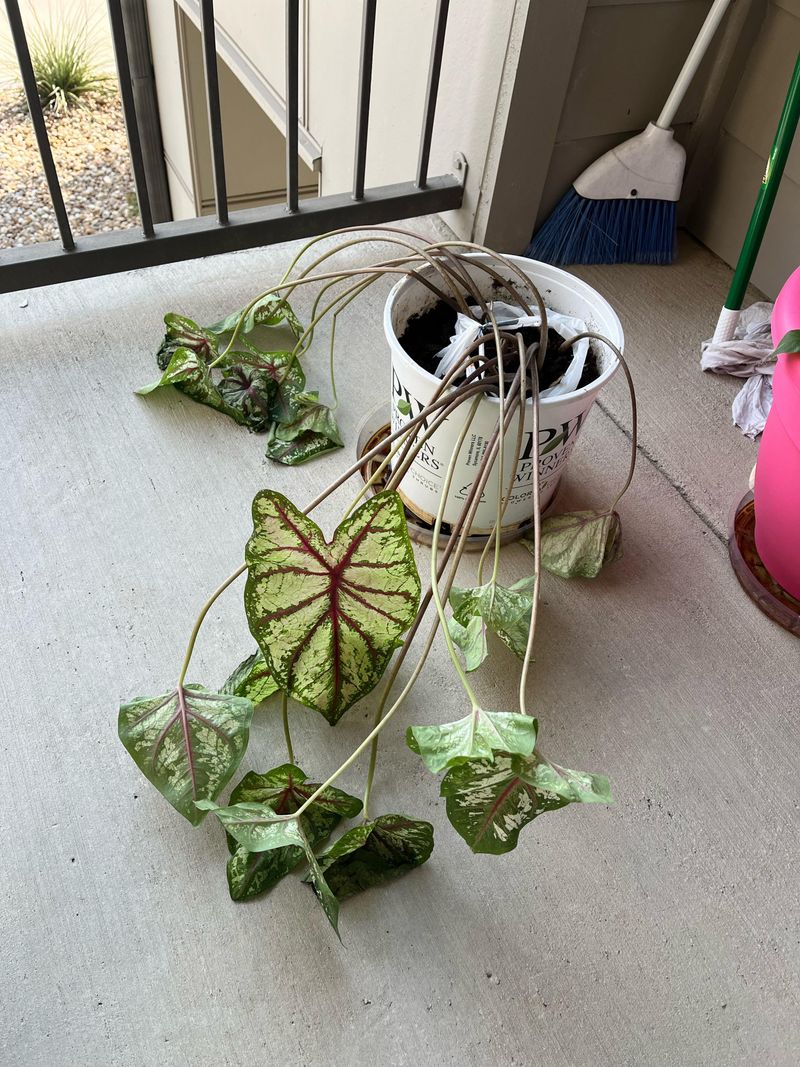
Fallen caladium leaves do not become harmless once they hit the ground. Calcium oxalate crystals remain active in fallen and decaying leaves for some time.
Children playing near garden beds can pick up fallen leaves without any idea of the risk. A wilted, colorful leaf on the ground can look like a fun toy to a young child.
Pets are also drawn to fallen plant material. A dog sniffing through a garden bed might chew a dropped caladium leaf just out of habit or boredom.
Make a habit of checking around your caladium plants every few days during the growing season.
Remove any fallen or damaged leaves and dispose of them in your compost bin or yard waste bag.
Do not leave fallen leaves in areas where children play or where pets roam freely. Even a partially decomposed leaf can still cause irritation if chewed or handled.
Wearing gloves during cleanup keeps you protected during this routine task. Tossing leaves barehanded is an easy way to expose your skin to sap you cannot see.
Staying on top of leaf litter also keeps your garden looking tidy and reduces the chance of mold or pests taking hold around the base of your caladium plants.
Consistency with this small task pays off in more ways than one.
7. Coral Bells Make A Safer Shade Alternative
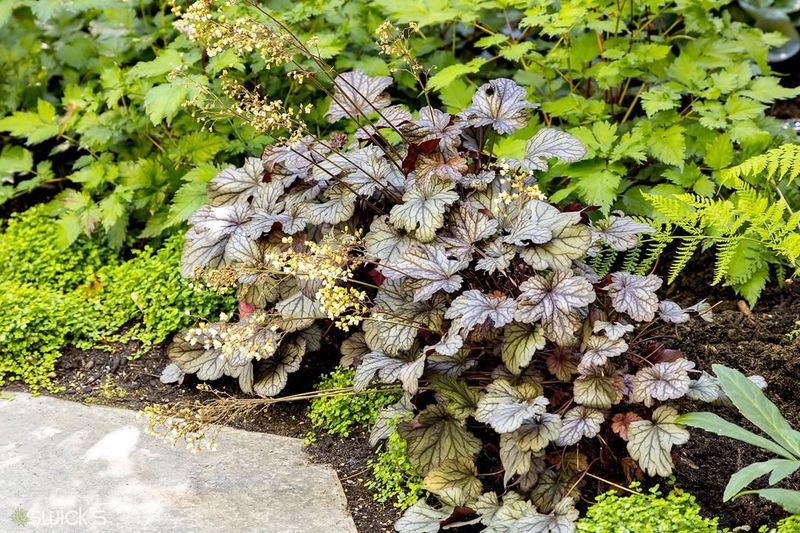
Not every stunning shade plant comes with a warning label. Coral bells, known botanically as Heuchera, offer bold color and texture without the toxicity concerns of caladium.
Heuchera grows beautifully in the same shaded garden spots where caladiums thrive.
Across the Southeast, it handles heat and humidity reasonably well when planted in well-draining soil with some afternoon shade.
Leaf colors range from deep burgundy to bright lime green, caramel, and silver. You get visual impact without worrying about children or pets coming into contact with harmful plant chemicals.
Coral bells are considered non-toxic to dogs and cats according to most veterinary references. That makes them a genuinely practical swap for households with curious animals or young children.
Heuchera also attracts hummingbirds when it blooms, sending up tall, delicate flower spikes in late spring. That added wildlife benefit makes it even more appealing for Southern shade gardens.
Maintenance is straightforward. Trim back any tattered leaves in late winter, divide clumps every few years, and make sure the crown of the plant stays slightly above soil level to avoid rot.
Swapping even a few caladiums for coral bells reduces risk in your garden without sacrificing the lush, layered look that makes shaded beds so satisfying.
Safety and beauty can absolutely coexist in the same garden space.