The Real Reason Behind Brown Edges On Minnesota Hostas
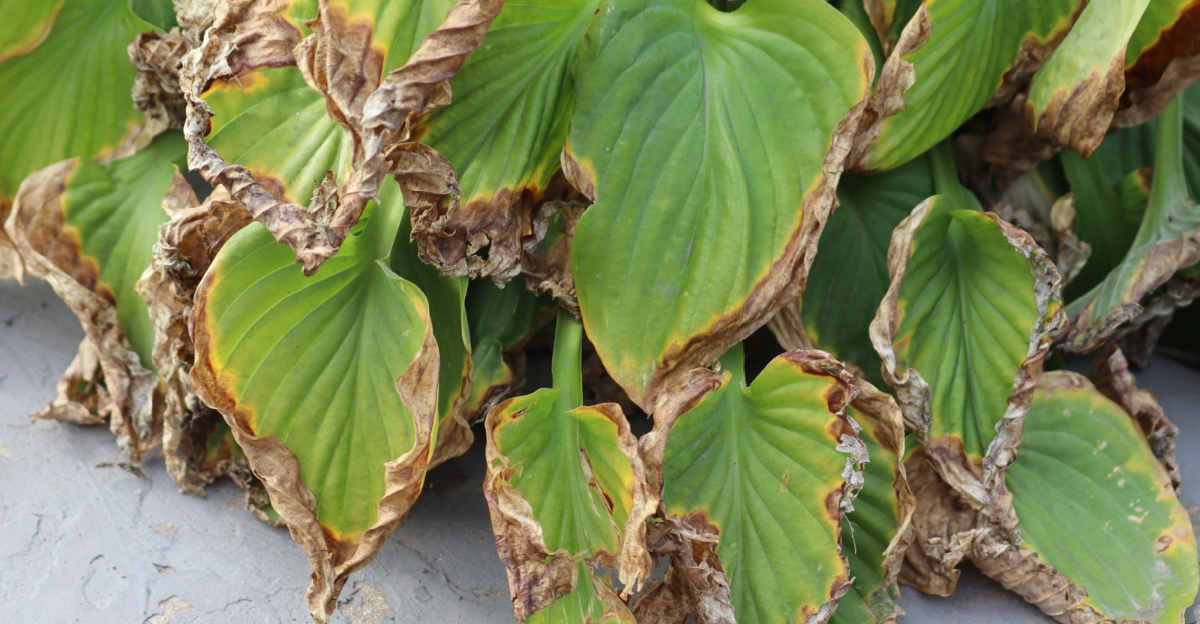
You step outside on a warm July morning, ready to admire your garden. Instead, you spot ragged hostas staring back.
Brown, crispy edges curl upward like dried parchment. Something is troubling your hostas, and it isn’t obvious.
Minnesota summers swing wildly between soggy and dry stretches. Your plants absorb every shift before you notice anything.
Heat, poor watering, fungal disease, or fertilizer damage could explain this. Wind exposure quietly stresses leaves without warning signs.
Soil quality matters more than most gardeners assume. Clay soils across Minnesota trap water unevenly below ground.
Salt runoff from walkways seeps into garden beds. Nutrient gaps mimic drought stress, confusing seasoned growers.
Each possible cause demands a different fix. Overwatering drowns roots as fast as drought damages leaves.
Guessing wastes precious time your hostas don’t have. Answers exist, and they’re more specific than expected.
Patience alone won’t solve what’s happening beneath those leaves. Once you see what’s changing your hostas, you can’t look away.
The Main Culprit Behind Brown Hosta Edges In Minnesota
Brown edges on Minnesota hostas have one main villain: leaf scorch. Leaf scorch happens when a plant loses moisture faster than its roots can replace it.
In Minnesota, wild swings between cool spring nights and scorching summer days put hostas under serious stress.
The brown edges you see are the plant’s way of shedding damaged tissue to conserve moisture. Most gardeners assume bugs or disease are the problem, but water stress is usually the real answer.
Hostas are shade-loving plants by nature, and Minnesota summers can push temperatures past 90 degrees Fahrenheit.
That kind of heat pulls moisture right out of the leaves before roots can keep up. Even well-watered hostas can show brown edges if the air is hot and dry enough.
Wind makes things worse by speeding up moisture loss from the leaf surface. Understanding leaf scorch as the root cause helps you treat the problem correctly instead of guessing.
Once you identify scorch as the trigger, the fixes become much clearer and more effective. Brown edges on Minnesota hostas are not a permanent problem for your garden.
How Summer Heat And Drought Stress Trigger Leaf Scorch
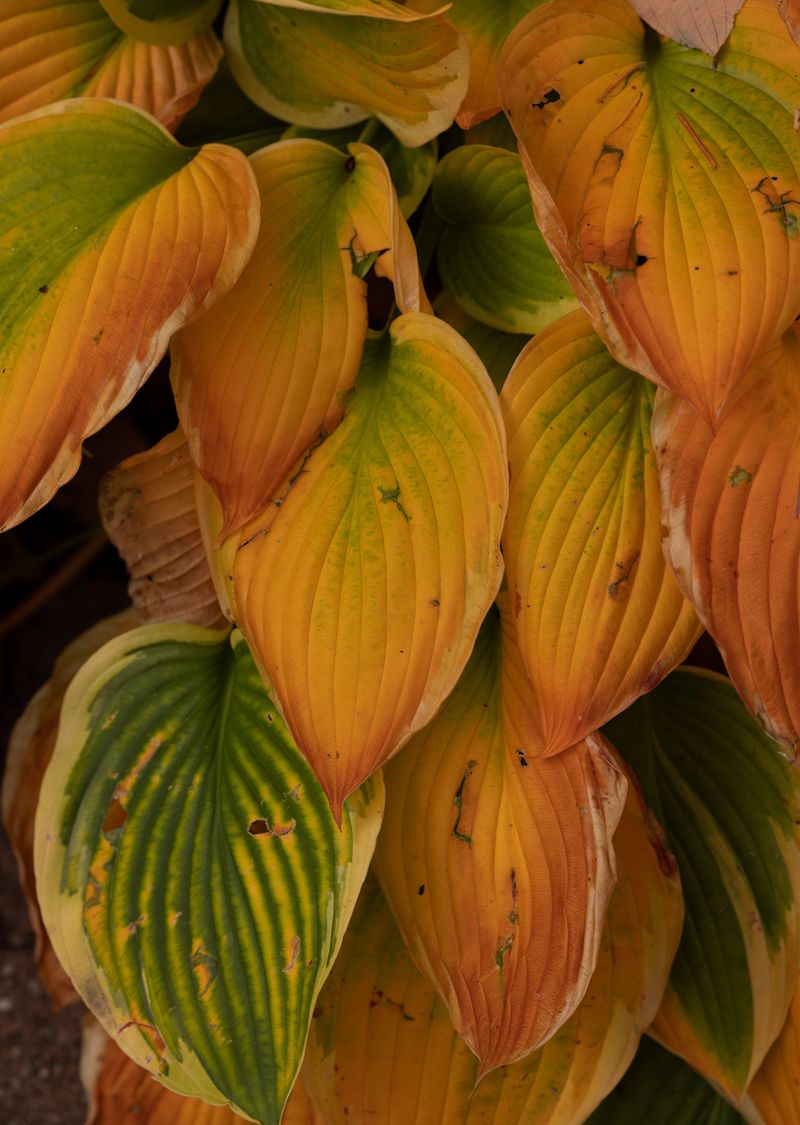
Picture this: three weeks without rain, and your hostas begin showing visible drying and browning. Summer heat and drought are a difficult combination for hostas in northern gardens.
When soil dries out, roots cannot pull enough water to keep leaves hydrated. The plant responds by shutting down the edges of its leaves first, which causes that telltale brown look.
Minnesota’s climate swings hard between wet springs and dry midsummers, catching many gardeners off guard.
July and August are the months when drought stress peaks and leaf damage becomes most visible. Hostas planted in sandy soil struggle faster because sandy ground drains water too quickly.
Clay soil holds water longer but can bake hard in heat, blocking root access to moisture. Mulching around the base of your hostas is an effective defense against summer drought stress.
Your Minnesota Garden Changes Every Week. Your Plan Should Too.
Gardening in Minnesota changes quickly throughout the season. Every Friday you’ll receive a simple weekly plan showing exactly what to plant, prune, fertilize, harvest, and protect so you never miss the right timing.
A two-inch layer of wood chips or shredded bark keeps soil temperatures cooler and holds moisture in. Checking soil moisture before watering prevents both overwatering and underwatering during hot spells.
Consistent moisture is the single biggest factor in keeping hosta edges green all season long.
The Role Of Sun Exposure In Hosta Leaf Damage
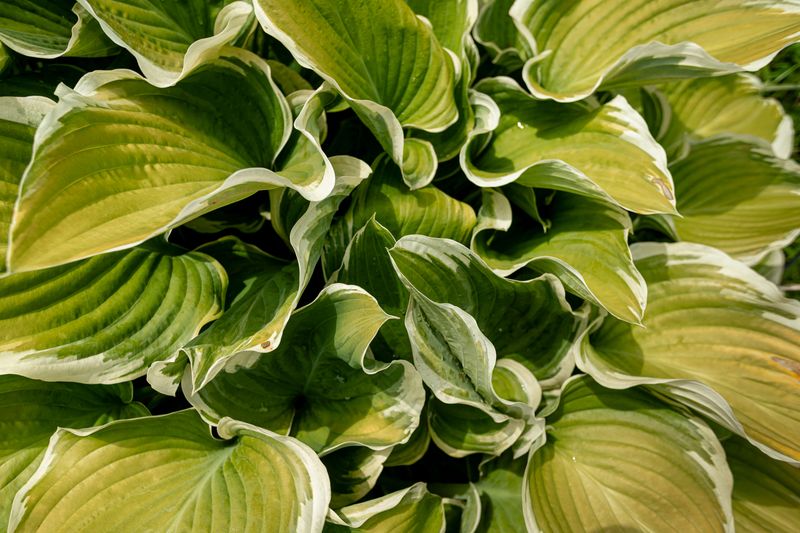
Sun exposure is often underestimated with hostas, and it causes more damage than most gardeners expect. Hostas evolved on the shaded forest floors of Asia, which means direct sun is not their friend.
Afternoon sun in Minnesota is especially harsh because it hits at peak heat intensity. Even varieties labeled as sun-tolerant can scorch when afternoon rays beat down for hours.
The damage usually appears first on the outer edges and tips of the leaves. If your hostas sit in a spot that gets more than four hours of direct sun, relocation may help depending on the variety.
Morning sun is gentler and less damaging than the intense rays of midday or late afternoon. Dappled shade under a tree canopy gives hostas the light they need without the harsh exposure.
Reflected heat from walls, driveways, or patios can also scorch leaves even when direct sun is minimal. Placing hostas near light-colored concrete or brick walls creates a heat trap that damages leaf edges quickly.
Moving plants to a shadier spot in early spring gives roots time to establish before summer hits. Getting sun placement right is one of the fastest ways to stop brown edges for good.
Watering Habits That Make Brown Edges Worse
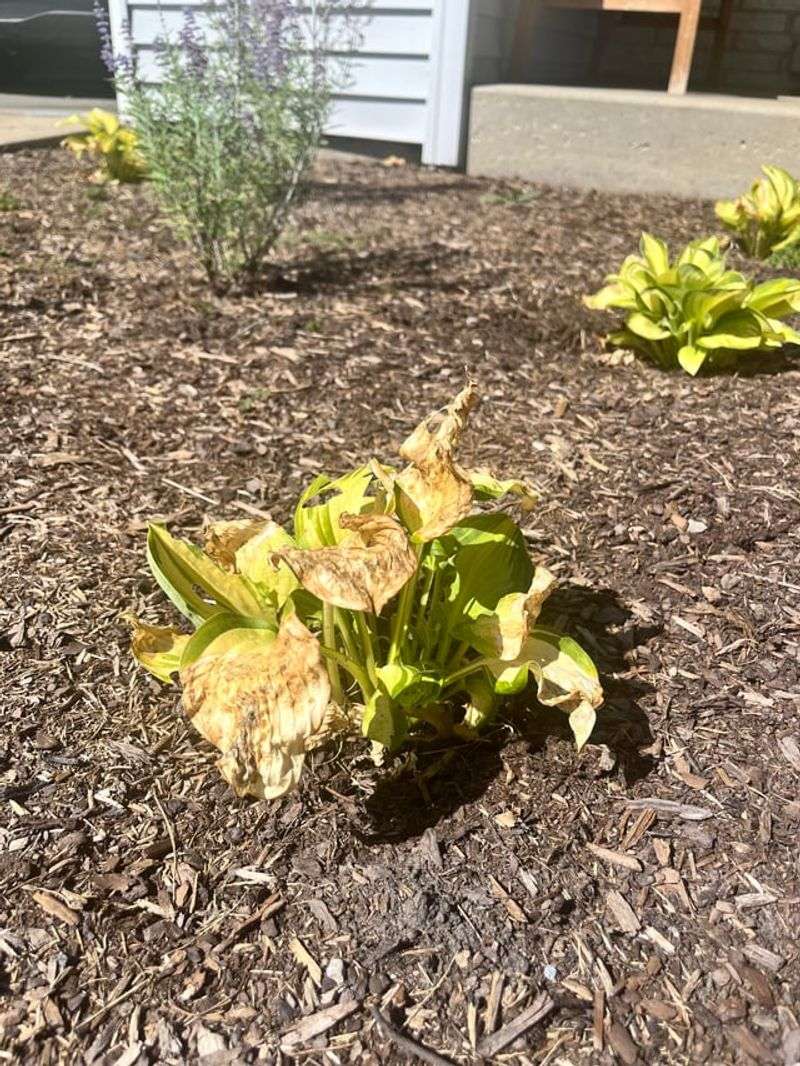
Watering your hostas wrong can cause just as much damage as not watering at all. Overhead watering with a sprinkler seems helpful, but it actually creates problems for hosta leaves.
Water sitting on leaves in direct sun can intensify heat damage to the tissue underneath. Wet foliage overnight also invites fungal issues that mimic the look of classic leaf scorch.
The best method is slow, deep watering at the base of the plant, aimed at the root zone. A soaker hose or drip system delivers moisture exactly where hostas need it most.
Watering in the morning gives the soil time to absorb moisture before afternoon heat arrives. Shallow watering is another common mistake that forces roots to stay near the surface.
Surface roots dry out faster and give the plant less stability during dry stretches. Deep watering once or twice a week encourages roots to grow downward, where soil stays cooler.
Inconsistent watering, alternating between soggy soil and bone-dry conditions, stresses the plant badly. Steady, consistent moisture at the root level is the watering habit that keeps hosta edges looking sharp.
Fungal And Bacterial Diseases That Cause Browning
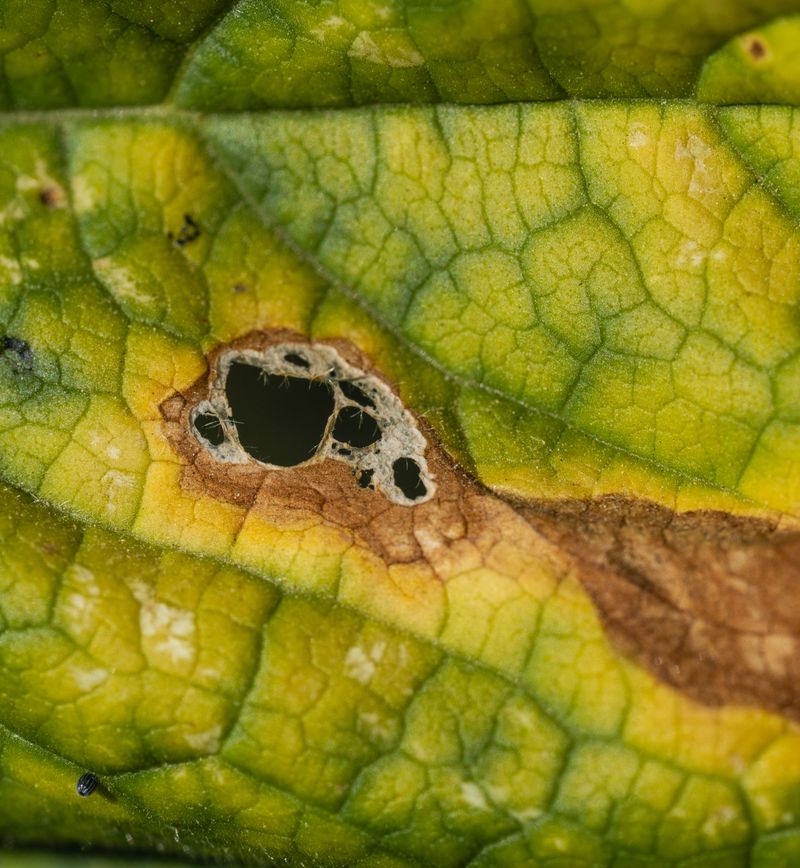
Not every case of brown edges comes from sun or drought, and this is where the cause can be easy to misdiagnose.
Fungal and bacterial diseases can produce brown leaf edges that look almost identical to scorch damage. Anthracnose is one of the fungal issues commonly reported in hosta beds across the upper Midwest.
It creates irregular brown patches with darker borders, often starting in the center of the leaf rather than the edges. Petiole rot, caused by a soil fungus, affects the base of the leaf stem and spreads upward fast.
Bacterial soft rot produces slimy, foul-smelling collapse of leaf tissue, usually after heavy rainfall. Crowded plants with poor air circulation are prime targets for fungal outbreaks every season.
Removing infected leaves promptly stops spores from spreading to healthy foliage nearby. Avoid overhead watering, since wet leaves create the humid environment that fungal spores love.
Applying a copper-based fungicide early in the season can protect plants before symptoms appear.
Thinning out crowded clumps improves airflow and reduces the moisture that fungi need to thrive. Catching disease early is the key to keeping brown edges from taking over your entire planting bed.
Soil And Fertilizer Issues Behind Hosta Leaf Scorch
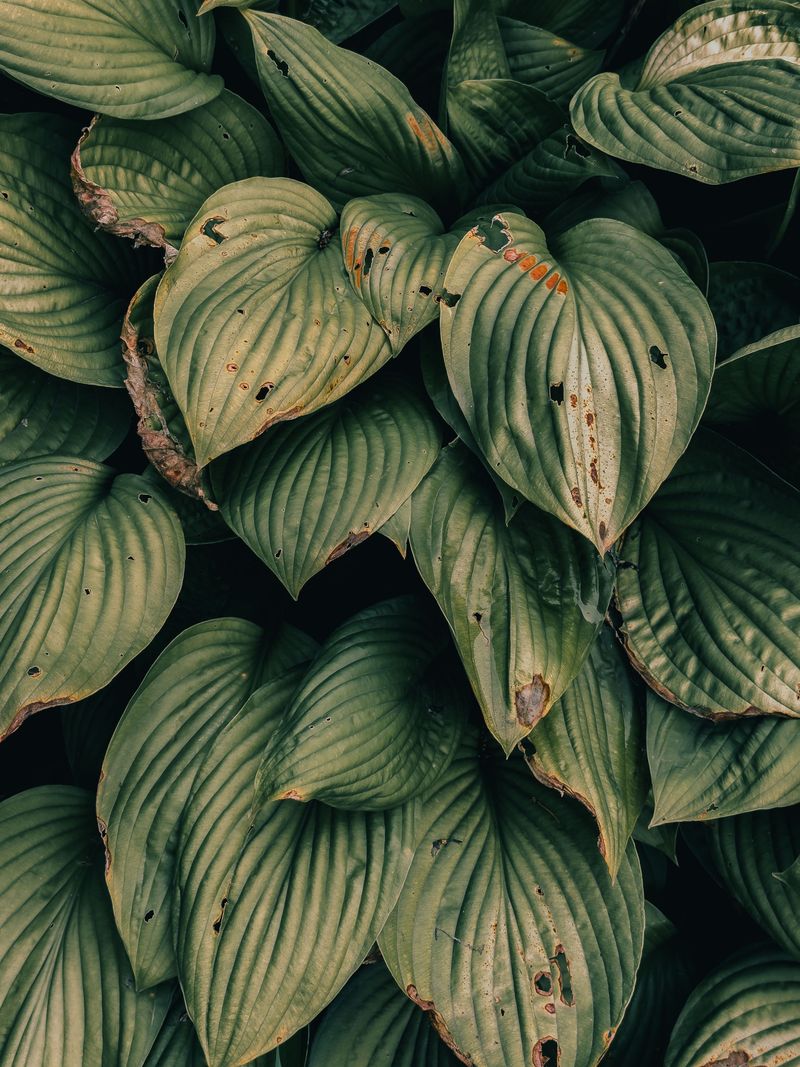
Healthy soil is the foundation every hosta needs, and bad soil shows up fast in the leaves. Hostas prefer slightly acidic to neutral soil, with a pH between 6.0 and 7.0 for optimal nutrient absorption.
Soil that is too alkaline blocks the plant from absorbing iron and other key minerals. That nutrient lockout leads to pale, weakened leaves with brown edges that look like scorch damage.
Over-fertilizing is actually a bigger problem than under-fertilizing for most home gardeners. Too much nitrogen damages root tips, which limits the plant’s ability to absorb water effectively.
Fertilizer burn shows up as crispy brown edges that start at the leaf tips and work inward. Using a balanced, slow-release fertilizer in early spring gives hostas a steady nutrient supply.
Avoid applying fertilizer during heat waves, since stressed plants cannot process nutrients properly. A simple soil test from your local extension office reveals exactly what your garden bed is missing.
Amending soil with compost improves both drainage and nutrient availability at the same time. Fixing your soil is one of the most rewarding moves you can make for brown edges on Minnesota hostas.
Simple Fixes To Keep Minnesota Hostas Looking Healthy
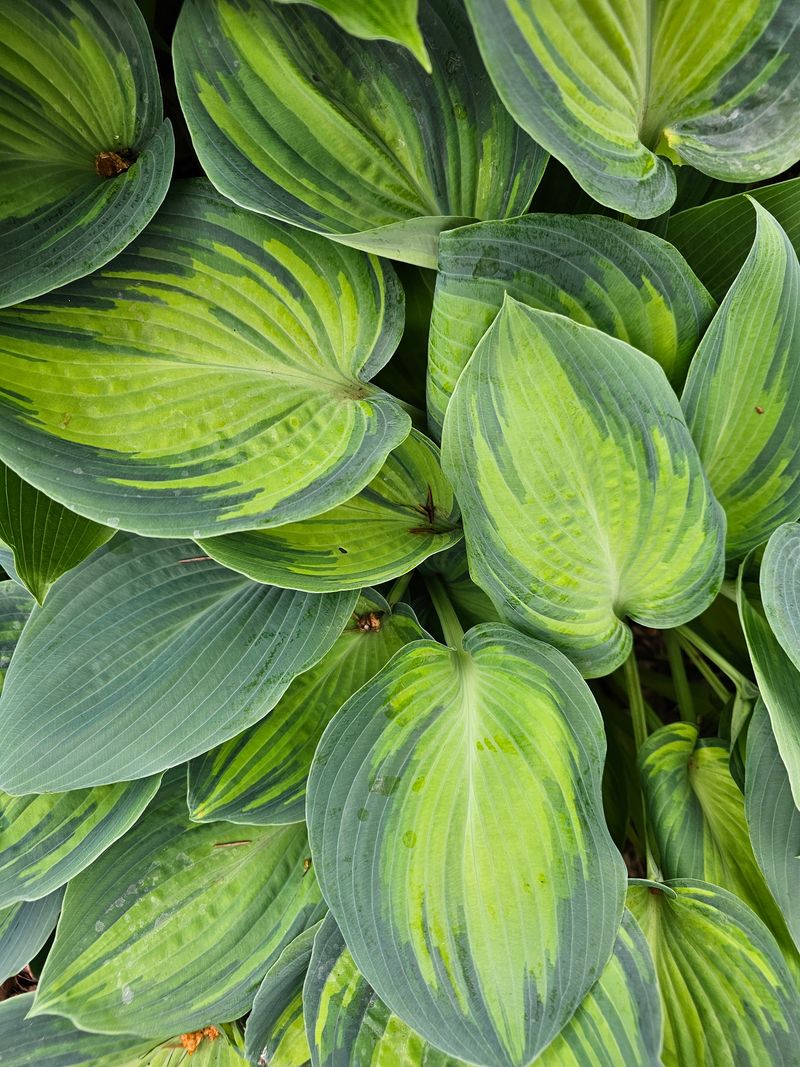
Good news: most of the fixes for brown hosta edges are simple and low-cost. Start by moving any hostas sitting in harsh afternoon sun to a shadier location in your yard.
Add a two-inch layer of mulch around each plant to lock in soil moisture and regulate temperature. Switch from overhead sprinklers to a soaker hose or hand watering at the base of each plant.
Water deeply once or twice a week instead of lightly every day for stronger, deeper root growth. Pull back on fertilizer and switch to a slow-release formula applied only in early spring.
Test your soil every two to three years to catch pH or nutrient issues before they show on leaves. Divide overcrowded clumps every three to four years to improve airflow and reduce disease pressure.
Remove brown or damaged leaves promptly to keep the planting bed tidy and disease-free. Choose hosta varieties bred for heat tolerance if your garden gets more sun than ideal.
Pairing hostas with taller shrubs or perennials creates natural shade that protects against afternoon heat. With the right care, brown edges on Minnesota hostas become a problem you rarely have to face again.