A Centipede In Your Minnesota Home Is Not Random And Here Is What It Means
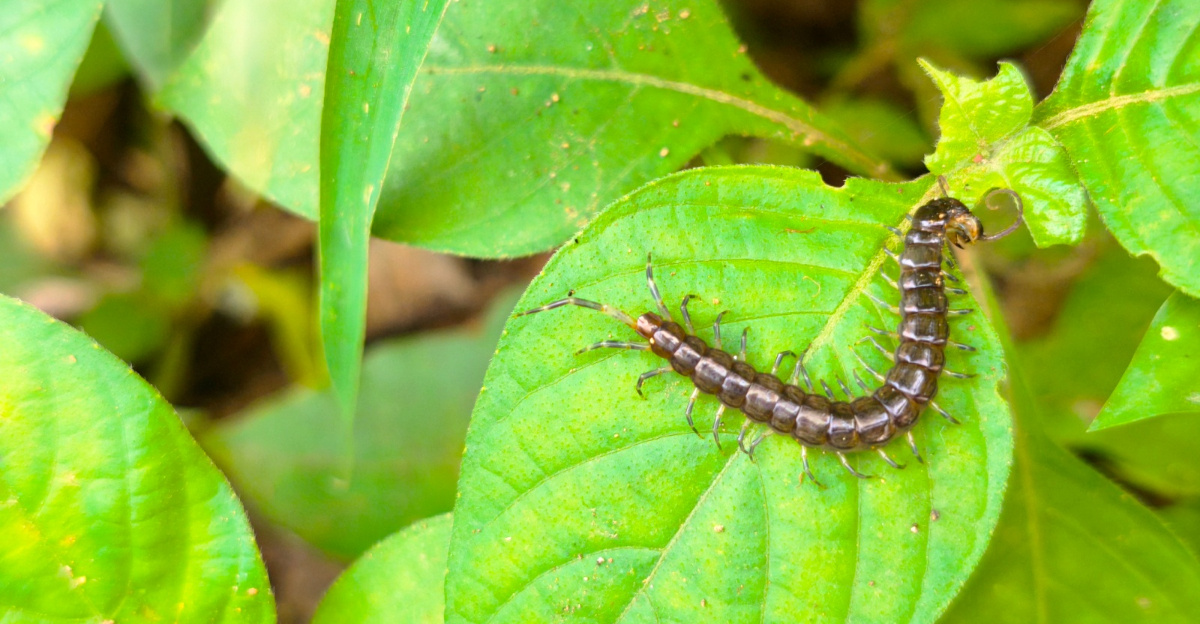
You shuffle into the bathroom, half-asleep, and something moves near the drain. Fast. Too fast. Your brain registers the legs, all thirty of them, before your body has even decided whether to scream.
House centipedes in Minnesota are not a random occurrence, and they are not simply lost. Deliberately, they found your home, following a trail you cannot see but they absolutely can.
What brought one skittering across your floor tonight has everything to do with what is already living inside your walls, your basement, and your foundation. Centipedes do not wander.
Hunting is what they do. Moisture and prey draw them in. Warm shelter does the rest, the kind that Minnesota winters make irresistible to anything small enough to squeeze through a crack.
Before you reach for a shoe or a can of spray, consider this: that centipede is not your real problem. It is a symptom of one.
House Centipedes Are Common Summer Visitors In Minnesota Homes
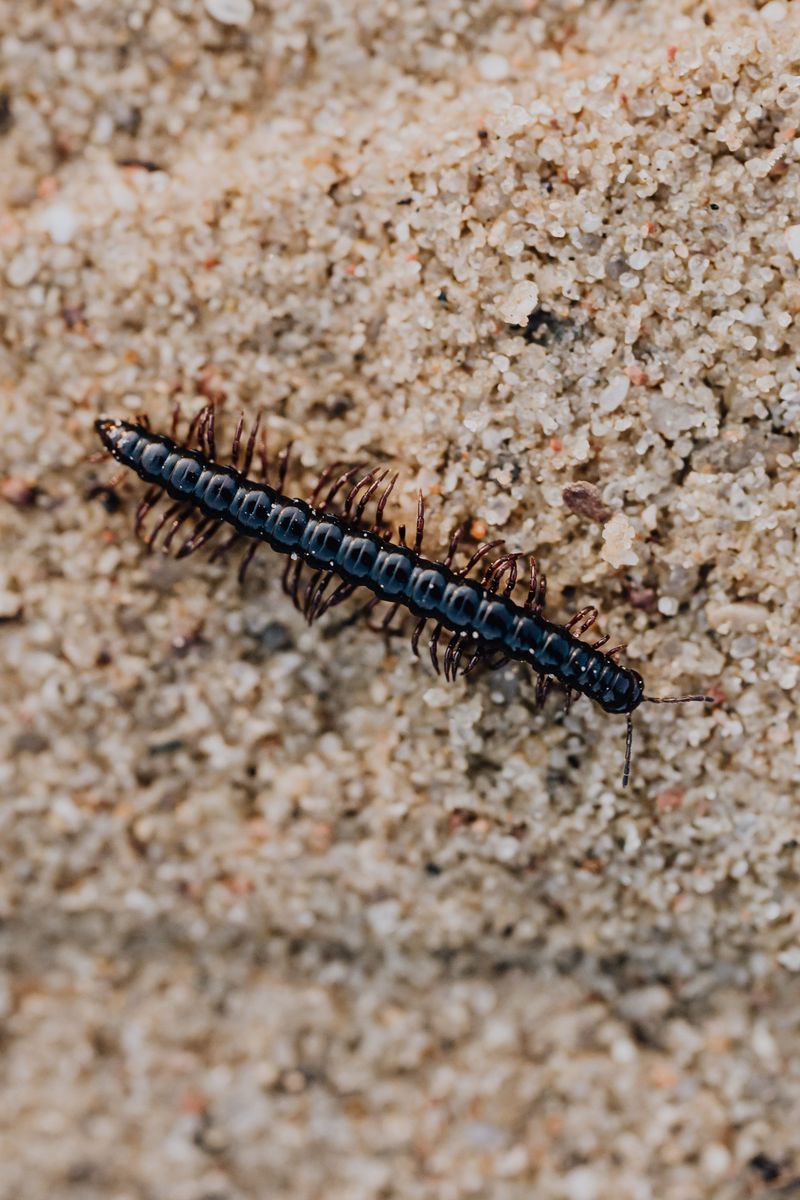
That fast blur you spotted near the drain? That was almost certainly a house centipede, and they are more common in Minnesota homes than most people realize.
House centipedes, known scientifically as Scutigera coleoptrata, are not native to the region but have adapted impressively well to indoor living. They thrive in the same spaces humans occupy, making them year-round neighbors in many households.
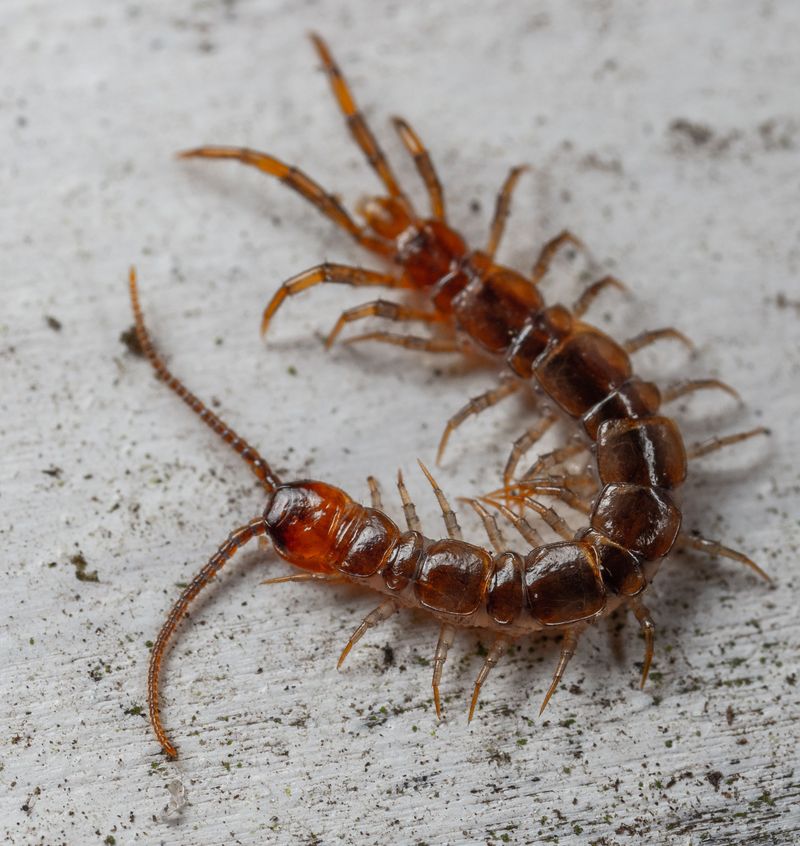
Most people first encounter them in bathrooms, basements, or laundry rooms. These arthropods have 30 legs as adults, arranged in 15 pairs, and move so fast they seem to vanish before your brain registers what you saw.
Spotting one centipede inside your Minnesota house does not mean your home is dirty or neglected. Even tidy, well-kept homes get visits from these critters, especially during seasonal changes.
What makes them particularly startling is their speed and their size. Adult house centipedes can reach one and a half inches long, which feels enormous when one sprints across your foot at 2 a.m.
Understanding that these insects are native to Mediterranean climates helps explain their attraction to warm, humid indoor environments. Your home offers exactly the warm, humid conditions they need to thrive.
Knowing what you are dealing with is the first step toward handling the situation calmly and effectively.
Summer Heat Drives Centipedes Into Cool, Dark Indoor Spaces
When outdoor temperatures climb above 80 degrees in summer, centipedes start hunting for cooler territory fast. Your basement or crawl space offers exactly the relief they are looking for.
House centipedes are cold-blooded, meaning their body temperature matches their surroundings. Extreme summer heat pushes them to seek cooler shelter indoors.
They enter homes through the tiniest gaps you would never notice yourself. Cracks around window frames, gaps beneath exterior doors, and spaces where pipes enter walls are all popular entry points.
Once inside, they head straight for the darkest, most undisturbed corners of your home. A cluttered basement storage area offers ideal shelter for a centipede seeking relief from the heat.
Seeing one in your Minnesota house during July or August is a strong seasonal signal. The summer surge in centipede sightings is a predictable pattern that pest professionals see every single year.
Your Minnesota Garden Changes Every Week. Your Plan Should Too.
Gardening in Minnesota changes quickly throughout the season. Every Friday you’ll receive a simple weekly plan showing exactly what to plant, prune, fertilize, harvest, and protect so you never miss the right timing.
The good news is that sealing entry points during spring can dramatically reduce summer invasions. Weatherstripping doors, caulking foundation cracks, and screening vents are all effective preventive measures worth taking early.
A centipede sighting in summer is your home sending you a message about gaps you may have overlooked.
Moisture Problems In Your Home Attract And Sustain Their Populations
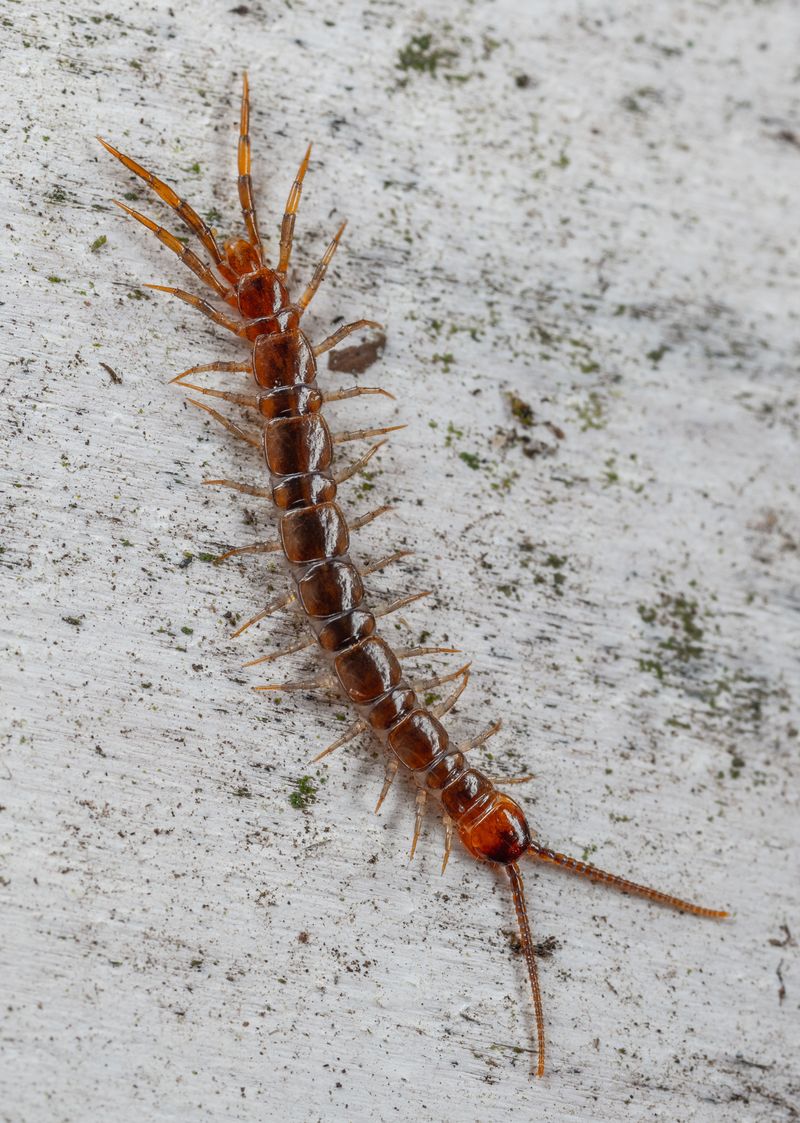
If centipedes had a dating profile, their top requirement would be moisture. These arthropods depend on consistent humidity to function, making damp homes irresistible.
A leaky pipe under the sink, poor bathroom ventilation, or a basement that floods after heavy rain all create the wet conditions centipedes need to thrive. They are not picky about the source, just the result.
High indoor humidity also supports the growth of mold and mildew, which attracts the smaller insects centipedes feed on. One moisture problem can trigger an entire chain reaction of pest activity.
Homeowners often discover a centipede problem and a moisture problem at the same time for exactly this reason. The centipede is essentially pointing a finger at a hidden water issue you may not have found yet.
Running a dehumidifier in your basement can make a noticeable difference within weeks. Keeping indoor humidity below 50 percent removes the environmental conditions centipedes depend on to stay comfortable.
Fixing dripping faucets, improving bathroom exhaust ventilation, and waterproofing basement walls are all meaningful steps. Each repair you make sends a clear message that your home is no longer a welcome habitat.
Moisture control is one of the most powerful and overlooked tools in centipede prevention.
Hidden Pest Infestations Often Explain Why Centipedes Move Indoors
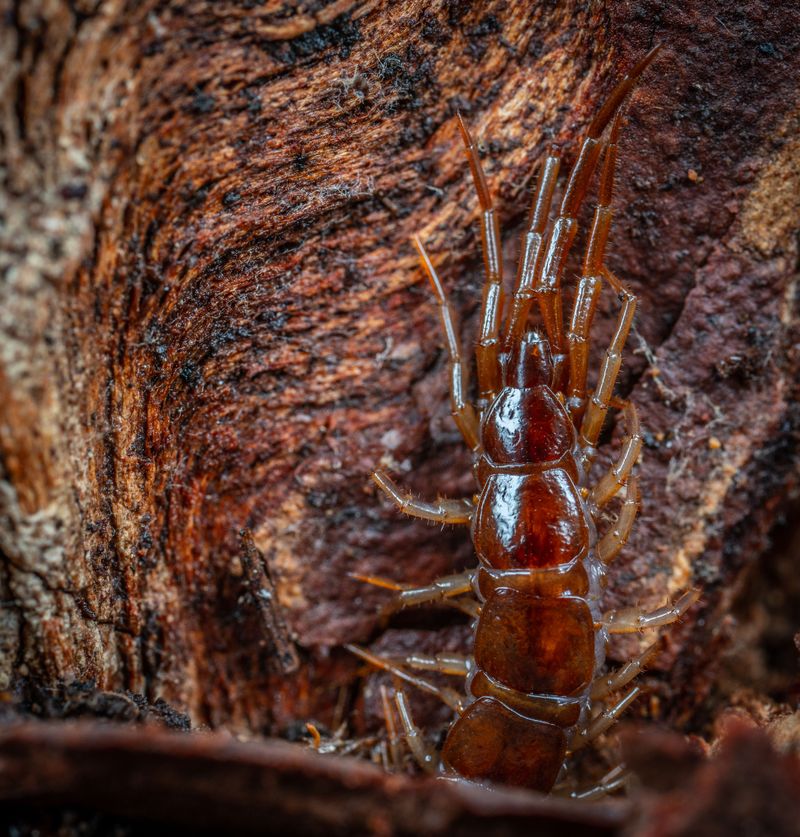
Here is something most homeowners never consider: centipedes follow their food supply. If they are inside your home, it means something else is already living there too.
House centipedes are natural predators that hunt cockroaches, silverfish, spiders, ants, and termites. Their presence indoors is often a signal that one of those pest populations has already established itself somewhere in your walls or floors.
A centipede indoors is a strong indicator that an established food source is already available, meaning smaller insects are likely hiding somewhere in your home.
Many homeowners treat the centipede they can see while ignoring the infestation they cannot. That approach rarely solves the problem, because the centipede will keep returning as long as its food source remains available.
Silverfish infestations are especially common in older Minnesota homes with paper storage, cardboard boxes, or natural fiber materials in damp areas.
Centipedes absolutely love hunting silverfish and will relocate wherever silverfish populations grow.
A thorough inspection of your basement, attic, and wall voids can reveal hidden pest colonies you never knew existed.
Addressing the underlying infestation is the only way to remove the centipede’s reason for staying. Your centipede sighting may be the first visible clue of a much larger hidden problem.
Danger Levels Of House Centipedes To Minnesota Families And Pets
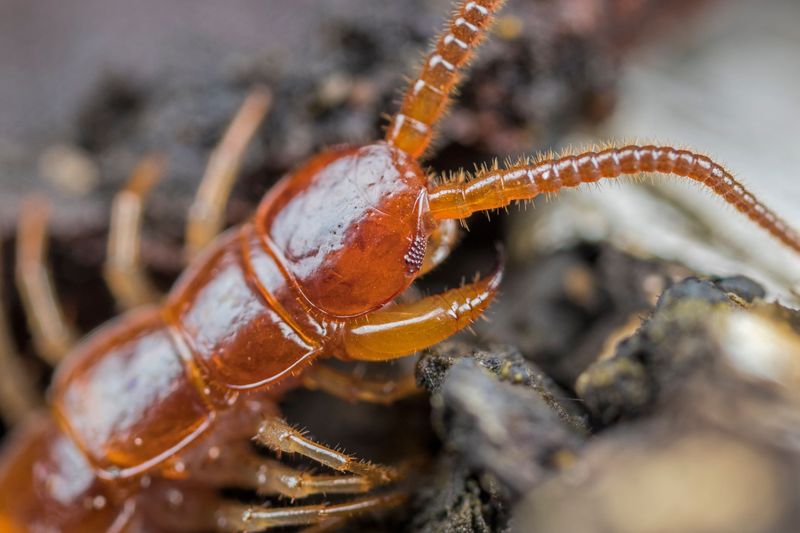
Before your imagination runs wild, take a breath. House centipedes are far less dangerous than their terrifying appearance suggests.
Yes, they do have venom. They use it to paralyze the small insects they hunt, not to attack humans or household pets.
Centipedes can technically bite if handled or cornered, but this is rare and usually results in minor, localized pain similar to a bee sting. Most people who are bitten describe it as a brief, sharp discomfort that fades within an hour.
Children and small pets are unlikely to be harmed by an encounter with a house centipede. The centipede’s first instinct is always to flee, not to fight, making aggressive behavior uncommon in normal household situations.
People with severe allergies to insect venom should still exercise caution and avoid direct contact. If a bite causes swelling, rash, or breathing difficulty, seeking medical attention quickly is the right call.
For the average Minnesota family, the centipede poses more of a psychological threat than a physical one. Their startling appearance causes far more screaming than actual injury in most homes.
Understanding their actual risk level helps you respond with clear-headed action rather than panic, which leads to much smarter pest management decisions.
Effective Methods To Control Them And Prevent Future Infestations
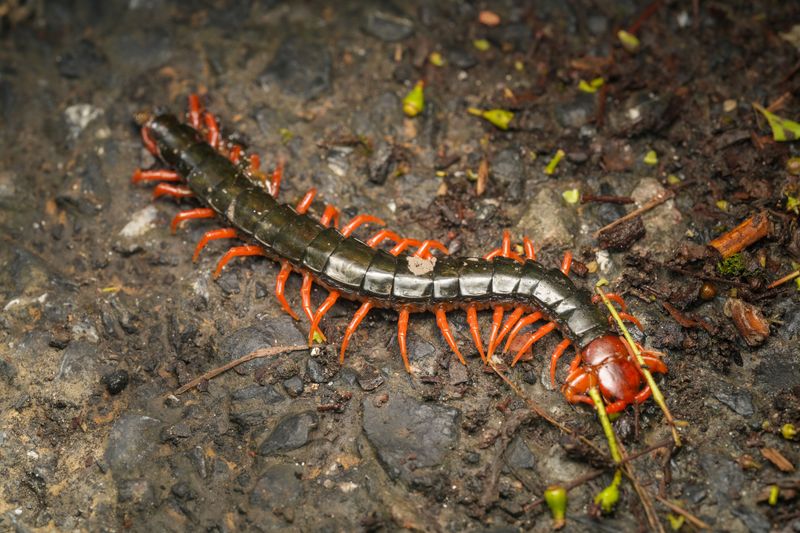
Getting rid of centipedes requires a layered approach, not just a single treatment. Tackling moisture, entry points, and food sources together delivers lasting results.
Start by sealing every crack and gap you can find along your foundation, around windows, and where pipes enter your home. A tube of weatherproof caulk costs a few dollars and can block dozens of entry points in one afternoon.
Next, address moisture aggressively by fixing leaks and running a dehumidifier in problem areas. Dry air is inhospitable to centipedes and reduces the insect populations they feed on simultaneously.
Sticky glue traps placed along baseboards and in corners help monitor activity levels and catch roaming centipedes without chemicals. Check them weekly to gauge whether your population is growing, shrinking, or holding steady.
Reducing clutter in your basement and storage areas removes the hiding spots centipedes love. Open, organized spaces with good airflow are far less attractive to these critters than dark, crowded corners.
Diatomaceous earth sprinkled along baseboards and behind appliances is a non-toxic option that damages the centipede’s exoskeleton over time. It works slowly but effectively and is safe around children and pets when applied correctly.
Consistent action across all these fronts will significantly reduce centipede activity in your Minnesota home over time.
Professional Pest Control Becomes Necessary Under These Circumstances
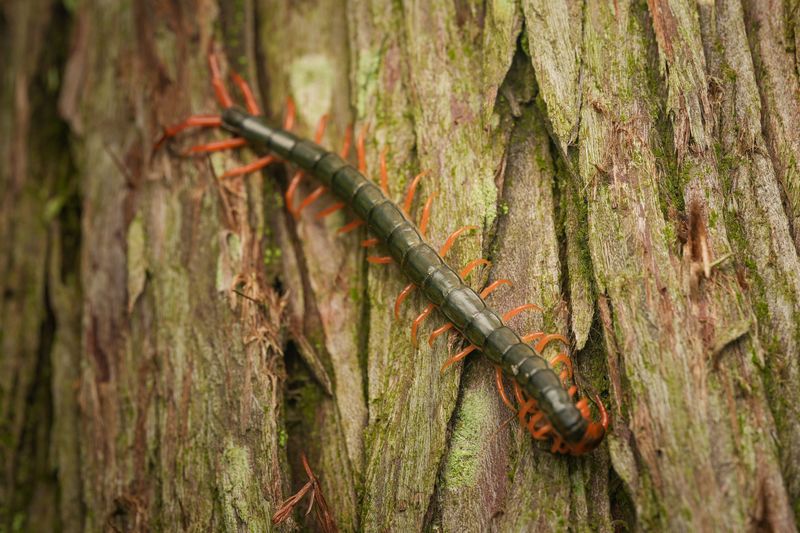
Sometimes the DIY approach simply is not enough, and knowing when to call a professional saves you months of frustration. Certain signs make it clear that expert help is the smarter move.
If you are spotting centipedes daily, in multiple rooms, or in areas beyond the basement, the population inside your home has likely grown beyond what traps and caulk can handle alone. That level of activity points to a deeper, established infestation.
A licensed pest control technician can identify the hidden pest colonies fueling the centipede activity. They have tools and access points that homeowners simply cannot replicate with store-bought products.
Professional inspections also uncover structural moisture issues, such as failing vapor barriers or hidden pipe leaks, that create the conditions centipedes depend on. Fixing those problems alongside treatment produces far better long-term outcomes.
Pest control companies in Minnesota often offer seasonal treatment plans that address centipedes alongside other common invaders like ants and spiders. Bundled treatments are frequently more cost-effective than addressing each pest separately.
If you have young children, elderly family members, or pets with sensitivities, professional-grade treatments applied by a trained technician minimize exposure risks. Precision application matters when vulnerable people share your space.
Seeing a centipede inside your Minnesota house repeatedly is your home asking for professional backup, and listening to that signal is always worth it.