This One California Yard Feature Is A Magnet For Cockroaches
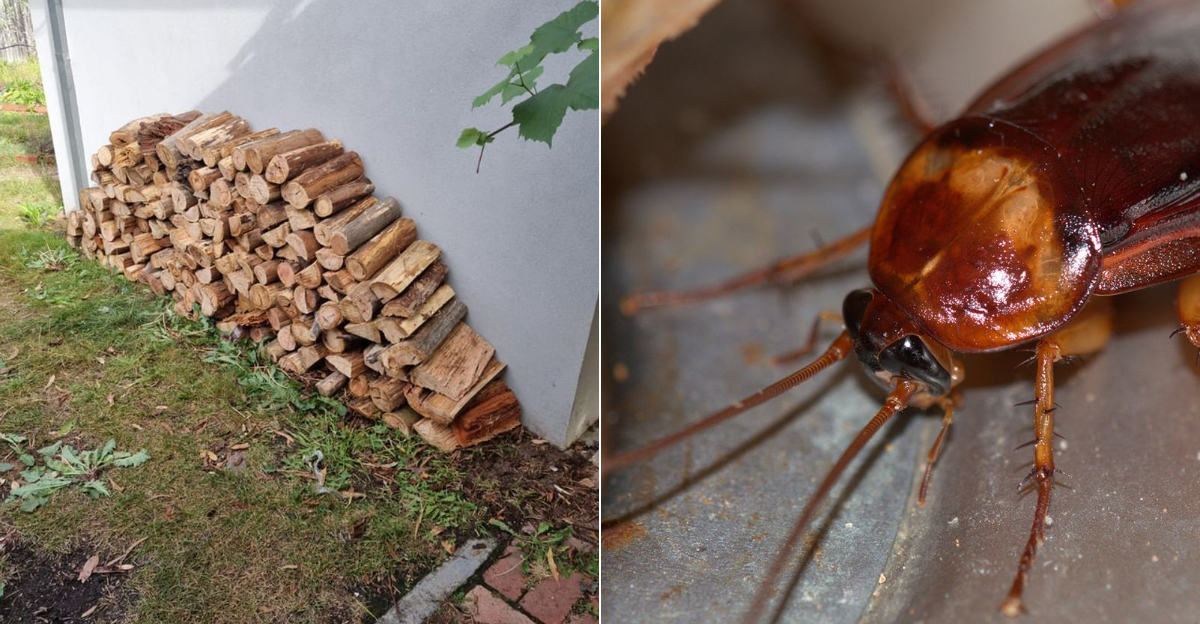
A California yard can look spotless and still attract some extremely unwanted visitors. Cockroaches are not impressed by fresh mulch or neat borders.
They are searching for something far more useful, and one common feature can make a property feel especially inviting.
The frustrating part is how harmless this setup often appears. Homeowners may walk past it every day without realizing it offers exactly the kind of environment roaches love.
Meanwhile, those sneaky guests are settling in like they received a formal invitation.
Spotting the problem early can make a huge difference, especially during warm weather when cockroach activity ramps up.
It does not necessarily mean tearing apart the landscape or giving up on outdoor comfort.A few thoughtful changes may be enough to make the area far less appealing.
That familiar yard feature deserves a closer look, because it could be doing much more than improving the scenery.
1. The Yard Pile Roaches Love Most
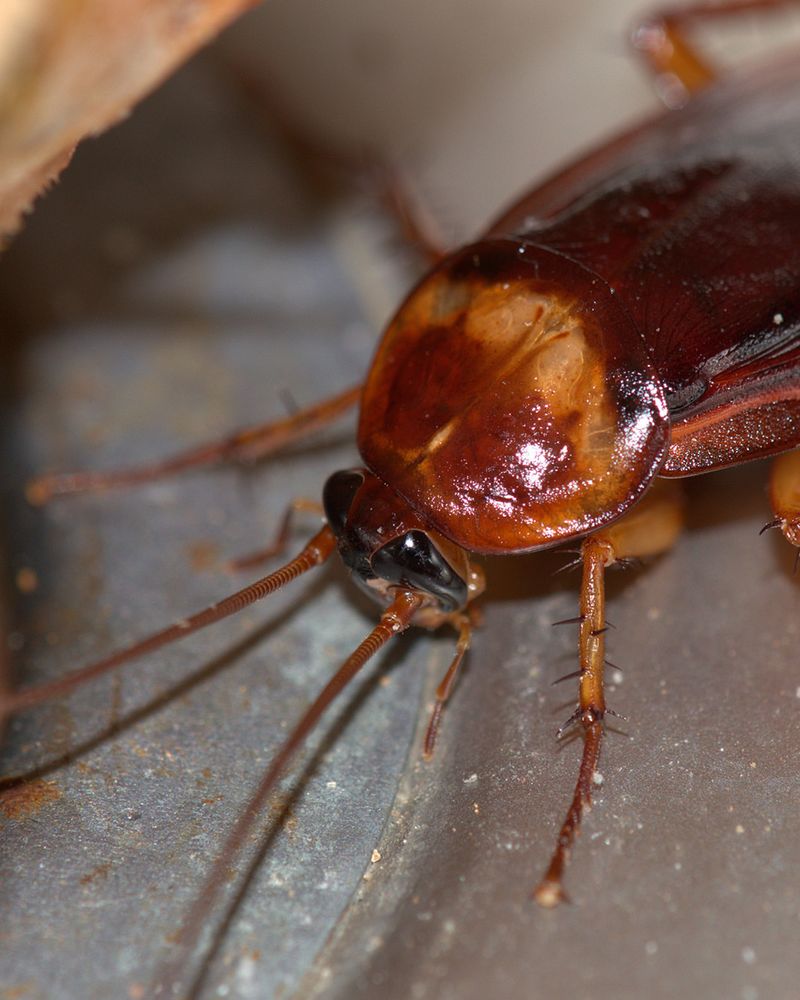
Moisture is the number one thing cockroaches search for, and a wet woodpile delivers it in abundance. Roaches need water to survive, and they are incredibly good at sniffing out damp environments.
A woodpile that gets rained on regularly or sits in a shaded corner of the yard holds moisture for days at a time.
In many parts of California, morning dew alone is enough to keep a woodpile damp throughout the day. That steady dampness creates the perfect living conditions for cockroaches.
They can drink from the moisture trapped between logs without ever needing to travel far.
The fix is simpler than most people expect. Store your firewood off the ground using a rack or pallets.
Keeping logs elevated allows air to circulate underneath, which helps the wood dry out faster.
Cover the top of the pile with a tarp or fitted cover to block rain, but leave the sides open so air can still flow through.
Try to stack wood in a sunny spot rather than a shaded corner. Sunlight naturally dries wood and makes the environment far less appealing to moisture-loving pests.
Checking the pile after rainstorms and removing any visibly soaked logs is also a smart habit. A dry woodpile is one of the easiest ways to make your yard less attractive to cockroaches without spending a lot of money or effort.
2. Stacked Logs Create Dark Hiding Space
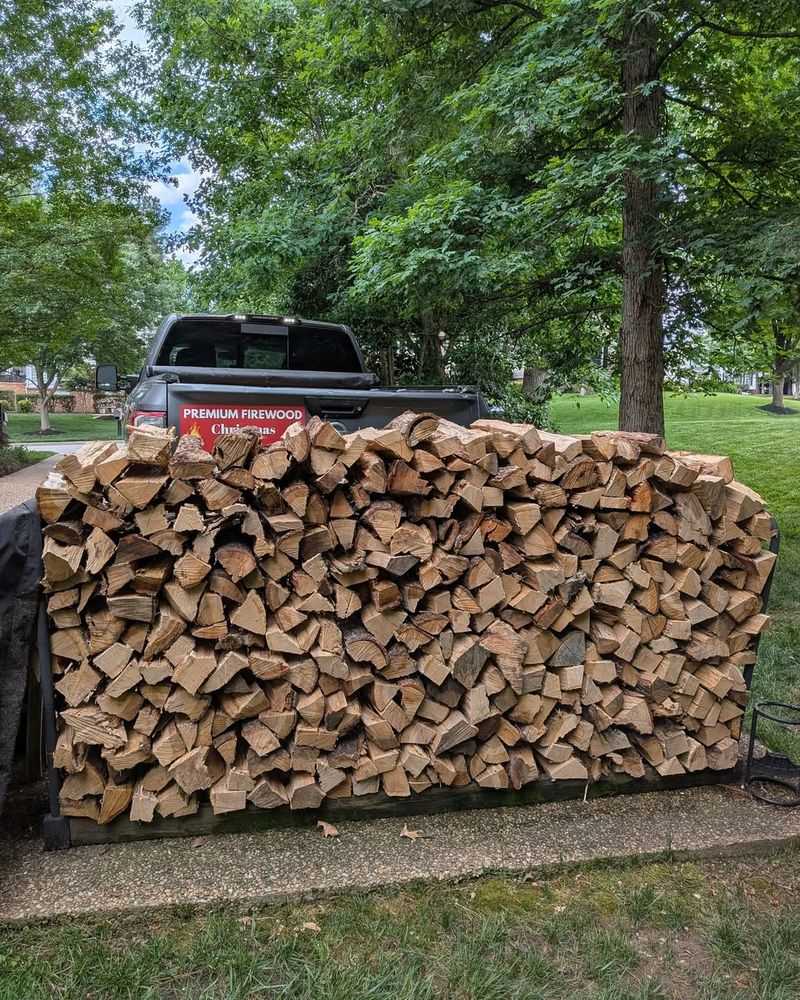
Cockroaches are hardwired to seek out tight, dark spaces. It is not just a preference; it is a survival instinct.
When logs are stacked on top of each other, they naturally create dozens of small gaps, tunnels, and dark pockets that roaches find irresistible.
These hidden spaces offer protection from predators like birds and lizards. They also help roaches regulate their body temperature.
Inside a dense woodpile, the temperature stays more stable than out in the open, which is exactly what roaches want during both hot summers and cooler nights.
Even a small stack of firewood can house a surprising number of cockroaches. A single log pile near the southern regions of California can shelter multiple species of roaches at once.
Your California Garden Changes Every Week. Your Plan Should Too.
Gardening in California changes quickly throughout the season. Every Friday you’ll receive a simple weekly plan showing exactly what to plant, prune, fertilize, harvest, and protect so you never miss the right timing.
German cockroaches, American cockroaches, and Oriental cockroaches have all been found nesting in outdoor woodpiles.
To reduce the appeal of stacked logs, try not to create overly dense or tall piles. Loose stacking allows more light and airflow to reach the interior of the pile, which discourages roaches from settling in.
Avoid stacking logs directly against a wall or fence, since that traps even more darkness and heat.
Rotating your woodpile regularly by using older logs first and restacking the pile also disrupts any roach communities that may have started forming inside the gaps between logs.
3. Moisture Under The Pile Keeps Roaches Comfortable
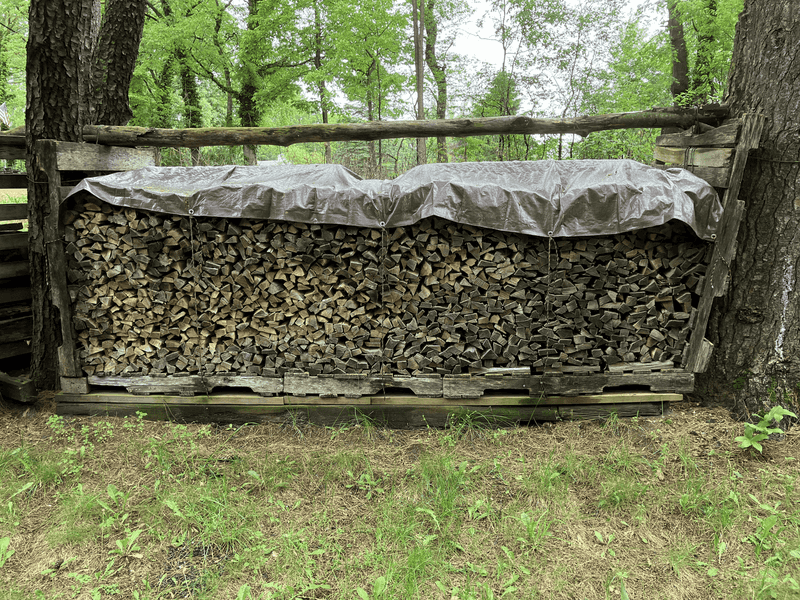
Even if the top of your woodpile looks dry, the ground underneath can tell a completely different story.
Soil naturally holds water, and when heavy logs sit directly on the ground, they trap that moisture in place.
That creates a cool, wet layer right at ground level that cockroaches absolutely love.
In many yards across California, irrigation systems keep the soil consistently moist. That means the ground under a woodpile rarely dries out completely.
Roaches can live in that underside zone for long periods, finding both shelter and hydration without ever needing to move very far from their hiding spot.
Ground contact also speeds up wood decay, which makes the situation even worse. As the bottom logs begin to soften and break down, they become easier for roaches to burrow into.
What starts as a surface problem can quickly turn into a deeper infestation within the woodpile itself.
Elevating your woodpile is the most effective solution here. A simple metal firewood rack costs very little and keeps logs off the ground completely.
Even stacking wood on top of a layer of gravel helps improve drainage and reduces moisture buildup underneath. Check the ground under your woodpile every few weeks, especially after rainy stretches.
If the soil feels soggy, consider moving the pile to a drier, better-drained area of your yard to discourage roaches from settling in.
4. Loose Bark Gives Roaches Easy Shelter
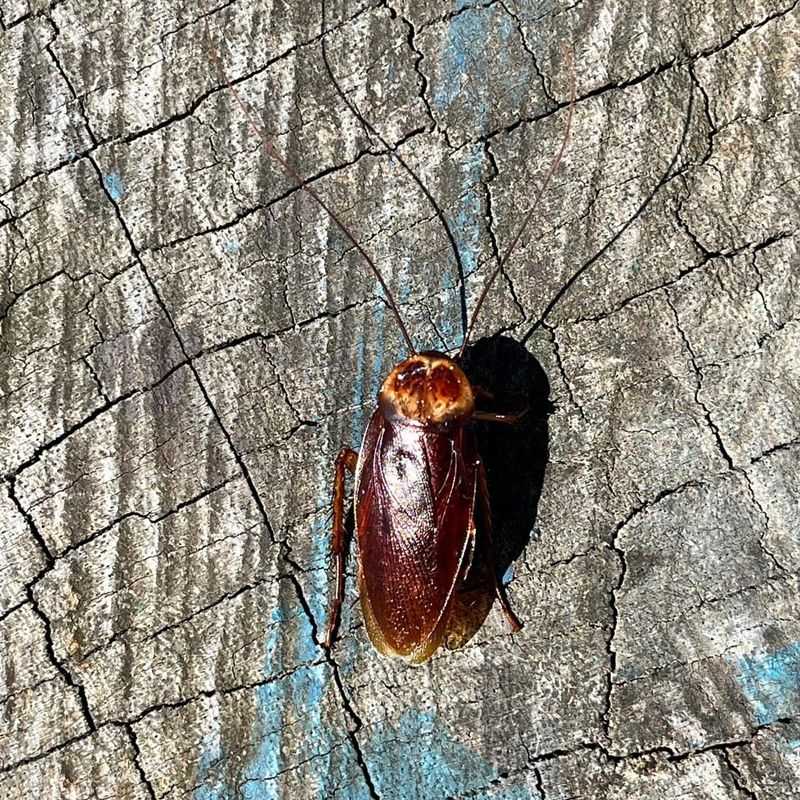
Bark might seem like a minor detail, but to a cockroach, it is prime real estate. Logs that still have their bark attached often develop loose sections over time.
That peeling, lifting bark creates narrow sheltered spaces that are perfect for cockroaches to flatten themselves into and hide.
Cockroach bodies are built to squeeze into incredibly thin gaps. Researchers have found that some species can compress their bodies to fit through spaces as thin as a quarter.
Loose bark on firewood offers exactly that kind of tight, protected environment. It shields roaches from wind, light, and predators all at once.
Bark also tends to hold more moisture than exposed wood. The layer between bark and the inner wood can stay damp for a long time after rain or watering.
That combination of shelter and moisture makes barky logs especially attractive to roaches looking for a place to nest and reproduce.
If you want to reduce this problem, look for firewood that has already been debarked or seasoned for a long time. Older, drier wood tends to have less loose bark and fewer hiding spots for pests.
When you bring new logs home, inspect them carefully before adding them to your storage pile.
Removing loose bark by hand before stacking is a small step that can meaningfully reduce how many roaches choose your woodpile as their home base in the yard.
5. Decaying Wood Adds Food And Cover
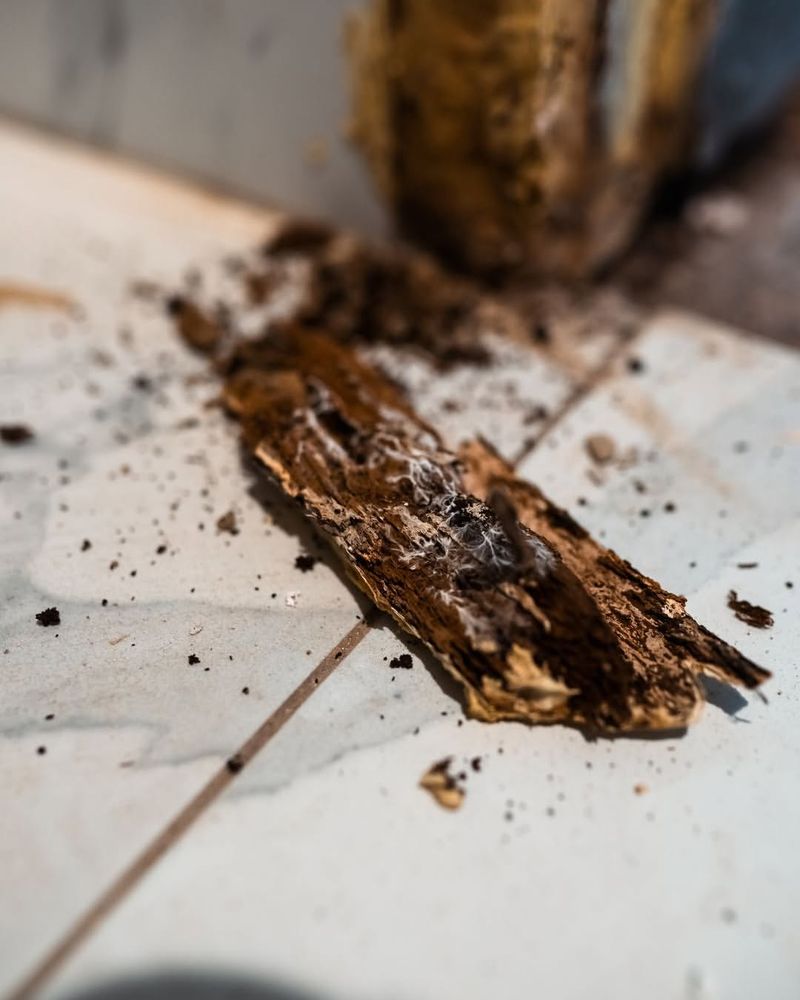
Rotting wood is like a buffet for cockroaches. As logs break down, they grow mold, fungi, and bacteria.
All of those things serve as food sources for roaches. A woodpile that has been sitting outside for a long time without being used can slowly turn into a full cockroach feeding station without anyone noticing.
Cockroaches are omnivores, which means they eat almost anything organic. Decaying plant material is fair game for them.
The soft, crumbling texture of rotting wood also makes it easy for roaches to burrow deeper into the pile, creating protected tunnels and nesting chambers that are hard to spot from the outside.
This is one reason why old, forgotten woodpiles are often the worst offenders. A pile that has been sitting in the same corner of the yard for two or three years may look fine on the outside but be heavily colonized by roaches on the inside.
By the time you notice the problem, the population may already be quite large.
Rotating your woodpile regularly is key to preventing this. Use the oldest logs first and inspect the bottom layers often.
Remove any wood that shows signs of heavy decay, soft spots, or fungal growth. Do not let logs sit on the ground long enough to start rotting.
Fresh, dry, well-rotated firewood is far less appealing to cockroaches than old, damp, decomposing logs left sitting for months at a time.
6. Woodpiles Near Walls Create An Indoor Path
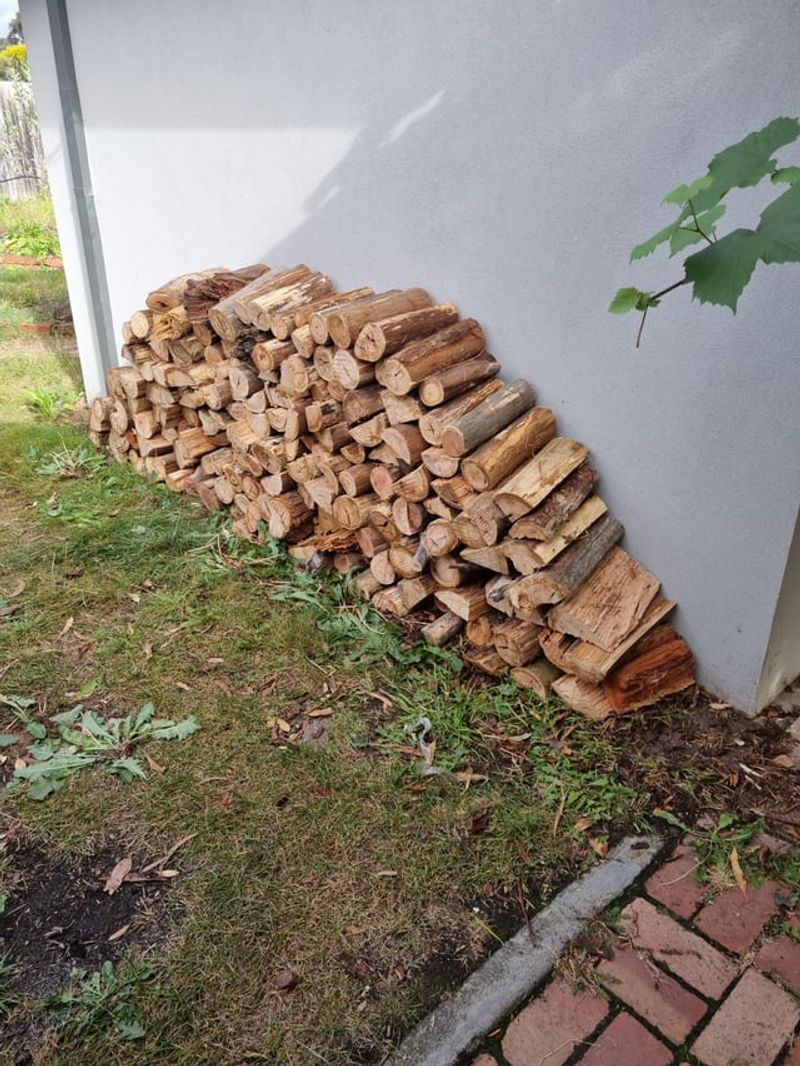
Location matters more than most homeowners realize. A woodpile stacked right against the side of your house is not just a storage choice; it is practically a welcome mat for cockroaches.
Once roaches establish themselves in the pile, they naturally explore their surroundings, and your home’s exterior wall is right there waiting.
Cockroaches can squeeze through gaps as small as a few millimeters. Cracks in stucco, gaps around pipes, worn weatherstripping, and openings near utility lines all become entry points.
When a woodpile sits directly against a wall, it bridges the gap between the outdoor roach population and your indoor living space in the most direct way possible.
Pest control experts across California consistently recommend keeping woodpiles at least 20 feet away from the house.
That distance forces roaches to travel across open ground to reach your home, which exposes them to predators and reduces the chance they will make the trip.
It also keeps the moisture and decay from the pile away from your foundation.
If 20 feet is not possible in your yard, even moving the pile 5 to 10 feet away from the wall makes a real difference. Seal any cracks or gaps in your home’s exterior while you are at it.
Combining good woodpile placement with solid home sealing creates a two-layer defense that is far more effective than either strategy on its own.
Small adjustments in placement can lead to big reductions in roach activity near your home.
7. Sprinklers Can Keep The Pile Too Wet
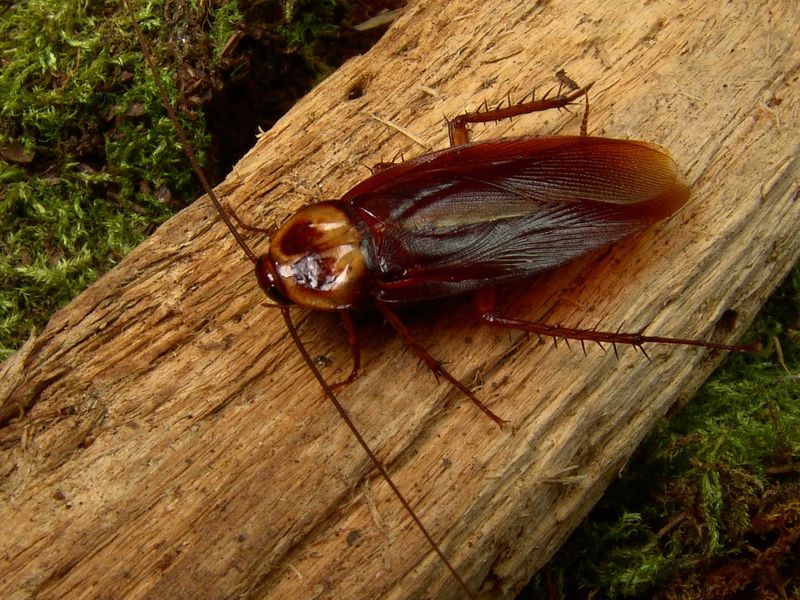
Automatic irrigation systems are a huge convenience, but they can unintentionally turn your woodpile into a roach magnet.
If a sprinkler head is aimed anywhere near your firewood storage area, it may be soaking those logs on a regular schedule without you ever thinking twice about it.
Many California homeowners run their irrigation systems early in the morning while they are still asleep.
That means the woodpile gets wet, and by the time the sun comes up, the moisture has already soaked in.
The logs may look dry on the surface by afternoon, but the interior of the pile stays damp for much longer.
Cockroaches are most active at night, so they take full advantage of that morning watering cycle.
By the time your sprinklers finish running and you head out for your day, roaches have already had a chance to drink, nest, and settle in more comfortably than the night before.
It is a cycle that quietly encourages a growing roach population right in your yard.
Walk your yard and check where each sprinkler head is pointed. Adjust any heads that are hitting your woodpile directly.
If the pile is in a zone that gets regular watering, consider moving it to a non-irrigated section of the yard.
Pairing dry storage conditions with good elevation will go a long way toward making your woodpile far less hospitable to roaches all year long.
8. Leaf Litter Around Logs Makes It Worse
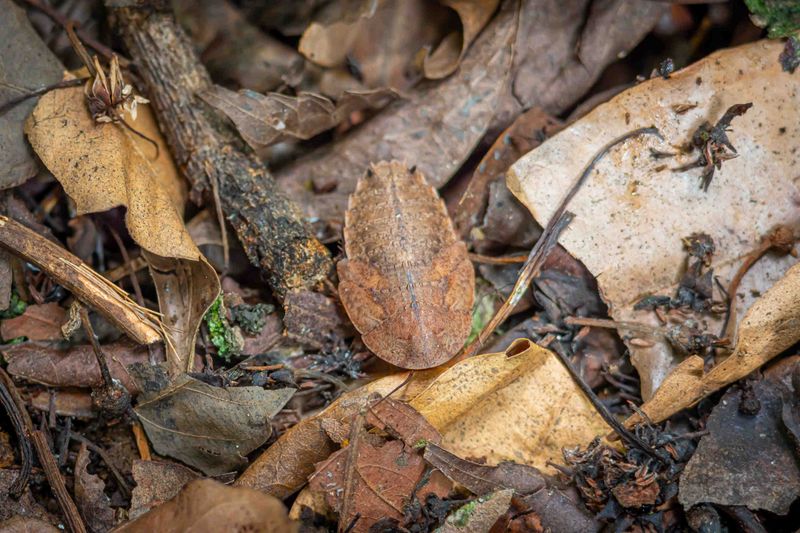
Leaf litter is one of those yard problems that sneaks up on you. Leaves fall, pile up around the base of your woodpile, and before long, you have a thick layer of decomposing organic material surrounding your firewood.
For cockroaches, that leaf layer is almost as appealing as the wood itself.
Fallen leaves trap moisture against the ground and create a soft, dark, insulating layer that roaches love to hide in. They also decompose over time, adding more organic food material to the mix.
The combination of leaf litter and a woodpile is particularly bad because it essentially doubles the amount of roach-friendly habitat in one small area of your yard.
In the northern and central regions of California, autumn leaf fall can be significant. Even in warmer southern areas, palm fronds and other organic debris accumulate around yard features throughout the year.
Ignoring that buildup around your woodpile is one of the easiest ways to let a small roach problem grow into a larger one without realizing it.
Make clearing leaf litter around your woodpile a regular part of your yard maintenance routine. Rake and remove leaves every week or two, especially during fall and after windy days.
Keep a clear, clean border of at least two feet around the base of the pile. Gravel or bare soil in that zone is better than mulch or grass, since both of those also hold moisture and give roaches extra cover to work with.