7 California Wildflower Seeds You Should Scatter Before October Rain
T-minus a few days.
Clouds gather over the distant hills. The air smells a little different. Somewhere in the forecast, the first real rain of the season waits its turn.
Most people see that storm as a reason to stay indoors. Wildflower fans see it as a starting gun.
For thousands of years, California’s native blooms have followed a clever schedule. They wait out the long, dry summer. They listen for the weather to change.
Then they make their move at exactly the right moment.
So why not borrow that schedule for your own yard?
A handful of seeds, a little prep, and one well-timed storm can turn a plain patch of dirt into a spring meadow.
Some of these flowers bring bold orange. Others glow in shades of blue so vivid they look freshly painted. One even blooms quite happily in the shade.
The catch? The clock matters more than most gardeners think.
Ready to beat the rain to the punch? Grab your seed packets. The countdown has already started.
1. California Poppy Needs This Exact Timing
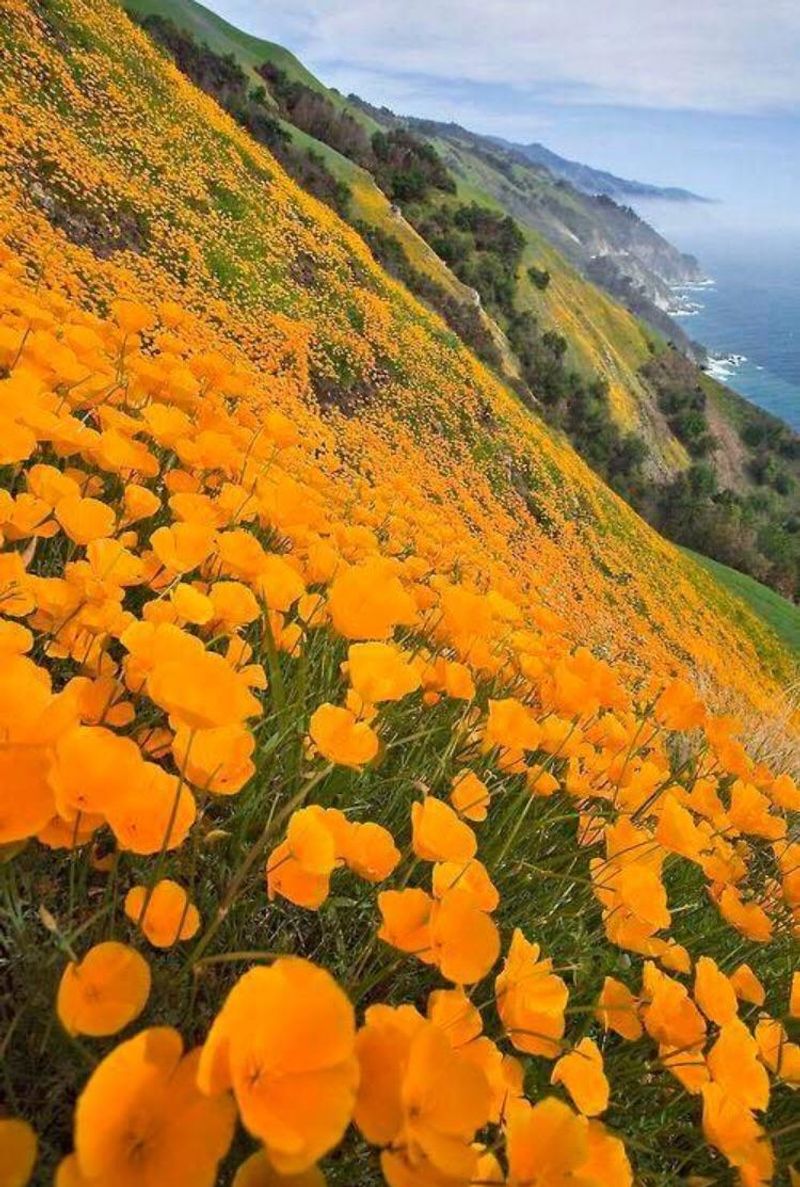
Our state flower is tougher than it looks. Those silky orange petals come from a plant that reads the California calendar better than most people do.
In the wild, poppy seeds drop in early summer and sit quietly through the hot, dry months.
Fall rain soaks the ground, nights turn cooler, and the seeds finally sprout. Young plants then spend winter on strong roots, which explains their early spring bloom.
October through early winter is the sweet spot for seeds, right before or during the rainy season.
Scatter them on loose, weeded soil and press them down lightly with a hand or foot. Skip a deep cover.
Poppy seeds are tiny and need a little light and close contact with damp soil.
Now for the most important tip, because poppies are a little stubborn about one thing. They grow a long taproot and dislike a move.
That makes direct seeds far better than transplants in pots. Once the seeds are in, let rain handle the water, except through a long dry spell after they sprout.
Poppy flowers close at night and on cloudy days, then open again once the sun returns.
A few plants left to go to seed in summer often reseed themselves. They return year after year with no help from you.
Your poppies keep a very sunny schedule, a bit like a shop that only opens on nice days. Luckily, the flowers are free and the return policy is excellent.
2. Lupine Germinates Best With Fall Moisture
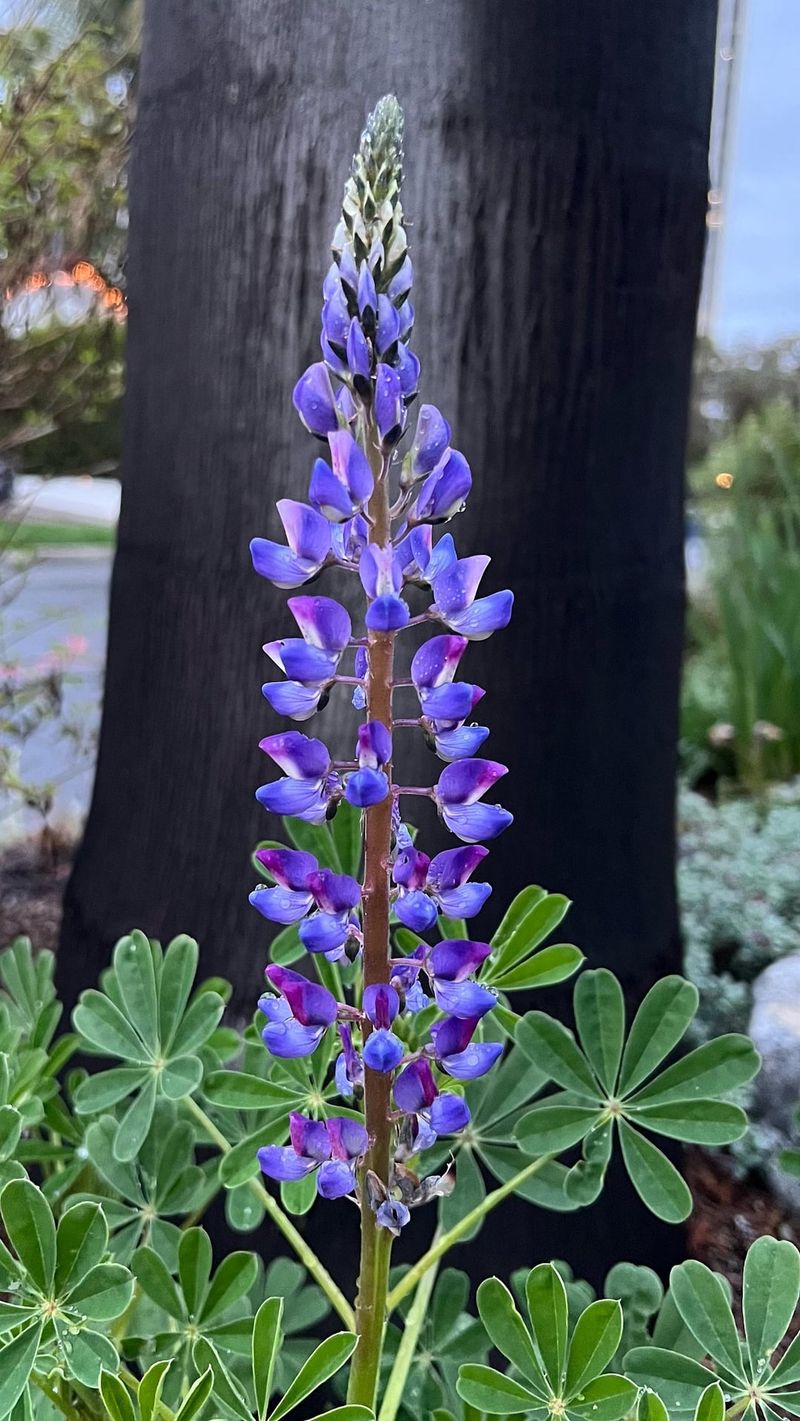
Try to crack a lupine seed with a fingernail, and the seed will likely win. These seeds wear a hard, waterproof coat that acts like armor.
That shell is a big clue to how they like to be planted.
The tough coat keeps water out until conditions are just right. In nature, fall and winter rains slowly soften it.
The seed sprouts once the soil stays moist and cool. A fall scatter gives your seeds that same long, gentle soak.
Your California Garden Changes Every Week. Your Plan Should Too.
Gardening in California changes quickly throughout the season. Every Friday you’ll receive a simple weekly plan showing exactly what to plant, prune, fertilize, harvest, and protect so you never miss the right timing.
Now for a simple trick that speeds things up. Soak lupine seeds in warm water overnight before they go in.
A gentle rub with sandpaper works too. Either step helps water sneak through the coat so the seed can wake up.
Plant seeds about a quarter to half an inch deep in sunny spots with well-drained soil. Arroyo lupine and sky lupine are two popular annual choices for home gardens.
Like poppies, lupines have deep taproots. Plant them right where they will grow.
Lupines also do a quiet favor for the garden. They belong to the pea family, and their roots team up with helpful soil bacteria to add nitrogen.
Nearby plants get a little natural boost as a result.
Bumblebees adore the tall purple spikes that show up in spring. Your lupines work double duty as garden helpers and bee magnets, all without a single paycheck.
3. Clarkia Rewards An Early Scatter
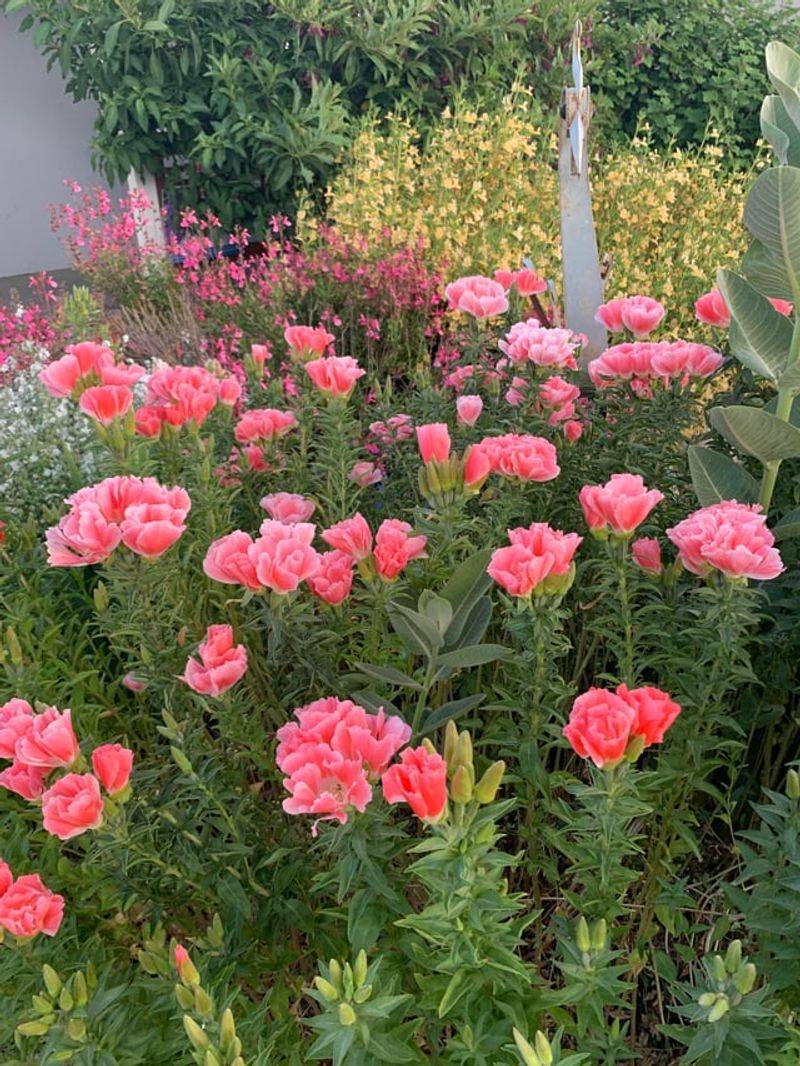
Explorers Lewis and Clark probably did not expect a pretty pink flower to carry one of their names. Clarkia honors William Clark, and it has earned a loyal fan club among California gardeners.
Some types go by the nickname farewell-to-spring. They bloom late in the season, when most other wildflowers fade.
That schedule makes clarkia a wonderful way to stretch the color show into early summer. The secret to those late blooms, though, starts months earlier.
Scatter clarkia seeds in early fall, ideally just before the first good rain. An early start gives plants the whole cool season to build leaves and roots.
Late or spring-sown seeds often produce smaller plants with fewer flowers. They simply run out of time before the heat arrives.
Now for a clever trick, because these seeds are almost as small as dust. Mix them with a bit of sand before the scatter.
That helps spread them evenly instead of a clump in one spot. Rake the soil very lightly afterward, and keep the seeds near the surface.
Once they sprout, clarkia plants need almost no care. They handle poor soil and dry summers well, which makes them great for low-water yards.
Full sun or light shade brings cup-shaped blooms in pink, rose, and lavender. Bees and butterflies visit often.
Clarkia may say farewell to spring, but it gives your garden a very warm hello first.
4. California Bluebells Thrive On Fall Sowing
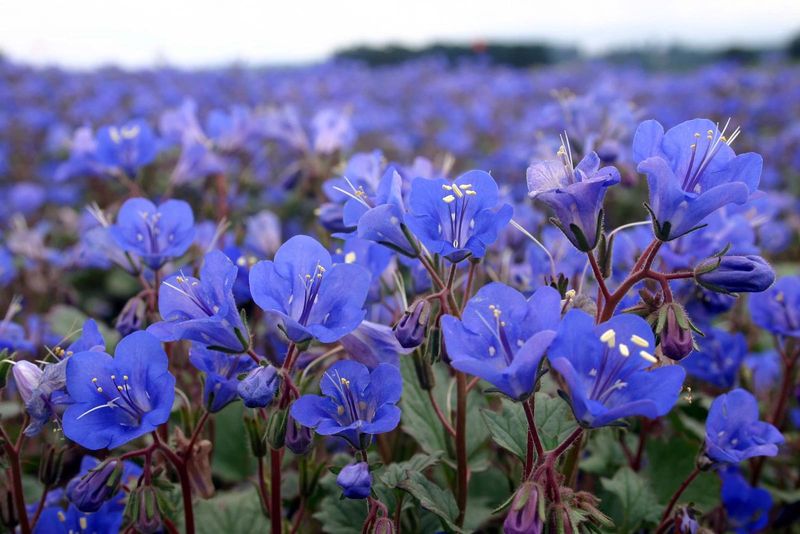
Blue is a rare color in the flower world, which makes California bluebells feel like a small treasure. Their bell-shaped blooms glow a deep, electric blue that seems almost too bright to be real.
Botanists know this wildflower as Phacelia campanularia. It comes from the deserts of Southern California.
Desert plants depend on seasonal rain. Bluebell seeds sprout once cool, wet weather finally arrives, and a fall scatter lines up perfectly with that signal.
Aim for fall, just before rain shows up in the forecast. Scatter seeds over bare soil and cover them with only a very thin layer, about an eighth of an inch.
The seeds sprout best in cool temperatures, so a wait until summer heat passes makes a real difference.
Good drainage matters more than rich soil here. Bluebells prefer sandy or gravelly ground and full sun.
Heavy clay that stays soggy can rot the roots. Pick a spot where water drains away easily.
Now for a quick heads-up, because these pretty plants have one prickly quirk. Some people get an itchy rash from phacelia leaves, a bit like a mild poison oak reaction.
Gloves make weed duty nearby much more pleasant.
Pollinators, on the other hand, adore these flowers. Native bees crowd around the blooms on warm spring mornings.
Your bluebells bring a splash of desert sky right into the yard. The bees may even treat it as their favorite café.
5. Baby Blue Eyes Prefers Cool Wet Soil
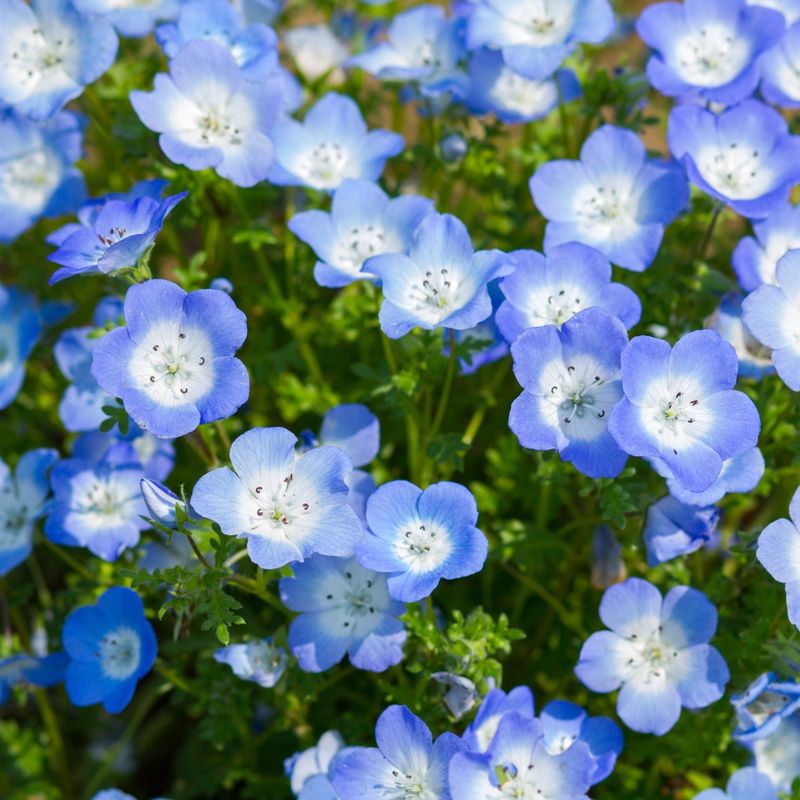
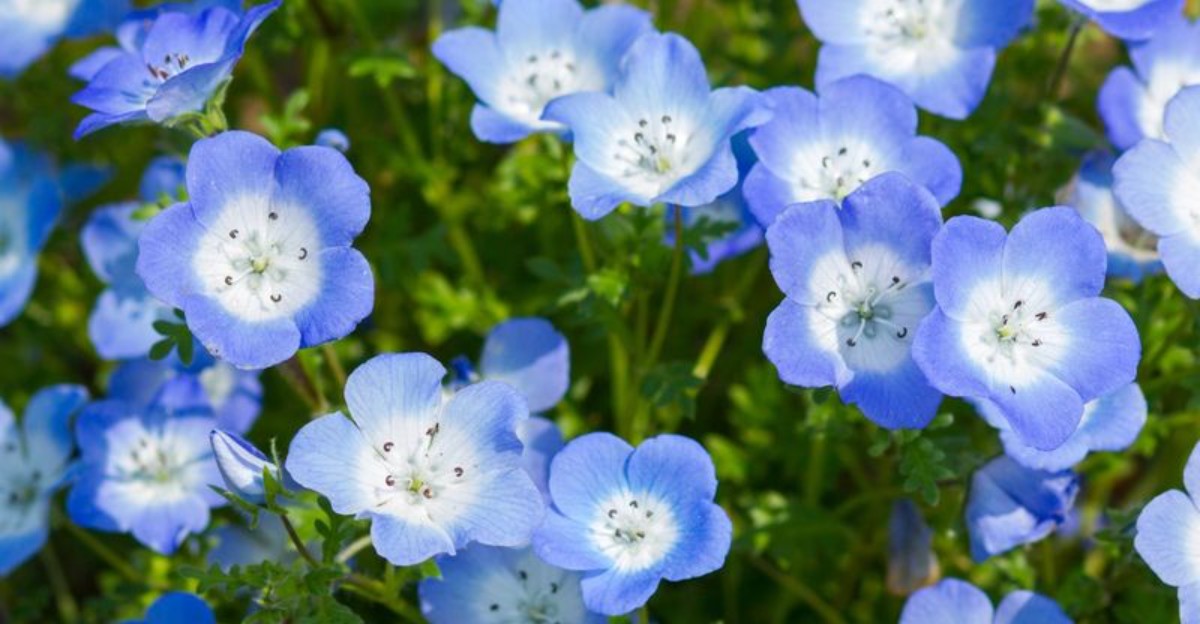
A walk under an oak tree in March can reveal a carpet of tiny sky blue flowers with white centers. That cheerful sight is baby blue eyes, one of the sweetest wildflowers in California.
Nemophila menziesii grows naturally in grasslands and along woodland edges. It loves cool, moist soil.
Its seeds sprout when fall rains soak the ground and temperatures drop. Summer heat has the opposite effect, so a late spring start rarely works.
That is why a fall scatter matters so much here. Sow seeds in fall and cover them lightly with soil. Winter rain then keeps everything damp.
The plants grow quickly through the cool months. Blooms begin in late winter or early spring.
These flowers stay low, usually just a few inches tall, and spread into soft mats. They look lovely along paths, at the front of beds, or tucked under larger plants.
Partial shade works well, especially in hot inland areas where afternoon sun can be harsh.
Now for a bit of plant trivia, and the name tells the whole story. Nemophila means woodland loving, which fits its fondness for dappled light.
Once the weather warms in late spring, the plants fade and drop their seeds. Leave them in place.
A fresh blue carpet may return next year once the rains come back. Your garden gets a free encore, and nobody even had to shout for one.
6. Tidy Tips Fills In Fast Come Spring
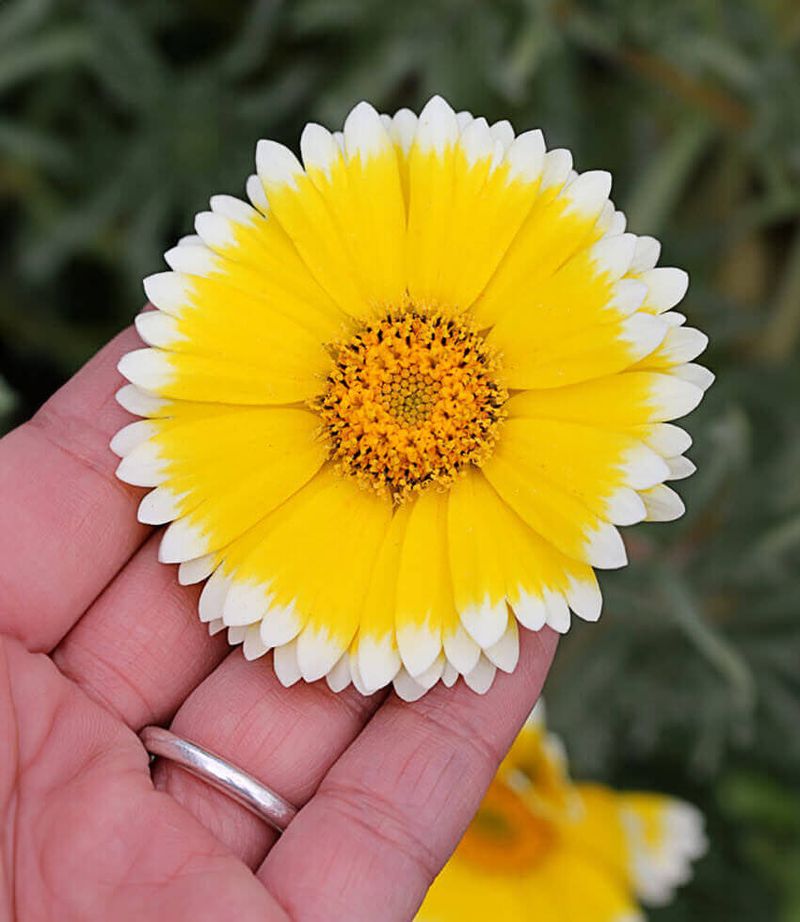
Somebody seems to have taken a paintbrush to these daisies. Each bright yellow petal ends in a clean white edge, as though it were dipped in paint.
That neat trim is exactly how tidy tips got their name.
Layia platyglossa grows wild across California grasslands and coastal areas. Its seeds sprout with fall rain and cool weather.
The young plants stay small and quiet through winter. Then they shoot up fast once spring sunshine warms the soil.
That spring growth spurt is where a fall start really pays off. Plants with an early head start have strong roots ready to go.
They fill open spaces quickly and bloom heavily. Seeds sown in spring usually give far fewer flowers.
The process is simple. Scatter seeds in fall over loosened soil in a sunny spot, then press them in gently.
Tidy tips are not picky and handle clay better than many wildflowers. That makes them a friendly pick for beginners.
Now for a combo that looks straight out of a postcard. Mix tidy tips with poppies and lupines.
The yellow, orange, and purple together create a real wildflower meadow look. Butterflies and native bees stop by often for a sip of nectar.
Some people even notice a faint, sweet scent on warm afternoons.
Your garden gets a flower that always looks freshly groomed. Honestly, tidy tips have better hair days than most of us.
7. Chinese Houses Adds Color To Shaded Spots
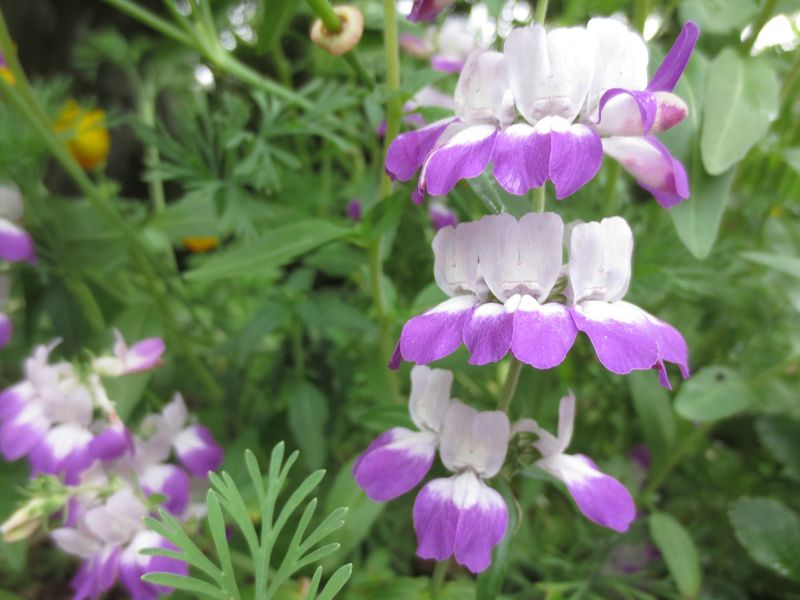
Shady corners often stay stubbornly bare, while sunny beds get all the color. This wildflower changes that story.
Many wildflowers beg for full sun, but Chinese houses feel happy in the dappled light under trees.
Collinsia heterophylla gets its common name from the way its flowers stack in rings around the stem, like the tiers of a pagoda.
Each bloom has two colors. Usually, white or pale lilac sits on top, with rich purple below. A patch of them in spring is a real treat.
The seed rules match its sun-loving cousins. Sow seeds in fall so rain and cool temperatures can trigger germination.
Cover them with a very light layer of soil or leaf mulch. Keep heavy weeds away while seedlings settle in.
Partial shade suits this plant best, such as beneath oaks or along the north side of a fence. In the wild, it often grows on shaded slopes and woodland edges.
Near the coast, it tolerates some sun too, since the air stays cooler there.
Blooms arrive in mid to late spring and attract bees, including busy native bumblebees.
Now for an easy trick that extends the show for years. Once plants set seed and dry up, shake the seed heads over the same spot.
That tiny step keeps your shady patch colorful without new seed packets.
Your once-forgotten corner becomes the talk of the garden. Shade, it turns out, just needed the right guest.
8. Direct Sowing Beats Waiting For Spring
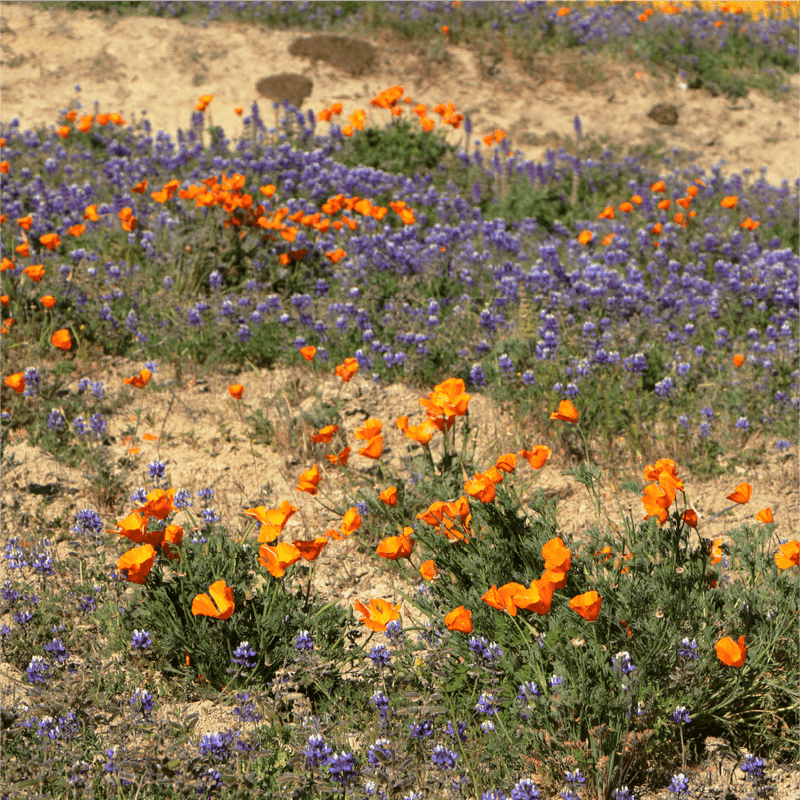
Nature already wrote the seed schedule. Every flower on this list, from poppies to Chinese houses, follows the same basic pattern in the wild.
Seeds sprout with fall rain, grow roots all winter, and bloom in spring before summer drought returns.
A fall scatter simply copies that schedule. For these annuals, fall seeds usually beat spring seeds by a wide margin.
Spring-sown seeds have less time to grow. They often run into heat before they can bloom well.
Prep is easy. Pull weeds and clear away grass, then loosen the top inch of soil with a rake.
Many gardeners water the area once and wait a week or two. Weed seeds sprout, and they get pulled before the wildflowers go down.
Next, spread your seeds evenly, and mix tiny ones with sand. Press them lightly into the soil and cover with only a thin layer.
Then watch the forecast and let the season’s first real storm handle the water.
Now for a few final pointers, because hungry birds have been eyeing your seed packets. A thin layer of mulch or netting helps protect the scatter.
A long dry spell after the seeds sprout calls for an occasional drink.
Leave wild plants in the wild, and buy seeds from trusted native plant sources instead.
Your spring meadow is officially in the works. The rain handles the hard work, and you collect all the compliments.