The Best Time Of Day To Water Oregon Plants During A Heat Wave And Why It Changes Everything
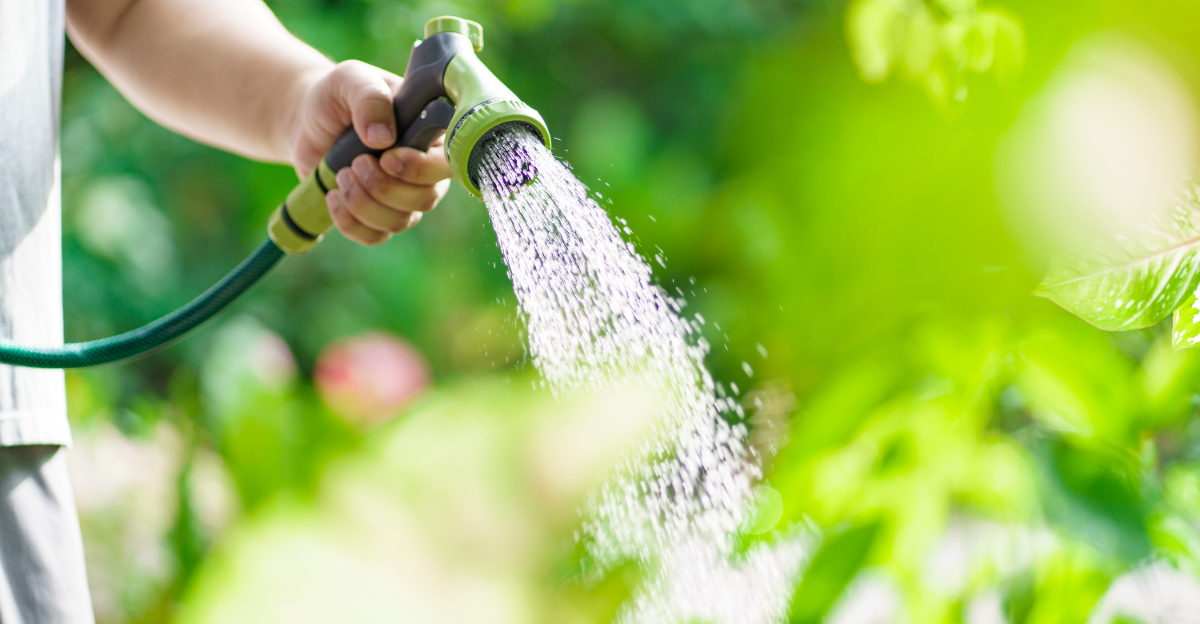
When an Oregon heat wave arrives, watering the garden can become a guessing game. The soil looks dry, leaves start drooping, and grabbing the hose feels like the obvious solution.
Yet the clock may matter almost as much as the water itself.
Plants respond differently depending on when moisture reaches their roots. A well-timed soak can help them face a scorching day, while poor timing may leave much of that effort disappearing into the air.
Nothing like watching your hard work evaporate. Heat also changes how quickly soil dries and how efficiently plants use moisture. That means a routine that works during mild weather may fall flat once temperatures soar.
Choosing the right watering window can help plants stay steadier through extreme conditions.
It can also make every drop count, which is especially helpful when the garden looks thirsty enough to drink straight from the hose.
1. Early Morning Gives Roots The Best Chance
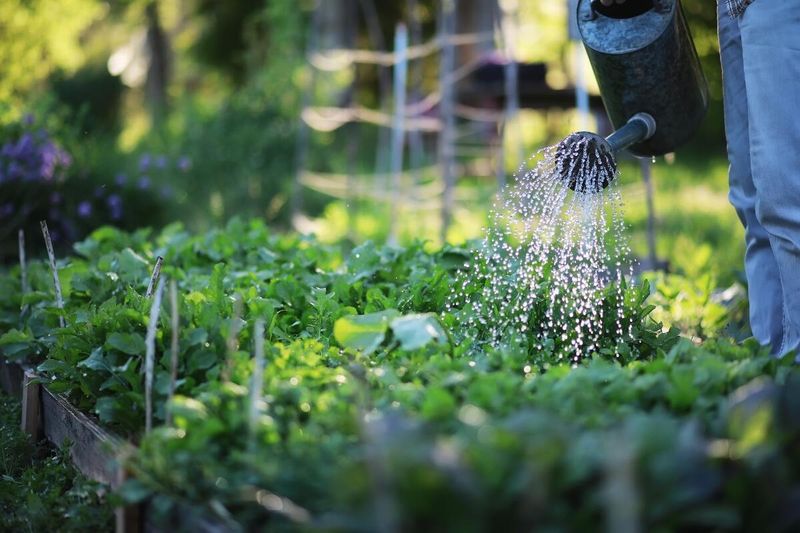
Most experienced gardeners will tell you the same thing: early morning is the golden window for watering. When the sun is just starting to rise, temperatures are at their lowest point of the day.
The soil is cool, and the air is calm. That combination is exactly what your plants need to absorb water deeply and efficiently.
Watering early means the moisture has time to travel down through the soil before the heat sets in. Roots can drink up what they need without competing against rapid evaporation.
Plants use that stored water throughout the hottest hours of the afternoon, which helps them stay upright and healthy even when the sun is blazing overhead.
Aim to start watering between 5 and 8 in the morning. If you can get outside before 7, even better.
The earlier you water, the more time the soil has to absorb moisture before midday heat arrives. This is especially helpful for vegetable gardens and flower beds that tend to wilt quickly in the afternoon.
Another benefit of morning watering is that any water that lands on leaves has time to dry off before the hottest part of the day. Wet leaves in cool morning air dry quickly, which lowers the risk of fungal problems.
Early morning watering is simple, effective, and one of the best habits any gardener can build during a heat wave.
2. Water Before The Heat Starts Pulling Moisture
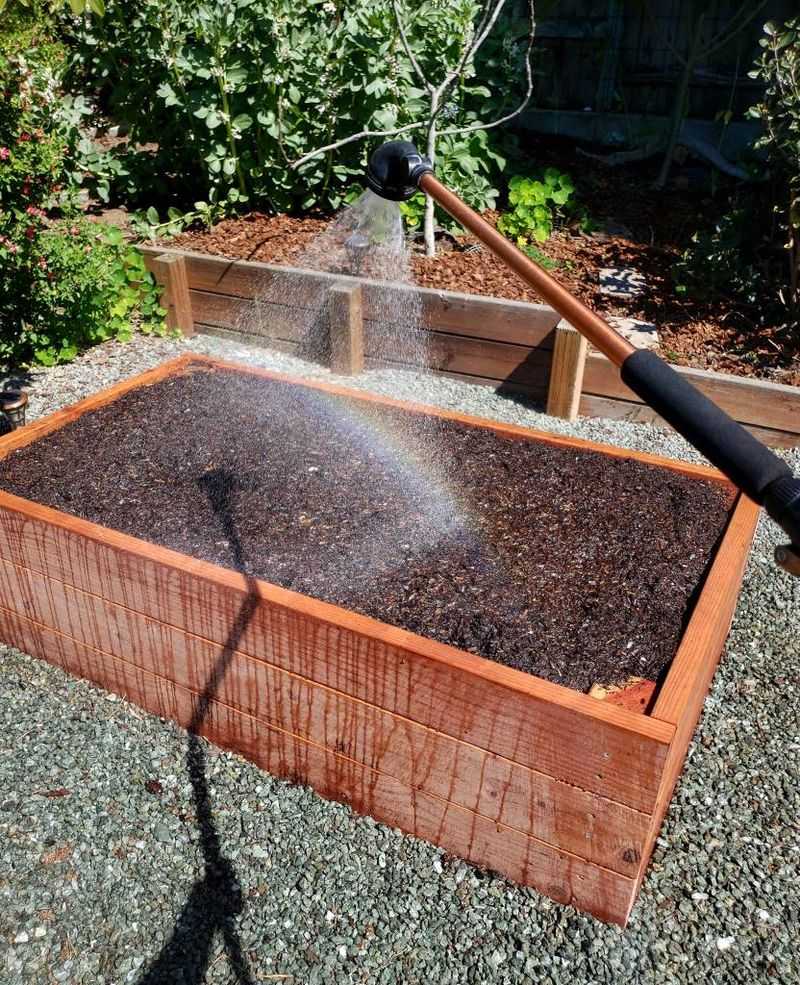
Heat does not just warm the air. It actively pulls moisture out of the soil and right off plant leaves through a process called evapotranspiration.
Once the temperature climbs past 85 degrees, your soil starts losing water much faster than it normally would. Watering before that heat kicks in gives your plants a head start they really need.
Think of it like filling up a water bottle before a long hike. You want your plants fully loaded with moisture before the hottest hours arrive.
Soil that is already moist in the morning holds onto that water better than dry soil that gets watered in the afternoon. Dry soil actually repels water at first, making it harder for roots to absorb anything quickly.
Your Oregon Garden Changes Every Week. Your Plan Should Too.
Gardening in Oregon changes quickly throughout the season. Every Friday you’ll receive a simple weekly plan showing exactly what to plant, prune, fertilize, harvest, and protect so you never miss the right timing.
Watering before 9 AM during a heat wave is a simple rule that works across most plant types. Roses, tomatoes, beans, and even native plants benefit from pre-heat hydration.
You are essentially giving the roots a reservoir to draw from when temperatures peak.
Oregon summer heat waves can push afternoon temperatures well above 95 degrees in many areas. That kind of heat drains soil moisture fast.
Getting water into the ground early in the day is one of the most effective ways to protect your plants without wasting water. Consistency matters more than perfection, so just try to water before the sun gets high.
3. Deep Soaking Beats Midday Sprinkling
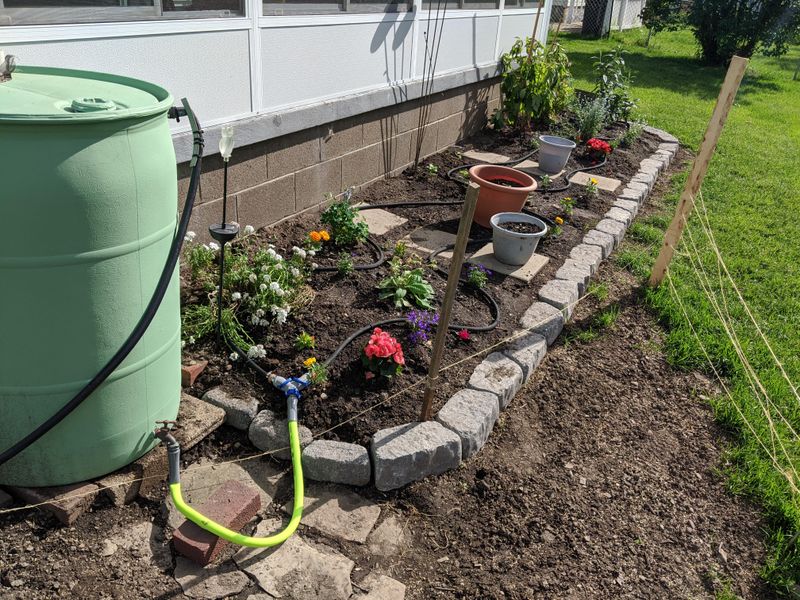
Shallow watering is one of the most common mistakes gardeners make during a heat wave. Sprinkling a little water on top of the soil might look like enough, but it rarely reaches deep enough for roots to benefit.
During extreme heat, that surface moisture evaporates within minutes, leaving plants just as thirsty as before.
Deep soaking is the better approach by far. When you water slowly and thoroughly, moisture moves down through the soil profile and reaches roots where they actually live.
Most vegetable roots grow six to twelve inches below the surface. A quick sprinkle barely reaches two inches down, which is not enough to help during a heat wave.
To soak deeply, water slowly for a longer period. A soaker hose or drip irrigation system works really well for this.
You can also use a regular hose set to a low flow and let it run near the base of your plants for several minutes. The goal is to saturate the soil down to at least six inches.
Deep soaking also encourages roots to grow downward, which makes plants stronger and more drought-tolerant over time.
Shallow watering keeps roots near the surface where they are more vulnerable to heat and dry air.
One good deep soak in the early morning is far more effective than two or three light sprinklings throughout the day. Make depth your priority during any heat event.
4. Root-Zone Watering Changes Everything
Watering the right place is just as important as watering at the right time. Many Oregon people water the entire surface of their garden, including areas where no roots exist.
That wastes water and does nothing to help your plants stay hydrated during a heat wave. Focusing water directly on the root zone makes every drop count.
The root zone is the area of soil directly beneath and slightly around the base of a plant. That is where the feeder roots are most active.
Those small roots absorb most of the water and nutrients a plant needs. Pouring water far from the base means much of it goes to waste before roots ever get a chance to use it.
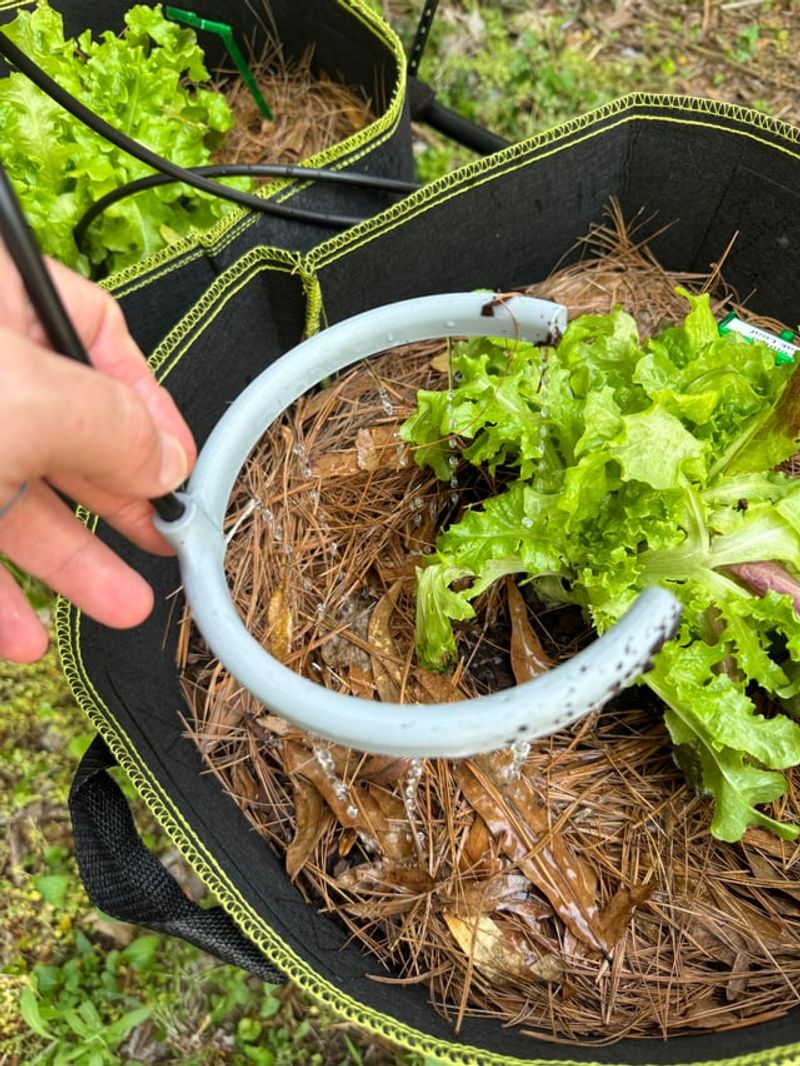
Drip irrigation is one of the most efficient ways to target the root zone. Drip lines deliver water slowly right at the soil surface near the plant base.
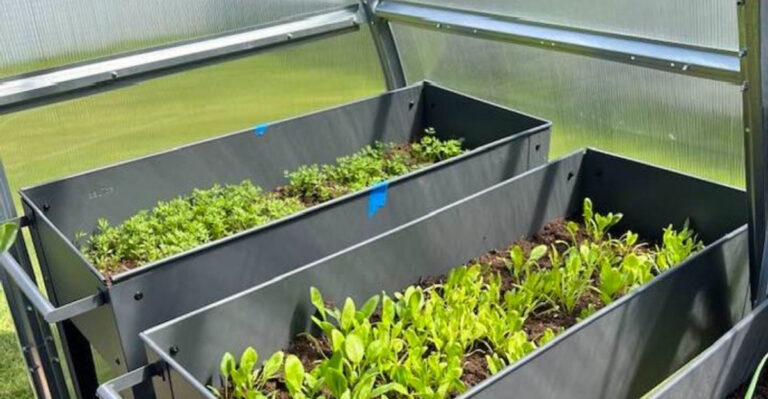
Soaker hoses work similarly and are easy to set up in raised beds or traditional garden rows. Both methods reduce water waste and keep moisture right where plants need it most.
During a heat wave, root-zone watering can make a noticeable difference in how well your plants hold up through the afternoon. Plants that receive targeted watering early in the morning tend to stay perkier longer into the day.
Less water gets lost to evaporation, and more of it reaches roots. It is a simple shift in technique that delivers real results when temperatures are extreme.
5. Midday Water Evaporates Too Fast
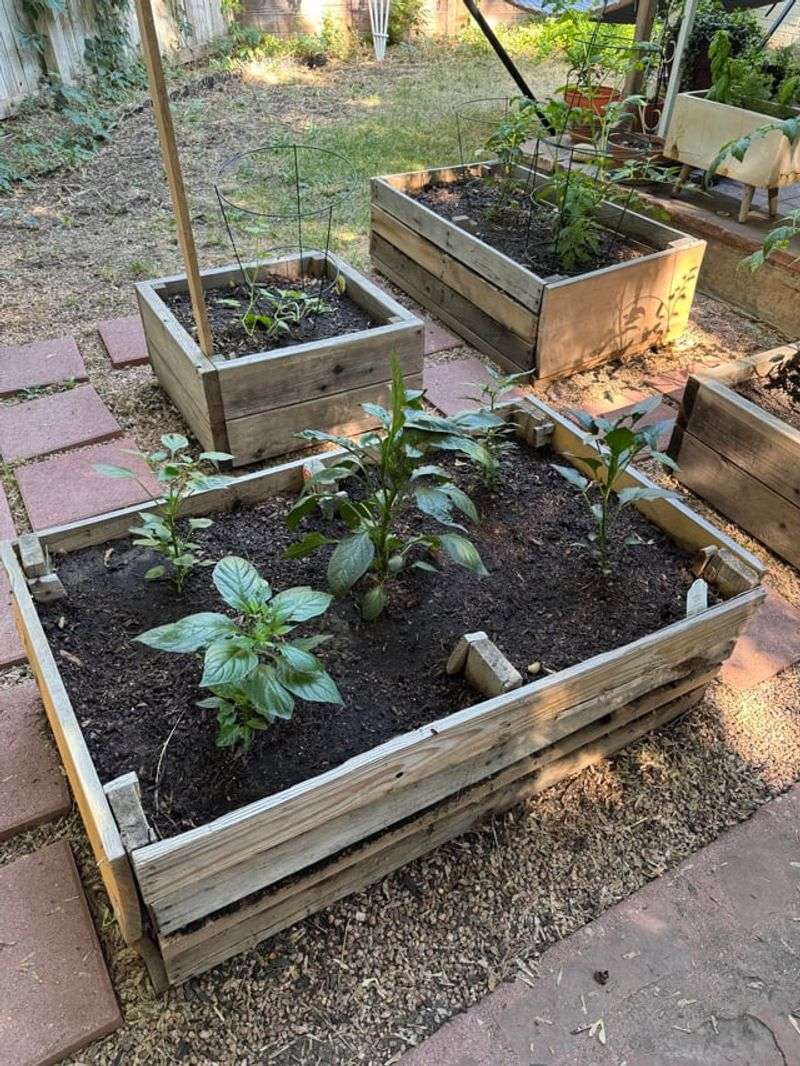
Watering in the middle of the day during a heat wave is almost always a losing battle. When the sun is directly overhead and temperatures are at their peak, water evaporates from the soil surface incredibly fast.
Studies have shown that midday watering can lose up to 30 percent more water to evaporation compared to early morning watering.
That lost water never reaches your plant roots. You end up using more water to get the same result, which wastes both water and your time.
During a heat wave, water conservation matters a lot, especially in areas of Oregon that face summer drought restrictions. There is also a common myth that watering in midday sun burns plant leaves.
While water droplets on leaves do not actually cause burn marks in most cases, wet leaves combined with extreme heat can stress plants and create conditions where certain fungal issues develop more easily.
Avoiding overhead watering in the middle of the day is still the smarter choice.
If your plants are visibly wilting at noon, it can be tempting to grab the hose right away. A better option is to wait until late afternoon or early evening if you missed your morning window.
Wilting during the hottest part of the day is often temporary. Plants sometimes recover on their own once temperatures drop in the late afternoon.
Always check the soil before adding more water.
6. Evening Watering Can Leave Leaves Damp
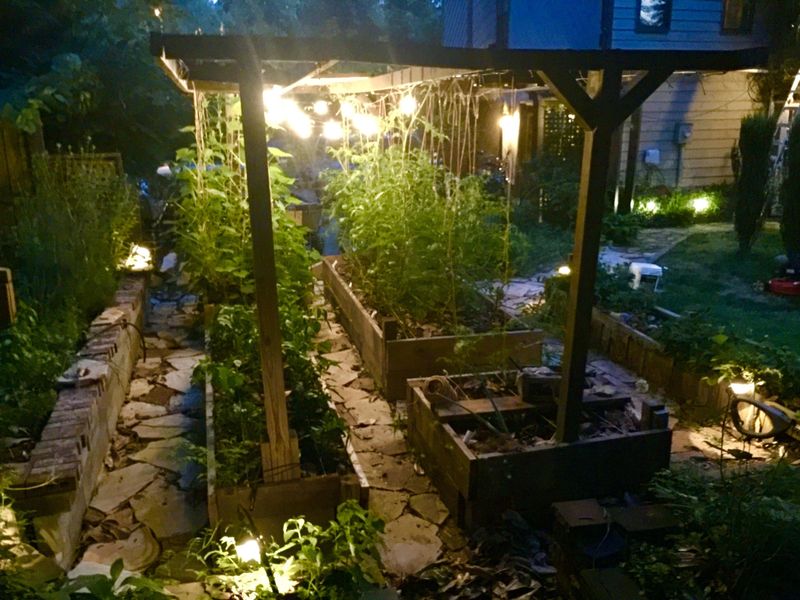
Evening watering is often seen as a good backup option when mornings are too busy. It does have one real advantage: temperatures are dropping, so less water evaporates right away.
But evening watering also comes with a trade-off that gardeners in Oregon should know about before making it a habit.
When you water plants in the evening, especially using overhead sprinklers, the leaves often stay wet all night long. Cool, damp nights create perfect conditions for fungal problems like powdery mildew and leaf spot.
These issues can spread quickly through a garden and weaken plants over time. Tomatoes, squash, and roses are especially vulnerable to fungal growth when their leaves stay wet overnight.
If evening is your only option, try to water at the base of your plants rather than overhead. Use a drip line, soaker hose, or direct the hose stream toward the soil.
That way the leaves stay dry while the roots still get the hydration they need. Watering between 4 and 6 PM is better than watering after dark because leaves still have some time to dry before nightfall.
Evening watering is not a bad choice, but it should be used thoughtfully. During a heat wave, morning watering should always be the first priority.
Evening watering works best as a supplement for plants that are really struggling, not as a replacement for a solid early morning routine. Keep leaves dry whenever possible and your plants will thank you.
7. Containers May Need A Second Check
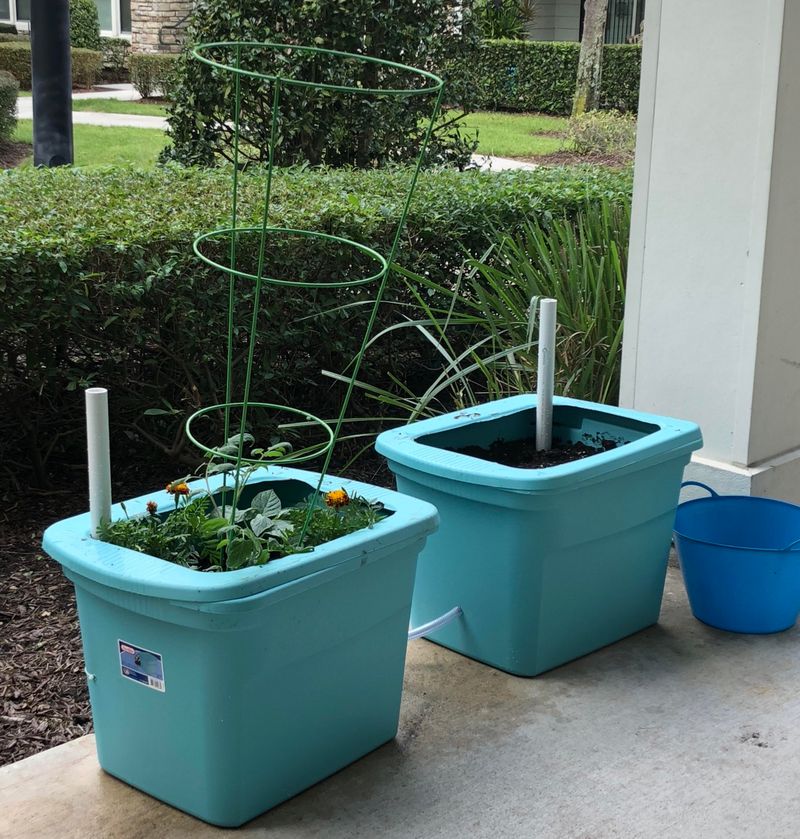
Container plants play by different rules than those growing in the ground. Pots heat up much faster than garden beds because they are surrounded by air on all sides.
During a heat wave, a black plastic pot sitting in direct sun can reach temperatures that make the soil inside almost too hot to touch. That kind of heat pulls moisture out of containers extremely fast.
Most container plants need to be watered at least once a day during a heat wave, and some may need a second round in the late afternoon. Small pots dry out the fastest because they hold less soil and less moisture overall.
Large ceramic or terra cotta pots hold water longer, but they still need daily attention when temperatures are high.
Always check soil moisture before adding more water. Stick your finger about an inch into the soil.
If it feels dry at that depth, it is time to water. If it still feels moist, you can wait a few more hours.
Overwatering is possible even during a heat wave, especially in pots with poor drainage.
Moving containers to a shaded spot during the hottest part of the day can help slow moisture loss. Even partial shade for a few hours in the afternoon makes a real difference.
Water your containers early in the morning just like your garden beds, and then do a quick check again around 4 or 5 PM. That two-check routine can keep potted plants looking great all summer.
8. New Plants Need Morning Water Most
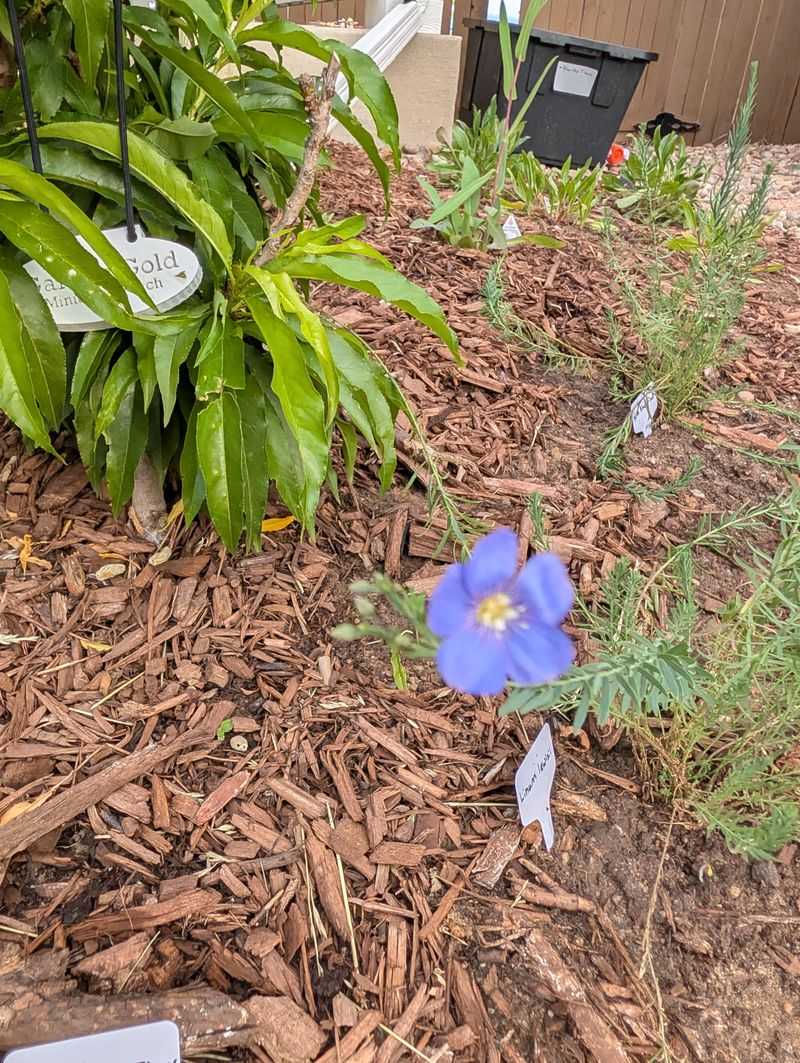
Newly planted seedlings, transplants, and recently installed shrubs have a harder time surviving heat waves than established plants.
Their root systems are still small and shallow, which means they cannot reach deeper, cooler soil moisture the way mature plants can.
During extreme heat, new plants can stress out very quickly without consistent morning watering.
For any plant installed within the last year, morning watering should be a non-negotiable part of the daily routine during a heat wave. Water them thoroughly early in the day and check them again in the late afternoon.
If the top inch of soil is dry and the plant looks droopy, give it a gentle second watering at the base.
Mulching around new plants is one of the best things you can do to support them during hot weather. A two to three inch layer of bark mulch or wood chips over the root zone slows evaporation dramatically.
Mulch can cut soil moisture loss by up to 50 percent on a hot day, giving young roots more time to absorb what they need.
Newly planted natives, perennials, and vegetables all benefit from extra attention during their first summer.
Once established over a full growing season, most plants develop deeper root systems that handle heat much better.
Until then, treat new plants like they need a little extra care. Morning watering combined with good mulching gives them the strongest possible start during even the most intense summer heat waves.