What July Yellow Leaves On Tennessee Tomatoes Are Trying To Tell You, And How To Fix Them
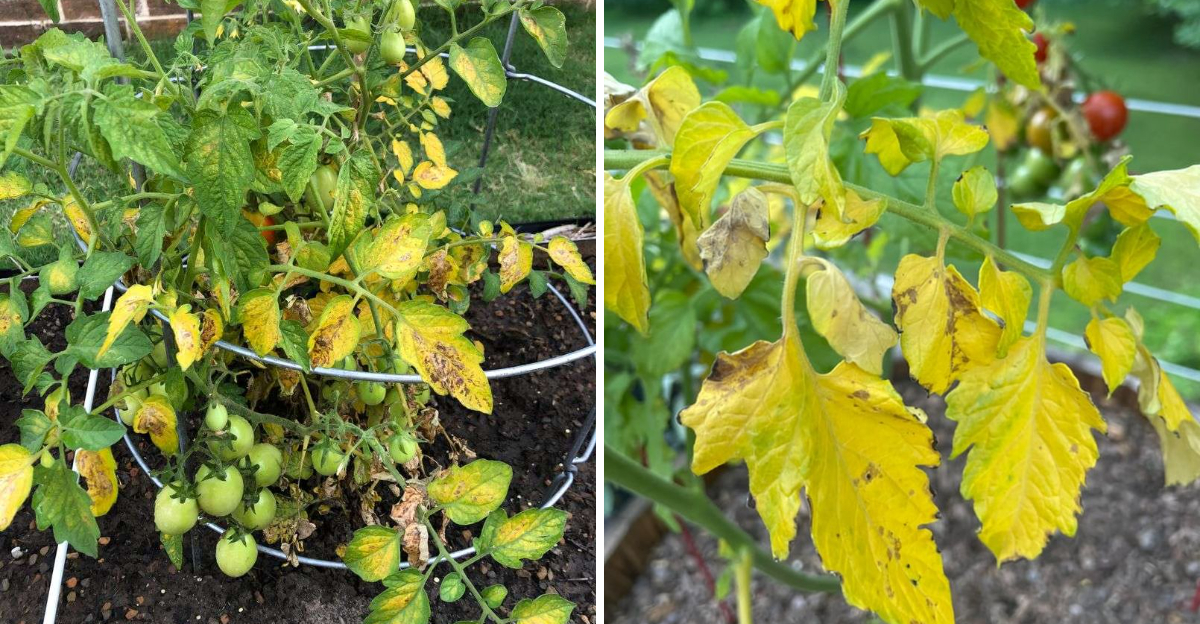
Your tomato plants looked perfect two weeks ago, and now half the lower leaves have gone the color of a school bus. That kind of yellowing does not happen by accident, and Tennessee’s July heat only tells part of the story.
Underneath that golden foliage sits a message your plant is sending straight from its roots. Maybe the soil dried out faster than you realized, or maybe nitrogen ran low right when your tomatoes needed it most for fruit production.
Sometimes the culprit hides even deeper, in a fungus working through the stem or a watering habit that seemed harmless at the time. Every yellow leaf is a clue, not a countdown.
Yellow Leaves Signal Stress From Heat Or Nutrients
Bright yellow leaves on your tomato plants are basically a distress flare. Your plant cannot speak, so it turns yellow instead.
July in Tennessee pushes tomatoes hard. Temperatures regularly push past 90 degrees, and that kind of heat puts enormous pressure on every leaf and stem.
When plants get too hot, they slow down nutrient absorption. Even if the soil has plenty of food, the roots struggle to pull it in during peak heat hours.
That slowdown shows up fast as yellowing, especially on older leaves lower on the plant. Those bottom leaves are the first to go when stress kicks in.
Heat stress and nutrient stress often happen at the same time, which makes diagnosis tricky. You might think it is one problem when it is actually both working together.
The key is to look at which leaves are turning yellow and where they sit on the plant. Location tells you a lot about what is going wrong inside.
Lower yellowing usually points to nutrient issues, while upper yellowing often signals something environmental. Knowing that difference saves you from treating the wrong problem.
Start by checking your soil temperature if you can. Roots prefer soil under 85 degrees, and July soil in Tennessee can get much hotter than that.
Mulching around the base of your plants helps keep soil cooler and reduces moisture loss. A thick layer of straw or wood chips can make a real difference for stressed plants.
Common Causes Behind July Leaf Discoloration
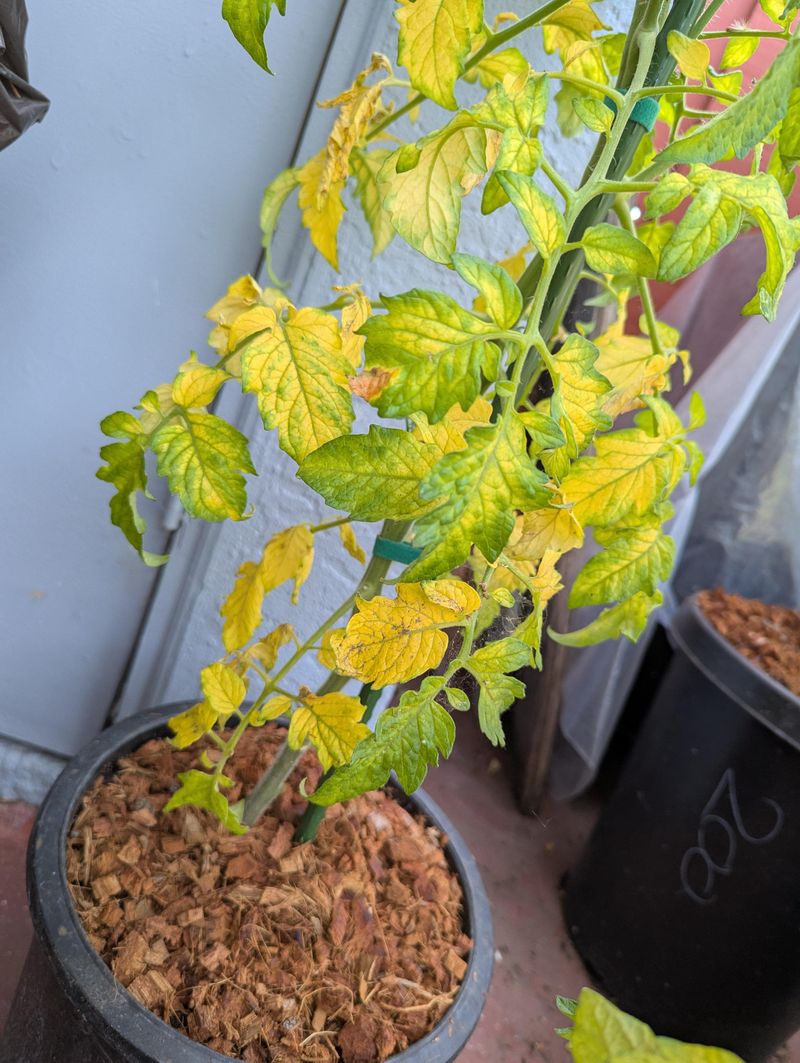
Not all yellow is created equal, and that matters when your tomatoes are struggling. The shade, pattern, and location of yellow leaves each tell a different story.
Pale yellow across the whole leaf often suggests a lack of iron or nitrogen. Bright yellow with green veins is a classic sign of magnesium deficiency.
Brown edges paired with yellowing usually point to inconsistent watering or high salt buildup in the soil. Each pattern is like a clue waiting to be read.
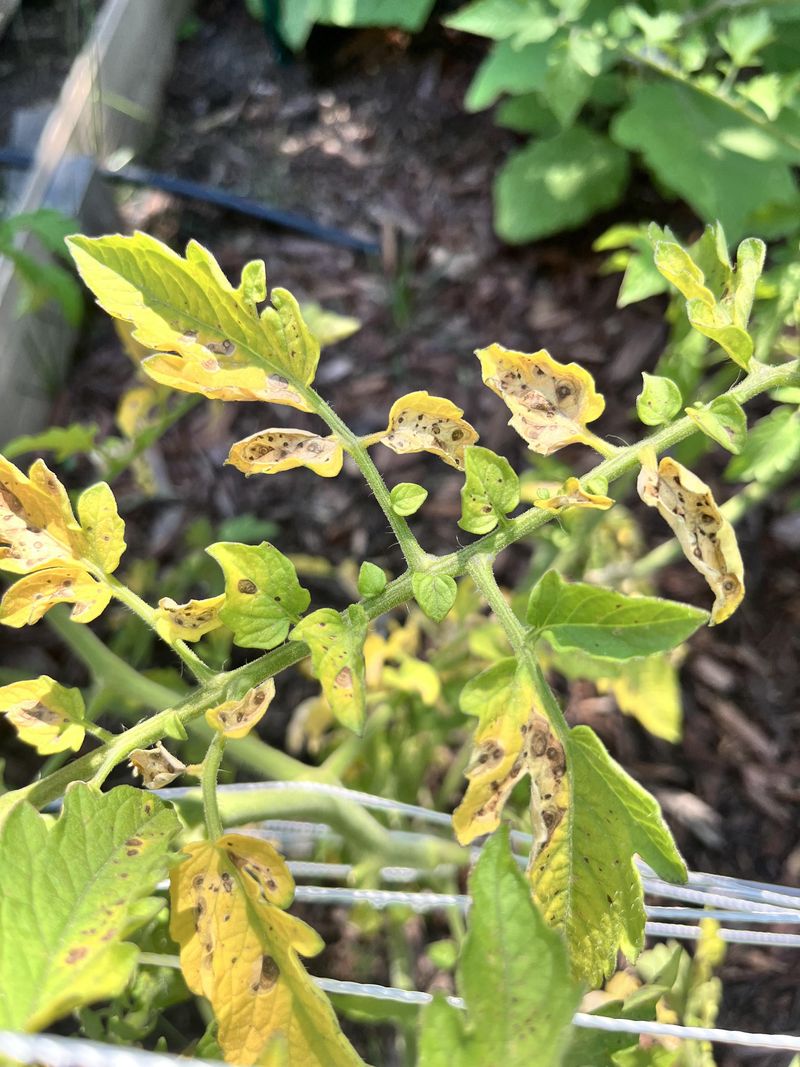
Fungal diseases can also cause yellow patches, but they tend to have irregular edges and may have brown or black spots mixed in. That difference helps you separate disease from nutrition problems.
Spider mites cause a speckled yellow appearance, almost like the leaf has been dusted with tiny dots. Flip the leaf over and look for fine webbing to confirm those tiny pests.
Your Tennessee Garden Changes Every Week. Your Plan Should Too.
Gardening in Tennessee changes quickly throughout the season. Every Friday you’ll receive a simple weekly plan showing exactly what to plant, prune, fertilize, harvest, and protect so you never miss the right timing.
Root problems from overwatering create a dull, washed-out yellow that spreads from the bottom up. The soil often smells sour when roots are rotting underneath.
Natural aging also causes yellowing on the lowest leaves, and that is a normal part of the plant’s cycle. If only the oldest leaves at the base are turning, your plant may be just fine.
The trick is to gather multiple clues before jumping to a fix. Look at the pattern, check the soil, inspect the undersides of leaves, and then make your move with confidence.
Nitrogen Deficiency And Its Role In Yellowing
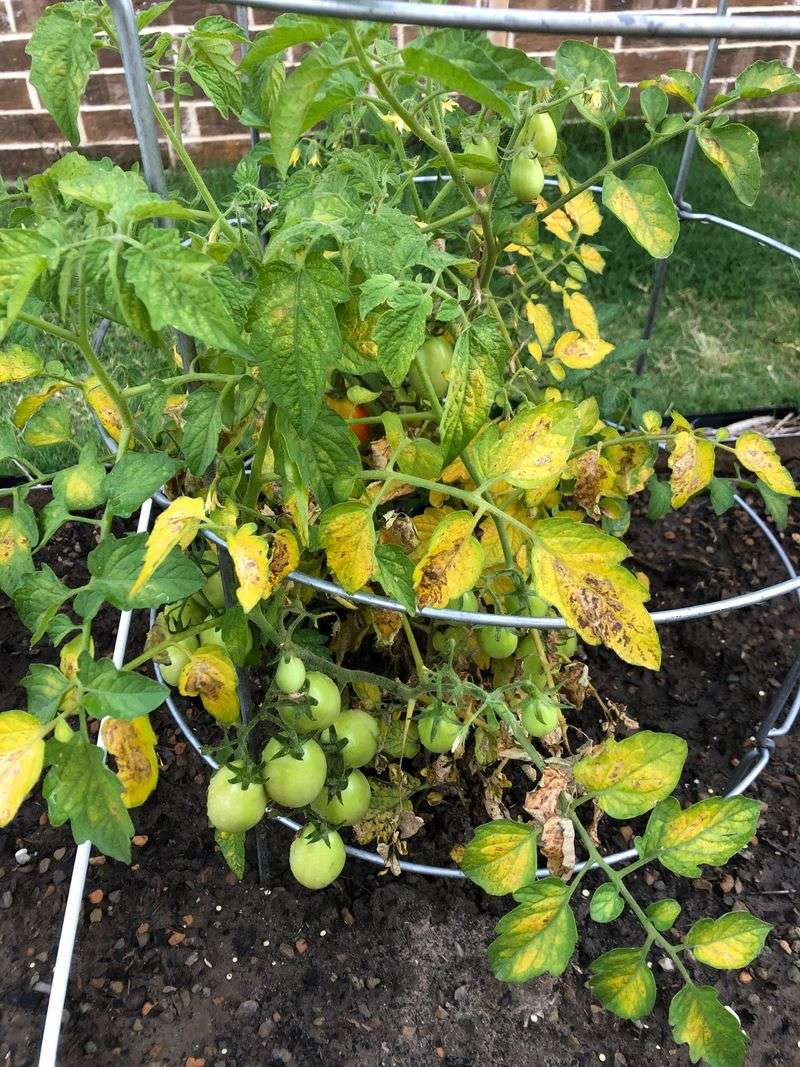
Nitrogen is the engine behind lush, green tomato growth. Without enough of it, plants go pale fast.
A nitrogen shortage is one of the top reasons July tomatoes turn yellow in home gardens across the South. Heavy rains earlier in the season can wash nitrogen right out of the soil before plants get a chance to use it.
The yellowing from nitrogen deficiency starts at the bottom of the plant and moves upward over time. Older leaves go first because the plant pulls nitrogen from them to feed new growth at the top.
If your lower leaves look uniformly pale yellow while the top growth still looks green, nitrogen is likely your culprit. That upward pattern is the clearest sign you will see.
Fixing a nitrogen deficiency does not have to be complicated or expensive. A balanced liquid fertilizer or fish emulsion applied every two weeks can get your plants back on track quickly.
Blood meal worked into the soil is another fast-acting option that gardeners in Tennessee swear by. Just be careful not to overdo it, because too much nitrogen causes leafy growth at the expense of fruit.
Compost tea is a gentler approach that feeds slowly and improves soil structure at the same time. Pour it around the base of the plant, not on the leaves, for best results.
Once you correct the deficiency, new growth should come in green and strong within a week or two. Patience pays off when you give plants what they actually need.
Watering Patterns That Make The Problem Worse
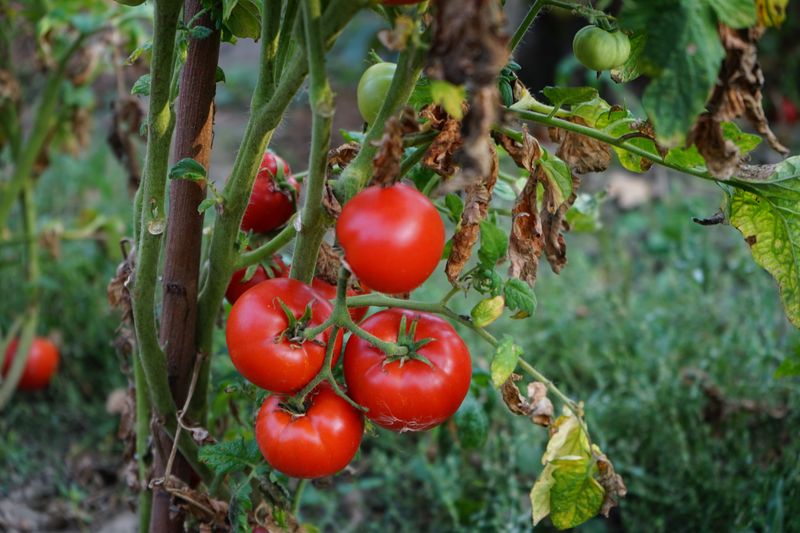
Watering tomatoes sounds simple, but getting it wrong is surprisingly easy. Both too much and too little water lead straight to yellow leaves.
Inconsistent watering is especially damaging in July because the heat ramps up plant demand almost overnight. One dry week followed by heavy watering causes blossom end rot and leaf stress at the same time.
Overwatered plants sit in soggy soil that squeezes out oxygen from around the roots. Roots without oxygen cannot absorb nutrients, and that starvation shows up as yellowing leaves even when the soil is full of fertilizer.
Underwatered plants wilt and then yellow as they shut down non-essential processes to survive. The leaves curl inward first, then go yellow and crispy at the edges.
Deep, infrequent watering is the gold standard for tomatoes in hot climates. Aim for one to two inches of water per week, applied slowly so it soaks at least six inches into the soil.
Drip irrigation makes a real difference for July gardening in the South. It delivers water directly to the root zone and keeps foliage dry, which also reduces fungal issues.
Watering in the early morning gives plants time to absorb moisture before the afternoon heat peaks. Evening watering leaves foliage wet overnight, which invites mold and fungal spores to settle in.
Check your soil moisture before you water by pushing a finger two inches into the ground. If it still feels damp, wait another day before adding more.
Disease Signs Worth Ruling Out First
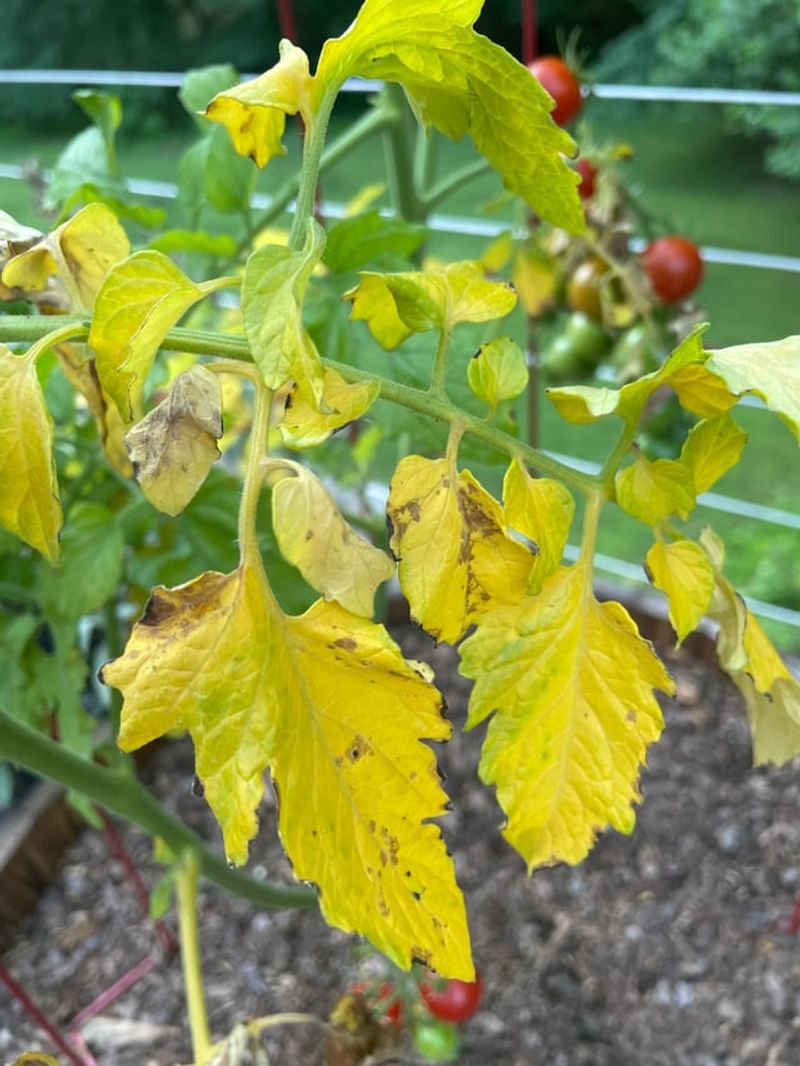
Before you grab a fertilizer bag, take a hard look at those yellow leaves for signs of disease. Some problems need a different solution than nutrition fixes.
Early blight is one of the most common tomato diseases in the Southeast, and it loves the warm, humid summers that July brings. It shows up as small brown spots surrounded by yellow halos, usually starting on the lowest leaves first.
Septoria leaf spot looks similar but produces tiny dark spots with lighter centers, almost like someone pressed a pencil tip into the leaf. Both diseases spread fast when water splashes soil up onto the foliage during rainstorms.
Fusarium wilt causes a more dramatic yellowing that affects one side of the plant or one branch at a time. If you cut a yellowed stem and see brown streaking inside, fusarium is your likely problem.
Bacterial speck and bacterial spot create water-soaked lesions that turn yellow and then brown. These pathogens thrive when plants are wet for extended periods during humid Tennessee summers.
Removing affected leaves immediately slows the spread of most fungal and bacterial diseases. Bag them up and toss them out rather than adding them to your compost pile.
Copper-based fungicide sprays can help slow disease progression when applied early, before symptoms spread. Spray in the morning so leaves dry before evening arrives.
Resistant tomato varieties labeled with VFN or similar codes handle disease pressure much better in future seasons. That small detail on the seed packet can save you a lot of trouble next year.
Steps To Correct Yellow Leaves And Restore Growth
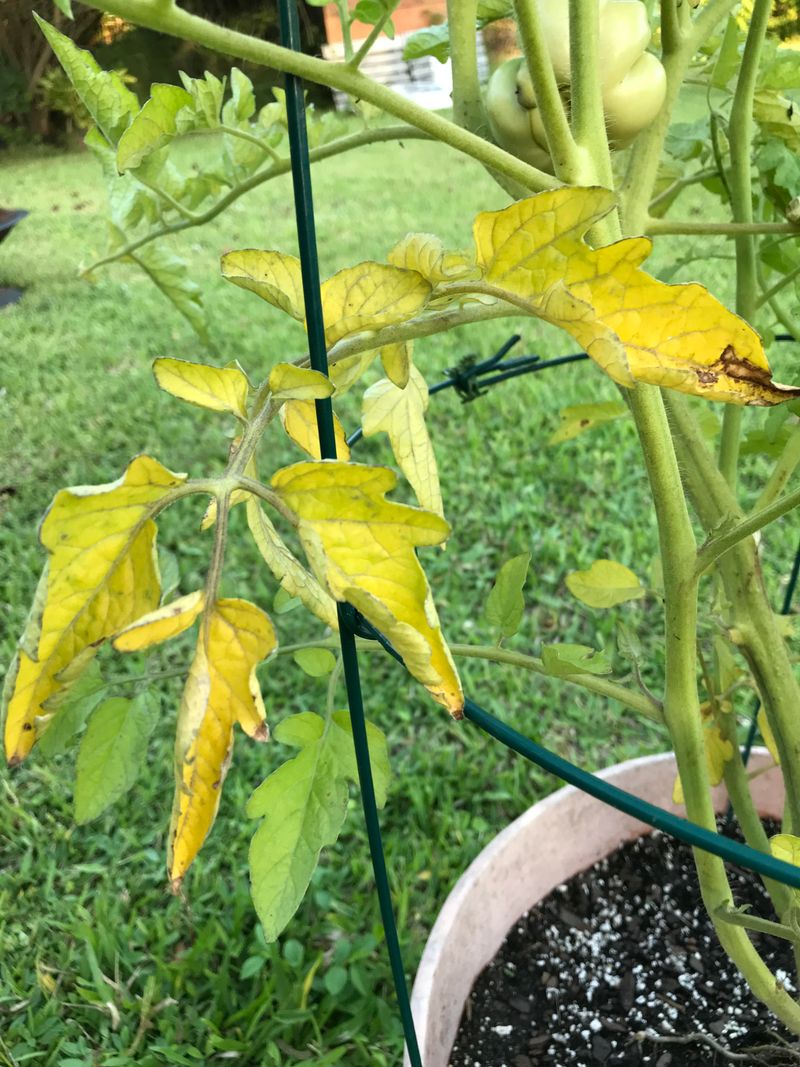
Fixing yellow tomato leaves feels satisfying once you know the right steps to take. A clear action plan beats random guessing.
Start with a soil test if you have not done one recently. Your local extension office in Tennessee can test your soil cheaply and tell you exactly what is missing before you spend money on the wrong fix.
Pull off the worst yellow leaves by hand to reduce disease spread and redirect the plant’s energy toward healthy growth. Clean cuts with pruning shears work better than tearing, which can damage nearby stems.
Apply a balanced fertilizer like a 10-10-10 blend or a tomato-specific formula to address multiple nutrient gaps at once. Follow the label directions carefully, because more is not better when it comes to fertilizing stressed plants.
Add a two to three inch layer of organic mulch around each plant to cool the soil and hold moisture in. Straw, shredded leaves, or wood chips all work well and break down over time to feed the soil.
Adjust your watering schedule to deep, consistent sessions rather than shallow daily sprinkles. That change alone can turn struggling plants around within a couple of weeks.
If disease is confirmed, remove affected tissue and apply an appropriate spray to protect remaining healthy leaves. Stay consistent with applications because one treatment rarely solves a fungal problem.
Yellowing tomatoes in July are fixable with the right knowledge and quick action. Your garden will reward you with a strong late-season harvest when you give those yellow leaves the attention they are asking for.