What Georgia Gardeners Should Do With Camellias Before August Heat Peaks
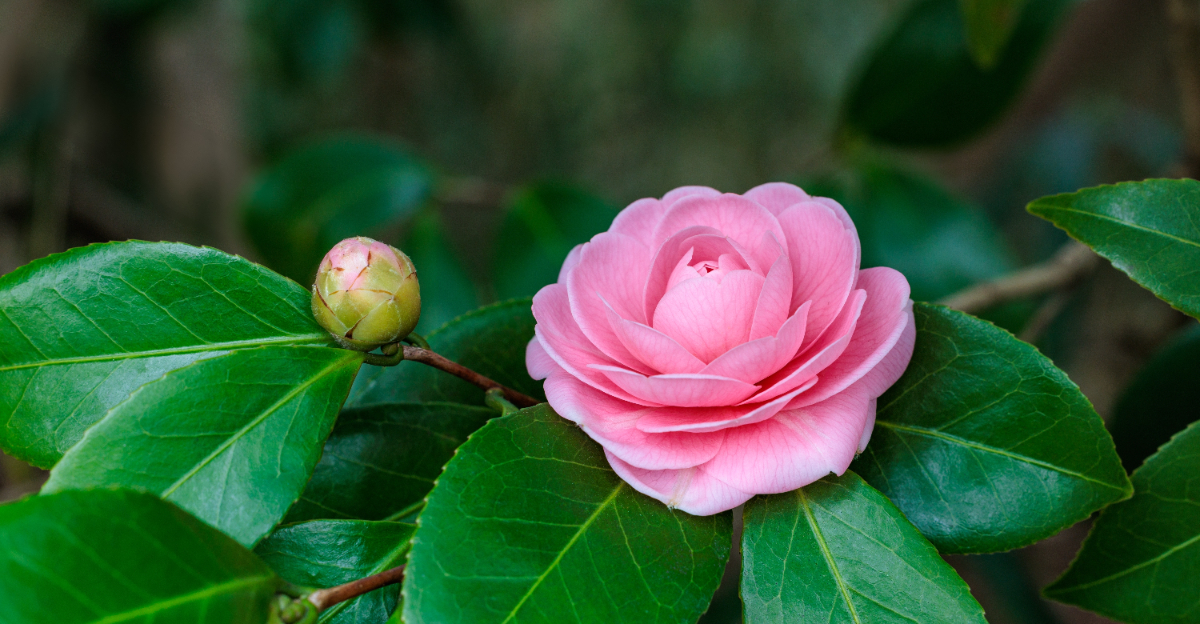
Camellias can look perfectly healthy in midsummer, which makes it easy to think they do not need any attention. That mistake can create problems later because the hottest part of the season puts extra stress on both the plant and its developing buds.
A few simple tasks completed now can help your shrub handle the heat much better over the coming weeks.
Late July is a good time to focus on moisture, mulch, and the overall condition of the plant instead of heavy pruning or major changes.
Georgia gardens often experience long stretches of hot weather before August reaches its peak, and camellias benefit from steady care during that period.
Giving them the right support now helps reduce unnecessary stress and encourages stronger growth as the seasons begin to change.
1. Water Deeply Before The Hottest Weather Arrives
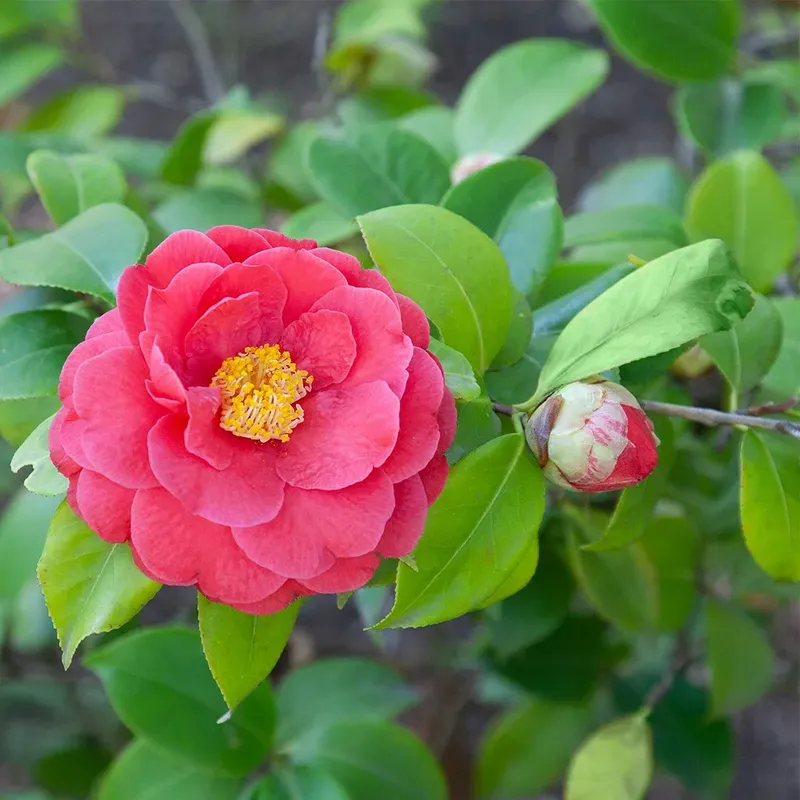
Shallow watering is one of the biggest mistakes camellia growers make heading into summer. Roots need moisture that reaches down into the soil, not just the surface layer.
A quick sprinkle every day won’t cut it when temperatures push past 90 degrees.
Water slowly and deeply at the base of each plant. Give the soil time to absorb moisture rather than letting it run off.
Aim for about one inch of water per week, adjusting if your area gets rain.
Early morning is the best window for watering. Wet foliage at night can invite fungal problems, especially in humid Southern summers.
Morning watering lets leaves dry off before temperatures drop again at dusk.
Check soil moisture a few inches below the surface before watering again. If it still feels damp, hold off another day.
Overwatering causes root problems just as easily as drought stress does.
Established camellias are more drought-tolerant than younger plants, but even mature shrubs can show stress during prolonged dry spells. Newly planted camellias need more consistent moisture through their first two summers.
Keep a close eye on them as heat builds.
2. Add A Fresh Layer Of Mulch Around The Root Zone
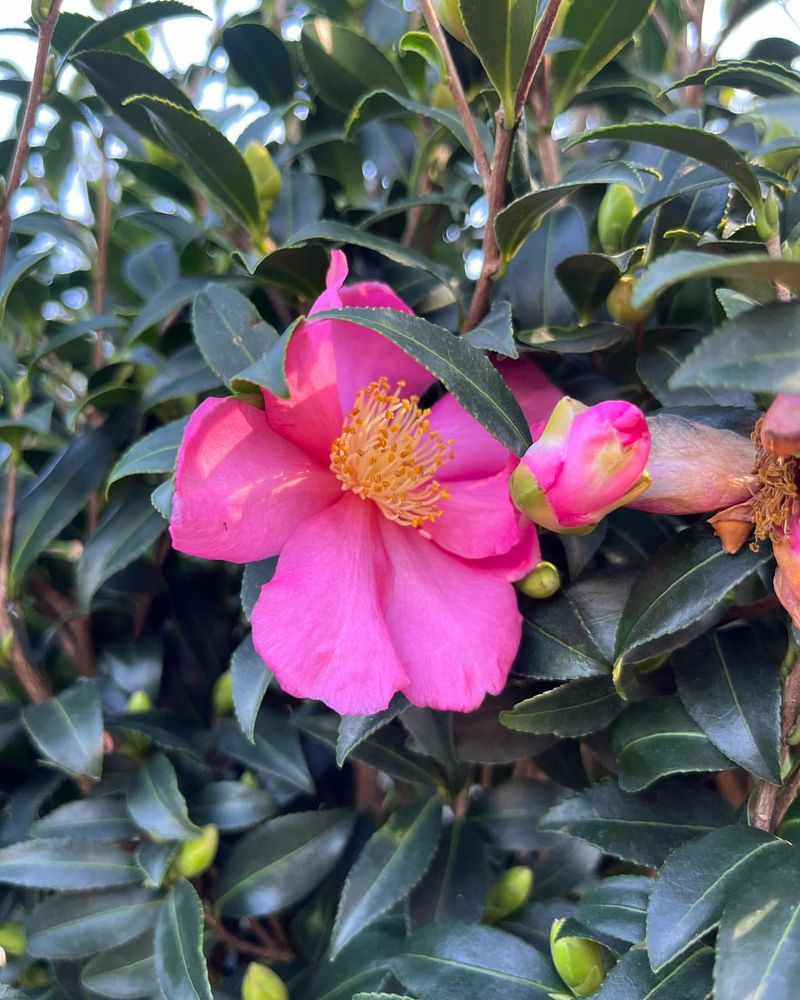
Mulch might be the single most useful thing you can do for camellias before August rolls in. A good layer insulates the soil, slows moisture loss, and keeps roots cooler when air temperatures climb.
Pine straw is a popular choice in the South and works well around camellias. It breaks down slowly, stays in place during rain, and adds a slight acidity to the soil over time, which camellias tend to prefer.
Spread mulch two to four inches deep around the root zone. Keep it pulled a few inches away from the main stem.
Mulch packed against the trunk can hold too much moisture in one spot and cause bark problems.
Extend the mulch layer out to the drip line if possible. That’s roughly the edge of the canopy above.
Roots spread wider than most people expect, and covering that zone makes a real difference in soil temperature regulation.
Refresh mulch that has thinned out or decomposed since last season. Over time it breaks down and loses its insulating effect.
Your Georgia Garden Changes Every Week. Your Plan Should Too.
Gardening in Georgia changes quickly throughout the season. Every Friday you’ll receive a simple weekly plan showing exactly what to plant, prune, fertilize, harvest, and protect so you never miss the right timing.
A fresh two-inch top-up before peak heat is a quick task with solid payoff through the rest of summer.
3. Remove Damaged Or Diseased Branches Only
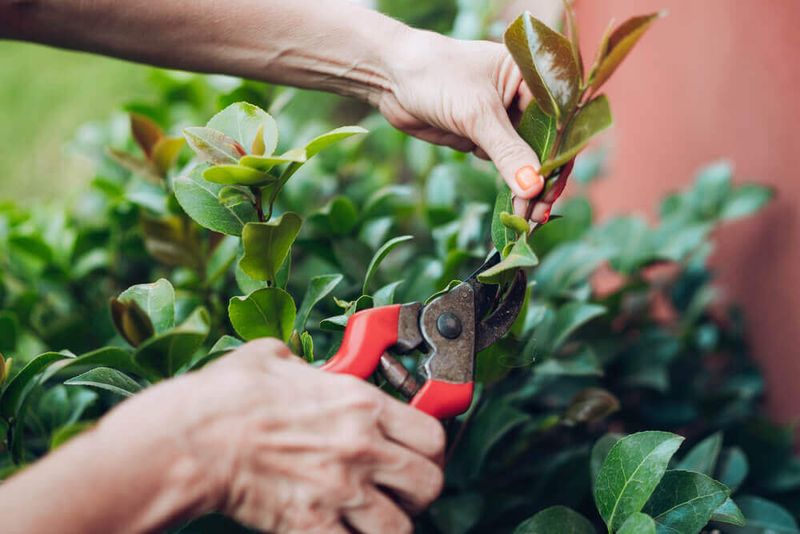
Grabbing the pruning shears and going to town on your camellias before summer is a tempting idea, but resist the urge. Major pruning should wait.
Right now, the focus should be limited to removing branches that are already damaged, broken, or showing signs of disease.
Damaged wood pulls energy from the rest of the plant. Removing it helps the shrub focus resources on healthy growth.
Look for branches that are clearly brown and brittle, cracked, or showing discolored bark.
Diseased branches need to come off before heat and humidity make things worse. Camellia petal blight and branch diseases can spread quickly in warm, moist conditions.
Removing affected wood early reduces the chance of spread to healthy parts of the plant.
Sanitize your pruning tools before and after each cut. Cleaning pruning blades between cuts helps prevent spreading pathogens from one branch to another.
It takes only a minute and makes a measurable difference.
Make clean cuts just outside the branch collar, which is the slight swelling where the branch meets the main stem. Avoid leaving stubs.
Clean cuts heal more efficiently and are less likely to become entry points for pests or disease during the stressful summer months ahead.
4. Watch For Tea Scale Before Heat Builds
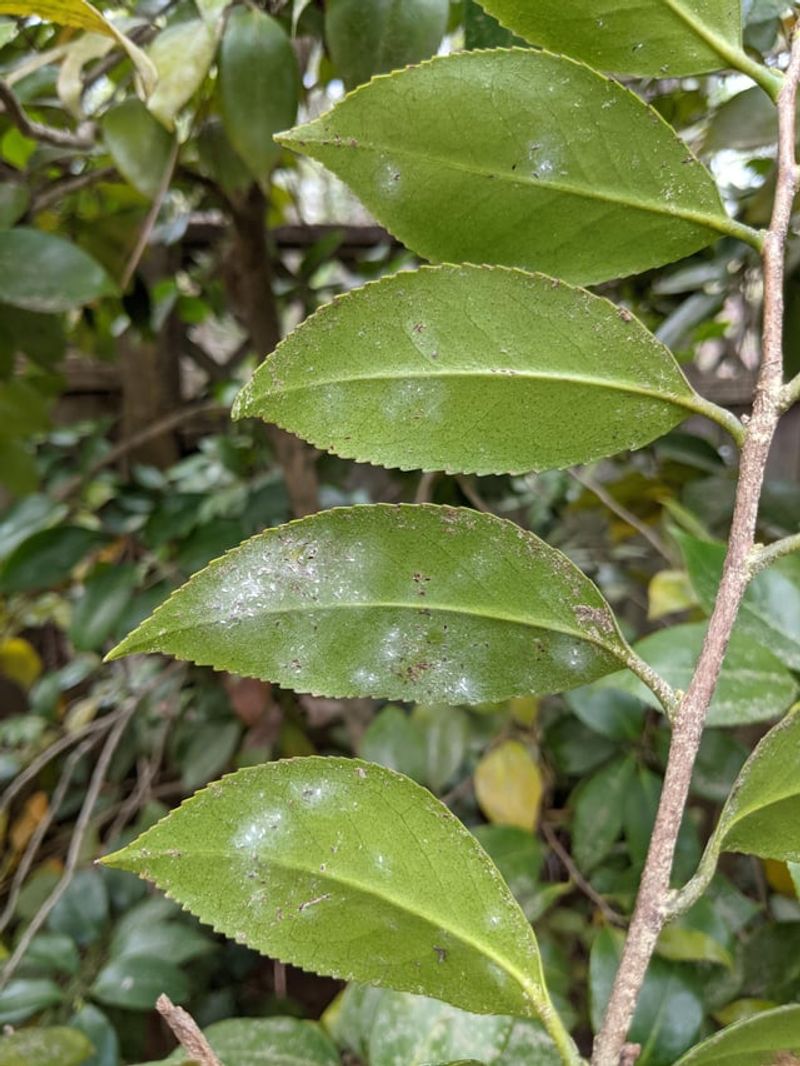
Tea scale is one of the most common pest problems on camellias across the Southeast. Catch it early and you have options.
Let it build through summer heat and the situation gets much harder to manage.
Flip a few leaves and look at the undersides. Tea scale shows up as small, white, waxy bumps clustered along the midrib and smaller veins.
Heavy infestations can cause yellowing on the upper leaf surface and general decline in plant vigor.
Horticultural oil sprays are effective against tea scale when applied correctly. Coverage of the leaf undersides is critical since that’s where the insects live.
Avoid spraying during the hottest part of the day or when temperatures exceed 90 degrees, as oil can stress foliage under those conditions.
Systemic insecticides applied as soil drenches are another option, particularly for larger shrubs where spray coverage is difficult.
These take several weeks to move through the plant, so earlier application gives better results before heat peaks in late summer.
Georgia gardeners dealing with recurring tea scale issues should also consider whether the plants are getting enough air circulation. Crowded, shaded conditions favor scale populations.
Thinning nearby vegetation can help reduce pressure over time, though it won’t solve an active infestation on its own.
5. Stop Fertilizing Before Summer Stress Increases
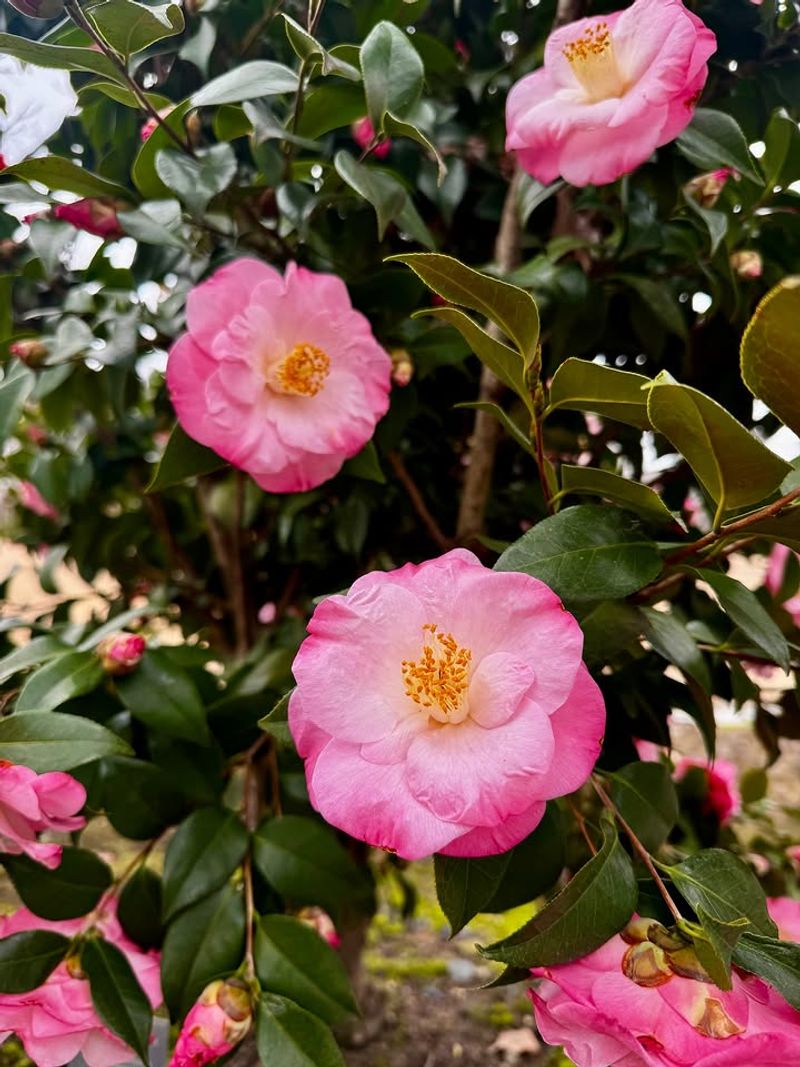
Fertilizing camellias feels productive, but timing matters more than most people realize. Pushing fertilizer into the ground right before peak summer heat can backfire in ways that aren’t immediately obvious.
Late summer fertilization encourages tender new growth. Soft, young shoots are more vulnerable to heat stress and more attractive to certain pests.
Pushing that kind of growth in July or August puts the plant in a rough spot at the worst possible time.
Most camellia growers in the South follow a schedule that ends fertilizing by early summer, typically no later than June or early July. After that point, the plant benefits more from stable conditions than from additional nutrients.
If you missed the spring fertilization window, skip it rather than applying late. One missed feeding won’t set a healthy camellia back significantly.
Applying fertilizer too late in the season carries more risk than skipping a cycle.
Slow-release granular fertilizers formulated for acid-loving plants are a solid choice for camellias when used at the right time. They feed gradually and reduce the risk of nutrient burn compared to liquid feeds.
Check the label for application windows and stick to the recommended rates rather than doubling up to compensate for anything missed earlier in the year.
6. Clear Weeds That Compete For Moisture
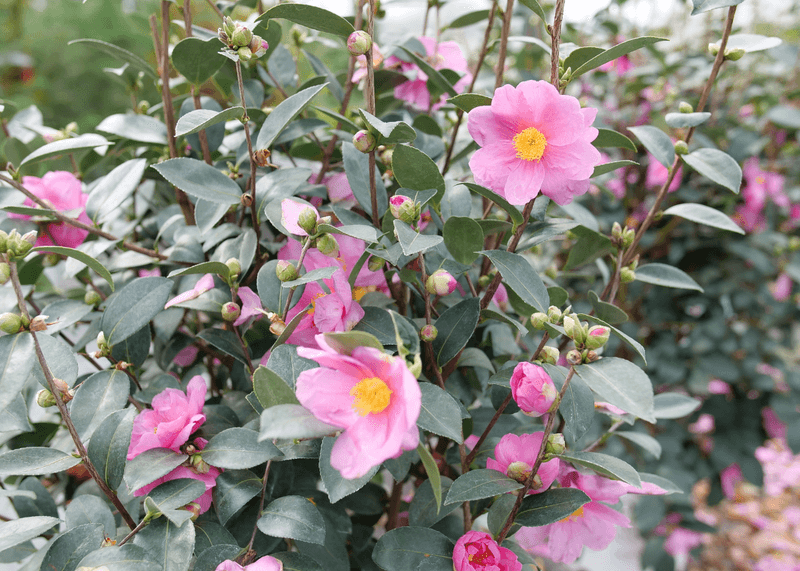
Weeds around camellias aren’t just an eyesore. During dry summer stretches, they compete directly for the same soil moisture your camellias need to stay healthy.
Getting ahead of them now takes pressure off the plant before heat peaks.
Pull weeds by hand when the soil is slightly moist, ideally a day or two after rain or watering. Roots release more cleanly from damp soil.
Dry-pulling can leave root fragments behind that sprout again quickly.
Pay special attention to the area within the drip line of each shrub. Weeds growing close to the root zone have the most direct competition with camellia roots for water and nutrients.
That inner ring matters most.
Avoid using hoes or cultivating tools too aggressively near camellias. Their feeder roots are relatively shallow and can be damaged by deep digging.
Light surface weeding is safer than aggressive soil disturbance around established plants.
Once weeds are cleared, refreshing the mulch layer helps slow regrowth significantly. A consistent mulch cover makes it harder for weed seeds to germinate and establish.
It won’t stop every weed, but it reduces the maintenance burden through the rest of the summer season considerably. Staying ahead of weeds now means less work and less stress on your plants during the hottest weeks ahead.
7. Wait Until After Blooming To Prune
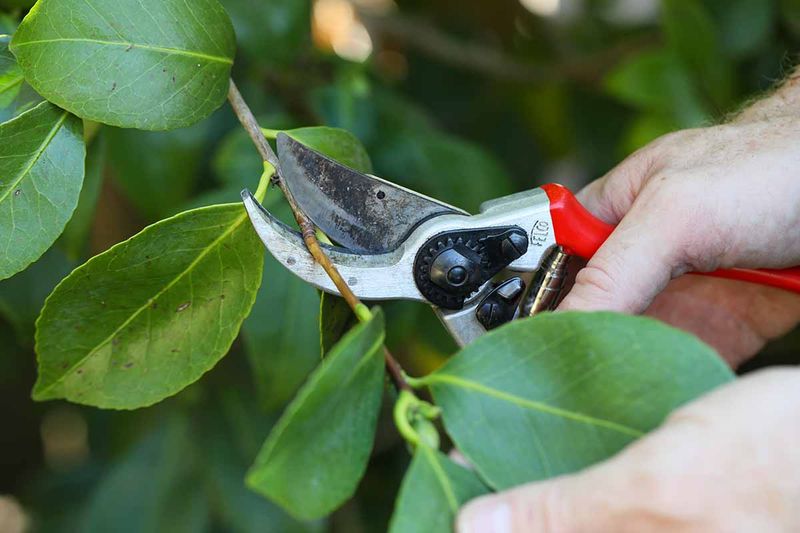
Pruning camellias at the wrong time is one of the most common mistakes gardeners make. Cut into the plant too late in the season and you risk removing next year’s flower buds before they ever get a chance to open.
Camellias set their buds for the following season during summer and early fall. Pruning after that process begins removes those buds along with the branches.
The plant survives, but flowering is reduced or absent the next season.
The right window for pruning falls right after the current bloom cycle ends. For fall-blooming varieties common across the Southeast, that means late fall or early winter pruning is appropriate.
Spring bloomers should be shaped shortly after their flowers fade.
Light shaping to manage size or improve structure is fine, but avoid heavy cuts that remove large portions of the canopy. Camellias recover more slowly from aggressive pruning than many other landscape shrubs.
Gradual shaping over a couple of seasons is easier on the plant.
If branches are crossing, rubbing, or growing inward, those are good candidates for removal after blooming. Improving airflow through the canopy reduces humidity inside the plant, which lowers the risk of fungal issues during Georgia’s warm, wet summers.