This Vegetable Keeps Producing In Georgia Heat When Everything Else Quits
When everything else in the garden starts waving a white flag at Georgia summer heat, okra is just getting warmed up, and that’s not a small thing.
While tomatoes sulk, beans dry out, and cool-season greens are a distant memory, okra keeps pushing out pods through afternoons that feel genuinely unreasonable.
It loves full sun, thrives in warm soil, and handles dry spells with a composure that most vegetables can only dream about.
For Georgia home gardeners who want something reliable and productive through the hottest weeks of the year, okra is about as close to a sure thing as the summer garden gets.
It still needs some basic attention, steady moisture during dry stretches, adequate spacing, and regular picking to keep pods tender, but the effort involved is minimal compared to what it delivers all summer long.
1. Okra Loves Georgia Summer Heat
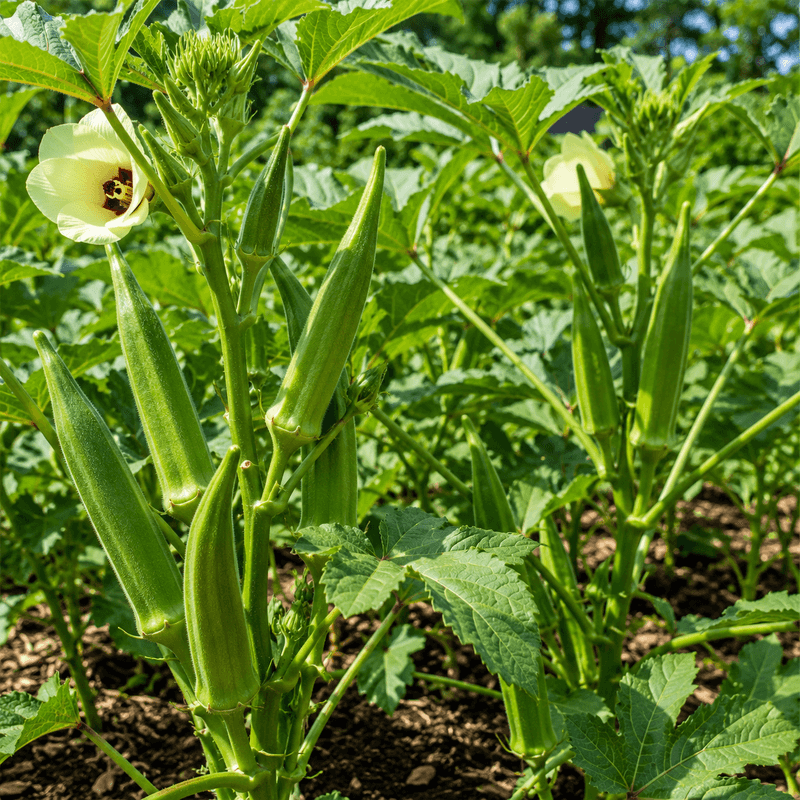
Hot afternoons that send most gardeners inside are exactly the conditions where okra starts to shine. While other vegetables slow down when temperatures climb, okra responds to Georgia heat by growing faster and producing more pods.
It belongs to the same plant family as hibiscus, and like those tropical plants, it was built for warmth. The hotter the day, the more comfortable okra tends to feel.
In Georgia, summer temperatures can stay above 85 degrees for weeks at a time. Okra handles that kind of heat better than most vegetables in the home garden.
Plants can push out new pods quickly during those long, warm days, especially when they have been growing in a sunny, south-facing bed with good drainage. That combination of heat and sun is something Georgia gardeners can actually use to their advantage.
Warm nights also help. When temperatures stay mild after sunset, okra plants keep building energy instead of going into a slow period overnight.
Georgia summers offer that kind of warmth consistently from late spring through early fall. Gardeners who plant okra after the soil has warmed up in late spring often find that the plants settle in quickly and begin producing within a few weeks.
That fast start, combined with steady heat tolerance, is a big part of why okra earns its reputation as one of the most dependable warm-season crops in Georgia vegetable gardens.
2. Full Sun Keeps Plants Growing Strong
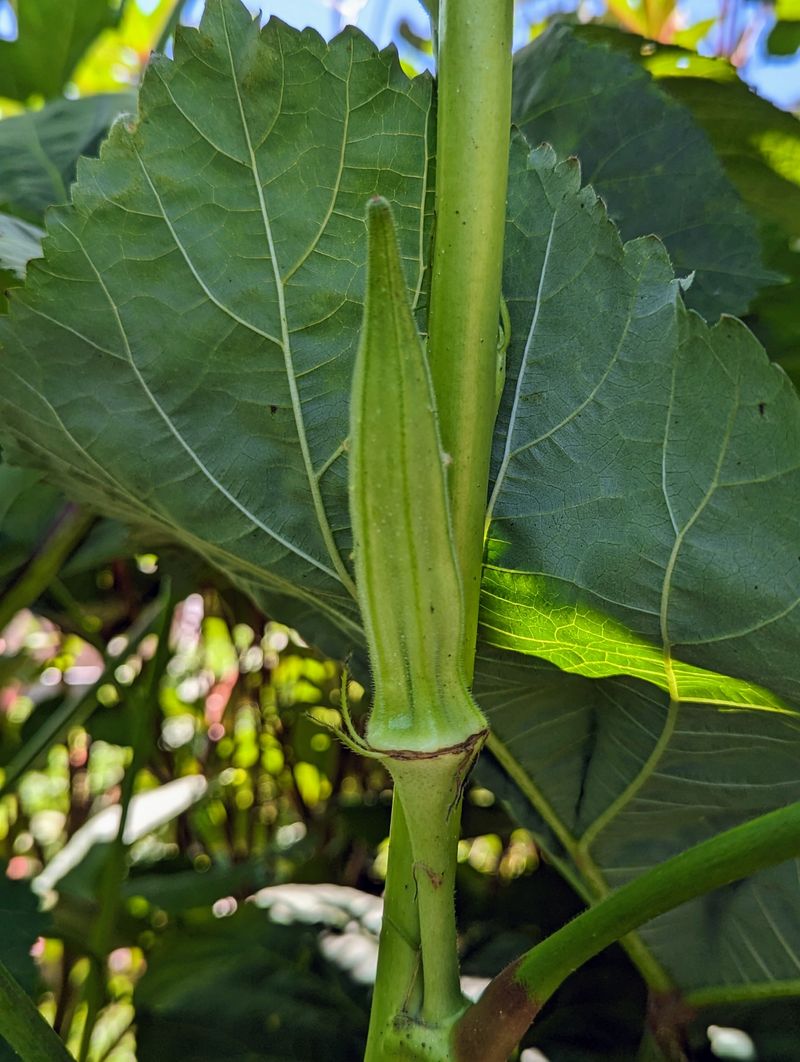
Planting okra in anything less than full sun tends to produce weaker plants with fewer pods. Okra wants at least six to eight hours of direct sunlight each day, and in Georgia, summer gardens usually have no shortage of that.
A bed that gets full afternoon sun, which many gardeners try to avoid for more sensitive crops, is actually a solid spot for okra.
The relationship between sunlight and pod production is straightforward. More sun means more energy for the plant to put into growing pods.
Shaded plants tend to grow taller as they stretch toward the light, but they often produce fewer flowers and smaller harvests.
In Georgia, where summer sun is intense and consistent, placing okra in the sunniest part of the yard gives it the best chance to perform well through the season.
Your Georgia Garden Changes Every Week. Your Plan Should Too.
Gardening in Georgia changes quickly throughout the season. Every Friday you’ll receive a simple weekly plan showing exactly what to plant, prune, fertilize, harvest, and protect so you never miss the right timing.
Gardeners who have tried growing okra near a fence, under a tree canopy, or beside a taller structure sometimes notice that the plants look healthy but produce fewer pods than expected.
Moving okra to an open, unshaded bed often makes a noticeable difference.
Georgia home gardens with a south-facing or west-facing open plot are well suited for okra.
Raised beds in open backyard spaces work well too, especially when the bed has not been shaded out by surrounding plants or structures that block afternoon light during the peak growing hours of the day.
3. Warm Soil Gets Okra Off To A Better Start
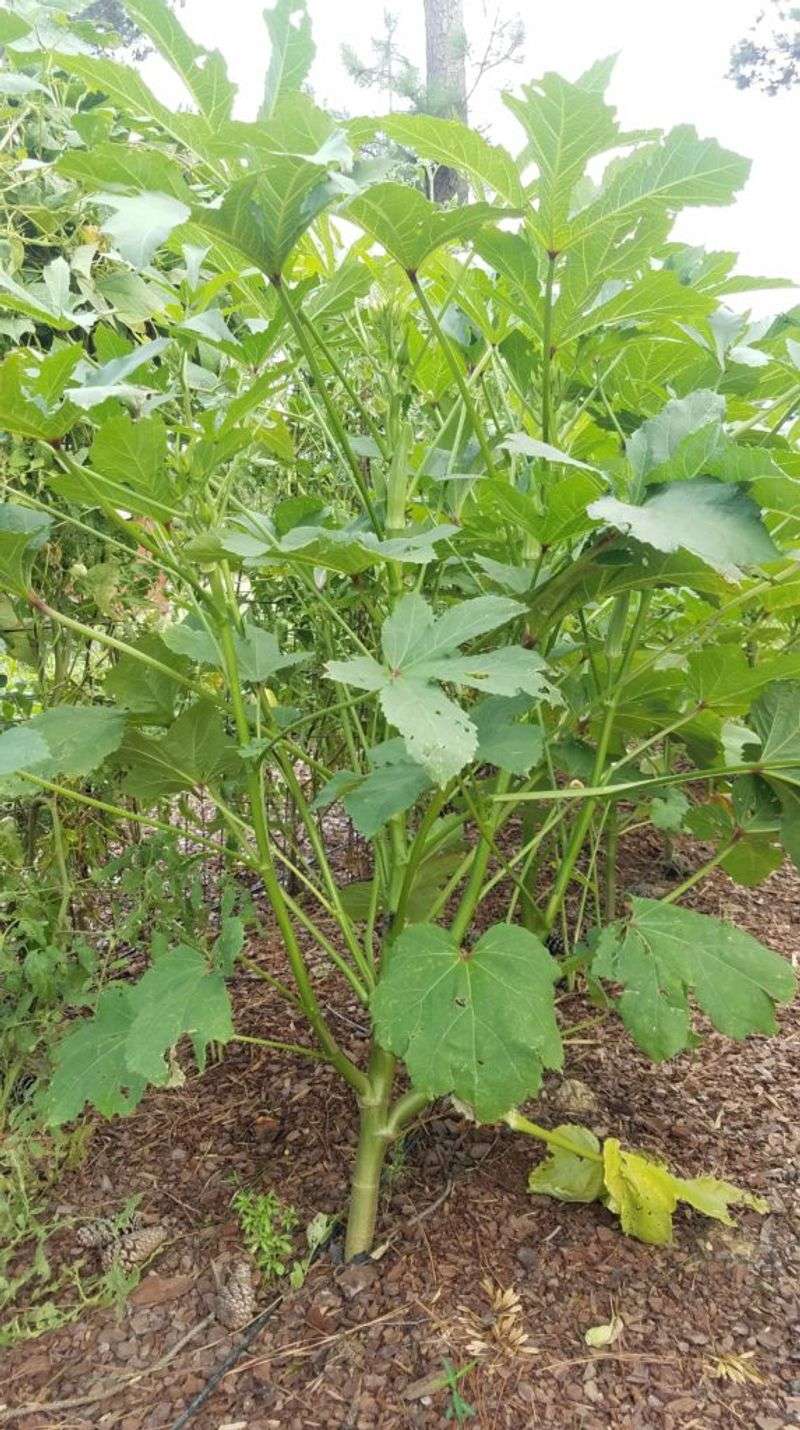
Soil temperature matters more than most home gardeners realize when it comes to planting okra. Seeds planted in soil that is still cold from spring will sit without doing much, and they can rot before they ever sprout.
Okra seeds prefer soil that has warmed to at least 65 degrees, and they tend to germinate faster and more reliably when the soil is closer to 70 degrees or above.
In Georgia, that kind of soil warmth usually arrives by mid to late April in the southern part of the state and a bit later in the northern regions. Waiting for that warmth before putting seeds in the ground pays off.
Plants that sprout quickly in warm soil build stronger root systems early, which helps them handle the intense summer heat that follows. A slow, uneven start in cool soil can leave plants struggling to catch up later in the season.
Raised beds tend to warm up faster than in-ground rows, which makes them a useful option for Georgia gardeners who want to get okra started a little earlier.
Dark-colored soil in a raised bed can absorb heat from the sun and reach planting temperature sooner than a traditional garden row.
Checking soil temperature with a simple soil thermometer before planting takes the guesswork out of the timing and can make a real difference in how quickly okra seedlings emerge and begin growing toward their first harvest.
4. Frequent Harvesting Keeps Pods Coming
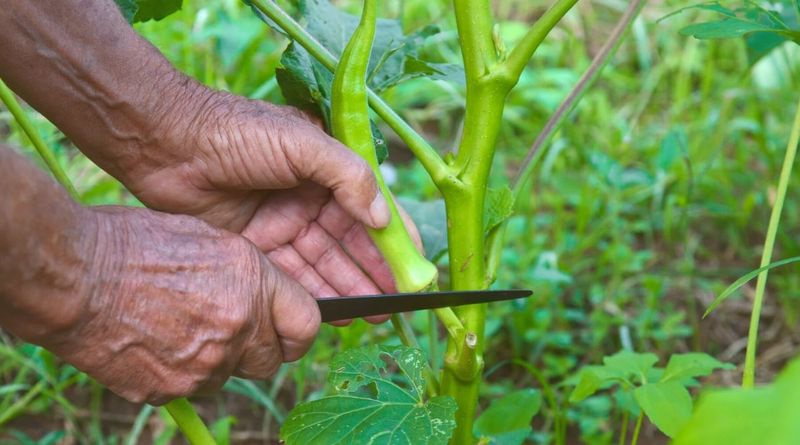
Leaving pods on the plant too long is one of the most common reasons okra production slows down during the Georgia summer.
Once a pod matures and the seeds inside begin to develop fully, the plant shifts its energy toward that pod instead of producing new flowers and new pods.
Picking regularly sends a signal that the plant should keep producing, and that steady harvesting rhythm is what keeps the okra coming through the hottest months.
Most okra pods are ready to pick within four to six days after the flower drops, depending on the variety and the summer temperatures. In Georgia heat, pods can grow surprisingly fast.
A pod that looks small in the morning may be noticeably larger by evening. Checking plants every day or every other day during peak production keeps gardeners ahead of the growth and ensures pods are picked at the right size.
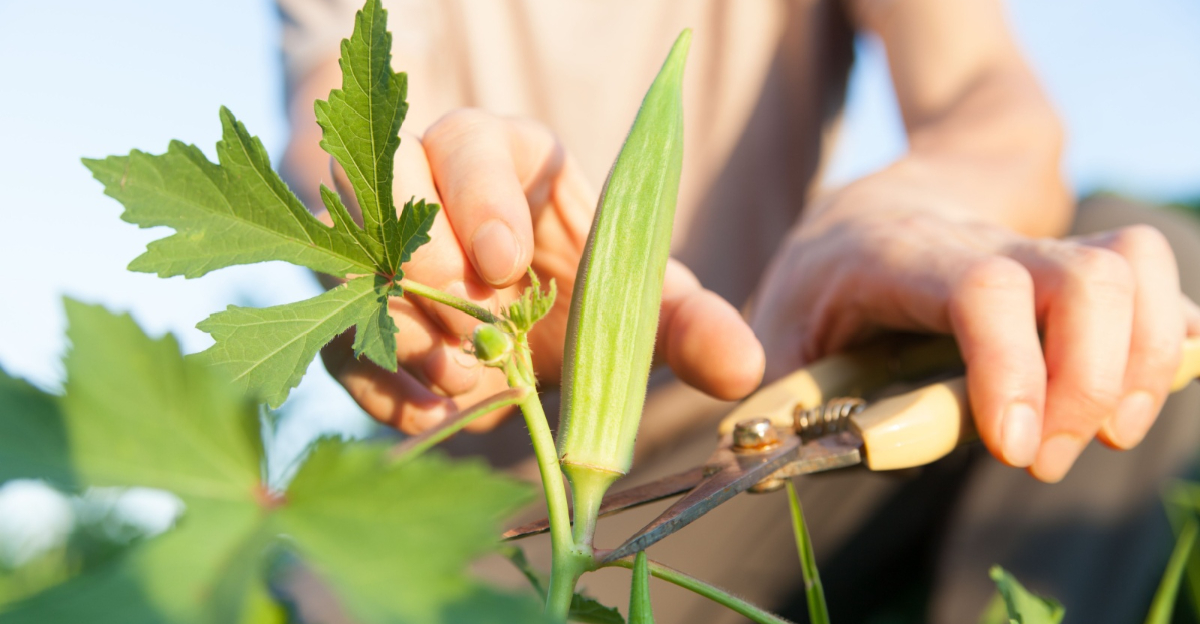
Using a sharp knife or pruning shears to cut pods from the stem is cleaner than snapping them off by hand, and it puts less stress on the plant.
A basket or bucket brought to the garden each time makes it easier to collect the harvest without having to make extra trips.
Georgia gardeners who build a daily or every-other-day harvesting routine into their summer garden schedule often find that their okra plants stay productive much longer than those checked only once or twice a week.
5. Small Pods Stay Tender Longer
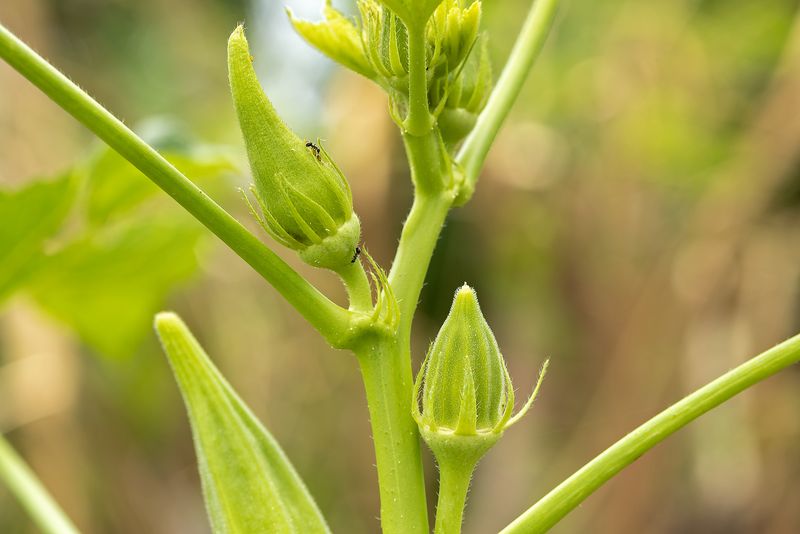
Pod size is one of the clearest indicators of whether okra will be tender and useful in the kitchen or tough and fibrous. Pods that are picked when they are around two to four inches long tend to be soft, easy to cook, and full of good flavor.
Pods allowed to grow beyond that range can become stringy and difficult to cut, and the texture changes in a way that most cooks find less appealing.
Georgia summers push okra to grow fast, which means pods can go from ideal picking size to oversized in just a couple of days.
That quick growth is part of what makes okra so productive in warm weather, but it also means the harvest window for tender pods is shorter than some gardeners expect.
Staying on top of the picking schedule is the most reliable way to keep pods in that sweet spot.
Larger pods that are accidentally left on the plant are not a total loss. Some gardeners set them aside to dry and save the seeds for the following season, which is a practical way to get something useful out of an overripe pod.
In Georgia, where okra varieties that perform well in heat are worth holding onto, seed saving from healthy plants is a reasonable habit to develop.
But for cooking purposes, smaller pods pulled at the right time consistently deliver the best results at the table.
6. Mulch Helps Hold Moisture Around Roots
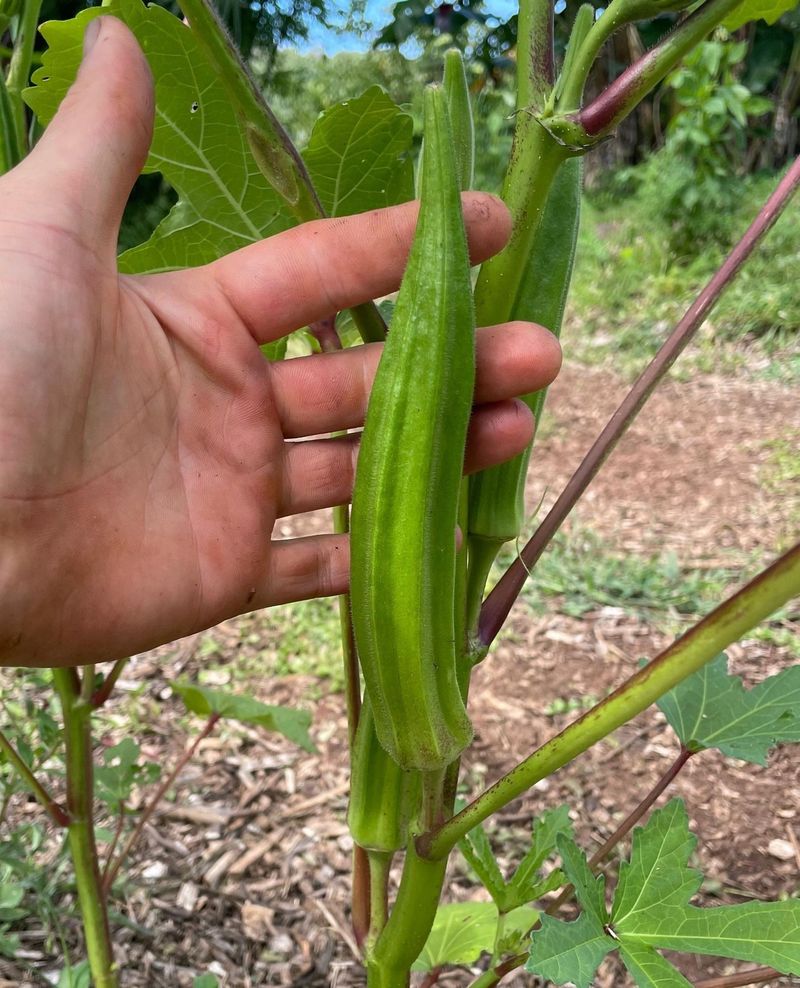
A layer of mulch around okra plants does quiet but important work during a Georgia summer. Bare soil in a sunny garden bed can lose moisture quickly when temperatures are high and the sun is strong.
Mulch slows that evaporation down by covering the soil surface and keeping conditions underneath more stable. That means the roots have access to moisture for longer between waterings, which matters during dry stretches.
Straw, shredded leaves, and wood chips are all reasonable mulch options for a home vegetable garden in Georgia.
A layer about two to three inches deep around the base of the plants is enough to make a difference without smothering the soil or creating problems with moisture buildup against the stems.
Keeping mulch a few inches away from the main stem helps avoid issues with rot or pests that can develop when organic material sits directly against the plant.
Mulch also helps moderate soil temperature. In Georgia, summer soil in an unprotected bed can get quite warm, and while okra tolerates heat well, extremely hot soil near the surface can stress the roots over time.
A consistent mulch layer buffers that surface heat and helps keep the root zone at a more reasonable temperature.
Gardeners who apply mulch early in the season, before the hottest weeks arrive, tend to spend less time watering and see steadier growth from their plants through the summer months.
7. Deep Watering Supports Better Pod Production
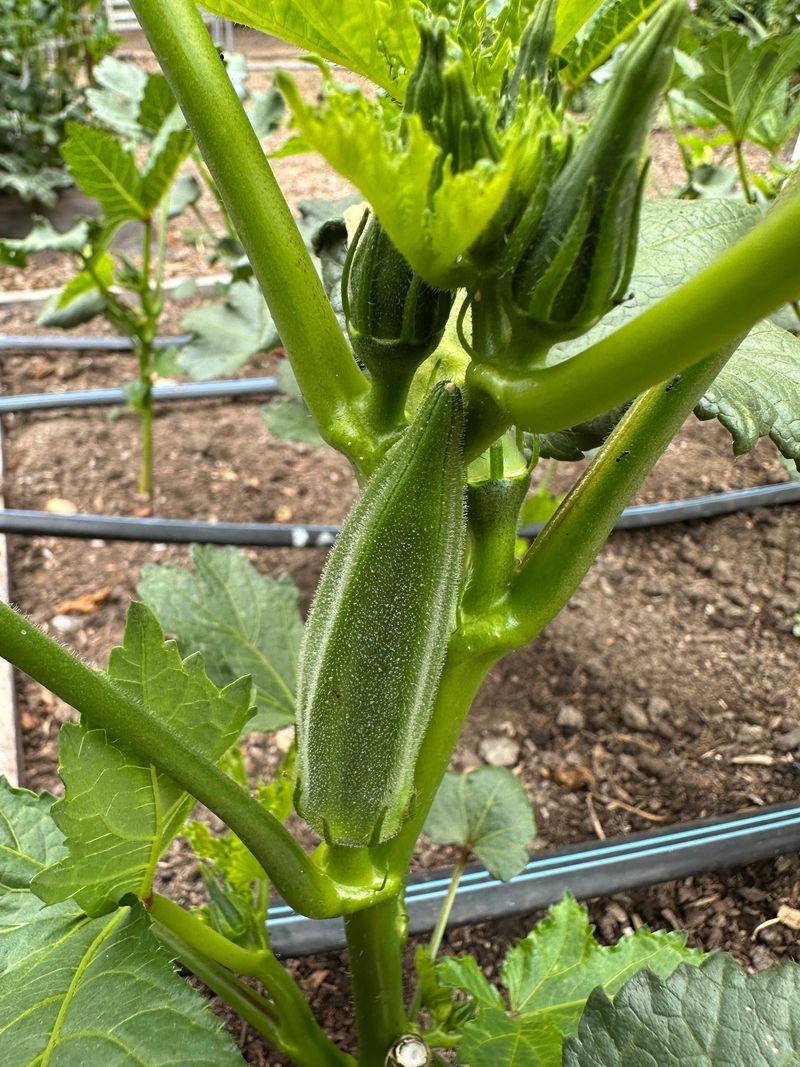
Shallow, frequent watering tends to encourage roots to stay near the surface of the soil, where they are more vulnerable to heat and dry spells.
Deep, less frequent watering pushes roots to grow further down into the soil, where moisture stays available longer.
For okra growing in a Georgia summer garden, that deeper root system provides a more stable foundation during the weeks when rain is scarce and temperatures are high.
A good deep watering means letting water soak into the soil slowly rather than running off the surface.
Watering at the base of the plant rather than from overhead also keeps the leaves drier, which can reduce the chance of fungal issues during humid Georgia summers.
Drip irrigation or a soaker hose placed along the row delivers water directly to the root zone and wastes less through evaporation than overhead sprinklers during the heat of the day.
How often okra needs water depends on the soil type, the heat, and whether any rain has fallen recently. Sandy soils common in parts of Georgia drain quickly and may need more frequent attention than clay-heavy soils that hold moisture longer.
Checking the soil a few inches below the surface before watering gives a better sense of what the plants actually need.
Okra is more drought-tolerant than many vegetables, but consistent moisture during pod production helps keep yields more reliable and pods more tender throughout the Georgia summer season.
8. Tall Plants Need Room To Grow
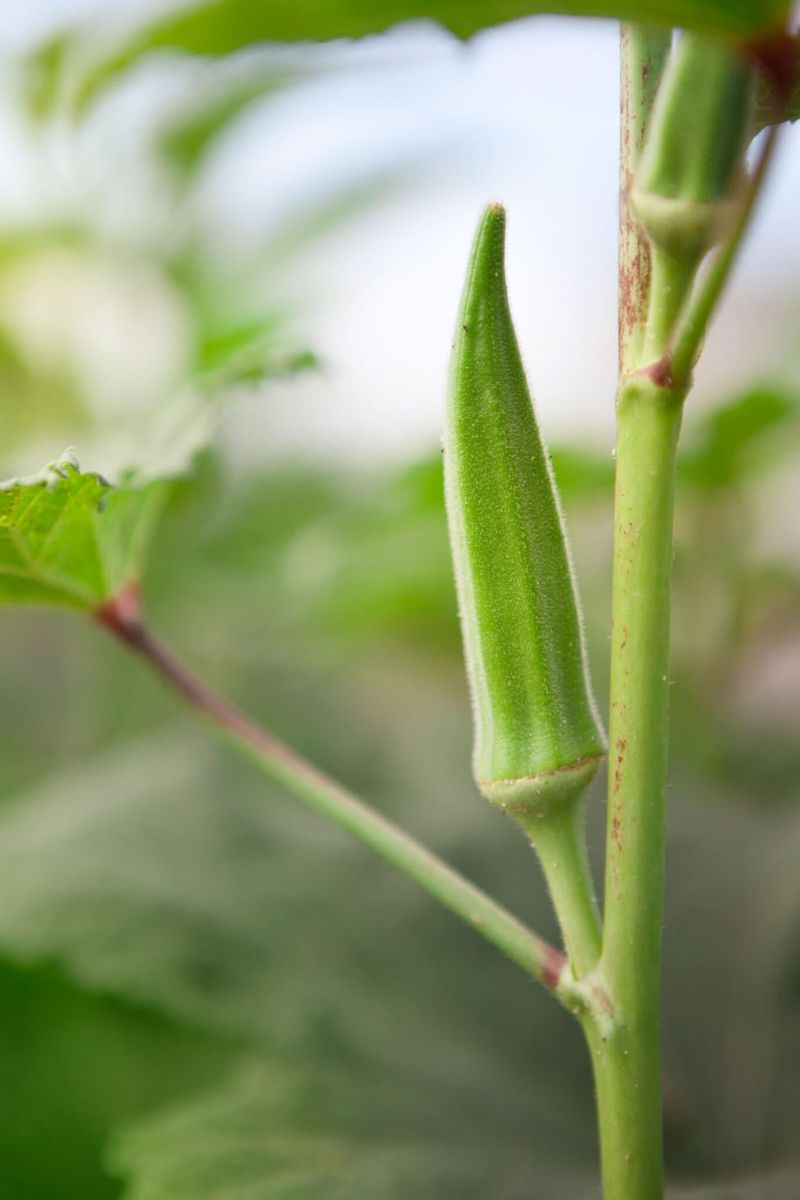
Okra can get surprisingly tall in a Georgia summer, with some varieties reaching five, six, or even seven feet by mid-season. That height is impressive, but it also means spacing matters from the very beginning.
Plants crowded too close together compete for sunlight, water, and nutrients, and that competition can slow pod production and make plants more susceptible to disease in the humid summer air.
Most recommendations for home gardens suggest spacing okra plants about 18 to 24 inches apart within the row, with rows spaced roughly three feet apart.
That spacing gives each plant enough room to spread out, lets air move between the stems, and makes it easier to walk through the bed for harvesting.
Thinning seedlings to the right spacing early in the season is easier than trying to manage overcrowded plants later when they are already tall and producing.
In a raised bed, the same spacing principles apply. It can be tempting to squeeze extra plants into a small space, but okra performs better when it is not competing with its neighbors.
Georgia gardeners working with limited garden space sometimes grow a compact or dwarf okra variety that stays shorter and works well in tighter beds.
Regardless of the variety, giving each plant adequate room from the start sets up the entire crop for a more productive and manageable season, especially during the long, hot Georgia summer weeks when the garden needs as little extra stress as possible.