The Oregon Yard Spots Where Wasps Keep Returning Every Summer And Why
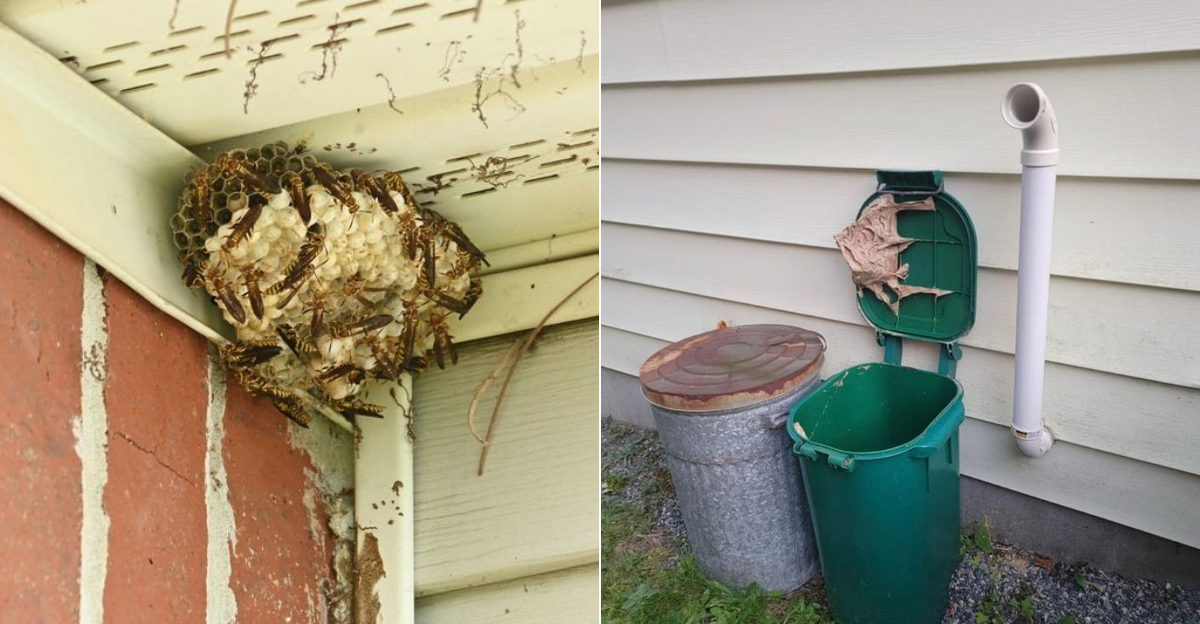
Every summer, certain corners of an Oregon yard seem to attract wasps like clockwork. A quiet beam becomes busy, an overlooked gap suddenly has traffic, and the same spot starts feeling suspiciously popular.
Apparently, some locations have earned five-star reviews in the wasp world.
Their return is not always random. Small details around the property can make one area feel safer, calmer, or more useful than another.
The tricky part is that many of those details are easy to miss unless you know what to look for.
That can leave homeowners wondering why one section of the yard gets attention year after year while another stays completely ignored.
Understanding the pattern can make summer yard care feel far less stressful. Once you recognize what keeps drawing them back, those repeat visits stop feeling mysterious and start making a lot more sense.
1. Porch Eaves Offer Dry Nesting Shelter
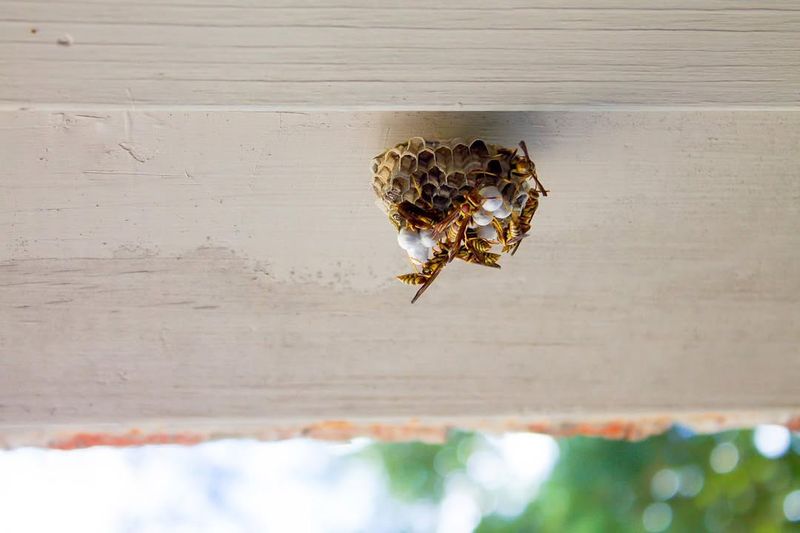
Right above your head every time you walk out the front door, porch eaves are one of the most popular nesting spots for wasps in Oregon. The reason is simple.
Eaves create a dry, shaded overhang that blocks rain and wind. That kind of shelter is exactly what paper wasps need to build and protect their nests.
Paper wasps chew wood fibers and mix them with saliva to create their papery nests. Eaves give them a flat surface to attach to, and the roof above keeps moisture out.
A nest under an eave can grow from the size of a golf ball to a dinner plate by late summer. Most homeowners do not notice until the colony is already large.
New queens survive the winter by hiding in cracks nearby. When spring arrives, they scout the same eave again because it worked before.
That is why you see wasps in the same spot every year. Painting or sealing raw wood under eaves can make it less attractive to them.
You can also use fake nest decoys, which trick wasps into thinking another colony is already there. Checking your eaves in early spring, before nests are built, gives you the best chance to stop them early.
A quick look each April can save you a lot of trouble by August.
2. Deck Railings Hide Small Paper Nests
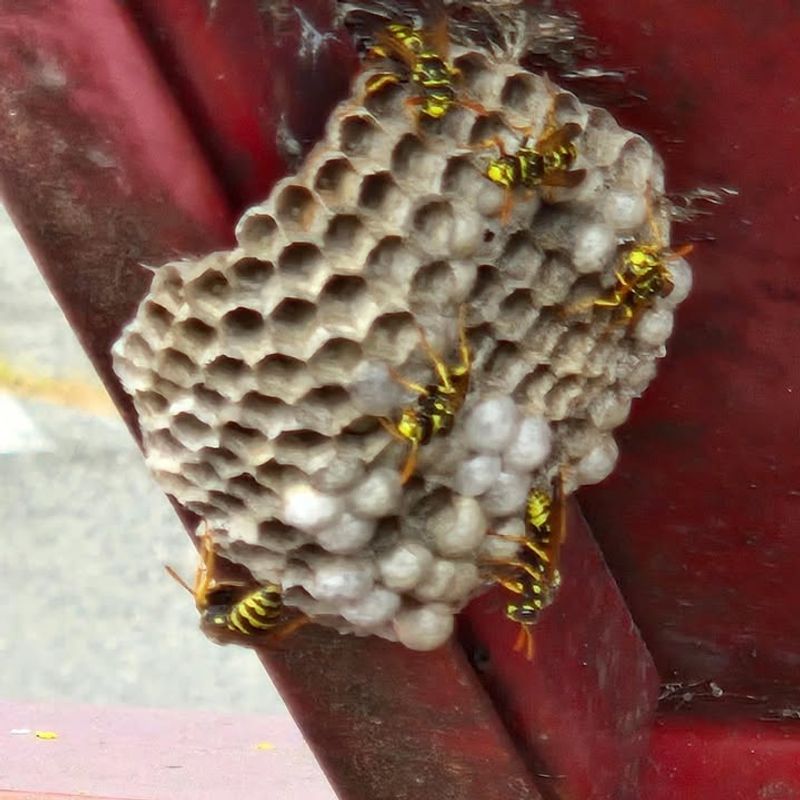
Deck railings are sneaky wasp nesting spots because the nests start out tiny and hard to see. Most people only notice them after the colony has grown big enough to cause problems.
The underside of a railing gives wasps a surface that is hidden from above and protected from direct rain.
Hollow metal railings are especially attractive. Wasps can slip inside through small openings at the ends and build nests inside the tube where you cannot even see them.
Wooden railings offer a rough surface that is easy to attach papery nests to. Either way, the railing acts like a built-in roof for the colony.
By mid-summer in Oregon, a colony tucked under or inside a railing can hold hundreds of workers.
The warmth that wood and metal absorb from the sun also helps keep the nest at a steady temperature, which speeds up egg development. That warmth is a big reason wasps come back to the same railing year after year.
Your Oregon Garden Changes Every Week. Your Plan Should Too.
Gardening in Oregon changes quickly throughout the season. Every Friday you’ll receive a simple weekly plan showing exactly what to plant, prune, fertilize, harvest, and protect so you never miss the right timing.
Running your hand or a cloth along the underside of railings in early spring can help you find fresh nest starts before they grow.
Sealing open ends of hollow metal railings with caps or caulk removes one of their favorite hiding spots.
Consistent checks every few weeks during spring and early summer make a big difference in keeping your deck comfortable and safe for everyone.
3. Shed Rooflines Stay Quiet And Protected
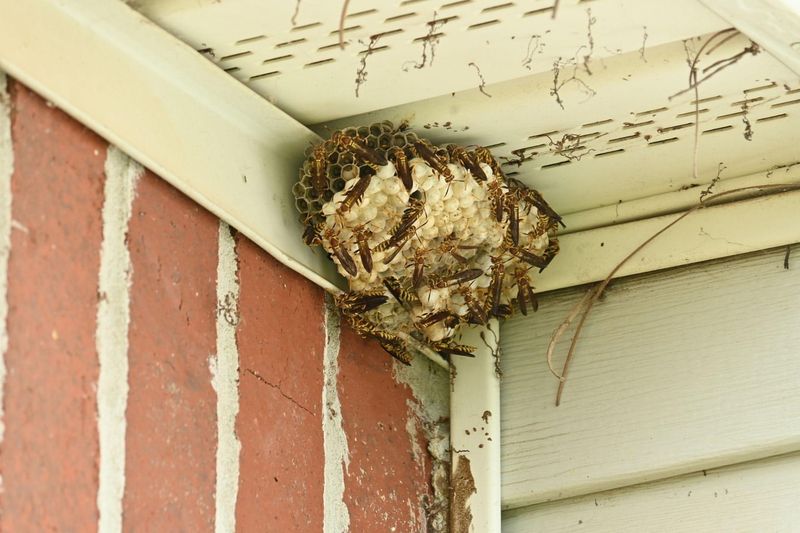
Most people do not spend a lot of time staring at their shed roof, which is exactly why wasps love it.
Shed rooflines offer the same shelter as porch eaves but with far less foot traffic and human activity nearby.
Low disturbance is a major factor in where wasps choose to build.
The space between the roof edge and the top of the shed wall creates a small gap that wasps treat like prime real estate. It is tucked away, dry, and warm from the afternoon sun.
Yellowjackets, paper wasps, and even bald-faced hornets will all target shed rooflines for these exact reasons.
Once one colony succeeds in a spot, the scent markers left behind attract new queens the following spring.
Sheds at the back of the yard, surrounded by tall grass or shrubs, are hit the hardest because they sit undisturbed for long stretches.
Trimming vegetation around your shed and checking the roofline every spring reduces the chances of a surprise colony forming.
Look for small gray papery cups or flat nest starts in late April and early May. At that stage, a single queen is building alone and the nest is still very small.
Addressing it early is much easier than waiting until a full colony is active. Keeping shed doors and vents screened also helps block wasps from nesting inside the structure itself.
4. Fence Gaps Give Wasps Hidden Cover
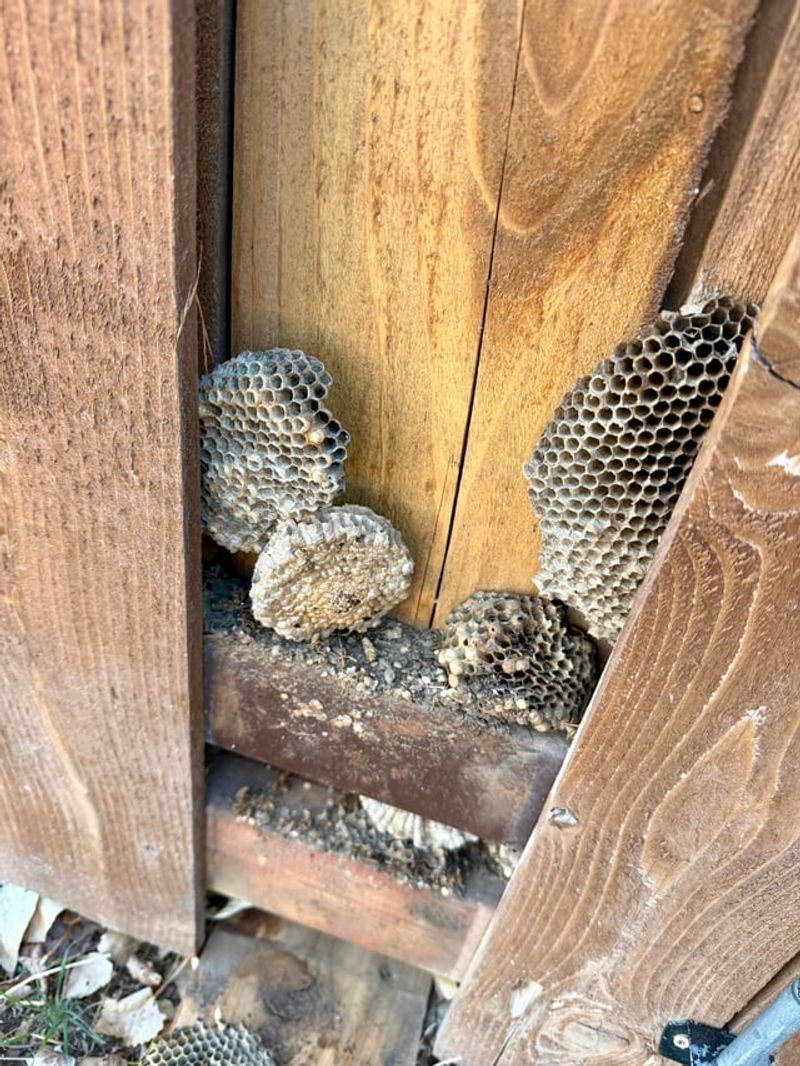
Wooden privacy fences develop gaps, cracks, and loose boards over time, and wasps notice every single one of them. A gap between fence boards acts like a small cave.
It blocks wind, hides the nest from predators, and stays dry during rain. For a wasp queen looking for a place to start her colony, that is hard to pass up.
Yellowjackets are especially fond of fence gaps because they prefer enclosed spaces over open surfaces. They will squeeze through a crack less than half an inch wide to get inside.
Once in, they can build a surprisingly large nest inside the hollow space of a wooden post or between two boards. You might hear a faint buzzing near your fence before you ever see a single wasp outside it.
Fences near gardens or fruit trees get targeted more often because food sources are close by. Wasps are practical creatures.
They build near where they plan to feed. Checking fence boards for soft spots, rot, or gaps each spring helps you spot potential nesting sites before they are claimed.
Filling gaps with exterior caulk or replacing damaged boards removes the hiding spots wasps depend on.
Painting or staining your fence regularly also keeps the wood sealed and less appealing for wasps to chew and incorporate into their nest material.
A well-maintained fence is genuinely less attractive to them than one that is weathered and cracked.
5. Woodpiles Create Dark Nesting Voids
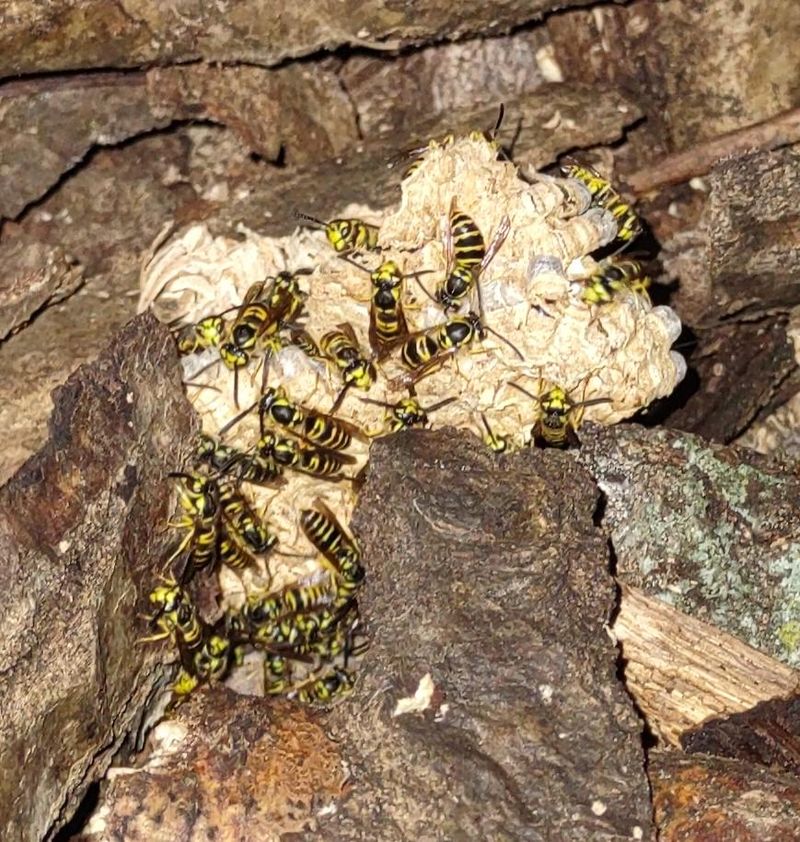
Stacked firewood might look tidy from a distance, but up close, it is full of dark tunnels and sheltered voids that wasps find irresistible. Yellowjackets in particular are ground and cavity nesters.
A woodpile gives them the same kind of enclosed darkness they would find in an underground burrow, but above ground and easier to access.
The gaps between logs trap warmth from the sun during the day and stay insulated at night. That stable temperature is ideal for raising young wasps.
A colony tucked deep inside a woodpile can grow very large before anyone realizes it is there. The first sign is usually wasps flying in and out of the same crack in a steady stream.
Woodpiles stored close to the house pose a bigger problem because wasps may eventually find their way indoors through foundation gaps or vents.
Storing firewood at least 20 feet from your home and off the ground on a rack reduces both wasp attraction and moisture buildup.
Covering the top of the pile with a tarp during summer months also limits access. Moving and rotating your woodpile every few weeks during spring disrupts any nest starts before they become established.
Wasps dislike repeated disturbance in early colony stages. Keeping the pile loose and well-organized rather than tightly stacked in one spot for months at a time makes a noticeable difference in whether wasps move in.
6. Compost Areas Offer Easy Food Smells
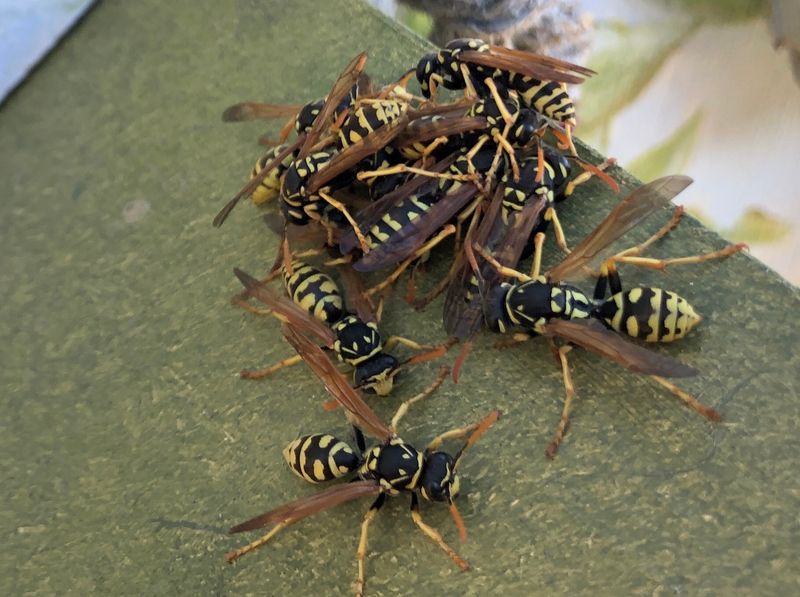
Few things in an Oregon yard broadcast a stronger food signal to wasps than a compost pile or bin.
Rotting fruit, vegetable scraps, and sweet organic material release sugary smells that carry far on a warm summer breeze.
Yellowjackets and paper wasps pick up on those scents quickly and follow them right to your compost area.
Late summer is when this problem peaks. Wasp colonies are at maximum size in August and September, and the workers are constantly foraging for sugary carbohydrates to feed the queen and new larvae.
A compost pile full of fruit cores, melon rinds, and leftover juice is basically a buffet for them. Once they find it, they come back every day and recruit others from the colony to join them.
Beyond just feeding there, wasps will sometimes nest right next to a reliable food source. Finding a nest in the soil or ground cover near your compost bin is not unusual at all.
Using a lidded compost bin with a tight seal dramatically reduces the smell that escapes. Burying fresh food scraps under older compost material also helps contain odors.
Avoiding adding meat, fish, or sugary liquids to your compost keeps the smell profile less attractive to wasps.
Turning your compost regularly speeds up decomposition and reduces the window of time that strong food smells are present.
A few small habit changes around your compost area can make a real difference in wasp activity nearby.
7. Trash Bins Keep Drawing Yellowjackets Back
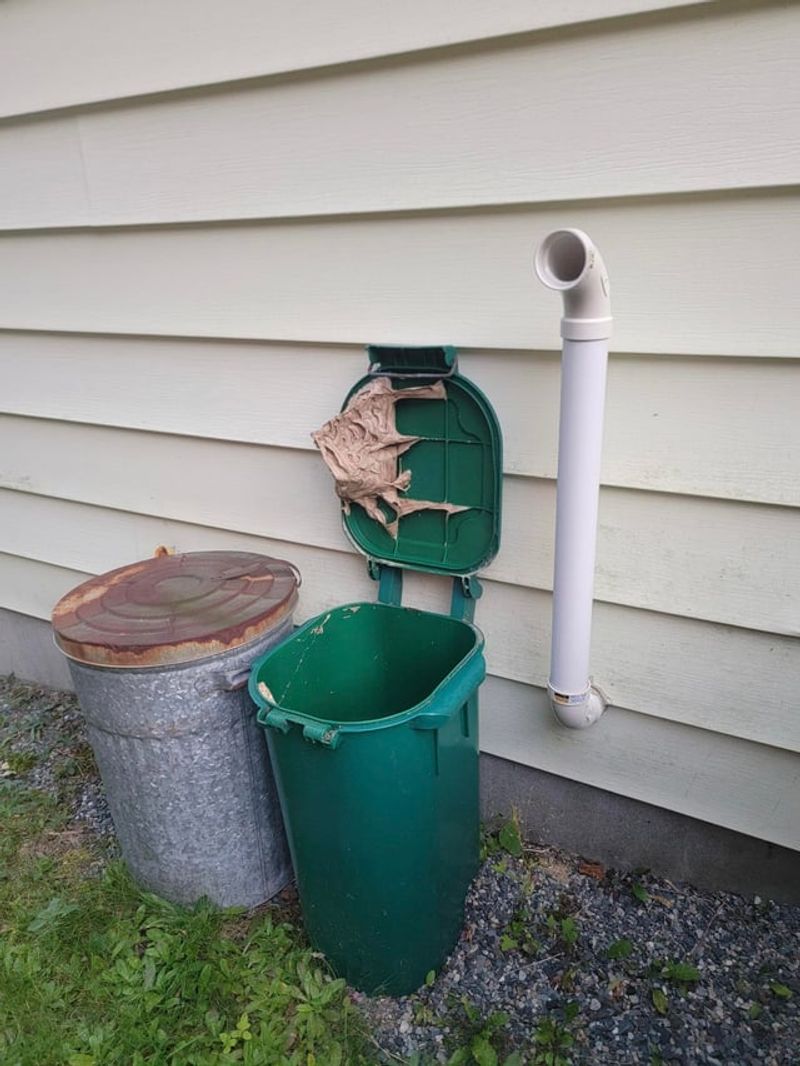
Sugary drink cans, food wrappers, and leftover scraps inside trash bins create one of the strongest wasp attractants in any Oregon yard. Yellowjackets have an incredibly sharp sense of smell.
They can detect sweet residue through a closed lid if it is not fully sealed. Once they find a reliable trash bin, they return to it daily throughout the summer.
The problem gets worse in late summer when natural food sources start to dry up. Wasp colonies are large and hungry in August.
Workers get more aggressive in their search for food. Trash bins that are not rinsed out become a hotspot for wasp activity, and kids or pets nearby face a higher risk of getting stung simply by being too close.
Keeping trash bin lids tightly closed and latched is the most effective step you can take. Rinsing out bottles, cans, and food containers before tossing them reduces the smell that leaks out.
Washing the inside of your bins with soapy water every couple of weeks removes sticky residue that keeps drawing wasps back.
Keeping bins in a shaded area rather than in direct sun slows down the fermentation of food scraps, which also reduces odor.
Placing bins away from outdoor seating areas gives wasps a reason to stay on the far side of the yard.
Small changes in how you manage your trash can noticeably reduce how many yellowjackets show up around your home each summer.
8. Fruit Trees Feed Late-Summer Wasps
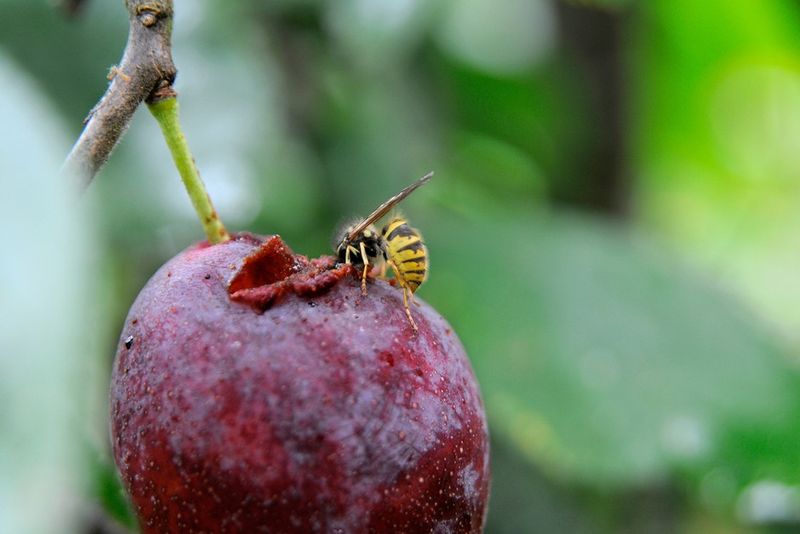
Fruit trees are one of the biggest reasons wasp populations spike in yards during late summer.
Apples, pears, plums, and cherries all ripen around the same time that wasp colonies are reaching their largest size of the year.
Fallen or overripe fruit sitting on the ground becomes a fermented sugar source that wasps cannot resist.
The fermenting juice from rotting fruit is almost like a magnet for yellowjackets. They feed on it heavily and carry the sugar back to the nest to feed the colony.
A single apple tree dropping fruit can attract dozens of wasps every single day. Kids playing nearby or adults doing yard work are much more likely to get stung in a fruit tree area during August and September than anywhere else in the yard.
Picking up fallen fruit every day or two is the single most effective way to reduce wasp activity under fruit trees. Do not let fruit sit on the ground for more than a day in peak summer heat.
Harvesting ripe fruit promptly from the tree also helps. Placing fallen fruit in a sealed bag before tossing it prevents the smell from continuing to attract wasps from the bin.
Some homeowners hang wasp traps near fruit trees in mid-July before colonies grow large. Starting trapping early catches queens and young workers before the population explodes.
Staying on top of fruit cleanup makes late-summer yard time much more enjoyable for the whole family.