7 July Jobs Louisiana Lemon Trees Need For A Juicier Harvest
Louisiana summers don’t go easy on lemon trees. The sun bakes the soil, and your tree spends July working overtime just to hold onto its fruit. What you do this month decides your harvest, plump and juicy, or thin and disappointing.
This state throws curveballs other regions rarely see. Storms roll in fast, humidity lingers for days, and pests find plenty of reasons to move in. A tree left to fend for itself during these weeks often pays for it later with dry, undersized lemons.
The fix isn’t complicated. A handful of targeted moves in July can steer your tree toward a strong, flavorful crop. Nail these seven tasks now, and by fall you’ll have lemons worth showing off, the kind that make every dish and drink taste sharper.
1. Deep Watering Through The Hottest Stretch Of Summer
Your lemon tree is thirsty right now. Louisiana July heat can push soil temperatures so high that shallow watering evaporates before roots even get a sip.
Deep watering means soaking the soil at least 12 inches down. Roots chase moisture, and if the water only reaches the top few inches, roots stay shallow and weak.
Shallow roots make trees more vulnerable during dry spells. A tree with deep roots can pull moisture from a much larger zone underground, keeping it stable even when rain skips a week.
Water slowly and at the base of the tree. A slow trickle for 30 to 45 minutes beats a fast blast that runs off before soaking in.
Morning watering is ideal for Louisiana lemon trees in July. Evening watering leaves moisture on foliage overnight, which invites fungal problems in humid Gulf Coast air.
Check the soil before every watering session. Stick your finger two inches into the ground near the drip line. If it feels dry, water deeply. If it still feels damp, wait one more day.
Citrus trees in containers dry out faster than in-ground trees. Potted lemon trees in full Louisiana sun may need deep watering every single day during peak heat weeks.
The goal is consistent soil moisture, not soggy soil. Overwatering causes root rot, which is just as damaging as drought stress during this critical fruit development period.
Healthy hydration right now directly impacts juice content in your lemons. A well-watered tree produces plumper, heavier fruit with more juice inside every single one.
2. Light Feeding With Micronutrients Instead Of Heavy Nitrogen
Heavy nitrogen in July is a trap many home growers fall into. It pushes out lush green growth, but that soft new growth becomes a magnet for aphids and other summer pests.
Your Louisiana lemon trees do not need a nitrogen boost right now. What they actually crave are micronutrients like magnesium, zinc, iron, and manganese to support fruit development.
Magnesium deficiency shows up as yellowing between leaf veins. A simple foliar spray of Epsom salt dissolved in water can correct this quickly and give leaves a healthy green color again.
Zinc helps with fruit sizing and seed development. Without enough zinc, lemons stay small and the skin can turn rough and thick instead of smooth and thin.
Your Louisiana Garden Changes Every Week. Your Plan Should Too.
Gardening in Louisiana changes quickly throughout the season. Every Friday you’ll receive a simple weekly plan showing exactly what to plant, prune, fertilize, harvest, and protect so you never miss the right timing.
Iron keeps the photosynthesis engine running strong. Louisiana soils can lock up iron when pH swings too high, so a chelated iron product is often the most effective fix.
Apply micronutrient fertilizers in the early morning or late afternoon. Midday feeding in July heat can stress roots and cause fertilizer burn on tender feeder roots near the surface.
Slow-release granular micronutrient blends work well for in-ground trees. They feed steadily over weeks instead of dumping everything at once, which suits the summer growth pace perfectly.
Foliar feeding is a fast way to correct visible deficiencies. Spray leaves on both sides and watch for improvement within seven to ten days after application.
Feeding smart in July keeps Louisiana lemon trees producing without triggering weak growth. The right nutrients now mean stronger cell walls in your fruit and a much juicier harvest later.
3. Checking Leaves And Stems For Early Pest Activity
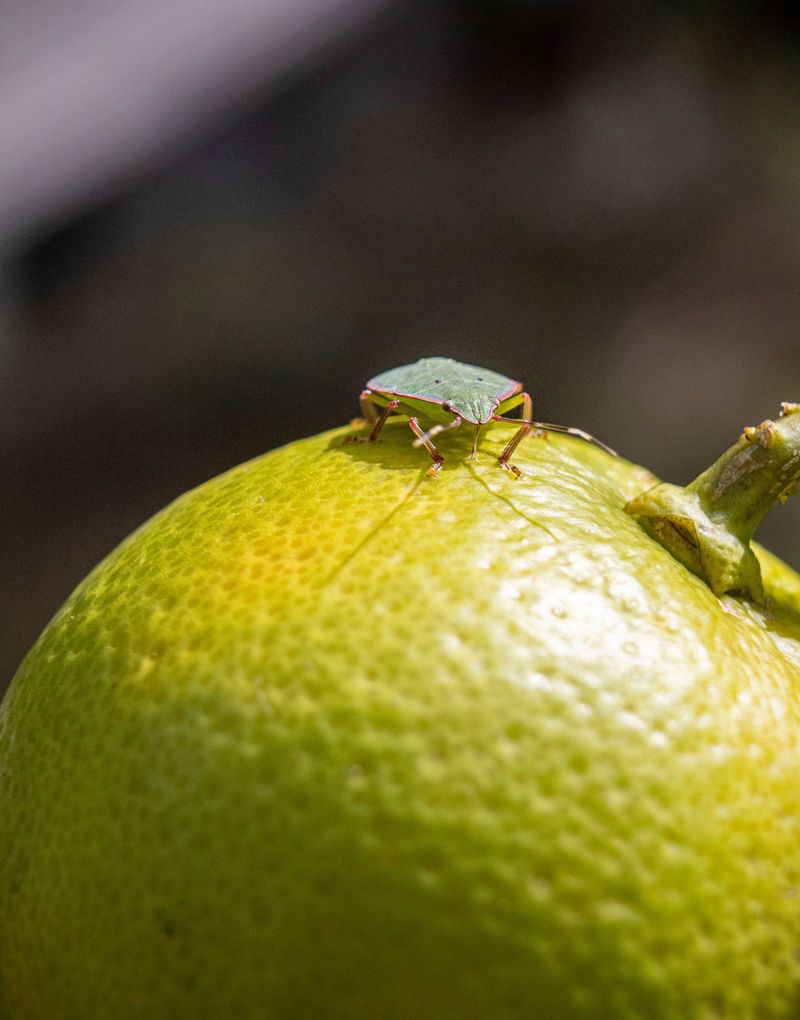
Pests in Louisiana July move fast. One week your tree looks fine, and the next week you have got a full-blown infestation that is tough to turn around.
Citrus leafminers are among the most common July troublemakers on Louisiana lemon trees. Their larvae tunnel through young leaves, leaving silver squiggly trails that are easy to spot once you know what to look for.
Asian citrus psyllids are a more serious threat. They spread a bacterial disease called citrus greening, which has no cure, so catching psyllids early is genuinely critical for your tree’s future.
Check the undersides of leaves every single week. That is where aphids, spider mites, and scale insects like to hide from the sun and predators while they quietly drain your tree’s energy.
Look for sticky residue on leaves and stems. That stickiness is called honeydew, and it is a telltale sign that sucking insects are already active somewhere above the spot you are seeing it.
Sooty mold often follows honeydew. The black powdery coating blocks sunlight from reaching leaf surfaces, which slows photosynthesis and weakens the tree right when it needs full energy for fruit production.
A strong blast of water from a garden hose knocks off many soft-bodied pests. This simple step works surprisingly well for aphid control and does not harm beneficial insects living on the tree.
Neem oil spray handles a wide range of pest problems safely. Apply it in the evening to avoid burning leaves and to give it time to work before the next day’s heat arrives.
Staying ahead of pest pressure on your Louisiana lemon trees in July keeps fruit quality high and protects your harvest from preventable damage all season long.
4. Thinning Crowded Fruit Clusters For Bigger Lemons
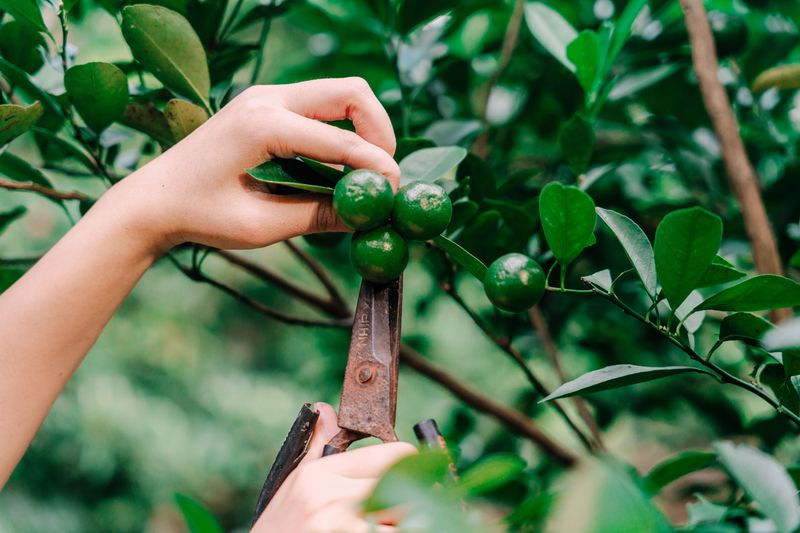
More fruit does not always mean a better harvest. When lemons grow in tight clusters, every single one competes for the same sugar, water, and nutrients moving through that branch.
Thinning fruit clusters is one of the most underrated July jobs for Louisiana lemon trees. Removing a few lemons now means the ones that stay grow significantly larger and juicier by harvest time.
Look for clusters of three or more lemons touching each other. Choose the largest and best-positioned fruit to keep, then gently twist off the smaller ones nearby to free up resources.
Fruit that grows pressed against a branch or another lemon often develops poorly. Removing crowded pieces early prevents misshapen fruit and reduces the risk of skin cracking later in the season.
Thinning also improves airflow inside the canopy. Better airflow means less humidity trapped between branches, which directly reduces the chances of fungal disease spreading through your tree during wet July weather.
Use clean snips or just your fingers for thinning small fruit. Keeping tools clean between cuts prevents spreading any bacteria or fungal spores from one part of the tree to another.
Do not feel bad about removing fruit now. Every lemon you take off in July is an investment in the ones that remain, giving them room and resources to reach their full potential.
A well-thinned tree also handles heat stress better. When a tree is not straining to support too many developing fruits, it keeps its leaves healthier and its root system more resilient through summer.
Thinning is a small job with a big payoff on Louisiana lemon trees, and your harvest will absolutely show the difference come picking season.
5. Mulching To Hold Moisture Around The Root Zone
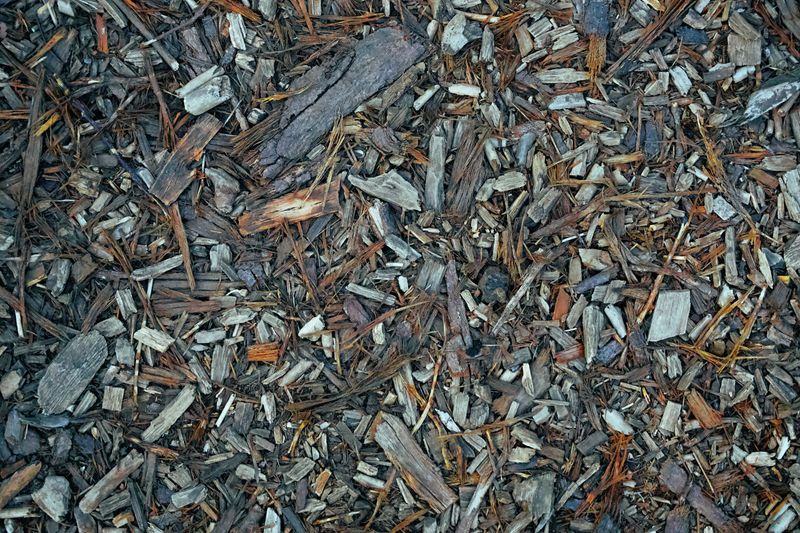
Bare soil under a lemon tree in Louisiana July is working against you. Sun-baked soil heats up fast, dries out quickly, and stresses roots that need steady, cool moisture to function well.
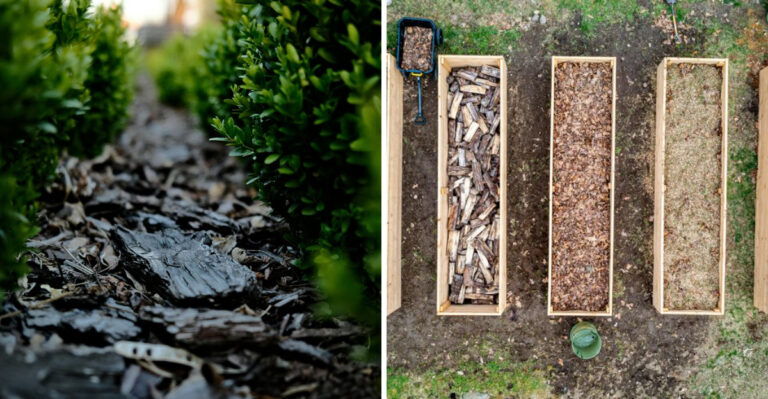
Mulching the root zone is one of the simplest and most effective things you can do right now. A three to four inch layer of organic mulch acts like a blanket, keeping soil temperature lower and moisture locked in longer.
Wood chips, pine bark, and straw all work well for citrus trees. Avoid dyed mulches or materials that mat down tightly, since good mulch needs to let water and air pass through freely.
Keep mulch a few inches away from the trunk. Mulch piled against bark traps moisture against the wood and creates conditions where fungal rot and pest damage can quietly take hold.
A proper mulch ring should extend out to the drip line of the tree. The drip line is the outer edge of the canopy, and that is roughly where the most active feeder roots are located underground.
Mulch also suppresses weeds that compete with your tree for water and nutrients. Fewer weeds mean less competition, and less competition means more resources flowing directly into your developing lemons.
Organic mulch breaks down slowly over time and improves soil structure. As it decomposes, it adds organic matter that feeds beneficial microbes and keeps Louisiana clay soils from compacting too tightly.
Refresh your mulch layer if it has thinned out from rain or wind. Two to three inches is the minimum effective depth to get real moisture-retention benefits through the rest of summer.
Mulching is low effort and high reward for Louisiana lemon trees, and it pays dividends in fruit quality every single season you practice it.
6. Light Pruning To Improve Airflow And Sun Exposure
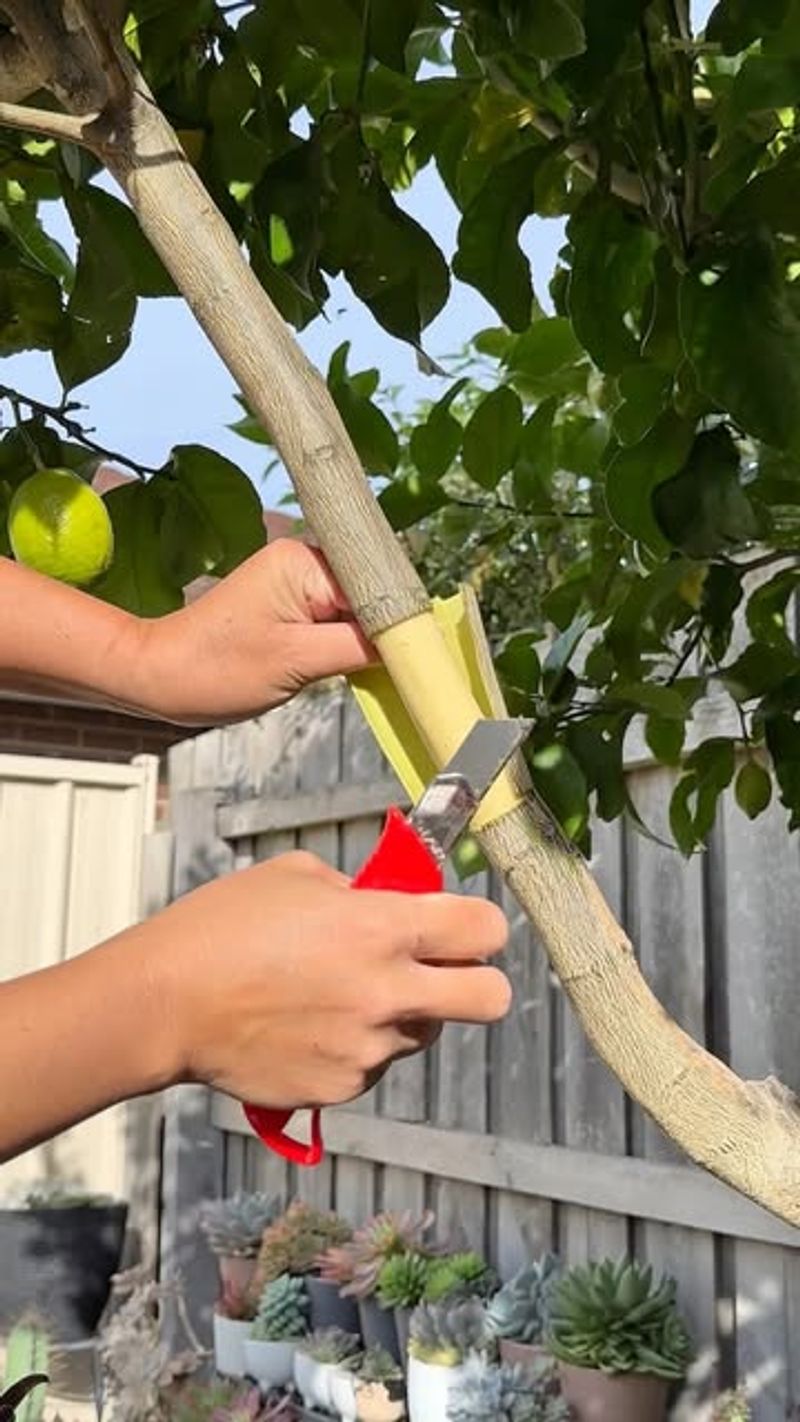
A crowded canopy is a problem that compounds over time. When branches cross, rub, and block each other, the inner parts of the tree never get enough sun or airflow to stay healthy.
July is not the time for heavy pruning on Louisiana lemon trees. Stick to light trims that clear damaged branches and open up crowded spots, saving bigger cuts for cooler months when the tree isn’t under heat stress.
Water sprouts are the fast-growing vertical shoots that shoot straight up from main branches. They look vigorous, but they steal energy without contributing fruit, so clipping them off in July is a smart move.
Opening up the canopy lets sunlight reach developing fruit. Lemons that get more direct sun exposure develop better color, thicker oil-rich skin, and stronger flavor than fruit hidden in deep shade.
Improved airflow reduces humidity pockets inside the tree. In Louisiana’s muggy summer climate, those humidity pockets become breeding grounds for fungal diseases like greasy spot and melanose on lemon foliage.
Use sharp, clean pruning shears. Dull blades crush stems instead of cutting cleanly, which slows healing and leaves ragged wounds that are easier for pathogens to enter.
Remove no more than 10 to 15 percent of the canopy at one time in summer. Taking off too much foliage stresses the tree and reduces its ability to photosynthesize during peak fruit development.
Step back and look at the overall shape before making cuts. A balanced, open canopy with good light penetration is the goal, not a perfectly manicured shape that sacrifices function for appearance.
Light pruning in July sets Louisiana lemon trees up for a harvest that is both abundant and full of the juicy, bright fruit worth all this summer effort.
7. Watching For Split Or Puffy Fruit After Heavy Rain
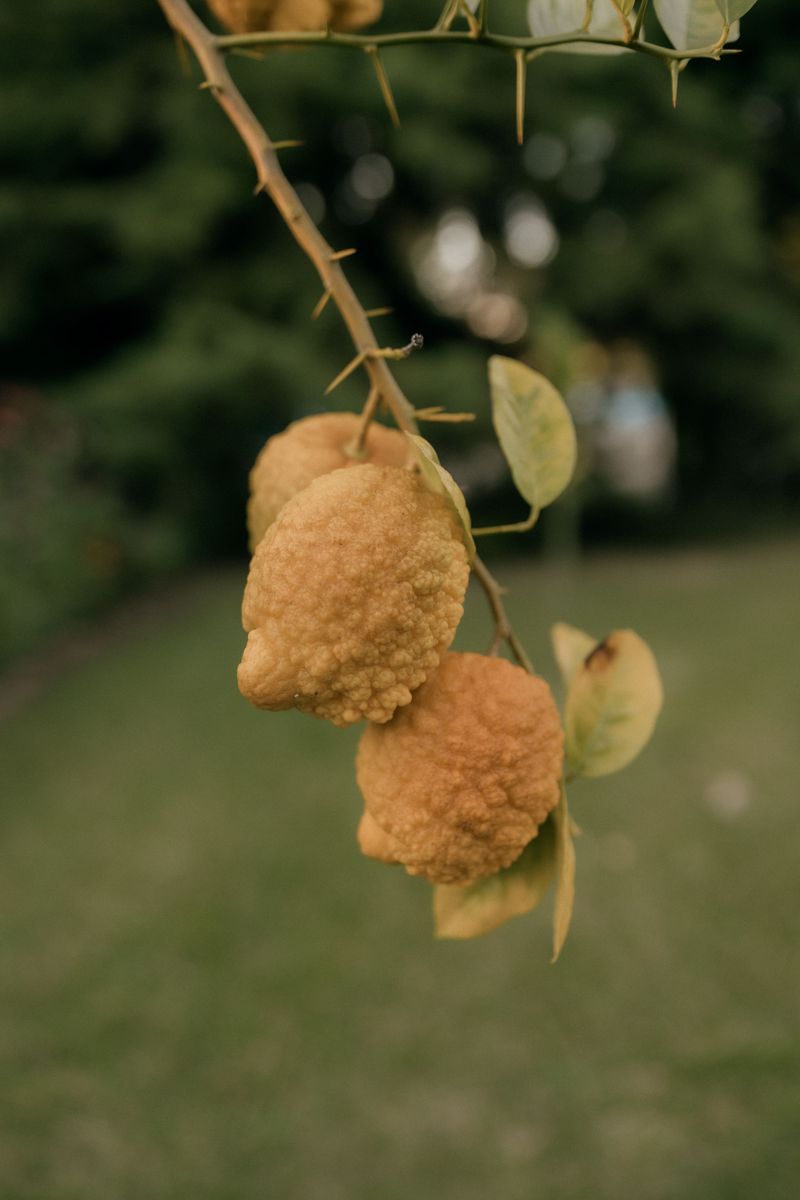
Louisiana summer storms can drop two inches of rain in an hour. After weeks of dry heat, that sudden flood of water gets sucked up by roots fast, and sometimes the fruit cannot handle the pressure.
Fruit splitting happens when the inside of a lemon swells faster than the skin can stretch. You end up with cracked, open fruit that is immediately vulnerable to mold, insects, and bacteria.
Walk your tree within 24 hours after any heavy rain event. Catching split fruit early lets you remove it before it becomes a source of infection that spreads to healthy lemons nearby.
Puffy fruit is a related issue worth watching for. When rind puffs away from the inner flesh, it usually means the fruit developed too fast or uneven watering caused erratic growth patterns in the peel.
Consistent watering between rain events helps prevent both problems. Keeping soil moisture steady means roots are not swinging between drought stress and sudden flooding, which is the main driver of splitting.
Mulch plays a role here too, by slowing how fast water reaches roots after a downpour. A good mulch layer buffers that flood effect and gives roots a more gradual intake of moisture.
Remove any split or puffy fruit promptly and dispose of it away from the tree. Leaving damaged fruit on the ground invites pests and fungal spores that can cycle back up into your healthy canopy.
Check stems and nearby fruit for secondary damage after you remove problem pieces. Sometimes splitting causes small bark wounds or bruising on neighboring lemons that need monitoring over the following week.
Staying watchful after summer storms is one of the most important July jobs for Louisiana lemon trees, and it protects the juicy harvest you have worked all season to grow.