What It Means When Lizard Eggs Show Up Buried In Your California Garden Beds
Finding tiny eggs tucked beneath the soil can make an ordinary gardening session feel like a backyard mystery. One second, you are pulling weeds.
The next, you are staring at a hidden clutch and wondering who moved into the flower bed without asking.
Lizard eggs can be easy to miss because they are often buried in quiet, protected spots. Their appearance may seem random, but the location usually offers clues about what is happening around the yard.
Apparently, your California garden has become desirable real estate. The discovery can also raise plenty of questions. Should the eggs stay where they are?
Is the area safe to work in? Will tiny lizards suddenly appear while you are watering?
There is usually no reason to panic or start digging deeper. A careful look at the situation can help you understand why the eggs are there and what your next move should be.
1. Your Garden Has Become Safe Nesting Habitat
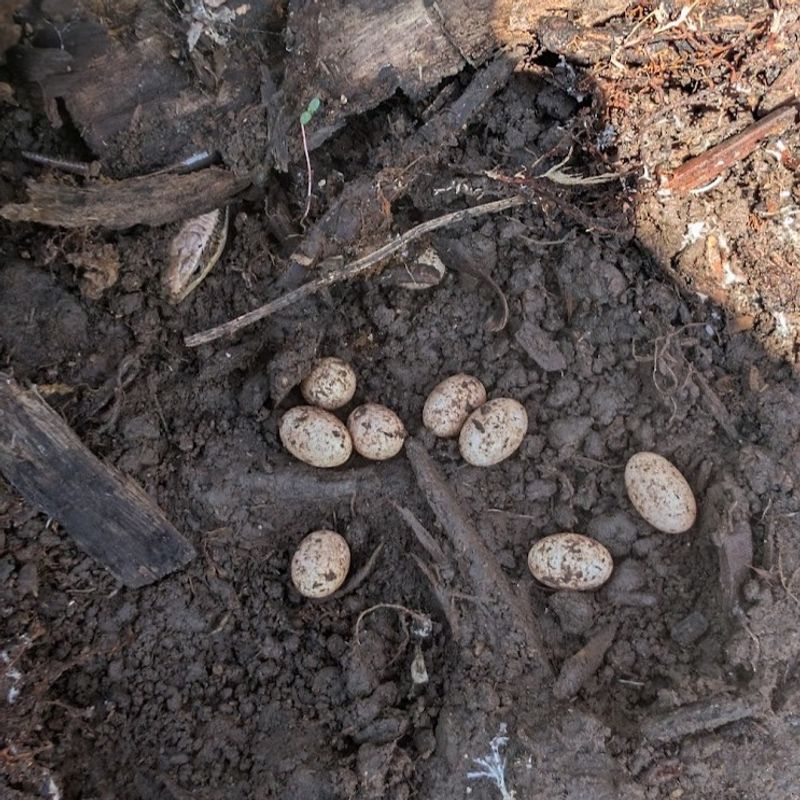
Not every yard earns the trust of a nesting lizard. When a female lizard chooses your garden bed to bury her eggs, it says a lot about the environment you have created.
Your space offers the right combination of warmth, cover, and safety that she needs to give her eggs a good start.
Lizards are picky about nesting sites. They look for areas that stay consistently warm during the day, have soft or loose soil that is easy to dig into, and offer nearby shelter like rocks, wood, or dense plants.
Garden beds often check every single one of those boxes.
In many parts of California, native lizard populations have lost natural nesting habitat due to development and landscaping changes.
Residential gardens have quietly stepped in as replacement habitat. Your garden may be doing more conservation work than you ever realized.
Seeing eggs in your garden is a sign that the local lizard population is healthy and reproducing.
It also means your yard feels safe enough for a vulnerable female to expose herself during the digging and egg-laying process. That kind of trust from a wild animal is genuinely worth celebrating.
Protecting that habitat going forward is simple. Avoid heavy foot traffic near garden beds, limit chemical use, and keep some natural clutter like small rocks or bark pieces nearby.
Small changes can make your garden an even better long-term home for these helpful reptiles.
2. Loose Soil Makes Egg-Laying Easier
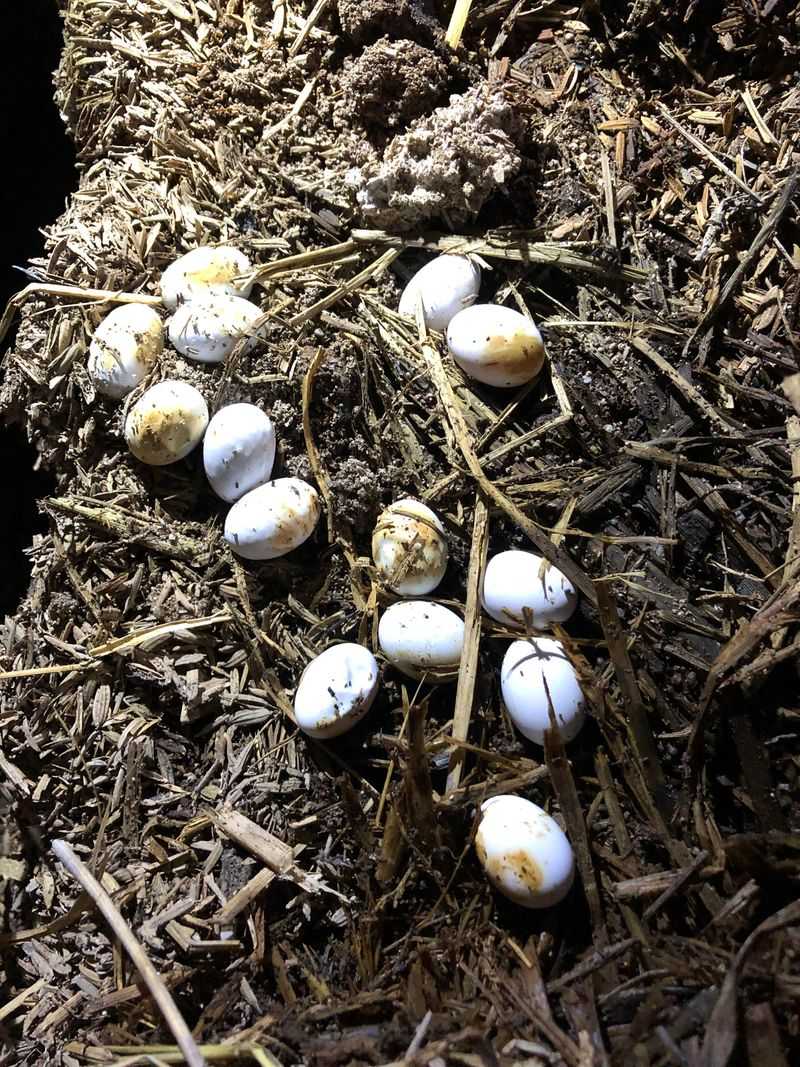
Soil texture matters more than most gardeners think when it comes to lizard nesting. Female lizards cannot dig through hard, compacted ground.
They need loose, workable soil that gives way easily under their small claws.
Well-amended garden beds are practically a luxury resort for a lizard looking to nest. When you add compost, perlite, or other organic matter to your beds, you are not just helping your plants.
You are also creating ideal conditions for a lizard to bury a clutch of eggs without much effort.
Sandy or loamy soil types found in many yards across California are particularly attractive. These soil textures stay loose even after light rain and warm up quickly in the morning sun.
Your California Garden Changes Every Week. Your Plan Should Too.
Gardening in California changes quickly throughout the season. Every Friday you’ll receive a simple weekly plan showing exactly what to plant, prune, fertilize, harvest, and protect so you never miss the right timing.
Both of those qualities make them perfect for incubating eggs that need steady, gentle heat over several weeks.
A lizard will typically dig a small hole a few inches deep, deposit her eggs, and then carefully cover them back up. The loose soil acts as natural insulation, keeping the eggs at a stable temperature even as surface temperatures shift throughout the day.
If you regularly till or loosen your garden beds, you are essentially sending an open invitation to nesting lizards every spring and early summer. That is not a bad thing at all.
Just be aware that your garden prep work may be making your beds the most popular nesting spot on the block.
3. Warm Mulch Can Attract Nesting Females
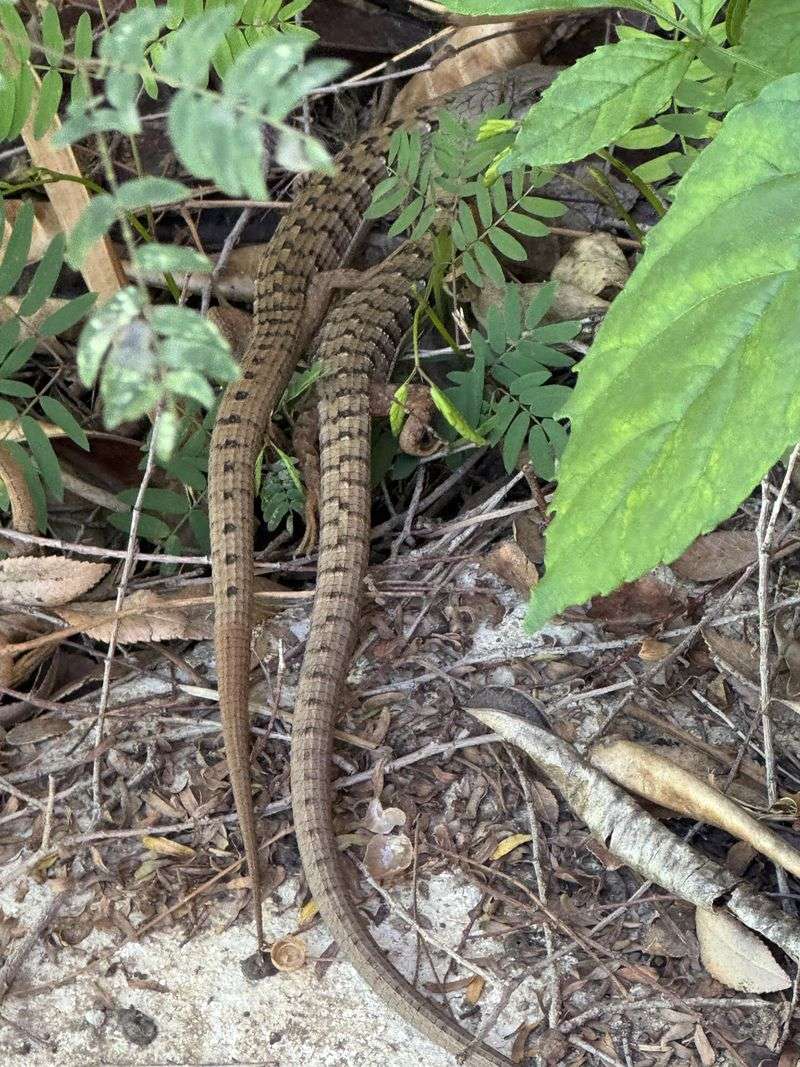
Mulch does a fantastic job of holding heat, and lizards know it. A thick layer of wood chips, straw, or bark mulch absorbs warmth from the sun during the day and releases it slowly overnight.
For a lizard egg that needs consistent warmth to develop, that is an incredibly valuable quality.
Many gardeners are surprised to learn that mulched beds attract nesting females more than bare soil beds. The mulch layer adds an extra buffer of warmth just below the surface.
It also keeps moisture levels more stable, which helps prevent eggs from drying out before they are ready to hatch.
In warmer inland areas, mulch can get quite hot during the summer months. Lizards have learned to use this to their advantage.
They often nest at the edge of mulched areas where temperatures are warm but not extreme, finding that sweet spot that keeps their eggs developing at just the right pace.
If you use organic mulch in your garden beds, do not be surprised if you spot a female lizard poking around or even partially buried near the mulch line. She is likely scouting the area or already in the process of laying her eggs.
Keeping a two-to-three inch layer of mulch in your beds is good for your plants and clearly good for local lizards too.
It is one of those rare gardening practices that benefits everyone involved, from your tomatoes to the tiny reptiles living nearby.
4. Buried Eggs Usually Mean Lizards Are Nearby
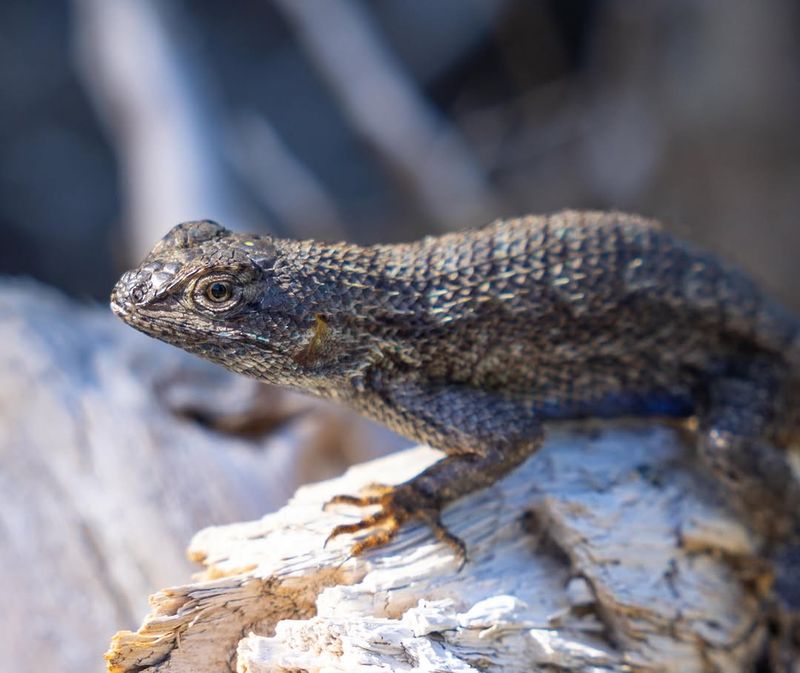
Fresh eggs in your California garden soil are a strong clue that at least one adult lizard is living very close by. Female lizards do not travel far from their home territory to nest.
If the eggs are in your garden, the mother is almost certainly spending her days somewhere on your property.
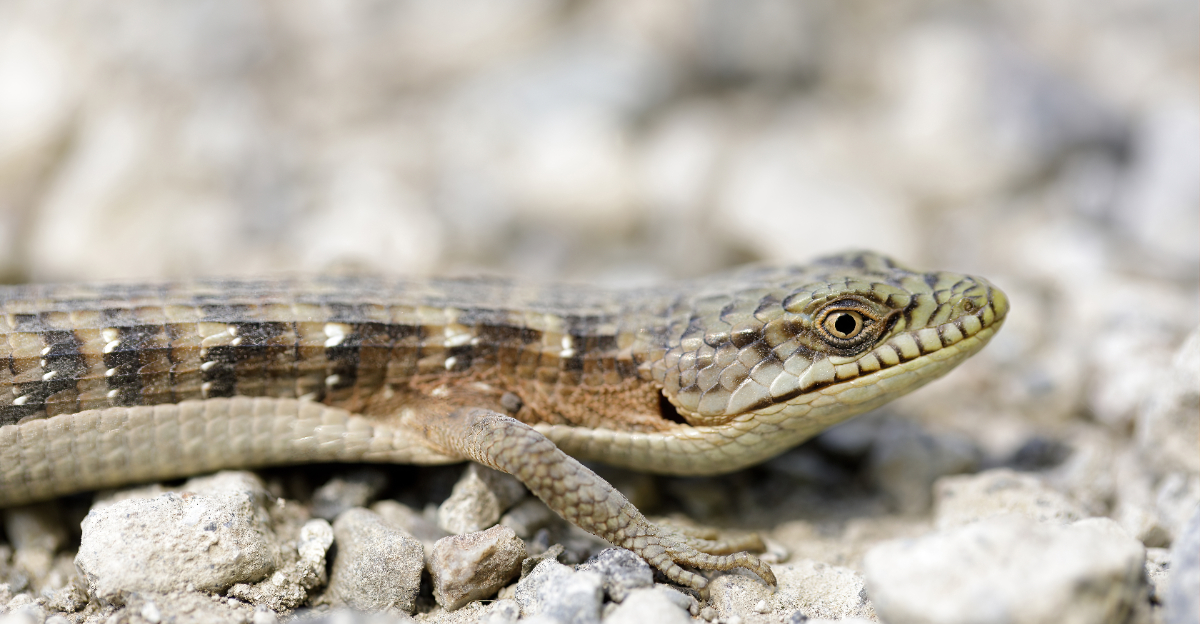
Look around your garden carefully and you will likely spot her basking on a flat rock, fence post, or sun-warmed pathway.
Western fence lizards are especially easy to notice because the males have bright blue patches on their bellies.
Both males and females tend to stay in the same general area for most of the warm season.
Lizards are territorial creatures. A female that nested in your garden this year has probably been living in your yard for quite some time.
She chose your garden bed because she already knew the area well and trusted it as a safe location.
You might also notice multiple lizards if you pay attention over a few days. Adult lizards often share overlapping territories, especially in yards with plenty of food and shelter.
Seeing two or three lizards in the same garden area is completely normal.
Knowing that lizards are nearby should give you extra motivation to keep your yard pesticide-free and lizard-friendly.
These small reptiles are doing real work every single day, hunting insects and keeping your garden ecosystem in balance.
They are quiet, low-maintenance garden allies who ask for very little in return.
5. Baby Lizards May Appear In Early Summer
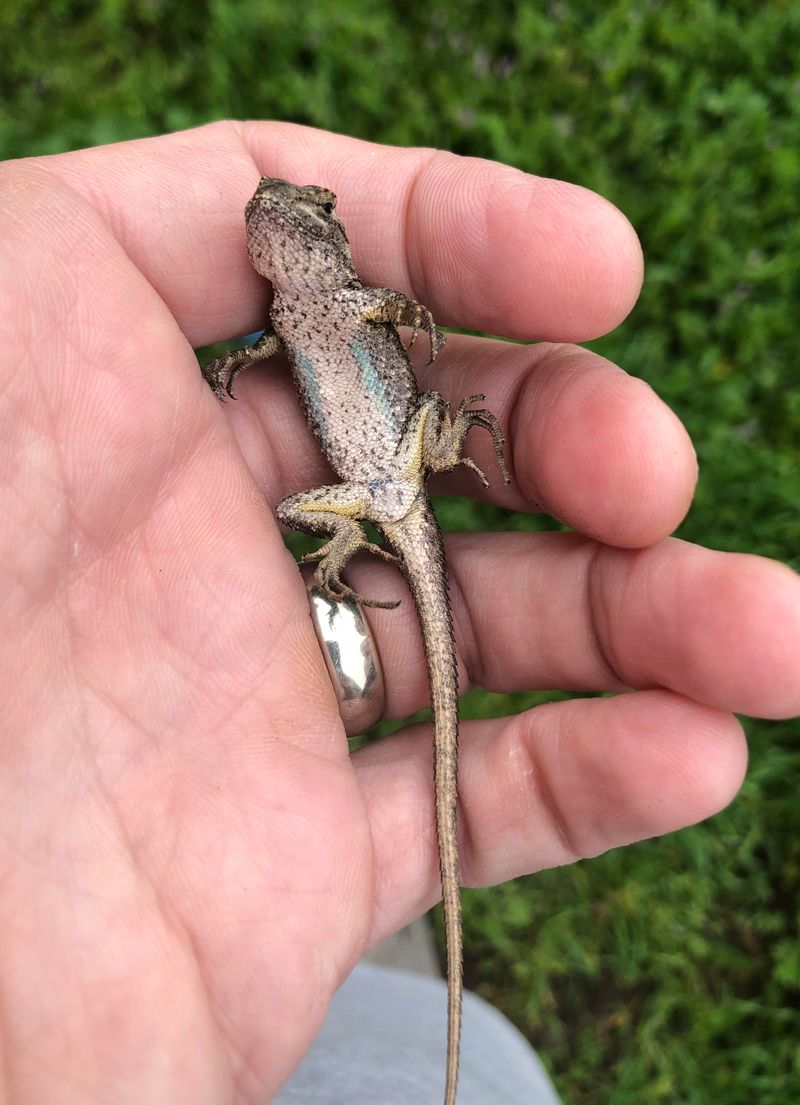
One of the most exciting moments in a nature-friendly garden is the first time you spot a batch of baby lizards scrambling through your plants.
Lizard eggs laid in spring typically hatch somewhere between six and ten weeks later, which puts the hatch window right in the heart of early summer.
Baby lizards are tiny, often no longer than two inches from snout to tail tip. They look like miniature versions of the adults and are fully independent from the moment they hatch.
No parent sticks around to help them, so they hit the ground running, quite literally.
You might see several hatchlings at once near the spot where the eggs were buried. They tend to scatter quickly and hide among plant stems, under leaf litter, or beneath rocks.
Spotting even one or two of them is a real treat because they move fast and blend in surprisingly well.
Early summer is also when insect populations are climbing, which works out perfectly for the hatchlings.
They start hunting tiny insects almost immediately and grow quickly through the rest of the warm season.
In northern California, hatchlings may appear a bit later in summer because cooler temperatures slow down egg development slightly. In warmer southern areas, you might see babies as early as late May.
Either way, keep an eye on your garden beds in June and July for those first tiny signs of new lizard life.
6. Don’t Turn The Eggs Over
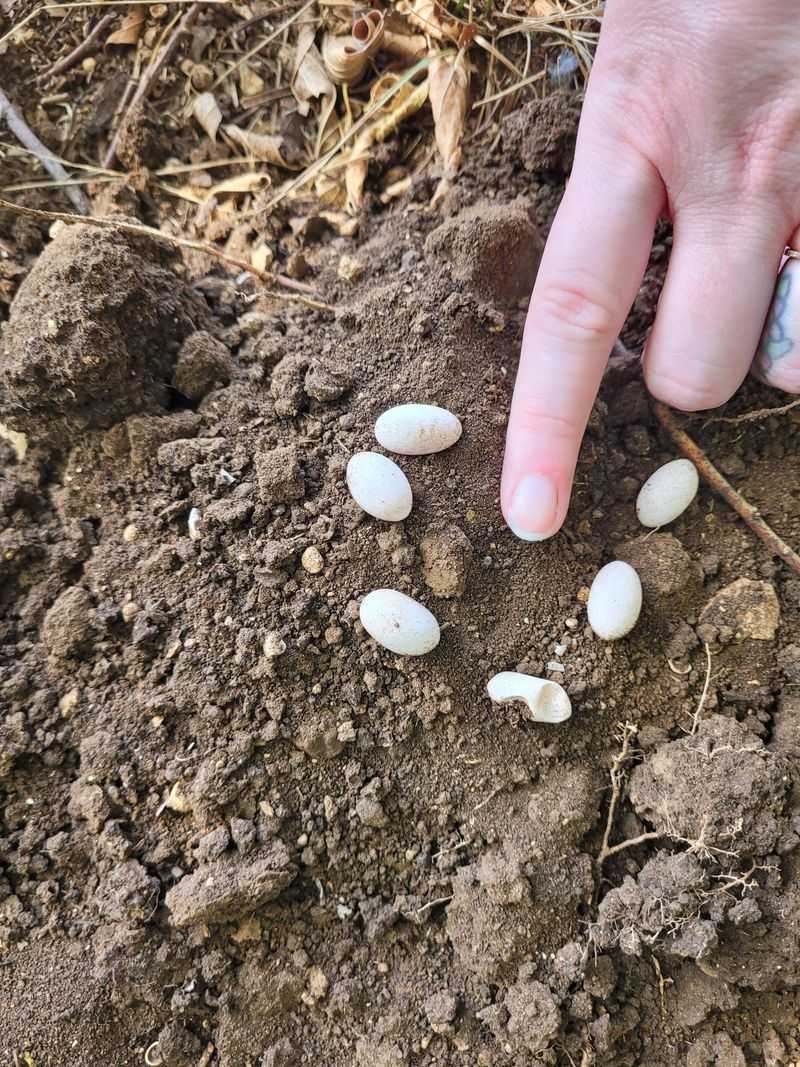
Here is one of the most important things to know if you accidentally uncover lizard eggs while gardening: do not flip them over. Lizard eggs, like many reptile eggs, are position-sensitive during development.
The embryo inside attaches to one side of the egg early in incubation and must stay oriented that way.
Turning an egg upside down after the embryo has attached can cause serious developmental problems.
If you find eggs and they have been in the ground for even a short time, treat them like fragile objects and leave them exactly as you found them.
If you must move them because of unavoidable garden work, use a spoon or small trowel to lift each egg very carefully. Keep it in the same orientation it was in when you found it.
A small dot of non-toxic marker on the top of each egg can help you track which side is up as you work.
Relocate the eggs to a spot with similar soil warmth and depth, ideally just a few feet away from the original location.
Rebury them at roughly the same depth and cover them gently with loose soil. Try to disturb them as little as possible throughout the whole process.
Most California gardeners who find eggs choose to simply leave them alone and work around the spot. That is honestly the best choice whenever it is possible.
A little patience goes a long way when you are sharing your garden with nesting wildlife.
7. Avoid Digging That Spot Again
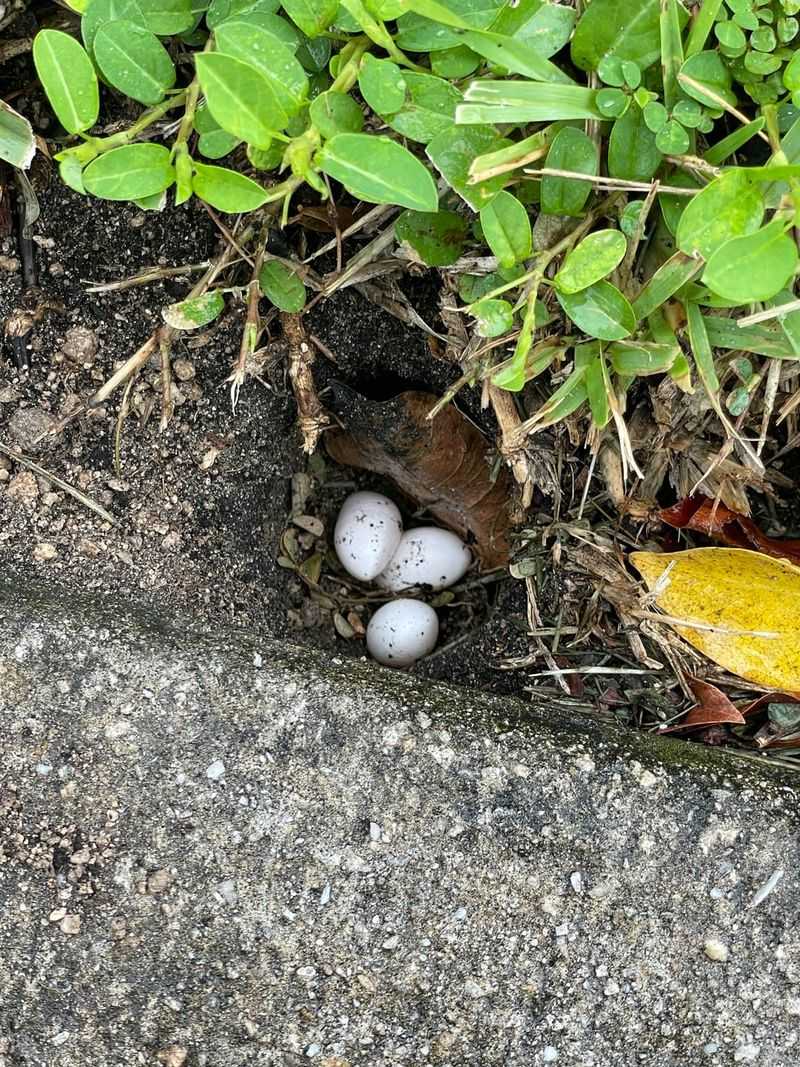
Once you know where lizard eggs are buried, mark the spot and give it a break for the rest of the season.
Repeated digging near an active nest can damage the eggs, disrupt the soil temperature, and stress any adult lizards living nearby.
It is simply not worth the risk for the sake of a bit of extra planting space.
A simple garden stake or small ring of stones works perfectly as a marker. You do not need anything fancy.
Just something that reminds you and anyone else working in the garden to avoid that particular patch of soil for the next several weeks.
Eggs typically need six to ten weeks to hatch, depending on soil temperature and species. Once the eggs hatch, the hatchlings leave quickly, and the soil in that spot returns to normal.
You can resume planting or digging in that area once you are confident the eggs have hatched.
If you are unsure whether the eggs have hatched yet, look for small entry or exit holes in the soil surface. Hatchlings leave behind tiny tunnels as they dig their way out.
That is a reliable sign that the nest has been vacated and the soil is safe to work again.
Protecting one small patch of soil for a few weeks is a minor sacrifice with a meaningful payoff.
You are directly supporting local wildlife and helping a new generation of garden-friendly lizards get their start in life right in your own backyard.
8. Lizards Help Control Garden Insects
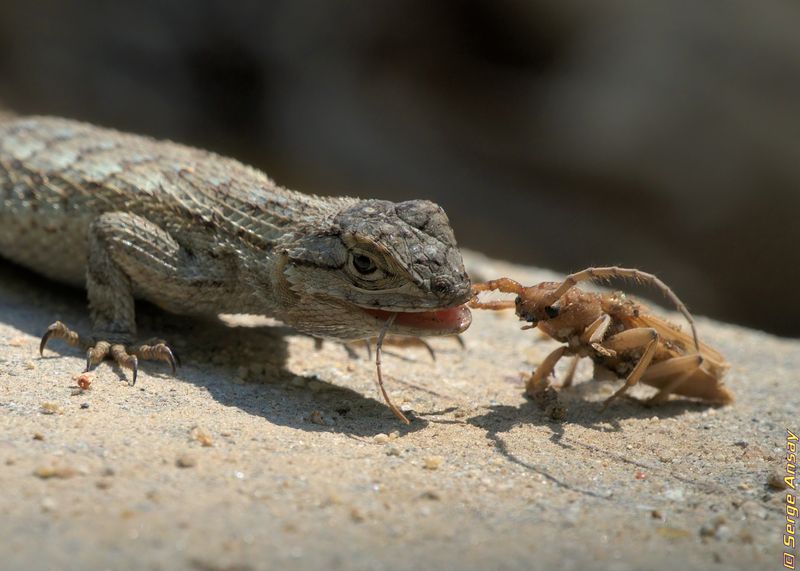
Few garden helpers are as efficient as a hungry lizard. A single adult lizard can consume dozens of insects in a single day.
Ants, beetles, grasshoppers, earwigs, and various caterpillars are all fair game. For gardeners trying to protect their vegetables and flowers without reaching for chemical sprays, lizards are an incredibly valuable asset.
Western fence lizards are especially well-known for their appetite for insects. They are active hunters that use sharp eyesight to spot movement and then dash in for a quick catch.
Watching one hunt through a garden bed is genuinely impressive, given how fast and accurate they are.
Beyond just eating insects, lizards also help keep tick populations in check. Research has shown that when western fence lizards feed on ticks, a protein in their blood actually clears the Lyme disease bacteria from the ticks.
That is a remarkable bonus benefit that most people never know about.
Having a healthy lizard population in your garden means fewer pest insects reaching your plants. It also means a more balanced ecosystem overall.
Predators like lizards help prevent any single insect species from getting out of control and causing widespread plant damage.
Encouraging lizards to stay in your garden is one of the smartest moves a home gardener can make. Add flat rocks for basking, leave some leaf litter for cover, and skip the pesticides.
A lizard-friendly yard is a healthier, more productive garden from top to bottom.
9. Skip Pesticides Around Nesting Areas
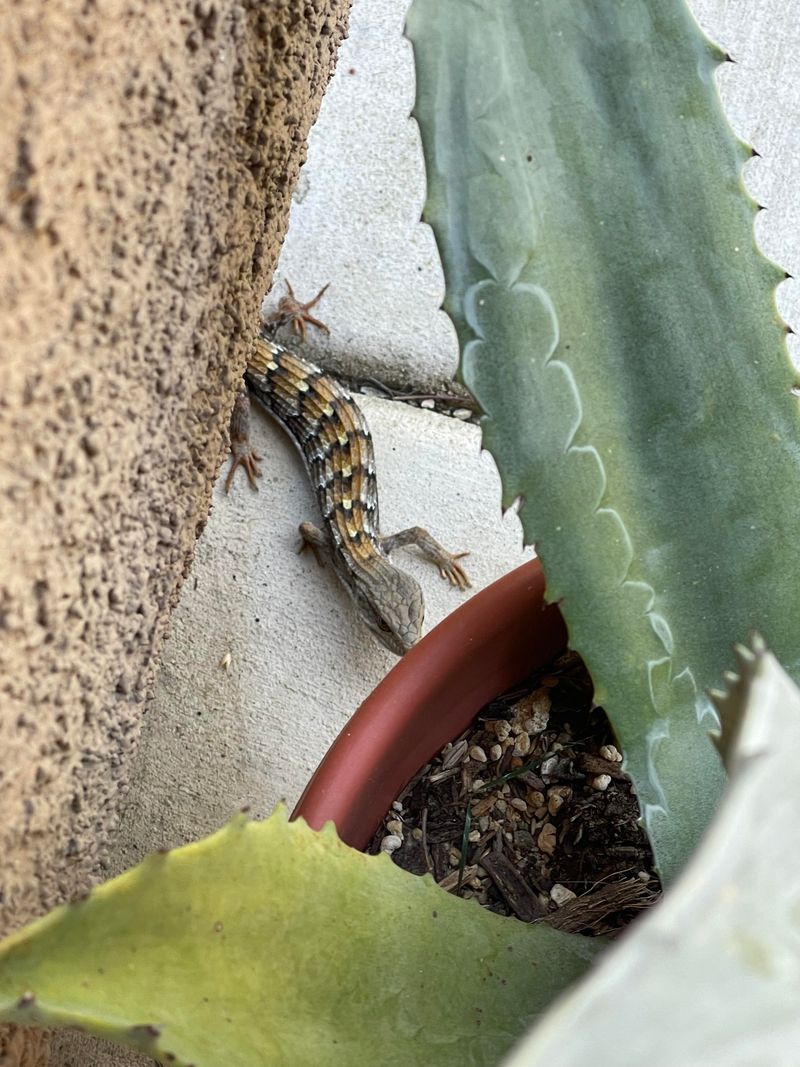
Pesticides and lizard eggs are a dangerous combination. Many common garden insecticides, herbicides, and even some organic sprays can seep into the soil and harm developing embryos.
If you know lizard eggs are buried in a garden bed, that area should be completely off-limits for any kind of chemical treatment.
Even products labeled as natural or organic can be harmful to reptile eggs and hatchlings. Pyrethrin-based sprays, neem oil applied directly to soil, and certain copper-based fungicides have all shown potential to affect reptile development at close range.
When in doubt, keep all sprays away from the nesting zone. The good news is that lizards themselves are doing a lot of your pest control work for free.
Skipping pesticides in the area around a lizard nest actually makes the surrounding garden healthier in the long run.
More insects survive near the nest, which gives the hatchlings plenty of food once they emerge.
If pest pressure is high in other parts of your garden, focus treatments there and create a chemical-free buffer zone around any known nesting spots.
A few feet of untreated soil around the nest is usually enough to keep the eggs safe during the incubation period.
Thinking of your garden as a shared ecosystem rather than a controlled environment makes these kinds of decisions easier. Lizards, birds, beneficial insects, and healthy soil all work together.
Reducing chemical use is one of the most impactful ways to support that whole system at once.